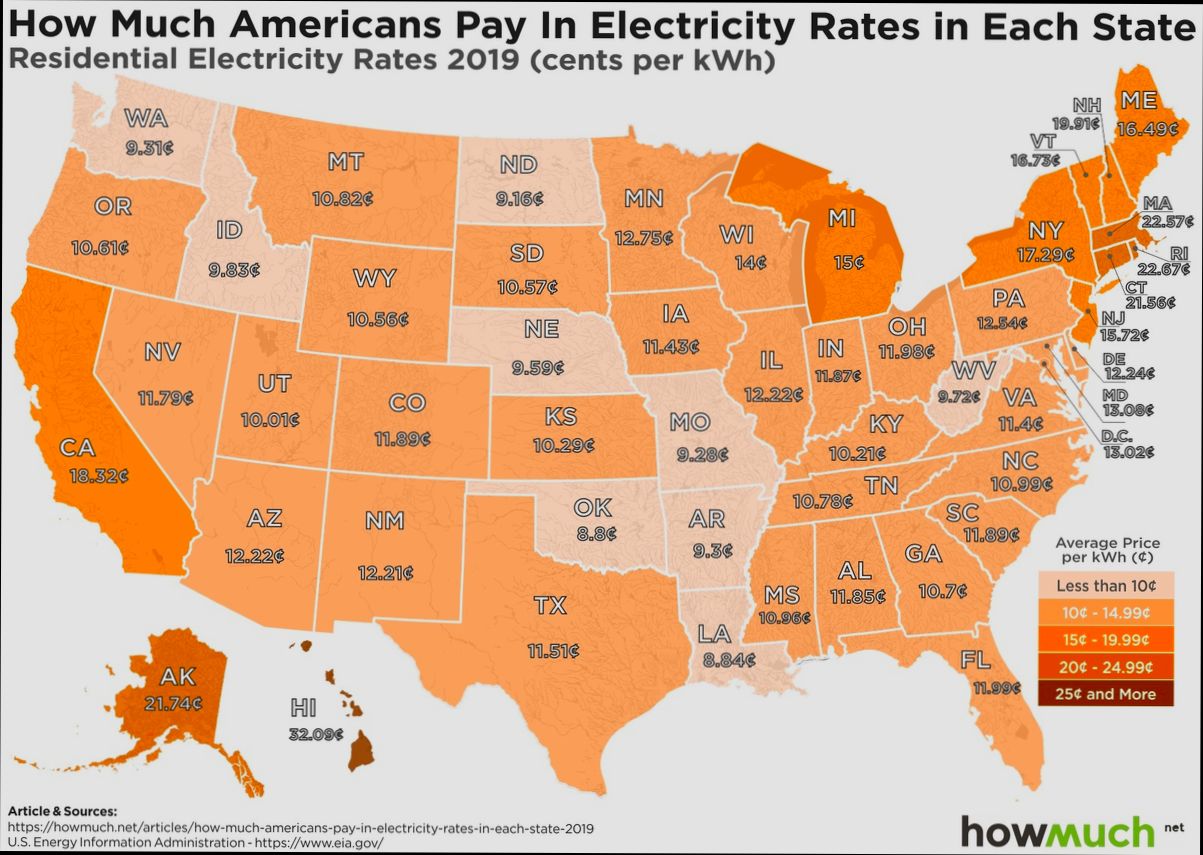
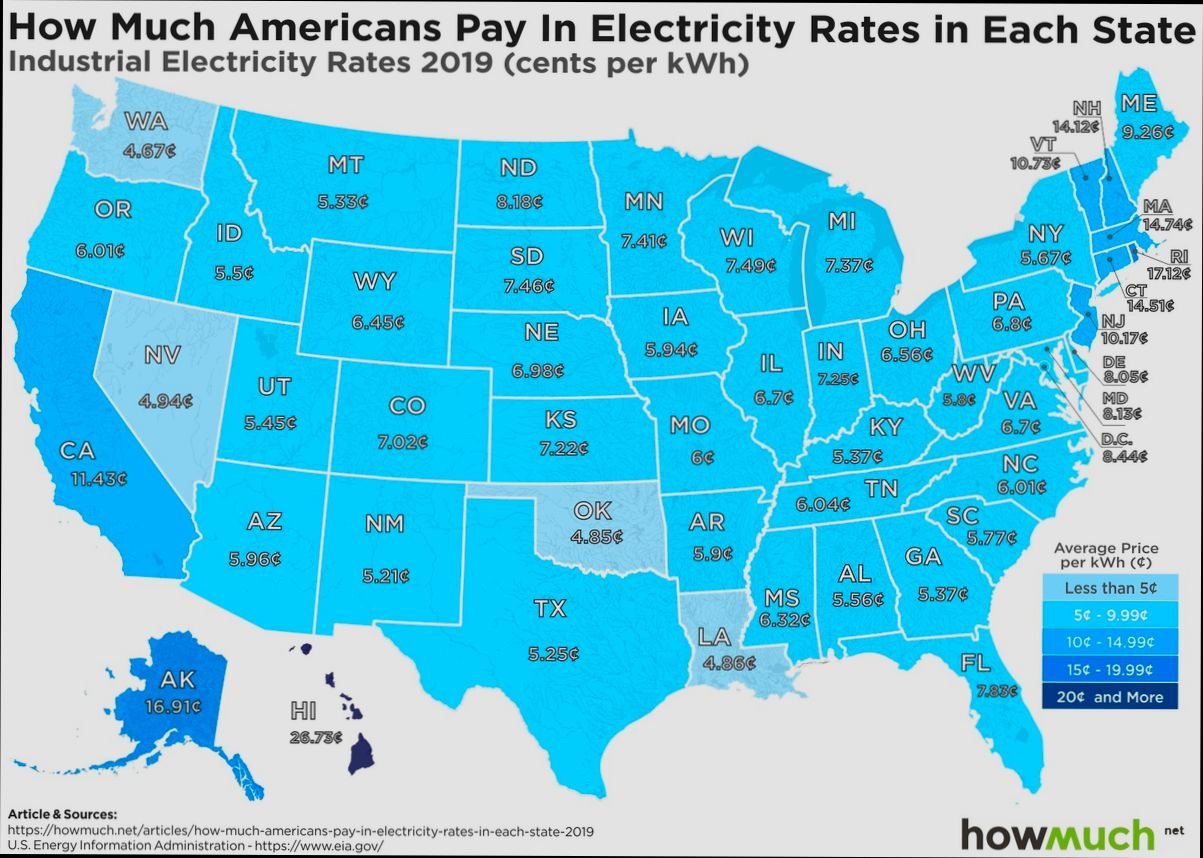
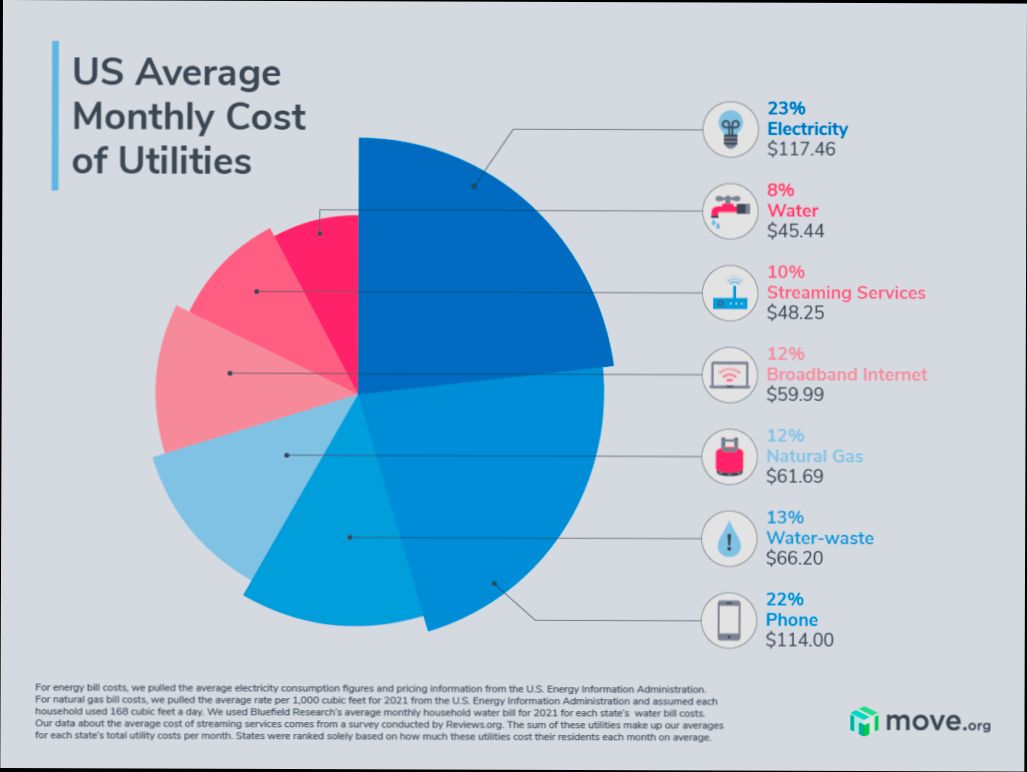
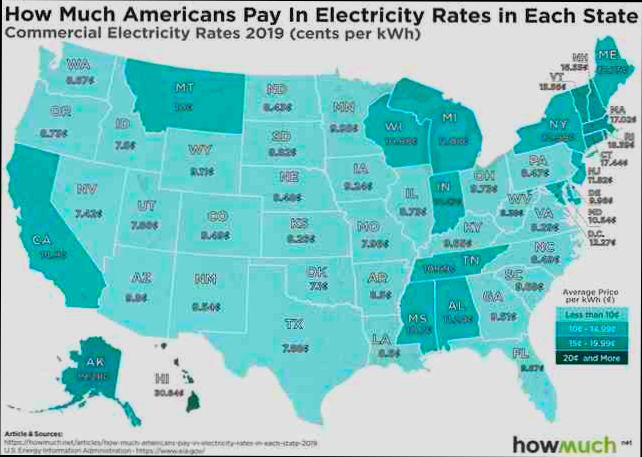
How much are utilities in the US? For many folks, the monthly bills can feel like a guessing game, especially when you factor in electricity, water, gas, and sometimes even internet charges. On average, the Energy Information Administration pegs electricity costs at about $0.14 per kWh, but if you’re in Hawaii, you could be paying a staggering $0.30 per kWh! Meanwhile, water bills usually hover around $70 a month, but some cities like Atlanta push that figure closer to $150, depending on usage.
Let’s not forget gas bills, which can fluctuate with the seasons. During colder months, the average household might fork out around $100 per month for heating, but in places like New York, that can jump to nearly $200. And if you bundle those with internet costs—which run between $60 to $100 depending on the speed and provider—your utilities can add up quickly. It’s eye-opening to see how much these essential services vary depending on your location and lifestyle.
Understanding Average Utility Costs Nationwide
Average utility costs can significantly impact your monthly budget, and understanding them is crucial for effective financial planning. In this section, we’ll explore the various components that contribute to utility expenses across the United States, providing you with valuable insights.
Utility expenses typically cover essentials like electricity, water, gas, and trash collection. Here’s a closer look at the average costs across these categories:
- In 2022, the average monthly electricity bill was approximately $127, which reflects a 5% increase from the previous year.
- Water bills averaged around $73 per month nationwide, with some areas experiencing rates as high as $100 or more.
- Gas costs averaged about $50 monthly, but this can spike in colder months in northern regions.
- Trash collection fees vary, but on average, they accounted for about $25 per month.
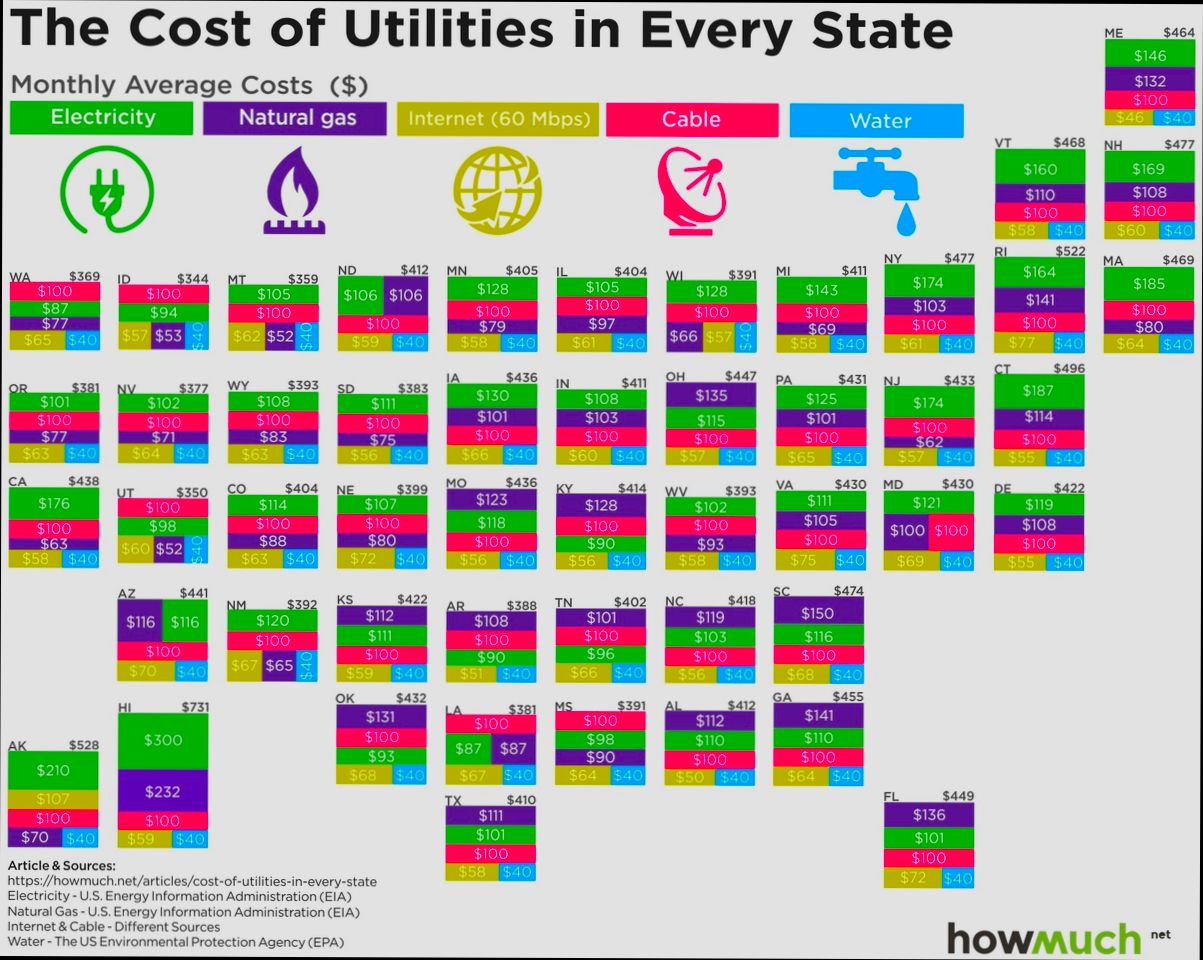
To give you a better grasp of how utility costs can vary by state, here’s a comparative table showcasing average utility costs in several key states:
| State | Electricity ($) | Water ($) | Gas ($) | Trash Collection ($) | Total Average ($) |
|---|---|---|---|---|---|
| California | 182 | 92 | 52 | 30 | 356 |
| Texas | 123 | 65 | 48 | 25 | 261 |
| New York | 135 | 80 | 55 | 29 | 299 |
| Florida | 130 | 72 | 50 | 27 | 279 |
| Ohio | 117 | 64 | 46 | 22 | 249 |
These figures highlight the variance in utility costs based on geographical location. For instance, California residents pay the highest average for electricity at $182, which can strain a household budget significantly.
Let’s look at some real-world examples to illustrate how average utility costs can affect different households. In San Francisco, a two-bedroom apartment may incur combined utility costs of around $400 monthly due to high electricity and water rates. Conversely, a similar apartment in Dallas might see utility costs drop to about $260, reflecting lower electricity and water expenses.
It’s essential to factor these costs into your monthly budget planning. Here are some practical implications for understanding average utility costs nationwide:
- Budget Planning: Knowing the average costs can help you create realistic budgets, allocating funds more effectively.
- Location Decisions: If you’re relocating, comparing utility costs can influence your choice of city or neighborhood.
- Conservation Efforts: Understanding your utilities can encourage energy-saving habits, potentially lowering your bills.
When gauging average utility costs, consider participating in local programs aimed at reducing consumption, as these can directly impact your total monthly expenditure. Additionally, staying informed about seasonal fluctuations can help you anticipate and manage costs more effectively throughout the year.
Regional Variations in Utility Expenses
When it comes to understanding how much utilities will cost you, the region where you live plays a crucial role. Different areas of the U.S. have varying costs for essential services like electricity, gas, water, and internet, and it’s essential to recognize these regional differences in your budgeting.
Key Points on Regional Utility Costs
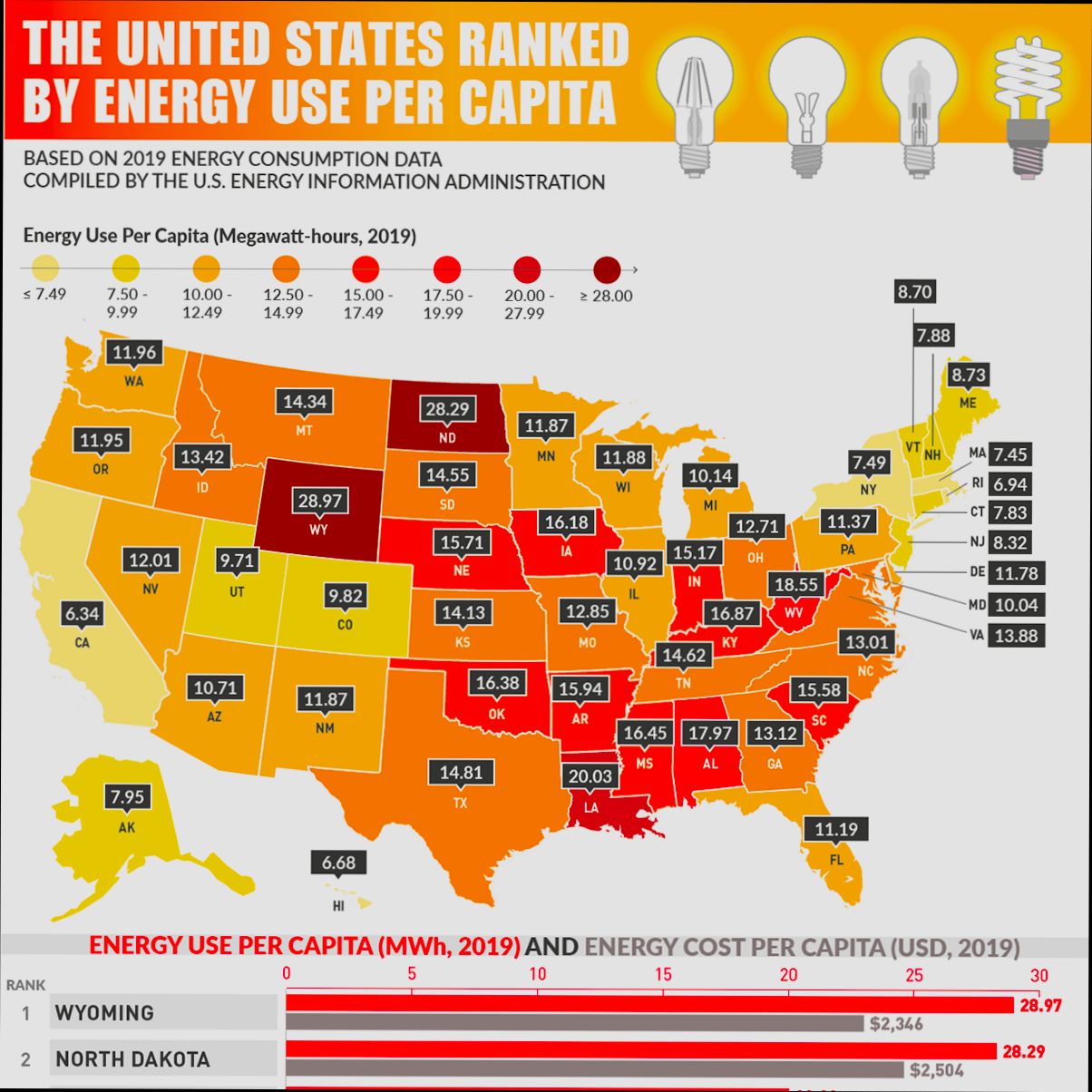
- Electricity Costs: Electricity rates vary significantly across regions due to factors like state regulations, local energy sources, and demand. For instance, areas in the Northeast might experience average electricity bills ranging from $150 to $200 monthly, while states in the South may see costs dip to about $100 to $150 per month.
- Water and Sewer Costs: The cost of water services is influenced by the local water source, the infrastructure required for delivery, and the population density of an area. Urban areas tend to have higher costs; for example, cities like San Francisco report average water bills of $80 per month, whereas rural areas might only see costs around $30 to $50 monthly.
- Natural Gas Prices: Gas prices also reflect regional variations, particularly due to seasonal heating demands. In colder states like Minnesota, monthly gas bills can soar up to $150 during winter months, while warmer regions such as Florida might see only $50 to $70.
- Internet Services: The cost of internet access can fluctuate based on availability and infrastructure. For instance, high-demand urban regions typically face average costs of $100 to $120 for high-speed internet, whereas rural areas might enjoy lower rates ranging from $50 to $80 but may suffer from slower speeds or data caps.
Comparative Table of Regional Utility Expenses
| Region | Average Electricity Cost (Monthly) | Average Water Cost (Monthly) | Average Gas Cost (Monthly) | Average Internet Cost (Monthly) |
|---|---|---|---|---|
| Northeast | $150 - $200 | $50 - $80 | $80 - $150 | $100 - $120 |
| Midwest | $100 - $150 | $30 - $60 | $50 - $80 | $50 - $100 |
| South | $100 - $150 | $30 - $50 | $50 - $70 | $50 - $80 |
| West Coast | $120 - $180 | $60 - $100 | $70 - $120 | $90 - $120 |
Real-World Examples of Utility Expenses
- In New York City, where the cost of living is exceptionally high, you might find that electricity expenses alone could reach around $180 monthly. Conversely, a more rural location in Iowa could see an average of $120 for similar electricity usage.
- A home in Los Angeles might experience a combined utility cost of around $550 monthly, accounting for higher water fees due to drought conditions. Meanwhile, a household in Alabama could manage similar services for as little as $350, showcasing just how much location can impact spending.
Practical Implications for Readers
When assessing where to live or how to budget, consider how regional utility costs will affect your finances. Conducting thorough research on utility providers in your desired area can provide clarity. It might also help to:
- Look for homes equipped with energy-efficient appliances, as they can significantly cut down electricity costs.
- Investigate local incentives or rebates for upgrades to heating and cooling systems, which can offer long-term savings.
- Plan for seasonal variations in utility usage, particularly for heating and cooling, to avoid unexpected spikes in bills.
By staying informed and adapting your choices based on these regional variations, you can better align your living expenses with your financial goals.
Impact of Utility Costs on Household Budgets
Utility costs are a significant component of household budgets, affecting everything from spending on essentials to personal savings. When you factor in electricity, water, gas, and waste management, these costs can add up quickly, requiring careful financial management to maintain stability in your budget.
Key Considerations for Household Budgets
1. Percentage of Income: On average, utility costs account for about 10% of a household’s monthly income, but this percentage can fluctuate based on individual circumstances and geographical location.
2. Cost Increases: Families in areas experiencing rising utility rates may find a larger chunk of their budgets consumed by these expenses. In certain regions, utility costs have surged by as much as 20% over the past year.
3. Budget Constraints: Higher utility bills can lead to constrained budgets, forcing families to cut back on discretionary spending and even impact essential services like grocery purchases.
Comparative Overview of Utility Costs
| State | Average Monthly Utility Cost | Percentage of Income |
|---|---|---|
| California | $200 | 12% |
| Texas | $160 | 8% |
| New York | $250 | 15% |
| Florida | $175 | 10% |
Real-World Examples
- A family in California with a monthly utility bill of $200 might allocate 12% of their income on these expenses, leading them to re-evaluate their spending on entertainment and dining out.
- In contrast, a household in Texas paying an average of $160, which represents only 8% of their income, may have a bit more flexibility for savings or investment.
- A notable case involved a family in New York whose rising utility costs forced them to reduce their transportation budget, impacting their ability to commute for work effectively.
Practical Implications
You may want to:
- Track Utility Expenses: Regularly monitor your utility bills and compare them to previous months to identify any trends.
- Implement Energy-Saving Strategies: Simple steps like using energy-efficient appliances or reducing water waste can help lower your utility costs.
- Budget Adjustment: Consider allocating a specific percentage of your monthly income directly to utilities, particularly in states where costs are rising.
Actionable Advice
- Negotiate Rates: Don’t hesitate to contact your utility providers to inquire about potential discounts or programs to reduce your bills.
- Participate in Energy Assistance Programs: Many states offer assistance for families struggling to afford their utility bills, which can alleviate some financial pressure.
- Consider Home Modifications: Investing in insulation or energy-efficient windows could be a wise decision for long-term savings on your utility bills.
Analyzing Utility Rate Trends Over Time
Understanding how utility rates have changed over time is vital for forecasting your future expenses. By analyzing these trends, you can better prepare your household budget and anticipate shifts in your financial responsibilities.
Key Trends in Utility Rates
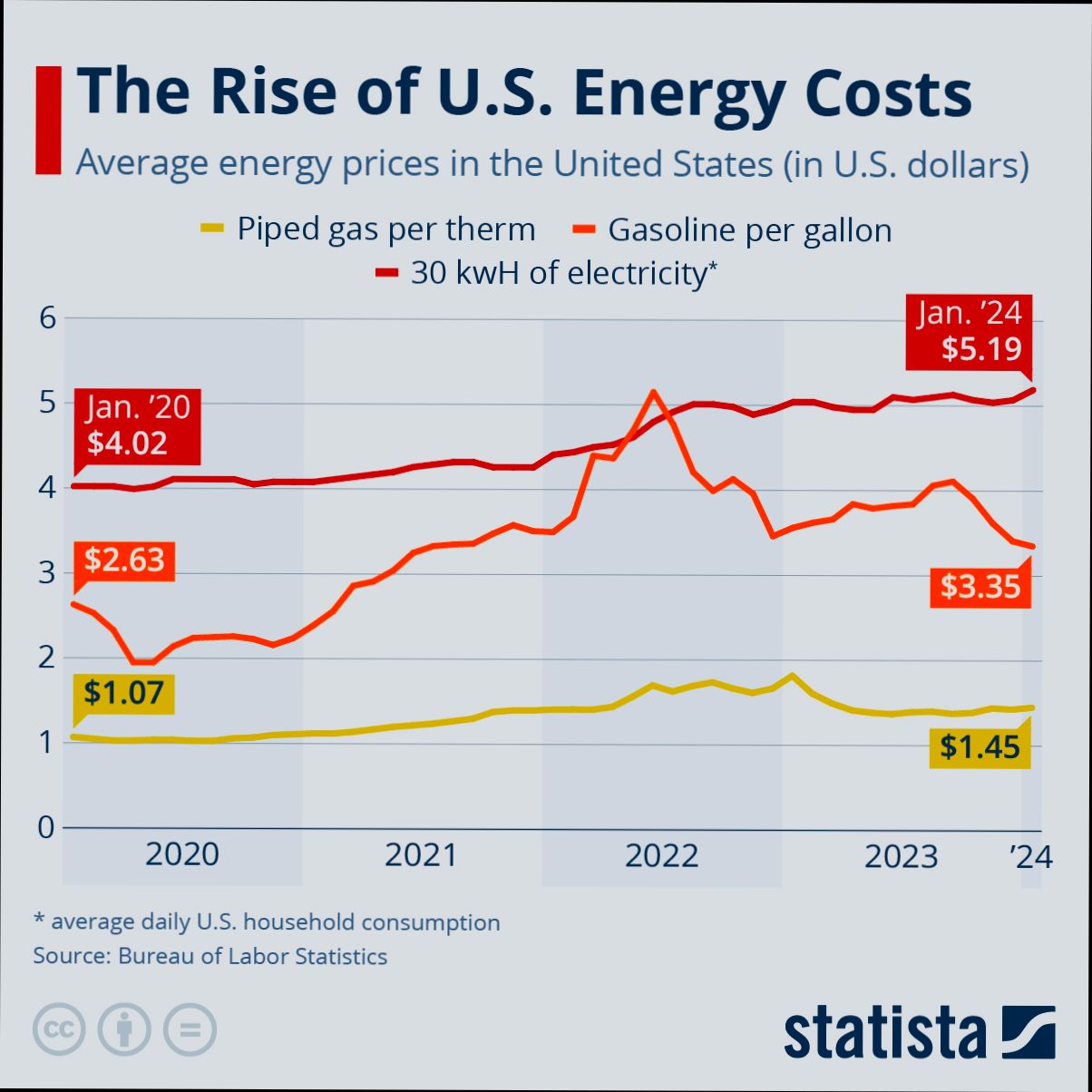
1. Electricity Increases: From 2021 to 2022, the average electricity rate rose significantly, reflecting a 5% uptick. This steady increase isn’t just a one-off; it aligns with long-term trends where many regions have experienced consistent price hikes.
2. Gas Prices Fluctuation: Natural gas prices have seen a broad range of fluctuations in the last decade. For instance, average monthly natural gas bills increased by approximately 12% from one year to the next in some states, showcasing how volatile this utility can be.
3. Water Rates Growth: Water utility rates have risen roughly by 10% across several metropolitan areas over the past three years. This is largely due to aging infrastructure and increased regulations which impact both supply and pricing.
4. Regional Comparisons: In examining trends, we find that some states experience more rapid growth in utility prices than others. For instance, states heavily reliant on coal for electricity see different growth patterns compared to those using renewable energy sources.
| Year | Average Electricity Rate | Average Gas Rate | Average Water Rate |
|---|---|---|---|
| 2019 | $120 | $80 | $35 |
| 2020 | $122 | $75 | $36 |
| 2021 | $121 | $85 | $38 |
| 2022 | $127 | $90 | $39 |
Real-World Examples
In California, for example, the state’s push towards renewable energy has led to both increased costs and savings opportunities. As the overall energy mix improves, long-term costs may stabilize, but short-term fluctuations are common as infrastructure adjustments take place.
Similarly, in Texas, where natural gas prices dictate electricity rates due to the energy market dynamics, consumers have witnessed drastic rate changes when unpredictable weather events occur. Such events can increase demand and subsequently affect costs dramatically within a short time frame.
Practical Implications for You
- Budget Planning: Understanding utility rate trends can help you set aside more funds during periods of price hikes.
- Energy Efficiency Measures: Invest in energy-efficient appliances today so that you can mitigate some of the rising costs in the future.
- Stay Informed: Keeping abreast of regional trends will allow you to act proactively, such as participating in energy programs or locking in fixed rates.
Utility rates can fluctuate, so pay attention to trends not just in your own state, but nationally. Always look for cost-saving opportunities and be prepared for changes in the future.
Benefits of Energy-Efficient Utility Usage
When it comes to managing utility costs, embracing energy efficiency can be a game-changer for both your wallet and the environment. By reducing unnecessary energy consumption, you not only save money but also contribute to a more sustainable future. Let’s dive into the tangible benefits of adopting energy-efficient practices.
Cost Savings on Utility Bills
Energy-efficient utility usage directly translates to lower monthly bills. Did you know that the average American spends around $2,000 per year on energy? By making energy-efficient upgrades, you could save anywhere from $200 to $400 annually that would otherwise be wasted on heat lost through drafts or outdated systems.
- Heating and Cooling Savings: Approximately 43% of a household utility bill is allocated to heating and cooling. Upgrading to an ENERGY STAR-rated system or sealing air leaks can drastically reduce this expenditure.
- Lighting Costs: On average, families dedicate about 11% of their energy budget to lighting. Transitioning to LED bulbs can save you significant amounts on your electric bill.
Environmental Impact
By using energy more efficiently, we collectively reduce our reliance on fossil fuels, leading to lower carbon emissions. The energy sector plays a crucial role in greenhouse gas emissions, and improving energy efficiency is a key strategy in combating climate change.
- Collective Savings: Over recent years, energy efficiency measures resulted in a reduction of 28,167,459 MWh in total annual electricity consumption, which is a significant contribution toward a cleaner environment.
Comparative Table of Energy Consumption and Savings
| Energy Usage Category | Percentage of Utility Bill | Potential Savings from Efficiency |
|---|---|---|
| Heating and Cooling | 43% | $200 - $400 annually |
| Lighting | 11% | Up to 80% with LEDs |
| Other Appliances | 30% | Varies based on upgrades |
| Water Heating | 16% | Up to 50% with efficient systems |
Real-World Examples of Energy-Efficient Utility Usage
1. Home Energy Assessments: Participating in a home energy evaluation can identify critical areas for energy loss. Homeowners who have conducted assessments have reported a 30% reduction in their energy bills by implementing recommended changes such as improved insulation and sealing air leaks.
2. Demand Response Programs: In recent years, 33 electric utilities launched Demand Response (DR) programs, engaging about 10.3 million customers. These programs have led to a substantial energy savings of nearly 1.3 billion kWh, showcasing the power of collective action in energy efficiency.
Practical Implications for You
If you’re looking to cut costs and improve your home’s energy efficiency, consider the following actionable steps:
- Conduct a Home Energy Assessment: Whether you do it yourself or hire professionals, knowing how and where your home is losing energy is key to making effective improvements.
- Upgrade to ENERGY STAR Appliances: Replacing old appliances with ENERGY STAR-rated models can yield significant savings over time. Utilize tools like the ENERGY STAR Flip Your Fridge Calculator to evaluate potential savings.
- Insulate and Seal: Take advantage of resources like the ENERGY STAR Guide for sealing and insulating your home to reduce air leakage, ensuring you’re not wasting money on heating or cooling.
Did you know that implementing these strategies can make your living space not only more energy-efficient but also more comfortable? Embracing energy-efficient utility usage makes sense from both a financial and environmental perspective, empowering you to make a positive impact while keeping your costs down.
Real-World Examples of Utility Savings
When it comes to utility savings, real-world examples can provide both inspiration and practical guidance. Let’s explore how households across the U.S. have successfully cut their utility bills through strategic changes and energy-efficient practices.
Key Opportunities for Utility Savings
1. Solar Energy Implementation: Many families are investing in solar panels, leading to significant long-term savings. For instance, a study found families in sunny states like California and Arizona have seen reductions in their electricity bills by up to 50%, depending on their solar system size and installation costs.
2. Smart Thermostats: Installations of smart thermostats can lead to energy savings of around 10% to 20% annually. A case study from a Knoxville family revealed that they saved nearly $180 on their annual heating and cooling costs after switching to a programmable smart thermostat.
3. Water-Saving Devices: The installation of low-flow showerheads and water-efficient appliances can cut water usage. A household in Portland reported a reduction of about 35% in their monthly water bill after replacing their old fixtures with modern, efficient alternatives.
Comparative Table of Utility Savings
| Measure | Average Annual Savings | Example Location |
|---|---|---|
| Solar Energy Adoption | Up to 50% | California |
| Smart Thermostat Usage | $180 | Knoxville, TN |
| Water-Saving Devices | 35% | Portland, OR |
Real-World Savings Examples
- Energy Audits: A community in New York organized a neighborhood energy audit program. Participants were able to identify inefficiencies in their homes and implement recommended changes, resulting in collective savings of over $100,000 on energy bills across the neighborhood annually.
- Community Incentive Programs: In Colorado, a city-wide initiative encouraged residents to switch to energy-efficient appliances. Participants saved an average of $250 per year, with some households noticing even larger reductions depending on their previous utility expenses.
- Home Insulation Projects: An example from a family in Minnesota reveals that homeowners who upgraded their insulation reported a decrease in heating costs by as much as 30%. This translated into additional savings of $300 or more during winter months.
Practical Implications for You
- Consider Renewable Energy: Think about investing in solar panels if you live in an area with high sunlight exposure. Research local incentives or tax credits to maximize your return on investment.
- Upgrade to Smart Devices: Look into smart home technology. Programmable thermostats or smart power strips can help regulate energy usage efficiently while you’re away from home.
- Take Advantage of Community Programs: Search for local initiatives that may offer rebates for energy-efficient appliances. Participating in such programs can lead to immediate savings.
Paying attention to these examples and actively seeking out similar opportunities in your area can significantly lower your utility bills while contributing to a more sustainable environment.
Factors Influencing Utility Pricing Structures
Utility pricing structures in the U.S. are influenced by a variety of dynamic factors that vary by region, technology, and policy. Understanding these underlying influences can help you grasp why utility costs fluctuate and how you might be able to manage your own utility expenses better.
Key Pricing Factors
Several key elements come into play when determining utility pricing structures:
- Supply and Demand: Price elasticity is evident, particularly during peak usage times. For instance, electricity prices may spike when demand surges, as seen in summer months when air conditioning usage soars.
- Regulatory Environment: Different states have varying regulations that affect utility rates. For example, deregulated markets often have more competitive pricing structures, leading to potentially lower costs for consumers. In contrast, regulated environments may have fixed pricing determined by utility commissions.
- Infrastructure Costs: The condition and extent of utility infrastructure can significantly impact pricing. In older systems, maintenance and upgrading costs could be passed down to consumers. For example, states with aging water infrastructure have seen water rates increase by as much as 30% over five years due to necessary upgrades.
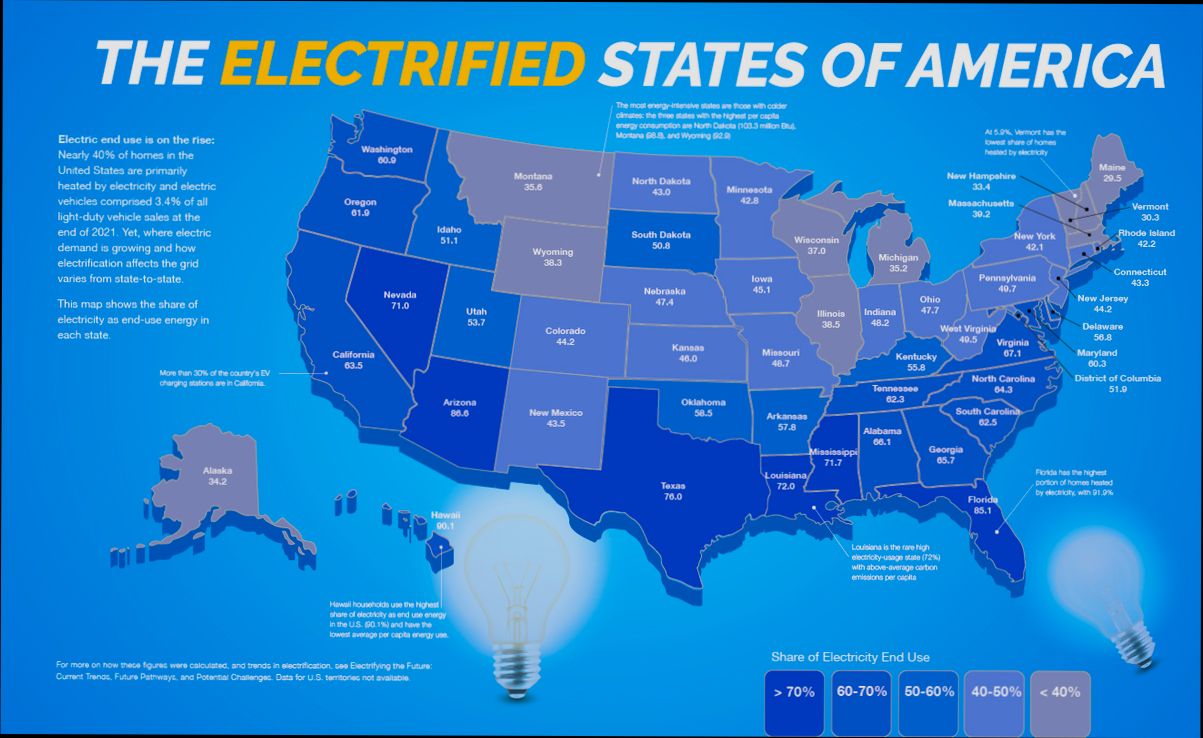
- Source of Energy: The type of energy sources utilized also plays a crucial role. Renewable energy sources might have lower operational costs compared to fossil fuels in the long run, which could help stabilize or even reduce prices as technology advances.
Comparative Table of Factors Influencing Electricity Pricing
| Factor | Description | Example |
|---|---|---|
| Supply and Demand | Prices increase during peak usage times | Summer electricity demand spikes |
| Regulatory Environment | Fixed costs due to state regulations | Higher costs in highly regulated states |
| Infrastructure Costs | Maintenance costs of aging systems impacting prices | 30% increase in water rates in aging areas |
| Source of Energy | Shift to renewables can stabilize prices over time | States investing in solar seeing gradual savings |
Real-World Examples
- California’s Energy Crisis: During the early 2000s, California faced soaring electricity prices due to deregulation issues, which led to instability in supply and demand. Prices surged, stressing household budgets and prompting regulatory reforms.
- Texas Energy Grid: The energy crisis in Texas in early 2021 highlighted how supply and demand directly impacts pricing. With regulatory frameworks allowing for market-driven pricing, consumers experienced bills as high as $9,000 due to extreme weather and peak demand.
Practical Implications
When evaluating your utility costs, consider:
1. Compare Energy Providers: Use your state’s utility commission resources to compare rates and find competitive alternatives if available.
2. Monitor Peak Usage: By understanding when peak times occur for your utilities, you can adjust your usage to off-peak times to save money.
3. Stay Informed on Regulations: Keep an eye on local regulations that may directly affect your utility pricing. Engaging with community discussions or advocacy groups could provide further insights into upcoming changes.
Actionable Advice
Explore suppliers that offer renewable energy options, as they often bring long-term savings and stability in pricing. Advocate for infrastructural investments in your local community, which could enhance efficiency and lead to more favorable pricing models.