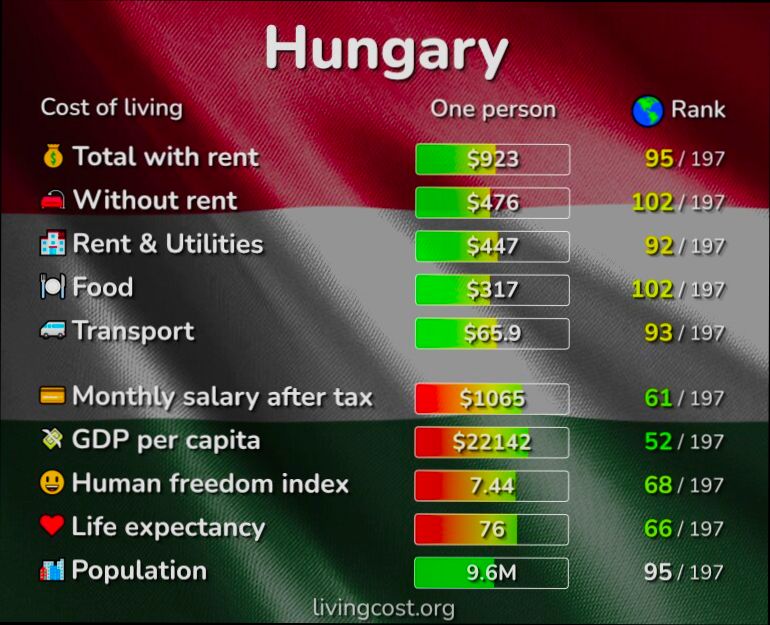
What is the Cost of Living in Hungary? If you’re planning a move or just daydreaming about life in this charming Central European country, you’ll want to know what to expect. Picture this: a hearty meal at a local restaurant in Budapest costs around 3,500 HUF (about 9 USD). On the flip side, you could snag a cozy studio apartment in the city center for about 150,000 HUF (around 400 USD) a month. Whether you sip on a café latte for about 700 HUF (just under 2 USD) or catch a tram ride for 350 HUF (less than 1 USD), everything seems refreshingly affordable compared to many Western European cities.
Now, let’s dive into some numbers! The average monthly salary in Hungary sits at roughly 400,000 HUF (around 1,100 USD), which gives you a decent picture of how far your earnings can stretch here. Utilities, including internet and electricity, typically set you back about 50,000 HUF (around 140 USD) each month. And if you’re a fan of the theater or opera, subscribing to a cultural experience doesn’t break the bank either, with tickets often starting at 2,500 HUF (about 7 USD). So, daily life here might feel like a pleasant surprise, balancing quality and affordability in a way that feels both welcoming and exciting.
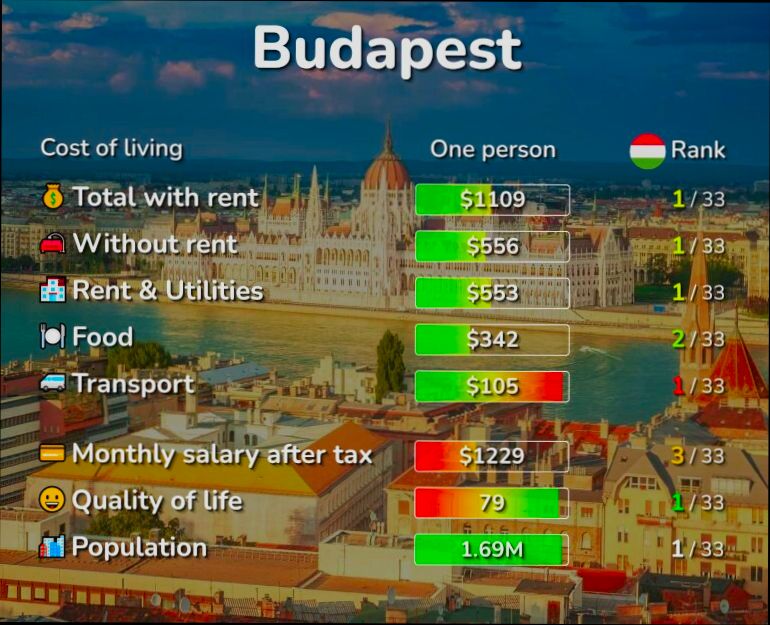
Comparative Analysis of Living Expenses
When considering the cost of living in Hungary, it’s important to understand how it compares to other countries. This analysis delves into specific data related to living expenses, income, and purchasing power to give you a clearer picture of what you can expect financially in Hungary.
Understanding the Cost Index
Hungary holds a cost index of 54.9, placing it significantly below higher-cost countries like Switzerland (129.1) and Bermuda (144.1). This lower index indicates that everyday expenses such as dining, housing, and transportation are generally more affordable in Hungary compared to these expensive locales.
Key Statistics to Consider
- The average monthly income in Hungary is approximately 1,639 USD, which is lower than many Western European countries but aligns well with its cost index.
- Comparative purchasing power in Hungary is indexed at 44.5, signaling that while basic expenses are lower, income levels also reflect this affordability.
- In contrast, countries like Switzerland have a higher average monthly income of 7,923 USD, but their purchasing power index sits at 91.6, indicating less purchasing capacity relative to their elevated expenses.
Comparative Cost Table
| Country | Cost Index | Average Monthly Income | Purchasing Power Index |
|---|---|---|---|
| Hungary | 54.9 | 1,639 USD | 44.5 |
| Switzerland | 129.1 | 7,923 USD | 91.6 |
| Bermuda | 144.1 | 10,858 USD | 112.4 |
| United States | 100.0 | 6,704 USD | 100.0 |
| Croatia | 55.6 | 1,716 USD | 46.1 |
Real-World Examples
- In Hungary, basic groceries may cost around 20% to 40% less than what you’d pay for similar items in Switzerland. For instance, a loaf of bread averages about $0.80 in Hungary compared to $2.50 in Switzerland.
- Renting a one-bedroom apartment in city centers such as Budapest typically costs between 400 to 600 USD, whereas similar accommodations in Switzerland could cost well over 1,500 USD.
Practical Implications for Your Finances
If you’re considering relocating or traveling to Hungary, understanding these statistics can aid in budgeting. With lower living expenses relative to income, you might find you can stretch your monthly budget further here than in countries with a similar lifestyle cost.
- Calculate your potential savings: With a relatively low cost index, you might find that luxury items or eating out can be done without breaking the bank.
- Research local markets: Food markets and local shops often provide significant savings on groceries compared to international chains.
Keeping these points in mind can help you plan effectively. Investing time in understanding local prices versus your anticipated income will better shape your expense expectations while living in Hungary.
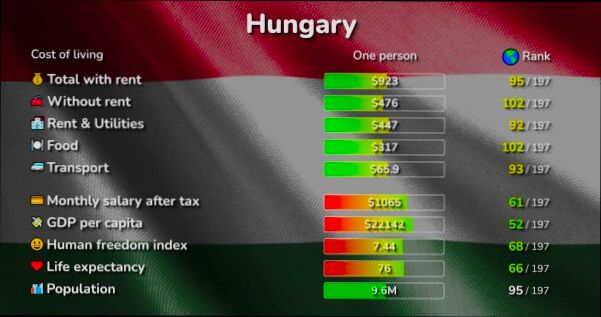
Housing Costs in Major Hungarian Cities
When considering a move to Hungary, one of the most crucial aspects to examine is housing costs in major cities. Hungary’s housing market displays significant variability, with each city reflecting different price points that influence your living situation.
Key Housing Cost Insights
- In Budapest, the average monthly rent for a one-bedroom apartment in the city center is approximately HUF 170,000 (around €460) while outside the center it drops to HUF 120,000 (around €320).
- In Debrecen, the second-largest city, you might pay about HUF 100,000 (approximately €270) for a similar one-bedroom apartment in the city center.
- Győr and Szeged offer more affordable options, with rents in the city center averaging HUF 90,000 (around €240) and HUF 80,000 (about €210) respectively.
- Utilities can add another HUF 35,000 (around €95) to your monthly expenses, which is important to factor into your budget.
| City | City Center Rent (1-bedroom) | Outside City Rent (1-bedroom) | Average Utility Costs |
|---|---|---|---|
| Budapest | HUF 170,000 (€460) | HUF 120,000 (€320) | HUF 35,000 (€95) |
| Debrecen | HUF 100,000 (€270) | HUF 70,000 (€190) | HUF 30,000 (€80) |
| Győr | HUF 90,000 (€240) | HUF 70,000 (€190) | HUF 28,000 (€75) |
| Szeged | HUF 80,000 (€210) | HUF 60,000 (€160) | HUF 25,000 (€67) |
Real-World Examples
Let’s delve into how these costs can impact your decision-making. For instance:
- A couple moving to Budapest may find a one-bedroom apartment that costs HUF 170,000, and with utilities, their total housing costs could reach around HUF 205,000 (€555) monthly. This can significantly affect their overall budget.
- Conversely, a student relocating to Szeged for university might spend just HUF 80,000 on rent, combined with lower utility costs of HUF 25,000, resulting in total housing expenses of HUF 105,000 (€285) – a more manageable burden for a student budget.
Practical Implications
When assessing housing costs, consider the following:
- Location Matters: Central locations tend to be pricier, but they offer better access to amenities. Compare your lifestyle needs with your budget to find the right balance.
- Additional Expenses: Besides rent, don’t overlook costs like maintenance fees or property taxes, which can vary widely depending on the city and neighborhood.
- Market Trends: Keep an eye on housing market trends. Larger cities like Budapest may see fluctuations in prices based on demand, especially around peak rental seasons.
Actionable Advice
- If you’re looking to save, consider seeking accommodation a bit further from the city center.
- Setting a budget for housing that includes not just rent but utilities will give you a clearer picture of your potential expenditure.
- Engage with local real estate platforms or social media groups to find rental listings that suit your needs and budget.
By actively researching different cities and understanding the housing landscape, you can make informed decisions that fit your lifestyle and financial goals in Hungary.
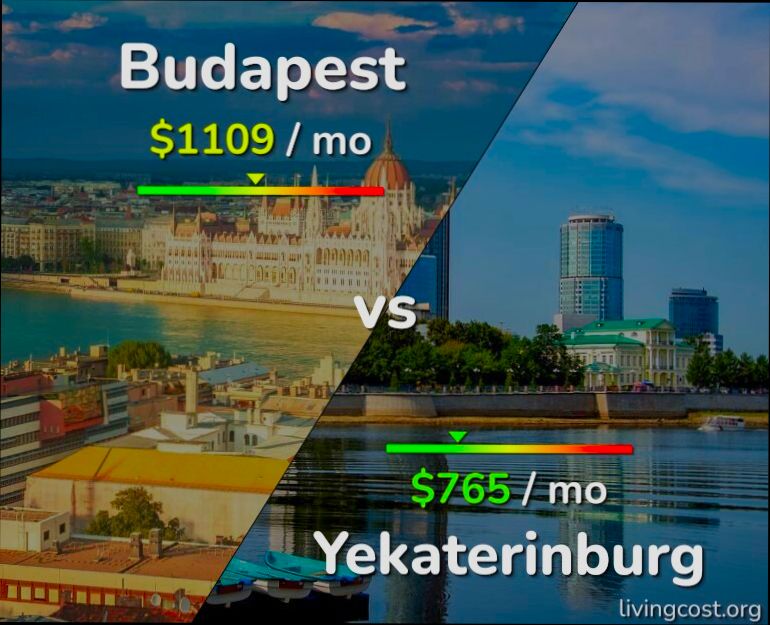
Impact of Currency Exchange on Living Costs
Understanding the influence of currency exchange rates is crucial when assessing living costs in Hungary. Fluctuations in currency values can significantly impact your purchasing power and overall expenses in a foreign country. Let’s delve into how these dynamics specifically affect your day-to-day living costs while in Hungary.
Key Points on Currency Exchange Impact
- Purchasing Power Variability: Currency exchange rates can fluctuate daily. For example, if the HUF to Euro exchange rate drops, your purchasing power in Hungary decreases. A 10% decrease in the exchange rate could mean paying 10% more for common expenses like groceries and utilities.
- Adjusting Budgets: If you are earning in a stronger currency, say USD or GBP, a favorable exchange rate could work to your advantage, allowing you to enjoy a luxurious lifestyle on a modest budget. Conversely, if the HUF strengthens against your currency, you might need to adjust your budget accordingly.
- Travel and Tourism Influence: In 2023, Hungary saw a 25% increase in tourism, leading to a higher demand for goods and services. This hike can escalate costs, particularly in tourist-heavy areas. Understanding the currency dynamics can help you avoid tourist traps where prices are inflated, further affecting your cost of living.
Impact of Fluctuating Exchange Rates on Daily Expenses
| Expense Type | Affected by Exchange Rate (%) | Example Cost (in HUF) | Adjusted Cost (if HUF strengthens by 10%) |
|---|---|---|---|
| Groceries | ±20% without favorable rates | HUF 50,000 | HUF 55,000 |
| Dining Out | ±15% | HUF 30,000 | HUF 33,000 |
| Public Transportation | ±10% | HUF 10,000 | HUF 11,000 |
Real-World Examples
Imagine if you’re an expatriate relying on a fixed income from abroad. If the Euro were to drop against the HUF by 15%, your after-exchange income would effectively reduce your ability to pay for necessities like rent and food. Similarly, students studying in Hungary might find that tuition fees just became substantially higher when evaluated against their home currency.
Consider travelers who exchange money at a higher rate than they were expecting; they might find their accommodations are costlier than anticipated or dining out could stretch their budget. Regular monitoring of currency trends could help mitigate this risk.
Practical Implications for Readers
- Monitor Exchange Rates: Regularly check live currency exchanges to plan your purchases wisely. Look for trends that might suggest the best times to convert your money.
- Utilize Currency Converter Apps: Use apps that provide real-time conversion rates to make informed spending decisions while traveling or living in Hungary.
- Budget Flexibly: Build a buffer into your budget to account for potential fluctuations in currency prices. This practice can ease financial stress and ensure a more comfortable lifestyle in Hungary.
- Consider Local Banking Options: Explore opening a local bank account that allows easier access to currency exchange with fewer fees.
Always remember that fluctuations in currency can affect your living costs significantly, so stay proactive in your financial planning while enjoying your stay in Hungary.
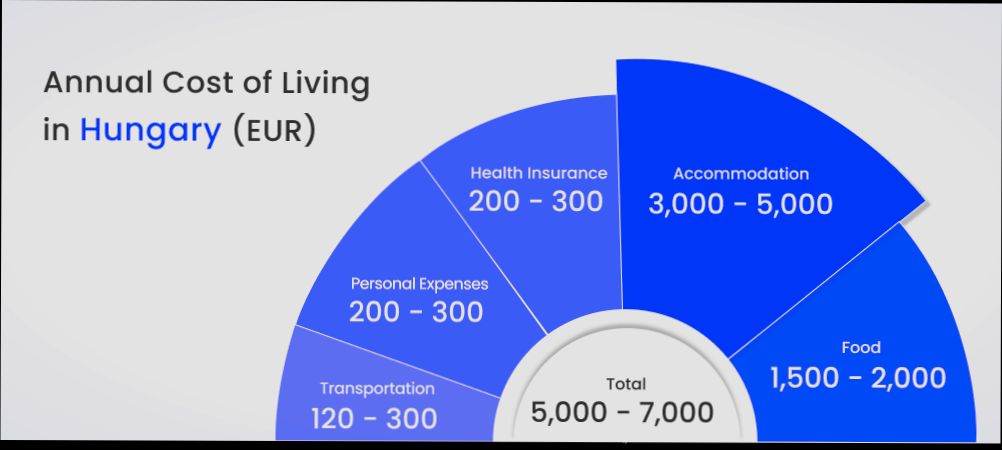
Essential Monthly Budget for Expats
When relocating to Hungary, understanding your essential monthly budget is critical for managing your finances effectively. This budget includes key expenses such as groceries, transportation, healthcare, and entertainment, which vary significantly depending on your lifestyle and location within the country. Let’s dive into the specifics to make your financial planning smoother.
Key Expense Categories and Estimates
Here are the primary monthly expenses you should anticipate:
- Groceries: On average, a single expat can expect to spend around HUF 50,000 (€135) per month on groceries. This might vary based on dietary preferences but reflects the overall market prices.
- Transportation: Public transport is both efficient and cost-effective. A monthly transportation pass in Budapest costs approximately HUF 9,500 (€25). If you plan on using taxis or ride-sharing, budget around HUF 20,000 (€54) for occasional trips.
- Health Insurance: Expats in Hungary often opt for private health insurance. Basic plans can start from HUF 15,000 (€40) to HUF 30,000 (€80), depending on the coverage extent you choose.
- Utility Bills: Monthly utilities including electricity, heating, cooling, water, and garbage collection cost approximately HUF 30,000 (€80) on average. This figure may vary with the season and your consumption habits.
- Internet: The average cost for internet services is around HUF 6,000 (€16) per month.
Monthly Budget Summary Table
| Expense Category | Monthly Cost (HUF) | Monthly Cost (€) |
|---|---|---|
| Groceries | 50,000 | 135 |
| Transportation | 20,000 | 54 |
| Health Insurance | 22,500 | 60 |
| Utilities | 30,000 | 80 |
| Internet | 6,000 | 16 |
| Total Estimated Budget | 128,500 | 345 |
Real-World Examples
Let me share a couple of scenarios that illustrate how different lifestyles impact your monthly budget as an expat:
1. Emily, a Single Professional: She spends about HUF 70,000 (€190) on rent and sticks to a minimalist lifestyle. She manages to keep her total monthly expenses around HUF 130,000 (€350), including dining out occasionally and exploring the city on weekends.
2. Jake and Sara, a Couple with a Family: They rent a larger apartment, costing them HUF 120,000 (€320) in a family-friendly neighborhood. With two kids, their grocery bill bumps up to HUF 80,000 (€215). Consequently, their combined monthly budget approaches around HUF 250,000 (€680) to cover all essentials, childcare, and leisure activities.
Practical Implications for Budgeting
To effectively manage your finances as an expat:
- Track Your Spending: Utilize local budgeting apps to regularly monitor where your money goes, especially groceries and dining, which can quickly add up.
- Choose Wisely: If you can, consider living outside the more expensive city centers; it can significantly reduce your rent and some utility costs.
- Plan for Emergencies: Always set aside a portion of your budget for unexpected expenses, especially healthcare-related ones that might arise.
Actionable Advice
Adjust your essential budget based on personal lifestyle choices. If you’re an avid cook, factor in a larger grocery expense and a smaller dining out budget. Explore local markets instead of supermarkets to save on groceries. Keep in mind that budgeting for entertainment and leisure—although tempting—should be balanced with your core expenses to ensure you’re living comfortably within your means.
Lifestyle Affordability: Pros and Cons
When we talk about lifestyle affordability in Hungary, we’re diving into both the advantages and drawbacks of living in this vibrant country. Understanding these pros and cons can help you make informed choices about your lifestyle and expenses.
The Pros of Lifestyle Affordability
1. Cost-Effective Housing: Compared to Western Europe or the U.S., housing in Hungary remains affordable. For instance, renting a one-bedroom apartment in Budapest city center averages HUF 170,000 (around €460). Outside the city center, it’s even cheaper, approximately HUF 120,000 (€320).
2. Accessible Dining Options: Eating out in Hungary is generally budget-friendly. A meal at an inexpensive restaurant costs around HUF 3,000 (€8). This is significantly lower than typical prices in many Western cities, enabling you to enjoy the local cuisine without breaking the bank.
3. Affordable Public Transport: Utilizing public transport in Hungary can be economical. A monthly transportation pass costs around HUF 9,500 (€25), offering unlimited travel across the city. This low cost encourages residents to forgo car ownership and the expenses associated with it.
4. Low Utility Costs: Utility bills can also be lighter on the wallet. The average monthly utility costs for an apartment in Budapest is about HUF 35,000 (€95), allowing for a relatively low monthly outgoing compared to major global cities.
The Cons of Lifestyle Affordability
1. Lower Average Salaries: While the living costs are lower, salaries tend to be less competitive. The average income in Hungary is about HUF 320,000 (approximately €870), which could pose challenges for budgeting your lifestyle, especially for expats or newcomers.
2. Economic Instability Risks: The Hungarian economy faces inflation and currency fluctuation issues that can affect purchasing power. If economic conditions worsen, the affordability of daily expenses could diminish quickly, impacting lifestyle choices.
3. Healthcare Limitations: Although healthcare is accessible, many expats find that private healthcare can be expensive. While Hungary provides a solid public healthcare system, people may prefer private options for better service, which can add to monthly expenditures.
Comparative Costs of Key Expenses in Hungary vs. Global Cities
| Expense Category | Budapest (HUF) | Paris (HUF) | New York (HUF) |
|---|---|---|---|
| Monthly Rent (1BR) | 170,000 | 1,100,000 | 2,100,000 |
| Inexpensive Restaurant | 3,000 | 15,000 | 25,000 |
| Monthly Transport Pass | 9,500 | 90,000 | 130,000 |
| Utilities (Monthly) | 35,000 | 150,000 | 200,000 |
Real-World Examples
Consider Maria, an expat living in Budapest on a monthly budget of HUF 350,000 (€950). She enjoys dining out several times a week because of the inexpensive restaurant prices. Her utility costs remain manageable, and she utilizes public transportation, which keeps her expenses in check.
On the downside, she has to navigate the lower-than-expected salaries in Hungary, as many positions don’t rise to the level of her previous roles in Western Europe. Economic news also sometimes causes her to rethink her financial strategy.
Practical Implications
For potential movers or travelers, knowing the affordable aspects of living in Hungary is crucial. To thrive:
- Create a Budget: Factor in housing, utilities, food, and transport, adjusting for potential economic fluctuations.
- Explore Local Cuisine: Take full advantage of low restaurant prices; this not only saves money but allows you to immerse yourself in Hungarian culture.
- Embrace Public Transport: It’s a cost-effective way to explore the city, plus it provides a glimpse into daily life in Hungary.
Investing in a lifestyle in Hungary can be rewarding if you navigate its unique economic landscape wisely.
Statistical Overview of Cost Trends
In assessing the cost of living in Hungary, understanding the statistical trends influencing prices over time is essential. These trends provide insight into how your budgeting may change as economic conditions evolve within the country. Let’s delve into some key statistics and trends that characterize the current landscape of living costs in Hungary.
Key Cost Trends to Consider
Inflation has become a noteworthy factor in Hungary’s living costs, with recent trends showcasing significant fluctuations. Here are some essential data points to keep in mind:
- Inflation Rate: As of the latest reports, Hungary has experienced an inflation rate fluctuating between 8% and 12% during the past year, impacting the overall prices of goods and services.
- Consumer Price Index (CPI): The CPI has increased by 11% year-over-year, indicating a rise in the average price levels across various sectors, including food, transportation, and utilities.
- Food Prices: The costs of staple food items have surged by 15% in the past six months, making groceries a larger portion of household expenditures.
- Transportation Costs: Public transportation fares have also increased, with a 10% rise noted in the past year.
Comparative Cost Trend Table
| Expense Category | Last Year Price | Current Price | % Change |
|---|---|---|---|
| Groceries (Monthly) | HUF 43,000 (€120) | HUF 50,000 (€135) | +16% |
| Public Transport (Ticket) | HUF 350 (€1) | HUF 385 (€1.05) | +10% |
| Dining Out (Meal for Two) | HUF 6,500 (€18) | HUF 7,500 (€20) | +15% |
Real-World Examples of Cost Trends
Let’s consider a recent survey conducted among residents in Budapest and other major cities. Many reported noticeable increases in their monthly living expenses over the past year, particularly in the following areas:
- Groceries: A mother of two in Szeged highlighted that her monthly grocery bill jumped from HUF 45,000 to HUF 55,000, indicating how crucial it is to account for rising food prices.
- Public Transport: An expat in Debrecen noted that her usual commuting costs have risen, motivating her to consider cycling instead of relying on public transport.
These firsthand accounts underline the practical impact of shifting cost trends on daily life.
Practical Implications for Budgeting
Given the current cost trends, here are some actionable insights you can implement:
- Adjust Your Budget: Review your monthly expenses and be prepared to allocate more funds towards groceries and transportation as both show consistent upward trends.
- Monitor Inflation: Keep an eye on inflation reports and trends, as they will directly affect your purchasing power and the cost of goods and services.
- Utilize Local Markets: Consider buying fresh produce from local markets to save money, as some studies identify lower prices compared to supermarkets.
Additional Facts
As you navigate the cost of living in Hungary, remember that early adaptation to these trends can significantly ease financial pressure. Staying informed and flexible with your budget will allow you to manage your resources effectively in a changing economic environment.

Real-World Examples of Daily Expenditures
Understanding daily expenditures in Hungary can illuminate the practical aspects of the cost of living. It’s essential to get a clear, day-to-day picture of where your money goes, enabling you to make informed financial decisions. Here, we’ll explore real-life examples and data to help you navigate your budget effectively.
Daily Expenditure Categories
To grasp the full extent of daily expenditures, breaking them into categories is crucial. Here are some key examples:
- Housing: Average utility costs can sum up to around HUF 35,000 (€95) for a typical apartment, impacting your monthly budget significantly.
- Food: Groceries for a single person typically cost around HUF 50,000 (€135) monthly, with prices varying based on the store and items purchased.
- Transportation: Monthly public transport passes in cities like Budapest can cost approximately HUF 10,500 (€28), making it a critical part of your daily expenses.
Comparative Table of Daily Expenditures
| Expense Category | Average Monthly Cost (HUF) | Average Monthly Cost (€) |
|---|---|---|
| Housing (Utilities) | 35,000 | 95 |
| Groceries | 50,000 | 135 |
| Transportation | 10,500 | 28 |
| Entertainment | 20,000 | 54 |
| Personal Care | 15,000 | 40 |
Real-World Examples
1. Grocery Shopping: Imagine you visit a local supermarket where the price of a dozen eggs is about HUF 600 (€1.60). By planning your meals and shopping list, you can avoid impulse buys and keep your grocery expenses in check. Additionally, opting for store-brand items can save you an average of 20% compared to branded products.
2. Dining Out: If you decide to eat out, a meal at an average restaurant will cost about HUF 3,500 (€10). However, choosing lunch specials or local eateries instead can reduce this to around HUF 2,000 (€5.30).
3. Entertainment: For leisure activities, tickets to a movie can set you back approximately HUF 2,200 (€6). However, many cinemas offer discounted rates on certain days, allowing you to save up to 30%.
Practical Implications for Your Budget
To effectively manage your daily expenditures:
- Create a grocery budget: Stick to a fixed amount, ideally around HUF 12,500 (€34) per week, to keep your monthly costs manageable.
- Use public transportation rather than private cars whenever possible. Over a month, this can save you a considerable amount, especially when accounting for parking and fuel.
- Cut discretionary spending by subscribing to only one or two streaming services instead of multiple, potentially saving you HUF 5,000 (€13) per month.
Actionable Advice
- Plan meals: Craft a weekly meal plan, which can help reduce food waste and buying unnecessary items.
- Utilize loyalty programs: Many supermarkets offer discounts or rewards systems that can lead to considerable savings over time.
- Take advantage of bulk buying: Purchasing non-perishable goods like pasta or rice in bulk can often lead to lower prices per unit.
By focusing on these real-world examples and practical tips, you can gain better control over your daily expenditures in Hungary, ensuring that your budget is not just maintained but optimized.