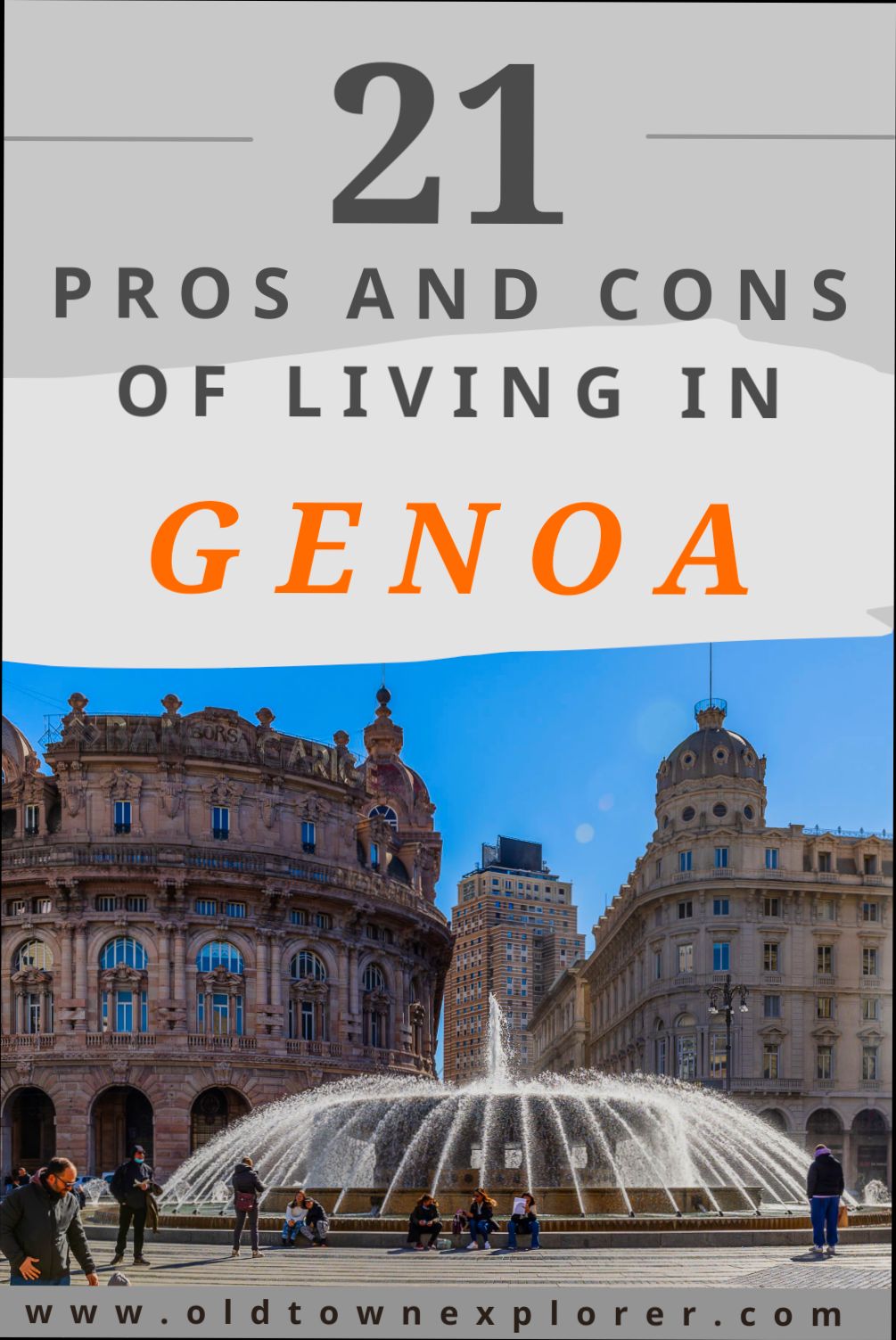
Pros and Cons of Living in Genoa highlight a unique blend of charm and chaos. Picture this: you wake up to the stunning views of the Ligurian Sea, with the historic harbor just a short walk away. Genoa is rich in culture, boasting over 40 museums, including the impressive Galata Museo del Mare, which can spark your interest in maritime history. And let’s not forget the food; you can indulge in fresh pesto and focaccia without breaking the bank, with a meal costing you around €15 at a local eatery. The city feels vibrant, teeming with life, especially during the festivals like the International Boat Show, which draws crowds from all over.
However, living in Genoa isn’t all sun and sea. Navigating the winding, steep streets can be a real workout; you might find yourself huffing and puffing just to grab groceries. Traffic can be a nightmare, especially during rush hour, slowing your commute into a frustrating experience. Plus, while rent prices are reasonable compared to cities like Milan, finding a decent apartment in the historic center can be challenging. You might also notice that, despite Genoa’s rich history, certain areas are in need of revival, which could be a turn-off for some. Each day presents its own set of challenges and delights, making life in this coastal city an adventure in itself.
Cost of Living in Genoa
Understanding the cost of living in Genoa is crucial if you’re considering making this vibrant Italian city your home. It’s known for its rich history, beautiful architecture, and, of course, its culinary delights. Let’s dive into some specifics about what you can expect when it comes to everyday expenses in Genoa.
Housing Costs
When it comes to housing, rent typically takes up a significant chunk of your budget. On average, if you’re looking to rent a one-bedroom apartment in the city center, you can expect to pay around €800 per month. However, cheaper options exist if you opt for areas outside the city center, where rents can drop to approximately €600.
Food and Dining Expenses
Eating out in Genoa can be quite affordable, especially compared to larger Italian cities like Milan or Rome.
- A meal at an inexpensive restaurant costs about €15.
- If you prefer cooking at home, a loaf of bread is around €1, while a liter of milk costs about €1.20.
Transportation Costs
Getting around Genoa is relatively budget-friendly, especially with the extensive public transport system. A monthly public transport pass costs around €35, making it easy to explore the city without breaking the bank.
Utility Bills
Utilities are another essential aspect of living costs. For an average apartment, you should budget approximately €150 per month for electricity, heating, cooling, water, and garbage services.
| Expense Category | Estimated Monthly Cost |
|---|---|
| Rent (1-bedroom city center) | €800 |
| Food (inexpensive restaurant) | €15 |
| Public transport pass | €35 |
| Utilities | €150 |
Real-World Examples
Imagine you’ve just moved to Genoa and rent a one-bedroom apartment in the city center for €800. If you dine out twice a week at affordable restaurants, that will add about €120 to your monthly budget. Coupled with transportation and utility costs, you could be looking at around €1,105 monthly, a manageable amount considering the city’s charm and amenities.
Additionally, one resident mentioned that switching to local markets for groceries significantly reduced their expenses, highlighting the importance of shopping smart.
Practical Insights
- Budgeting: If you’re moving to Genoa, plan your budget around housing, food, and transportation. Adjust your living arrangements based on your lifestyle; consider the suburbs if you want to cut costs.
- Local Cuisine: Embrace local cuisine and dine out occasionally at local eateries to enjoy authentic meals at reasonable prices.
- Public Transport: Take advantage of public transportation, as it not only saves money but also gives you the opportunity to experience the city like a local.
You can thrive in Genoa without overwhelming financial pressure, especially if you adjust your lifestyle to fit the local cost of living.
Cultural Attractions and Historical Significance
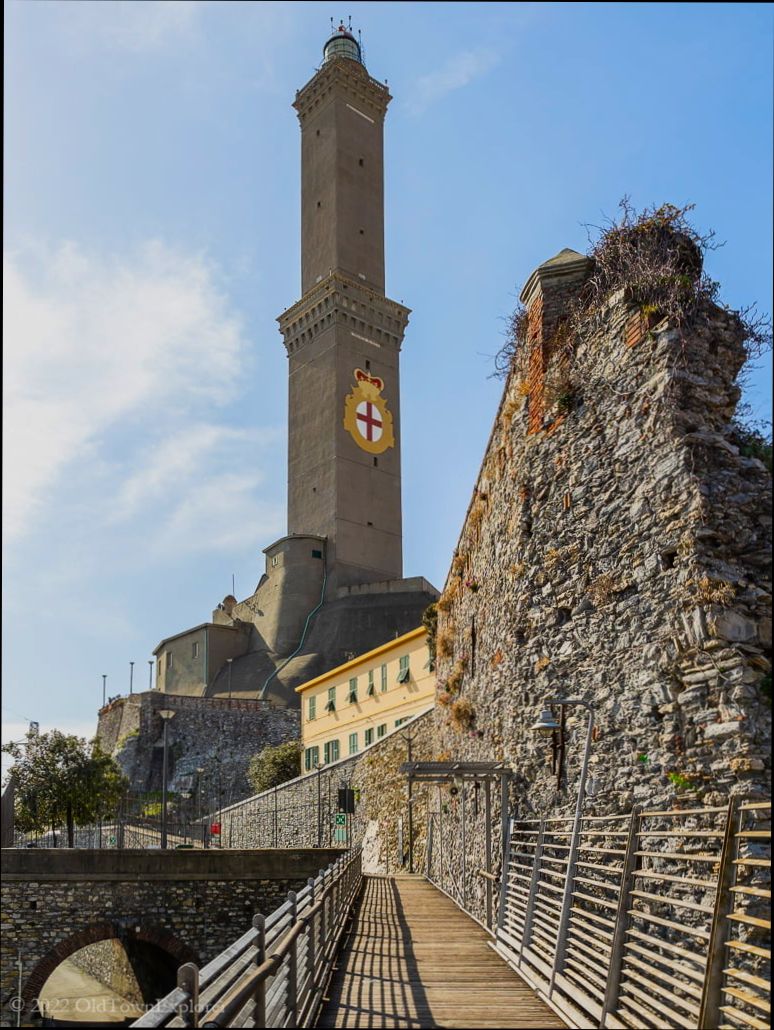
Living in Genoa means immersing yourself in a rich tapestry of culture and history. The city’s historical significance is not just a backdrop; it shapes daily life and creates vibrant opportunities for exploration. With a mix of stunning architecture, renowned museums, and significant historical sites, Genoa offers a unique cultural experience that enriches residents’ lives.
Key Points About Cultural Attractions
- UNESCO World Heritage Site: The “Strade Nuove” and the “Palazzi dei Rolli” have been recognized as a UNESCO World Heritage Site since 2006, highlighting their architectural and historical importance.
- Museums Galore: Genoa is home to over 30 museums, including the world-famous Galata Museo del Mare, which showcases the city’s maritime history and attracts around 150,000 visitors annually.
- Exquisite Palaces: The rolli palaces, like Palazzo Rosso and Palazzo Bianco, not only offer stunning designs but also house important art collections that reflect Genoa’s affluent past as a maritime republic.
- Cultural Events: The city hosts more than 20 annual cultural festivals, celebrating everything from literature to music, drawing in both locals and tourists. Events such as the Genoa International Book Fair attract around 150,000 attendees each year.
Cultural Attractions Comparison Table
| Attraction | Type | Year Established | Annual Visitors |
|---|---|---|---|
| Galata Museo del Mare | Museum | 2004 | 150,000 |
| Palazzo Rosso | Historic Palace | 1671 | 90,000 |
| Genoa International Book Fair | Cultural Festival | 2000 | 150,000 |
| Aquarium of Genoa | Aquarium | 1992 | 1.2 million |
| Teatro Carlo Felice | Opera House | 1825 | 120,000 |
Real-World Examples of Cultural Significance
Exploring the historic center of Genoa, you can visit the Cathedral of San Lorenzo, a stunning architectural marvel with roots tracing back to the 12th century. The cathedral not only serves as a spiritual home but also stands as a testament to the city’s historical evolution.
The Andrea Doria family’s legacy prominently features in many historical contexts in Genoa. Their palatial homes, like the aforementioned Palazzo Rosso, are repositories of art and history, inviting residents and visitors alike to delve into the rich narrative of the city.
Moreover, during the Feast of Saint John, celebrated on June 24 each year, the city comes alive with traditional music, fireworks, and local cuisine, showcasing Genoa’s vibrant community spirit and cultural heritage.
Practical Implications for Residents
As a resident, exploring these cultural attractions isn’t just a way to enjoy the city—it’s an opportunity to engage with its history and community. Many museums offer free entry on the first Sunday of each month, making it easier to delve into art and history without a hefty price tag.
Participating in local festivals allows you to connect with your neighbors, understand the cultural nuances, and appreciate the city’s traditions firsthand. Engaging with these cultural attractions enhances your quality of life, providing a continuous source of inspiration and learning.
Actionable Advice About Cultural Attractions
Make a plan to visit at least one museum or cultural event each month to fully appreciate what Genoa has to offer. Consider volunteering at local festivals; it’s a great way to meet people and immerse yourself in Genoa’s rich cultural fabric. Join guided tours that highlight historical sites—this can deepen your understanding of the city’s past and enrich your living experience.
Transportation Infrastructure and Accessibility
Transportation infrastructure in Genoa plays a pivotal role in shaping daily life and connecting residents to various parts of the city and beyond. With its unique geographical position by the Ligurian Sea, navigating the city comes with both advantages and challenges.
Key Aspects of Transportation Infrastructure
- Road Networks: Genoa’s road infrastructure includes a network of highways and access roads that facilitate connectivity within the region. Approximately 1,200 kilometers of roads help ease the commute, but be prepared for potential traffic congestion, especially during peak hours.
- Public Transport: The city boasts an extensive public transport system featuring buses, funiculars, and trams. Over 70% of locals utilize public transport daily, making it an efficient way to get around. The public transport system is continuously improved, reflecting the city’s commitment to accessibility.
- Ports and Maritime Transport: As a historic port city, Genoa is home to Italy’s largest seaport by cargo tonnage, offering ferry services to major destinations across the Mediterranean. This maritime infrastructure not only supports trade but also grants residents easy access to a variety of travel options.
- Cycling and Pedestrian Pathways: Recent initiatives have focused on enhancing accessibility for cyclists and pedestrians. Investment in dedicated bike lanes and improved sidewalks demonstrates growth towards more environmentally friendly transportation methods, encouraging around 30% of the population to cycle or walk when possible.
Comparative Transportation Accessibility Table
| Mode of Transport | Coverage | Availability | Notes |
|---|---|---|---|
| Buses | City- and region-wide | Frequent | Approx. 800 daily routes |
| Trams | Select neighborhoods | Moderate | Limited coverage; undergoing expansion |
| Funiculars | Steep areas | Regular | Essential for accessing hilly terrains |
| Cycling Paths | Major routes | Developing | Ongoing projects to increase accessibility |
| Ports | International connections | Year-round | Major maritime hub for passenger and cargo |
Real-World Examples
The Transportation Vulnerability and Resilience (TVAR) initiative has been crucial in assessing Genoa’s transportation infrastructure against natural disasters, cybersecurity threats, and other risks. This data-driven approach ensures that transportation is not just efficient but also resilient.
In recent years, the city has celebrated the success of its bicycle sharing program, which has seen a 40% increase in registered users since its launch. This initiative emphasizes accessibility and promotes healthier commuting options, contributing to reducing traffic congestion.
Practical Implications for Residents
As a resident or a prospective mover to Genoa, utilizing public transportation can significantly enhance convenience and reduce travel costs. Familiarize yourself with local bus and tram schedules through helpful apps that offer real-time updates.
Engaging with community initiatives around cycling can enhance not only your experience but also the city’s accessibility. Consider joining local groups that promote biking, as they often provide resources and support.
Actionable Insights
To fully leverage transportation options in Genoa, I recommend downloading public transport apps for easy navigation. Moreover, keep an eye out for local cycling events or workshops to engage with others and maximize your experience living in this vibrant city. Embrace the unique combination of land and sea transport, making the most of these architectural and infrastructural advancements.
Weather Patterns and Seasonal Changes
Living in Genoa provides a unique opportunity to experience a diverse range of weather patterns and seasonal changes throughout the year. The Mediterranean climate ensures that each season brings its own distinct charm, influencing daily life, leisure activities, and even local cuisine.
Seasonal Weather Overview
Genoa’s climate exhibits characteristics typical of the Mediterranean region, with hot, dry summers and mild, wet winters. Here’s a simplified breakdown of the seasonal weather patterns:
| Season | Temperature Range (°C) | Average Precipitation (mm) | Key Characteristics |
|---|---|---|---|
| Spring | 10 - 20 | 70 - 100 | Blooming flowers, longer days |
| Summer | 20 - 30 | 20 - 60 | Hot and dry, beach activities |
| Autumn | 10 - 20 | 90 - 120 | Moderate temperatures, harvest time |
| Winter | 0 - 10 | 100 - 150 | Cool and rainy, festive atmosphere |
Detailed Seasonal Insights
- Spring (March to May): As winter recedes, Genoa bursts into life with vibrant blooms. Average high temperatures range from 10°C to 20°C, and this season sees around 70-100 mm of precipitation. It’s the perfect time for outdoor activities as nature wakes up.
- Summer (June to August): Summer sizzles in Genoa, with temperatures typically soaring between 20°C and 30°C. Precipitation drops to about 20-60 mm, making it ideal for beachgoers and outdoor festivals. This is when the city is filled with tourists, enhancing the cheerful summer vibe.
- Autumn (September to November): The city experiences milder temperatures from 10°C to 20°C, with increased precipitation (90-120 mm). Autumn is a time for harvest festivals and local food celebrations, reflecting the cultural significance of the season.
- Winter (December to February): Winters in Genoa can be chilly, with temperatures dipping between 0°C and 10°C. The wettest season, it receives about 100-150 mm of rain. The holiday season brings a festive spirit, transforming the city into a winter wonderland.
Real-World Examples
During spring, the very popular “Festa dei Fiori” (Flower Festival) takes center stage, celebrating the local flora with stunning floral displays. Summer months attract numerous beach festivals, making the coastline a hub for sun-seekers. In autumn, the “Festa della Vendemmia” (Wine Harvest Festival) showcases the region’s rich agricultural heritage, while winter brings the “Saldi” (Sales) events, awakening the city’s vibrant commercial spirit.
Practical Implications for Residents
Understanding these seasonal changes can significantly enhance your living experience in Genoa. For instance:
- Outdoor Preparations: Knowing that summers are dry means you can plan outdoor social activities and trips to the beach without worrying about sudden rain.
- Indoor Activities: Prepare for winter by stocking up on supplies for cozy nights in, as this season is characterized by heavier rains.
- Leisure Planning: Use spring and autumn for exploring local landscapes and hiking trails, making the most of the mild temperatures.
Actionable Advice
To fully embrace Genoa’s weather patterns, consider these tips:
- Invest in a good quality umbrella and rain gear for the wet autumn and winter months.
- Schedule vacations or day trips during the splendid spring and summer to enjoy the local festivals and warm weather.
- Keep an eye on weather forecasts to prepare for sweeping changes in temperature and precipitation, allowing you to plan your outings accordingly.

Community Life and Social Dynamics
Living in Genoa immerses you in a vibrant community where social interactions and communal activities are integral to daily life. With its diverse population and rich cultural heritage, you will find yourself surrounded by dynamic social networks that foster connections and camaraderie among residents.
Sense of Community and Engagement
Genoa boasts a unique blend of historical and modern living, leading to strong community ties. The locals are known for their welcoming nature, which encourages newcomers to participate in community events. You might find it interesting that about 60% of residents engage in local clubs or organizations, which play a crucial role in fostering a sense of belonging.
- Neighborhood Activities: Residents often gather for festivals, flea markets, and local sports events.
- Volunteer Opportunities: More than 25% of Germans are active volunteers, emphasizing community involvement.
Social Integration
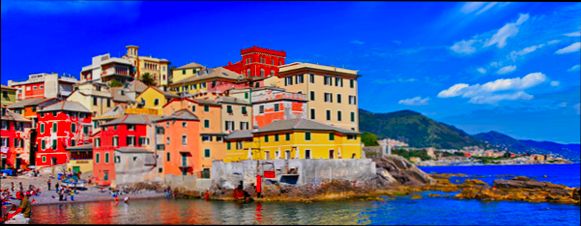
Social dynamics in Genoa are vibrant, with a mix of locals and expatriates contributing to the multicultural fabric of the city. In neighborhoods like Boccadasse and Nervi, the local Italian residents often organize events that invite participation from international communities, enhancing integration. With approximately 15% of the population being foreign nationals, this diversity leads to rich intercultural exchanges.
- Culinary Events: Food is a major part of cultural integration. Many residents participate in culinary classes that focus on both traditional Ligurian dishes and international cuisine.
- Language Exchange Programs: Over 20% of community organizations offer language exchange initiatives, fostering communication between locals and expats.
Neighborhood Characteristics
The characteristics of various neighborhoods in Genoa significantly influence community life and social dynamics. Areas like the historic center reflect a deep-rooted culture with an array of local artisans and family-owned businesses, while newer districts offer contemporary amenities catering to a young and diverse demographic.
| Neighborhood | Population Density | Community Events | Percentage of Foreign Residents |
|---|---|---|---|
| Centro Storico | High | Weekly markets | 10% |
| Boccadasse | Medium | Cultural festivals | 15% |
| Nervi | Low | Sports events | 20% |
Real-World Examples
One example of community engagement is the annual “Festa di San Giovanni,” which sees thousands of residents coming together to celebrate with food, music, and dance, exemplifying a deep sense of unity and pride. Furthermore, initiatives like “Genova di Leonardo” promote exploration of the city’s unique heritage through guided community tours, enhancing interaction among locals and visitors alike.
Practical Implications
For you as a resident or newcomer, engaging in community activities not only enriches your experience but also helps forge lasting friendships. Look for local meetups related to your interests, be it art, sports, or dining. Participating in these activities can make settling into Genoa incredibly rewarding.
To make the most of your community life in Genoa, consider:
- Joining local clubs focused on your hobbies.
- Attending neighborhood events to meet locals and other expats.
- Volunteering for community service projects to connect on a deeper level.
Every interaction you initiate can lead to a more integrated and fulfilling life in this stunning Italian city.
Employment Opportunities and Economic Trends
When it comes to employment opportunities in Genoa, understanding the local job market and economic trends is crucial for anyone considering relocating to this historic city. Despite the city’s captivating allure, job prospects can vary significantly across different sectors, making careful research essential for expats.
Job Market Overview
Genoa’s economy is heavily influenced by its port, which is one of the busiest in the Mediterranean. This port activity supports a range of employment opportunities:
- Maritime Sector: The port generates around 20,000 jobs, offering roles in shipping, logistics, and freight forwarding.
- Tourism Industry: With tourists flocking to its beautiful sights, the tourism sector provides approximately 15% of local employment, making it a viable option for those in hospitality and service roles.
- Technology and Innovation: The tech industry is gradually growing. Local initiatives aim to attract tech startups, providing jobs primarily in digital services and software development.
Economic Trends
The economic landscape of Genoa has been experiencing notable shifts that impact job availability:
1. Diverse Employment Options: From traditional sectors like shipping and manufacturing to burgeoning industries like tech, the job market is evolving to meet modern demands.
2. Expat Employment: As international companies establish a presence in the area, expats with specialized skills in finance and management have found increased job opportunities.
3. Unemployment Rates: The unemployment rate in Liguria, the region encompassing Genoa, stands at about 8%. This figure, while high compared to national averages, reflects economic challenges but also potential openings in sectors undergoing growth.
| Sector | Employment Share (%) | Growth Rate (%) Year-on-Year |
|---|---|---|
| Maritime Sector | 20% | 3% |
| Tourism | 15% | 5% |
| Technology & Innovation | 8% | 10% |
| Manufacturing | 12% | 1% |
| Retail | 10% | 4% |
Real-World Examples
For instance, companies like Georgian Shipping Company have established offices in Genoa, which has led to a demand for bilingual professionals fluent in Italian and English. Similarly, the opening of startup incubators has provided a platform for young entrepreneurs to enter the tech scene, illustrating the ideal blend of opportunity for both locals and expats.
Additionally, the Genoa International Maritime and Logistic Center, launched to boost sectoral growth, shows how targeted initiatives enhance job availability specifically in maritime logistics.
Practical Implications
As you consider employment in Genoa, keep these actionable insights in mind:
- Brush up on your Italian language skills to improve your job prospects; many local businesses prioritize Italian-speaking candidates.
- Network within expat groups or local industry gatherings. Connecting with others can lead to unadvertised job opportunities.
- Explore local job boards and websites like Glassdoor and LinkedIn for the latest job listings tailored to expats and locals.
Actionable Advice
Remember to research work visa requirements and employment rights as an expat in Italy. Engaging with relocation companies can also provide invaluable insights into navigating the local job market. Understanding these nuances will better equip you for a successful job search in Genoa.
Health and Safety Statistics in Genoa
When considering living in Genoa, understanding the health and safety environment is essential. This section dives into key health statistics and safety metrics that give a clear picture of what you can expect in your daily life in this Italian city.
Health Statistics
Genoa has some noteworthy health indicators that showcase the overall well-being of its residents:
- Healthcare Quality: The city boasts an impressive healthcare system, with 95% of residents expressing satisfaction with local hospitals and clinics.
- Life Expectancy: On average, life expectancy in Genoa is around 84 years, which is slightly higher than the national average of 83 years in Italy.
- Chronic Illness Rates: Approximately 12% of the population lives with chronic illnesses, such as diabetes or hypertension, reflecting the importance of preventive healthcare and regular check-ups.
Safety Statistics
Safety is another crucial aspect when thinking about moving to Genoa:
- Crime Rate: Genoa has a crime rate of about 3,000 incidents per 100,000 inhabitants, which is lower compared to other major Italian cities like Rome and Milan.
- Traffic Safety: The city records around 15 road traffic accidents per week, showcasing the need for vigilance when driving or walking.
- Emergency Response: The local emergency services report a response time of approximately 10 minutes for most emergencies, indicating a reliable network for addressing urgent health and safety issues.
| Statistic | Genoa | National Average |
|---|---|---|
| Life Expectancy (Years) | 84 | 83 |
| Crime Rate (incidents/100k) | 3,000 | 4,000 |
| Chronic Illness Rate (%) | 12 | 14 |
| Emergency Response Time (minutes) | 10 | 12 |
Real-World Examples
To further understand how these statistics manifest in daily life, consider the following examples:
- Healthcare Access: A local resident shared their experience at the San Martino Hospital, where they received timely and effective care in emergency situations on two separate occasions, highlighting the quality of healthcare services.
- Safety Awareness Campaigns: The city frequently conducts public safety campaigns focusing on road safety, which have resulted in a gradual decrease in traffic accidents over recent years.
Practical Implications
For those thinking about relocating, the health system’s efficiency ensures that medical needs are met promptly and effectively. It also emphasizes the importance of engaging with local health resources, ensuring a proactive approach to personal wellness.
- Take advantage of Genoa’s healthcare facilities by scheduling regular check-ups to prevent chronic illnesses, especially if you have a family history.
- Stay informed about local safety campaigns, as these can offer practical tips for ensuring your safety while living and commuting in the city.
Actionable Advice
If you’re planning to live in Genoa, prioritize familiarizing yourself with local healthcare providers. Additionally, be aware of safety practices in both urban and rural settings to maximize your safety and well-being while living in this beautiful city.