Blog

What to Do with Mail from Previous Tenant
What to Do with Mail from Previous Tenant can be a bit of a hassle, right? Imagine settling into your new place, excited to make it your own, only to find a pile of mail addressed to someone who used to call your apartment home. According to the U.S. Postal Service, around 25% of mail is misdelivered or goes to the wrong recipient, which means you’re not alone in this mail muddle! You’ve got credit card offers, utility bills, and even personal letters piling up. Ignoring it might feel easier, but that could lead to missing important details about your new address – and let’s face it, some of it might be tempting to peek at.
What to Look for on a Home Inspection
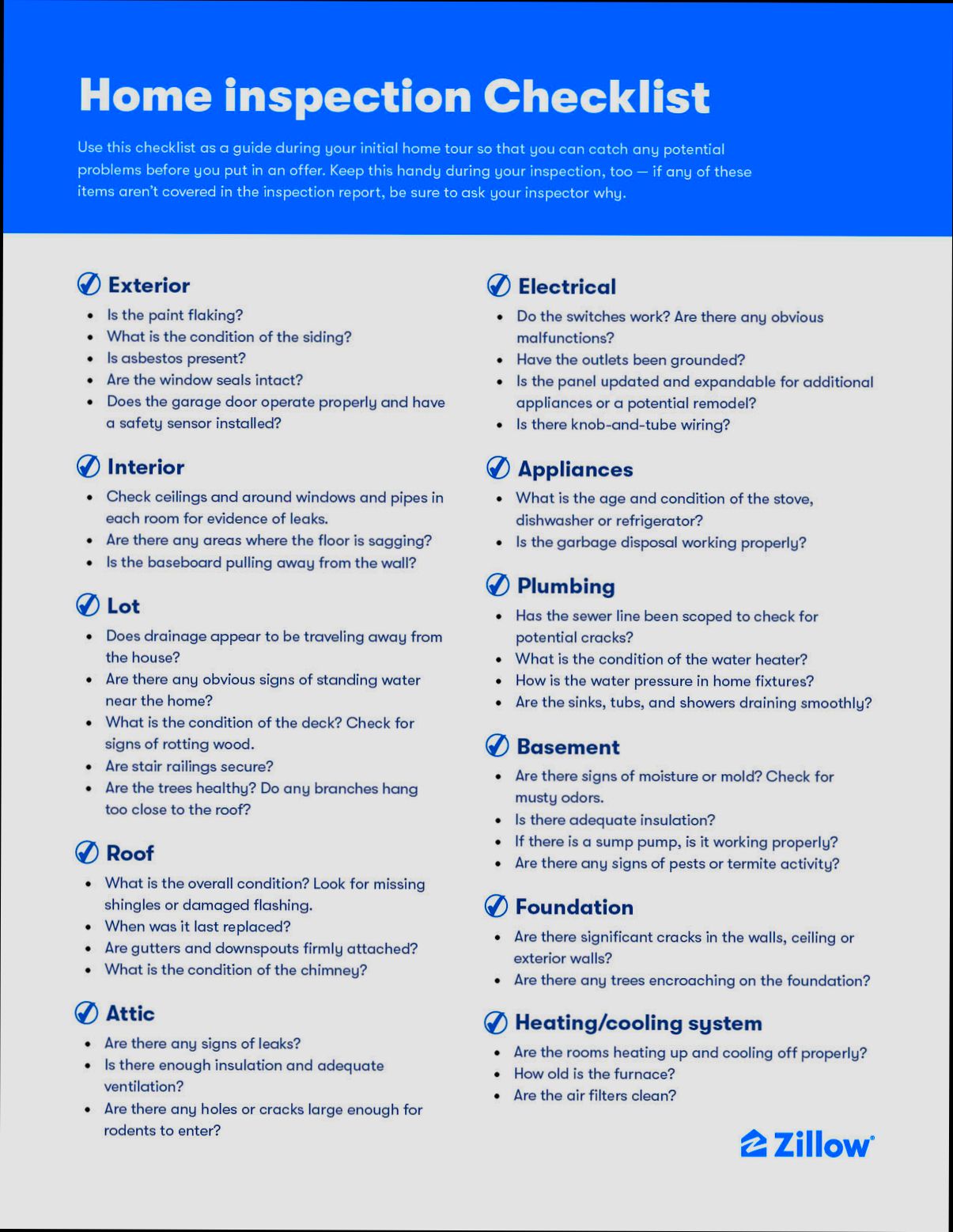
What to look for on a home inspection can make all the difference in your buying experience. Picture this: you find the perfect house, but during the inspection, the inspector uncovers a leaky roof that could cost you thousands to repair. In fact, nearly 60% of home buyers encounter major issues during inspections—issues that may not be visible to the untrained eye. You might even come across things like outdated electrical systems that violate safety codes, or a cracked foundation that can lead to significant structural problems down the road.

What Types of Properties are Available in Spain
What Types of Properties are Available in Spain? You’ll be surprised by the variety! Spain offers everything from charming little apartments in bustling Barcelona to sprawling villas on the sun-soaked Costa del Sol. For instance, did you know that in major cities like Madrid, you can find two-bedroom flats starting around €200,000? Meanwhile, on the islands like Mallorca, luxury waterfront properties can easily soar above the €1 million mark, providing stunning views and direct access to crystal-clear waters.
When Can a Landlord Legally Reject an ESA
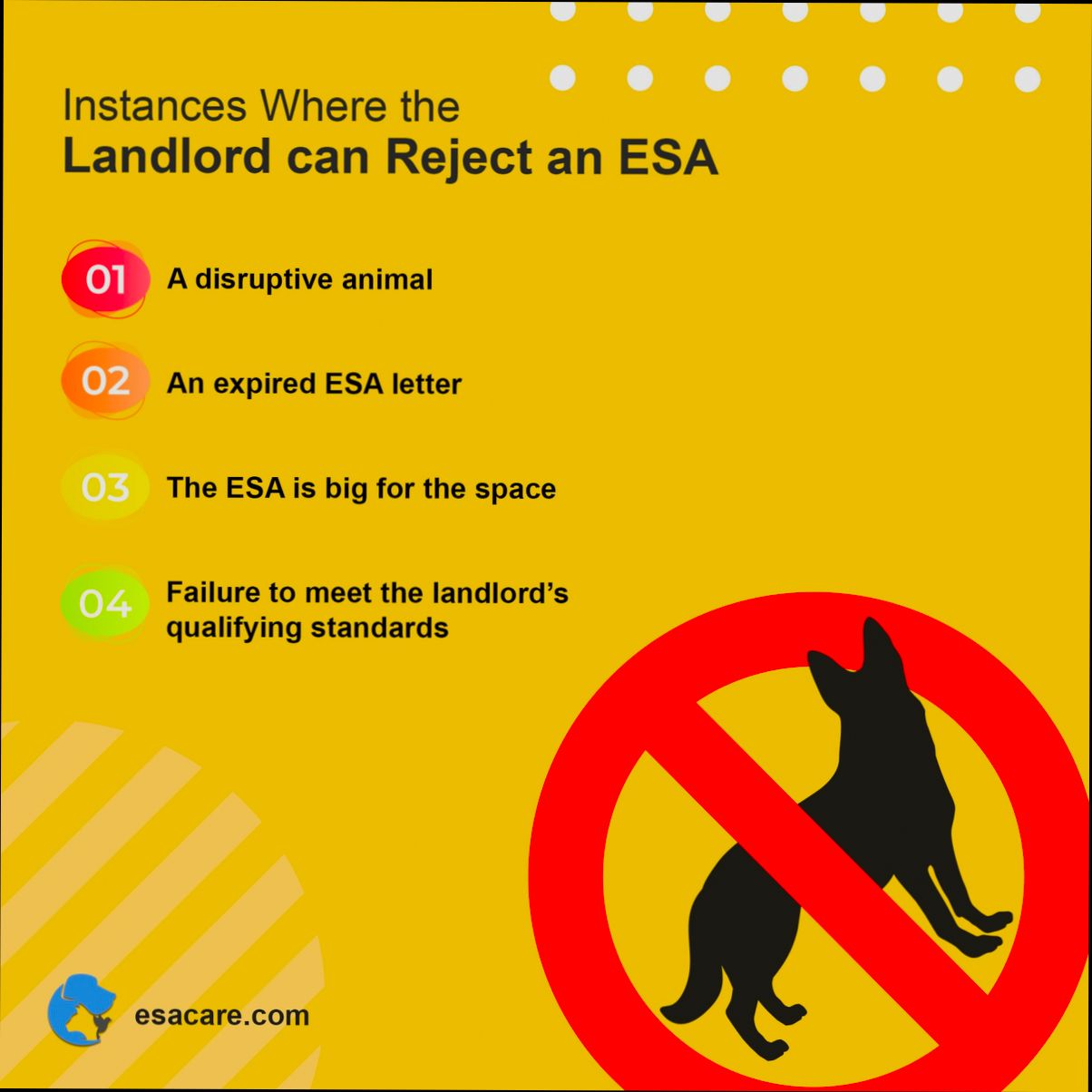
When can a landlord legally reject an ESA? This is a hot topic for many renters, especially since emotional support animals (ESAs) have become a vital part of daily life for countless people. Did you know that as of 2022, approximately 60% of pet owners in the U.S. reported having an ESA? While these furry companions can provide essential emotional benefits, not every landlord might be on board. For example, a landlord can legally deny an ESA if the animal poses a direct threat to the health or safety of others. If your ESA has a history of aggressive behavior, that could be a deal-breaker.

When is Property Tax Due in Texas
When is Property Tax Due in Texas? If you own property in the Lone Star State, you might want to circle January 31 on your calendar because that’s when the bills start hitting your mailbox. Each year, Texas property taxes go out on October 1, giving you a heads-up before they're officially due at the end of the year. If your home has an appraised value of $250,000, for example, and the tax rate is 2%, you’re looking at a hefty $5,000 bill by January.
When is the Best Time to Buy a House
When is the best time to buy a house? It’s a question that swirls around in the minds of prospective homeowners like bees around a flower. Picture this: springtime. That’s when most listings hit the market, and you’ll find plenty of options. According to a recent study, nearly 40% of homes are sold between April and June. With more choices available, you can get creative and find a place that truly feels like home. Now, imagine that sweet summertime, when picnic vibes fill the air. Mortgage rates typically dip during these months, which could save you thousands over the life of your loan. Just last summer, rates fell to a low of 2.75%, making it an enticing time for buyers.
When Should I Pay ITP in Spain
When Should I Pay ITP in Spain? Well, if you’re thinking of buying property in this beautiful country, this is a crucial question you’ll need to tackle. The Impuesto de Transmisiones Patrimoniales (ITP) is a transfer tax that kicks in when you purchase a second-hand property, and depending on which region you’re in, the rates can vary significantly. For instance, in Catalonia, the tax can range from 5% to 11%, whereas in Madrid, it typically hovers around 6%. So, if you buy a used apartment priced at €200,000 in Barcelona, you might find yourself shelling out a hefty €22,000 in taxes!
Where is it Cheapest to Rent a House in US
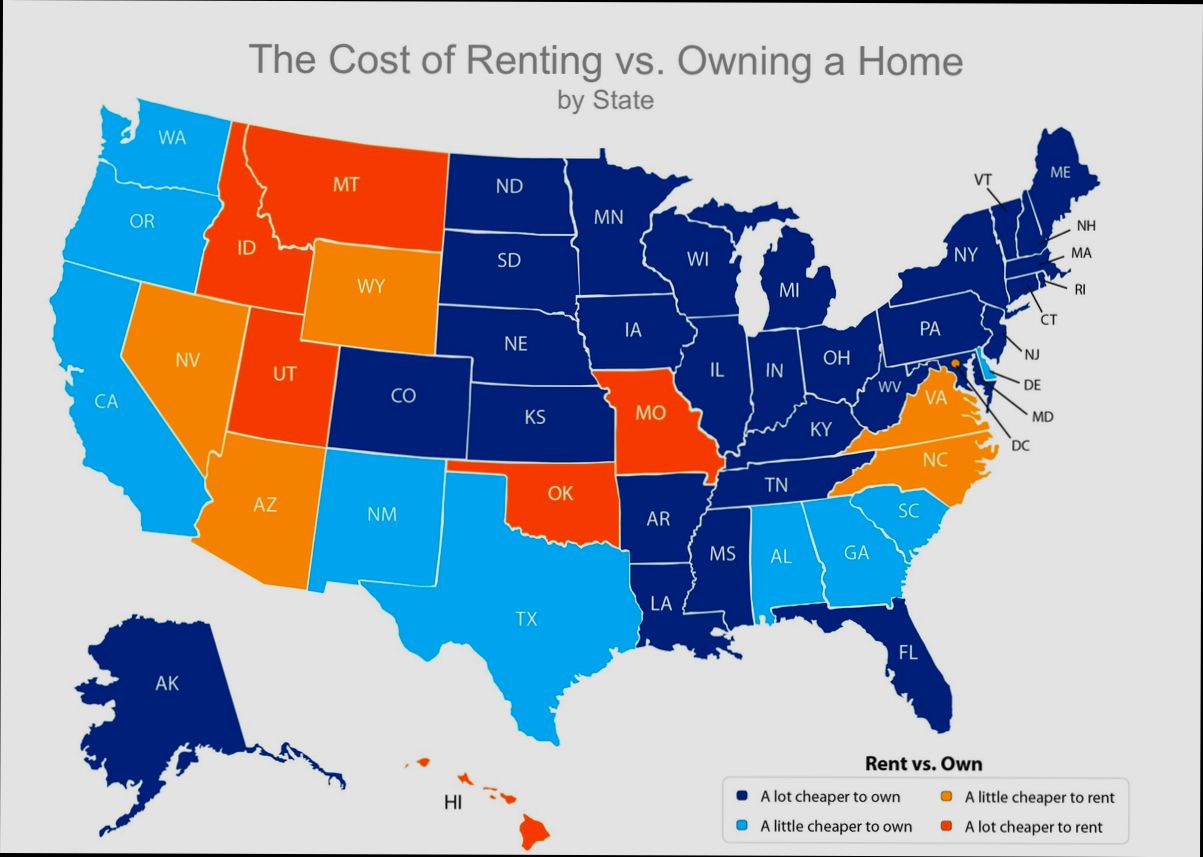
Where is it Cheapest to Rent a House in US? If you're looking for wallet-friendly options, you'll want to turn your attention to places like Memphis, Tennessee, where the average rent hovers around just $1,200 per month. You’ll find suburbs that offer spacious three-bedroom homes for even less, making it a top contender for budget-conscious renters. Over in Pittsburgh, Pennsylvania, you can snag rental spots for about $1,400, and the city’s rich history and vibrant culture make it a pretty enticing place to call home.
Tags