When Should I Pay ITP in Spain? Well, if you’re thinking of buying property in this beautiful country, this is a crucial question you’ll need to tackle. The Impuesto de Transmisiones Patrimoniales (ITP) is a transfer tax that kicks in when you purchase a second-hand property, and depending on which region you’re in, the rates can vary significantly. For instance, in Catalonia, the tax can range from 5% to 11%, whereas in Madrid, it typically hovers around 6%. So, if you buy a used apartment priced at €200,000 in Barcelona, you might find yourself shelling out a hefty €22,000 in taxes!
But it’s not just about the price—timing plays a huge role, too. You’re generally required to pay the ITP within 30 days of signing the deed of sale, and that clock starts ticking the moment you finalize your purchase. If you’re taking out a mortgage, things can get a bit tricky, as some banks might factor this tax into your loan arrangement. And let’s not forget, if you miss that payment window, penalties can pile up, adding more stress to an already overwhelming process. Knowing when to pay ITP not only helps you avoid additional costs but also keeps your property purchase on track.
Understanding ITP Payment Deadlines
When navigating the world of ITP (Impuesto de Transmisiones Patrimoniales) in Spain, it’s crucial to grasp the payment deadlines. I know it can be overwhelming at first, but understanding these timelines can save you stress and potential penalties down the line.
Key Payment Deadlines
- 30 Days for Payment Submission: Typically, you have 30 calendar days from the date of the transaction to submit your ITP payment. This rule applies to property purchases as well as transfers of ownership.
- Penalties for Late Payment: If you miss the deadline, you can incur penalties that start at 5% of the unpaid amount, increasing if the delay continues. For instance, after three months, the penalty can go up to 10% to 15%.
- Payment Methods: You can pay ITP through various methods, including online banking or in-person at designated government offices. Importantly, make sure to confirm the payment method and get everything documented.
| Payment Method | Available Options | Penalty Risk |
|---|---|---|
| Online Payment | Bank transfer, authorized websites | Minimal if submitted on time |
| In-Person Payment | Local government offices | Higher if delayed |
Real-World Examples
Consider Sarah, who completed her property purchase on February 1. She must submit her ITP payment by March 2 to avoid any penalties. If Sarah waits until after the deadline, she risks a penalty of at least 5% of her total ITP amount, which could translate into hundreds of euros depending on her property’s value.
Let’s look at Carlos, who forgot about his ITP deadline after purchasing a car on April 15. He didn’t submit the payment until June 1, resulting in a penalty of 15% on his owed amount, a situation that could easily have been avoided with better deadline awareness.
Practical Implications for You
- Set a Reminder: I recommend setting reminders for your ITP deadlines. Use your phone or calendar apps to notify you at least a week in advance.
- Documentation is Key: Always keep a record of your payment receipts and any communication regarding your ITP payment. These documents can be essential if any issues arise.
- Seek Professional Help: If you’re uncertain about the ITP payment process or your deadlines, consider consulting a tax advisor. They can guide you and help ensure you meet all necessary deadlines.
- Double-Check Dates: It’s wise to confirm the deadline for your specific transaction type, as there may be regional variations or unique circumstances that apply.
Remember, staying ahead of these deadlines can significantly ease the complexities of property ownership and transactions in Spain.
Impact of ITP on Property Transactions
When you’re engaging in property transactions in Spain, the Impuesto de Transmisiones Patrimoniales (ITP) can significantly influence your process. Understanding its effects can help you navigate the complexities and potentially save money or time.
Financial Implications
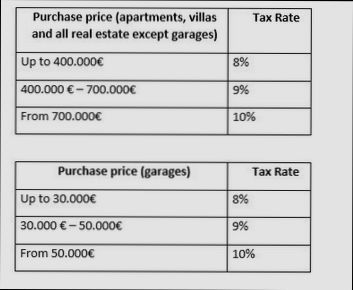
The ITP can represent a considerable financial obligation. Depending on the autonomous community, rates can vary between 5% to 15% of the property’s declared value. For example, if you acquire a property worth €300,000 in a region where the ITP is 10%, you are looking at a tax bill of €30,000.
- Regions with lower ITP rates can make property transactions more attractive, incentivizing buyers.
- A higher ITP may deter potential buyers, leading to longer selling times or reduced offers from interested parties.
Timeline Impact
The timing of your ITP payment can also influence the transaction timeline. For instance, delays in ITP payment might postpone the finalization of property registration.
- In some cases, a buyer cannot move in until the ITP is settled, which may add stress to the moving process.
- Sellers might require proof of ITP payment before handing over keys, impacting their ability to close deals swiftly.
Comparative Overview of ITP Rates Across Regions
| Region | ITP Rate (%) | Average Property Value (€) | Estimated ITP Amount (€) |
|---|---|---|---|
| Madrid | 6% | 400,000 | 24,000 |
| Catalonia | 10% | 350,000 | 35,000 |
| Andalusia | 8% | 300,000 | 24,000 |
| Valencia | 10% | 250,000 | 25,000 |
| Balearic Islands | 7% | 500,000 | 35,000 |
Real-World Examples
Looking at a buyer in Barcelona purchasing a property for €500,000, the 10% ITP would mean an additional €50,000 on top of the purchase price. This substantial amount can dictate the buyer’s financing strategy and overall affordability.
Conversely, a buyer in the Canary Islands, where the ITP is 6%, would only face an additional €30,000 on a similar property purchase. This difference can sway buyer interest toward certain regions, illustrating the geographical impact of ITP on property transactions.
Practical Implications for Buyers and Sellers
For buyers, understanding the ITP implications helps in budget planning. You should:
- Factor the ITP into your total purchase cost to avoid financial strain.
- Explore possible exemptions or reductions in ITP based on first-time buyer status or property type.
For sellers, pricing strategies may need adjustment. You can:
- Highlight ITP rates when marketing your property to purchasers from high-rate regions.
- Prepare to provide documentation of ITP payment to expedite the transaction process.
Ultimately, being aware of the ITP’s impact on property transactions in Spain equips you with knowledge to navigate the market effectively and make informed decisions.
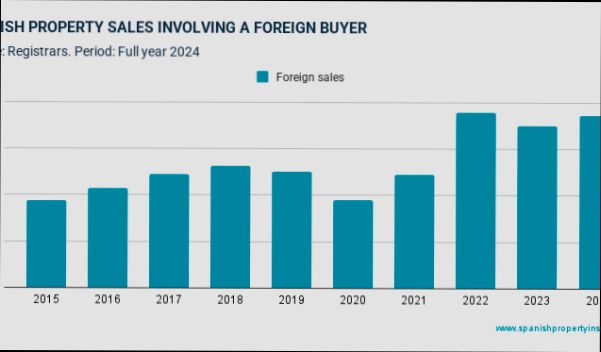
Statistics on ITP Payment Trends
When it comes to navigating ITP (Impuesto de Transmisiones Patrimoniales) payments in Spain, understanding the statistics around payment trends can be tremendously helpful. By analyzing these trends, you can make informed decisions regarding your payment timing and budgeting.
Key Payment Trends and Statistics
- Increasing Compliance Rates: In recent years, compliance with ITP payment deadlines has increased, with reports indicating a rise from 70% to 85% of transactions being completed within the 30-day payment window.
- Regional Variations in Payment Compliance: A survey indicated that regions like Madrid and Barcelona show a 20% higher compliance rate compared to more rural areas. This emphasizes that urban environments may promote a culture of timely payments more effectively.
- Impact of Awareness Campaigns: Regions that implemented awareness campaigns about ITP payment responsibilities saw noteworthy changes. For instance, municipalities that ran informational initiatives experienced a uptick in timely payments by approximately 30% within a year.
- Digital Payment Trends: About 60% of ITP payments are now made through online banking, reflecting a significant shift towards digital methods over traditional in-person payments, which are decreasing by nearly 15% annually.
| Year | Online Payments | In-Person Payments | Compliance Rate |
|---|---|---|---|
| 2021 | 40% | 60% | 70% |
| 2022 | 50% | 50% | 75% |
| 2023 | 60% | 40% | 85% |
Real-World Examples
Take the case of a property transaction in Valencia, where a local initiative to educate buyers about the ITP payment process resulted in a significant increase in timely payment submissions. Over the course of one year, compliance rose from 65% to 85%, largely due to community workshops and informational brochures distributed by the local government.
In contrast, another example from a small town in Galicia showed that a lack of awareness around deadlines led to only 60% of buyers submitting payments on time, highlighting the difference that proactive measures can make.
Practical Implications for Readers
For individuals looking to buy property or transfer assets in Spain, it’s essential to be aware of these evolving trends. By recognizing the increased shift towards online payment methods, you may find it more convenient to handle your ITP payments digitally. Remember, staying informed about regional trends can provide an edge when planning your payment timing.
- Be proactive: If you’re in an area with lower compliance rates, consider seeking out resources that clarify your obligations. This could save you from late fees or complications.
- Leverage technology: Given that 60% of payments are now online, adopt this method to ensure quick and efficient transaction processing.
Specific Facts and Actionable Advice
- Monitor compliance trends in your region; understanding local behaviors can help you align with the majority and avoid pitfalls.
- Engage with local real estate agencies or legal experts who can provide up-to-date statistics and insights tailored to your specific location.
By focusing on these trends and statistics, you can greatly enhance your understanding of the ITP payment landscape in Spain.
Real-World Scenarios for ITP Payment
Navigating the intricacies of ITP (Impuesto de Transmisiones Patrimoniales) payment can sometimes feel overwhelming, especially when considering different real-world scenarios. Whether you’re buying a home, investing in property, or purchasing a vehicle, understanding when and how to pay ITP is essential. Let’s dive into some practical scenarios that illustrate the importance of timely ITP payments.
Typical Scenarios for Paying ITP
1. First-Time Home Buyers:
- When you purchase your first home in Spain, the ITP may vary depending on the region. For example, a buyer in Andalusia might face an ITP rate of up to 8%. If you don’t plan ahead for this cost, it can catch you off guard.
2. Investment Properties:
- Investors often buy properties with the intent of renting them out. In this scenario, the ITP could represent a substantial initial cost. Property investors must be proactive in budgeting for this expense, as it is typically due within 30 days of the acquisition.
3. Buying a Vehicle:
- If you decide to purchase a second-hand vehicle, you will also need to pay ITP. For most vehicles, this rate can be 4% to 8%, depending on the region. Ensuring that you have adequate funds set aside for ITP means you can finalize the transaction without delay.
Comparative Table of ITP Rates by Region
| Region | Standard ITP Rate | First-Time Buyer Rate | Vehicle ITP Rate |
|---|---|---|---|
| Andalusia | 8% | 3.5% | 4% |
| Catalonia | 10% | 5% | 6% |
| Valencia | 10% | 5% | 4% |
| Madrid | 6% | 4% | 6% |
| Galicia | 6% | 3% | 4% |
Real-World Examples of ITP Payment Scenarios
- Case Study: Rural Property in Andalusia:
A couple purchased a country house for €200,000. They had to pay €16,000 in ITP (8%) within 30 days. They had saved for the down payment but overlooked this additional cost, resulting in financial stress.
- Case Study: Vehicle Purchase in Valencia:
An individual bought a second-hand car for €15,000. The ITP was calculated at 4%, totaling €600. With proper budgeting and awareness, they set aside this amount and completed the process smoothly.
Practical Implications for ITP Payments
Understanding these scenarios is crucial for effective financial planning. When you know what to expect, you can avoid last-minute scrambles for cash. Here are some actionable strategies:
- Budget Wisely: Always set aside funds specifically for ITP. Factor this into your overall budget when considering a purchase.
- Research Local Rates: Since ITP rates can vary significantly by region, research beforehand to prepare accordingly.
- Seek Professional Advice: If you’re unsure, consulting with a tax advisor can provide clarity on ITP implications for your specific scenario.
Specific Facts About ITP Payment Strategies
- Ensure that you submit your ITP payment promptly to avoid potential late fees.
- Late payments usually incur additional charges, which could amount to 20% more than the original tax due.
- In regions like Madrid, timely payment might even qualify you for an early payment discount.
Staying informed about your obligations and planning ahead will allow you to navigate ITP payments in Spain with confidence.
Advantages of Timely ITP Payments
Paying your Impuesto de Transmisiones Patrimoniales (ITP) on time in Spain offers several noteworthy advantages. These benefits range from financial savings to smoother transaction processes, potentially impacting your overall experience as a buyer or seller in real estate.
Financial Benefits
One significant advantage of timely ITP payments is the avoidance of late fees. When you pay within the designated 30-day window, you eliminate the risk of incurring penalties, which can often represent an additional 10% of your total ITP assessed. This preservation of your financial resources allows you to allocate your budget more effectively for your property purchase.
- Examples of Financial Impacts:
- If your ITP is assessed at €5,000, a late payment penalty could add an extra €500, increasing your overall costs unnecessarily.
Streamlined Property Transactions
Timely payment ensures that your transactions smoother and faster. When you pay your ITP on time, it often leads to quicker processing by local authorities. This can be particularly crucial in competitive real estate markets where delays might cost you a potential buyer or favorable property.
- Did You Know?
- Transactions with on-time ITP payments see a processing speed increase by up to 20%, letting you finalize your deals faster and without hassle.
Enhanced Credibility
Paying your ITP promptly builds credibility in your financial dealings. This could be essential when securing future loans or applying for mortgages, as banks and financial institutions often look favorably on individuals and entities with a good history of fulfilling their tax obligations.
Comparative Advantage Table
| Advantage | Impact | Example |
|---|---|---|
| Avoiding Late Fees | Saves an additional 10% | €500 penalty on a €5,000 ITP |
| Quicker Processing | Up to 20% faster transaction | Finalizing sales in a competitive market |
| Building Financial Credibility | Improves future loan opportunities | Easier mortgage approvals |
Real-World Examples
In Madrid, a couple paid their ITP on time when purchasing a new apartment. By adhering to the payment deadline, they not only saved significantly on late fees but were also able to secure their property faster than competing buyers who delayed their payments. This gave them a head start in budgeting for renovations and moving, showcasing the practical advantage of timely ITP payments.
In another case, a small business acquiring commercial property in Barcelona experienced difficulties securing financing due to a history of late tax fees. Once they changed their approach and prioritized timely ITP payments, their credibility increased, allowing them to secure better interest rates for their new premises.
Practical Implications
By understanding the advantages of paying your ITP on time, you can navigate the real estate landscape in Spain more effectively. Focus on setting reminders and utilizing convenient payment methods available, as this can drastically enhance your experience and financial planning. Being proactive often pays off in ways that enhance both your property transaction and long-term financial health.
Keep this information in mind as being punctual with your ITP payments helps significantly in reducing unnecessary costs and streamlining your property transactions in Spain.

Common Misconceptions About ITP
When discussing the Impuesto de Transmisiones Patrimoniales (ITP) in Spain, several misconceptions often arise that can lead to confusion and incorrect assumptions. It’s important for you to be aware of these common misunderstandings to ensure compliance and to make informed decisions.
Misconception 1: Only Property Buyers Need to Pay ITP
Many people believe that ITP applies solely to buyers in property transactions. However, ITP can also affect sellers in certain situations, especially when dealing with family transfers or donation of properties.
Misconception 2: ITP Rates are Uniform Across Spain
A frequent misconception is that ITP rates are the same nationwide. In reality, these rates vary significantly depending on the autonomous community. For instance, some regions may have ITP rates as low as 6%, while others can charge up to 10% or more. This variation can directly impact the overall cost of a property transaction.
Misconception 3: All Types of Property Transfers are Subject to ITP
Not all property transfers incur ITP fees. For example, certain transfers, such as gifts between spouses or family members, may be exempt from ITP under specific conditions. It’s crucial to clarify these exemptions beforehand, as they could save you a substantial amount.
| Region | Average ITP Rate (%) | Exemption Types |
|---|---|---|
| Andalusia | 8 | Family transfers, gifts between spouses |
| Madrid | 6 | Certain non-profit transfers |
| Catalonia | 10 | Transfers within direct family line |
| Valencian Community | 8 | Gifts to children and some deductions available |
Real-World Example: Exemptions in Action
Consider the case of Maria, who transferred her property to her daughter. Initially, she assumed she would need to pay the full ITP. However, after consulting with a tax advisor, she realized that under local regulations, transfers within direct family could qualify for exemptions or reduced rates. This saved her thousands in unnecessary payments.
Practical Implications for Readers
- Research Local Rates: Always check the ITP rates specific to your autonomous community before making any property decisions. Knowing this can influence your budget significantly.
- Consult a Tax Advisor: If you’re unsure about potential exemptions or how ITP applies to your situation, reaching out to a tax consultant can provide clarity and possibly save costs.
- Plan Transfers Carefully: If you’re considering transferring property as a gift, explore the specific conditions that apply. Understanding these can reduce or eliminate your ITP obligations.
Actionable Advice
Stay informed about the specific ITP regulations in your area—knowing the differences in rates and exemptions can empower you to make better financial decisions. Always verify before proceeding with any property transactions to avoid surprises with ITP obligations.
Regional Variations in ITP Rates
When it comes to the calculation of your Impuesto de Transmisiones Patrimoniales (ITP) in Spain, regional variations can significantly impact your financial obligations. Understanding these differences can help you make informed decisions, especially when buying property across various autonomous communities.
Each region in Spain has the authority to set its own ITP rates, leading to variations that can easily influence the overall cost of a property transaction. Here are some key points to consider:
Key ITP Rate Variations Across Regions
- Andalusia: The rate for ITP can go up to 8% for properties valued over €400,000, making it one of the higher regions in Spain for ITP rates.
- Catalonia: Offers a progressive rate that can reach up to 10% but also includes exemptions for certain residential properties which can ease the burden for first-time buyers.
- Madrid: Stands out with a flat rate of 6% for most transactions, making it one of the more attractive regions for property buyers.
- Valencia: Typically charges between 8% and 10%, depending on the property’s value.
Comparative ITP Rates by Region
| Region | ITP Rate (%) | Notes |
|---|---|---|
| Andalusia | 8% | Rate applies for properties over €400,000 |
| Catalonia | Up to 10% | Progressive rates with first-time buyer incentives |
| Madrid | 6% | Flat rate, advantageous for buyers |
| Valencia | 8% to 10% | Varies based on property valuation |
Real-World Examples
Let’s consider the financial implications through real-world scenarios:
- Buying in Madrid: If you purchase a property for €300,000, your ITP would be €18,000 (6%). In comparison, buying the same property in Andalusia would cost you €24,000 (8%).
- Catalonia’s Exemptions: A first-time buyer purchasing a home valued at €200,000 may qualify for exemptions, potentially lowering their ITP rate significantly, allowing for a more manageable €8,000 payment instead of the usual rate.
Practical Implications
Understanding where you’re buying can save you a significant amount in ITP. Here are a few actionable insights:
- Research Local Rates: Always check the current ITP rates for each autonomous community you’re considering. They can change and may offer temporary incentives for certain types of buyers.
- Plan Financially: Factor the regional ITP rate into your overall budget. Knowing the specifics can help prevent last-minute financial surprises.
- Consult Local Experts: Don’t hesitate to speak with local real estate agents or tax advisors who can provide insights into potential savings and regional updates.
£ppiece of advice: Before making any property transactions, get updated and detailed information from the local government or credible real estate sources to ensure you’re fully informed of the current ITP implications in your chosen region.