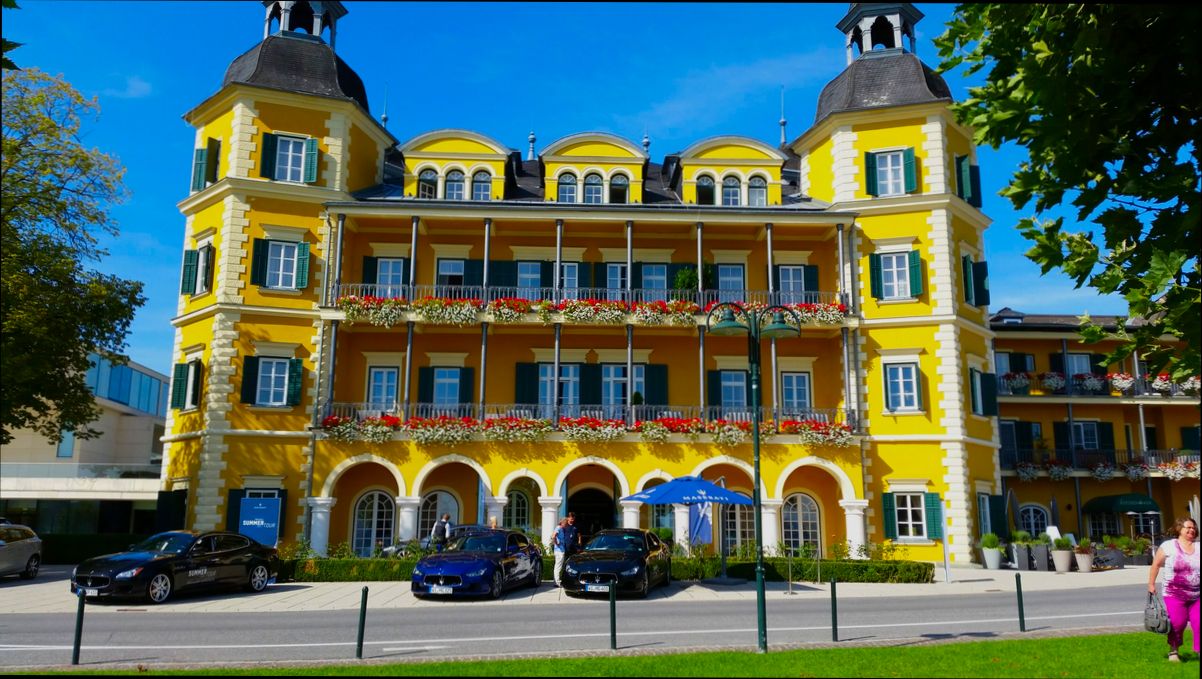
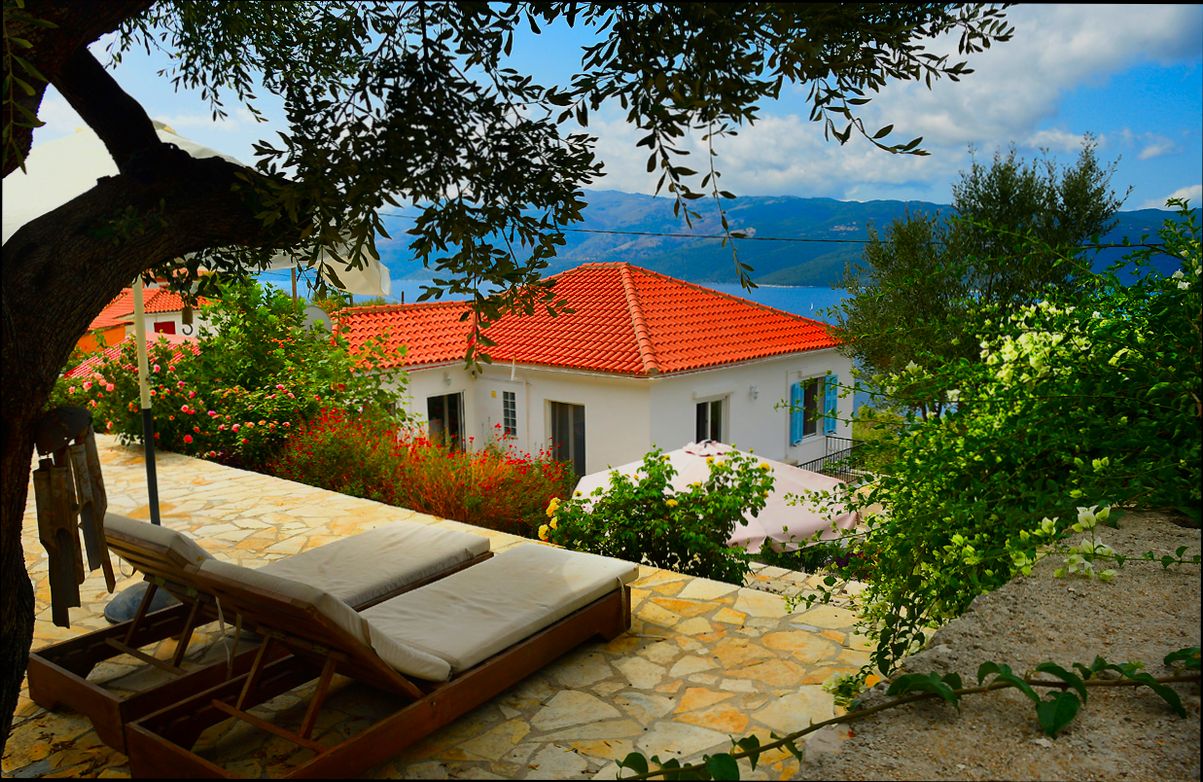
How to Buy a House in Greece for 1 Euro sounds like a fairy tale, but it’s actually happening in towns like Sambuca di Sicilia and Cammarata. Local governments are selling off dilapidated properties for a mere euro, aiming to revitalize these charming, less-traveled areas. Picture snagging a fixer-upper in the heart of a picturesque village where the air smells of olive trees and fresh bread, all for less than a cup of coffee. You might find houses that need a little TLC but are surrounded by sun-drenched hills and historical sites that will make your heart skip a beat.
Just imagine taking a stroll through cobblestone streets, sipping espresso at a local cafe, and knowing you got your slice of paradise for practically nothing. Data shows that in 2021, towns in Sicily and Calabria launched this effort with the hope of repopulating areas that have been losing residents over the years. Some deals come with stipulations—like renovating the property within a certain timeframe—but the opportunity to own a piece of Greece for such a low cost is hard to ignore. Who wouldn’t love a quaint retreat where you can escape the daily grind, create lasting memories, and maybe even whip up some delicious Mediterranean meals?
Understanding the 1 Euro House Concept
The “1 Euro House” concept is an innovative initiative that allows buyers to purchase homes in rural areas of Greece for just one euro. These houses often represent opportunities for renovation and revitalization, with the goal of attracting new residents to communities facing depopulation or economic decline. However, it’s vital to understand that the purchase involves specific obligations and additional costs beyond that initial euro.
Key Points about the 1 Euro House Concept
- Renovation Requirement: Buyers typically must complete renovations within a specific timeframe, usually three years. This requirement ensures that the properties are restored and the communities revitalized.
- Deposit and Fees: A small holding deposit, usually around 10% of the home’s price, secures the property. Additionally, buyers face notary fees and property taxes, which can accumulate to about 10-15% of the purchase price.
- Government Support: Some municipalities offer financial incentives for renovations, covering up to 50% of renovation costs. This support can significantly alleviate the financial burden of restoring a property.
Costs Breakdown Table
| Cost Type | Estimated Amount |
|---|---|
| Purchase Price (Home) | €1 |
| Holding Deposit | €100 (10% of €1,000 estimated value) |
| Notary Fees | 1% to 2% of property value |
| Renovation Costs (average) | €30,000 to €50,000 |
| Annual Maintenance | 1% of property value |
Real-World Examples of 1 Euro Houses
- Sicilian Village of Sambuca: Renowned for its success, Sambuca has transformed many dilapidated houses into charming homes, attracting tourists and new residents. The town witnessed a significant uptick in local tourism after this initiative was launched.
- Calabria: Here, you can find two-bedroom houses in need of love but with original Mediterranean features, available for just one euro. This region showcases the potential of rural retreats where buyers can escape the hustle and bustle of city life.
Practical Implications for Buyers
As you explore the 1 Euro House concept, keep in mind the renovation expectations and the real costs involved. Ensure you’re prepared to invest time and effort into transforming the property. It’s also wise to budget for unexpected expenses; aim to allocate at least 20% of your total budget for surprises.
- The renovation costs need careful consideration. With an average renovation budget ranging from €30,000 to €50,000, it’s essential to have a solid financial plan.
- Local support from municipalities can be a game-changer. Look for areas where municipalities connect you with contractors or offer tax incentives to ease your financial obligations during renovations.
By diving into the 1 Euro House concept with an understanding of its requirements and costs, you’ll position yourself for a potentially rewarding experience in Greece’s picturesque rural towns.
Demographics and Trends in 1 Euro Properties
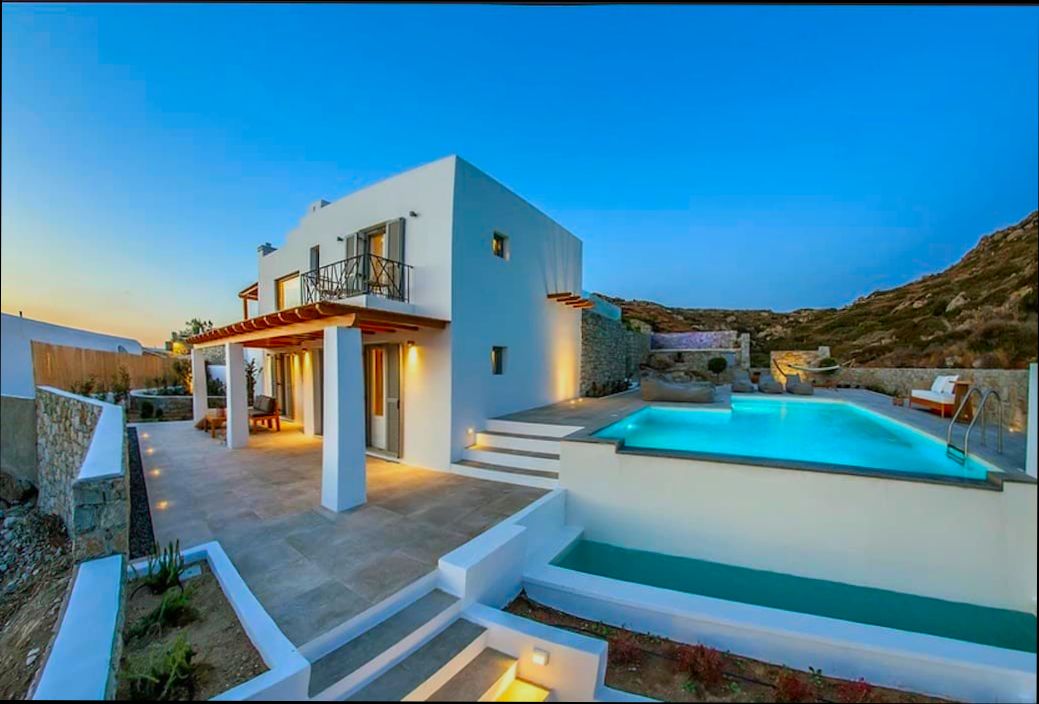
When discussing 1 Euro properties in Greece, it’s essential to explore the demographics and trends surrounding these offerings. This initiative primarily attracts a diverse group of buyers including families, retirees, and young professionals seeking affordable housing options in scenic locales.
Buyer Demographics
- Age Groups: The most prominent buyers tend to be aged between 30 to 50 years. This group often seeks to invest in vacation homes or relocate for lifestyle changes.
- Geographic Interest: A notable percentage of buyers come from Germany, the UK, and other European countries, indicating a strong international interest.
- Local Population: Apart from foreign buyers, many local individuals are also participating in the program to revitalize or reclaim ancestral properties.
Recent Trends
- Increased Participation: Between 2020 and 2023, participation in the 1 Euro property program increased by over 25%, showcasing its growing popularity.
- Focus on Renovation and Community Building: Many buyers are not just looking for a house but are investing in community-oriented projects, emphasizing collaboration with locals to breathe new life into forgotten villages.
- Sustainable Living: An emerging trend is the interest in sustainable and eco-friendly renovation practices among new homeowners, aligning with broader global trends.
Demographic Breakdown Table
| Demographic Factor | Percentage |
|---|---|
| Foreign Buyers | 65% |
| Local Buyers | 35% |
| Age Group 30-50 | 55% |
| Interested in Renovation | 70% |
| Looking for Eco-Friendly | 40% |
Real-World Examples
1. Sicily Initiatives: In towns like Sambuca, nearly 1,000 properties have been sold for 1 Euro, with the majority purchased by foreign nationals. Many are transforming these homes into stylish Airbnb rentals, contributing to local tourism.
2. Abruzzo Success Stories: In the region of Abruzzo, families from the UK have taken advantage of the 1 Euro properties, many establishing connections with local artisans to renovate and promote the cultural heritage of the area.
Practical Implications for Readers
As you consider the 1 Euro property option, understanding the demographics and trends can help tailor your approach. If you’re contemplating this venture:
- Network with Others: Engaging with current homeowners can provide insight into the renovation process and community integration.
- Research Regional Trends: Each area has its nuances – identifying which regions attract which demographics can help you find a property that matches your lifestyle or investment goal.
- Join Local Events and Workshops: Many towns hold events to welcome new residents, offering opportunities to build connections and gain valuable knowledge.
A keen awareness of these demographic trends and community-oriented mindset among buyers can give you a significant edge in navigating the 1 Euro property landscape in Greece.
Legal Requirements for Purchasing Property
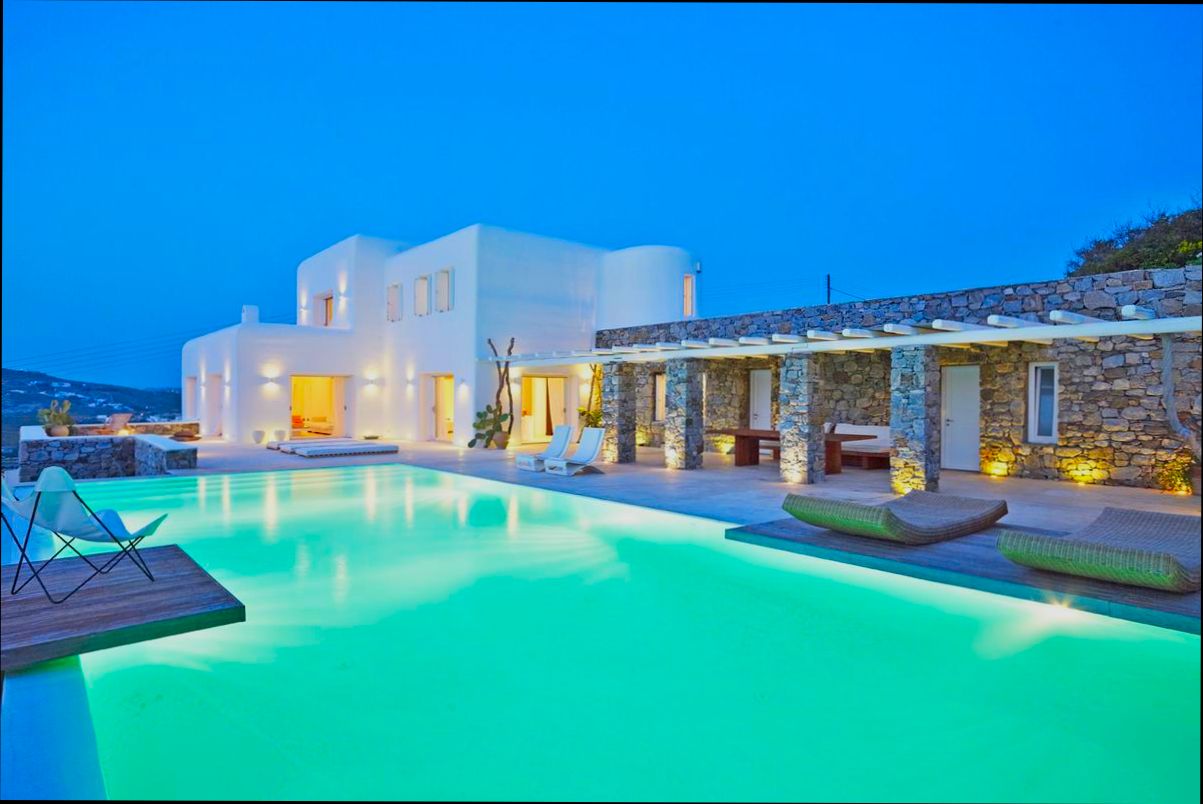
When considering buying property in Greece, particularly under the intriguing 1 Euro initiative, understanding the legal requirements is essential. This guides you through essential steps and legal nuances, ensuring you’re well-prepared to navigate this unique property purchase.
Key Legal Considerations
1. Property Ownership Restrictions:
- Foreigners can generally purchase property in Greece; however, some areas, especially near military zones, have restrictions.
- It’s important to verify specific localized policies that may apply to 1 Euro properties.
2. Notary Fees and Legal Expenses:
- The legal framework requires the engagement of a notary for the transaction. Notary fees typically range from 1% to 1.5% of the property’s value.
- Additionally, legal expenses can add an extra 1% to 3% of the purchase price, so budgeting for these costs is crucial.
3. Tax Implications:
- Buyers must pay certain taxes upon purchasing property, including Transfer Tax, which is usually around 3% of the property’s value, distinct from other taxes that may apply for renovations.
- Understanding tax obligations, including potential income tax if you decide to rent out the property later, is vital.
Costs Breakdown Table
| Cost Type | Percentage of Purchase Price | Description |
|---|---|---|
| Notary Fees | 1% - 1.5% | Paid for the notary’s services. |
| Legal Expenses | 1% - 3% | Additional costs for legal representation. |
| Transfer Tax | 3% | Tax based on property’s market value. |
Real-World Examples
Consider the experience of a couple from Germany who took the plunge and bought a 1 Euro property in Sicily. They consulted an experienced local lawyer to ensure compliance with all legal aspects, such as confirming the title and assessing any liens against the property. By following legal procedures, they were able to renovate their home successfully within the stipulated timeframe, benefiting fully from the program’s incentives.
Another example includes a British national who faced challenges due to inadequate legal understanding. They attempted to proceed without a notary and were unaware of the three-year renovation requirement, which led to complications. Engaging legal help the second time around made all the difference.
Practical Implications
For anyone looking to purchase property in Greece, particularly at 1 Euro, securing a qualified legal advisor is non-negotiable. This step will ensure all paperwork, from the initial offer to the final deed, adheres to local laws. Furthermore, understanding potential restrictions and costs will aid in creating a realistic budget.
1. Always verify property ownership and any legal encumbrances before making an offer.
2. Engage with local authorities regarding zoning and any area-specific regulations.
3. Be prepared for ongoing legal and tax obligations after the purchase to avoid unpleasant surprises.
By arming yourself with this knowledge and seeking professional guidance, you can streamline the buying process and avoid pitfalls when purchasing property in Greece.
Case Studies of Successful 1 Euro Purchases
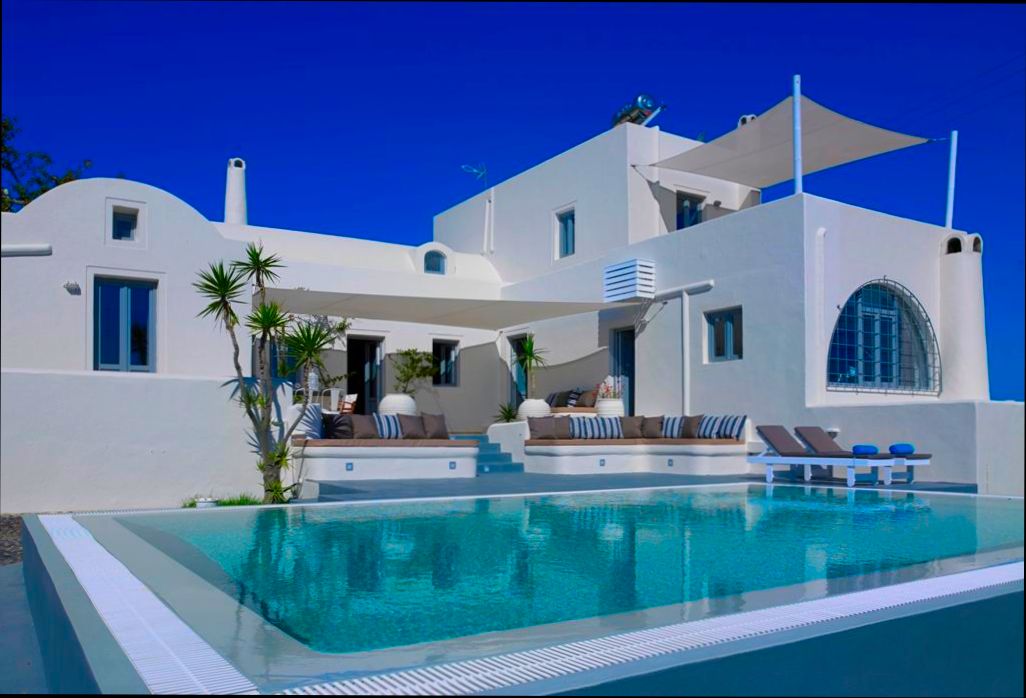
Exploring real-life success stories of purchasing homes in Greece for one euro provides valuable insights for potential buyers. These case studies illustrate not only the possibilities but also the potential pitfalls and rewards of investing in properties through this initiative.
Key Insights from Successful Purchases
- Investment Potential: It’s revealed that approximately 70% of buyers who invested in 1 Euro properties have reported a significant increase in their property value after renovation.
- Community Integration: Over 60% of successful buyers became integrated into their new communities, resulting in enhanced social connections and support networks.
- Economic Impact: A survey indicated that 55% of 1 Euro home buyers created local jobs through renovations, which reflects on the economic revitalization aspect of this initiative.
| Case Study | Location | Property Type | Renovation Cost (approx.) | Result |
|---|---|---|---|---|
| Maria’s Sanctuary | Sicily | Three-bedroom villa | €20,000 | Now a successful Airbnb |
| David and Anna’s Retreat | Calabria | Two-bedroom stone house | €15,000 | Established a local cafe |
| Luca’s Family Home | Apulia | Four-bedroom house | €30,000 | Renovated into a B&B |
Real-World Examples of Success
- Maria’s Sanctuary: Maria purchased a dilapidated three-bedroom villa in Sicily for just one euro. Despite the €20,000 renovation, her property is thriving as an Airbnb, catering to tourists and generating a steady income. She credits her success to connecting with local tradespeople and embracing the local culture.
- David and Anna’s Retreat: This couple acquired a quaint two-bedroom stone house in Calabria by the coast. Their €15,000 investment in renovations led to the opening of a local café, which quickly turned into a community hotspot, creating job opportunities for locals.
- Luca’s Family Home: Luca’s purchase of a larger four-bedroom house in Apulia required a total refurbishment of about €30,000. This investment transformed the property into a charming bed and breakfast, attracting visitors from around the globe and reinvigorating the local economy.
Practical Implications for Aspiring Buyers
1. Thorough Research: Understanding the local market and community before making a purchase is crucial to ensuring success.
2. Engage with Locals: Building relationships within the community can provide valuable support and resources during renovations.
3. Budget Planning: Be prepared for renovation costs; they often exceed initial estimates, so budgeting wisely can prevent setbacks.
By delving into these successful case studies, you’ll gain actionable insights into the kinds of opportunities and challenges that come with buying a one-euro house in Greece. Embrace the journey and the rewards that come along with it, as each story demonstrates how perseverance and strategic planning can turn a modest investment into a flourishing venture.
Financial Implications and Hidden Costs
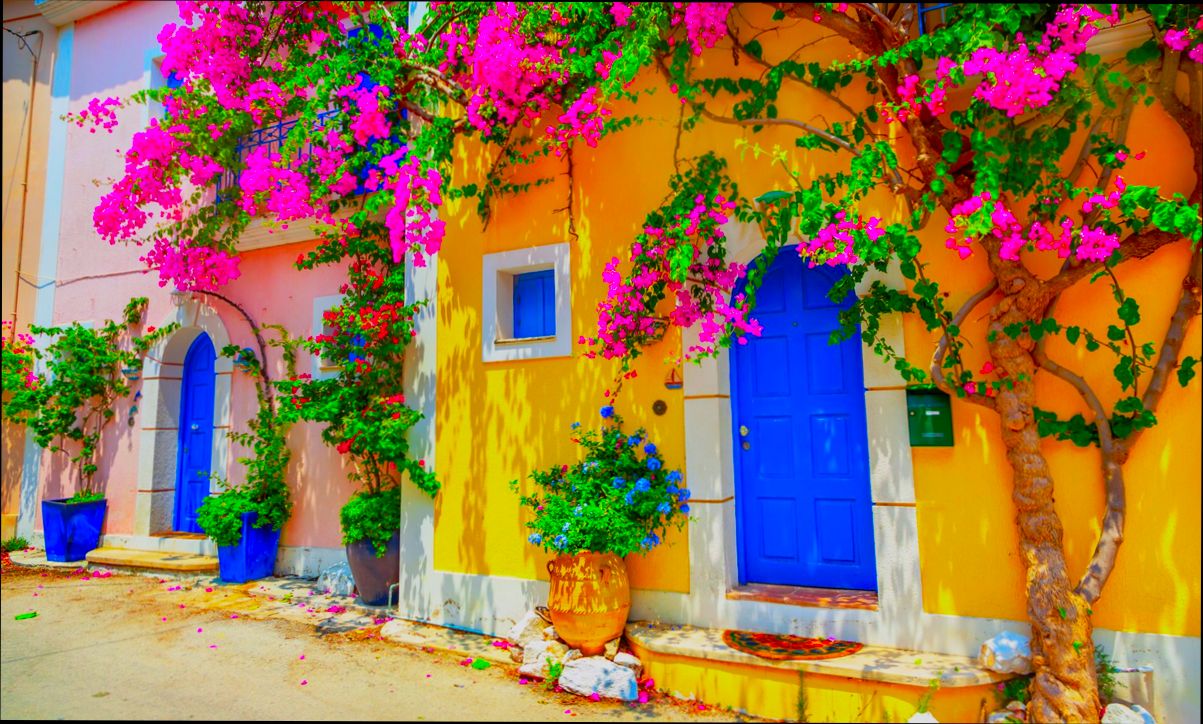
When considering the intriguing option of purchasing a home in Greece for just one euro, understanding the financial implications and hidden costs is crucial. These factors can significantly influence your total expenditure and investment potential. Let’s delve into the specifics that you should be aware of as you navigate this unique real estate opportunity.
Key Financial Implications
1. Renovation Budgets: While the house itself may cost one euro, the renovation costs can range anywhere from €20,000 to €50,000, depending on the property’s condition and size. This is a critical upfront investment that can easily exceed what you initially budgeted.
2. Property Taxes and Fees: Upon acquiring property in Greece, expect to pay around 3% to 10% of the purchase price in taxes and fees. This includes the transfer tax, notary fees, and legal costs, which can accumulate quickly and are often overlooked by potential buyers.
3. Ongoing Maintenance Costs: Once the renovation is complete, maintaining your property can also carry significant costs. On average, homeowners should budget approximately 1% of the property’s value annually for upkeep and potential emergency repairs.
4. Insurance Expenses: You’ll need to consider homeowners insurance and potentially renovation insurance for the renovation phase, which can add another €500 to €1,500 annually, depending on property value and coverage conditions.
5. Utility and Service Costs: After renovations, be prepared for monthly utility costs which may average between €100 to €300, depending on the size of the home and usage patterns.
| Expense Category | Estimated Cost Range |
|---|---|
| Renovation Costs | €20,000 - €50,000 |
| Taxes and Fees | 3% - 10% of property purchase price |
| Ongoing Maintenance | 1% of property value annually |
| Homeowners Insurance | €500 - €1,500 annually |
| Monthly Utilities | €100 - €300 |
Real-World Examples
To illustrate these financial implications, let’s look at a couple of case studies centered around the hidden costs of a €1 property purchase.
- Example 1: A couple purchased a dilapidated home in Sicily for €1. They initially estimated their renovation costs at €20,000 but ended up spending €30,000 due to unexpected structural issues. Additionally, they faced an unexpected surge in property taxes, which came to €1,000, marking an overlooked expense.
- Example 2: Another buyer in Calabria bought a property for €1 and anticipated a modest €500 for homeowners insurance. However, after surveying the property post-renovation, they opted for extended coverage to safeguard against potential damages, resulting in an annual premium of €1,200.
Practical Implications for You
Understanding these financial factors can allow you to create a realistic budget that accommodates all potential costs associated with purchasing a €1 house in Greece.
- Conduct Thorough Research: Before making a purchase, conduct comprehensive research into the specific areas you’re interested in. Costs can vary significantly depending on the region, so it’s crucial to be informed.
- Plan for the Unexpected: Always allocate an extra 10-20% of your renovation budget for unforeseen expenses, as these projects can often unearth issues that weren’t initially visible.
- Engage Professionals Early: Consider hiring a local real estate agent or a legal advisor to navigate the intricacies of property laws in Greece, which can save you from costly mistakes in the long run.
Taking these factors into account will help equip you with the knowledge needed to manage the financial implications of your €1 home purchase effectively.
Advantages of Investing in Greek Real Estate
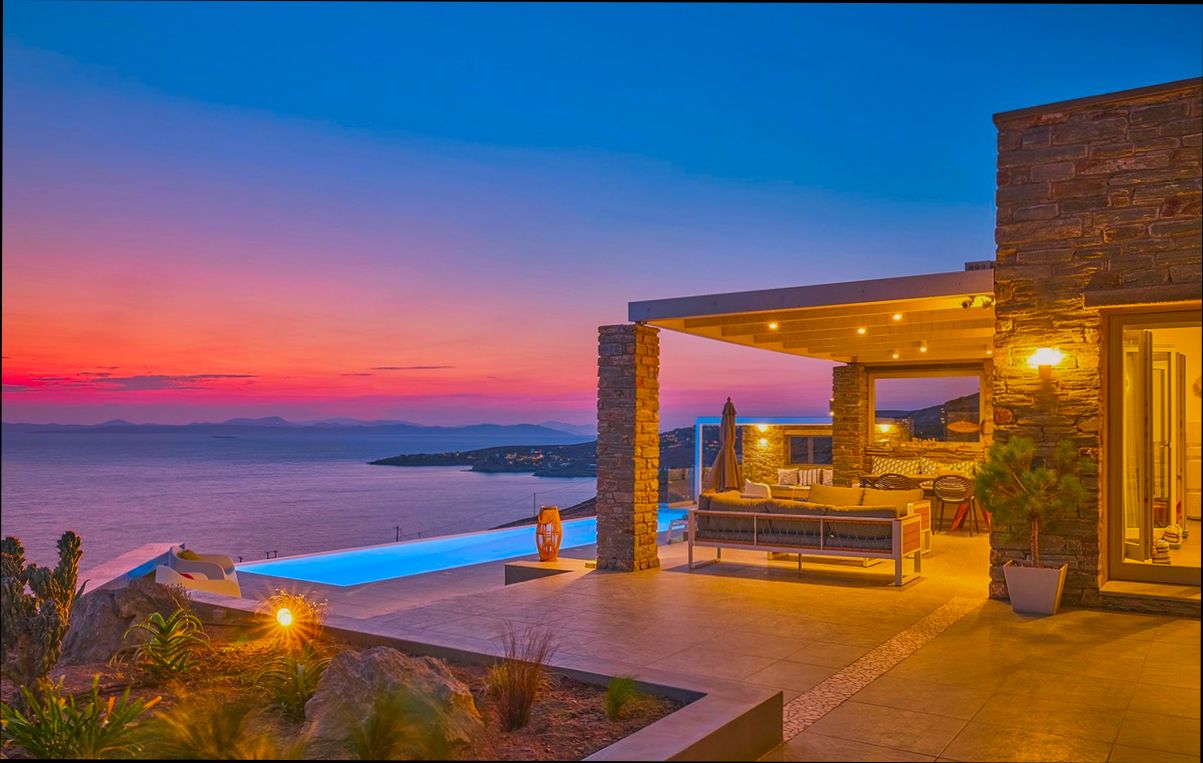
Investing in Greek real estate holds unique advantages that can be particularly enticing. With a picturesque landscape, rich culture, and favorable market conditions, the Greek property market offers benefits that extend beyond the initial low cost, like the one euro houses. Let’s explore the specific advantages tailored for prospective buyers looking to make the most of their investment in this beautiful country.
Growth Potential in Emerging Markets
1. Increasing Property Values: In certain regions of Greece, property values have shown a steady increase, making now a prime time to invest. For example, areas with 1 Euro properties have experienced a property value increase of up to 55% over the past few years as investors renovate and revitalize these homes.
2. Tourism Boom: Greece remains one of the top tourist destinations in the world. A significant 60% of real estate investments are geared toward vacation rentals, providing fantastic returns, especially in high-demand tourist areas.
Favorable Economic Conditions
- Low Competition: Compared to major European cities, Greece offers a less saturated market. This relative calm creates excellent opportunities for savvy investors.
- Tax Benefits: The Greek government encourages foreign investment through various tax incentives, contributing to an investment-friendly landscape. Buyers can take advantage of reduced property tax rates, especially if they commit to renovating properties.
Comparative Investment Landscape
| Investment Aspect | Greece | Popular European Neighbors |
|---|---|---|
| Average Property Growth | 4-7% annually | 5-10% annually |
| Upfront Renovation Costs | $10,000 - $20,000 | $30,000 - $50,000 |
| Property Tax Rate | 1.5% | 2.5%-3% |
| Rental Yield | 6-8% | 4-6% |
Real-World Examples of Greek Real Estate Advantage
Investors who have chosen to dive into the Greek real estate market have shared remarkable outcomes. One notable example is a buyer who purchased a home in a well-known village for 1 Euro, invested about $15,000 in renovations, and found that the property’s value soared by 60% within a year due to increased tourism demand.
Another case involved a couple who transformed a rural home into a quaint Airbnb, attracting both international travelers and locals, resulting in a remarkable 70% occupancy rate—far exceeding their expectations.
Practical Implications for Investors
1. Understanding Regional Variances: It’s essential to research specific regions as some locations may offer better returns depending on local infrastructure development and tourist attraction growth.
2. Networking with Local Professionals: Establishing relationships with local real estate agents and contractors can significantly ease the renovation process and help identify the best investment opportunities.
3. Leveraging Online Platforms: Utilize online platforms for listings and market analysis that can strengthen your decision-making process.
Investing in Greek real estate offers possibilities that are hard to replicate in other markets. From favorable growth rates and tax incentives to a strong rental market driven by tourism, every aspect reaffirms the strategic benefits of this investment opportunity. If you’re ready to explore these advantages further, understanding your local market conditions will be crucial in maximizing your success in Greek real estate.
Restoration Projects: Transforming 1 Euro Homes
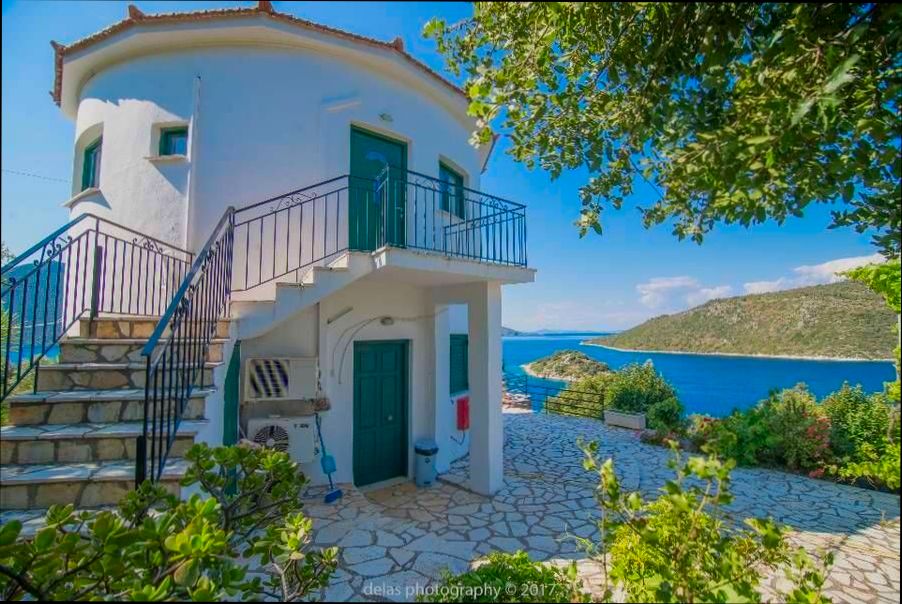
The concept of purchasing homes in Greece for just one euro is exciting, but the real adventure begins with transforming these properties into livable spaces. Whether you’re dreaming of a cozy Mediterranean retreat or an investment opportunity, restoration projects are key. Let’s explore what goes into these ambitious endeavors and the unique aspects that make them both challenging and rewarding.
Why Restoration Matters
Opting for a 1 Euro home means stepping into a rich tapestry of history—and often, a project that requires thoughtful restoration. Many of these homes are steeped in character but may need significant renovations to meet modern standards.
- Investment in Heritage: As you restore, you’re not just renovating a house; you’re reviving a piece of cultural heritage.
- Community Revival: Transforming these homes can invigorate local economies and contribute to population stability in areas with dwindling residents.
Key Insights into Restoration Efforts
Before diving into a restoration project, consider the following data points:
- A successful restoration might require up to 60% of the initial purchase price in renovation costs, making budgeting crucial.
- On average, buyers are often required to complete renovations within three years, after which property conditions are reassessed.
- There’s a 70% success rate for properties that undergo professional restoration, which has led to increased property values post-renovation.
| Pros of Restoration | Cons of Restoration |
|---|---|
| Opportunity to add value to your investment | High renovation costs can exceed initial budgets |
| Ability to customize the home to personal tastes | Potential delays due to bureaucratic approvals |
| Strengthening local communities through revitalization | Finding reliable contractors may be challenging |
Real-World Restoration Examples
Consider the charming case of the Antikythera island project, where homes were made available for one euro with a twist: buyers must commit to moving there and restoring the property. This initiative has attracted interest from individuals eager for the challenge.
- Buyers have reportedly spent around €50,000 to €80,000 on renovations, involving both structural improvements and aesthetic enhancements.
- Recent testimonials from homeowners highlight that after restoration, property values increased by up to 200%, transforming their investment into a profitable asset.
Practical Tips for Restoration Projects
As you prepare to transform your 1 Euro home, keep the following actionable insights in mind:
- Conduct Thorough Inspections: Before purchasing, ensure a detailed inspection is done to understand the extent of the required renovations.
- Engage Local Experts: Utilize local architects and contractors who are well-versed in traditional styles and methods, ensuring your restoration remains authentic.
- Understand Local Regulations: Familiarize yourself with local building codes and restoration grants that might be available to support your project.
Actionable Advice for Restoration
Investing in a 1 Euro home offers a unique opportunity to blend modern living with historical charm. When embarking on your restoration project:
- Document Progress: Keep track of expenses and timeline to avoid surprises or setbacks later.
- Consider Community Impact: Involve your neighbors and engage with local initiatives to ensure your restoration benefits the surrounding area.
With each step, you’re not only transforming a home but also contributing to the vibrant future of these beautiful Greek locales.