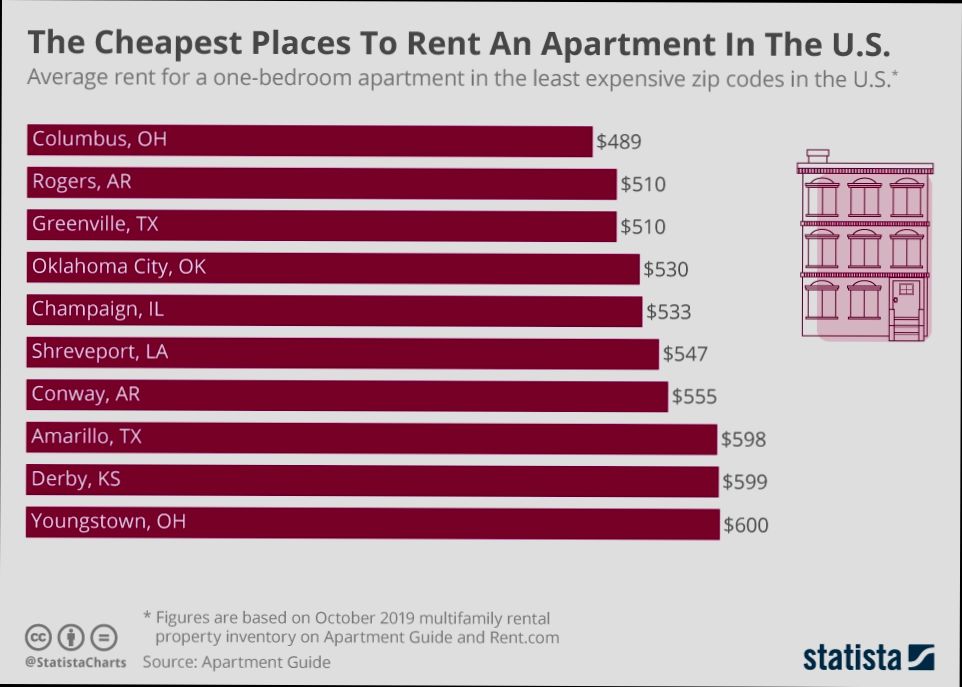
Where is it Cheapest to Rent a House in US? If you’re looking for wallet-friendly options, you’ll want to turn your attention to places like Memphis, Tennessee, where the average rent hovers around just $1,200 per month. You’ll find suburbs that offer spacious three-bedroom homes for even less, making it a top contender for budget-conscious renters. Over in Pittsburgh, Pennsylvania, you can snag rental spots for about $1,400, and the city’s rich history and vibrant culture make it a pretty enticing place to call home.
But let’s not forget about the Midwest! In areas like Cleveland, Ohio, rents can dip to around $1,100—talk about a steal! These cities might not have the glitz of California or New York, but they offer charm and a lower cost of living without sacrificing lifestyle perks. If you’re thinking about stretching your budget or just want to know where to find the best deals, these regions are definitely worth considering.
Analyzing Rental Price Trends Across States
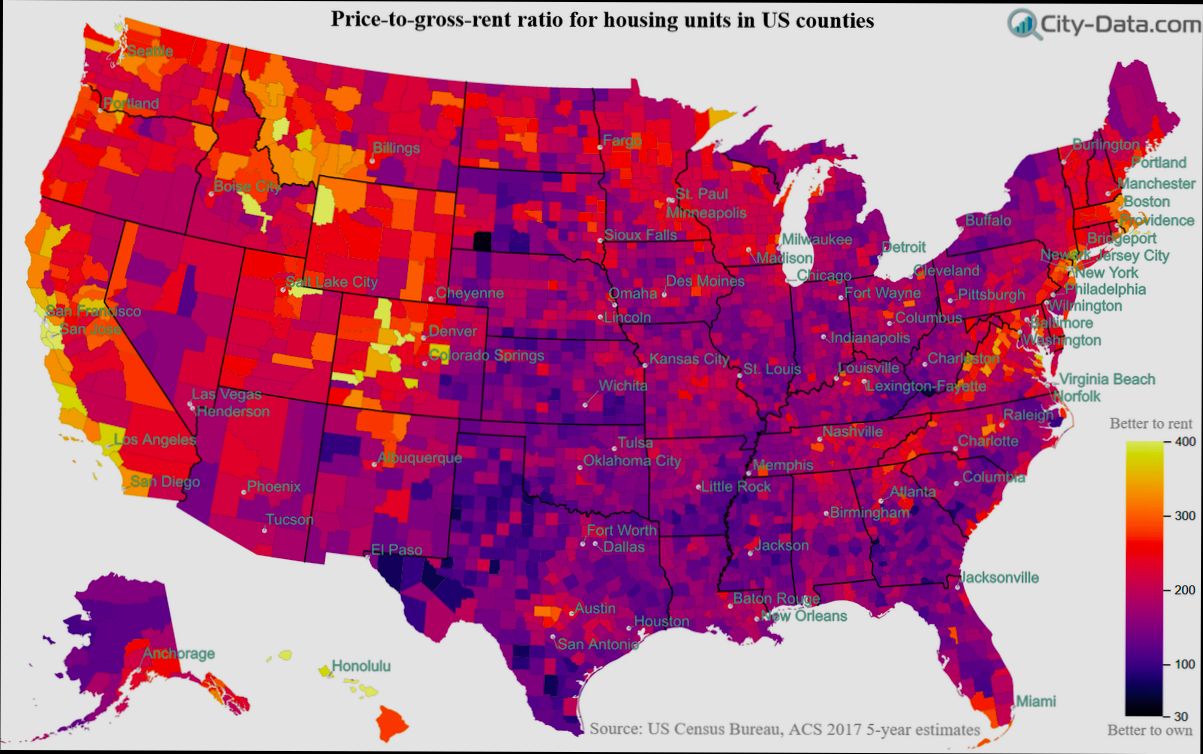
Understanding rental price trends across different states is essential for anyone looking to make informed decisions about where to rent a house. By examining various factors such as location, economic conditions, and housing supply, we can uncover significant patterns that affect rental prices nationwide.
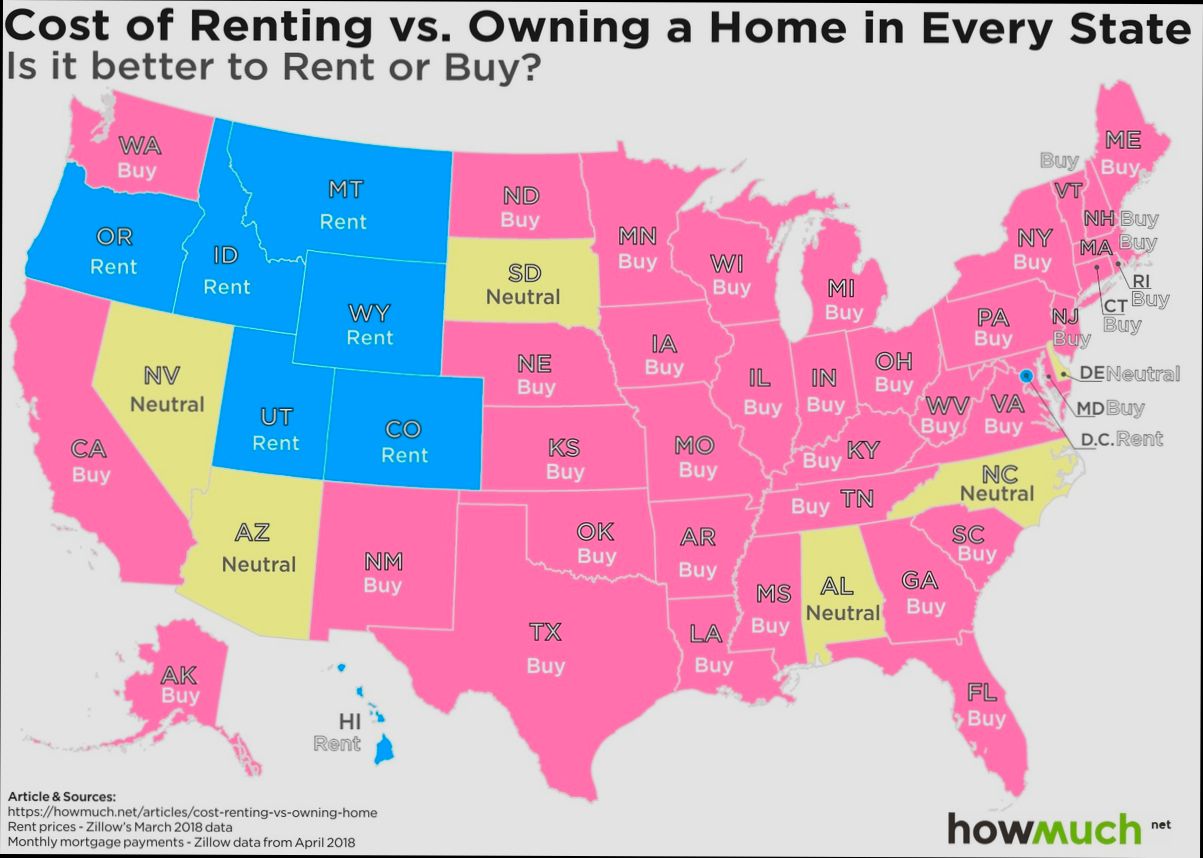
Recent data reveals that rental prices have varied significantly across states. For example, in 2023, California experienced an average rental increase of 8.4%, while states like Texas and Florida saw much slower growth rates of only 2.1% and 3.5% respectively. This disparity is essential in understanding where you can find the best deals and where you might face higher costs.
Key Trends to Note
When analyzing rental price trends across states, keep these critical data points in mind:
- The Midwest region generally offers lower rental prices, with states like Ohio averaging $1,150 per month, significantly cheaper than the national average.
- In the Northeast, cities like Boston continue to see rental prices hover around $2,800 per month, heavily driven by demand and limited housing availability.
- The West Coast remains the priciest, with rental costs in San Francisco averaging $3,200, but the rate of growth has begun to plateau, suggesting a shift in demand patterns.
| State | Average Rent (2023) | Year-over-Year Change |
|---|---|---|
| California | $2,800 | +8.4% |
| Texas | $1,650 | +2.1% |
| Ohio | $1,150 | +1.5% |
| Florida | $1,600 | +3.5% |
| Massachusetts | $2,400 | +4.0% |
Real-World Examples
Analyzing specific regions provides valuable insights into rental price trends. For instance, within Texas, Houston has seen its rental prices stabilize due to a surge in apartment developments catering to a growing population. Conversely, Austin’s rental prices have skyrocketed by 12% due to tech company relocations boosting demand.
In the Midwest, cities like Indianapolis showcase an upward trend in rental prices, increasing by 5% over the past year, driven by recent investments in urban infrastructure and amenities. In contrast, places like Detroit are still rebounding, featuring a more modest rental increase of around 2% as revitalization efforts continue.
Practical Implications
For you as a current or prospective renter, these trends highlight several strategic points:
- Focus on states with slower rental growth if you’re looking for affordability. Reports indicate that states like Ohio and Texas may offer lower rents with potential for stable increases.
- Consider emerging rental markets where local economies are growing, such as Indianapolis or Houston, which may provide better opportunities for long-term affordability.
- Always check the year-over-year rental price changes when evaluating different states, as they not only indicate current market conditions but can also hint at future trends.
It’s beneficial to stay updated on these trends, as they directly influence your rental options and financial planning. By understanding where prices are headed, you position yourself to secure the best possible deals on rent.
Comparative Analysis of Urban vs Rural Rentals
When considering where to rent a house in the U.S., it’s crucial to understand the key differences between urban and rural rental markets. Each environment offers distinct advantages and challenges, particularly in terms of pricing, housing type, and amenities.
Rental Price Differences
The price of renting a house tends to differ dramatically between urban and rural areas. Here are some compelling statistics:
- In urban areas, rental prices can be up to 50% higher than in rural locales, driven by demand and proximity to city amenities.
- A study in 2023 revealed that the average rent for a one-bedroom apartment in urban centers was $2,300, compared to just $1,200 in rural settings.
- According to recent data, rural areas can offer rental options with up to 30% more space for the same price as urban rentals.
Comparative Rental Pricing Table
| Area Type | Average Rent (1-Bedroom) | Average Square Footage | Rent-to-Income Ratio |
|---|---|---|---|
| Urban | $2,300 | 800 sqft | 35% |
| Rural | $1,200 | 1,040 sqft | 21% |
Real-World Examples
Let’s dive into some specific cities:
- In San Francisco, a typical one-bedroom may cost around $3,200, while in Chico, CA, a similar rental can be found for approximately $1,400.
- In contrast, New York City averages $3,000 for a one-bedroom, while the rural town of Poughkeepsie, NY provides rentals at about $1,500, highlighting the stark difference in affordability.
Practical Implications for Renters
For those looking to save on rent while still enjoying a comfortable living space, rural areas often come out on top. Here are some actionable insights:
- If you work remotely or have flexibility in your job, consider rural options where your dollar can stretch further.
- Look out for communities with growing transit options; this can bridge the gap between urban work opportunities and rural lifestyle benefits.
Actionable Advice
Before making a decision, take a close look at what you’re prioritizing in your living situation:
- If you’re seeking a vibrant nightlife and numerous job opportunities, urban spaces might make more sense despite the cost.
- However, if peace, more living space, and a lower cost appeal to you, rural rentals could be your best bet.
Evaluate your priorities carefully to find the rental environment that suits your lifestyle and budget best.
Cost-Effective Regions for Family Housing
Finding a family-friendly home that fits your budget can be a challenge, particularly in fluctuating rental markets. However, some regions in the U.S. stand out as top contenders for cost-effective family housing. Let’s explore these areas, their advantages, and what makes them attractive for families seeking affordable living.
Key Cost-Effective Regions
Here are several regions known specifically for their affordability and family-friendly environments:
- Midwest: Cities like Cleveland, OH and Indianapolis, IN have a lower cost of living. Average rents can be around $1,200 per month for spacious three-bedroom homes.
- South: Towns in Texas, such as San Antonio and Houston, offer family housing options at about $1,800 monthly, making them more affordable compared to many coastal cities.
- Southeast: The city of Atlanta, GA has been emerging as a cost-effective region, boasting rentals around $1,600 for family homes while providing access to various amenities.
- Northeast: While many parts of the Northeast are notoriously expensive, areas like Pittsburgh, PA offer family housing for about $1,300 a month.
Cost-Effective Housing Breakdown
| Region | City | Average Rent (3-Bedroom) | Family Amenities Available |
|---|---|---|---|
| Midwest | Cleveland, OH | $1,200 | Parks, schools, libraries |
| South | San Antonio, TX | $1,800 | Community centers, playgrounds |
| Southeast | Atlanta, GA | $1,600 | Cultural activities, schools |
| Northeast | Pittsburgh, PA | $1,300 | Recreational facilities |
Real-World Examples
Consider the case of families migrating to Indianapolis, IN, where local initiatives support affordable housing development. Schools in these areas have improved significantly, attracting families looking for quality education alongside economical housing.
Another example is Cleveland, OH, which has witnessed revitalization in neighborhoods, making it a sought-after place for families. The city features low property taxes and excellent healthcare facilities, further enhancing its family appeal.
Practical Implications
For families, moving to these cost-effective regions can mean substantial savings. Here are some actionable insights:
1. Research Local Schools: Before relocating, investigate schools in the area. Many cost-effective cities prioritize education reform, which significantly benefits family life.
2. Explore Community Programs: Look into municipalities offering family programs and amenities. Community-run events in these regions can enhance quality of life.
3. Consider Commute Times: Evaluate how the daily commute will affect your family’s routine. Affordable housing can sometimes mean longer commutes, so calculate travel times accordingly.
4. Compare Utility Costs: When budgeting, include utility costs specific to each region, which can vary considerably.
5. Utilize Local Resources: Engage with local family organizations that can provide support and resources for newcomers.
Families looking for cost-effective housing should keep these regions in mind as they explore their options, aligning affordability with quality of life and access to amenities.
Practical Guide to Lower Rental Costs
Navigating the rental market doesn’t have to be daunting or overwhelming, especially when you’re seeking to lower your costs. Understanding practical strategies can make a significant difference in your search. Let’s explore actionable tips and insights to help you find affordable rental options.
Research Your Rental Market
Before diving into any rental decision, take a moment to research your prospective location. Understanding the average rental prices and fluctuations can set realistic expectations. For instance, rental prices in certain cities can be about 25% lower during specific seasons, particularly in winter months when demand decreases.
- Utilize online platforms like Zillow and Apartments.com for up-to-date rental listings.
- Consider local market reports that offer insights into trends and average costs.
Negotiate the Rent
Did you know that negotiating your rental cost can lead to significant savings? Most landlords expect some negotiation, especially in competitive markets. Statistics show that knowledgeable negotiators can save anywhere from 5% to 15% off the listed rental price.
- Prepare to share comparable rental prices from nearby properties.
- Discuss potential long-term leases, which may entice landlords to lower the rent.
Leverage Incentives
Many landlords offer various incentives to attract tenants. Research suggests that around 30% of landlords might provide bonuses such as a month of free rent, reduced deposits, or inclusion of utilities within rental agreements.
- Always inquire about available promotions or incentives.
- Look out for properties that are in transition, as landlords may be more willing to negotiate incentives.
Look for Less Competitive Areas
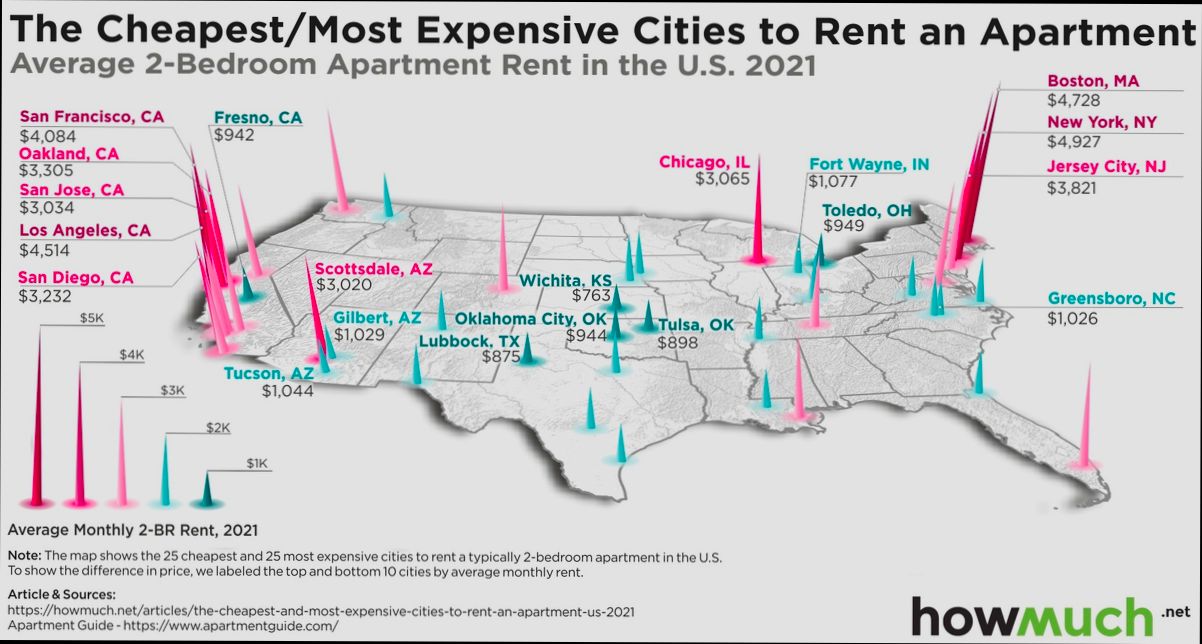
Finding a rental in a less competitive neighborhood can significantly decrease your costs. For example, some suburban areas may offer rentals that are 20% lower than their metropolitan counterparts while still providing availability to necessary amenities.
| Area Type | Average Rental Price | Comparison to Nearby Urban Area |
|---|---|---|
| Metro Area | $1,800 | Higher by 20% |
| Suburban Area | $1,440 | Lower by 20% |
| Rural Area | $1,200 | Lower by 33% |
Real-World Examples
Consider the case of a couple moving to a previously bustling city. They found a two-bedroom house in a suburban area listed at $1,200, while properties in the city center averaged at $1,800. By choosing suburbia, they managed to save $600 monthly.
Another example is from a single professional leasing a one-bedroom unit. Leveraging local competitive pricing, they negotiated a rent reduction from $1,500 to $1,275, resulting in a 15% savings over the duration of the lease.
Practical Implications
- Stay informed about seasonal changes in housing demand to find lower prices.
- Be proactive in negotiation after gathering adequate comparative data.
- Always ask about promotions or potential incentives when reviewing rental listings.
Lastly, remember that taking the time to evaluate these options can help you reduce your rental costs. Seeking out less competitive areas, negotiating effectively, and leveraging available incentives are all powerful tools that can lead to significant savings in your housing expenses.
Understanding Rental Market Statistics in 2023
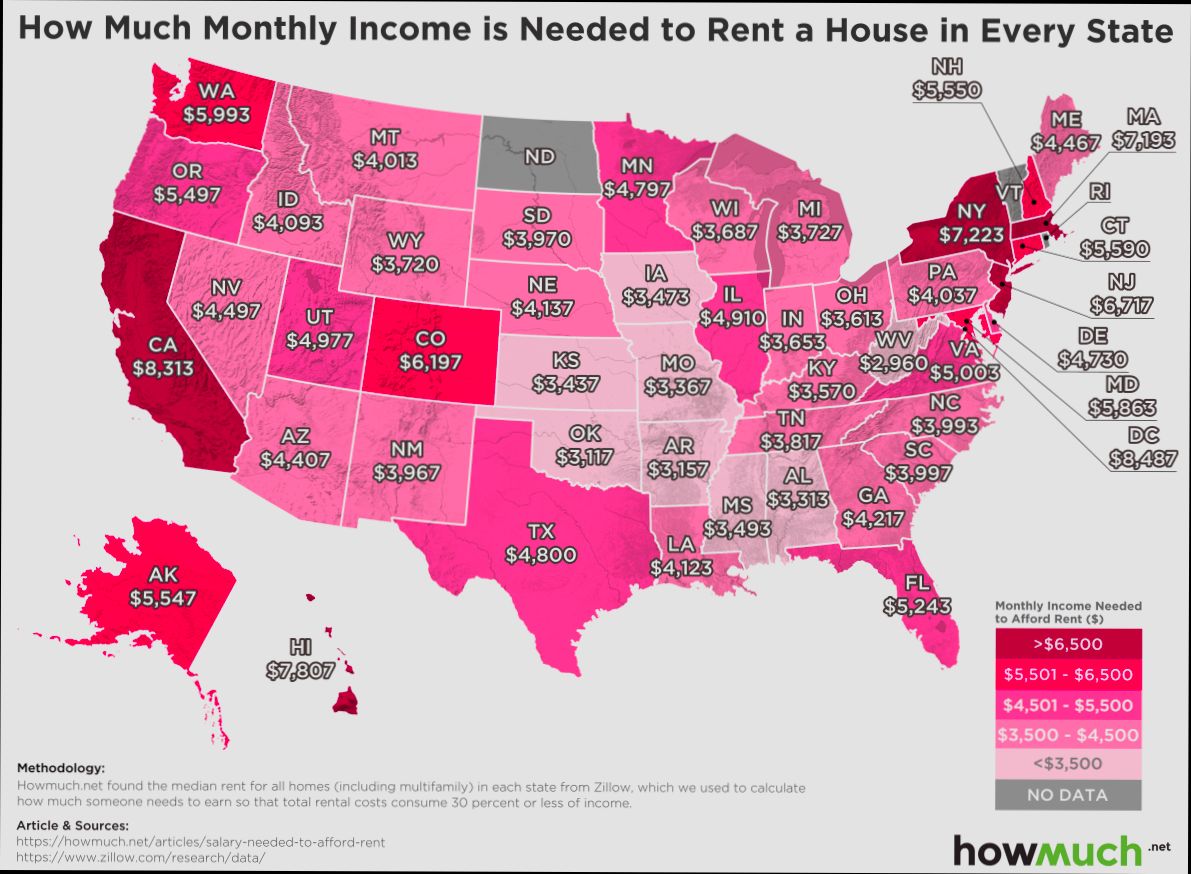
When navigating the rental landscape in 2023, it’s crucial to grasp key market statistics that illuminate current trends. Understanding these statistics helps you make informed decisions about where and how much to budget for housing.
Key Statistics to Know
- National Average Rent Increase: In 2023, the national average rent saw a rise of approximately 4% compared to the previous year. This indicates continued pressure on rental prices, driven by demand and limited inventory.
- Vacancy Rates: The national vacancy rate has remained relatively low at around 5.2%. Low vacancy rates typically suggest high demand and can lead to increased rental prices.
- Rent-to-Income Ratio: On average, renters now spend about 30% of their monthly income on housing, which aligns with the traditional standard that housing costs should ideally not exceed 30% of gross income.
Comparative Table of Rental Statistics
| Metric | National Average | 2022 Comparison |
|---|---|---|
| Average Rent Increase | 4% | 3.2% |
| National Vacancy Rate | 5.2% | 6% |
| Rent-to-Income Ratio | 30% | 29% |
Real-World Examples
In areas like Austin, Texas, the average rent surged to nearly $2,400 per month, highlighting the strong demand for rental properties in tech-centric cities. Conversely, cities such as Baton Rouge, Louisiana, maintained an average rent of around $1,200, illustrating a more affordable rental landscape.
Moreover, Seattle’s rental market experienced an uptick in new constructions, leading to a slight stabilization in the rental rates, with growth only hitting about 2.5% this year, compared to the previous years’ spikes.
Practical Implications for Renters
Understanding these rental market statistics equips you with the knowledge to negotiate better lease terms and identify regions where rentals may still be affordable.
- Keep an eye on vacancy rates: Areas with higher vacancy rates may offer more competitive pricing.
- Monitor local income levels: If your rent exceeds the 30% threshold, it may be wise to reconsider your housing options or negotiate rent.
Actionable Insights
- Research specific neighborhoods to find areas with lower-than-average rent increases.
- Utilize the rent-to-income ratio as a benchmark when comparing potential rental properties.
- Be aware that significant rental increases often correlate with low vacancy rates; therefore, searching in areas with higher vacancy may lead to more affordable options.
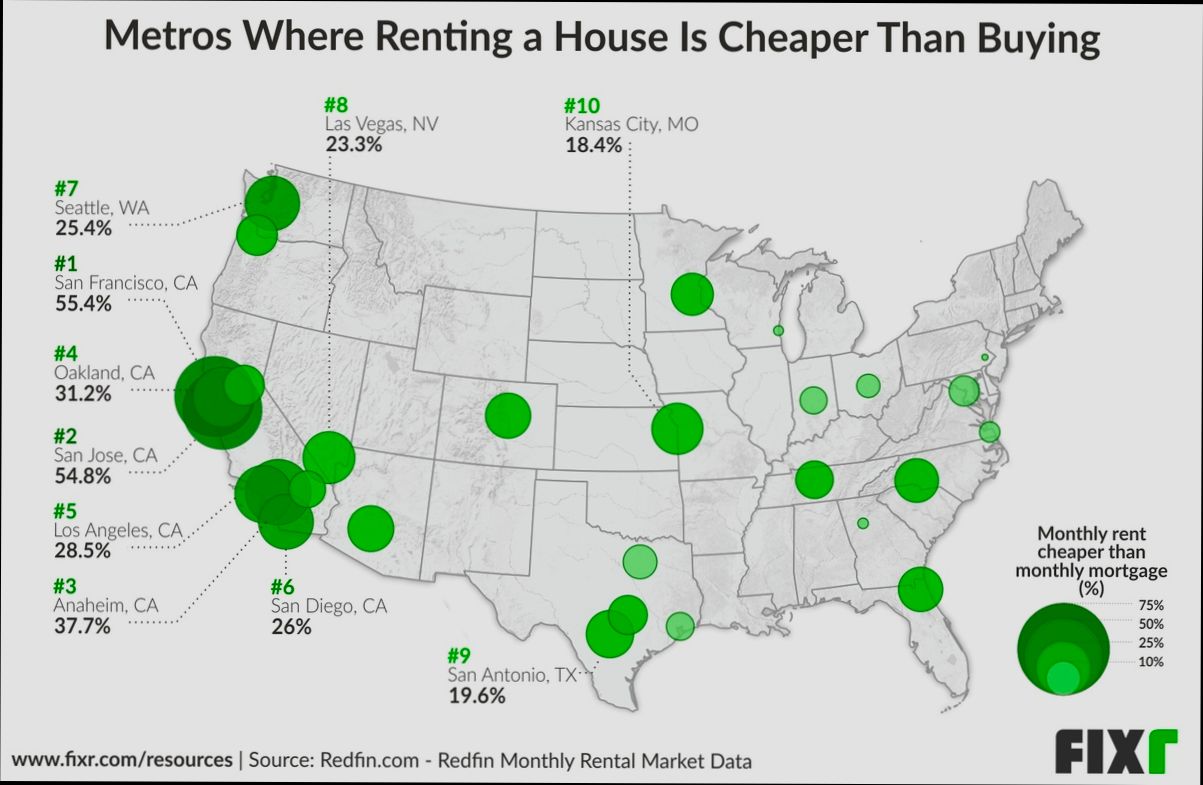
Advantages of Renting in Affordable Areas
Renting in affordable areas offers numerous benefits, making it an appealing option for many individuals and families. The financial flexibility and reduced responsibilities associated with renting can significantly enhance your quality of life, especially in today’s economic climate.
Key Advantages of Renting in Affordable Areas
1. Lower Rent Burden
In affordable regions, the cost of rent typically consumes a smaller percentage of your income. For instance, renters often find that they spend only about 25% of their earnings on housing, compared to the national average of 30%. This frees up capital for savings, investments, or leisure activities.
2. Access to Diverse Housing Options
Renting in less expensive areas often grants you access to a broader range of housing options, including multi-bedroom apartments and single-family homes that might be financially unrealistic in pricier markets. You can find homes that fit your needs without overstretching your budget.
3. Minimal Financial Commitment
With no down payment required, you can avoid the hefty financial hurdles of homeownership. In many affordable areas, renting generally only requires a security deposit equal to one month’s rent. This means you can move in quickly and start enjoying your new space immediately.
4. Lower Overall Living Costs
Regions with affordable rents often also feature lower costs for utilities and insurance. Renters can benefit from lower overall living expenses, allowing for greater financial freedom and the ability to allocate funds toward experiences or investments.
5. Access to Amenities Without the Costs
Affordable rental areas frequently include access to community amenities—like pools, gyms, and parks—at no additional charge. Homeowners in upscale neighborhoods often incur costs for similar facilities, giving renters an edge when it comes to lifestyle perks.
Cost Comparison of Renting in Affordable vs. Expensive Areas
| Feature | Affordable Areas | Expensive Areas |
|---|---|---|
| Average Rent Percentage of Income | 25% | 30% |
| Security Deposit | 1 Month Rent | 1-2 Months Rent |
| Utility Costs | Lower | Higher |
| Average Rental Amenities Access | Included | May Require Fees |
| Flexibility in Leasing Terms | Month-to-Month Options | Fixed Long-term Leases |
Real-World Examples
Consider individuals who have taken advantage of renting in affordable areas. For instance, a family in Indianapolis may secure a two-bedroom apartment for under $1,200 a month, unlike a similar property in San Francisco that could cost upwards of $3,500. This allows the Indianapolis family to save significantly on housing while enjoying a similar quality of life.
In another case, a young professional renting in a town like Grand Rapids, MI, may discover that amenities like a fitness center are included in their lease, which would typically demand separate fees in a high-cost city. This access contributes to better physical health without imposing extra financial burdens.
Practical Implications
When considering where to rent, think about the overall financial picture. Affordable areas often enable you to live well within your means, invest in personal development, and save for the future. Utilize online resources to research different regions, focusing on average rents and local amenities that fit your lifestyle.
By choosing to rent in more affordable areas, you gain the freedom to explore various neighborhoods without the long-term commitment of homeowners, making it easier to find a location that suits your lifestyle needs.
Keep in mind that renting in an affordable area not only alleviates financial stress but also provides opportunities for personal growth and greater life satisfaction while maintaining flexibility.
Case Studies of Affordable Housing Markets
Affordable housing markets are vital to provide comfortable living conditions for all, especially seniors and families. Through various innovative projects, communities across the United States have successfully created affordable rental opportunities while enhancing local neighborhoods.
Key Points
- The transformation of industrial or underutilized spaces into affordable living units has been a major strategy, resulting in increased housing stock. For instance, a $33 million project recently delivered affordable units specifically for seniors in an aged community.
- The approval process for affordable housing can present unique challenges; however, successful ventures like the $42 million project offering 67 units to families demonstrate the effectiveness of streamlined protocols in fostering housing development.
- Projects often heavily invest in upgrading facilities. A notable $28.5 million investment recently enhanced local housing, attracting families and creating vibrant community atmospheres.
Comparative Table of Affordable Housing Projects
| Project Name | Location | Investment Amount | Type of Housing | Units Available | Target Demographic |
|---|---|---|---|---|---|
| Historic Mill Conversion | East Greenville, PA | $33 million | Affordable Units for Seniors | Not specified | Seniors |
| Family Housing Project | Not specified | $42 million | Family Units | 67 | Families, Veterans |
| Avalon Villas | Phoenix, AZ | Not specified | Affordable Family Housing | Not specified | Families |
| Former School Conversion | Charleston, SC | Not specified | Affordable Housing for Seniors | Not specified | Seniors |
| Supportive Housing for Veterans | Yakima, WA | Not specified | Supportive Housing | Not specified | Formerly Homeless Veterans |
Real-World Examples
- Repurposing Historic Mills: In East Greenville, Pennsylvania, the community opted to convert a late 19th-century industrial building into affordable housing. This adaptive reuse effort not only preserved local heritage but also provided critical housing for a population of about 3,000.
- Avalon Villas in Phoenix: Located in a gentrifying neighborhood, Avalon Villas merges affordable housing with essential services for families. This project emphasizes community integration and support, showcasing how affordable housing can adapt to the dynamics of urban change.
- Transformed Schools for Seniors: The conversion of a former school in Charleston, South Carolina, into affordable senior housing highlights the potential for community-focused redevelopment. This model can serve as a template for other cities with similar resources.
Practical Implications
For those interested in funding or supporting affordable housing projects, understanding these case studies offers essential insights:
- Invest in Adaptation: Local governments and organizations should identify underutilized buildings that can serve new purposes, thus maximizing community resources.
- Foster Community Engagement: Involving community members can lead to creative solutions and support for new developments, helping projects resonate more deeply with residents.
- Streamline Approval Processes: Advocating for simplified city codes and zoning laws can expedite the construction of affordable housing units, addressing urgent needs more quickly.
- The combination of local government incentives, community involvement, and innovative designs has proven effective in creating successful affordable housing markets. These projects can serve as models for future developments across the nation.