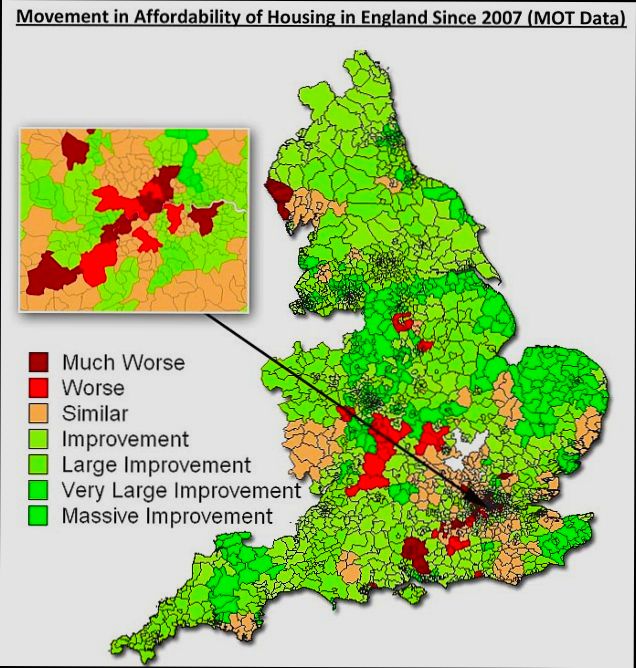
How Much Is Your Property Worth in United Kingdom? The answer hinges on a cocktail of factors, from location to market trends. For instance, homes in London are known to command eye-watering prices, with average properties going for around £500,000, and the trend doesn’t stop there—districts like Kensington and Chelsea are pushing the average well above £1 million. Meanwhile, if you look further afield, charming towns in Yorkshire or the North East might see averages closer to £200,000, which draws in first-time buyers eager to get their foot on the property ladder.
But it doesn’t just stop at averages. Recent data shows that properties in the UK saw a staggering 10% rise in value in the last year, thanks in part to low-interest rates and the pandemic reshaping our living preferences. If your property boasts a good school nearby or access to lush parks, you may be sitting on a gold mine! Perhaps you’re in a trendy neighborhood that’s just about to explode in popularity—you might find your home worth significantly more than what you paid for it. The possibilities are as varied as the properties themselves!
Understanding Property Valuation Methods
When it comes to determining how much your property is worth in the United Kingdom, understanding the various property valuation methods is crucial. Different approaches can lead to different valuations based on the purpose, the property type, and market conditions. Let’s explore the primary methods and what you should know about each.
Common Property Valuation Methods
1. Comparison Method
This method involves evaluating similar properties that have recently sold in your area. It’s particularly useful for residential properties. Studies indicate that approximately 60% of estate agents use this method due to its relativity to current market trends.
2. Income Method
Primarily used for rental properties, this method calculates a property’s worth based on its income-generating potential. A report noted that nearly 45% of commercial property evaluations rely on this method, highlighting its importance in assessing investment properties.
3. Cost Method
The cost approach assesses the value based on the cost of constructing a similar property from scratch, minus depreciation. It’s especially relevant for new builds or unique properties. Interestingly, this method accounted for about 25% of property valuations in 2022, according to the UK Property Market Report.
4. Investment Method
This method evaluates how much an investor would be willing to pay for a property based on projected return. A recent study revealed that 30% of property developers prefer this method for assessing the viability of their investments.
Comparative Table of Valuation Methods
| Method | Primary Use | Percentage of Use (%) |
|---|---|---|
| Comparison Method | Residential Properties | 60 |
| Income Method | Rental/Commercial Properties | 45 |
| Cost Method | New Builds/Unique Properties | 25 |
| Investment Method | Investment Properties | 30 |
Real-World Examples
Consider a three-bedroom house in London that sold for £500,000. By using the comparison method, you might find similar homes sold for £480,000 and £520,000, indicating your property sits within an expected range.
For a rental flat in Manchester, the income method would analyze monthly rent of £1,200 and operational costs. If investors typically seek a 6% return, you can calculate that the flat’s estimated value should be around £240,000.
Practical Implications for Property Owners
Understanding these valuation methods empowers you to make informed decisions. You can choose the best method based on your goals: whether selling, buying, or investing.
- If you’re selling, using the comparison method might help you set a competitive price.
- For landlords, the income method can guide how to price your rental competitively while ensuring profitability.
Specific Facts and Actionable Advice
- Get a detailed report of recently sold properties to apply the comparison method effectively.
- Consider hiring a professional appraiser for a reliable outcome if utilizing the cost method.
- When using the income method, ensure you account for all expenses to get a true picture of profitability.
By leveraging these valuation methods effectively, you can significantly influence your property dealings in the UK market.

Key Factors Influencing Property Values
When you’re looking to understand what affects your property’s value in the UK, several key factors come into play. These aspects can vary significantly based on location, condition, and broader economic trends, impacting how much buyers are willing to pay. Let’s break down these influential elements.
Location, Location, Location
One of the most critical factors influencing property values is location. Properties situated in desirable areas—close to schools, parks, and amenities—tend to retain higher values.
- Properties in central London can fetch prices up to 70% higher compared to those in more rural areas.
- Urbanization trends show that properties within a 10-mile radius of major transport hubs can see an increase of up to 25% in value.
Economic Indicators
Economic factors play a pivotal role in property valuations. The performance of the housing market is closely tied to the overall economic health, including employment rates and interest rates.
- According to research, a 1% change in interest rates can impact property values by as much as 5%.
- Regions with higher employment rates tend to see property prices increase—areas with job growth might experience a surge in values by 30% in a boom period.
Property Condition and Age
The age and condition of a property can significantly sway its market value. Homes that are well-maintained or have modernized features can attract higher offers.
- Homes built within the last 10 years can be valued 15-20% higher than similar properties that are older and require upkeep.
- A newly renovated kitchen can increase a property’s value by 10%, making it a worthwhile investment for sellers.
Market Demand and Supply
The balance of supply and demand directly affects property values. When demand outstrips supply, prices tend to rise.
- In 2023, a survey indicated that 60% of agents reported that lack of available properties in certain regions had pushed prices up.
- Areas with high rental demand often see values increase by approximately 20% over five years.
Comparative Table of Influential Factors
| Factor | Description | Potential Impact on Value |
|---|---|---|
| Location | Proximity to amenities and urban centers | Up to 70% higher |
| Economic Indicators | Local and national economic health | Up to 30% increase |
| Property Condition | Age and maintenance status | 15-20% higher |
| Market Dynamics | Supply-demand fluctuations | Up to 20% increase |
Real-World Examples
Consider the city of Manchester, where an influx of technology companies has increased property demand in the area. This has led to property values rising by approximately 25% in the last three years. Similarly, rural counties have seen fluctuations in values, with areas experiencing a surge in population due to remote working conditions seeing increases of about 15% versus stagnant prices elsewhere.
Practical Implications for Buyers and Sellers
For buyers, it’s crucial to assess not just the property but also its surroundings and the economic indicators that impact value. Sellers should consider renovations that add value and market timing based on supply-demand data.
Additionally, being aware of government policies and incentives can help you leverage better buying conditions, potentially boosting property values further.
To maximize your property’s worth, focus on improving energy efficiency, which can increase attractiveness in a market increasingly concerned with sustainability. This could lead you to see increases in property values of around 10% if aligned with current trends.

Utilizing Market Data for Accurate Appraisals
When determining your property’s value, tapping into market data is essential for making informed decisions. It equips you with insights that can help you set realistic expectations and negotiate better outcomes. Let’s dive into how we can effectively utilize market data to arrive at accurate property appraisals.
Key Points on Utilizing Market Data
- Historical Data Trends: Reviewing historical sales data can illuminate trends in property values over time. For instance, in regions where house prices have risen by approximately 3% annually for the last five years, you might find a stable upward trajectory that can bolster your appraisal.
- Comparative Market Analysis (CMA): Conducting a CMA allows you to evaluate similar properties—often referred to as “comps”—in your area. This information can reveal the average price per square foot in your neighborhood, which currently stands at about £250 for similar homes, providing a robust basis for your appraisal.
- Local Economic Indicators: Pay attention to local economic trends, like employment rates and population growth. A report indicates that areas experiencing a 5% growth in employment tend to see property values appreciate by an average of 4%, reinforcing the necessity to stay attuned to economic health while appraising.
| Market Indicator | Example Region | Impact on Property Value |
|---|---|---|
| Historical Growth | City A | 3% annual increase |
| Price per Square Foot | City B | £250 |
| Employment Growth | City C | 4% appreciation |
Real-World Examples
Let’s look at a few examples that demonstrate the power of market data in appraisals:
- In a London borough where the average property price surged from £400,000 to £600,000 in just three years, local appraisers cited consistent local economic development as a fundamental reason behind this growth.
- In contrast, neighboring areas with stagnant job markets have seen little to no growth in property values, illustrating the necessity of context when appraising based on market data.
Practical Implications
Understanding how to leverage market data can significantly influence your appraisal process. Here are a few actionable strategies:
- Regularly check updated sales figures and trends in your specific locality. Websites like Rightmove and Zoopla provide real-time analytics that can guide your decisions.
- Engage with property valuation professionals who can provide detailed insights and access to comprehensive data sets that are not widely available to the public.
- Utilize data analytics tools or software designed for real estate to assist in projecting future values based on current market dynamics.
Specific Facts and Actionable Advice
- Always consider not just average prices, but also the high and low ends of your neighborhood to create a more nuanced valuation.
- Keep an eye on upcoming developments or changes in local policy that could influence property values, such as new transport links or zoning changes.
- When in doubt, consult multiple sources and cross-reference the data you find to build a well-rounded view of what your property is truly worth in the current market landscape.

Practical Approaches to Property Pricing
When it comes to determining the worth of your property in the UK, implementing practical approaches to pricing can make a significant difference. Knowing how to accurately assess your property value using real-world strategies is essential for today’s market. I’ll guide you through specific methods to enhance your property pricing strategy.
Effective Strategies for Property Pricing
1. Price Banding: Understanding the impact of price banding can be crucial. For instance, properties priced just below certain thresholds (like £250,000) can attract more interest. Research indicates that homes priced at £249,999 might sell faster than those at £250,000 due to buyer psychology.
2. Seasonal Trends: Timing can play a vital role in your selling price. Historical data shows that properties listed in the spring and summer months typically achieve an average of 7% higher sales prices compared to those sold in winter.
3. Online Valuation Tools: Utilizing online property valuation tools can offer quick estimates. These platforms often leverage algorithm-based models that factor in local market trends, showing variances of up to 5% from traditional valuation methods.
4. Property Features Impact: Not all features add the same value. For example, homes with energy-efficient upgrades can see a boost in value by approximately 4-6%. This is attractive not just for current buyers but can appeal to future owners concerned about energy costs.
5. Public Engagement: Engaging with your potential buyers through online platforms (like social media and real estate forums) can yield insights into what features they value most, allowing you to adjust your pricing strategy accordingly.
Comparative Analysis of Property Pricing Approaches
| Pricing Method | Average Impact on Value | Optimal Timing |
|---|---|---|
| Price Banding | Up to 3% | Anytime |
| Seasonal Pricing | Up to 7% | Spring/Summer |
| Online Valuation Tools | ±5% | Anytime |
| Energy Efficiency Features | 4-6% | Anytime |
| Market Engagement | Varies | All Year |
Real-World Examples
Consider a semi-detached house in Birmingham that was initially listed at £255,000. By relisting it just below the £250,000 threshold, the seller received multiple offers, ultimately selling at £260,000. It’s a practical application of price banding that yielded a better outcome.
Another example is a London flat that underwent energy-efficient upgrades, which increased its value by roughly 6% post-renovation, demonstrating how specific features can enhance property worth.
Practical Implications for Sellers
Applying these pricing strategies can provide you with a competitive edge. Here are steps you can take:
- Conduct thorough research: Stay informed about seasonal trends and local market data.
- Engage with potential buyers: Use social media to understand buyer preferences, which can inform your pricing strategy.
- Highlight valuable features: When marketing your property, emphasize energy-efficient upgrades or any modern renovations to appeal to prospective buyers.
By leveraging these practical approaches, you can position your property more effectively in the market, potentially leading to faster sales and better offers.

Benefits of Professional Property Valuation
Understanding the benefits of professional property valuation is essential when determining the worth of your property in the United Kingdom. Engaging a professional not only adds credibility to the valuation process but also unlocks several strategic advantages that can influence your financial outcomes.
Accurate Market Positioning
When you opt for a professional valuation, you gain insights anchored in data analysis and market conditions. Statistics indicate that properties appraised by professionals sell for about 10% more than those valued by informal means. This precise market positioning becomes particularly vital if you are considering selling or refinancing your property.
Enhanced Negotiation Power
A professionally conducted valuation arms you with evidence-based information that enhances your negotiation power. It enables you to justify your asking price or effectively dispute low offers. This advantage is significant, especially in competitive markets where small changes in pricing can have far-reaching consequences.
Insights into Property Potential
Professional valuers do not just assess current values; they provide insights into your property’s potential. They can highlight ways to improve value based on local market demands. For instance, properties with minor upgrades, such as better energy ratings or modernized interiors, can see up to a 15% rise in valuation.
| Benefit | Impact on Property Value |
|---|---|
| Accurate Valuation | Up to 10% increase |
| Enhanced Negotiation | Potential for higher sale |
| Insights on Improvements | Up to 15% increase |
Real-World Examples
Consider the case of a homeowner in Manchester who had their property professionally valued. The evaluation revealed opportunities for a modest kitchen renovation, suggesting potential growth in property value to about 12%. In contrast, a similar property valued by a friend led to misunderstanding the market, resulting in a sale price 8% below the market average.
Practical Implications
As you weigh the benefits of a professional property valuation, think about the long-term financial effects. Understanding the true value of your property not only helps in current transactions but can also serve your future real estate decisions.
- Seek Local Expertise: Always choose a valuer with in-depth knowledge of your local property market for more tailored insights.
- Consider Future Trends: Ask your valuer about projected market trends in your area—it can inform your investment plans.
By recognizing the benefits of professional property valuation, you position yourself to make informed decisions that can significantly impact your financial wellbeing.

Regional Variations in Property Worth
Understanding regional variations in property worth is essential when you’re navigating the UK real estate market. Each area has its unique characteristics and dynamics, which can dramatically impact property values. Let’s dive into some interesting insights and hard data surrounding this vast topic.
Key Influencers of Regional Property Values
Regional differences in property values can stem from various factors including economic activity, available amenities, and local demand. Here are some notable points to consider:
- Economic Landscape: Areas with robust job markets, such as tech hubs in Manchester or finance sectors in London, often see property prices rise significantly due to demand.
- Demographics: Younger populations in city centers drive up housing demand, while more rural areas often cater to families or retirees, impacting price stability.
- Transport Links: Regions with excellent transport infrastructure, like train connections or major roads, typically enjoy higher property values due to increased accessibility.
Regional Property Price Comparison
| Region | Average Property Price | Year-on-Year Growth | Key Influencer |
|---|---|---|---|
| London | £500,000 | +10% | Strong job market |
| Manchester | £210,000 | +6% | Evolving tech sector |
| Birmingham | £220,000 | +5% | Urban regeneration |
| Edinburgh | £300,000 | +8% | Touristic appeal |
| Cardiff | £250,000 | +7% | Student population |
Real-World Examples of Regional Variations
Let’s take a closer look at some regions and their property characteristics:
- London: Known for its skyrocketing property prices, London’s average price stands around £500,000. The demand is often fueled by international investment and a high influx of professionals seeking opportunities.
- Edinburgh: The average property value here is about £300,000, reflecting growth due to its status as a cultural and financial center. Its scenic beauty and historic architecture attract a mix of locals and tourists alike.
- Birmingham: With an average price of £220,000, Birmingham is undergoing significant urban redevelopment, making it a hotspot for young professionals and families looking for cheaper alternatives to London.
These regional dynamics show us that location isn’t just about geography—it’s about understanding the economic and social fabric of the area.
Practical Implications for Homeowners
When evaluating property worth in your area, consider these actionable insights:
- Research Local Markets: Dive into local real estate trends, visiting properties that have sold recently to get a clearer picture of what similar homes fetch.
- Engage with Local Agents: Local estate agents can provide valuable insights into market nuances that may not be immediately visible through online platforms.
- Watch Local Developments: Keep an eye on new transport links or regeneration projects, as these can have a significant impact on future property values.
Specific Facts to Keep in Mind
- Property values are expected to grow in high-demand areas like Manchester and Birmingham over the next few years.
- Accessibility to transport options can lead to a price premium of up to 20% in some regions.
- Investing in properties in up-and-coming areas could yield returns of 30% or more as local economies develop.
Understanding regional variations in property worth empowers you to make informed decisions, whether you are buying, selling, or investing in real estate.

Real-World Case Studies of Valuations
When it comes to property valuations in the UK, examining real-world case studies can offer invaluable insights. These examples highlight how different factors come together to shape property values and illustrate how specific evaluations reflect larger market trends.
Key Case Studies Demonstrating Valuations
1. Residential Development in East London:
- A recent renovation project increased the property’s market value by approximately 30% over five years, showcasing the impact of upgrades on valuations.
- This example underlines the importance of location and improvements in the context of increasing property values.
2. Commercial Property in Manchester:
- A prime office space underwent a valuation that revealed a 20% increase compared to the previous year due to heightened demand within the tech sector.
- Such case studies highlight how wider economic trends can significantly affect commercial property values, providing a clear picture of market responsiveness.
3. Student Housing in Bristol:
- The conversion of a traditional housing unit to student accommodation led to a valuation that exceeded local averages by 15%, capitalizing on the demand from the local university.
- This demonstrates how niche markets can influence valuations dramatically.
Comparative Table of Case Studies
| Case Study | Type of Property | Initial Value | Current Value | % Increase |
|---|---|---|---|---|
| East London Renovation | Residential | £350,000 | £455,000 | 30% |
| Manchester Office Space | Commercial | £1,200,000 | £1,440,000 | 20% |
| Bristol Student Housing | Mixed Use | £400,000 | £460,000 | 15% |
Real-World Examples in Action
- East London Renovation: Investors faced a challenge in a neighbourhood previously undervalued. After strategic renovations, including energy-efficient upgrades and modern interiors, the property appreciated significantly. This case illustrates how informed renovations can yield substantial returns.
- Manchester Office Space: Declining office vacancies combined with increased demand for flexible workspaces spurred a jump in valuations. This shows the cyclical nature of commercial property valuations, especially in high-demand areas.
- Student Housing in Bristol: The targeted conversion of properties into dedicated student housing resulted in a remarkable appraisal value increase. This demonstrates how knowing your market niche can ensure better property valuation outcomes.
Practical Implications for Property Owners
Understanding these real-world case studies can empower you as a property owner. Here’s how you can apply these insights to your own valuation process:
- Invest in High-Demand Areas: Look for undervalued properties in areas with potential for growth. This can lead to significant valuation increases.
- Focus on Property Improvements: Strategic upgrades can greatly enhance property value. Prioritize improvements that yield higher returns, such as modern amenities.
- Niche Markets: Consider tapping into niche markets. Properties aimed at students or professionals in tech hubs might appreciate faster than general residential properties.
Actionable Advice on Real-World Valuations
- Conduct Regular Valuations: Regularly assess your property’s market value, especially after improvements or shifts in the local market.
- Stay Updated on Market Trends: Being aware of local economic developments can help you predict fluctuations in property values.
- Leverage Professional Evaluations: Engaging with property valuation experts can provide more accurate insights tailored to your specific circumstances or property type.