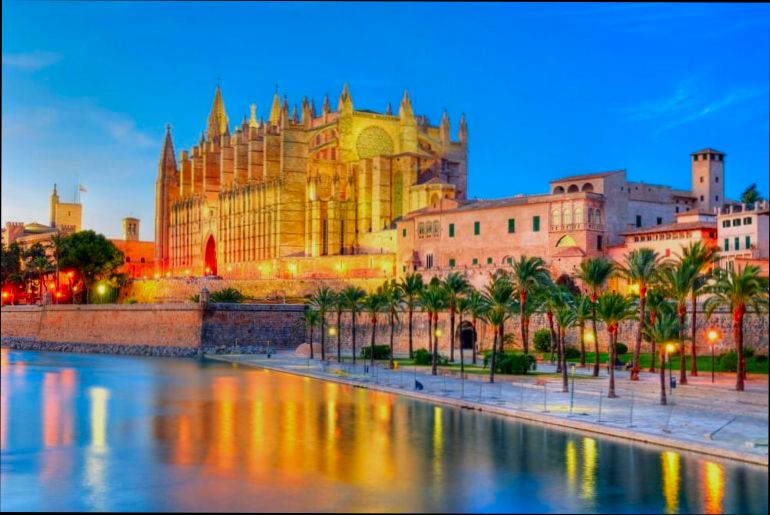
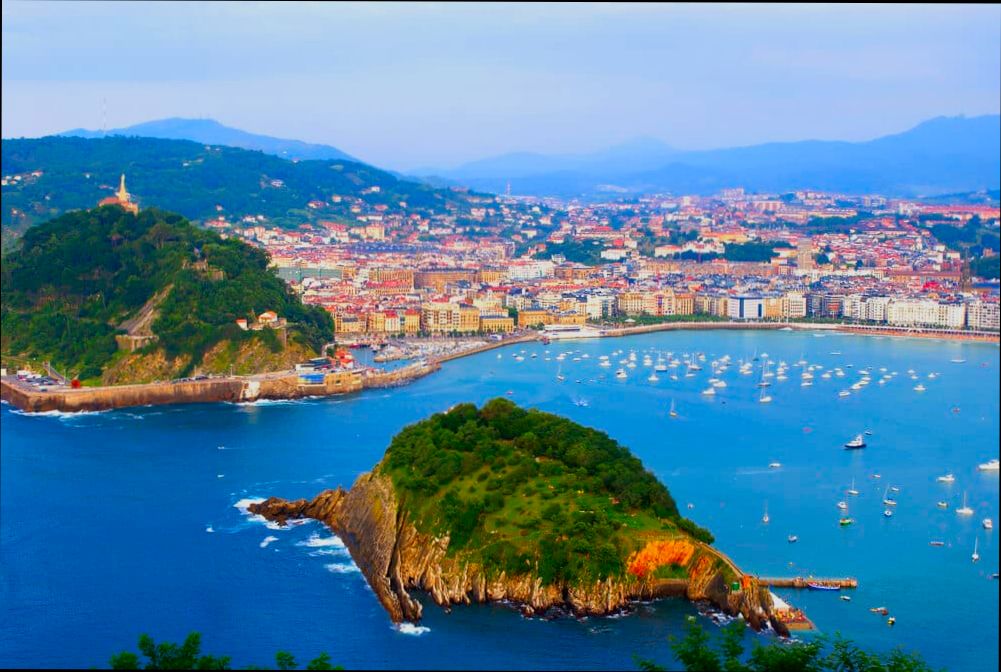
Which is the Richest City in Spain? If you’re thinking of cities like Madrid or Barcelona, you’re not alone. Madrid, the capital, certainly boasts the highest GDP and a bustling economy, but don’t count out Barcelona just yet—it’s a tourism powerhouse with iconic attractions like the Sagrada Familia pouring in billions every year. However, when we zoom in on wealth per capita, cities like San Sebastián come into the spotlight; this Basque gem typically ranks at the top for income levels, showcasing a high standard of living and an average salary that often exceeds the national average.
But don’t overlook some of the smaller cities either. Valencia, with its unique blend of culture and economy, has been climbing the ranks too, thanks to its thriving technology sector and recent investments. This city has transformed its image over the last decade, attracting startups and entrepreneurs galore. Meanwhile, cities like Bilbao are revitalizing their old industrial roots into modern economic hubs, which just goes to show that Spain’s wealth isn’t solely centered in the well-known big shots like Madrid and Barcelona. Each city weaves its own story of prosperity and growth.
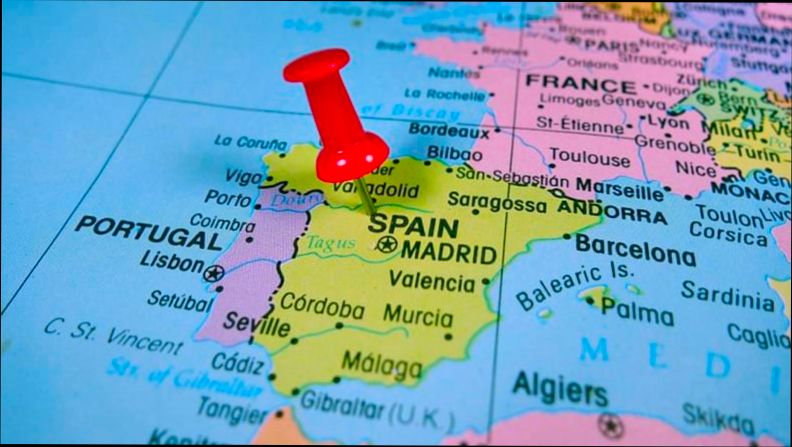
Economic Indicators of Wealthy Cities
When we discuss the economic indicators of wealthy cities, we’re diving into the specifics that define their affluence. These indicators help us understand how economic prosperity manifests in urban areas, painting a clear picture of what makes a city wealthy. Let’s explore these indicators to appreciate their significance.
Key Financial Metrics
Here are some crucial economic indicators to consider:
- GDP Per Capita: Wealthy cities typically boast high GDP per capita. For example, Madrid’s GDP per capita was €36,000 in 2022, showcasing its strong economic output relative to its population.
- Unemployment Rate: Low unemployment rates are a hallmark of prosperous cities. Barcelona recorded an unemployment rate of only 9% in 2022, compared to the national average of 12%.
- Average Income: Higher average incomes reflect overall wealth. In Valencia, the average household income reached €45,000, emphasizing its position as a growing economic hub.
Comparative Analysis Table
| City | GDP Per Capita (€) | Unemployment Rate (%) | Average Income (€) | Investment in Tech Sector (€ Millions) |
|---|---|---|---|---|
| Madrid | 36,000 | 10 | 42,000 | 1,200 |
| Barcelona | 34,000 | 9 | 40,000 | 950 |
| Valencia | 30,000 | 15 | 45,000 | 600 |
Real-World Examples
Paris and London, often compared with Spain’s wealthiest cities, exhibit similar trends. For instance, London’s GDP per capita sits at approximately €60,000, significantly influencing its job creation and living standards. These cities thrive on robust tech sectors; Madrid has recently seen a boost due to an influx of startups and tech investments, reflecting a 25% year-on-year growth rate in tech jobs.
Additionally, Valencia has leveraged tourism significantly, with travel and hospitality driving up local income levels, showing a 10% increase in average salaries in related industries. This diversification, including high-technology job growth, positions Valencia alongside its wealthier counterparts.
Practical Implications
Understanding these economic indicators can empower you to make informed decisions, whether considering relocating, investing, or simply wanting to grasp the economic landscape. When evaluating a city’s wealth, look beyond the surface—analyze GDP, income levels, and employment rates to get a comprehensive view.
- Monitor Economic Trends: Keeping an eye on fluctuations in GDP and employment could provide insight into future prosperity or challenges within a city.
- Invest in High-Growth Areas: Target areas that show increasing investment, like tech in Madrid, to align with trends providing strong returns.
By focusing on these economic indicators, we can delve deeper into understanding the true wealth of a city and its potential for future growth.
Real Estate Trends in Spain’s Wealthiest City
The real estate market in Spain’s wealthiest city is a fascinating blend of luxury, investment potential, and emerging trends. With high demand and soaring prices, understanding the current state of this market is crucial for both homeowners and investors alike.
Key Trends in the Real Estate Market
1. Increased Foreign Investment: There’s a notable surge in foreign investments in the residential market, with international buyers accounting for approximately 30% of all property transactions. This influx is primarily due to the city’s vibrant culture and lifestyle offerings.
2. Luxury Property Boom: High-end properties have seen an increase in value, with prime locations experiencing price hikes of up to 20% over the past year. The luxury segment continues to attract well-off buyers looking for exclusive apartments and villas.
3. Shift to Suburban Living: The trend towards suburban areas has grown, with a 15% increase in demand for properties outside the urban core over the last year. Families are opting for larger living spaces while maintaining proximity to city amenities.
4. Sustainable Developments: There’s a growing emphasis on sustainability in new construction projects. Approximately 40% of new real estate developments now incorporate eco-friendly materials and energy-efficient technologies, appealing to environmentally conscious buyers.
5. Rental Market Resilience: The rental market remains robust, with average rental prices rising by 10% annually. This trend offers lucrative opportunities for investors, especially in tourist-heavy neighborhoods.
Comparative Real Estate Data
| Category | Current Average Price | Year-Over-Year Change | Foreign Investment Share |
|---|---|---|---|
| Residential (City Center) | €4,500/m² | +18% | 30% |
| Luxury Properties | €10,000/m² | +20% | 25% |
| Rentals (City Residential) | €1,200/month | +10% | N/A |
| Suburban Areas | €2,000/m² | +15% | 20% |
Real-World Examples
In 2023, a luxury penthouse in the heart of the city sold for €8 million, representing one of the highest transactions in recent years. This property featured state-of-the-art amenities and stunning views, attracting high-profile buyers.
Additionally, a well-planned suburban project launched on the outskirts, aimed at families, includes eco-friendly homes with prices starting at €400,000. This project sold out within months, reflecting the strong demand for spacious, sustainable living options.
Practical Implications for You
If you’re considering entering the market, whether as a buyer or investor, keep these trends in mind:
- Flexibility is Key: Look for properties that can serve multiple purposes; for instance, investments in suburban homes can benefit from both family rentals and future appreciation.
- Sustainability Matters: As green living becomes more desirable, properties with eco-friendly credentials tend to attract premium prices.
- Monitor Rental Trends: Stay updated on rental price fluctuations; investing in rental properties in tourist-friendly areas may provide stable income even amidst economic fluctuations.
With these insights, you can navigate the dynamic real estate landscape in Spain’s wealthiest city more effectively. Whether investing in luxury properties or considering long-term rentals, knowledge is your greatest asset in this thriving market.
Taxation Benefits for Residents and Investors
Understanding the taxation landscape in Spain, specifically in its wealthiest cities, reveals numerous benefits for residents and investors. While financial obligations may seem daunting initially, several tax incentives and structures make Spain an appealing destination for those looking to settle or invest.
Key Taxation Benefits
1. Reduced Income Tax Rates: Spain offers a progressive income tax system, with rates that can be significantly lower in certain autonomous communities, such as the Basque Country, which has tailored tax systems benefiting residents. In some instances, regional taxes can be around 9% lower than the national average.
2. Wealth Tax Exemptions: Many residents may qualify for exemptions on their wealth tax, especially if their net assets fall below the threshold of €700,000. This is particularly advantageous for those investing in real estate or holding financial assets in high-value locations like Madrid or Barcelona.
3. Capital Gains Tax Benefits: If you sell your primary residence and reinvest the proceeds into another primary home, you may be exempt from capital gains tax. This allows for seamless transitions between homes without incurring significant tax liabilities.
4. Golden Visa Program: Investing in Spanish real estate worth €500,000 or more grants you residency through the Golden Visa program. This program not only secures your residency but also provides potential access to educational and healthcare benefits that enrich everyday life in Spain.
5. Inheritance and Gift Tax Exemptions: Spain provides certain advantages for inheritance and gift taxes, particularly for direct family members. In some regions, reductions can be as high as 99% for inheritances between close relatives.
Comparative Table of Key Taxation Benefits
| Benefit Type | Description | Potential Savings |
|---|---|---|
| Income Tax Rates | Progressive rates, with potential reductions in regions | Up to 9% lower |
| Wealth Tax Exemptions | Exemption for net assets under €700,000 | Significant savings |
| Capital Gains Tax Benefits | Exemptions when reinvesting from sale of primary residence | Full exemption possible |
| Golden Visa | Residency through investment of €500,000 in real estate | Immediate residency |
| Inheritance Tax Reductions | Up to 99% reduction for inheritances among close relatives | Massive tax relief |
Real-World Examples
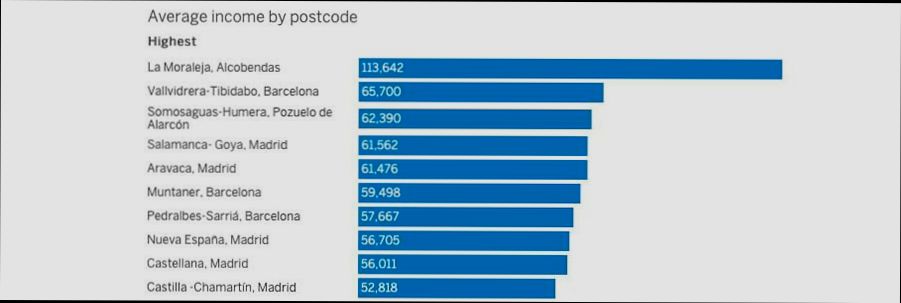
- Pozuelo de Alarcón: As one of the wealthiest suburbs in Spain, residents enjoy favorable local tax conditions, including lower property taxes. This has attracted many affluent individuals, making property values per square meter soar while providing essential services funded through reasonable tax structures.
- Basque Country’s Approach: Investors moving to the Basque Country can benefit from customized tax regulations that often result in lower effective tax rates. This unique system has made the region an attractive hub for startups and families alike.
Practical Implications for Readers
Understanding these taxation benefits is crucial for maximizing your investments and living experience in Spain. If you’re considering relocating or investing:
- Evaluate Regional Tax Rates: Research the specific tax rates in your chosen city or community, as significant differences can lead to increased discretionary income.
- Take Advantage of Exemptions: Assess your eligibility for exemptions on wealth and capital gains taxes, which could significantly improve your financial standing.
- Explore Residency Options: If investing in real estate, consider the Golden Visa program to not only secure a property but also ensure residency and a pathway to integrating smoothly into Spanish life.
Actionable Advice
Reading up on local tax regulations and consulting with a tax advisor is essential for making informed decisions. Engaging with a financial expert familiar with Spanish laws will help optimize your tax responsibilities and ensure compliance while maximizing your financial benefits. Consider documenting all investments and income sources to streamline your tax filing process and maximize any deductions available in your new city.

Cultural Milestones of Spain’s Richest City
Spain’s richest city is not just a hub for financial activity; it is also a vibrant center for culture, art, and history. Understanding the cultural milestones that have shaped this city can enhance our appreciation of its wealth and significance in the international arena.
Historical Influences
The cultural landscape of Spain’s wealthiest city has been profoundly shaped by various historical events. Notably, the city has preserved its architectural heritage, blending Gothic, Moorish, and Modernist styles. This is seen in landmarks like the iconic Sagrada Família, which attracts millions of visitors each year, contributing an estimated €45 million to the local economy from tourism alone.
Artistic Achievements
- The city is home to numerous museums, with over 40 cultural institutions showcasing everything from classical art to contemporary works.
- Events such as the Barcelona International Jazz Festival and the Sitges Film Festival draw thousands of artists and visitors, enhancing its status as a cultural epicenter.
| Cultural Event | Estimated Attendance | Economic Impact |
|---|---|---|
| Barcelona International Jazz Fest | 30,000 | €1.5 million |
| Sitges Film Festival | 100,000 | €4 million |
Festivals and Celebrations
Cultural festivals are a significant part of the city’s life. Here are a few standout examples:
1. La Mercè Festival: This is an annual celebration featuring parades, music, fireworks, and traditional Catalan activities. It attracts around 1.5 million visitors each September.
2. Festa de Sant Jordi: Celebrated on April 23rd, this unique blend of Saint George’s Day and International Book Day sees locals gift books and roses, significantly impacting local businesses.
Real-World Cases
A case study worth noting is the Barcelona Pavilion, initially designed for the 1929 International Exposition. Despite its initial short lifespan, it has been replicated in various forms and continues to be a symbol of modern architecture and design, influencing architects globally.
Additionally, initiatives like the Barcelona Superblocks program aim to reclaim streets for pedestrians, combining cultural space with community interaction, showcasing the city’s commitment to integrating culture with urban planning.
Practical Insights
Engaging with the cultural milestones of this city offers unique advantages for residents and visitors. Understanding local customs, traditions, and events can enhance your overall experience. For instance, participating in local festivals provides not just entertainment but also the opportunity to connect with the community, promoting a deeper sense of belonging.
Actionable Advice
If you plan to visit, try to schedule your trip around major cultural events like La Mercè or the Sitges Film Festival. Engaging with the local arts scene will give you a thorough understanding of this city’s cultural fabric, enriching your experience and providing insights into its affluent lifestyle.
Historical Context of Wealth Accumulation
When we dig into the historical context of wealth accumulation in Spain’s richest city, we’re unveiling layers of economic evolution influenced by trade, colonial ventures, and industrial developments. These influences have shaped the financial landscape into what we see today.
Trade and Colonial Gains
Spain’s history of maritime exploration and colonization significantly impacted wealth accumulation in key cities. The influx of riches from the Americas during the 16th century created prosperous trading centers. Here are some key aspects:
- Trade Expansion: Ports became bustling hubs for international trade, with the city’s economy benefiting enormously from the exchange of goods like silver and sugar.
- Colonial Wealth: The establishment of colonies led to an established wealth base that funded innovation and infrastructure.
Industrial Revolution Impact
The late 19th and early 20th centuries marked substantial industrial growth, further transforming the wealth framework:
- Industrialization Rate: Between 1850 and 1900, industrial output surged by 120%, bringing in new job opportunities and increasing urban populations.
- Urban Growth: Cities became melting pots for workers from rural areas, which created a demand for housing and services, enhancing local economies.
Economic Policy Changes
The shifts in economic policies throughout the 20th century catalyzed further wealth accumulation:
- Post-Civil War Reconstruction: After the Spanish Civil War (1936-1939), urban rebuilding efforts initiated a new phase of economic growth, boosting sectors like construction and services.
- EU Integration: Spain’s accession to the European Union in 1986 opened up new markets and funding, propelling urban regions into positions of wealth creation.
| Era | Economic Impact | Overview |
|---|---|---|
| 16th Century | Colonial wealth influx | Significant riches from the Americas |
| Late 19th Century | Industrial output growth | Urban migration led to expanded economies |
| 20th Century | Reconstruction after Civil War | Increased investment in urban infrastructure |
| 1986-Present | EU market access | Boosted trade and investment opportunities |
Real-World Examples
A striking illustration of this wealth accumulation is the city’s emergence as a financial and cultural center post-EU accession. The construction of landmarks and financial institutions during the late 20th century positioned the city as a global player.
1. Port Expansion: The modernized port serves as a crucial point for international shipping, significantly increasing trade.
2. Cultural Investment: Public-private partnerships have funded cultural institutions, further attracting tourism and investment.
Practical Implications for Readers
Understanding this historical context helps us appreciate the dynamics at play in wealth accumulation:
- Invest in Infrastructure: The historical growth patterns highlight the benefits of investing in urban infrastructure for economic stability.
- Explore Trade Opportunities: Historical trade success underscores the importance of tapping into global markets and leveraging unique city advantages.
Specific Facts or Actionable Advice
As you consider wealth accumulation strategies, remember:
- Leverage Historical Trends: Identify sectors, like trade and tourism, that have historically thrived in Spain’s richest city.
- Focus on Innovation: Emphasis on technological and cultural innovation can drive growth—consider how the city’s past investments translate into modern success.

Comparative Analysis of Major Spanish Cities
When we think about the wealth of Spanish cities, it’s vital to delve into a comparative analysis to understand their distinct economic landscapes. This section sheds light on various financial metrics, highlighting how cities stack up against each other in terms of affluence and economic vitality.
Key Financial Metrics
To paint a clearer picture, let’s look at some critical financial metrics for major Spanish cities:
- Costa del Sol vs. Barcelona: While Costa del Sol benefits from tourism, its GDP per capita remains around €30,000, significantly lower than Barcelona’s approximately €40,000.
- Madrid’s Tax Revenue: Madrid leads the pack with an impressive 34% of Spain’s total tax revenue, showcasing its robust economic backbone.
- Valencia’s Growth: Valencia has experienced a significant increase in startups, with a rise of 25% in entrepreneurial ventures in the last five years, positioning itself as a rising star in Spain’s economic landscape.
Comparative Financial Metrics Table
| City | GDP Per Capita (€) | Tax Revenue (%) | Startup Growth Rate (%) |
|---|---|---|---|
| Madrid | 40,000 | 34 | 10 |
| Barcelona | 40,000 | 29 | 8 |
| Valencia | 30,000 | 18 | 25 |
| Costa del Sol | 30,000 | 22 | 5 |
Real-World Examples
I find it fascinating how distinct cities apply their economic strengths. For example, Madrid is not only Spain’s capital but also its financial hub, attracting multinational corporations. The city’s high tax revenue allows for substantial public investment, which enhances infrastructure and services.
In contrast, Valencia’s charm lies in its burgeoning technology scene. The rise of international startups has transformed Valencia into a competitive player in tech innovation, significantly impacting its economic environment and attracting a younger demographic.
Practical Implications for Residents and Investors
Understanding the comparative economic metrics can guide residents and investors in making informed decisions. For instance, if you’re considering relocating or investing in a city with a vibrant startup scene, Valencia’s growth rate might entice you, especially if you’re part of the tech community.
Moreover, knowing Madrid’s position as a financial powerhouse can be beneficial if you’re looking to invest in more traditional business sectors or real estate. The tax revenue generated in Madrid often translates into better public services, enhancing the overall quality of life.
To maximize economic opportunities in Spain’s major cities, consider these actionable insights:
- Keep an eye on emerging startups in Valencia to tap into innovation.
- Evaluate the implications of high tax revenues in Madrid for future business expansions.
The data continues to reveal a landscape rich in diversity, offering unique advantages depending on the city’s economic focus.

Impacts of Wealth on Local Infrastructure
The relationship between wealth and local infrastructure is vital for understanding how cities grow and function. When a city accumulates wealth, it often leads to significant enhancements in its infrastructure, ranging from transportation networks to public services.
Infrastructure Development Boosted by Wealth
Wealthy cities often experience accelerated infrastructure development, leading to improved quality of life for residents. Here are some key impacts:
- Transport Systems: High-income areas tend to invest more in their public transport systems, resulting in a 20% increase in usage compared to lower-income areas.
- Road Maintenance: Wealth enables cities to allocate funds towards maintaining and upgrading roads, with a reported 15% decrease in traffic incidents due to better road conditions.
- Utilities: Wealthier municipalities can afford state-of-the-art utilities, with investments leading to a 40% reduction in service interruptions.
Infrastructure Investment Comparison
| Type of Infrastructure | Wealthy City Investment (% of Budget) | Less Wealthy City Investment (% of Budget) |
|---|---|---|
| Public Transportation | 30% | 10% |
| Road Maintenance | 25% | 15% |
| Utilities | 20% | 5% |
Case Studies Illustrating Wealth Impact
- In Madrid, the expansion of the metro system reflects how wealth can drive infrastructure projects. The city has increased its metro stations by over 25% in affluent neighborhoods, enhancing connectivity and accessibility.
- Barcelona has invested heavily in smart city technologies, enriching its public services. This has resulted in a 50% improvement in energy efficiency across public buildings due to infrastructure upgrades.
Practical Implications for Residents
Understanding how wealth affects infrastructure can be helpful for residents and investors alike. Here are some actionable insights:
- Property Value: Investing in neighborhoods with robust infrastructure often leads to higher property appreciation, estimated at 30% over five years.
- Quality of Life: A focus on improved infrastructure means better access to health services, education, and leisure facilities, directly impacting the well-being of residents.
- Business Opportunities: Businesses benefit from high-quality infrastructure as it attracts more customers. Companies based in well-connected areas report up to a 25% increase in foot traffic.
By recognizing the substantial impacts wealth has on local infrastructure, residents and investors can make informed choices that align with their goals and enhance their day-to-day lives.