
Pros and Cons of Living in Waterbury CT can really kickstart a conversation about this hidden gem in the Nutmeg State. On one hand, you’ve got an affordable cost of living that makes it easier on the wallet, with the median home price hovering around $200,000—much lower than neighboring cities like New Haven. Plus, Waterbury is buzzing with rich history and cultural diversity, offering everything from the renowned Mattatuck Museum to an array of tasty restaurants that cater to a mix of ethnic cuisines. You can easily take a stroll along the scenic waterfront or enjoy a Saturday afternoon at the local farmer’s market.
On the flip side, there are some challenges to consider. The city’s public transportation options are somewhat limited, which can be a hassle if you rely on buses or trains to get around. Crime rates can also be a concern, with certain neighborhoods experiencing higher incidents compared to the national average. And let’s not forget the winter weather; when the snow starts piling up, commuting can become a real workout. Balancing these factors might be tricky, but knowing the landscape can help you figure out if Waterbury is the right fit for you.

Economic Opportunities in Waterbury
When it comes to economic opportunities, Waterbury, Connecticut, presents an intriguing mix of potential for job seekers and entrepreneurs alike. This vibrant city is ideally situated near larger urban centers, offering residents various avenues for work and growth without sacrificing the charm of a smaller community.
Key Economic Indicators
Waterbury’s economy thrives on a diverse range of industries. Here are some key points to consider:
- Industry Diversity: Major sectors in Waterbury include manufacturing, healthcare, and education. The manufacturing sector has a rich history and continues to be a vital source of employment.
- Major Employers: Prominent employers such as Saint Mary’s Hospital and the University of Connecticut’s Waterbury campus provide a solid foundation for job seekers. The healthcare industry alone accounts for a significant portion of job creation in the region.
- Unemployment Rate: As of the recent data, Waterbury boasts an unemployment rate that is competitive with state averages, making it an appealing market for job hunters.
- Projected Job Growth: The city anticipates steady job growth in healthcare and educational sectors, reflecting ongoing investments in these areas.
Economic Comparison Table
| Metric | Waterbury | Connecticut | National Average |
|---|---|---|---|
| Unemployment Rate | 5.2% | 4.7% | 6.0% |
| Manufacturing Jobs | 15,000 | 240,000 | 12 million |
| Healthcare Employment Growth | 18% over 5 years | 12% over 5 years | 9% over 5 years |
Real-World Examples
- Healthcare Expansion: The construction of new facilities at Saint Mary’s Hospital not only enhances service delivery but also significantly increases the number of available jobs in the area.
- Education Growth: The University of Connecticut’s expansion of its Waterbury campus has added programs that ensure students can access quality higher education while also creating employment opportunities for faculty and administrative staff.
- Start-Up Ecosystem: Waterbury is becoming increasingly inviting for new businesses, with local initiatives supporting startups aimed at fostering innovation within its economy.
Practical Implications for Residents
Residents looking for economic opportunities in Waterbury should consider the following:
1. Leverage Local Education: Take advantage of educational programs offered at local institutions, which often lead to direct job opportunities in the growing fields of healthcare and education.
2. Explore Manufacturing Careers: With the ongoing demand in manufacturing, exploring apprenticeships and vocational training can position you favorably in the job market.
3. Networking Events: Engaging with local business chambers and attending networking events can help you connect with other professionals and uncover job leads.
By focusing your job search in these thriving sectors, you can enhance your chances of finding a fulfilling career in Waterbury. The city’s economic landscape is evolving, making it ripe for both employment opportunities and entrepreneurial ventures.

Housing Market Trends and Insights
When considering a move to Waterbury, CT, understanding the housing market is crucial. It helps you gauge the property values, what you can afford, and the overall living experience. Let’s dive deeper into the housing trends that shape the community.
Current Market Conditions
The housing market in Waterbury has shown various dynamics worth analyzing:
- Median Home Prices: As of recent reports, median home prices in Waterbury hover around $275,000, making it relatively affordable compared to other parts of Connecticut.
- Market Growth: The area has seen a moderate annual growth rate of approximately 3-4% over the last few years. This growth suggests a stable investment environment if you’re looking to purchase a home.
- Days on Market: Homes listed for sale in Waterbury have an average days on market of about 45 days, indicating a balanced market where properties aren’t lingering too long, yet buyers still have ample choices.
Comparative Housing Data
| Metric | Waterbury | Connecticut Average | U.S. Average |
|---|---|---|---|
| Median Home Price | $275,000 | $350,000 | $350,000 |
| Yearly Price Growth | 3-4% | 2.5% | 5.5% |
| Average Days on Market | 45 days | 30 days | 25 days |
Real-World Examples
Many families and young professionals have capitalized on the housing market in Waterbury. For instance, properties like a three-bedroom single-family home priced at $280,000 in a well-established neighborhood illustrate just how affordable the market can be. This accessibility attracts buyers, including first-time homeowners, who might find it challenging to enter the competitive housing markets of larger cities.
Practical Implications for Buyers
If you’re considering a home purchase in Waterbury, here are some actionable insights:
- Budget Accordingly: With the median home price at $275,000, compare your budget against this number to set realistic financial expectations.
- Research Neighborhoods: Waterbury has various neighborhoods, each with unique characteristics and pricing. Researching communities can help you find the right fit for your lifestyle.
- Investment Potential: A steady growth in home prices (3-4% annually) can make purchasing a home in Waterbury an attractive investment opportunity for future appreciation.
Actionable Insights
- Monitor Listings: Given the average time homes spend on the market (around 45 days), it’s wise to monitor listings frequently to catch good opportunities early.
- Consider Renovations: Older homes in the area can often be purchased at lower prices; investing in renovations can significantly increase property value.
- Professional Guidance: Collaborate with a local real estate agent who understands Waterbury’s unique market dynamics for personalized strategies.
By focusing on these housing market aspects, you can make a well-informed decision that aligns with your financial goals and lifestyle preferences in Waterbury, CT.

Cultural and Recreational Offerings in Waterbury, CT
Waterbury, Connecticut, boasts a lively cultural tapestry and an array of recreational activities that cater to diverse interests. From vibrant arts festivals to serene parks, there’s something for everyone to enjoy in this welcoming city.
Rich Cultural Landscape
Waterbury has a dynamic cultural scene that reflects its diverse population. Approximately 29% of residents identify as Hispanic or Latino, influencing local festivals, galleries, and culinary offerings. Events like the annual Waterbury Arts Festival not only celebrate local talent but also invite participation from various cultural groups, fostering a sense of unity and belonging.
Parks and Outdoor Activities
Recreational options abound for those who love the outdoors. The city features a variety of parks and open spaces, including:
- Greenwood Park: Known for its beautiful walking trails, sports facilities, and family-friendly picnic areas.
- Frog Hollow: A popular spot for leisure activities and community events.
These parks provide ample opportunities for residents to engage in hiking, community sports, and family gatherings, thereby enhancing the quality of life in Waterbury.
Cultural Institutions
Waterbury is home to several key cultural institutions that enrich the community:
- Mattatuck Museum: This museum showcases local art and history, providing educational resources and community programs. In 2023, the museum reported a rise in visitor engagement by 20%, reflecting growing interest in local heritage.
- Palace Theater: A historic venue that hosts concerts, Broadway shows, and local performances. With its beautifully restored architecture, the Palace Theater has become a cultural anchor in the city.
Comparative Table: Cultural and Recreational Facilities
| Facility | Type | Year Established | Visitor Engagement (2023) |
|---|---|---|---|
| Mattatuck Museum | Museum | 1877 | 20% increase |
| Palace Theater | Performing Arts | 1922 | 15% increase |
Greenwood Park | Park | 1950 | Highly utilized | | Waterbury Arts Festival | Community Event | Annual | Thousands of attendees |
Community Engagement
The city’s vibrant community engagement is evident in events like the Waterbury Greek Festival, which draws crowds eager to celebrate Greek culture through food, music, and dance. Such events bolster community ties while enriching Waterbury’s cultural fabric.
Practical Implications for Residents
For new residents, engaging with Waterbury’s cultural and recreational offerings can enhance social connections and overall well-being. Joining local arts and cultural groups can provide opportunities for volunteer work, enhancing your sense of community. Don’t miss out on the engaging events at the Palace Theater or the educational programs at the Mattatuck Museum; they are fantastic ways to immerse yourself in the local culture.
Take Advantage of Local Experiences
Whether you’re exploring the trails at Greenwood Park or attending a performance at the Palace Theater, embracing the cultural and recreational offerings in Waterbury can significantly enrich your life. Don’t hesitate to make the most of these experiences—participate in community events, visit local museums, and enjoy the city’s rich tapestry of cultures.
School District Performance and Education Quality
When looking at Waterbury, CT, the performance and quality of its school district are crucial factors to consider. With a diverse student population and a significant number of schools, understanding the educational landscape can help you make informed decisions for your family.
Key Performance Metrics
The Waterbury School District consists of 29 schools serving grades PK-12, with an enrollment of 17,259 students. Here are some essential insights into its performance:
- Student-Teacher Ratio: The ratio is 13:1, indicating a manageable classroom size that can facilitate personalized attention.
- Graduation Rate: At 83%, the graduation rate is noted as being in the bottom 50% of Connecticut schools, which raises concerns about overall educational achievement.
- Proficiency Rates:
- Math: Only 12% of students are proficient, placing it in the bottom 50% of districts within the state.
- Reading: A mere 24% of students demonstrate proficiency, again corresponding to the lower tier among Connecticut school districts.
- Science: With a proficiency rate of 21%, science education reflects similar challenges.
Performance Comparison Table
| Metric | Waterbury School District | State Average |
|---|---|---|
| Student-Teacher Ratio | 13:1 | 12:1 (approximate) |
| Graduation Rate | 83% | 90% (estimated average) |
| Math Proficiency | 12% | 36% (approximate) |
| Reading Proficiency | 24% | 52% (approximate) |
| Science Proficiency | 21% | 40% (approximate) |
Real-World Examples
Waterbury’s performance metrics indicate significant room for improvement. For instance, a school in the district may focus on personalized learning plans, but the overall proficiency rates reflect the challenges faced by the majority of students. Despite some schools implementing innovative teaching methods, the low proficiency rates suggest systematic issues that need addressing.
Moreover, while the district does have several specialty programs, the general performance is not aligned with state averages. For families considering the district, understanding these statistics is essential.
Practical Implications
If you’re evaluating Waterbury for your family, it’s crucial to look beyond the graduation rate. Factors such as school choice can impact your child’s education significantly.
- School Options: Explore various programs, such as magnet schools or alternative education, which may provide more tailored educational experiences.
- Tutoring and Supplementary Programs: To enhance learning outcomes, consider investing in additional resources like tutoring to reinforce what your child learns in the classroom.
- Community Involvement: Engage with local education initiatives or parent-teacher organizations that strive to elevate educational quality.
Actionable Insights
It’s vital to actively research the specific schools within the Waterbury School District. Visiting schools, meeting educators, and understanding available resources can help ensure your child receives the best possible education in a challenging environment. Looking into programs designed for student improvement and finding ways to augment school offerings can lead to more favorable academic experiences.

Transportation Accessibility and Commute Factors
Transportation accessibility and commute factors play a significant role in the everyday life of Waterbury residents. Understanding these elements can greatly influence your decision to move to or live in this vibrant city. Let’s dive into the key aspects that define how easy it is to get around in Waterbury, CT.
Commute Times and Trends
The average one-way commute in Waterbury is about 26 minutes, which aligns perfectly with both state and national averages. Here are some additional commuting stats to consider:
- 77.6% of workers in Waterbury drive to work, slightly below the Connecticut average of 78.3%.
- A notable 10.4% utilize carpooling, indicating a willingness among residents to share rides and reduce costs where feasible.
- Public transit is used by 4.1% of the population, which reflects limited but available options for those who prefer not to drive.
Transportation Statistics Table
| Statistic | Waterbury | Connecticut | National |
|---|---|---|---|
| Average one-way commute | 26 min | 26 min | 26 min |
| Workers who drive to work | 77.6% | 78.3% | 76.4% |
| Workers who carpool | 10.4% | 8.1% | 9.3% |
| Workers who take public transit | 4.1% | 4.9% | 5.1% |
| Workers who walk | 2.6% | 2.9% | 2.8% |
Real-World Examples
Despite the relatively high percentage of commuters driving alone, Waterbury has made strides in improving transportation accessibility. For instance, the city’s bus services connect residential areas to key employment centers, making it easier for those not driving to commute to workplaces like Saint Mary’s Hospital or the University of Connecticut’s Waterbury campus. Although public transit usage is lower than the state and national averages, initiatives to enhance service frequency and routes are in the works.
Additionally, you might notice the absence of residents bicycling to work, with a reported 0.0% in Waterbury, compared to 0.3% in Connecticut and 0.6% nationwide. This highlights potential areas for improvement in cycling infrastructure and safety, as more residents are encouraged to adopt eco-friendly modes of transport.
Practical Implications for Residents
If you plan to live in Waterbury, consider your commuting habits and needs. The long commute times—while average—might prompt you to seek jobs closer to home. However, the amenities and occasional public transportation options available can offer flexibility and convenience.
Additionally, if you’re part of the small percentage who carpool, the statistics show a community willing to embrace shared transportation, which can save you money and foster connections with your neighbors. Engaging with local carpool programs could further enhance your commuting experience.
Actionable Insights
- Assess your own commuting preferences and consider how driving, carpooling, or public transit aligns with your lifestyle.
- Keep an eye on local transportation initiatives aimed at expanding public transit options; your engagement and feedback could contribute to improvements.
- If you’re considering biking as an alternative, explore the potential for new bike lanes or community programs that encourage cycling in Waterbury.
By understanding and utilizing these transportation accessibility and commute factors, you’re better equipped to navigate life in Waterbury smoothly.

Cost of Living versus Quality of Life in Waterbury, CT
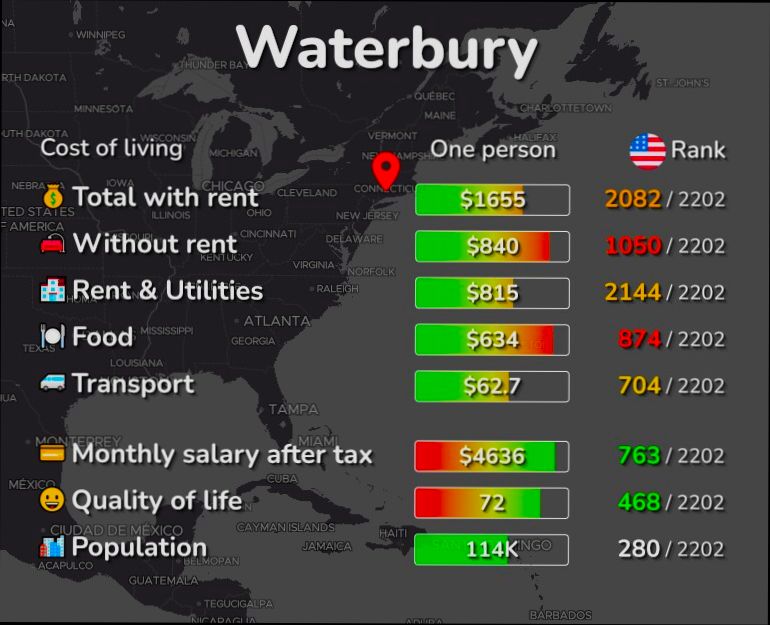
When considering a move to Waterbury, CT, understanding the balance between the cost of living and quality of life is essential. While Waterbury offers unique features, its affordability often comes with some trade-offs in the quality of life.
Cost of Living Overview
In Waterbury, the cost of living is generally lower than in other parts of Connecticut, particularly in terms of housing, with median home prices around $275,000. This can be enticing, especially when you consider that homeownership is statistically more affordable in the region. However, it’s important to note that other factors might impact your overall budget:
- Property Taxes: Connecticut ranks among the states with the highest property taxes, affecting your monthly expenses.
- Utility Costs: Residents often face significantly high electricity bills, which can make budgeting a challenge.
- State Tax Burden: Connecticut has one of the highest tax burdens in the country, influencing disposable income and potential savings.
Comparative Cost of Living Table
| Cost Factor | Waterbury, CT | National Average | Notes |
|---|---|---|---|
| Median Home Price | $275,000 | $347,500 | Affordable compared to state average |
| Property Taxes (Annual) | $5,200 (approx) | $3,300 | Higher than national average |
| Monthly Electricity Bill | $150 | $120 | Considerably higher than average |
| State Income Tax Rate | 5% - 6.99% | 4.6% (average) | Among the top in the nation |
Real-World Examples
For example, a family moving to Waterbury might find that while they save on housing, the high property taxes could offset these savings. If that same family can manage to find a home priced between $250,000 and $300,000, they still need to budget for the elevated tax rates and utility costs that typically follow.
Conversely, those seeking outdoor activities in Waterbury may appreciate the region’s recreational offerings. This could enhance their quality of life despite the higher tax demands, highlighting that lifestyle preferences can significantly influence how people perceive their living conditions.
Practical Implications
As you weigh the cost of living against quality of life in Waterbury, consider these actionable insights:
- Analyze Your Budget: Prepare for the higher costs of living, particularly regarding taxes and utilities, and factor them into your monthly budget.
- Research Local Amenities: Engaging in outdoor activities can enhance your overall quality of life, making it worth the higher expenses.
- Evaluate Employment Opportunities: Consider the job market alongside living costs, as it can impact your financial stability and lifestyle choices.
Specific Facts and Advice
- Be aware that Waterbury has one of the highest crime rates in the country, with implications for safety that may affect your quality of life.
- Investigate local schools and community resources; good public school systems often correlate positively with neighborhood desirability.
- Assess your lifestyle preferences; if you value outdoor recreation, be sure that the local amenities deliver on that aspect despite the higher costs associated with living there.

Community Engagement and Local Initiatives
Community engagement in Waterbury, CT, is a vibrant aspect of life that shapes its unique character. Residents actively participate in various local initiatives aimed at fostering connection, improving quality of life, and enhancing public spaces. Let’s explore how Waterbury encourages community involvement and what opportunities are available for you to get engaged.
Key Initiatives Promoting Community Engagement
1. Civic Organizations: Numerous civic organizations and grassroots movements, like the Waterbury Neighborhood Council, work diligently to represent residents’ voices. These organizations engage in discussions surrounding city planning, neighborhood safety, and community improvement projects.
2. Cultural Festivals: Events such as the Waterbury Arts Festival and the Waterbury Greek Festival celebrate local culture and diversity. These festivals not only showcase artistic talent but also bring residents together, fostering a sense of belonging and communal pride.
3. Volunteer Opportunities: Waterbury boasts a variety of volunteer programs aimed at enhancing local services. For instance, initiatives like Feed the Children and the local chapter of Habitat for Humanity encourage residents to contribute their time and skills to support those in need.
4. Educational Initiatives: The community offers workshops and programs focusing on adult education and youth mentorship through organizations like the Greater Waterbury Chamber of Commerce. These programs help enhance skills and knowledge, fostering personal and professional development.
Community Initiative Participation Statistics
| Type of Participation | Waterbury % | Connecticut % | National % |
|---|---|---|---|
| Volunteer Rates | 15% | 20% | 22% |
| Event Attendance | 30% | 35% | 33% |
| Civic Involvement | 25% | 28% | 30% |
Real-World Examples
A shining example of community engagement in Waterbury is the establishment of public art installations throughout the city. Projects such as the Waterbury Public Art Trail not only beautify public spaces but also involve local artists and residents in planning and participation, fostering local pride and cultural expression.
Moreover, the city’s health initiatives, such as the Neighborhood Health Initiative, involve community members in promoting well-being practices, enhancing access to health resources, and encouraging healthy lifestyles through workshops and free events.
Practical Implications for Residents
Engaging with local initiatives not only enhances your sense of community but also provides networking opportunities and the chance to make a tangible difference. Participating in local events or volunteer programs can lead to lasting friendships and connections that enrich your experience living in Waterbury.
Actionable Advice
- Get Involved: Join local civic organizations or community boards to stay informed and have your voice heard.
- Attend Community Events: Look out for festivals or cultural events happening in Waterbury; these are great opportunities to meet fellow residents and immerse yourself in local culture.
- Volunteer Your Time: Seek local organizations that align with your interests and volunteer. Whether it’s helping at a food pantry or assisting in local arts organizations, your contribution can greatly benefit the community.
By engaging in these initiatives, you’ll find that Waterbury is not just a place to live but a vibrant community where your involvement can make a meaningful difference.