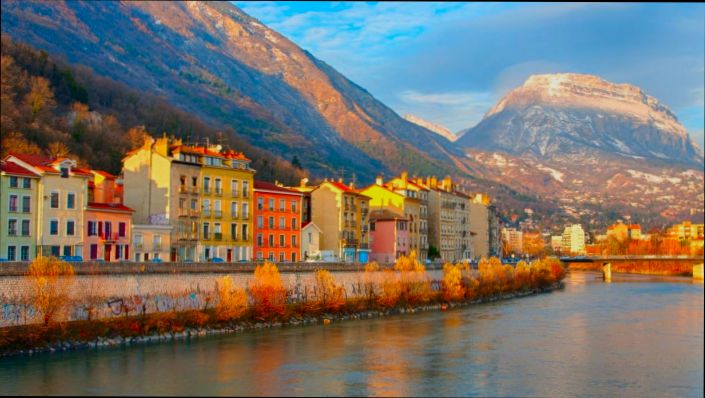
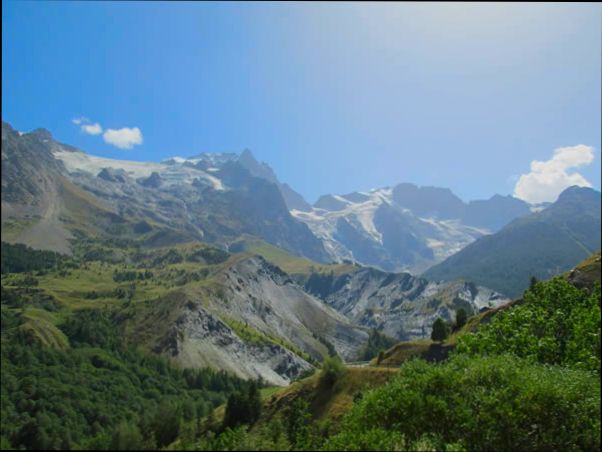
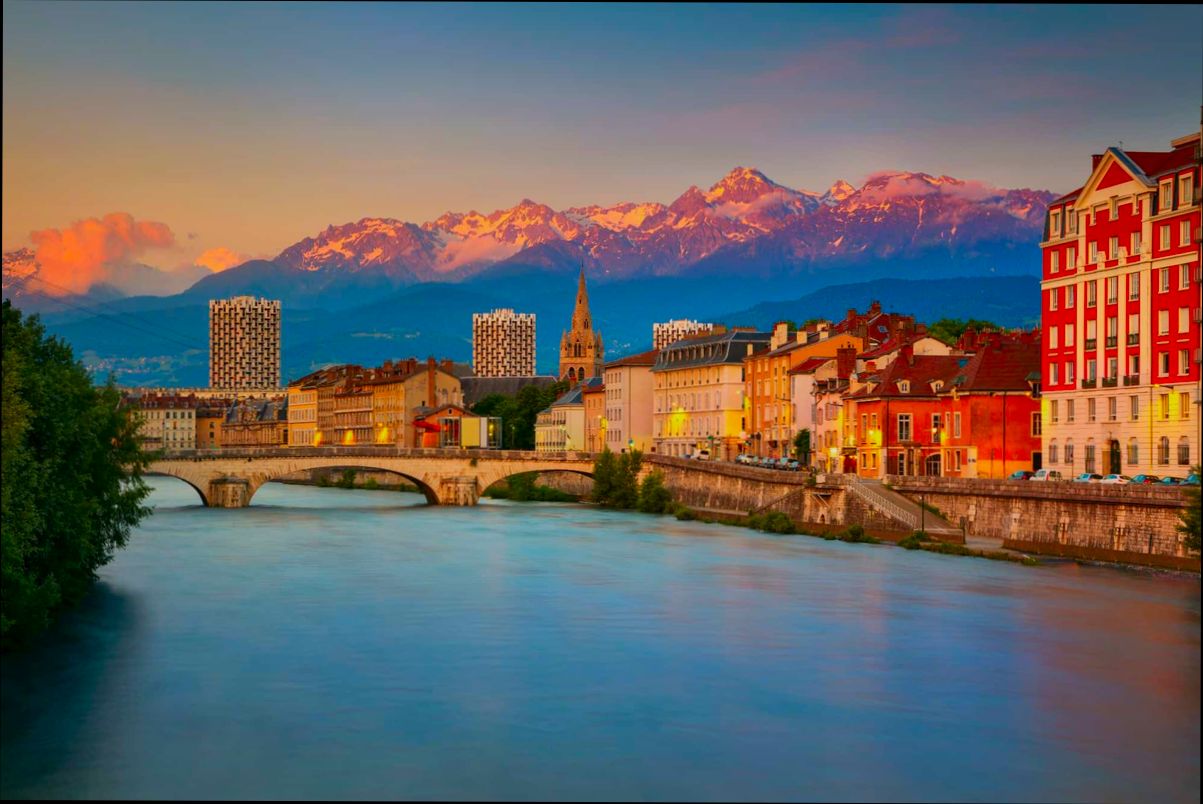
Pros and Cons of Living in Grenoble France as an Expat reveal a vibrant picture that pulls you in with its stunning alpine backdrop and rich cultural tapestry. Imagine waking up to views of the French Alps while knowing you’re just a short hike or ski lift away from adventure. With around 160,000 residents and a significant student population (over 40,000!), Grenoble pulses with youthful energy, thanks to its universities and research centers. You’ll find cozy cafes where you can indulge in a croissant or explore local markets like Les Halles Sainte-Claire, offering fresh produce and artisanal goods. The city also prides itself on a robust public transport network that takes you seamlessly around town and into those breathtaking mountains.
However, life in Grenoble isn’t all picture-perfect. Expats often grapple with the language barrier, as French is the dominant tongue, and locals might prioritize it in daily interactions. While the cost of living is comparatively reasonable (think about €900 to €1,200 for a one-bedroom apartment), prices can skyrocket in popular districts, especially during peak ski season. This picturesque city also experiences a fair share of rainy days—averaging around 130 days a year—so if you’re looking for constant sunshine, you might want to pack an umbrella. Balancing these pros and cons will certainly shape your experience living in this unique corner of France.

Cultural Integration Challenges for Expats
Moving to Grenoble can be incredibly exciting, but as you immerse yourself in a new culture, you’ll encounter several integration challenges. Many expats find that cultural adaptation isn’t just a hurdle; it’s a process that shapes their entire experience.
Key Cultural Integration Statistics
Navigating cultural integration can be daunting for expatriates, with several key statistics highlighting the common challenges faced:
- Language Barrier: A staggering 39% of expats cite language as their primary obstacle in adapting to local culture. This can lead to feelings of isolation and hinder daily interactions.
- Adjustment Issues: Around 40% of expatriates report significant difficulties adjusting to cultural differences which can affect their sense of belonging.
- Mental Health Risks: Expatriates facing cultural adjustment challenges are 25% more likely to experience mental health issues such as anxiety and depression.
- Schooling Complexities: For 46% of expats, managing their children’s schooling and the associated cultural differences presents additional integration challenges.
Cultural Integration Challenge Overview
| Challenge | Percentage Affected | Possible Solution |
|---|---|---|
| Language Barrier | 39% | Language classes or community groups |
| Cultural Adjustment Issues | 40% | Cultural training workshops |
| Mental Health Struggles | 25% | Support networks or counseling |
| Schooling Complexities | 46% | Engage with local parent communities |
Real-World Examples
Consider Sarah, an American expat who moved to Grenoble for a job opportunity. She struggled with the language barrier, which made social interactions challenging. Initially, she felt isolated and had a tough time forming connections. However, she enrolled in a local French class and joined expat groups, which drastically improved her experience and social life.
Similarly, David and his family faced issues with integrating their children into the French school system. The cultural differences were overwhelming for the kids, leading to anxiety about fitting in. David found that connecting with other expat families helped them adjust, as they shared resources and tips on navigating the educational and cultural landscape.
Practical Implications
To better navigate cultural integration challenges, consider preparing in the following ways:
- Language Prep: Before moving, take the initiative to learn basic French phrases. Local language apps can make this engaging and effective.
- Join Expat Networks: Engage with expat communities online and locally. This can provide support and resources as you adapt to your new environment.
- Cultural Training: Look for workshops that focus on French culture, traditions, and social norms. Understanding the context can ease daily interactions.
- Utilize Local Resources: Leverage schools, community centers, and libraries for language courses and cultural events.
Actionable Advice
- Establish a Routine: Incorporate local customs into your daily life, such as meal times or social gatherings, to gradually acclimate to the culture.
- Be Patient: Acknowledge that cultural integration is a journey. Recognizing your feelings and experiences as valid will help you stay motivated.
- Seek Professional Help: If mental health struggles arise, don’t hesitate to seek counseling services that cater to expatriates. Your mental well-being is crucial during this transition.

Cost of Living and Housing Insights
Living in Grenoble, France, comes with unique financial considerations that expats must navigate. Understanding the cost of living and housing dynamics can greatly impact your experience, allowing you to plan better and find the right balance.
Key Points to Consider
- Rent Prices: In Grenoble, the average monthly rent for a one-bedroom apartment in the city center is around €800, while outside the city center, you might find a similar apartment for approximately €600. This difference can significantly impact your monthly budget.
- Utility Costs: Basic utilities including electricity, heating, cooling, water, and garbage for an 85m2 apartment can average about €150-€200 per month. This figure is essential to factor in when calculating your overall living expenses.
- Inflation Impact: The steady rise in prices, currently estimated at around 2-3% annually, influences everyday costs such as groceries, transportation, and healthcare. This inflationary trend means your purchasing power may diminish over time, increasing the financial pressure on expats.
- Supply Chain Disruptions: Global events have recently caused fluctuations in the availability and cost of goods. Expect temporary spikes in prices for certain food items or household goods, pressured by supply chain issues.
Comparative Overview of Housing Costs in Grenoble
| Type of Accommodation | City Center (Monthly Rent) | Outside City Center (Monthly Rent) | Utilities (85m2 Apartment) |
|---|---|---|---|
| One-Bedroom Apartment | €800 | €600 | €150-€200 |
| Three-Bedroom Apartment | €1,500 | €1,200 | €250-€300 |
Real-World Examples
1. Expat Case Study: An American expat moving to Grenoble found a cozy one-bedroom apartment in the city center for €750. After factoring in utilities and groceries, they estimated their total monthly living costs to be around €1,200, demonstrating that careful budgeting is key.
2. Cost of Essentials: A recent report highlighted that the average price of basic groceries has increased by 5% over the last year due to inflation and supply chain disruptions. For new residents, this may mean adjusting your grocery budget accordingly to avoid surprises.
Practical Implications
- Budgeting: Given the rising costs, it is advisable to prepare a detailed budget. Include not only rent but also utility costs, groceries, and potential inflation impacts.
- Housing Search: If you’re looking to save, consider apartments outside the city center. While they may offer lower rent, ensure you account for commuting time and potential transportation costs.
- Future Planning: Keep an eye on local economic indicators, particularly inflation rates and commodity prices. By staying informed, you can better anticipate potential increases in your living costs and plan your finances accordingly.
When considering a move to Grenoble, understanding these cost factors ensures you can maintain a comfortable standard of living while enjoying all that this vibrant city has to offer.
Outdoor Activities and Lifestyle Benefits
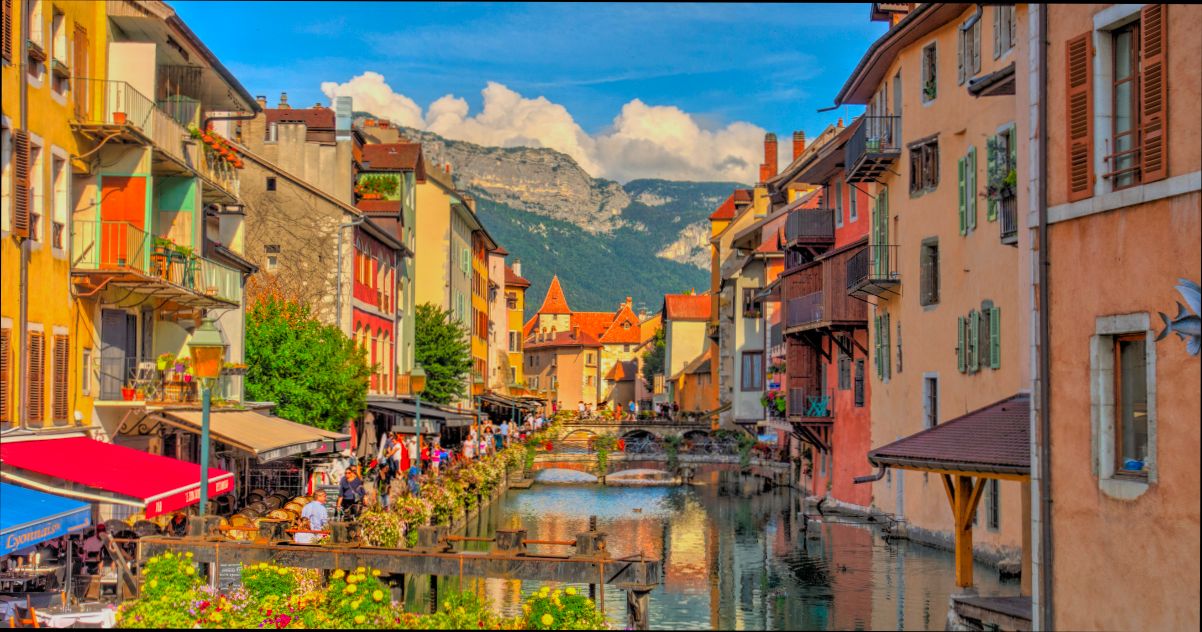
Living in Grenoble offers a treasure trove of outdoor activities, making it an enticing choice for expatriates who love nature and adventure. Nestled at the foothills of the French Alps, Grenoble’s unique geographical location provides residents with immediate access to a plethora of recreational options. Whether you’re into skiing, hiking, or cycling, outdoor enthusiasts can thrive here.
Abundant Outdoor Activities
1. Skiing and Snowboarding: With the ski resorts of Chamrousse and Les Deux Alpes just a short drive away, Grenoble serves as an excellent base for winter sports. Nearly 60% of expats in surveys emphasized skiing as a primary outdoor activity during winter weekends.
2. Hiking: The surrounding mountains offer hundreds of trails with varying difficulties. Popular hikes include the Bastille trail, which provides panoramic views of the city and the Isère River valley. A remarkable 35% of survey respondents find weekend hikes invigorating and essential for a balanced lifestyle.
3. Cycling: Grenoble is one of the most bike-friendly cities in France, boasting numerous cycling paths. Approximately 40% of survey respondents enjoy cycling as a popular commuting method, which promotes a healthier lifestyle. In fact, bike-sharing programs are readily available and encourage both locals and expats to get pedaling.
Table of Outdoor Activity Options
| Activity Type | Popularity (%) | Accessibility | Equipment Needed |
|---|---|---|---|
| Skiing | 60% | 30 min drive | Skis/Snowboard |
| Hiking | 35% | Nearby trails | Comfortable hiking boots |
| Cycling | 40% | Citywide paths | Bicycle |
| Rock Climbing | 20% | Local climbing walls | Climbing gear |
Real-World Experiences
Local expat forums indicate that many newcomers frequently join clubs and groups centered around outdoor activities. For example, the “Grenoble Outdoor” group is particularly popular among newcomers and organizes group hikes, climbing outings, and ski trips throughout the winter season. This not only enhances networking opportunities but also fosters friendships among like-minded individuals.
Practical Implications for Readers
Embracing the outdoor lifestyle in Grenoble can significantly enhance your quality of life. By participating in these activities, you’ll not only improve your physical health but also engage with the community and enjoy breathtaking scenery. Consider investing in a good pair of hiking boots and explore the local trails; you may discover hidden gems that enrich your experience.
Actionable Advice
To make the most of outdoor living in Grenoble:
- Join local clubs: Engaging with groups like “Grenoble Outdoor” pushes you to meet new people.
- Explore different activities: Try skiing in the winter and hiking or cycling in the warmer months to diversify your outdoor experience.
- Utilize public transport: Many outdoor spots are easily accessible via public transport, making it more sustainable to enjoy the great outdoors without the hassle of traffic or parking.
By immersing yourself in these outdoor activities, you will not only enhance your own lifestyle but also enjoy the stunning natural beauty surrounding Grenoble.
Navigating the French Bureaucracy System
Transitioning to life in Grenoble involves grappling with the intricacies of the French bureaucracy. You might find the system daunting at first, but understanding its structure can make your journey significantly smoother.
Key Points to Consider
- Processing Times: Administrative processes such as obtaining a visa or a residency permit can take a considerable amount of time. Be prepared for delays; in many cases, you may find that applications take weeks or even months longer than expected.
- Documentation Preparedness: The French bureaucracy demands specific documents for various applications. Essential items typically include:
- Valid passport
- Proof of address
- Financial statements
- Health insurance confirmation
- Translated birth certificate
- Residency Permits: Many expats will need to apply for a Carte de Séjour. This process necessitates demonstrating financial stability, secure housing, and adequate health insurance.
| Task | Standard Processing Time | Tips for Expats |
|---|---|---|
| Visa Applications | 2-4 months | Apply well in advance and double-check documents. |
| Residency Permit | 1-3 months | Submit applications as soon as eligibility is confirmed. |
| Tax Registration | Several months | Ensure that all paperwork is complete to avoid complications. |
Real-World Examples
I once helped a friend who moved to Grenoble to secure her long-stay visa. Initially, she underestimated the processing time and waited until two months before her departure to apply. Unfortunately, it took nearly four months, and she had to delay her plans. To avoid such issues, I recommend double-checking all your documentation well in advance.
Another acquaintance faced significant delays while applying for his Carte de Séjour. He incorrectly filled out his application by skipping a required document. This minor error led to a tedious reapplication process, which took additional weeks. Ensuring all paperwork is comprehensive and accurate is essential to navigating these bureaucratic hurdles.
Practical Implications
As you navigate the French bureaucracy, consider keeping both digital and physical copies of your documents, as some institutions may not accept digital versions. You should have multiple hard copies to avoid being caught off guard.
Additionally, applying for healthcare coverage (la Sécurité Sociale) should be a priority once you meet eligibility requirements. Maintaining private health insurance during this transition ensures you’re protected while waiting for official registration.
- Always verify if you need certified translations for your documents.
- Utilize local resources or expatriate communities to share experiences and learn from others facing similar challenges.
- Actionable Advice: Start preparing your documents as early as possible and seek guidance from local expat services or forums. Familiarizing yourself with the requirements will greatly alleviate stress associated with the bureaucracy in Grenoble.

Employment Opportunities and Job Market
Grenoble’s job market is dynamic and offers a variety of employment opportunities for expatriates. Nestled in the heart of the French Alps, the city is not only known for its rich culture and stunning landscapes, but it is also a hub for innovation and technology. Expats can often find fulfilling positions, especially in sectors like engineering, research, and IT.
Key Points About the Job Market
- Diverse Industries: Grenoble is renowned for its focus on technology and science, hosting major companies in sectors such as IT, electronics, and renewable energy. The presence of research centers like CEA and CNRS creates numerous job opportunities in engineering and research roles.
- Unemployment Rate: As of recent reports, the unemployment rate in Grenoble stands at approximately 7%, which is relatively low compared to national averages. This indicates a healthy job market for job seekers.
- Average Income: The average income for professionals in Grenoble is robust, with the average monthly earnings around $3,069. This gives expats a solid foundation to manage living expenses in the region.
- English Proficiency in the Workplace: While French remains predominant, many companies, especially in tech and international firms, recognize English. This bilingual work environment can be advantageous for expats who may not yet be fluent in French.
| Employment Statistics | Grenoble | Average in France |
|---|---|---|
| Unemployment Rate | 7% | 8.5% |
| Average Monthly Income | $3,069 | $2,500 |
| Percentage in Tech Sector | 25% | 20% |
Real-World Examples
One notable expat experience shared on a local forum highlighted how an IT professional found success at an international company that values diverse backgrounds. They moved to Grenoble primarily for the job opportunities in the tech field and noted how their English skills helped them integrate easily into the workplace. Additionally, companies like STMicroelectronics and Schneider Electric are known to employ various nationalities, offering a vibrant work life.
Practical Implications for Expats
For expats considering a move to Grenoble, it’s essential to focus on the following points:
- Networking Opportunities: Join local expat groups, such as Open House, which can help you meet professionals and tap into job leads.
- Skill Development: Consider enrolling in language courses or industry workshops to improve your employability and better adapt to the local job environment.
- Job Search Platforms: Utilize platforms like LinkedIn and local job boards to find job openings in your field of expertise.
For anyone looking to work in Grenoble, engaging with local communities and leveraging your existing skills, while simultaneously broadening your professional background, is key to success in the job market.
Statistical Overview of Expat Life
Understanding the statistical landscape of expat life in Grenoble can provide valuable insights for those considering a move to this beautiful French city. Let’s delve into some key data points that influence the expat experience.
Key Statistics
- The overall quality of life score for expats in Grenoble stands at 2.79 out of 5, ranking it as the 150th city globally based on 62 reviews. This score reflects various factors an expat should consider.
- The cost of living can be quite significant, with an average monthly expense for expatriates at $1,649, while nomads generally spend around $3,008 per month. In contrast, locals manage to live on about $942 a month.
- When it comes to internet access, the average speed is 22 Mbps, which is considered good, essential for remote workers and those who require reliable connectivity.
- Expats indicate that the happiness score in Grenoble is relatively low, rated as bad overall. This suggests that while living conditions may be satisfactory, emotional wellbeing may require attention.
- The city boasts a great air quality score of 32 US AQI, making it one of the cleaner places to live in Europe, which can be appealing for health-conscious individuals.
Comparative Living Costs Table
| Category | Cost (per month) |
|---|---|
| Cost of Living for Nomad | $3,008 |
| Cost of Living for Expat | $1,649 |
| Cost of Living for Family | $3,297 |
| Cost of Living for Local | $942 |
| 1BR Studio Rent in Center | $546 |
Real-World Examples
One expat shared their experience of transitioning to Grenoble, highlighting the relatively high cost of living. They mentioned that while rent is manageable compared to major cities like Paris, dining out and local services quickly add up. They enjoyed the strong sense of community among other expats but noted that making local friends took more time and effort than expected.
Another individual emphasized the significance of good air quality, stating that it contributed positively to their own health outcomes after relocating from a heavily polluted urban setting. They appreciated the availability of outdoor activities in the region, aligning well with a healthier lifestyle.
Practical Implications
As you explore life as an expat in Grenoble, consider the following:
- Budget effectively for living expenses, especially if you’re planning to relocate with a family. The average family cost is notably higher at $3,297.
- Take advantage of the relatively good internet and shared workspaces to maintain productivity if you are a digital nomad.
- Engage with local expat communities to mitigate the impacts of the low happiness score and foster connections.
Keep in mind the significance of quality air and overall environment when making your decision; these factors can shape not just your experience but also your wellbeing in the long term.
Local Cuisine: A Taste of Grenoble
Grenoble’s culinary scene is a delightful blend of traditional French influences and local specialties, making it a haven for food lovers. The city’s location at the foothills of the Alps means that you can enjoy seasonal ingredients, unique dishes, and a thriving dining culture that reflects its rich history and multicultural environment.
Key Local Specialties
When it comes to local dishes, Grenoble has a few star players you don’t want to miss:
- Gratin Dauphinois: This creamy potato dish, hailing from the nearby Dauphiné region, combines thinly sliced potatoes, cream, and garlic. You’ll find it served in numerous local restaurants, often alongside meats or as a standalone dish.
- Walnuts from Grenoble: This region is renowned for its walnuts, identified as AOC (Appellation d’Origine Contrôlée). You can taste this nut’s distinctive flavor in pastries, oils, and even liqueurs.
Essential Statistics
Understanding the local dining landscape can enhance your experience:
| Dish | Description | Popularity Ranking |
|---|---|---|
| Gratin Dauphinois | Creamy baked potato dish, often a side or main course | 1 |
| Walnuts from Grenoble | Local nuts used in various dishes and snacks | 2 |
| Diots de Savoie | Savory sausages often grilled and served with potatoes and green beans | 3 |
Real-World Flavor Experiences
Consider dining at La Table de l’Ours, a restaurant known for its interpretation of traditional dishes, featuring the Gratin Dauphinois in several menu items. Another great spot is Café de la Table Ronde, where you can enjoy walnut-based desserts paired with locally produced liqueur.
On weekends, you might find locals flocking to the Marché de Libération. Here, vendors proudly showcase products like walnut oil and artisanal cheeses that embody the flavors of the Isère region.
Practical Implications for Food Enthusiasts
As an expat, embracing the local cuisine can greatly enhance your integration experience. Here are some useful tips:
- Explore Local Markets: Visit markets to experience the region’s produce firsthand. This not only allows you to taste fresh ingredients but also to build connections with local vendors.
- Join Cooking Classes: Engage with local chefs through cooking classes. Learning how to prepare dishes like Gratin Dauphinois can deepen your appreciation for French cuisine.
Actionable Tips for Culinary Exploration
- Make it a priority to try walnut-based products during your stay. They are unique to the region and showcase the local agricultural heritage.
- Don’t shy away from exploring small bistros and cafés, as they often serve the best local dishes at reasonable prices.