
When is the best time to buy a house? It’s a question that swirls around in the minds of prospective homeowners like bees around a flower. Picture this: springtime. That’s when most listings hit the market, and you’ll find plenty of options. According to a recent study, nearly 40% of homes are sold between April and June. With more choices available, you can get creative and find a place that truly feels like home. Now, imagine that sweet summertime, when picnic vibes fill the air. Mortgage rates typically dip during these months, which could save you thousands over the life of your loan. Just last summer, rates fell to a low of 2.75%, making it an enticing time for buyers.
But let’s not overlook the unique scenarios that fall into the winter months. The holiday season often means fewer buyers are on the prowl, which could work in your favor if you’re willing to brave the cold. Real estate experts suggest that homes sold in December saw an average discount of 15% compared to those sold in the spring. That could be your golden ticket for snagging a deal. Whether you’re dreaming of a sunny spring or a cozy winter purchase, each season offers different perks and pitfalls, making it crucial to weigh your options carefully.

Analyzing Seasonal Trends in Home Buying
Understanding the seasonal trends in home buying can provide valuable insights for making savvy purchase decisions. Each season offers unique dynamics that impact home listings, buyer activities, and price adjustments.
Key Points on Seasonal Trends
- Spring Surge: Inventory typically sees a spike in spring. In fact, sales often increase by 34 percent between February and March, with prices rising by 3 percent during the same timeframe. This period attracts many eager buyers looking to settle before summer.
- Summer Stability: During the summer months, the market maintains activity, yet August often marks a slowdown as families focus on back-to-school preparations. Interestingly, the total transactions during the peak season from May to August typically account for 40 percent of the annual sales volume.
- Autumn Adjustments: As we transition into autumn, buyer caution increases, leading to fewer listings. Despite this slowdown, the fall season still captures significant activity with 68 percent of transactions representing homes sold during peak periods.
- Winter Lull: Winter months usually reflect the lowest property availability. This season could present opportunities for motivated buyers, as sellers may be more willing to negotiate during this quieter period.
Comparative Table of Seasonal Trends in Home Buying
| Season | Typical Activity Level | Price Changes | Percentage of Annual Sales Volume |
|---|---|---|---|
| Spring | High | +3% | 40% |
| Summer | Moderate to High | Stable | 40% |
| Autumn | Moderate to Low | Flat or Decrease | 68% of peak season’s sales |
| Winter | Low | Decrease | 20% |
Real-World Examples
During the four-month peak season from May to August, a total sales volume peaked at 2.2 million homes sold. In contrast, the numbers dipped to 1.5 million homes sold in the slower winter months from November to February. For instance, in 2017, sales were substantially more robust during the spring and summer, indicating the potency of seasonal trends.
In the Midwest, interestingly, winter sales account for 60 percent of the sales volume in the subsequent peak season compared to 71 percent in other regions. This discrepancy illustrates that knowing regional differences can vastly affect buying timing and strategy.
Practical Implications for Buyers
Understanding these seasonal trends allows you to strategize your home-buying approach. For example, if you’re seeking value, considering a winter purchase can be beneficial due to potential price reductions and motivated sellers.
- Maximize Opportunities: Plan to purchase in late winter or early spring for the best inventory of homes and favorable prices.
- Negotiate Wisely: If buying in the slower seasons, prepare for more negotiating power due to reduced competition.
By being aware of how market dynamics shift with the season, you can time your home purchase more strategically and potentially save money while finding your dream home. Adjusting your expectations according to these seasonal insights can significantly impact your overall buying experience.

The Impact of Interest Rates on Purchases
Understanding how interest rates influence purchasing decisions is crucial when navigating the housing market. Interest rates affect not just mortgage costs, but also consumer behavior and overall economic climate, which can significantly impact your home-buying journey.
Key Points on the Impact of Interest Rates
- Increased Cost of Borrowing: Higher interest rates lead to increased payments on credit cards and loans, making borrowing less appealing. This situation results in diminished disposable income for many, causing a ripple effect in consumer spending.
- Mortgage Payment Effects: For instance, a mere 0.5% rise in interest rates can elevate the monthly cost of a £100,000 mortgage by approximately £60. This jump can strain your budget and reduce your capacity to allocate funds for other expenses.
- Saving vs. Spending: Elevated interest rates create a more attractive environment for savings accounts. People may be inclined to save rather than spend, potentially leading to a slowdown in economic activity and affecting housing purchase decisions.
| Interest Rate Change | Monthly Cost Increase for £100,000 Mortgage | Impact on Borrowing Behavior |
|---|---|---|
| 0.5% | £60 | Decreased |
| 1% | £120 | Significantly Decreased |
| 1.5% | £180 | Drastically Decreased |
Real-World Examples
Consider the scenario of first-time homebuyers. With higher interest rates, those in their 20s and 30s may face disproportionate challenges, particularly if they hold sizable mortgages. This demographic could find themselves struggling more than older, established homeowners, potentially leading to delayed purchases.
Another example is governmental spending. Increased interest rates can inflate the cost of national debt payments, which might lead to future tax increases. This unpredictability can discourage consumer confidence, causing individuals to hold off on large purchases, including homes.
Practical Implications for Readers
Be mindful that the impacts of interest rates can be felt across various levels of the economy. As consumer spending wanes, housing demand might also decline, leading to potential shifts in property values. If you’re considering a purchase, the financial landscape is essential to explore.
- If rates are rising, assess your financial readiness and consider locking in lower rates as soon as possible to offset the potential increase in mortgage costs.
- Expect that higher rates can slow down the economy and impact job security, influencing your long-term financial plans surrounding homeownership.
In navigating your decision to buy a house, stay aware of the broader economic implications of rising interest rates. This awareness can aid you in making a more informed and confident purchasing choice.

Utilizing Market Data for Informed Decisions
When it comes to purchasing a house, leveraging market data effectively can help you make smarter, more informed decisions. By understanding various market indicators, you can gain insights into when to buy and ensure that you’re making a sound investment.
Key Market Indicators to Monitor
1. Median Home Prices: Rising median home prices suggest that demand is outpacing supply, which could indicate it’s a seller’s market. For instance, if the median price increases by 5% month-over-month, it’s a sign to act quickly before prices climb even higher.
2. Average Days on Market: This statistic reveals how quickly homes are selling. If homes are selling within weeks instead of months, it signals a competitive market. A decrease in days on market can indicate buyer urgency, suggesting a good time for you to buy before prices escalate further.
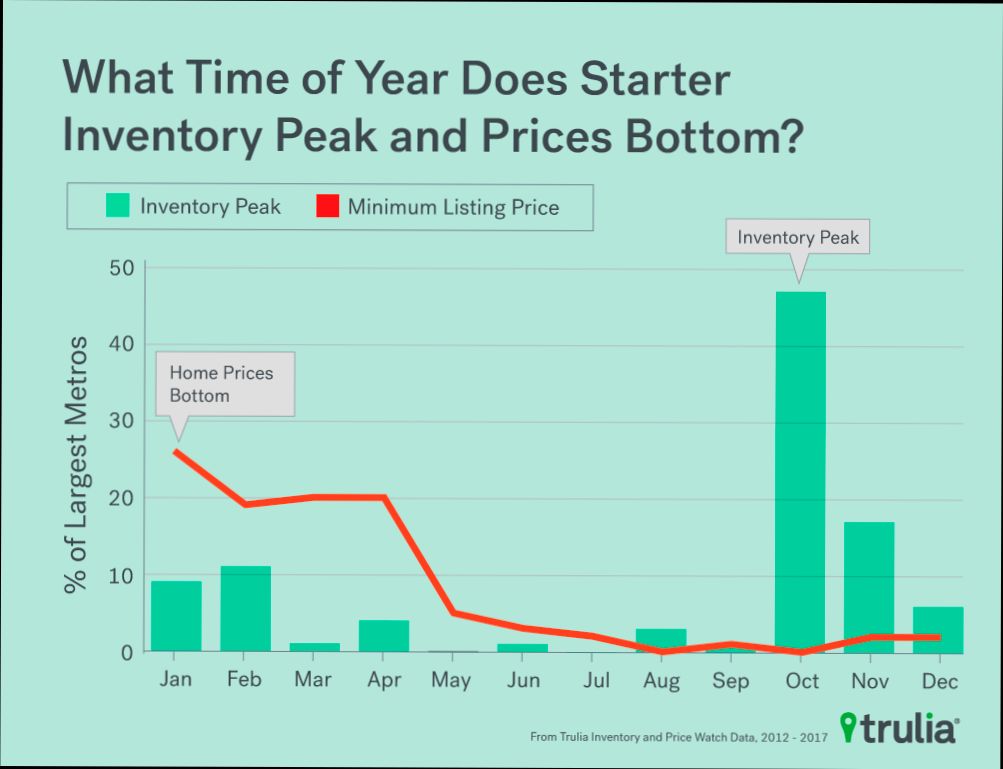
3. Inventory Levels: Low inventory levels typically push prices up, making it essential for buyers to act swiftly. Conversely, high inventory often leads to price reductions. For example, if you notice an increase in the inventory level from 2% to 5% over a quarter, it may be a signal to negotiate better terms.
4. Sales Volume: Tracking sales volume can provide insights into market health. An increase in transactions usually points to a strengthening market. If you observe that sales volume rises significantly during a specific period, it may be ideal for you to take advantage of the uptick in activity.
Comparative Inventory Levels and Price Trends
| Month | Median Price | Average Days on Market | Inventory Level | Sales Volume |
|---|---|---|---|---|
| January | $300,000 | 45 | Low (2%) | 50 |
| February | $310,000 | 35 | Moderate (4%) | 70 |
| March | $320,000 | 30 | High (7%) | 90 |
| April | $330,000 | 25 | Low (3%) | 100 |
| May | $340,000 | 20 | Moderate (5%) | 80 |
This table illustrates how various metrics can influence your buying decision. Notice how a drop in days on the market coincides with rising prices? This is an insightful pattern to leverage.
Real-World Examples
For illustration, consider a small market where median home prices jumped from $280,000 to $300,000 over a few months. Buyers who relied on the data and recognized the upward trend acted swiftly, locking in their purchase before the market became too competitive. On the flip side, a buyer waiting for prices to stabilize missed out as the area became increasingly desirable, with homes selling 30% faster than previous listings.
Practical Implications for Buyers
- Set Alerts: Utilize platforms such as MarketAnalyzer and DataMapper to keep tabs on median prices and days on market in your desired neighborhoods. Timely alerts can help you make quick decisions.
- Analyze History: Review historical pricing data to understand seasonal trends. For example, if you find a consistent dip in prices every November, it may influence your timing.
- Use Comparative Analysis: Regularly compare current market conditions against historical norms to gauge the viability of listings. This knowledge can empower you to negotiate effectively.
By focusing on these indicators, you can harness market data to ensure that your decision to buy is well-informed and strategically sound. Always remain vigilant to changes and trends; they can significantly impact your purchasing power and investment opportunity.

Case Studies of Successful Home Buyers
When it comes to navigating the housing market, real examples of successful home buyers can inspire and guide you in making savvy decisions. Drawing from the latest research, let’s explore how different groups achieved their home-buying goals and what you can learn from their experiences.
Key Points and Data
- Singles make up about 29% of the housing market, showing that individual buyers are increasingly successful in purchasing homes.
- Among buyers over 60, 58% opt for senior-related housing, highlighting a shift towards tailored living solutions.
- A whopping 86% of buyers enlisted the help of real estate agents, with 88% expressing a willingness to use their agent again—this indicates the effectiveness of professional guidance.
- Recent data indicates that 59% of home buyers reported high satisfaction levels with their purchases, showcasing the importance of aligning personal needs with housing outcomes.
Comparative Table of Home Buyer Characteristics
| Buyer Group | Market Share | Satisfaction Level | Use of Agent (%) | Financing with Savings (%) |
|---|---|---|---|---|
| Singles | 29% | 59% | 86% | 49% |
| Buyers Over 60 | 19% | Not specified | 88% | Not specified |
| Couples - General | Varies | 59% | 86% | 49% |
| Cash Buyers | 26% | Not specified | 88% | Not specified |
Real-World Examples
1. Single Buyer Success: A young single buyer, leveraging her savings, managed to purchase a condo in a competitive market. Her decision to work with an experienced real estate agent not only helped her find a suitable property quickly but also guided her through an effective negotiation process that landed her a home below the listing price.
2. Senior Buyers Thriving: A couple in their 60s transitioned to a senior-focused community, fulfilling a significant lifestyle change. Their successful purchase was facilitated by an agent specializing in senior housing, ensuring they understood the various retirement benefits and amenities available to them.
3. Cash Buying Benefits: Another couple opted to pay cash for their new home to avoid financing altogether. This strategy not only streamlined their purchase process but also provided a significant advantage in negotiations, allowing them to close on their dream home without the complications of mortgage approvals.
Practical Implications for Readers
- If you identify as a single buyer or from a senior demographic, consider the resources available tailored specifically to your needs.
- Prioritize finding a real estate agent who understands your target market and can guide you through the unique aspects of purchasing in your category.
- Utilize your savings judiciously; knowing when it’s advantageous to pay cash can streamline your home-buying experience.
Actionable Advice
- Before you start your home search, determine which buyer category you fit into and tailor your strategy accordingly.
- Leverage your network to find a reputable real estate agent who can provide localized knowledge and negotiation expertise.
- Always conduct a market analysis to identify the right timing for your purchase, taking into account trends that could influence future home values.

Advantages of Buying in Off-Peak Seasons
When you’re looking to buy a house, timing can make a significant difference. Off-peak seasons, generally from late fall to winter, offer unique advantages that can benefit savvy buyers like you. Let’s explore how purchasing during these quieter months can enhance your home-buying experience.
Key Advantages of Off-Peak Buying
1. Better Pricing Opportunities
Research shows that home prices are often more favorable during off-peak seasons. With lower demand, you can find homes listed at prices below market value. In fact, buyers can potentially see discounts of up to 10% compared to peak season prices.
2. More Negotiating Power
Sellers in the off-peak market tend to be more flexible and willing to negotiate, especially if they’re motivated to sell quickly. This environment allows you to make offers that may be lower than the listing price, increasing your chances of landing a deal that fits your budget.
3. Greater Availability of Homes
Fewer buyers in the market means you can explore a broader range of homes without the pressure of fierce competition. You may come across properties that would normally attract multiple bids during busier months.
4. Dedicated Attention from Agents
Real estate agents often have more time to focus on you and your needs during off-peak seasons. This personalized service can help you navigate the home-buying process more effectively and find the right property without feeling rushed.
5. Smoother Transactions
With fewer transactions occurring, the process of securing financing and closing on a home tends to be more streamlined. You may experience fewer delays, leading to a quicker and less stressful experience.
| Advantage | Benefit Description | Potential Savings |
|---|---|---|
| Better Pricing Opportunities | Homes listed below market value | Up to 10% off peak prices |
| Negotiating Power | More flexible sellers can lead to better deals | Negotiable offers |
| Broader Home Availability | Wider selection without heavy competition | Increased choice |
| Personalized Agent Attention | Agents can devote time tailored to your needs | Better guidance |
| Smoother Transactions | Less delay can streamline the buying process | Quicker closings |
Real-World Examples
Consider the case of a couple, John and Sarah, who decided to purchase their first home in December. They noticed that homes were sitting longer on the market, allowing them to negotiate their dream home down by 8% from the asking price—saving them thousands. Additionally, their agent was able to provide focused support, guiding them through the paperwork without the rush often experienced in busier months.
Another example involves a family who made a purchase in late November. They found that while many listings were reduced, they had the opportunity to choose from a variety of homes that fit their lifestyle, ultimately securing a property that had been overlooked by other buyers in the summer frenzy.
Practical Implications for Buyers
If you’re considering buying a home, the off-peak season presents a golden opportunity. Use this time to your advantage:
- Research local markets to identify seasonal trends specific to your desired area.
- Be patient and observant; higher inventory may lead to better deals without the anxiety of competing buyers.
- Work closely with your agent, ensuring you’re getting the most out of the personalized support available during these months.
During off-peak seasons, you’ll likely discover unique benefits that make the buying experience more accessible and financially advantageous. Take the plunge in these quieter months, and you may benefit in ways you hadn’t considered before.

Evaluating Local Market Conditions for Timing
When you’re considering buying a house, understanding local market conditions is essential for determining the best timing for your purchase. By evaluating specific factors such as median home prices, inventory levels, and average days on the market, you can make informed decisions tailored to your local area.
Key Market Indicators to Monitor
To effectively gauge local market conditions, here are several critical indicators to keep an eye on:
- Median Home Prices: Pay attention to this figure, as it reflects overall market health. A price increase often suggests strong demand, while a decrease signals weaker conditions. For instance, the National Association of REALTORS® reported that a consistent rise in median prices over three consecutive months could indicate an ideal time to buy.
- Inventory Levels: The availability of homes can significantly affect your purchasing power. A report revealed that in areas with less than 3 months of inventory, buyers might face intense competition. Conversely, a market with 6 months or more typically indicates better negotiating leverage for buyers.
- Average Days on Market: This metric indicates how quickly homes are selling. A decrease in average days, such as a drop from 45 days to 30 days over the course of a quarter, suggests an accelerated market, often signaling a good time to buy before prices climb further.
Comparative Table of Key Indicators
| Indicator | Current Value | Trend | Implication |
|---|---|---|---|
| Median Home Price | $350,000 | +5% (last 3 mo) | Strong demand may lead to higher prices |
| Inventory Levels | 2 months | Low | Highly competitive market |
| Average Days on Market | 30 days | Decreasing | Homes are selling quickly; buy now |
| Sales Volume | 200 units | +10% | Increasing transactions indicate demand |
Real-World Examples
Consider a case in a midwestern city where the home inventory dropped to less than 2 months during summer. As a result, many buyers rushed in, often overbidding by 8-10% on properties. Local buyers who waited for a seasonal slowdown found themselves in better negotiating positions. In contrast, a coastal city with a more stabilized 5-month inventory saw gradual pricing corrections, benefiting strategic buyers who monitored trends consistently.
Practical Implications for Buyers
As you evaluate local market conditions, here are some actionable insights:
- Monitor the Data Regularly: Staying updated on market trends every month can help you spot changes that might signal a favorable or unfavorable time to buy.
- Consult Local Experts: Engage with local REALTORS® who understand the micro-local trends. They can provide contextual insights beyond the data.
- Be Ready to Act: If you see indicators of a competing market (like fewer days on the market), be prepared to make quick decisions.
Actionable Advice
To leverage market conditions for your benefit, consider creating a property watch list with alerts set for homes hitting the market. Combine this with a financial strategy to act decisively when conditions seem favorable, ensuring you don’t miss out on opportunities due to a competitive landscape. Additionally, aim to purchase when inventory is high, allowing for better price negotiations.
Long-Term Financial Benefits of Early Home Ownership
When considering the financial implications of home ownership, particularly if you’re in your 20s or 30s, the long-term benefits are compelling. Early home ownership not only facilitates wealth accumulation but also enhances financial security over decades. Let’s explore these benefits in detail.
Build Wealth Through Home Equity
One of the most significant advantages of buying a home early is the ability to build equity. As you pay down your mortgage, the portion of your home that you own increases, which can significantly boost your net worth over time.
- According to PrimeStreet, starting to build equity in your 20s allows you to potentially accumulate wealth faster. The longer you own a home, the more equity you typically gain, especially as home values appreciate.
Protect Against Housing Inflation
Owning a home with a fixed-rate mortgage can protect you against the impacts of inflation. While renting often leads to fluctuating costs, a mortgage payment remains stable.
- A fixed-rate mortgage locks in your monthly payment, which can be particularly advantageous as your income rises and rent prices increase. By purchasing early, you can harness this stability for financial planning.
Tax Benefits
Home ownership comes with several financial incentives, particularly tax deductions that are often not available to renters.
- Mortgage interest deductions can reduce your taxable income significantly. In the early years of the mortgage, when interest payments are higher, you might benefit from substantial tax savings.
Diversification of Investment Portfolio
Investing in real estate can diversify your financial portfolio, which is an important strategy for risk management.
- A home can act as a hedge against stock market volatility. By purchasing a property early on, you can include real estate in your asset mix, potentially providing steady returns and reduced risk over the long term.
| Financial Benefit | Description | Long-Term Impact |
|---|---|---|
| Equity Building | Increase ownership equity as you pay down your mortgage | Higher net worth over time |
| Protection Against Inflation | Fixed mortgage payments provide stability | Easier financial planning |
| Tax Benefits | Deductions on mortgage interest | Reduced taxable income |
| Portfolio Diversification | Inclusion of real estate in your investment strategy | Enhanced financial stability and risk mitigation |
Real-World Examples
Consider Jenna, who bought her first home at age 28. By the time she reached 40, she had accumulated over $120,000 in equity due to both her mortgage repayments and the appreciation of her home’s market value. This not only provided her with a strong net worth but also enabled her to invest in additional properties.
Another example is James, who, at age 30, leveraged his home equity to secure funds for further investments. By diversifying his portfolio with real estate, which had outperformed many markets, he significantly increased his financial security.
Practical Implications for You
- Start Building Equity Early: The sooner you buy, the quicker you can start to increase your net worth through home equity.
- Consider Fixed-Rate Mortgages: Locking in a rate protects you from rent increases, making long-term budgeting easier.
- Explore Tax Advantages: Work with a tax professional to maximize your deductions, enhancing your financial strategy.
- Think Long-Term: View your home not just as a place to live but as a strategic investment that can grow your wealth over time.
Actionable Advice
If you’re considering early home ownership, begin by assessing your finances and understanding local housing markets. Take advantage of first-time buyer programs, as they can offer lower down payments or reduced mortgage rates. Whether it’s today or in the near future, your goal should be to capitalize on these long-term financial benefits for enduring stability.