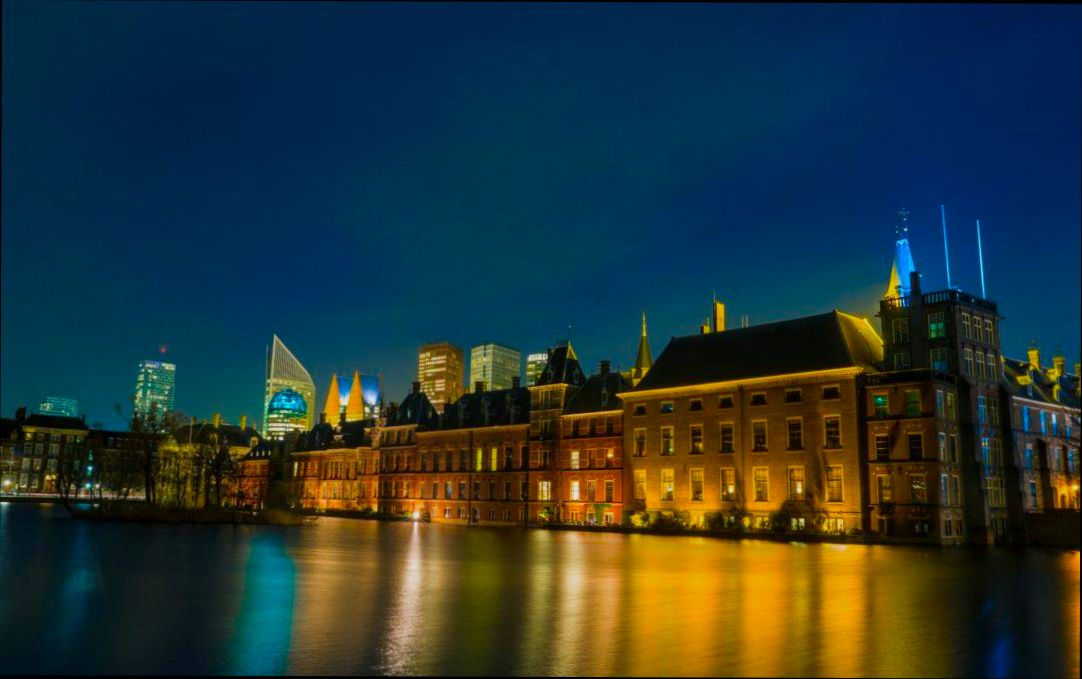
Pros and Cons of Living in The Hague (Den Haag) is an intriguing topic for anyone thinking about relocating to this vibrant city. Picture this: you’re just a bike ride away from the stunning Scheveningen Beach, and with green parks sprinkled throughout, you can easily unwind after a long day. It’s a unique blend of modern living and rich history, where you can stroll through the beautiful streets lined with 17th-century buildings. The Hague is also home to the International Court of Justice, which makes it a hub for diplomats and international organizations. On the flip side, the cost of living can take a bite out of your budget—rent can easily start at €1,200 for a one-bedroom apartment in the city center, and that’s not even factoring in utilities.
Now, let’s chat about the vibe of the city. The public transportation system is efficient, with trams and buses often operating like clockwork, whisking you off to almost anywhere you want to go. Plus, with a bustling international community, you can easily connect with folks from all walks of life. But let’s be real; the weather can throw you a curveball. The Hague is notorious for its gray skies and unpredictable rain, and that can definitely affect your mood if you’re not prepared for it. Navigating the job market is another challenge, especially for non-Dutch speakers; while English is widely used, some employers still prefer fluency in Dutch. Balancing these pros and cons can help you figure out if The Hague is truly your next home sweet home.
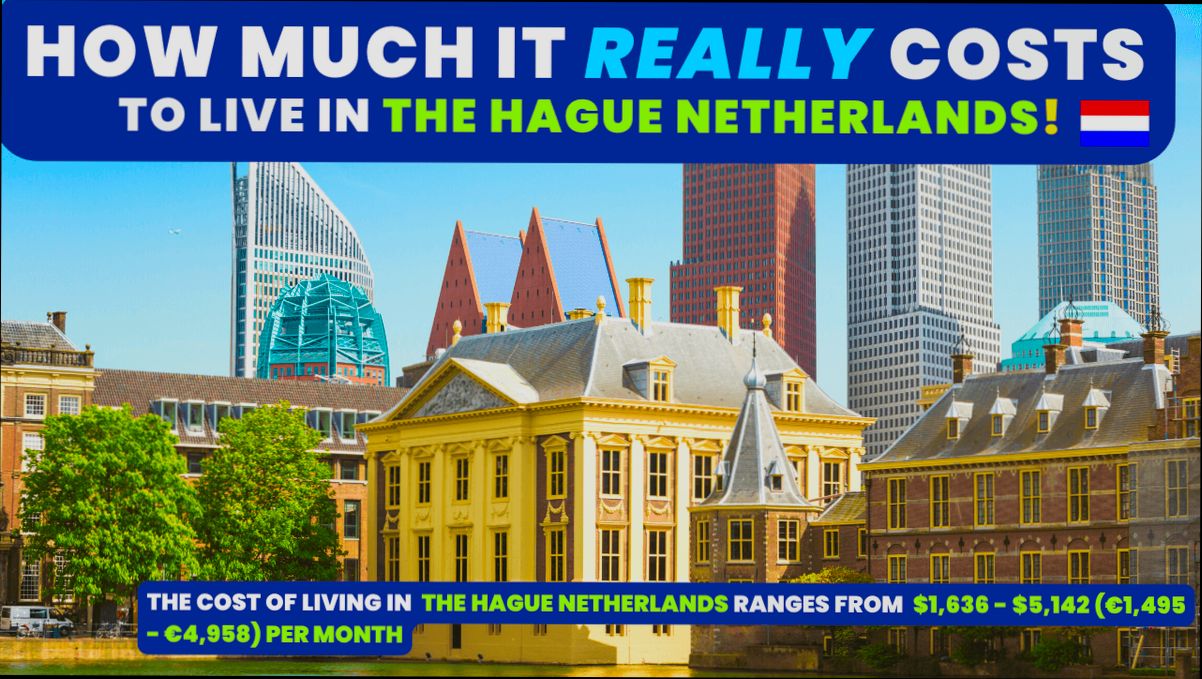
Cost of Living and Housing Trends
When considering a move to The Hague, understanding the cost of living and housing trends can help you make an informed decision. This section dives into specifics about pricing, rental markets, and the broader implications on your budget.
The cost of living in The Hague has been influenced by various factors, including rising housing prices and overall economic conditions. Here are some key points to consider:
- Housing Affordability: In The Hague, housing costs have seen notable increases over recent years, making affordability a pressing issue. The average renter in the city can expect to allocate around 40% of their income towards housing, which is significantly over the recommended threshold of 30%.
- Rental Market Trends: As of 2024, the rental market in The Hague reported a rise in gross rents. The average monthly rent for a one-bedroom apartment is approximately €1,200, while larger units tend to command higher prices.
- Homeownership Rates: About 65% of The Hague’s population own their homes, while 35% rent. This is a trend observed across various urban areas in the Netherlands, where ownership rates remain relatively stable compared to renting.
| Housing Type | Average Monthly Cost | Percentage of Income Allocated |
|---|---|---|
| 1-Bedroom Apartment (Rent) | €1,200 | 40% |
| 2-Bedroom Apartment (Rent) | €1,800 | 45% |
| Homeownership Cost | €2,500 (Mortgage) | 31-35% |
Real-world examples highlight the challenges of living in The Hague. For instance, a recent survey found that 27% of households in rented accommodations reported being cost-burdened, indicating a significant strain on their finances due to housing costs. In some neighborhoods, competitive bidding for rental units has driven prices upward, making it difficult for newcomers to secure affordable housing.
Practical implications of these trends reveal that if you’re considering relocating, it’s essential to budget carefully. Account for not just rent or mortgage payments but also utilities, which are estimated to add an extra €200 to €300 monthly.
- Actionable Advice: As you navigate the housing market, explore various neighborhoods in The Hague, each offering different price points. Consider looking for housing in areas a bit farther from the city center, where rental prices may be slightly lower.
In summary, as you plan your move to The Hague, remain vigilant about the evolving housing landscape and keep your budget flexible to adapt to these trends.
Cultural Diversity and International Influence
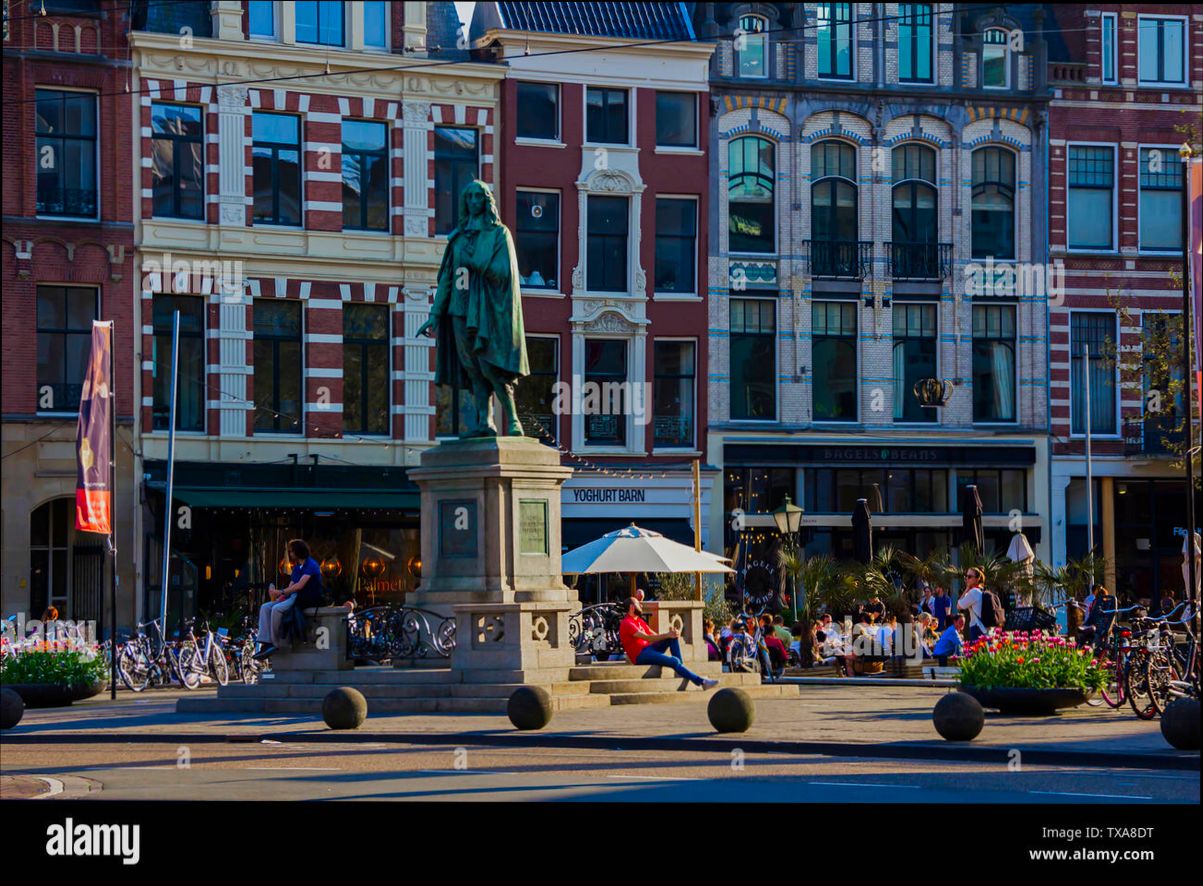
Living in The Hague offers an intriguing blend of cultural diversity and international influence. This vibrant city is not just a melting pot of traditions and customs; it’s also a hub for international diplomacy and community development. As a resident, you can immerse yourself in various cultures and enjoy their benefits firsthand.
Key Points on Cultural Diversity
- Population Diversity: Approximately 50% of The Hague’s residents originate from other countries, creating a rich tapestry of cultures. This diversity enhances social interactions and networking opportunities, giving you a chance to learn and grow from different perspectives.
- Cultural Festivals: The Hague hosts numerous vibrant cultural festivals, including the International Film Festival and the Dance Festival. In 2022, the city welcomed over 200,000 visitors to these events, exemplifying its commitment to celebrating multiculturalism.
- International Organizations: The presence of international institutions, such as the International Court of Justice and various UN offices, influences local culture significantly. Over 40% of the workforce in The Hague is engaged in international organizations, driving a diverse professional atmosphere.
| Aspect | The Hague | Other Dutch Cities |
|---|---|---|
| % of foreign-born residents | 50% | 22% (Amsterdam) |
| Cultural festivals | 10+ annually | 5-7 (Amsterdam) |
| International institutions | 100+ | 20-30 (Rotterdam) |
Real-World Examples
Take the annual Global Village Festival, which brings together over 60 nationalities presenting their food, music, and arts. This event showcases the vibrancy of The Hague’s international community and fosters connections among people from diverse backgrounds.
Another notable example is the involvement of expatriates in the local community, who contribute to various cultural initiatives, such as art exhibitions and culinary events. In 2023, 75% of expats reported feeling welcomed and integrated into local activities, reinforcing the city’s reputation for inclusivity.
Practical Implications for Residents
As you settle into life in The Hague, engaging with this diverse community can enhance both your personal and professional life. Consider these actionable insights:
- Attend networking events: Look for meetups or cultural celebrations that reflect your interests. This is a fantastic way to build connections.
- Explore local cuisines: The myriad of restaurants and cafes serving international dishes can broaden your culinary experience, allowing for flavors from around the globe to influence your palate.
Specific Facts and Advice
- Join cultural clubs: Many communities offer clubs based on nationality or cultural interests, providing a platform to share experiences and build friendships.
- Learn a new language: Participating in language exchange groups can deepen your understanding of other cultures while enhancing your communication skills in an international environment.
By exploring these aspects of cultural diversity and international influence in The Hague, you can truly embrace the city’s unique character!
Quality of Education and School Options
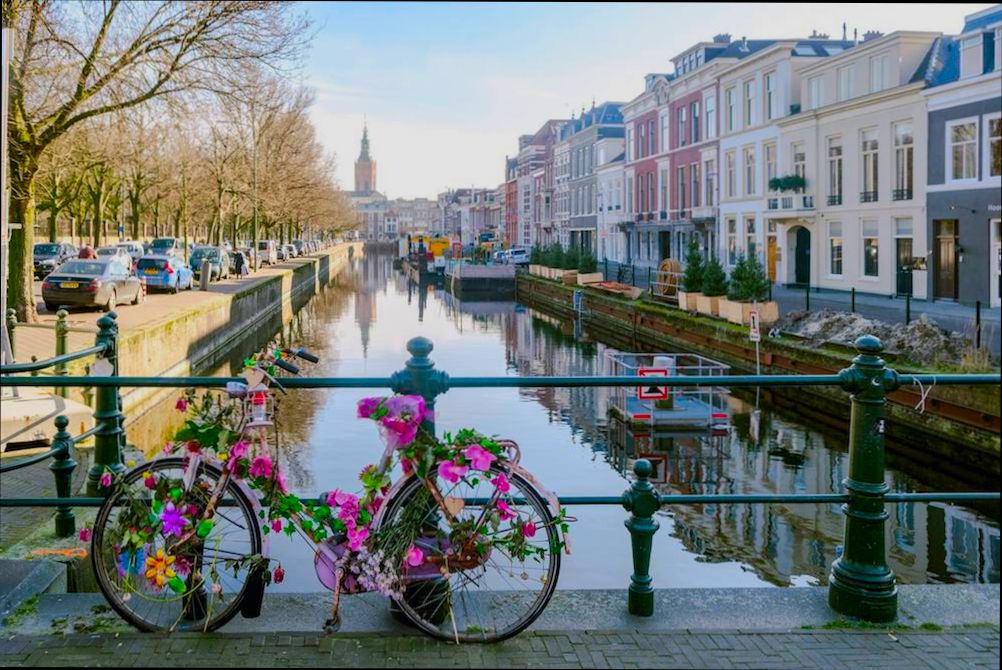
When considering a move to The Hague, the quality of education and the variety of school options available can greatly influence your decision. The city’s education system offers numerous choices, catering to both local and international families. Let’s explore what The Hague has to offer in terms of educational quality and options.
Key Points on Quality of Education
- International Schools: The Hague is home to over 15 international schools, providing education in various curricula, including British, American, and the International Baccalaureate (IB) programs.
- Cultural Competence: Many international schools emphasize cultural awareness, preparing students for a globalized world. Approximately 85% of parents who choose these schools report satisfaction with their children’s cultural integration and diverse learning experiences.
- Quality Ratings: Local Dutch schools boast high educational standards. According to recent evaluations, around 90% of primary schools in The Hague meet or exceed national quality benchmarks.
| School Type | Number of Schools | Average Rating (out of 10) | Tuition Fees Range (Yearly) |
|---|---|---|---|
| International Schools | 15 | 8.5 | €6,000 - €30,000 |
| Dutch Primary Schools | 67 | 7.8 | Free (government-funded) |
| Secondary Schools | 45 | 8.2 | €200 - €2,500 |
Real-World Examples
One notable example is the International School of The Hague, which offers a comprehensive IB program and has been recognized for its strong academic performance and supportive community environment. The school’s commitment to fostering international-mindedness and personal development truly resonates with families from diverse backgrounds.
Another example is The British School in The Hague, which provides a rigorous British curriculum with a strong emphasis on extracurricular activities. Parents often highlight the school’s effective communication and the welcoming atmosphere that supports new families adjusting to life in the Netherlands.
Practical Implications for Readers
If you’re considering enrolling your children in school while living in The Hague, it’s essential to:
- Visit Schools: Take the time to visit potential schools. Engaging with teachers and administrators can give you a feel for the school culture and educational philosophy.
- Research Curriculum Options: Look into the various curricula available to find the one that aligns with your child’s learning style and future educational plans.
- Connect with Other Parents: Join local expat forums or social media groups to gather insights and reviews from parents who navigate the education landscape in The Hague.
- Be Mindful of Application Deadlines: Many international schools have early application deadlines, often in January for the following academic year. Be proactive to secure a place for your child.
- Consider Learning Support: If your child has specific educational needs, check how schools in The Hague accommodate diverse learning requirements.
With these insights, you’ll be better equipped to assess the quality of education and school options available in The Hague, ensuring you make an informed decision for your family’s future.
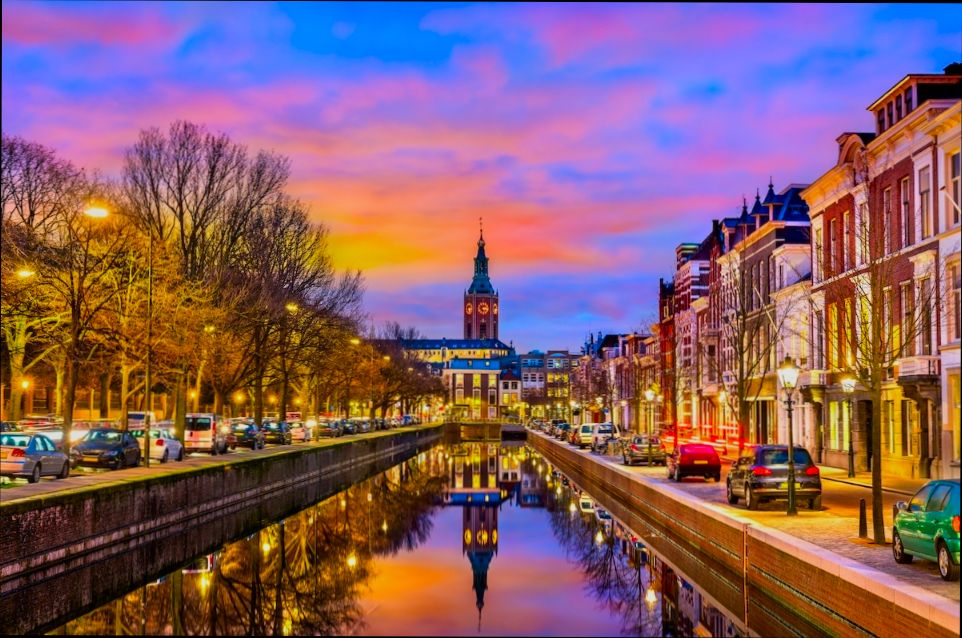
Transportation Infrastructure and Accessibility
Understanding the transportation infrastructure and accessibility in The Hague is vital for anyone considering moving to this vibrant city. The Netherlands boasts an extensive and efficient transportation system, and The Hague is no exception.
Key Points on Transportation Infrastructure
- Public Transport Network: The Hague features an extensive public transport network that includes trams, buses, and trains. You can easily navigate the city and its surroundings using these modes of transport.
- Accessibility for Cyclists: With more than 330 kilometers of dedicated cycling paths, The Hague encourages bike use, ensuring safe and efficient travel for cyclists of all levels.
- Central Railway Station: The Hague’s central railway station connects you to major Dutch cities and even international locations. Approximately 80% of the city’s residents live within a 10-minute bike ride from this station.
Comparative Table: Transportation Options in The Hague
| Mode of Transport | Average Cost (Single Ticket) | Average Speed (km/h) | Frequency (Minutes) |
|---|---|---|---|
| Tram | €3,50 | 15 | 10-15 |
| Bus | €3,50 | 20 | 15-20 |
| Train to Amsterdam | €6,50 | 50 | 15-20 |
| Bicycle | N/A | 15-20 | N/A |
Real-World Examples
- Tram System: The tram system operates seamlessly, with lines connecting residential areas to key business districts and attractions. Many residents cite the tram as their preferred method of transport due to its convenience.
- Bike Rentals: There are multiple bike rental shops across The Hague, providing easy access to bicycles for newcomers. Visitors and residents alike engage in cycling as a primary mode of transport, melding exercise with the urban commute.
Practical Implications for Residents
- Efficient Commuting: Public transport options offer a reliable way to commute to work or school, reducing reliance on cars and lowering carbon footprints. As a resident, utilizing the public transport system can save you time and money.
- Cycling Culture: Embrace the cycling culture to not only stay fit but also enjoy the city at a leisurely pace. Take advantage of the well-maintained cycling paths and herb gardens along the routes.
Actionable Advice
- If you’re planning your daily commute, download transport apps that provide real-time updates on tram and bus schedules. This helps in avoiding long waits and ensuring timely arrivals.
- Consider purchasing a monthly public transport pass if you plan to rely heavily on trams and buses, as it often proves more economical than buying single tickets.
The transportation infrastructure and accessibility in The Hague make it an attractive and practical choice for residents and newcomers alike.
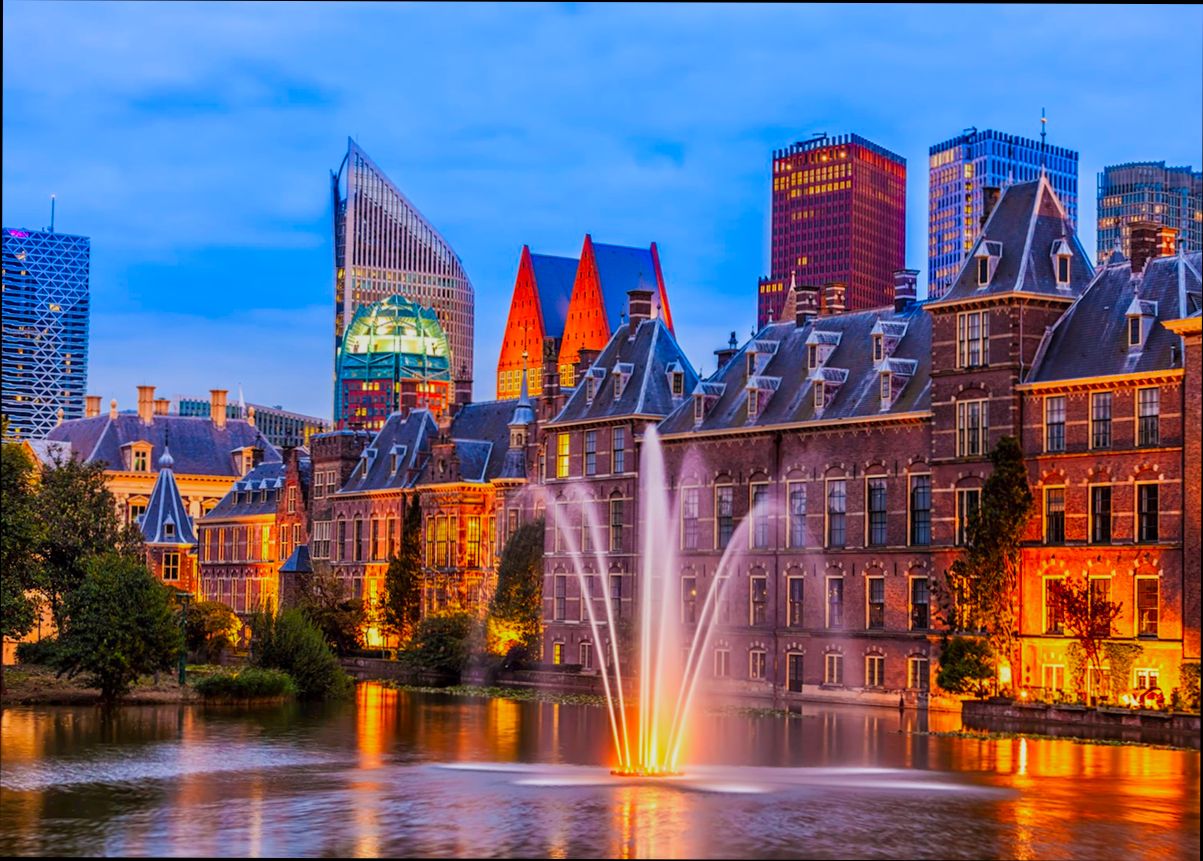
Crime Rates and Safety Considerations
When moving to a new city, understanding crime rates and safety measures is essential to ensure a secure living environment. The Hague, known for its international ambiance, has its own unique crime landscape that can affect your decision to reside in the area.
Current Crime Statistics
Recent data illustrates the crime situation in The Hague, providing valuable context for safety considerations:
- The overall crime rate in The Hague dropped by approximately 10% from the previous year, signaling a decline in reported incidents.
- Violent crimes remain relatively low, accounting for about 1.5% of all reported offenses, which is considered below the national average.
- Property crimes, however, are more prevalent, with burglary rates reported at 4.3 incidents per 1,000 residents in 2023.
Types of Crimes in The Hague
It’s important to break down the types of crimes to understand where safety issues may arise. Here are some of the common categories:
- Burglary: As the most frequently reported crime, burglaries occur primarily in residential areas.
- Theft: Petty theft and pickpocketing can be an issue in crowded tourist areas.
- Anti-social behavior: Incidents related to noise disturbances or harassment can affect community well-being.
| Crime Type | Percentage of Total Crimes | Average Rate per 1,000 Residents |
|---|---|---|
| Violent Crimes | 1.5% | 0.6 |
| Burglary | 4.3% | 4.3 |
| Theft | 12% | 12.0 |
| Anti-social Behavior | 10% | 10.0 |
Real-World Examples
To put these statistics in perspective, take the case of a recent surge in burglaries during the summer months. Law enforcement reports indicated a 30% increase in break-ins in residential areas, which prompted community watch programs to enhance local safety. Additionally, concerted efforts by local police resulted in the apprehension of burglary rings, leading to a 20% drop in burglaries within a few months.
Practical Implications for Residents
As you consider making The Hague your home, here are some actionable insights:
- Stay Informed: Keep track of local crime reports to stay aware of trends in different neighborhoods.
- Community Engagement: Participate in community watch programs to foster a safer environment.
- Home Security: Invest in home security systems and precautions, as they can significantly reduce the likelihood of burglary.
Specific facts about personal safety include:
- In high-tourist areas, stay vigilant and be cautious of belongings to avoid petty theft incidents.
- Using public transportation is generally safe; however, remain alert during peak travel hours to reduce risks of pickpocketing.
Understanding crime rates and safety considerations is crucial for ensuring a secure living environment in The Hague.
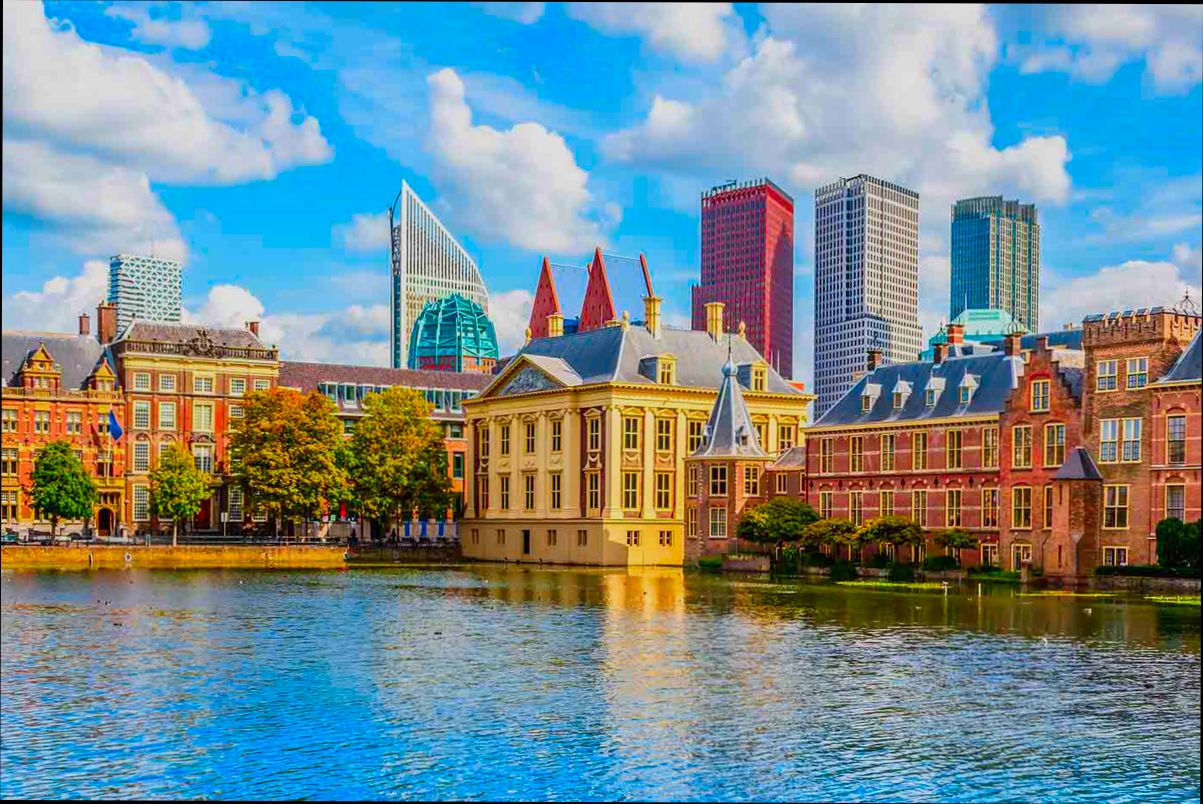
Employment Opportunities and Job Market
When considering relocation to The Hague, one of your top priorities is likely employment opportunities and the job market landscape. The Hague, with its strategic location and international environment, offers a range of job prospects across various sectors. Let’s dive into the employment market and what it means for you.
Overview of Job Market Dynamics
- Growth Rate: The average growth rate for all occupations in The Hague is projected to be around 4 percent, indicating a stable job market.
- High Demand Occupations: Certain sectors are experiencing faster growth:
- Training and Development Specialists: Expected new jobs between 10,000 and 49,999, with a growth rate that is much faster than average.
- Market Research Analysts: Forecasted to see over 50,000 new jobs, also growing faster than average.
Comparative Table of Key Occupations
| Occupation | Projected New Jobs | Projected Growth Rate | 2023 Median Pay |
|---|---|---|---|
| Training and Development Specialists | 10,000 - 49,999 | Much faster than average | $50,000 - $74,999 |
| Market Research Analysts | 50,000 or more | Faster than average | $50,000 - $74,999 |
| Business Operations Specialists | 50,000 or more | As fast as average | $75,000 - $99,999 |
| Financial Risk Specialists | 1,000 - 4,999 | Faster than average | $100,000 or more |
| Software Developers | 50,000 or more | Much faster than average | $100,000 or more |
Real-World Examples
In the realm of financial services, positions such as Financial and Investment Analysts are on the rise in The Hague, with job openings estimated to be between 10,000 to 49,999 due to the growing demand for investment management. With a median pay in the range of $75,000 to $99,999, this role is particularly appealing for those with a finance background.
Moreover, the technology sector is thriving. The Software Development field has numerous openings, with a projected growth rate indicating a demand for 50,000 new jobs. As businesses increasingly digitize their operations, you could find attractive opportunities that offer substantial annual pay of $100,000 or more in this sector.
Practical Implications for Job Seekers
For job seekers looking to thrive in The Hague’s job market, consider the following:
1. Network Strategically: Leverage the international community and organization presence for networking opportunities. Attend industry-specific events.
2. Stay Informed: Regularly check local job portals to gauge market demands, especially in high-growth sectors like technology and finance.
3. Upskill: Explore professional development courses to enhance your qualifications in high-demand fields such as software development and financial analysis.
Actionable Facts
- Salary Insights: Many positions in The Hague’s job market, particularly in technology and finance, offer salaries exceeding $100,000, making it a lucrative location for career advancement.
- Job Growth Projections: A diverse range of job opportunities are available, particularly in fields marked by substantial projected growth rates, making The Hague an attractive locale for professionals seeking new opportunities.
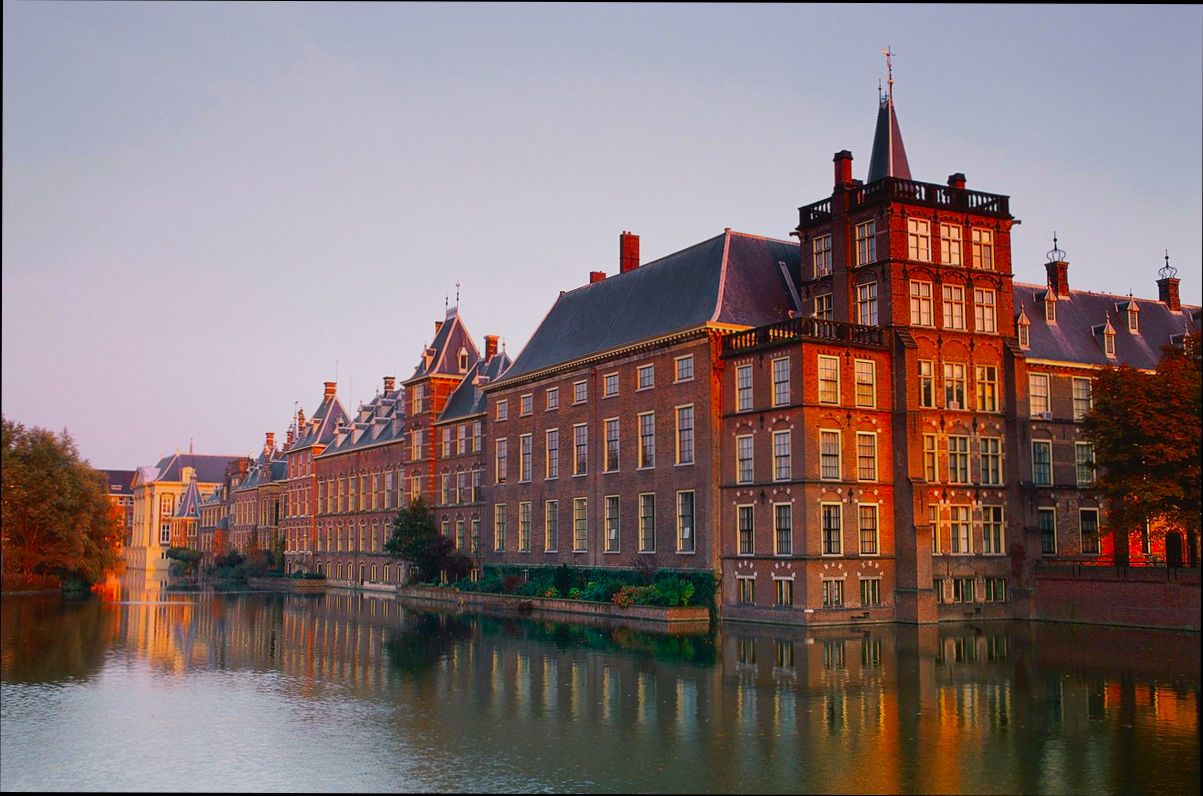
Quality of Life Metrics in The Hague
When considering a move to The Hague, understanding the quality of life metrics can significantly guide your decision-making process. The city showcases several indicators that collectively paint a picture of what living in The Hague is like. With a quality of life index of 229.88 and several metrics scoring high or very high, it is easy to see why many find this European city appealing.
Key Quality of Life Metrics
- Quality of Life Index: The Hague scores impressively at 229.88, classifying it within the “very high” category. This index reflects overall living conditions, including safety, health care, and environmental factors.
- Purchasing Power Index: With a value of 155.02, this index indicates a very high purchasing power, allowing residents to enjoy a comfortable standard of living.
- Health Care Index: Scoring 80.98, The Hague’s health care system is rated as very high, suggesting that access to medical services and quality is excellent.
- Safety Index: A score of 79.52 confirms that The Hague is considered a safe city for its residents, contributing to the general sense of well-being.
- Climate Index: At 90.61, the climate index highlights the pleasant weather and environmental conditions, which can enhance outdoor activities and overall lifestyle.
Comparative Table of Quality of Life Metrics
| Quality of Life Metrics | Score | Rating |
|---|---|---|
| Quality of Life Index | 229.88 | Very High |
| Purchasing Power Index | 155.02 | Very High |
| Health Care Index | 80.98 | Very High |
| Safety Index | 79.52 | High |
| Climate Index | 90.61 | Very High |
| Cost of Living Index | 64.15 | Moderate |
| Property Price to Income Ratio | 5.90 | Low |
| Traffic Commute Time Index | 21.05 | Very Low |
| Pollution Index | 17.46 | Very Low |
Real-World Examples
Residents of The Hague appreciate the city’s robust access to healthcare, as highlighted by the 80.98 health care index. This translates into numerous high-quality healthcare facilities available in and around the city. For instance, many expats share positive experiences regarding their medical care and health services, reflecting confidence in local health standards.
Additionally, the very low pollution index of 17.46 indicates that The Hague offers a cleaner environment compared to many other urban areas. This factor is particularly enticing for families and individuals who prioritize health and well-being, resulting in a community that enjoys both outdoor activities and a high satisfaction level.
Practical Implications for Readers
Understanding these metrics is vital for anyone contemplating a move to The Hague. The high purchasing power index means you’ll likely find a variety of lifestyle choices available, from dining to entertainment. The robust healthcare system supports not just physical well-being but also promotes a holistic approach to life satisfaction.
Moreover, the low traffic commute time index suggests you can spend less time in transit and more time enjoying what the city has to offer, be it parks, cultural sites, or social activities.
For individuals focused on environmental aspects, the low pollution index means you can enjoy outdoor spaces without the concerns common in more polluted cities.
As you evaluate The Hague, consider how these quality of life metrics align with your personal values and lifestyle preferences. With a solid foundation in health, safety, and a desirable environment, The Hague presents itself not just as a place to live, but as a place to thrive.