Blog
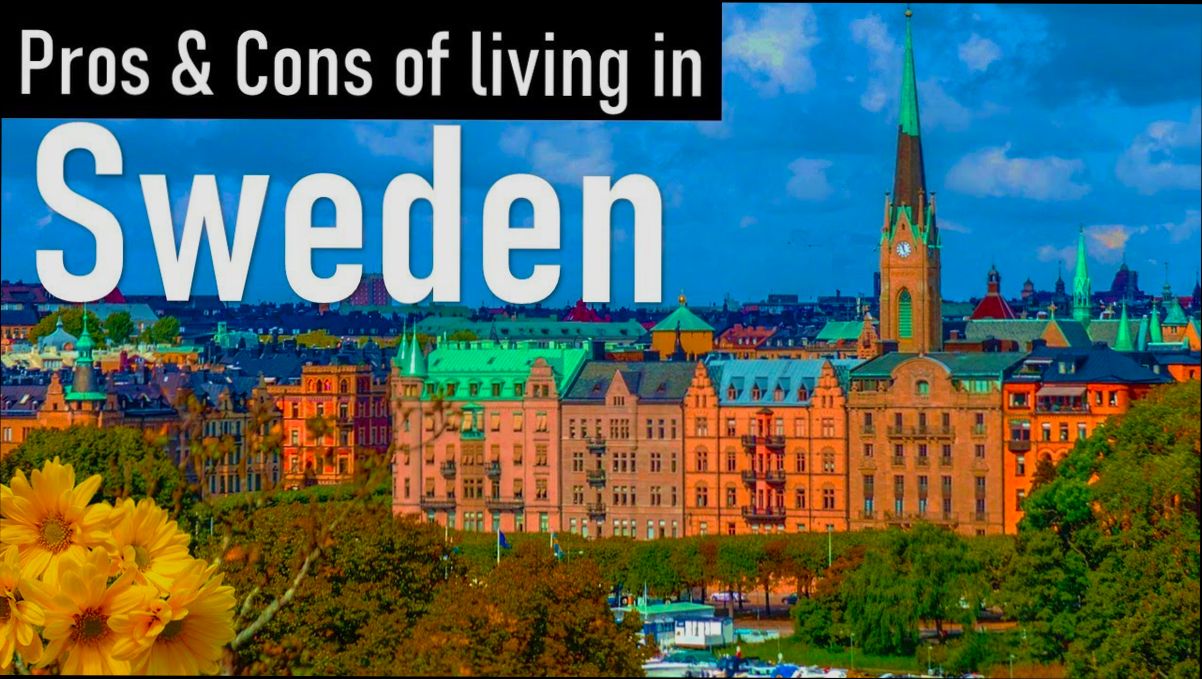
Pros and Cons of Living in Zoetermeer
Pros and Cons of Living in Zoetermeer—whether you're eyeing this Dutch city for its quaint charm or considering a move for work, there's a lot to weigh. On the plus side, Zoetermeer boasts over 100 parks and green spaces, making it a breath of fresh air for outdoor enthusiasts. Feel like taking a stroll? The Zoetermeer Lakes, with their serene waters and walking paths, are just a stone's throw away. Plus, with a population of around 130,000, it has that sweet spot of community feel while still offering conveniences you’d expect in a larger city. Commuting to The Hague or Rotterdam is a breeze too, thanks to the excellent train connections—just about 30 minutes and you’re in the heart of things.
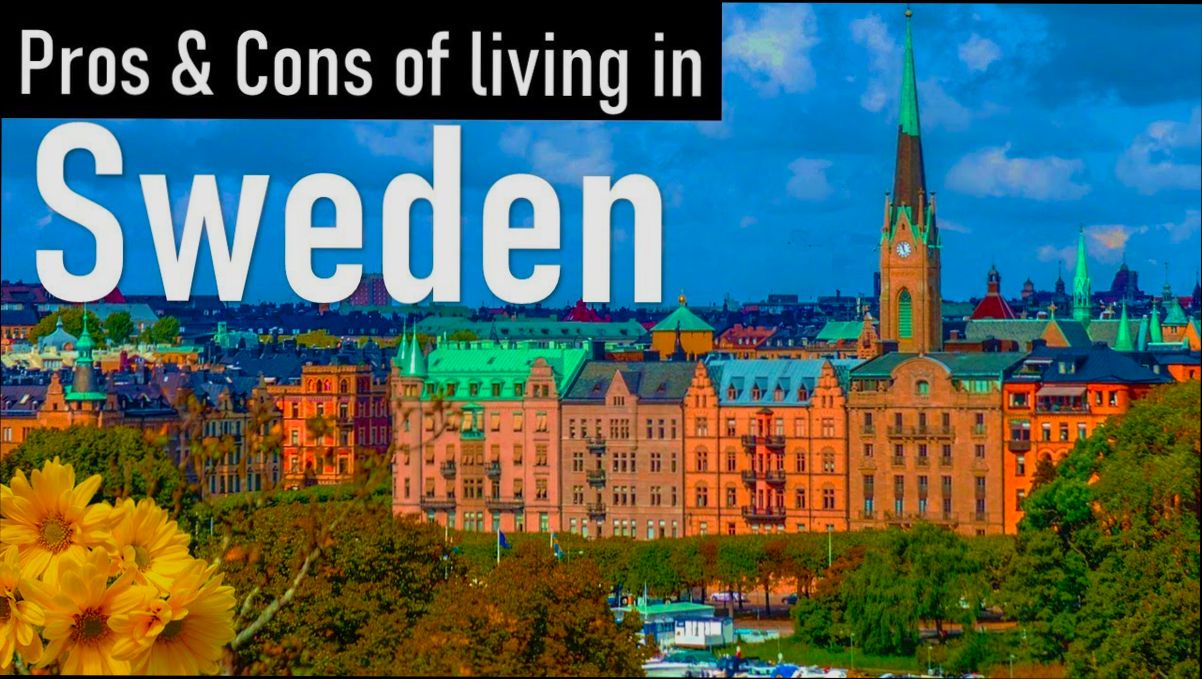
Pros and Cons of Living in Zwolle
Pros and Cons of Living in Zwolle can give you a real feel for what this charming Dutch city is all about. On the plus side, Zwolle boasts a rich history and vibrant culture, with the stunning 15th-century Sassenpoort as a backdrop, plus a bustling downtown filled with shops, cafes, and the famous De Librije restaurant, which has earned three Michelin stars. The city’s compact size makes it easy to bike around, promoting green living while conveniently connecting you to nature via parks and waterways. With a population of around 130,000, Zwolle strikes a balance between urban amenities and a tight-knit community vibe.
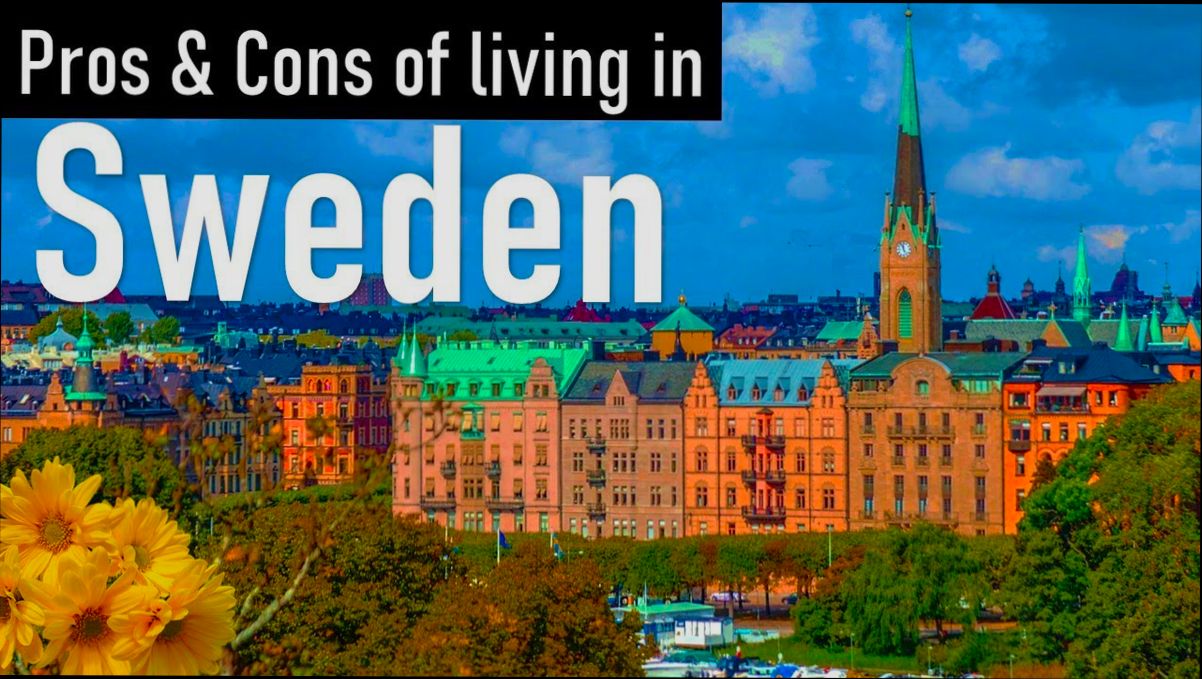
Pros and Cons of Living in Ålesund
Pros and Cons of Living in Ålesund. Let’s face it, this coastal gem in Norway is stunning, with those Art Nouveau buildings and jaw-dropping fjord views. It’s like living in a postcard! The local vibe is welcoming, and you’ll get hooked on the community events—like the annual Ålesund Seafood Festival, where you can sample fresh catch from the Atlantic. Plus, with a population of just about 47,000, it strikes a sweet balance between a tight-knit community and enough city life to keep things interesting. And let’s not forget about the outdoor adventures; you can hit the hiking trails or kayak right from your doorstep, giving you that daily dose of nature.
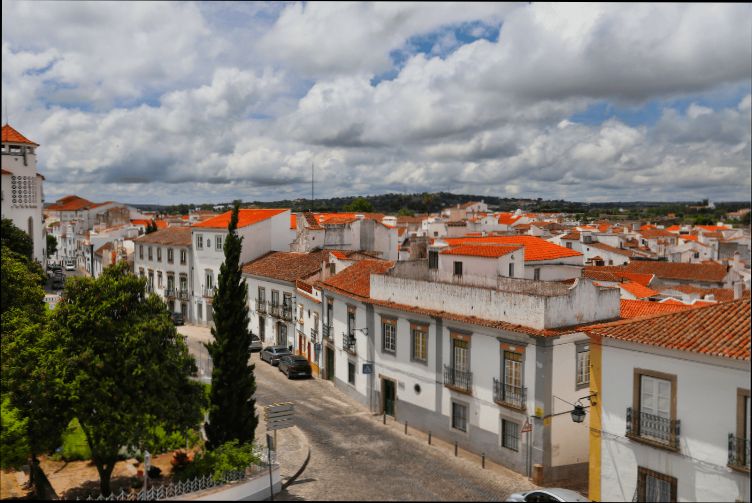
Pros and Cons of Living in Évora
Pros and Cons of Living in Évora offer a mix of charm and challenges. This UNESCO World Heritage Site boasts stunning architecture, like the Roman Temple and the impressive Cathedral of Évora, which draw tourists year-round. The vibrant local market, where you can snag fresh produce and traditional almond pastries, creates a lively community vibe. Plus, with a low cost of living compared to cities like Lisbon or Porto—think around €600-€800 for a cozy apartment—you'll find it easier to stretch your budget here.
Pros and Cons of Living in Örebro
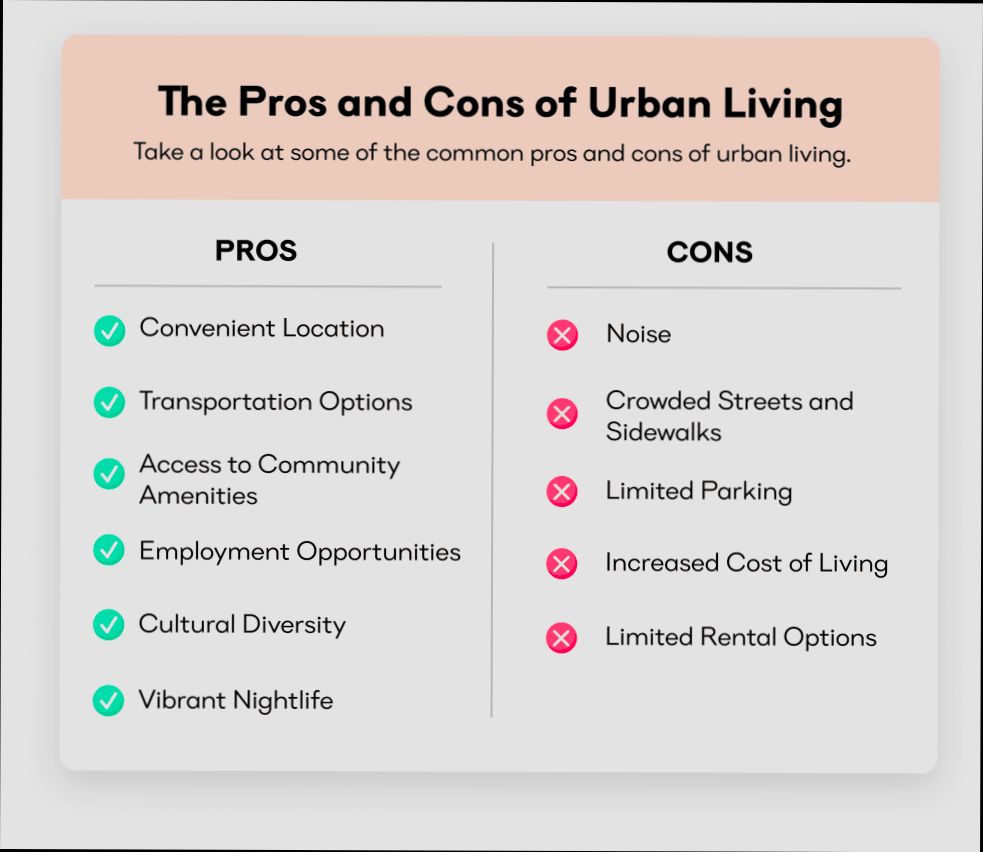
Pros and Cons of Living in Örebro paint a vivid picture of everyday life in this charming Swedish city. Nestled in the heart of Sweden, Örebro boasts a fantastic mix of historical sights and modern conveniences. Picture yourself strolling through the stunning Örebro Castle, which dates back to the 13th century, or enjoying a leisurely afternoon at the beautiful Wadköping, an open-air museum showcasing traditional Swedish architecture. With a population of around 150,000, it's large enough to offer variety but small enough to feel inviting. The city scores high on livability indexes, with a low crime rate and excellent public services, making it a safe and comfortable place to call home.
Pros and Cons of Living in Şanlıurfa
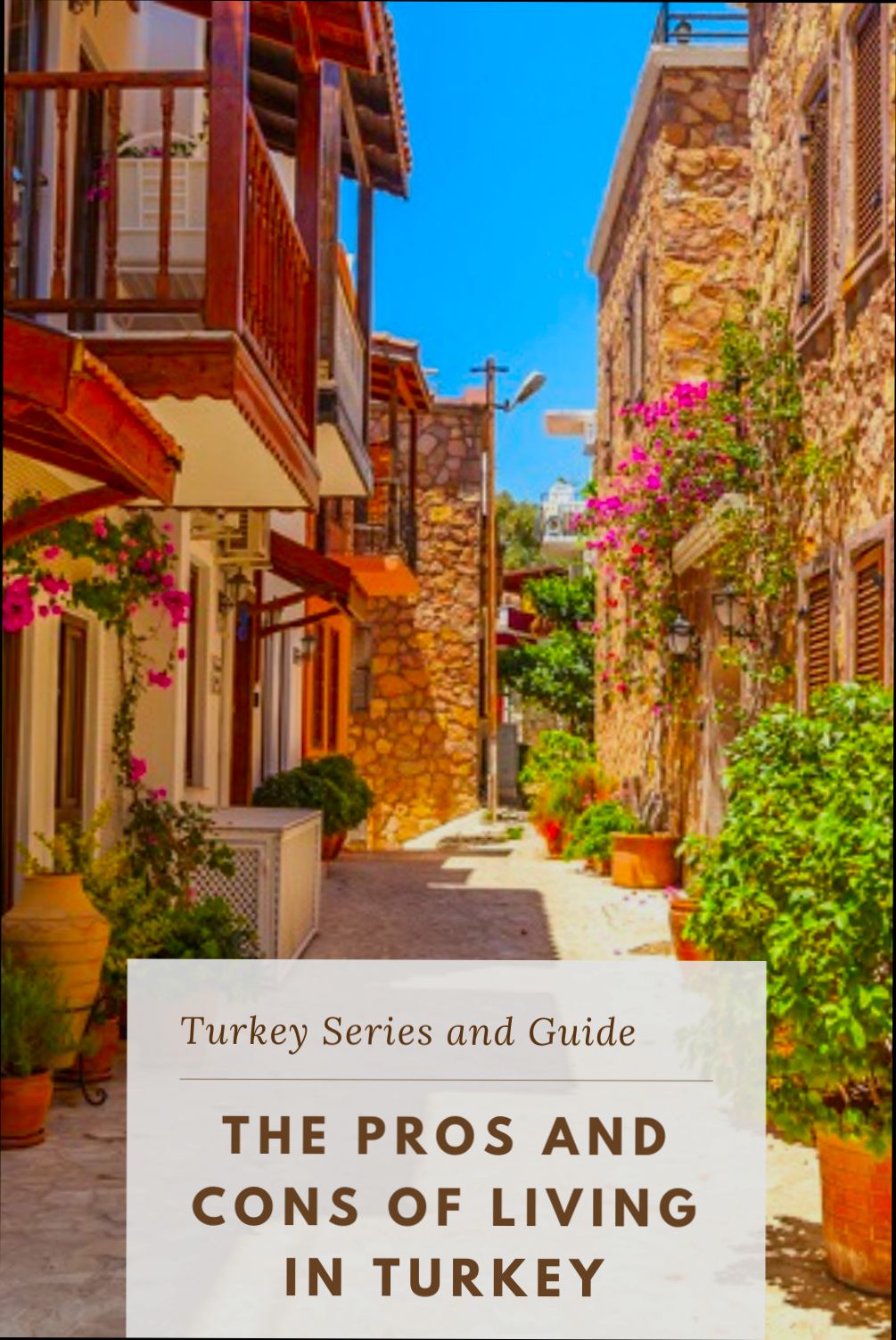
Pros and Cons of Living in Şanlıurfa reveal a city with deep historical roots and vibrant culture, but also some challenges. Picture this: you’re wandering through the old city, where ancient stone buildings whisper stories of civilizations past, and a delicious plate of top-notch kebab costs you just a couple of bucks. The climate here is definitely a vibe—hot summers averaging around 40°C (104°F) can feel like an oven. But on the flip side, that year-round sunshine means you can enjoy outdoor markets and bustling street life more often than not.
Pros and Cons of New Build vs Old Properties in United Kingdom
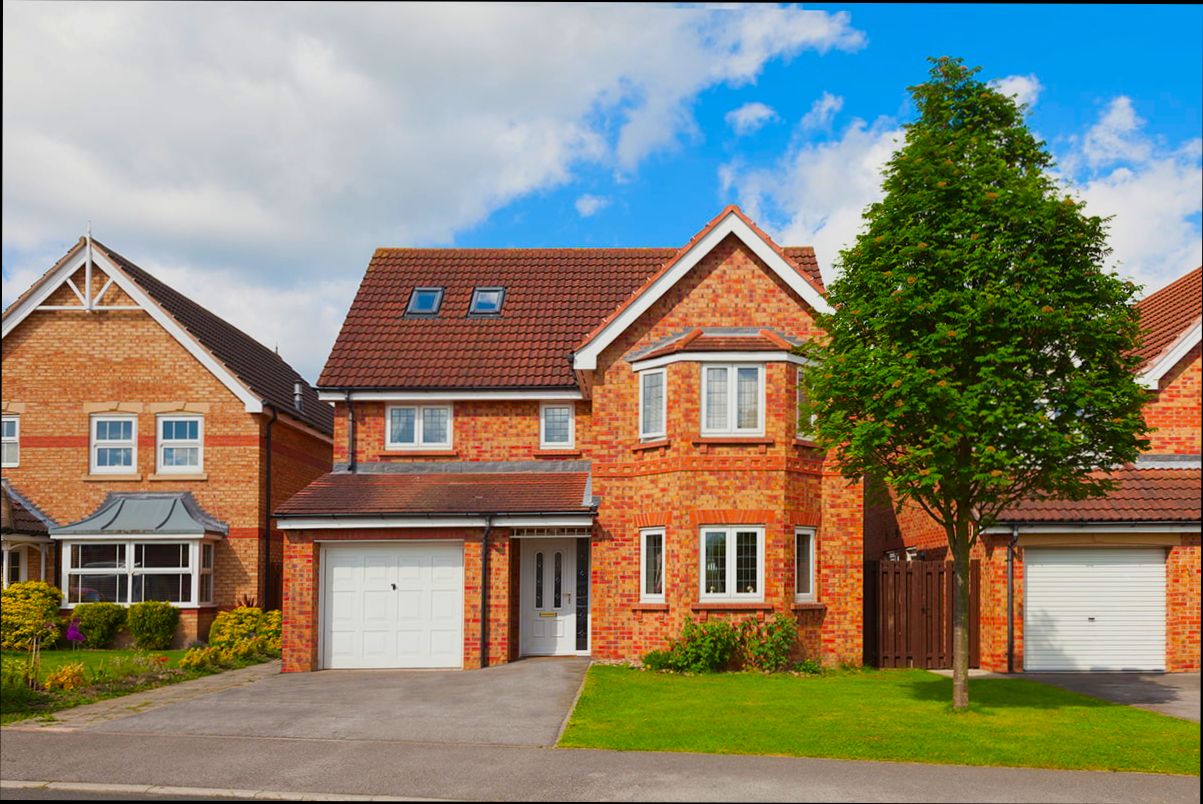
Pros and Cons of New Build vs Old Properties in United Kingdom: Choosing between a brand-new house and a charming old one can feel like picking between tea and coffee—both have their unique appeals! New builds typically come with shiny fixtures, modern designs, and energy efficiency that can save you money on bills. For instance, recent data shows that new-build properties can achieve energy efficiency ratings of A or B, while many older homes sit at C or below. You’re walking into a blank canvas, allowing you to customize your living space from the ground up. Plus, there’s often less maintenance to worry about for the first few years since everything is, well, brand new!
Renovation and Restoration Opportunities in Germany's Historic Buildings
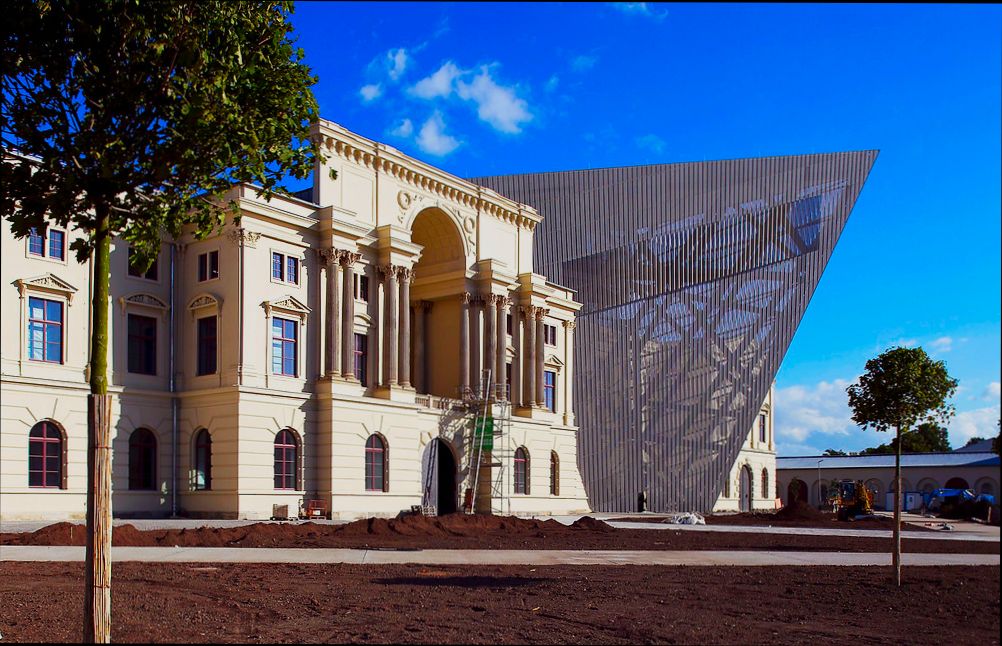
Renovation and Restoration Opportunities in Germany's Historic Buildings are bursting with potential, thanks to the country’s rich architectural heritage. Germany boasts over 40,000 listed sites, with iconic examples like the Neuschwanstein Castle and Berlin’s Brandenburg Gate drawing visitors from around the globe. Each of these structures tells a story, and there’s a growing trend where old buildings are being transformed into modern living spaces, trendy hotels, or creative workspaces, blending tradition with contemporary needs. For instance, the historic Zollverein Coal Mine in Essen has been reimagined into a cultural hub, contributing significantly to the local economy and attracting art enthusiasts.
Tags