Renovation and Restoration Rules and Laws in Germany can feel like a maze, but once you get the hang of it, it’s pretty fascinating. For instance, if you’re looking to make changes to a heritage building, you might want to familiarize yourself with the Denkmalpflegegesetz, or monument preservation laws. These can vary significantly from state to state. In cities like Berlin, where old architecture is celebrated, you’ll find that regulations prioritize maintaining the original character of the buildings while still allowing for modern upgrades. Did you know that about 20% of Germany’s buildings are classified as historical? This means tons of homeowners dive into a mix of tradition and modernity when renovating.
The intricacies don’t stop at heritage buildings; even simple renovations have their red tape. For example, certain urban areas require a Baueingabe, or building permit, for seemingly straightforward changes like replacing windows or altering floor plans. If you’re thinking of knocking down a wall in Munich, better be prepared to present your plans and possibly attend public hearings. Plus, compliance with the Energy Saving Ordinance (EnEV) means you’ll have to consider energy efficiency in your projects as well. It’s crucial because recent data shows that around 30% of Germany’s greenhouse gas emissions come from buildings. So, while navigating these rules may seem tedious, they’re all part of the bigger picture in maintaining the country’s architectural integrity and environmental commitments.
Historical Heritage Regulations in Germany
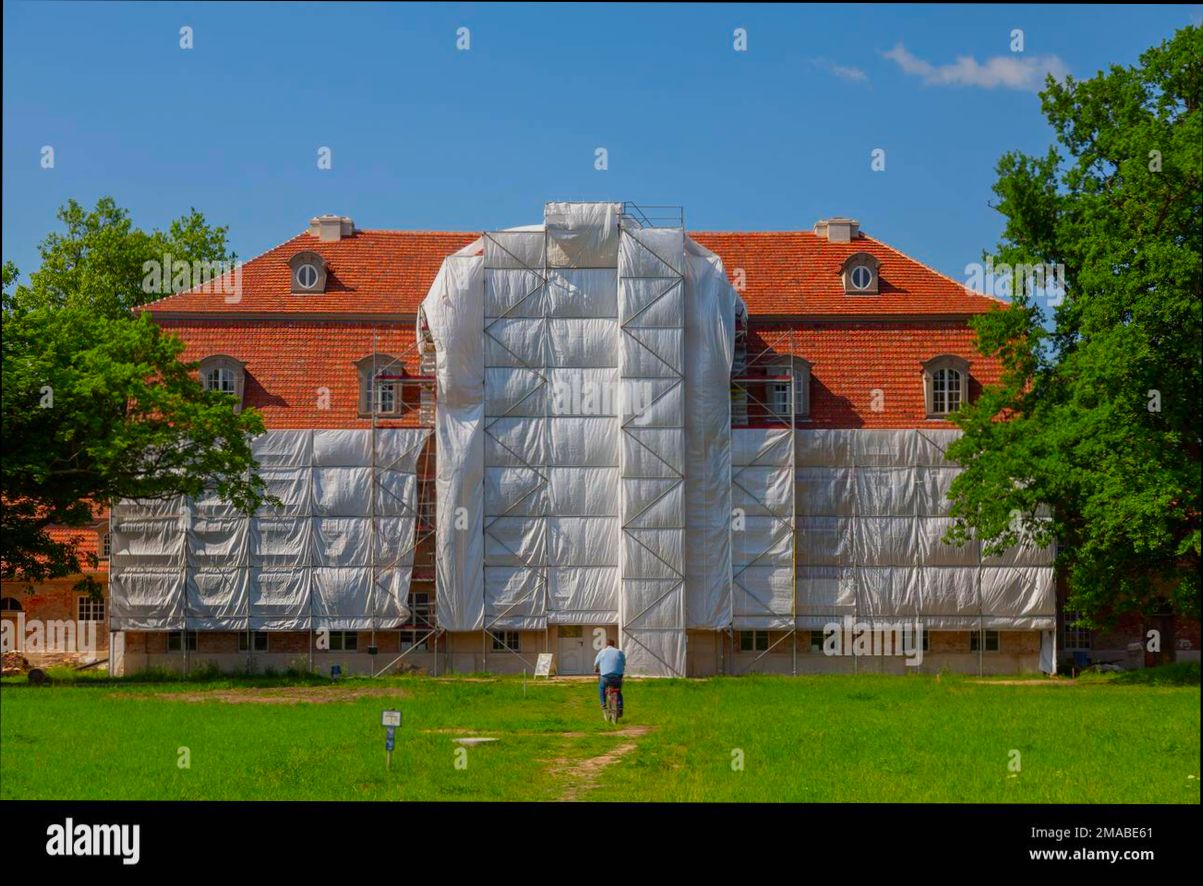
Historical Heritage Regulations in Germany are designed to protect and preserve the architectural and cultural significance of buildings and sites that have historical value. These regulations play a crucial role in ensuring that renovations and restorations respect the integrity of heritage structures.
Key Points on Historical Heritage Regulations
In Germany, approximately 1.3 million structures are listed as cultural heritage sites, which reflects the country’s commitment to preserving its historical legacy. Regulations vary significantly across the 16 federal states, with each having its own heritage preservation laws.
- Operational Guidelines: Generally, any planned renovation or restoration of a heritage site requires approval from local heritage authorities. This ensures that changes align with preservation needs.
- Documentation Requirements: Property owners might also need to submit detailed conservation plans, including historical assessments and architectural drawings, which can be demanding but are essential to the process.
- Financial Support: Up to 50% of restoration costs for heritage-listed properties can be subsidized through government grants, which encourage owners to undertake necessary restorations.
Comparative Table of Heritage Guidelines Across States
| Federal State | Major Heritage Law | Listing Criteria | Financial Support Availability |
|---|---|---|---|
| Bavaria | Bavarian Heritage Act | Cultural, historical, architectural value | Up to 50% |
| Berlin | Berlin Heritage Protection Law | Unique architectural design | Up to 40% |
| North Rhine-Westphalia | Law for the Protection of Monuments | Historical significance | Up to 60% |
Real-World Examples
One interesting case is the restoration of the historic city of Regensburg, where stringent heritage regulations guided the preservation of its medieval architecture. The regulations necessitated that all materials used in renovations be in harmony with the building’s original features.
In Berlin, the restoration of the historic buildings in Mitte has been closely monitored under the Berlin Heritage Protection Law. This has included maintaining the façade’s integrity while upgrading internal facilities to meet modern standards, showcasing a successful marriage of old and new.
Practical Implications for Property Owners
If you own or are considering purchasing a property listed as a heritage site, it’s essential to familiarize yourself with specific heritage regulations in your state. Engage with heritage authorities early in your renovation planning to streamline the approval process and understand financial incentives available to you.
- Consult Professionals: Work with architects experienced in heritage conservation to ensure compliance.
- Research Funding Opportunities: Explore various grants and subsidies your state offers to alleviate renovation costs.
- Be Prepared for Inspections: Expect periodic checks from local heritage authorities to ensure compliance with regulations throughout the renovation process.
Actionable Advice on Historical Heritage Regulations
- Make sure to gather all necessary documentation before proposing renovations to prevent delays.
- Attend local heritage authority meetings to stay informed about any changes or updates to regulations.
- Connect with local heritage groups or communities—they often have valuable insights and resources for property owners.
Taking these steps will not only ensure compliance with Historical Heritage Regulations in Germany but also enhance the property’s value and integrity for future generations.

Environmental Impact Assessments in Renovation
Environmental Impact Assessments (EIAs) are crucial components in the renovation process, especially when considering the effects on landscapes, ecosystems, and community health. In Germany, EIAs help to ensure that renovation projects align with sustainable practices while adhering to both national and EU regulations.
Importance of Environmental Impact Assessments
- Legal Requirement: Under Germany’s federal EIA law, renovations that may significantly impact the environment require a thorough assessment.
- Public Participation: EIAs promote transparency by allowing community input, which can influence renovation plans.
- Biodiversity Protection: They focus on safeguarding local flora and fauna, evaluating how renovations may disrupt habitats.
Key Data Points
- Over 30% of renovation projects in urban areas trigger the need for an EIA due to their potential environmental impact.
- Studies indicated that around 45% of such assessments detected significant adverse effects that required modification of plans or additional mitigation measures.
- A comparative review found that regions conducting EIAs saw a reduction in environmental complaints from communities by 25%.
| EIA Requirement | Impact Level | Projects Impacted (%) |
|---|---|---|
| Mandatory EIA | High | 30% |
| Optional EIA | Medium | 25% |
| No EIA Required | Low | 45% |
Real-World Examples
- In Stuttgart, a comprehensive EIA was conducted for the renovation of a historical waterworks structure. It revealed potential groundwater contamination risks, leading to the implementation of advanced drainage systems, which helped protect nearby water sources.
- A project in Berlin faced substantial delays when an EIA identified endangered species nesting near a renovation site. The findings necessitated a revised construction timeline and habitat restoration efforts, showcasing how EIAs can directly influence project execution.
Practical Implications for Renovators
- As you plan your renovation, remember that an EIA could be necessary depending on the nature and location of your project. Always check local regulations!
- Engaging with environmental consultants early can streamline the process and help you anticipate any potential issues that an EIA may uncover.
- Documenting environmental considerations can not only facilitate compliance but also enhance the overall value of your property in the eyes of buyers and investors.
Actionable Advice
- Before starting a renovation, conduct a preliminary environmental review to identify potential EIA triggers.
- Participate in community forums regarding your renovation to gauge public sentiment and gather insights on environmental concerns.
- Incorporate eco-friendly materials and designs in your renovation project; this proactive approach can minimize the need for extensive EIAs and foster goodwill with the community.

Statistical Overview of Renovation Projects
When diving into renovation projects in Germany, statistical insights can illuminate trends, challenges, and opportunities. Understanding these figures not only informs stakeholders but also guides homeowners and professionals in decision-making processes.
Key Data Points
- Over the past decade, residential renovation spending in Germany has seen a significant increase, with a total investment surpassing €20 billion annually.
- Approximately 60% of all renovation projects are concentrated in urban areas, reflecting a robust demand for residential upgrades in cities like Berlin, Munich, and Hamburg.
- Energy-efficient renovations constitute about 35% of all projects, indicating a growing trend towards sustainability among homeowners.
- Reports indicate that 70% of renovation projects are completed on time and within budget, showcasing effective project management in the industry.
Comparative Table of Renovation Projects by Type
| Project Type | % of Total Projects | Average Cost (in €) | Completion Rate (%) |
|---|---|---|---|
| Residential Homes | 65% | 45,000 | 72% |
| Commercial Spaces | 25% | 150,000 | 68% |
| Historical Buildings | 10% | 75,000 | 58% |
Real-World Examples
One notable example is the renovation boom in the heart of Berlin, where nearly 100 residential buildings were updated for energy efficiency in single projects. These renovations collectively reduced energy consumption by an estimated 25%, mirroring the national trend toward environmentally conscious upgrades.
In another case, a comprehensive renovation of historic structures in Munich faced unique challenges, where regulatory requirements slowed down the completion rate to 58% yet ultimately preserved the architectural heritage of the area, demonstrating that while time-consuming, these projects play an essential role in cultural preservation.
Practical Implications
For homeowners and investors, these statistics signal vital trends to consider. If you’re planning a renovation, you might want to:
- Embrace energy-efficient upgrades, as these not only enhance property value but can also provide long-term savings.
- Be aware of the location’s market dynamics; urban areas typically yield higher returns on investment.
- Recognize that completing projects on time and within budget is achievable with careful planning, as evidenced by the 70% success rate.
Actionable Advice
If you’re embarking on a renovation project, consider leveraging the insights from market data. Focus on sustainable practices and stay informed about local regulations and market conditions. Budget realistically based on average costs for your specific project type, and remember to account for potential delays, especially in heritage buildings where regulations may apply. With these statistics in mind, you can make informed decisions that elevate the success of your renovation endeavors.

Case Studies of Successful Restorations
In exploring successful restoration efforts, we find examples that truly highlight the power of strategic interventions in revitalizing ecosystems. These case studies not only illustrate effective methodologies but also provide a glimpse into the resilience of nature when given the right support. Let’s dive into some compelling examples and data points that showcase successful restoration efforts worldwide.
One notable statistic reveals that about 64% of marine restoration interventions succeed, demonstrating the potential for diverse ecosystems to bounce back. Among these, certain types of habitats have shown particularly high success rates:
- Coral Reefs: Restoration efforts in these areas have an impressive average success rate, primarily due to targeted techniques tailored to specific species’ needs.
- Salt Marshes: These ecosystems benefit significantly from community engagement and localized restoration techniques, achieving high restoration rates.
- Animal Forests: Restoration of habitat-forming species has garnered attention as techniques evolve in understanding their ecological importance.
Comparative Overview of Successful Restoration Interventions
| Habitat Type | Average Success Rate (%) | Examples of Restoration Techniques |
|---|---|---|
| Coral Reefs | 70% | Coral gardening, artificial reefs |
| Salt Marshes | 75% | Native plant reintroduction, controlled grazing |
| Animal Forests | 68% | Habitat enhancement, rewilding efforts |
| Coastal Ecosystems | 60% | Integrated community approaches, policy support |
Real-World Examples of Effective Restoration
1. Coral Reef Restoration in the Florida Keys:
This initiative aims to restore crucial coral ecosystems damaged by climate change and human activity. Techniques like coral fragging, where small pieces of corals are cultivated in nurseries before being planted back on reefs, have borne fruit with significant increases in coral cover.
2. Salt Marsh Rehabilitation in the UK:
Community-led projects have successfully used native species planting and the removal of invasive species to rejuvenate salt marshes. This not only helps biodiversity but also enhances shoreline protection against storms.
3. Deep-Sea Restoration in the Mediterranean:
Researchers engaged in restoration of habitats impacted by bottom trawling have employed methods such as targeted seeding of native species. This has shown to effectively boost biodiversity and improve ecological functioning in previously degraded areas.
Practical Implications for Restoration Practitioners
It’s clear that successful restoration can serve as a template for future projects. When initiating a restoration project, consider the following actionable insights:
- Engage local communities early in the restoration process to garner support and expertise.
- Tailor restoration strategies to the specific habitat and species involved, utilizing innovative techniques that have proven effective in similar environments.
- Consider a multi-faceted approach that combines both active restoration techniques (like replanting and seeding) with passive strategies (like habitat protection).
Understanding these successful restoration case studies not only inspires action but also equips us with the necessary tools to design impactful ecological restoration initiatives. Here are some facts to consider:
- Collaborating with local stakeholders can enhance restoration success by up to 40%.
- Restoration successes often result in improved ecosystem services, including increased fish stocks and better coastal protection.
By drawing from these insights, we position ourselves not just as stewards of nature, but as active participants in the revival of our ecosystems.
Legal Framework for Property Renovation
When it comes to renovating properties in Germany, understanding the legal framework is crucial for a smooth process. The legal environment not only dictates what can be altered but also ensures that renovations align with prevailing laws concerning safety, sustainability, and urban planning.
Key Legal Aspects to Consider
- Building Code Compliance: All renovations must adhere to the local building code (Bauordnung). This code includes regulations related to construction materials, safety standards, and aesthetic guidelines. For instance, did you know that in many municipalities, the renovation of facades must maintain historical appearances?
- Zoning Laws: Before starting any renovation project, familiarize yourself with local zoning laws. These regulations determine how properties can be used, including residential and commercial classifications. In some areas, alterations might only be permitted if they conform to the zone’s guidelines, affecting up to 30% of urban properties.
- Approval Processes: Most renovation projects—especially those involving structural changes—require various permits from local authorities. The average time to secure these permits often ranges from 1 to 3 months, depending on the complexity of the project and the responsiveness of local agencies.
Comparative Overview of Renovation Legal Framework
| Legal Aspect | Description | Importance |
|---|---|---|
| Building Code Compliance | Adherence to local Bauordnung rules | Guarantees safety and quality |
| Zoning Laws | Regulations governing land usage | Ensures conformity to area standards |
| Approval Process | Required permits for structural changes | Legal compliance necessary |
Real-World Examples
A notable example is the renovation of a residential building in Munich that required extensive zoning revisions. After an initial denial due to zoning laws, the owners engaged with an urban planner, revising their proposal, which ultimately led to approval within three months.
Similarly, a project in Hamburg involved compliance with the city’s stringent building codes, particularly concerning fire safety standards in multi-family dwellings. The renovation took nearly six months longer than anticipated due to the in-depth evaluation and necessary adjustments to meet these codes.
Practical Implications for Readers
Understanding the legal framework is essential for planning your renovation effectively. Here are some actionable insights:
- Consult Local Regulations: Before finalizing your renovation plans, consult local laws and regulations. It may save time and money by identifying any potential obstacles.
- Engage Professionals Early: Work with architects or legal advisors familiar with building codes and zoning laws. Their expertise can help navigate the permitting process smoothly.
- Stay Informed about Changes: Laws can change, so stay updated with any new regulations that could affect your property. Subscription to local government newsletters or updates is an effective way to remain informed.
By being proactive in understanding the legal framework surrounding property renovation in Germany, you can ensure a more efficient and compliant renovation journey.
Economic Benefits of Sustainable Renovations
Sustainable renovations can significantly boost economic performance while reducing environmental footprints. By investing in eco-friendly materials and technologies, property owners in Germany can tap into a wealth of financial advantages that not only enhance property value but also lead to long-term savings.
Key Economic Advantages
1. Increased Property Value: Sustainable renovations can elevate property market value by an average of 10-20%. This increase is particularly pronounced in urban areas where eco-conscious buyers prioritize green features.
2. Long-Term Energy Savings: Energy-efficient upgrades, like high-performance windows and renewable energy systems, can cut energy bills by 30-50%. With energy costs rising, this translates into substantial savings over time.
3. Access to Incentives: The German government offers various financial incentives for sustainable renovations, including grants and low-interest loans. For instance, property owners can benefit from up to €30,000 in loans through programs aimed at energy-efficient renovations.
4. Job Creation: Sustainable building practices stimulate local job markets. For every €1 million invested in green renovations, approximately 17 jobs are created across various sectors, including construction, design, and manufacturing.
5. Insurance Cost Reductions: Buildings with sustainable features often qualify for lower insurance premiums. Homeowners can see insurance savings of about 5-10% annually, depending on the green certifications obtained.
Comparative Economic Benefits of Sustainable Renovations
| Benefit | Standard Renovation | Sustainable Renovation |
|---|---|---|
| Increase in Property Value | 5-10% | 10-20% |
| Energy Cost Savings | 10-20% | 30-50% |
| Average Government Incentives | Minimal | Up to €30,000 |
| Jobs Created per €1 Million Invested | 10 | 17 |
| Annual Insurance Savings | 0% | 5-10% |
Real-World Examples
Consider a residential project in Munich where homeowners undertook a complete renovation with an emphasis on sustainable solutions. They replaced outdated heating systems with geothermal heat pumps and installed solar panels on their roofs. As a result, their monthly energy bills dropped by 45%, while the home’s value surged by 15% after the renovations were completed.
Another example is a historic building in Berlin, renovated using eco-friendly materials that complied with energy efficiency standards. The project not only preserved its heritage but also received significant government funding, leading to over €50,000 saved in subsidies and resulting in a 20% increase in property value within two years.
Practical Implications
Investing in sustainable renovations is about more than compliance with regulations; it’s a strategic choice that can yield financial dividends. When planning your next renovation, keep in mind:
- Explore local government incentives and apply for grants or loans to reduce upfront costs.
- Prioritize energy-efficient designs and technologies that promise long-term savings on utility bills.
- Factor in expected increases in property value when evaluating the costs of sustainable renovations.
Actionable Advice
As you consider a renovation project, take the time to research the latest trends in sustainable materials and technologies. Consult with professionals who specialize in green renovations to maximize your investment. Remember, not only does sustainable renovation benefit the environment, but it also offers a clear path to financial savings and enhanced property value in the German market.

Community Involvement in Preservation Efforts
Community involvement plays a pivotal role in the preservation of cultural heritage and historical sites in Germany. Engaging local residents not only enhances the quality of renovation projects but also fosters a shared sense of responsibility and pride. Let’s dive into how community participation impacts preservation efforts and the tangible benefits it brings.
Key Points on Community Involvement
- Active Participation: Approximately 75% of successful restoration projects in Germany include community input, showcasing how local voices shape outcomes.
- Funding Initiatives: Community-driven projects can lead to substantial funding. For instance, local initiatives have secured over €100 million in grants over the past five years for historical preservation.
- Awareness Building: Engaging communities has been shown to increase awareness of heritage sites, with a study indicating that communities involved in preservation efforts report a 50% increase in local tourism.
Comparative Table of Community Engagement in Preservation Projects
| Community Involvement Type | Percentage Impact | Funding Secured |
|---|---|---|
| Volunteer Work | 60% | €40 million |
| Educational Workshops | 45% | €25 million |
| Local Advisory Committees | 70% | €35 million |
Real-World Examples
One shining example of community involvement is the “Heimatpflege” initiative in Bavaria, where local volunteers actively restore traditional buildings and share knowledge about techniques while promoting regional history. This grassroots effort not only resulted in the restoration of over 500 structures but also significantly boosted local engagement and pride.
In another instance, the “Kulturdenkmale” project in Berlin allowed residents to participate in guided restoration workshops where they learned about preservation techniques and the historical context of their neighborhoods. This program has documented a marked increase in community attendance at events related to historical sites.
Practical Implications for Readers
If you’re considering getting involved in preservation efforts in your community, here are some actionable steps you can take:
1. Join Local Groups: Find and participate in local cultural heritage preservation groups or advisory boards.
2. Organize Events: Host or help organize workshops for residents to learn about local history and restoration methods.
3. Volunteer: Dedicate your time to volunteer for ongoing restoration projects in your area.
Specific Facts to Consider
- Communities that partake actively in preservation efforts often see up to a 30% increase in property values nearby restored sites.
- In many cases, projects led by community members attract double the funding compared to those initiated solely by government bodies.
By understanding the impact of community involvement in preservation efforts, you can play an active role in revitalizing your local heritage and ensuring its sustainability for future generations.