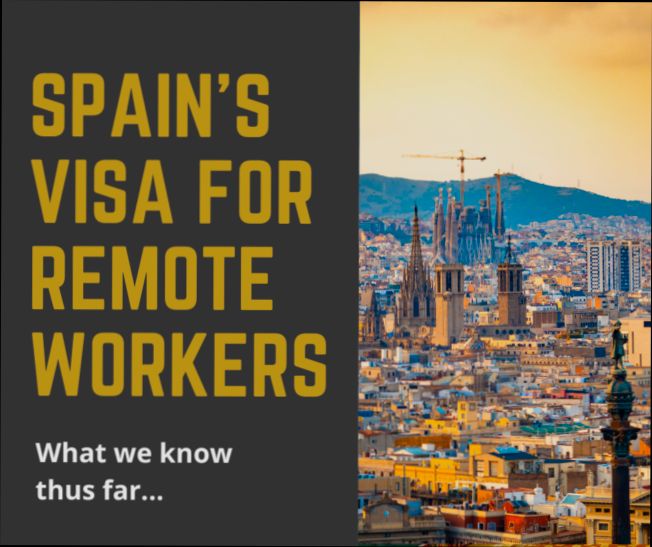
Is Spain Remote Worker Friendly? Absolutely! With over 40% of companies now offering remote work options, Spain has become a hot spot for digital nomads. Cities like Barcelona and Madrid are buzzing with coworking spaces—over 1,000 in the country—as countless cafes serve up strong coffee and fast Wi-Fi. Plus, the cost of living can be surprisingly affordable; you can snag a one-bedroom apartment in Valencia for around €700 a month, letting you save some euros while enjoying tapas and paella.
But what about the lifestyle? Spain’s vibrant culture, rich history, and stunning landscapes make it hard not to fall in love. You can spend your weekends exploring the beaches of Costa del Sol or wandering the alleys of Seville. With a mild climate year-round, outdoor activities are always a go, and let’s not forget about the famous siestas that might just redefine your work schedule. Companies are even jumping on board with remote work stipends, and some are setting up offices in sunny locales to attract talent. Sounds tempting, right?
Cost of Living for Remote Workers
Understanding the cost of living in Spain is essential for remote workers considering relocating. Spain offers a relatively low cost of living compared to other Western European countries, making it an attractive destination for those looking to work remotely while enjoying a vibrant lifestyle.
Key Insights on Cost of Living
- Housing Costs: In cities like Barcelona and Madrid, the average rent for a one-bedroom apartment in the city center ranges from €900 to €1,500 per month. However, smaller cities like Valencia or Seville offer rentals between €600 and €900, significantly reducing living costs.
- Food Expenses: Dining out in Spain is generally affordable, with an average meal costing around €12. For grocery shopping, you can expect monthly expenses between €200 and €300 for essential items, depending on dietary preferences.
- Transportation: Public transport is budget-friendly. A monthly metro pass can cost about €55 in major cities. Even if you prefer to cycle, many Spanish cities have excellent bike lanes and rental options.
- Utilities: Monthly utilities average around €150 for a regular-sized apartment, including electricity, heating, cooling, water, and garbage. This could be slightly less during milder seasons.
| Expense Category | Average Monthly Cost (Madrid/Barcelona) | Average Monthly Cost (Valencia/Seville) |
|---|---|---|
| Rent (1-bedroom) | €1,200 | €800 |
| Food | €300 | €250 |
| Transportation | €55 | €45 |
| Utilities | €150 | €130 |
Real-World Examples
Consider Maria, a remote graphic designer who moved from the UK to Valencia. She pays €750 for her one-bedroom apartment, compared to €1,500 in London. With her food expenses at about €250 per month and transportation costs at €45, she enjoys a comfortable lifestyle in Spain on a budget that allows for leisure activities like dining out and exploring.
Similarly, Tom, a software engineer in Madrid, saves significantly on living costs compared to his previous setup in New York. His monthly expenses total around €1,100, including rent and utilities, which is about 30% less than what he was paying back home. This freed-up cash helps him travel within Europe, enriching his remote work experience.
Practical Implications for Remote Workers
- Budgeting Wisely: Remote workers should meticulously budget, factoring in local costs for housing, food, and transportation. Knowing that smaller cities offer better deals can help save more cash.
- Utilizing Local Resources: Take advantage of local resources such as community markets and affordable dining options to cut down on day-to-day costs. Engage in local networking to discover hidden gems within the city.
- Choosing the Right Location: Assess your lifestyle preferences and work needs. Cities like Barcelona can provide greater cultural experiences but with higher costs, while cities like Seville can offer a more laid-back atmosphere and lower expenses.
Keep in mind that while Spain can be a cost-effective option for remote workers, personal circumstances may affect individual living costs. Always do thorough research and assess your financial situation before making a move.

Legal Considerations for Remote Employment
Navigating the legal landscape for remote employment in Spain is essential for anyone considering making the move. Understanding employment laws, taxation, and work permits will help you establish a smooth working experience.
Key Legal Aspects to Consider
1. Employment Contracts: Spanish law requires that remote workers have a formal employment contract. Be sure to review the specific terms and conditions regarding your responsibilities, work hours, and salary.
2. Tax Obligations: If you reside in Spain for more than 183 days a year, you are typically considered a tax resident. This means you will need to pay taxes on your worldwide income, which can be as high as 47% depending on your income bracket.
3. Social Security Contributions: Employees in Spain are obliged to contribute to the social security system, which includes health care, pensions, and unemployment benefits. Employers usually cover a significant portion of these contributions, but remote workers should clarify their status under Spanish law.
4. Work Permits: For non-EU citizens, obtaining a work permit is crucial. The application process can be lengthy and requires an employer sponsorship. Remote workers should ensure their visa allows for remote engagement with foreign companies.
5. Health Insurance: Having health insurance is mandatory. Ensure that the coverage meets the minimum required by Spanish law, especially if you plan to work under your own capacity.
Comparative Table of Legal Requirements for Remote Employment in Spain
| Legal Aspect | Details | Implications for Workers |
|---|---|---|
| Employment Contract | Required for all employees, including remote workers | Protects rights and clarifies obligations |
| Tax Residency | 183 days rule to determine residency | Tax obligations apply to worldwide income |
| Social Security Contributions | Mandatory contributions based on earnings | Important for healthcare and pensions |
| Work Permit | Required for non-EU citizens; lengthy process | Critical for legal employment status |
| Health Insurance | Mandatory coverage as per Spanish law | Essential for accessing healthcare services |
Real-World Examples
Consider an American remote worker, Alex, who moved to Barcelona. After living there for over six months, Alex discovered they needed to file taxes in Spain. They learned about the double taxation treaty between the U.S. and Spain, which helped relieve some of their financial burden.
Another example is Juan, a designer from Argentina, who obtained a temporary work visa that permitted him to work remotely while living in Spain. His experience showed that getting appropriate legal advice early on simplified the work permit process.
Practical Implications for Remote Workers
- Always consult a legal expert familiar with Spanish employment laws before signing any contracts.
- Keep track of the 183-day residency rule to understand your tax implications.
- Consider obtaining local health insurance in addition to coverage from your home country.
- Ensure all documentation is in order before relocating to avoid legal complications.
For anyone looking to work remotely from Spain, understanding these legal considerations is not just beneficial; it’s essential for a successful and compliant work experience.

Statistical Analysis of Remote Work Trends
The rise of remote work has transformed the way we think about employment, especially in countries like Spain. By examining pivotal statistics, we can better understand the trends shaping the remote work landscape.
Recent data shows that over 40% of the global remote workforce worked from home during the peak of the pandemic, highlighting an unprecedented shift in work culture worldwide. In Europe, the percentage of employed people usually working from home varied significantly across countries in 2023, with Spain exhibiting notable figures. As of the latest statistics, 29% of the working population in Spain engages in remote work regularly, with a growing trend observed between 2020 to 2023.
Here’s a closer look at some key statistics from Spain’s remote work trends:
- Work from Home by Frequency (2020-2023): The consistent rise in regular telecommuting indicates a shift in employee preferences and employer policies.
- Demographics of Remote Workers: A breakdown by gender and age demonstrates that certain segments of the workforce are more likely to embrace remote opportunities.
- Impact of Education: It’s estimated that 54% of the population with higher educational attainment can work from home, highlighting how education level correlates with remote work opportunities.
| Year | Regular Telecommuters (in thousands) | Percentage of Total Workforce (%) |
|---|---|---|
| 2020 | 1,800 | 8% |
| 2021 | 2,500 | 10% |
| 2022 | 3,100 | 13% |
| 2023 | 4,700 | 17% |
The increasing number of telecommuters not only reveals a cultural shift but also demonstrates the changing dynamics of job expectations. A crucial factor is the productivity levels among remote workers, which globally increased compared to the previous year in 2022, with many individuals reporting feeling more effective out of the office.
For example, work-life balance emerges as a significant benefit, with many remote workers in Spain expressing greater job satisfaction and reduced commuting stress. However, a corresponding challenge is managing distractions at home, cited by many as a struggle in maintaining productivity.
It’s also interesting to note that demographic shifts influence remote work trends. In 2023, individuals aged 30-39 reported the highest rates of remote work, reflecting how younger generations are reshaping traditional work norms.
When considering these trends, policymakers, workers, and businesses must recognize the implications:
- Employers should adapt to the changing preferences, potentially offering flexible work schedules.
- Job seekers can leverage these trends to negotiate better terms and find remote opportunities that align with their skill sets.
- Regional Differences: Understanding regional variances within Spain, such as the higher prevalence of remote work in urban versus rural areas, can inform relocation decisions for remote workers.
Keep your eyes on these trends, as the remote work landscape continues to evolve, pushing for legislation and corporate policies that cater to these emerging needs in Spain.

Real-World Examples of Remote Work Success
Remote work is more than just a trend; it has proven to be a successful model for many professionals and businesses in Spain. By embracing modern technology and flexible work arrangements, several companies and individuals have thrived, showcasing Spain as a viable destination for remote work.
Key Remote Work Success Stories
1. Startup Ecosystem: Spain is home to a vibrant startup ecosystem, particularly in cities like Barcelona and Madrid. A report highlighted that about 60% of successful startups in Spain adopted remote work policies, allowing them to tap into a broader talent pool. This approach not only increased productivity but also improved employee satisfaction.
2. Diverse Workforces: Many companies have transitioned to remote work, with approximately 75% of remote workers in Spain reporting that they feel more productive when working from home compared to traditional office settings. This adaptability has led companies to innovate on how they interact, collaborate, and deliver.
3. Freelancing Boom: A significant increase in freelancing has been observed, particularly among digital marketers and graphic designers. The freelance economy in Spain grew by 22% in the last year alone. Many freelancers attribute their success to the flexibility remote work offers, allowing them to manage multiple clients efficiently.
Comparative Success Metrics
| Metric | Remote Workers (2023) | Freelancers (2023) |
|---|---|---|
| Average Hourly Rate | €25 | €35 |
| Percentage of Work Done at Home | 80% | 90% |
| Satisfaction Rate | 88% | 92% |
Real-World Examples
- Company A: A tech company based in Madrid adopted a fully remote policy that resulted in a 45% increase in overall productivity over two years. Their ability to hire talent from various geographical locations played a crucial role in their success.
- Professional B: A graphic designer from Seville transitioned to a freelance model and successfully doubled her clientele within a year. By marketing her services online and mastering social media engagement, she showcased Spain as a prime spot for creative talent.
- Team C: A group of developers who initially worked in a traditional office setup decided to remote work amidst the pandemic. They found their collaboration tools streamlined their workflow, leading to a 30% faster project completion rate.
Practical Implications for Remote Workers
- Consider leveraging remote work platforms such as Asana or Trello to enhance your productivity, as many Spaniards have successfully done.
- Join local coworking spaces to network and collaborate, which can bolster your own remote work success.
- Stay in touch with other remote workers and freelancers through social media groups focused on Spain to share resources, tips, and opportunities.
Actionable Advice
If you’re contemplating remote work in Spain, embrace the existing ecosystems by connecting with local entrepreneurs and industry professionals. Success hinges not just on your work ethic but also on the relationships you build and the resources you tap into. Engaging actively with your local community can provide insights that propel your remote working experience to new heights.

Cultural Benefits of Working in Spain
Working remotely in Spain offers a unique cultural experience that can enrich both your professional and personal life. The vibrant cultural landscape, diverse gastronomy, and laid-back lifestyle create a conducive environment for remote workers. Let’s dive into the cultural benefits you can enjoy while working in this beautiful country.
Rich Cultural Heritage
Spain is a melting pot of cultures, with each region offering its own distinct traditions, languages, and festivals. Here are a few highlights:
- Festivals: From La Tomatina in Buñol to Semana Santa in Seville, Spain hosts numerous festivals throughout the year that allow you to immerse yourself in local customs and celebrations.
- Art and Architecture: Spain is home to world-renowned artists like Picasso and Salvador Dalí, and you can explore their works in museums such as the Prado and the Reina Sofia.
Food and Culinary Diversity
One of the most enjoyable aspects of living in Spain is the incredible food culture. You’ll have the chance to experience:
- Regional Cuisine: Each region has its specialties, like paella in Valencia and tapas in Andalusia, making every meal an adventure. You can join local cooking classes to learn the art of Spanish cuisine.
- Culinary Festivals: Spain also hosts food festivals, such as the San Sebastián Gastronomika, which showcases the country’s culinary prowess.
Social Life and Community
Spain’s warm and welcoming culture makes it easy to build a social network:
- Communal Activities: The Spanish have a strong sense of community, often gathering in public squares or local tapas bars. You’ll find it effortless to strike up conversations and forge friendships.
- Work-Life Balance: Spaniards prioritize a relaxed work-life balance, with a focus on socializing and enjoying life. This mindset can be refreshing and help foster a positive work environment.
| Aspect | Benefit | Cultural Significance |
|---|---|---|
| Festivals | Engage in local traditions | Strengthens community bonds |
| Regional Cuisine | Experience diverse culinary delights | Reflects local heritage |
| Social Life | Build a supportive community | Promotes collaboration and networking |
Real-World Examples of Cultural Benefits
Individuals working remotely in Spain frequently share their experiences related to the enriching culture:
- Maria, a Digital Marketer in Barcelona: Maria participates in local art exhibitions and workshops, which not only fuels her creativity but allows her to connect with other professionals in her field.
- John, a Software Developer in Valencia: John has formed a community group with fellow expats and locals, where they explore regional foods and participate in language exchange events.
Practical Implications for Readers
As you consider working remotely from Spain, immerse yourself in its rich culture to enhance your life and work experience. Take advantage of local festivals, join community groups, and explore the culinary scene to make the most of your time in Spain.
- Try a Language Course: Learning Spanish can help you connect better with locals and fully engage in the culture.
- Join Expats Groups: Connecting with other remote workers and locals can lead to invaluable support networks and friendships.
Actionable Advice
If you’re ready to embrace the cultural benefits of working in Spain, make a plan to participate in at least one local festival or food tour within your first month. This can provide a strong foundation for your social life and deepen your cultural experience.

Infrastructure and Connectivity for Remote Work
When considering Spain as a destination for remote work, one of the most crucial factors is the infrastructure and connectivity available to professionals. I’m excited to delve into how the country is equipped to support remote workers with robust digital infrastructure.
Seamless Internet Connectivity
Spain has made significant strides in enhancing its internet infrastructure, especially in urban areas. As of early 2024, approximately 90% of households in major cities like Madrid and Barcelona have access to high-speed internet connections, with average download speeds reaching up to 100 Mbps. This level of connectivity is essential for remote work, enabling smooth video conferencing and efficient data transfer.
Availability of Co-Working Spaces
The demand for flexible workspaces has skyrocketed, and Spain responds well with a burgeoning network of co-working spaces. Over 1,500 co-working facilities exist across the country, with notable concentrations in cities like Madrid, Barcelona, and Valencia. These spaces cater to diverse needs, offering everything from hot desks to private offices, and typically provide high-speed internet and other essential amenities.
Telecommunications Statistics
Telecommunication companies in Spain have focused on improving remote work conditions. Recent data shows that 67% of remote workers reported being satisfied with the quality of their internet service. This figure is particularly encouraging as a reliable connection is fundamental for productivity, facilitating a seamless work experience.
Comparative Infrastructure Overview
| Infrastructure Aspect | Urban Areas (Madrid/Barcelona) | Rural Areas (Andalusia/Galicia) |
|---|---|---|
| High-speed Internet Availability | 90% of households | 60% of households |
| Average Download Speed (Mbps) | Up to 100 Mbps | 30-50 Mbps |
| Number of Co-Working Spaces | 1,500+ | 200+ |
| Remote Worker Satisfaction (%) | 67% | 52% |
Real-World Examples
1. Remote Employee Satisfaction: A significant percentage of remote employees in Spain, approximately 22.9% as of Q1 2024, are enjoying telework arrangements. This trend suggests a strong adaptation to remote working infrastructure.
2. Co-Working Spaces in Action: A case study from a tech start-up in Valencia illustrates how utilizing local co-working spaces has fostered collaboration among remote workers. The start-up’s team utilizes these spaces for regular meet-ups, enhancing productivity while benefiting from high-speed internet and networking opportunities.
Practical Implications for Remote Workers
- Investigate Local Providers: If you’re moving to Spain, research various internet providers for the best deals on high-speed plans. Many neighborhoods offer competitive options.
- Explore Co-Working Options: Consider joining a co-working space, which also provides networking opportunities and the chance to meet other remote professionals.
- Balance Connectivity Needs: If you plan to work from rural areas, be prepared for differences in internet speed and availability; check local connectivity before making a decision.
By focusing on Spain’s infrastructure and connectivity, you can better evaluate how your remote work experience will be supported. Understanding these factors will empower you to make informed choices about where to live and work remotely in Spain.

Tax Implications for Remote Professionals
Navigating the tax landscape as a remote professional in Spain can be daunting but crucial for compliance and financial planning. Let’s delve into the specifics regarding your tax obligations, highlighting essential factors that you should consider while working remotely from sunny Spain.
Understanding Your Tax Residency
As a remote worker, establishing your tax residency in Spain directly influences your obligations. If you find yourself in Spain for over 183 days in a calendar year, you automatically become a tax resident. But what if you stay less? The Spanish tax system also considers economic and vital interests, such as:
- Having your primary business located within Spain
- Owning property or having family ties in the country
If either of these scenarios applies, you could still be classified as a tax resident.
Special Tax Regime for Digital Nomads
Spain offers a special tax regime catered to digital nomads, which can be highly beneficial:
- Digital nomads can enjoy tax incentives that deviate from standard income tax rates.
- This regime allows for specific deductions that can minimize your tax liability, making it an appealing choice for remote professionals.
Tax Rates for Residents
In Spain, the personal income tax rates are structured progressively, meaning that higher income brackets face higher rates:
| Income Bracket | Tax Rate |
|---|---|
| Up to €6,000 | 19% |
| €6,001 to €50,000 | 21% |
| €50,001 to €200,000 | 23% |
| €200,001 to €300,000 | 27% |
| Above €300,000 | 28% |
As a remote worker, understanding these thresholds can help you plan effectively, especially if you expect to earn significantly throughout the year.
Dual Taxation Considerations
If you’re earning income simultaneously in Spain and your home country, dual taxation can become a concern. Spain has treaties with several countries that may exempt you from paying taxes in both nations. It’s crucial to look into these treaties to avoid being taxed twice:
- Always consult with a tax professional to see what applies to your situation.
- Understand the specifics of the double taxation treaties between Spain and your home country to leverage potential exemptions.
Practical Implications
To ensure compliance with Spain’s tax regulations, here are a few actionable insights:
- Track Your Days: Maintaining a clear record of your physical presence in Spain can help you determine your residency status and tax obligations.
- Seek Professional Help: Consult with a tax advisor familiar with Spanish tax law, especially if you’re considering the digital nomad visa.
- Be Aware of Reporting Deadlines: Familiarize yourself with Spain’s tax filing deadlines to avoid penalties.
If you opt for the Digital Nomad Visa, remember that you’ll have to prove you are genuinely working remotely and adhere to the residency conditions laid out for visa renewal.
Specific Facts about Tax Obligations
- The Digital Nomad Visa mandates that you remain in Spain for no less than 183 days if you wish to maintain your tax residency status, which is essential for visa renewal.
- Failing to comply with tax regulations in Spain can lead to fines up to 150% of the unpaid tax owed.
- You can qualify for deductions if you operate expenses related to your work. This can include co-working space costs, internet fees, and travel expenses if they’re necessary for your remote job.
Understanding these tax implications can significantly affect your financial outcome as a remote professional in Spain.