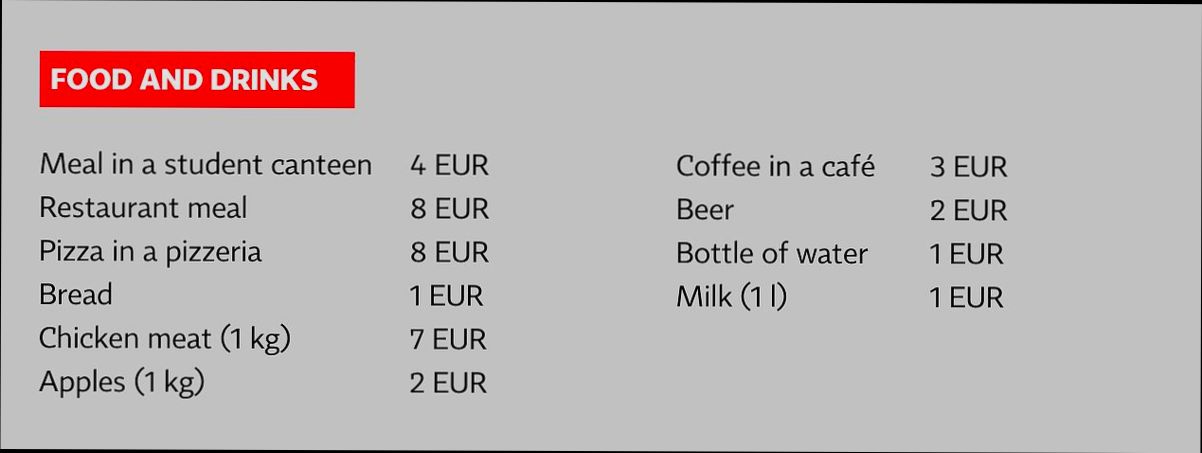
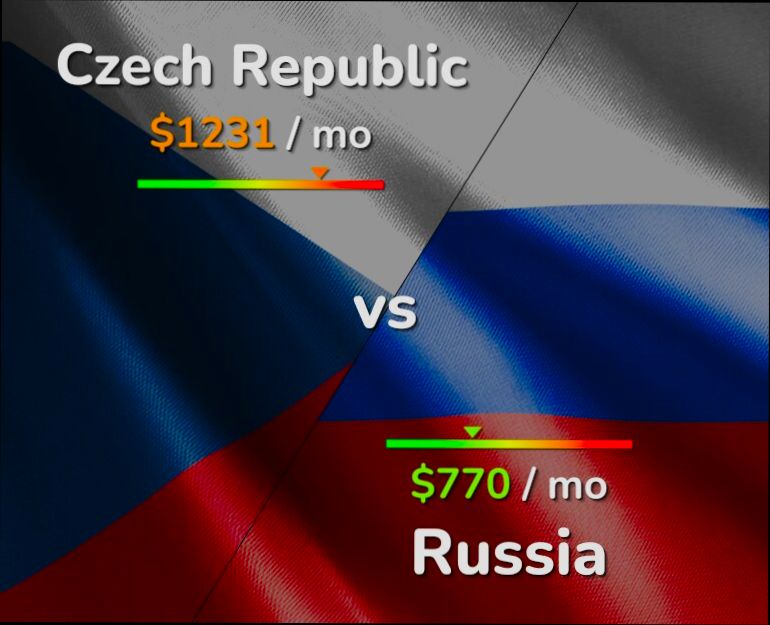
What is the Cost of Living in Czechia? You might be surprised to find it’s quite affordable compared to many Western European countries. For instance, rent in Prague averages around 15,000 CZK ($700) for a one-bedroom apartment in the city center, while a similar place in Munich could cost you over €1,700! Eating out is also budget-friendly; a meal at a nice restaurant might set you back about 300 CZK ($14), while a pint of local beer? Just 40 CZK ($2). You can enjoy a vibrant social life without breaking the bank!
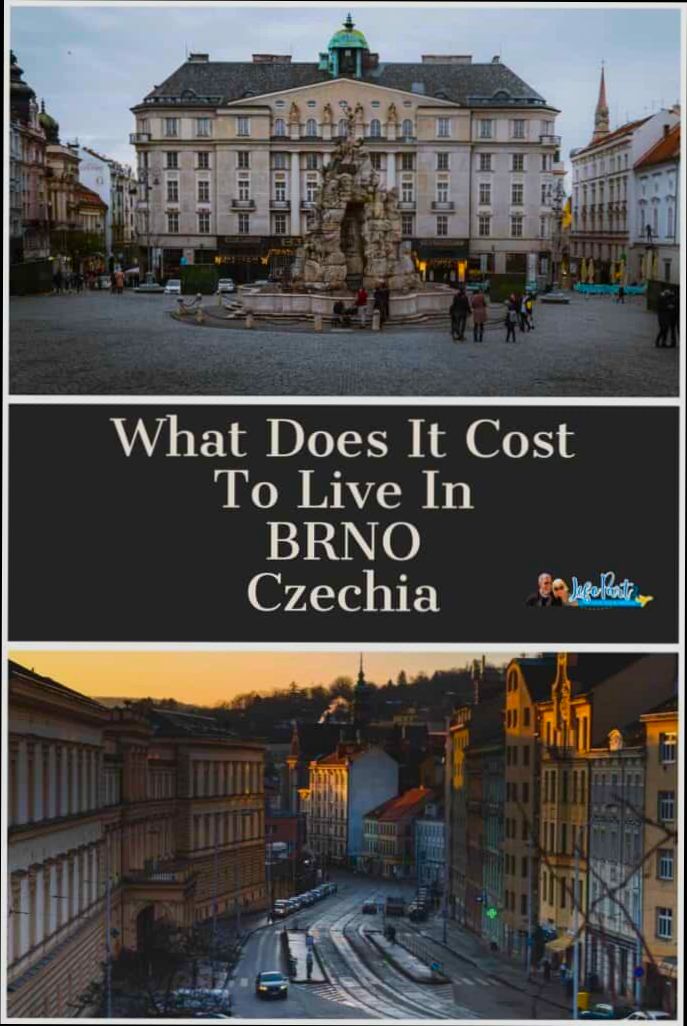
But it’s not just about the big cities. Even in smaller towns like Brno or Plzeň, costs remain reasonable. Public transport is efficient and cheap, with monthly passes for about 550 CZK ($25), so you can hop around without stress. Groceries, too, are reasonably priced—expect to pay around 80 CZK ($3.70) for a decent loaf of bread and about 30 CZK ($1.40) for a liter of milk. Prices can vary based on location and lifestyle, but overall, Czechia offers a fantastic balance of quality of life and affordability, making it a real gem in central Europe.

Housing Expenses and Rental Trends
Understanding housing expenses and rental trends in Czechia is crucial for anyone considering moving here or evaluating their current living situation. I want to take a closer look at what you can expect in terms of rental prices, housing availability, and market dynamics.
Current Rental Prices
The average monthly rent for a one-bedroom apartment in the city centers of major cities has been on the rise. Here are some data points:
- Prague: The average rent has reached about CZK 24,000 (approximately $1,100).
- Brno: Rentals are slightly lower, with an average around CZK 15,000 (about $650).
- Ostrava: You might find rentals closer to CZK 12,000 (approximately $530).
This shows a significant difference depending on the city, making it vital to factor in location when considering rental options.
Rental Price Trends
Over the past few years, Czechia has seen a notable trend in rental price increases. Reports indicate that rental prices in Prague have surged by about 20% from 2020 to 2023. In contrast, Brno has experienced a more modest increase of 10% during the same timeframe.
Housing Market Comparison
Here’s a quick comparative table showcasing the average rental prices across the most significant cities:
| City | Average Monthly Rent (CZK) | Percentage Increase (2020-2023) |
|---|---|---|
| Prague | 24,000 | 20% |
| Brno | 15,000 | 10% |
| Ostrava | 12,000 | 5% |
Real-World Examples
In Prague, a friend of mine recently moved from a shared apartment in Vinohrady, where rent was CZK 12,000, to a one-bedroom in the city center. The new apartment cost them CZK 28,000 but offered a modern layout and convenient access to public transportation.
In Brno, a couple I know managed to find a two-bedroom apartment for CZK 18,000, allowing them to share the costs and enjoy amenities like a balcony and parking, which is still quite affordable compared to Prague.
Practical Implications
When looking for housing in Czechia, consider:
- Long-Term Planning: Rental trends suggest prices won’t stabilize anytime soon. It’s wise to budget for regular increases.
- Neighborhood Selection: Consider emerging neighborhoods which might offer lower rents with great potential for future appreciation.
- Resource Utilization: Use local rental platforms (like Sreality or Bezrealitky) to monitor listings and price trends frequently.
Actionable Facts
- If you’re moving to Prague, target neighborhoods outside the city center to save money, as rents can be up to 30% lower.
- For specific bargains, keep an eye on listings in Brno, where new developments might not yet reflect the sharp price increases seen in other areas.
- Don’t hesitate to negotiate prices or ask about included utilities when checking out rentals; sometimes, you can save significantly on overall expenses.
By staying informed on these housing expenses and rental trends, you can make more strategic and financially sound decisions regarding your living arrangements in Czechia.
Food Prices in Urban vs Rural Areas
When we talk about food prices in Czechia, it’s fascinating to see the notable differences between urban and rural areas. Understanding these disparities can help you budget better for groceries depending on where you live or plan to move.
In urban areas, food price inflation tends to be lower compared to rural regions. Here are some key insights from recent research:
- Food price inflation is, on average, 0.7% lower in urban areas than in rural areas.
- In metropolitan regions, this difference grows to 1.6% lower for food price inflation compared to rural areas.
- Around 38% of people in rural areas reported that they find fruits and vegetables too expensive, compared to 25% in urban regions.
Comparative Food Prices Table
| Variable | Urban | Rural |
|---|---|---|
| Food Price Inflation (%) | -0.7% | +0.7% |
| Perception of High Prices | 25% | 38% |
| Distance to Nearest Supermarket (miles) | 3.04 | 8.88 |
| % of Households Struggling to Afford Balanced Meals | 13.77% | 21.26% |
A striking example from the data is the accessibility of fresh produce. In urban areas, only 3.83% of people reported limited variety in fruits and vegetables, whereas 14.60% in rural areas faced this challenge. This presents a significant hurdle for those in rural settings who may need to travel further to obtain fresh and affordable options.
Real-World Implications
If you’re living in an urban area, you’ll likely find a wider variety of food options at more affordable prices. Additionally, the proximity to supermarkets means that you can adapt your grocery shopping to take advantage of sales and promotions.
For those in rural areas, consider the following:
- Plan Your Grocery Trips: Since supermarkets are farther away, planning meals can save you trips and reduce overall costs.
- Explore Local Markets: Farmers’ markets or local vendors sometimes offer competitive prices on fresh produce, unlike larger supermarkets.
- Bulk Buying: When feasible, buy in bulk to save money, but be cautious with perishables.
Actionable Insights
- If you’re budget-conscious and living in rural areas, try to integrate more shelf-stable foods into your diet while keeping an eye on local produce for freshness.
- Regularly check for local deals or community-supported agriculture (CSA) options where you can buy shares of local farms, which might be more budget-friendly and fresher.
By being aware of the differences in food prices and consumer experiences between urban and rural areas, you can make smarter choices and potentially lower your grocery expenses.
Comparative Cost of Living Analysis
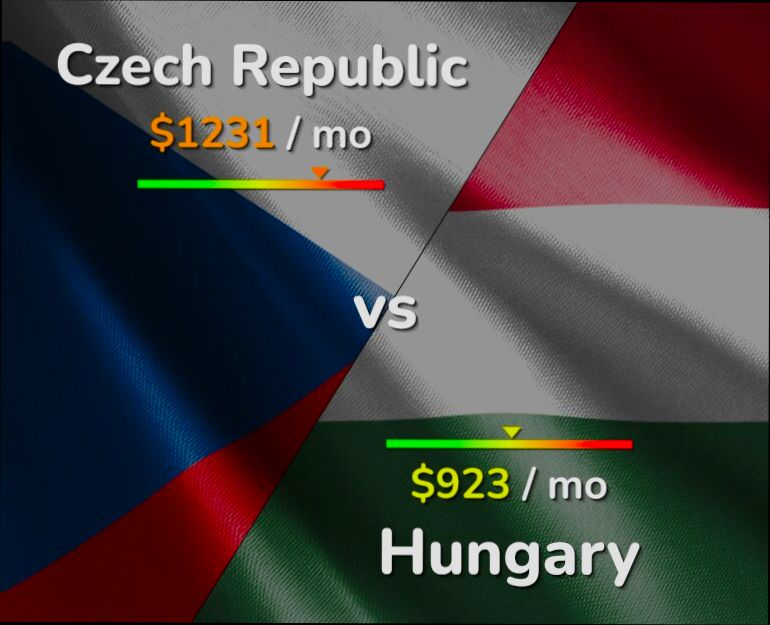
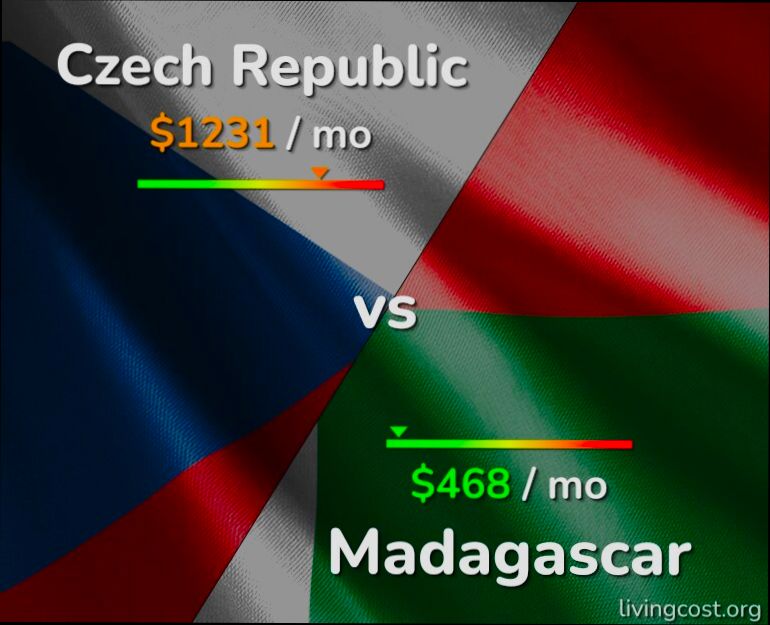
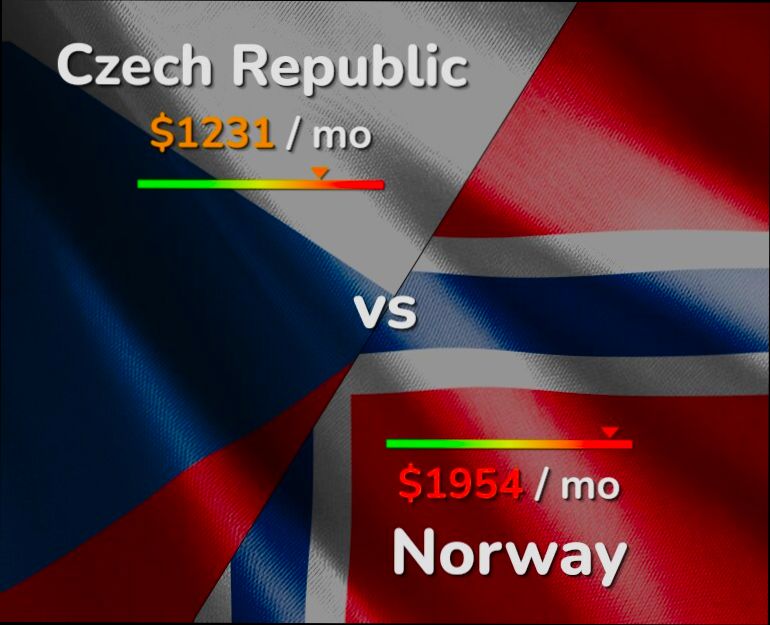
When considering a move to Czechia, understanding the comparative cost of living can help you make informed decisions about lifestyle and financial planning. This analysis focuses on how the costs of living in Czechia compare to those in other Central and Eastern European countries, providing you with context to better assess your situation.
Key Cost Components
To give you a deeper insight, here are some key components of the cost of living in Czechia compared to its neighbors:
- Transportation Costs
- Public transportation in Czechia is relatively affordable. The average monthly pass in Prague costs around CZK 550, while in cities like Budapest, it may cost approximately HUF 9,500 (about CZK 600). This small difference showcases Prague’s efficiency in public transport pricing.
- Healthcare Expenses
- Healthcare is often mentioned when discussing costs in different countries. In Czechia, basic healthcare insurance may cost around CZK 2,000 monthly, whereas, in neighboring Poland, it can range between PLN 300 and PLN 500 (approximately CZK 1,500 to CZK 2,500). This indicates that healthcare can be more economical in Czechia.
- Utility Costs
- Monthly utility costs (electricity, heating, cooling, water, and garbage) in Czechia average about CZK 3,500 for a standard apartment. In comparison, these costs in Slovakia are roughly EUR 130 (around CZK 3,100), suggesting a slight premium for utilities in Czechia.
Comparative Cost of Living Table
| Expense Category | Czechia (CZK) | Poland (PLN) | Slovakia (EUR) | Hungary (HUF) |
|---|---|---|---|---|
| Monthly Transit Pass | 550 | 600 | 35 | 9,500 |
| Monthly Healthcare | 2,000 | 1,500-2,500 | 1,600 | 10,000 |
| Monthly Utilities | 3,500 | 3,100 | 130 | 25,000 |
Real-World Examples
For instance, a local in Prague shared that they find the cost-effectiveness of living in Czechia attractive compared to their friends living in Budapest, primarily due to the stability of transportation costs and healthcare availability. Similarly, expats in Brno have noted that their monthly utility costs are manageable, especially when compared to those in Sofia, where utility prices can fluctuate widely.
Practical Implications
Understanding these comparative costs can directly affect your budgeting. If you plan to work in Czechia, factor in transportation fees that are lower than those in other major cities in the region. Additionally, recognize that healthcare coverage in Czechia provides a solid safety net, making it a compelling choice for long-term living.
- Actionable Advice: When moving, consider purchasing a public transit pass early on to get the most value out of your first month. Researching local healthcare providers can also help you choose a plan that fits your needs without straining your budget.
The comparative cost of living in Czechia presents a unique blend of affordability and quality of life, with many aspects proving to be competitive when set against other Central and Eastern European countries.
Transportation Costs and Commuting Options
When considering the cost of living in Czechia, it’s essential to look at transportation costs and your commuting options. Understanding how much you’ll spend on getting around can significantly impact your budget and daily routine.
Public Transportation Affordability
Public transportation in Czechia is known for being both efficient and affordable. Here are some key points:
- A monthly public transport pass typically costs around CZK 550 (approximately $25), making it easy to get around without breaking the bank.
- Bear in mind that in major cities like Prague or Brno, public transportation networks include trams, buses, and metro services, which operate from early morning until midnight.
Commuting Options
If you plan to travel within cities or to neighboring towns, you have a variety of options to consider:
1. Trams and Buses:
- Regular tram and bus services operate extensively, providing convenient transit within urban areas.
2. Metro Services:
- In Prague, the metro system is a reliable mode of transportation with three operational lines covering vast areas of the city.
3. Bikes and Scooters:
- Many cities offer bike-sharing schemes, costing around CZK 15 (approximately $0.70) for a short ride—perfect for quick trips.
Comparative Transportation Costs
| Commuting Option | Average Cost per Trip | Monthly Pass Cost |
|---|---|---|
| Public Transport (Metro, Tram, Bus) | CZK 24 | CZK 550 |
| Bike Rental (per short ride) | CZK 15 | Varies |
| Train (Regional Travel) | CZK 80 (Approx.) | Varies |
Real-World Examples
For instance, a commuter from the suburbs to Prague city center might spend CZK 1,000 monthly on public transport, which is typically more economical than maintaining a car.
If you’re considering eco-friendly commuting, returning from work by bike could save not just on money but also keep you active and healthy. For example, a six-kilometer bike ride can take around 20-30 minutes, which is about the same duration as taking the metro during peak hours.
Practical Insights
- If you plan to use public transport frequently, investing in a monthly pass could save you a significant amount compared to buying single tickets.
- Consider combining different commuting options. For longer distances, use regional trains, which offer scenic views and are comfortable.
Actionable Advice
When you relocate to Czechia, explore the public transport routes available in your residential area. This not only helps in planning your daily commute but also gives you an idea of how much you’ll need to allocate for transportation expenses each month.
Healthcare Affordability and Access
When considering living in Czechia, understanding healthcare affordability and access is essential. The country boasts a robust public healthcare system that provides services at low or no cost for residents. This section dives into the details of healthcare expenses, the accessibility of medical services, and what you can expect when navigating the Czech healthcare landscape.
Key Statistics to Note
- According to recent findings, around 98% of the population in Czechia is covered by health insurance, which significantly lowers out-of-pocket expenses.
- An average doctor’s visit can cost you around CZK 100-200 (approximately $4-9), with most of this covered by insurance.
- Prescription medications often require a copayment averaging 30%, meaning that on a typical monthly prescription cost of CZK 900 (approximately $40), you would pay about CZK 270 ($12) out of pocket.
Cost Comparison Table
| Service Type | Public Hospital (CZK) | Private Clinic (CZK) | Percentage Difference |
|---|---|---|---|
| General Practitioner Visit | 100-200 | 800-1,500 | +700% |
| Basic Prescription | 270 | 600-1,200 | +330% |
| Standard Hospital Stay | 900 | 1,800-3,500 | +350% |
Real-World Examples
In Czechia, healthcare experiences can vary significantly between public and private systems. For instance, a citizen needing a routine check-up can opt for a public health clinic, where the fees are minimal, or choose a private clinic for expedited service, though this can cost up to 1500 CZK. Studies indicate that those who choose public healthcare often express satisfaction due to the quality of care, as demonstrated in patient surveys.
Another noteworthy aspect is the disparity based on service type. For instance, while general practitioners charge around 100-200 CZK per visit, specialists might see fees escalate, but these costs are generally still manageable compared to private healthcare systems elsewhere.
Practical Implications for You
- Know Your Insurance: It’s critical to understand the specifics of your health insurance coverage. This awareness will help you anticipate costs related to doctor visits and prescriptions.
- Evaluate Public vs. Private: If you’re considering private healthcare for faster service, weigh the benefits against the higher costs. Many expats have noted that while the public system may involve longer wait times, the quality of care remains high.
- Budget for Medications: Even with insurance, budgeting for prescription copayments is wise. Understanding the cost differences between general and specialist visits can aid in financial planning.
Maintaining awareness of your healthcare options and their associated costs in Czechia can empower you to make informed decisions and maximize the use of available services.
Benefits of Living in Czechia
Living in Czechia opens up a world of benefits that not only enhance lifestyle but also provide practical financial advantages. If you’re considering a move to this vibrant central European country, you’ll discover a rich culture, easy access to nature, and a supportive community, all at a favorable cost of living.
Cultural Richness and Historical Significance
Czechia is famous for its deep-rooted history and culture, evident in its stunning architecture and historical sites.
- UNESCO Heritage Sites: Czechia boasts 14 UNESCO World Heritage Sites, including the beautiful historic center of Prague and the charming town of Český Krumlov. Living here provides you with the unique opportunity to immerse yourself in centuries of history without needing to travel far.
Quality of Education
For families or individuals pursuing education, Czechia offers excellent schooling and higher education opportunities.
- Internationally Recognized Universities: Prague’s Charles University ranks among the top 500 universities in the world, attracting international students. With affordable tuition compared to many Western countries, quality education comes at a fraction of the cost, making it a financially sound choice.
Access to Nature and Outdoor Activities
Living in Czechia means easy access to stunning natural landscapes, ideal for those who love the outdoors.
- Parks and Nature Reserves: Over 45% of the country is covered by forests, offering countless opportunities for hiking, cycling, and skiing. The proximity to nature contributes to a healthier lifestyle, reducing stress levels and promoting physical well-being.
Safety and Stability
Czechia often ranks highly in terms of safety and quality of life, which is a significant consideration for anyone relocating.
- Low Crime Rate: The country has one of the lowest crime rates in Europe, with a reported crime rate of just 1.08 per 1,000 residents. Such safety allows you to feel comfortable in your community and explore with peace of mind.
| Benefit | Specific Data |
|---|---|
| UNESCO Heritage Sites | 14 |
| International Ranking | Charles University in Top 500 |
| Nature Coverage | 45% of the country in forests |
| Crime Rate | 1.08 per 1,000 residents |
Real-World Examples
Consider the stories of expats living in Czechia who praise the lifestyle balance they’ve found. For example, Mary, a digital nomad, relocated to Prague and found herself captivated not just by the culture but also by the cost savings in transportation and leisure activities, allowing her to network and explore the city affordably.
Practical Implications
Living in Czechia not only brings the advantages of cost-effective living but also enriches your daily life with cultural experiences, educational opportunities, and a safe environment. Whether you’re an expat, a family, or a student, you’ll likely find the blend of affordability and quality living appealing.
Actionable Advice
To maximize your experience in Czechia, consider joining local expat communities or clubs focused on your interests, whether that be hiking, music, or cooking. Engaging with locals and fellow expats is a fantastic way to immerse yourself in Czech culture and make the most of your new life.
Practical Insights for Expats and Locals
Understanding the cost of living in Czechia isn’t just about numbers; it’s about actionable insights you can apply to improve your daily life—whether you’re an expat or a local. Let’s explore useful information and tips to enhance your experience while living in this beautiful country.
Cost of Utilities
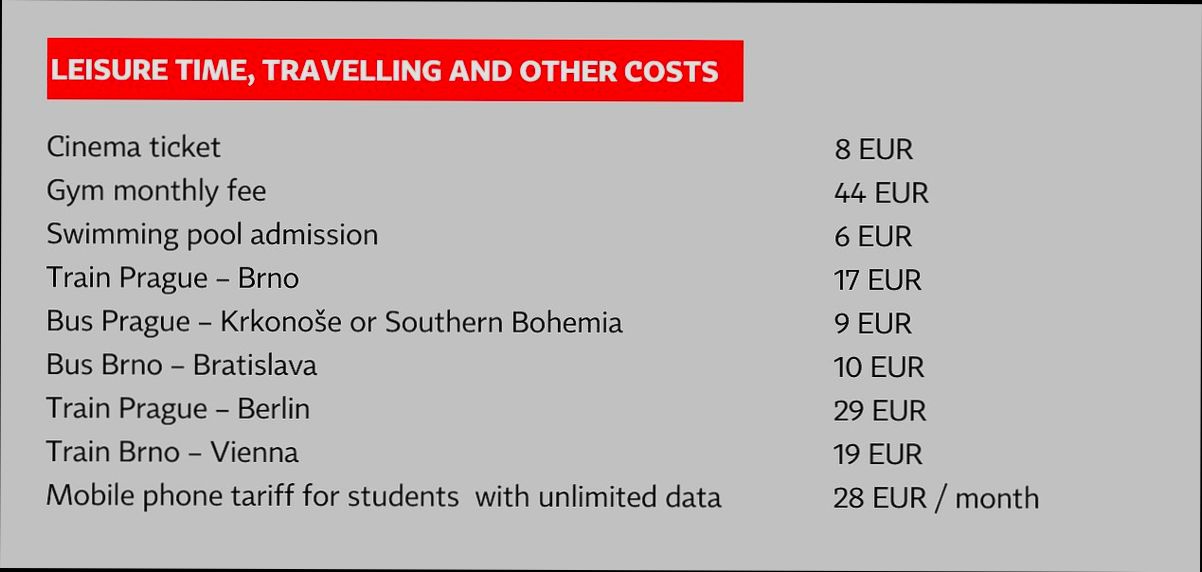
Utilities can significantly affect your monthly budget. For expats, knowing what to expect can help you plan better. In Czechia, the average monthly cost for basic utilities (including electricity, heating, water, and garbage) for a standard apartment is around CZK 3,500. This figure can vary depending on your usage and season but is relatively manageable compared to other European countries.
Public Service Costs
It’s important to familiarize yourself with costs related to public services. For instance, public waste collection fees can average about CZK 600 per year per household, and local taxes—particularly property taxes—can range between CZK 1,000 and CZK 5,000 annually. Expatriates often overlook these fees, so being aware of them will help you avoid surprises.
Childcare and Education Expenses
For families, understanding educational costs can tailor your budget more accurately. Public education is generally free, but extracurricular activities and private schooling tend to have a range of pricing. Private preschool can cost about CZK 7,000 monthly, and international schools tuition might be upwards of CZK 160,000 per year. Knowing these costs helps you choose the best educational path for your children.
| Service Type | Average Cost (CZK) |
|---|---|
| Basic utilities | 3,500 |
| Waste collection (annual) | 600 |
| Private preschool (monthly) | 7,000 |
| International school (annual) | 160,000 |
Real-World Examples
Let’s look at a couple of scenarios. Maria, an expat living in Prague, balances her budget by renting in a residential area rather than the city center; this decision saves her roughly 25% on her rent. Additionally, she participates in local community activities, which has helped her connect with neighbors and reduce costs related to leisure activities.
On the flip side, Tom and Lucy, a local couple with two children, leveraged public schooling and limited their childcare expenses by utilizing grandparents for after-school supervision. By applying this strategy, they managed to save around CZK 15,000 each month, allowing them to allocate those funds towards family outings and savings.
Practical Tips for Your Budget
- Utility Management: Keep track of your consumption to avoid high utility bills. Simple changes like using energy-efficient bulbs can make a difference.
- Local Activities: Participate in community events that are often free and can provide entertainment and socializing opportunities without spending much.
- Negotiate rent: In some cases, especially for longer leases, landlords may be open to negotiation on rental prices.
By understanding these insights and being proactive, you can navigate life in Czechia with more confidence and clarity, maximizing your living experience while minding your budget.