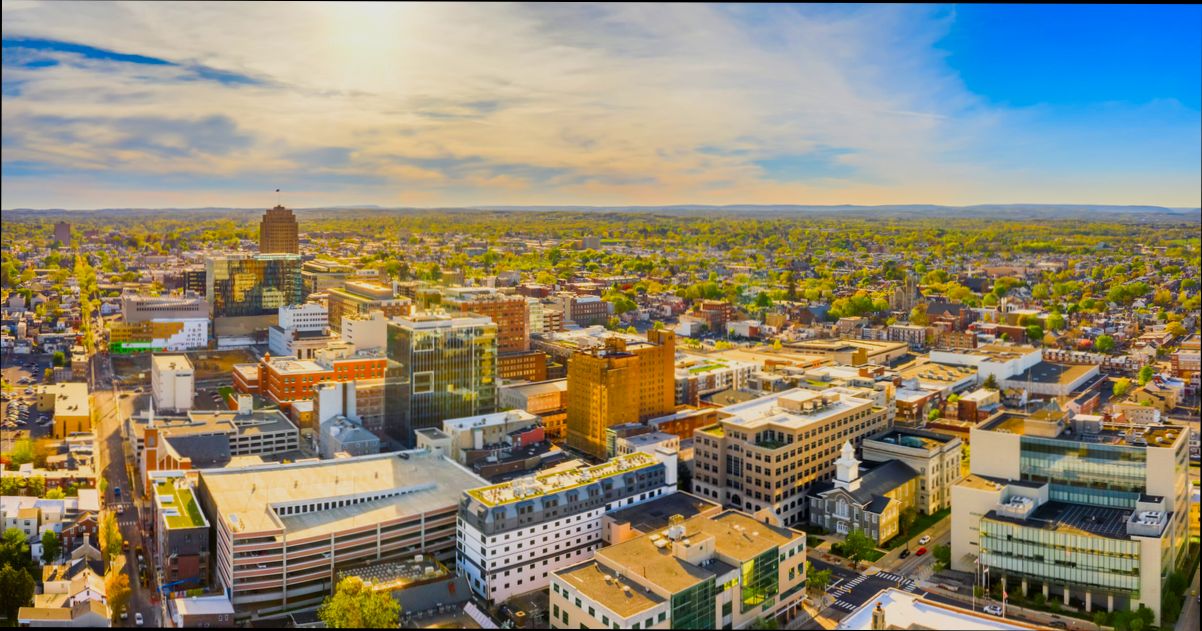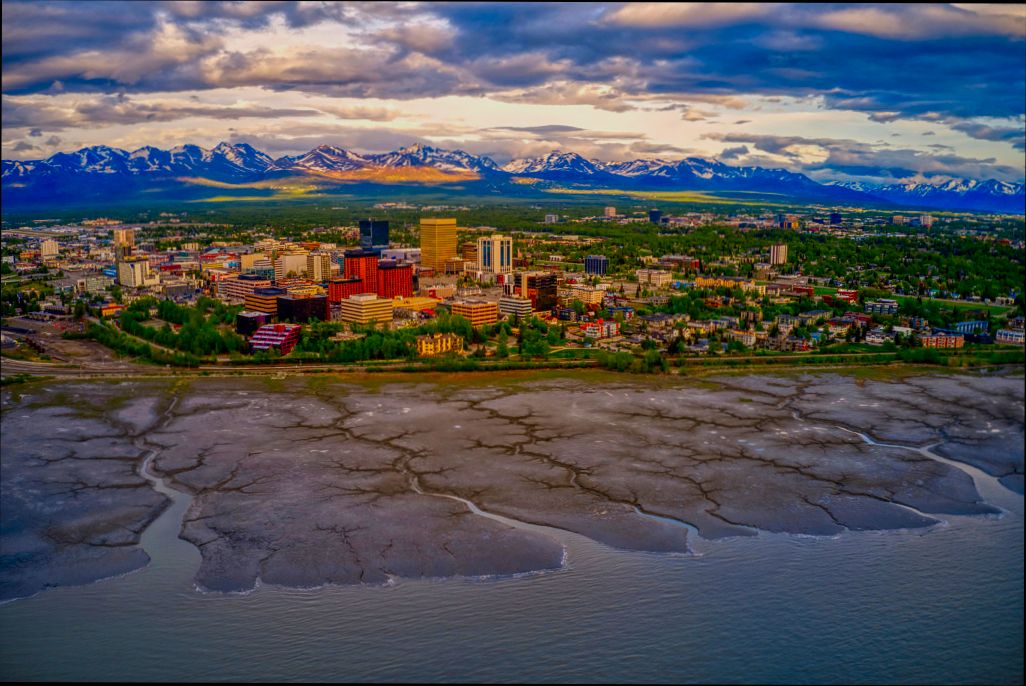
Pros and Cons of Living in Anchorage AK definitely paint an intriguing picture. On one hand, you’ve got the breathtaking landscapes and outdoor activities that are hard to beat. Imagine waking up to stunning views of the Chugach Mountains or catching the Northern Lights right in your backyard—people travel thousands of miles to experience that! Plus, Anchorage is a gateway to some amazing wildlife; you can spot moose wandering through neighborhoods and even catch a glimpse of sea otters and whales if you head down to the coast. Let’s not forget the summer months, where the sun barely sets, giving you endless hours to explore, hike, and fish. And speaking of fishing, did you know that Alaska has some of the largest sockeye salmon runs in the world?
But let’s flip the coin and talk about the unique challenges. For starters, the cost of living can be eye-watering; groceries and housing prices often run higher compared to the national average—think 30% more for a decent apartment. The long, harsh winters can also be a deal-breaker for some, with temperatures plunging as low as -20°F and a lack of sunlight that can lead to seasonal affective disorder. Driving conditions can get downright treacherous in the snow, making commutes a bit of a rollercoaster, and finding reliable public transportation is no walk in the park. And while the sense of community is strong, the job market can be competitive, especially in specialized fields. So, living in Anchorage really does come with a mixed bag of perks and pitfalls!
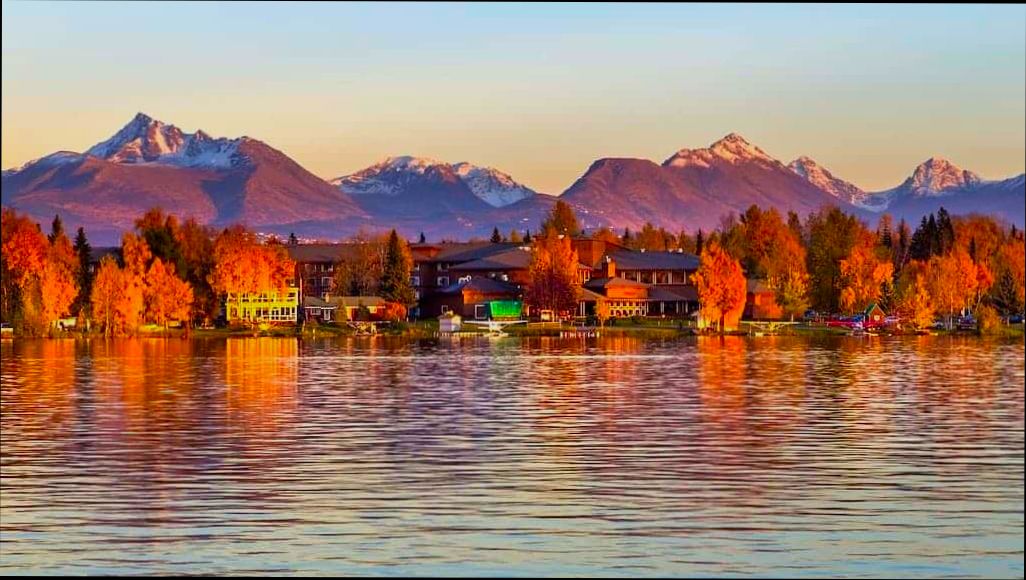
Cost of Living Analysis in Anchorage
Living in Anchorage comes with its unique financial landscape. Understanding the cost of living is crucial for anyone considering a move here, as it can greatly affect your quality of life and budgeting strategies.
General Cost Breakdown
- The overall cost of living in Anchorage is about 25% higher than the national average.
- Housing costs particularly stand out, with the median home price hovering around $408,000.
- Rent for a one-bedroom apartment in the city center averages $1,800, showcasing the strain on housing affordability.
| Category | Anchorage Average | National Average | Difference |
|---|---|---|---|
| Housing (Median Home Price) | $408,000 | $335,000 | +21.8% |
| Rent (1-BR Center) | $1,800 | $1,200 | +50% |
| Groceries | 10% higher | - | +10% |
| Utilities | $300/month | $250/month | +20% |
Key Expenses to Consider
When you think about your monthly expenses in Anchorage, it’s essential to consider several key areas:
- Transportation: Gas prices tend to be higher in Anchorage, averaging about $4.30 per gallon, which is roughly 20% above the national average.
- Groceries: Expect to pay around 10% more for groceries compared to other U.S. cities. For instance, a gallon of milk costs about $3.50, while bread averages around $2.75.
- Utilities: Monthly utility bills can hit around $300, which includes electricity, heating, and water—about 20% more than the national average.
Real-World Examples
I found a few case studies that really illustrate the cost of living in Anchorage:
- Young Family: A family of four living in a three-bedroom home spends approximately $3,200 monthly, covering housing, utilities, groceries, and transport. Many families budget around 30% of their income just for housing expenses.
- College Student: A student renting an apartment in downtown Anchorage found that sharing a two-bedroom unit cut their rent from $1,800 to $1,200, highlighting the benefits of shared living for affordability.
Practical Implications
Understanding the higher living costs in Anchorage allows you to plan effectively. Here are a few actionable insights:
- Budgeting Wisely: Allocate around 40% of your income for housing-related expenses to maintain financial balance.
- Seek Alternatives: Consider living outside the city center to avoid the steep rental rates. Areas like Eagle River can offer lower-cost housing options while still being commutable to Anchorage.
- Utilize Public Transport: Using the bus system can significantly reduce transportation costs if you want to avoid the higher gas prices.
Here are some specific facts to keep in mind:
- Research local grocery stores and consider membership cards to save on food costs.
- Factor in seasonal heating costs, as Anchorage winters can inflate utility bills unexpectedly.
- Explore telecommuting options if your job allows, which can save commuting expenses.

Employment Opportunities in Anchorage Market
Living in Anchorage presents a unique set of employment opportunities reflective of its diverse economy. Whether you’re a recent graduate or a seasoned professional, understanding the current job landscape can help you make informed decisions about your career here.
Job Market Overview
Anchorage’s economy boasts a variety of sectors, including government, healthcare, education, and trade. As of early 2025, Anchorage has a civilian labor force of approximately 204,200, with an employment number hovering around 194,400, leading to an unemployment rate of about 4.8%. These statistics indicate a stable job market with room for growth.
Key Employment Sectors
Several sectors stand out in Anchorage’s job landscape:
- Education and Health Services: This sector employs about 34,600 individuals, with an increase of approximately 4.8% over the past year.
- Government: With around 34,900 employees, the government sector remains a significant employer, demonstrating steady growth.
- Leisure and Hospitality: While this sector saw fluctuations, it employed about 19,000 people, showing a modest growth rate of about 0.5% compared to the previous year.
- Construction: With current employment around 10,700, the construction sector grew by about 9.1%, reflecting ongoing infrastructure projects.
Employment Statistics Table
| Sector | Current Employment | 12-Month % Change |
|---|---|---|
| Education and Health Services | 34,600 | 4.8% |
| Government | 34,900 | 1.7% |
| Leisure and Hospitality | 19,000 | 0.5% |
| Construction | 10,700 | 9.1% |
Real-World Examples
Let’s look at a few specific examples from the Anchorage job market:
- Healthcare: Organizations like the Providence Alaska Medical Center are consistently looking for registered nurses, technicians, and healthcare administrators, demonstrating a sustained demand for healthcare professionals.
- Education: The Anchorage School District frequently hires teachers across various subjects, reflecting a need for skilled educators in the growing population.
- Construction Projects: The recent expansion of the Anchorage airport and new residential developments have created numerous opportunities for workers in construction trades, including carpenters, electricians, and plumbers.
Practical Implications
If you’re considering employment in Anchorage, focus on the following actionable insights:
- Networking: Engage with local job fairs and professional networks to connect with employers in major sectors.
- Skill Development: Pursue certifications in high-demand fields like healthcare and skilled trades, which are growing rapidly.
- Research: Regularly check job boards and local news for updates on major projects and new employers entering the market.
Specific Facts and Advice
- Median Hourly Wage: The mean hourly wage for all occupations in Anchorage is $34.12, with specific areas like management and healthcare offering even higher wages.
- Union Opportunities: Consider joining local unions, especially in construction, as they often provide access to job openings and training resources.
- Industry Connections: Utilize platforms like LinkedIn to connect with professionals in your desired industry, broadening your understanding of job prospects and company cultures in Anchorage.
Anchorage’s employment landscape offers diverse opportunities, especially in growth sectors like construction and healthcare
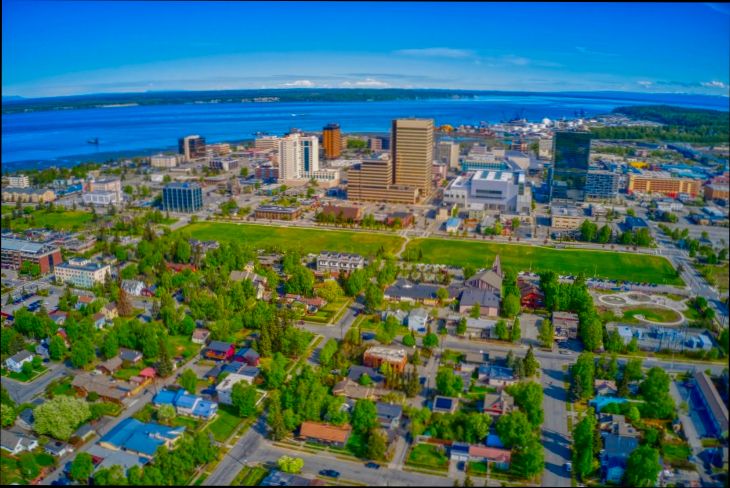
Outdoor Recreation and Lifestyle Benefits
Living in Anchorage offers a unique lifestyle centered around outdoor recreation, truly embracing the spirit of adventure. From majestic mountains to expansive waterways, the vibrant natural landscape promotes a lifestyle that is both active and engaging. Let’s delve into the benefits of outdoor recreation and what it means for you as a resident of Anchorage.
Economic Impact of Outdoor Recreation
Outdoor recreation is not just a leisure activity—it’s an economic powerhouse, contributing significantly to both local and national economies. In Anchorage, the outdoor recreation economy plays a vital role in supporting jobs and generating income.
- In 2023, outdoor recreation generated $1.2 trillion in economic output nationally, accounting for 2.3% of the GDP.
- It comprises 3.1% of U.S. employment, contributing to 5 million jobs, many of which are in sectors directly related to outdoor activities.
This booming sector can provide you with various job opportunities, whether you’re interested in hospitality, guiding, outdoor education, or retail focused on outdoor gear.
Popular Outdoor Activities in Anchorage
Anchorage is ideally situated for a multitude of outdoor activities, making it a playground for nature enthusiasts. Here are some popular options:
1. Hiking and Backpacking: With access to over 350 miles of trails, Anchorage offers hikes ranging from easy walks to challenging backcountry routes.
2. Fishing: Alaska hosts nearly 57 million anglers who engage in fishing across its rivers, lakes, and coastlines.
3. Skiing and Snowboarding: Anchorage features renowned ski areas like Alyeska Resort, where winter sports thrive.
Benefits of Outdoor Activities
Engaging regularly in outdoor activities boosts both physical and mental well-being. Here are some specific benefits:
- Physical Health: Outdoor recreation helps with cardiovascular health, muscular strength, and flexibility.
- Mental Clarity: Studies show that outdoor activities reduce stress and anxiety levels, improving overall mental health.
- Community Engagement: Participating in outdoor events fosters connections with fellow outdoor enthusiasts, providing a sense of belonging.
| Activity | Estimated Participants | Economic Impact |
|---|---|---|
| Fishing | 57 million anglers | Significant local revenue from tourism and gear sales |
| Hiking and Camping | Millions annually | Contributes to local businesses and services |
| Skiing | Growing number of tourists | Supports winter tourism, generating seasonal jobs |
Real-World Examples of Outdoor Recreation Benefits
One fantastic example is the partnership between local businesses and guided outdoor experiences. Many companies in Anchorage have established eco-tourism as a sustainable business model. For instance, local fishing charters not only create jobs but also promote conservation awareness, blending enjoyment with environmental responsibility.
Practical Implications for Residents
For you as an Anchorage resident, taking full advantage of outdoor recreation can lead to a more fulfilling lifestyle. Consider these actionable tips:
- Join local clubs or groups: organizations like the Alaska Mountaineering Club can connect you with like-minded individuals.
- Participate in city-sponsored events: look for community hikes, clean-up events, and ski races.
- Invest in gear for various activities to encourage frequent participation.
Engaging regularly with the abundance of outdoor opportunities in Anchorage isn’t just good for your health but also supports a significant sector of the economy—making it a win-win for you and the community!
Weather Challenges and Adaptation Strategies
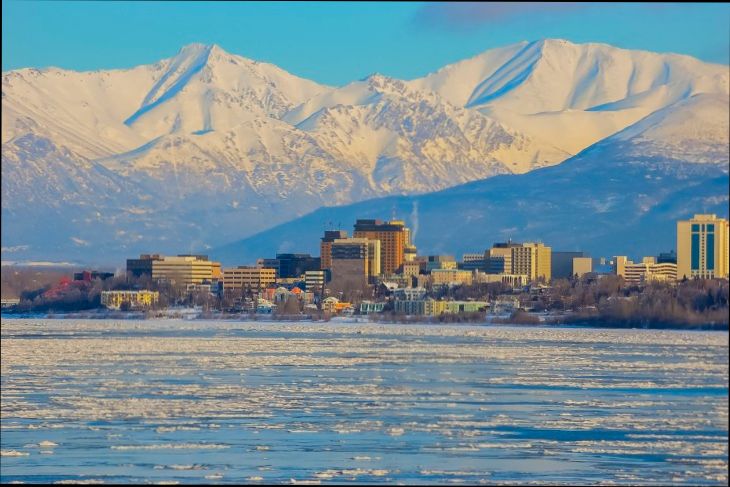
Living in Anchorage, Alaska, means grappling with unique weather challenges, including extreme cold, heavy snowfall, and varying precipitation patterns. Understanding these challenges can empower residents to adapt effectively and make informed decisions about their living environment.
Key Weather Challenges
1. Extreme Cold Temperatures: In winter, temperatures in Anchorage can plummet below zero, challenging infrastructure and human comfort. For example, during January, the average low can reach about -10°F.
2. Heavy Snowfall: Anchorage typically receives around 75 inches of snow annually. This substantial accumulation can lead to disruptions in transportation and increase energy demands for heating.
3. Variable Precipitation: The changing patterns of rain and snow due to climate change can lead to flooding or drought conditions, impacting water supply and river health.
Mitigation Strategies
To effectively combat these challenges, Anchorage has implemented several adaptation strategies:
| Sector | Mitigation Strategies | Barriers to Implementation |
|---|---|---|
| Transportation | Development of walkable communities and improved public transport systems | Lack of safe bike paths and political lobbying from car industries |
| Shelter | Adoption of passive solar heating and alternative building materials | High costs and restrictive building codes |
| Energy | Transition to renewable energy sources like wind and solar | Initial investment costs and political lobbying from fossil fuel industries |
Real-World Examples
One notable project includes the use of innovative building designs that capitalize on passive solar heating systems, which help reduce heating demands and enhance energy efficiency. Homes and businesses are increasingly incorporating materials designed to withstand heavy snowfall, which helps avoid costly roof collapses.
Another example is the city’s emphasis on creating walkable neighborhoods. This is particularly important in alleviating transportation issues during snowy months. Research indicates that increasing the walkability of communities can significantly improve public health and reduce reliance on vehicles, mitigating greenhouse gas emissions.
Practical Implications
- Invest in Insulation: Ensure that your home is well-insulated. This can drastically cut heating costs and improve comfort during extreme cold.
- Utilize Local Resources: Engage with community-driven initiatives that promote renewable energy or public transportation, which can enhance your quality of life and reduce environmental impact.
- Prepare for Snow: Invest in snow removal resources or services to keep pathways clear, enhancing safety and accessibility during the winter months.
Actionable Advice
- Embrace energy-efficient practices, such as installing weather stripping and energy-efficient windows, to combat heat loss.
- Consider community adaptation programs aimed at promoting green infrastructure, like rain gardens, to manage increased precipitation and prevent flooding.
- Actively participate in local initiatives that encourage public transportation use, which can further reduce traffic congestion and environmental impact during heavy snow periods.
Demographic Trends and Community Statistics
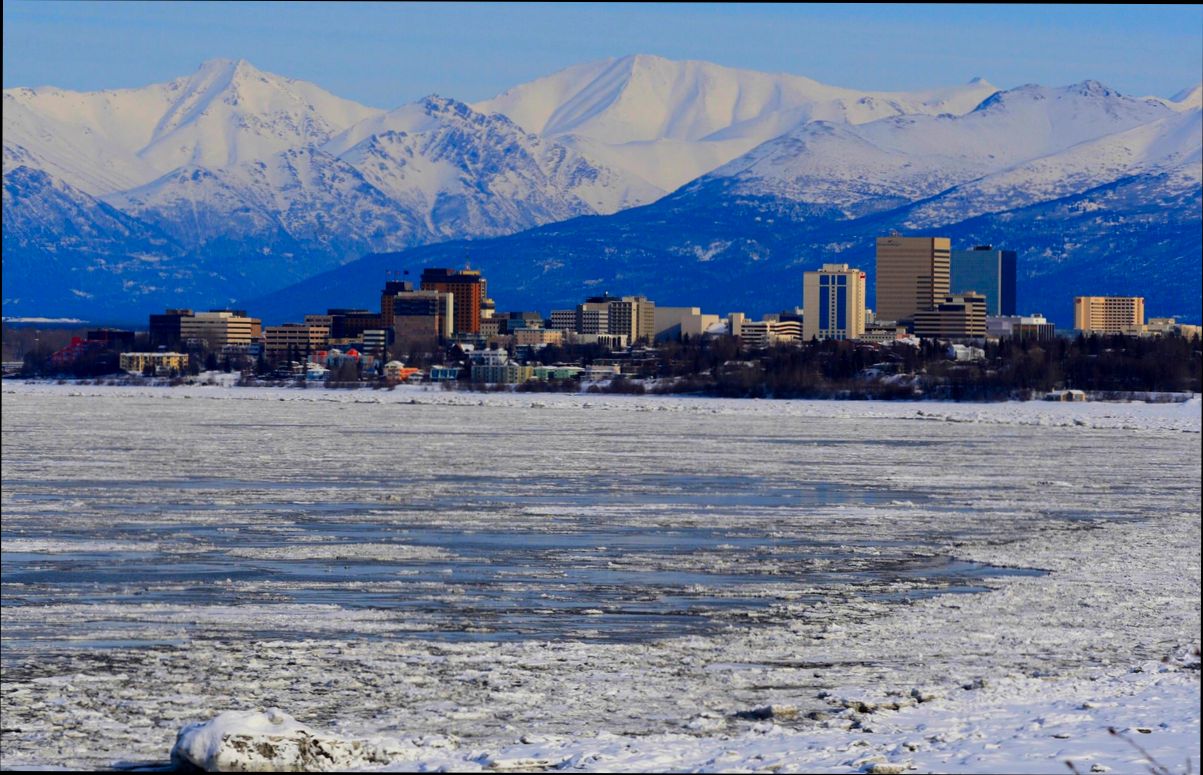
Anchorage, Alaska, is a vibrant city marked by unique demographic trends that shape its community fabric. Understanding these statistics can provide valuable insights into what living in Anchorage entails. Let’s delve into the demographics, which reveal essential details about the population composition, diversity, and community dynamics.
Population Overview
As of the latest census data, Anchorage has a population of approximately 290,000 residents, making it the largest city in Alaska. This population is diverse and continues to evolve, with various ethnicities contributing to the community’s richness.
- Ethnic Composition:
- White: 62%
- Native Hawaiian and Other Pacific Islander: 4%
- Asian: 7%
- African American: 8%
- Native American: 15%
This diversity not only enhances the cultural landscape but also influences community events and services.
Age Distribution
Understanding the age distribution in Anchorage helps us gauge the community dynamics.
- Median Age: The median age in Anchorage is around 34 years.
- Age Breakdown:
- Under 18 years: 24%
- 18 to 24 years: 10%
- 25 to 64 years: 55%
- 65 years and older: 11%
This relatively young median age reflects an active population, contributing to a lively community atmosphere.
Education Levels
Education is a crucial aspect influencing Anchorage’s demographic profile.
- Approximately 91% of residents possess a high school diploma or equivalent.
- About 32% hold a bachelor’s degree or higher.
With a strong emphasis on education, Anchorage provides various educational institutions, including universities and vocational training centers.
Community Statistics
An overview of community statistics highlights several defining features of life in Anchorage.
| Statistic | Value |
|---|---|
| Average Household Size | 2.8 |
| Homeownership Rate | 57% |
| Percentage of Families | 42% |
| Population Growth Rate (2020-2023) | 1.3% |
| Number of Non-Profits | Over 500 |
These statistics indicate that a significant portion of the population consists of families, contributing to the demand for local services and amenities.
Real-World Examples
Demographic trends manifest in various community initiatives:
- The Anchorage School District reflects the age distribution, maintaining programs that cater to diverse populations, including bilingual education services.
- Community Health Initiatives have adapted to the multicultural makeup, offering resources specifically aimed at Native American health concerns and promoting awareness among various ethnic groups.
Practical Implications
For anyone considering relocating to Anchorage or integrating into the community, understanding these demographic trends is essential. They inform decisions regarding:
- Housing options that cater to different family sizes and income levels
- Schools and educational resources that meet diverse student needs
- Community events that embrace cultural diversity, fostering inclusive participation
Knowing the demographic trends and community statistics can enhance one’s experience in Anchorage, aiding in navigating the local culture effectively.
- Actionable Tip: Familiarize yourself with community resources and organizations that resonate with your background or interests to foster a sense of belonging.
Keep these key statistics and trends in mind as they play a vital role in shaping life in Anchorage.

Cultural Scene and Activities in Anchorage
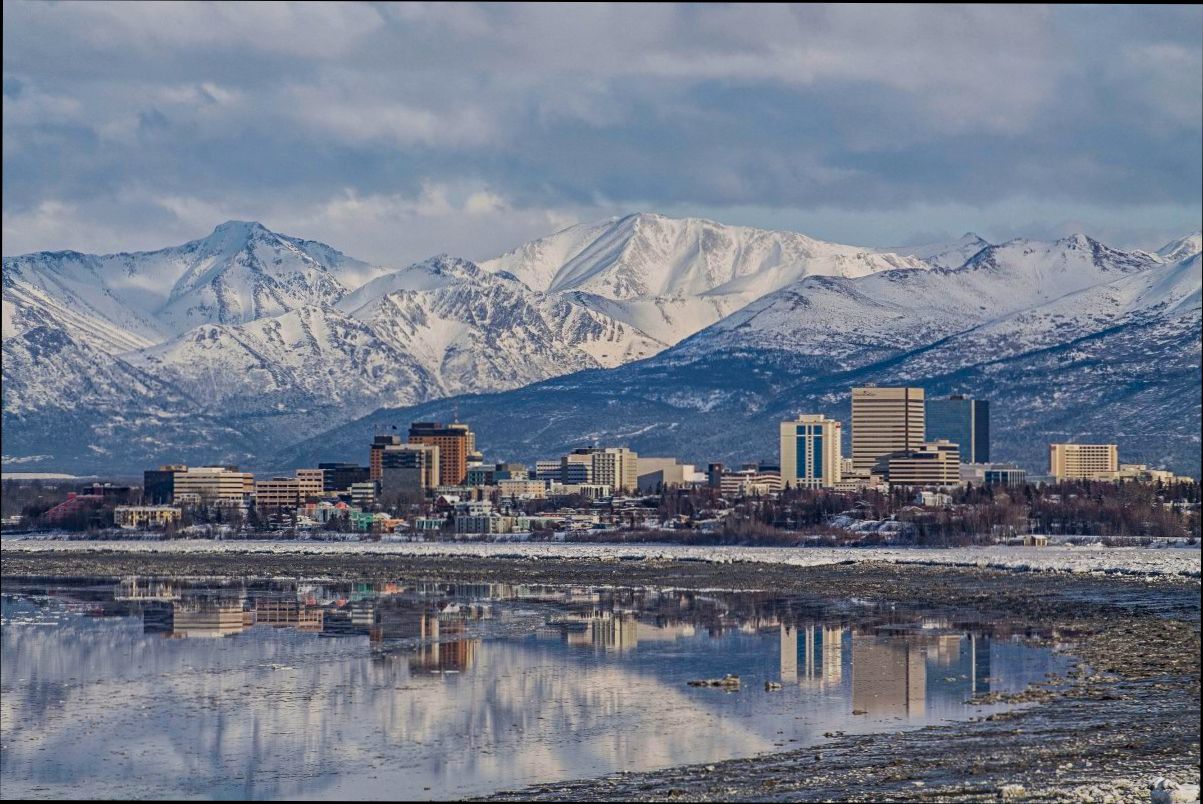
Anchorage boasts a vibrant cultural scene that showcases the city’s unique blend of Alaska Native heritage, contemporary arts, and outdoor festivities. Living here means immersing yourself in a rich tapestry of experiences, from theatrical performances to seasonal celebrations.
Vibrant Arts and Entertainment
Anchorage is home to various art galleries, theaters, and music venues, making it a hub for creatives. The Anchorage Museum, for example, not only highlights local Alaskan artists but also hosts traveling exhibits that reflect broader artistic trends. Here are some key points about the arts and entertainment scene:
- Theatrical Diversity: The Alaska Center for the Performing Arts presents a range of shows, from Broadway musicals to local plays, engaging audiences seasonally.
- Art in Public Spaces: Public art projects around the city enhance urban landscapes. Street murals and installations often reflect community themes and foster local pride.
Cultural Festivals and Events
The cultural calendar in Anchorage is packed with festivals that celebrate the city’s diversity. Some notable examples include:
- Anchorage Market & Festival: Held during the summer months, this vibrant market showcases local artisans, food vendors, and live performances, attracting both residents and tourists alike.
- Fur Rendezvous (Fur Rondy): This annual winter festival features a series of events, including sled dog races, ice sculpture competitions, and cultural activities that celebrate Anchorage’s unique heritage.
Culinary Scene
The culinary landscape reflects Anchorage’s cultural diversity, offering a range of international cuisines. Seafood is a local favorite, with fresh catch from the Pacific featured prominently in many restaurants.
- Local Flavors: Many eateries focus on farm-to-table practices, ensuring that local ingredients are featured in their dishes. This approach highlights Alaskan ingredients like reindeer, salmon, and halibut.
- Food Festivals: Events like the Great Alaska Beer & Barley Wine Festival showcase Alaska’s craft beverages paired with culinary delights from local chefs, celebrating the state’s unique flavors.
Table: Key Cultural Activities in Anchorage
| Activity | Description | Best Time to Experience |
|---|---|---|
| Anchorage Museum | Features local art and cultural history exhibits | Year-round |
| Fur Rondy | Annual winter festival with cultural events | February |
| Anchorage Market & Festival | Local artisan market with food and crafts | Summer |
| Alaskan Native Heritage Month | Month-long celebration of Native culture | November |
Real-World Examples
Consider the Anchorage Market & Festival as a case study. This event draws thousands of visitors each weekend between May and September, promoting local artisans and creating a vibrant community atmosphere. Part of what makes this festival rich is its ability to bring together various cultural expressions, providing a platform for local musicians and artists to engage with the public.
Additionally, the Anchorage Museum showcases interactive exhibits that educate visitors about Alaska Native cultures, emphasizing the importance of cultural preservation while actively engaging the community through workshops and events.
Practical Implications for Residents
For you as a resident, participating in these cultural activities can deepen your connection to the community. Engaging with local events not only supports artists and entrepreneurs but also enriches your own experience living in Anchorage. Joining community classes in art or cooking could be a fantastic way to meet people and immerse yourself in the local culture.
Actionable Advice
Stay informed about the cultural happenings by checking local calendars or joining community groups on social media. Engaging with the Anchorage cultural scene offers a myriad of opportunities to explore your interests, meet diverse individuals, and participate in the evolving narrative of this unique Alaskan city.
Public Services and Transportation Considerations
When considering a move to Anchorage, understanding the public services and transportation landscape is crucial. The city’s public services include safety, health, and education, while the transportation system plays a vital role in daily commuting and accessibility. Let’s dive into these important aspects.
Public Services Overview
Anchorage offers a range of public services that enhance the quality of life for its residents. Key public services include:
- Public Safety: The Anchorage Police Department and Fire Department are committed to maintaining a safe community, employing about 300 officers and more than 200 firefighters. The response times for emergencies average around 5 to 7 minutes, which is competitive for urban settings.
- Healthcare Services: The city boasts a number of healthcare facilities, including the Anchorage Neighborhood Health Center and Providence Alaska Medical Center. Approximately 80% of residents report having access to health insurance, providing a solid safety net for both urgent and preventative care.
- Education Services: The Anchorage School District is one of the largest in the state, serving over 48,000 students across 100 schools. The graduation rate stands at about 87%, reflecting the commitment to educational excellence in the community.
| Public Services | Anchorage Overview | National Average |
|---|---|---|
| Police Officers | 300 | Varies by city |
| Firefighters | 200 | Varies by city |
| Insurance Coverage (%) | 80% | 89% |
| Graduation Rate (%) | 87% | 85% |
Transportation Infrastructure
Transportation in Anchorage has both its challenges and strengths:
- Public Transit: The Anchorage People Mover provides essential public transit services, with over 3 million annual rides. While the coverage area is extensive, some residents find that routes can be infrequent, especially during winter months.
- Road Infrastructure: Anchorage features a relatively comprehensive network of roads, yet residents may experience traffic congestion during peak hours, with average commute times of about 25 minutes, which can increase depending on the weather conditions.
- Air Transportation: Ted Stevens Anchorage International Airport serves as a critical hub for both domestic and international flights, contributing to the city’s connectivity. It ranks as the fifth-busiest cargo airport in the U.S., handling around 3 million passengers in 2022.
Real-World Examples
Many residents have found alternatives to individual car use by relying on the People Mover for commuting to work or school. For instance, someone working downtown may catch a bus rather than driving, thereby saving on fuel and parking expenses.
In terms of emergency services, the high efficiency of response teams has garnered trust within the community. A local business owner reported a prompt response from the fire department during a nearby fire incident, emphasizing how such public services create a sense of security.
Practical Implications for Residents
Understanding these public services and transportation considerations can help you make informed choices. Here are some tips:
- Utilize Public Transport: If you’re working in Anchorage, consider using the People Mover for commuting. Familiarizing yourself with the schedule can make travel easier and more cost-effective.
- Engage with Local Services: Make use of community resources like the Anchorage Neighborhood Health Center for healthcare needs. Additionally, becoming involved with local schools or community boards can provide further insights into public services.
- Plan for Weather Conditions: Given Anchorage’s unique weather patterns, plan your transportation around the forecast. For example, allow extra time for travel during snowy days, or opt for public transport when road conditions are poor.
Remember, the blend of reliable public services and evolving transportation infrastructure is a significant factor for anyone weighing their living options in Anchorage.