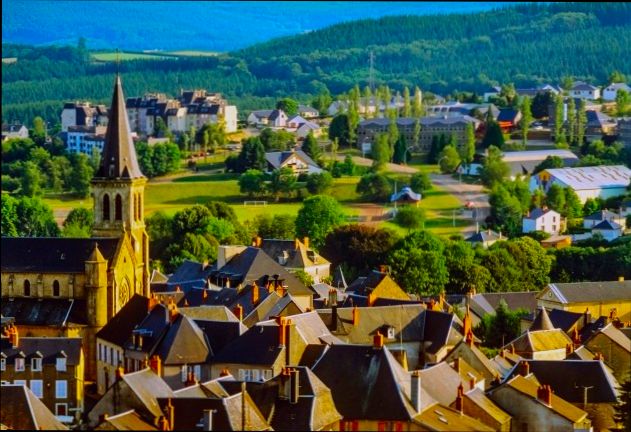
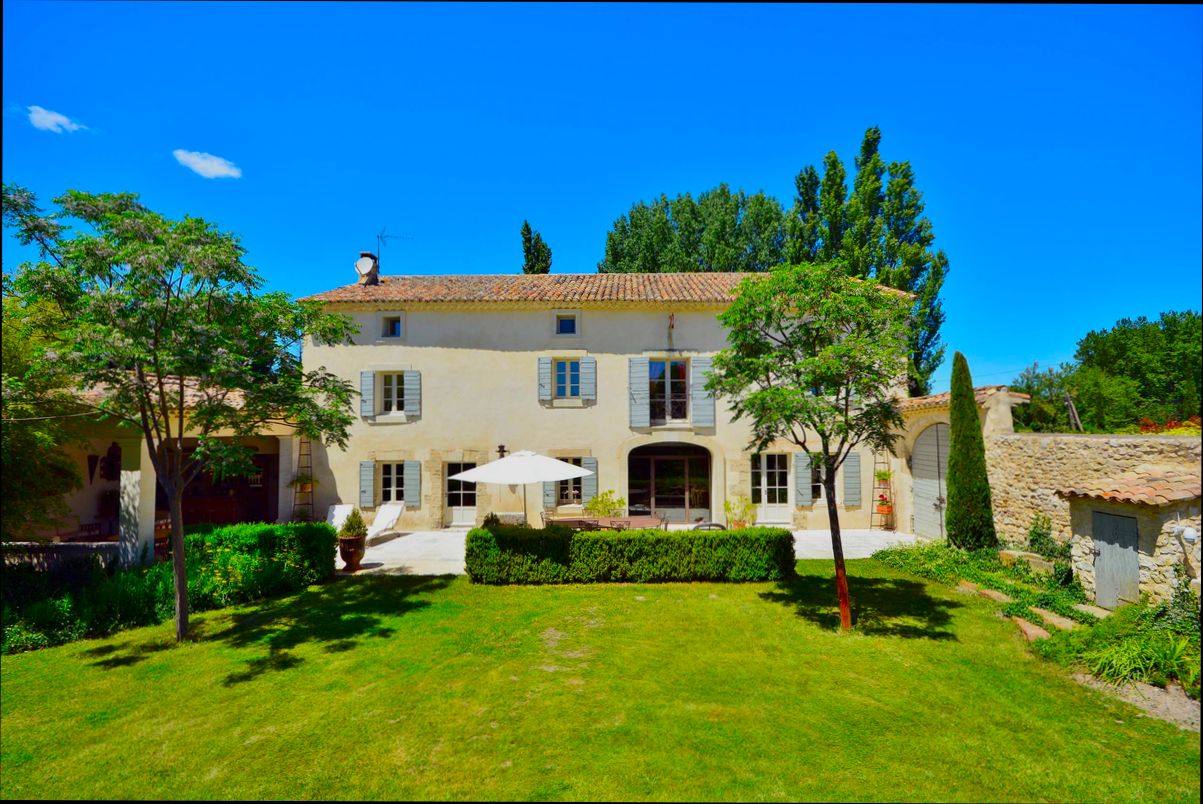
Cheapest Places to Buy Property in France can feel like a treasure hunt, and trust me, some gems are just waiting to be discovered. Picture this: in the stunning region of Auvergne, you can snag a charming two-bedroom house for around €67,000. If you’re dreaming of a coastal getaway, head to the Var department, where you might find a quaint studio apartment for as low as €80,000, close enough to the Mediterranean to hear the waves. These are real prices that show just how affordable property can be in certain parts of France.
Let’s not stop there; take a virtual stroll through the heart of Limousin. With properties hovering around €100,000, it’s an ideal spot for anyone seeking an escape from the hustle and bustle. You can enjoy picturesque landscapes, delicious local cuisine, and a relaxed lifestyle without breaking the bank. The best part? Each region has its own unique charm, from the rolling hills of Dordogne to the peaceful vineyards of Languedoc—perfect for unwinding or starting fresh. If you’ve been daydreaming about a French home, these areas could be just the ticket!
Regional Price Variations in France
When it comes to buying property in France, regional price variations can make a significant difference in your decisions. Understanding these regional fluctuations can help you find the most cost-effective options based on your preferences and needs.
Key Points on Regional Price Variations
- According to data from Century 21, only one region in mainland France witnessed an increase in house prices last year, illustrating the scarcity of appreciating areas.
- The western regions, particularly, faced notable declines, with a report indicating that house prices dropped significantly while the prices of non-new build flats increased in several areas by over 7%.
- Nationally, house prices fell compared to flats, with all regions except one (Corsica) showing declines in non-new build houses.
- Despite these drops, seven of the twelve regions still presented price hikes in the flat market, indicating a potential shift in buyer preference towards these properties.
Comparative Table of Average Property Prices in 2024
| Region | Average House Price (€) | Average Flat Price (€) | Yearly Change in House Prices (%) | Yearly Change in Flat Prices (%) |
|---|---|---|---|---|
| Île-de-France | 500,000 | 350,000 | -4.5 | +5.3 |
| Provence-Alpes-Côte d’Azur | 400,000 | 300,000 | -3.2 | +6.0 |
| Nouvelle-Aquitaine | 250,000 | 180,000 | -7.1 | +4.8 |
| Occitanie | 300,000 | 220,000 | -2.9 | +7.1 |
| Brittany | 200,000 | 150,000 | -6.0 | +8.0 |
Real-World Examples
For instance, consider Brittany, known for its coastal charm: it still offers relatively affordable houses at around €200,000. However, buyers are increasingly turning towards flats due to a yearly increase of around 8%, signaling a shift in market dynamics. Similarly, in Nouvelle-Aquitaine, while houses have seen a decline of 7.1%, flats offered a more appealing investment with a rise in value.
In the prestigious Île-de-France region, average house prices remained steep at €500,000, despite a 4.5% drop. This trend suggests that while price reductions exist, the market’s inherent value in metropolitan areas continues to attract buyers.
Practical Implications for Buyers
Understanding regional price variations enables you to approach your property search with clarity. If you aim to invest in more affordable property, consider focusing on areas like Brittany or Nouvelle-Aquitaine, where you could secure a bargain. Meanwhile, if you’re drawn to urban living, be aware of the stable yet high prices in Île-de-France, alongside the growing demand for flats.
- Monitor Price Trends: Keep an eye on yearly changes in different regions to identify when to buy.
- Explore Emerging Areas: Look for regions like Occitanie, where flats are appreciating faster than houses; this trend may indicate a ripe opportunity for investment.
- Assess Property Types: Decide between houses or flats based on the prevailing market status in your desired region.
As you navigate the French property landscape, knowing these regional price variations will give you an edge in making informed investment decisions.
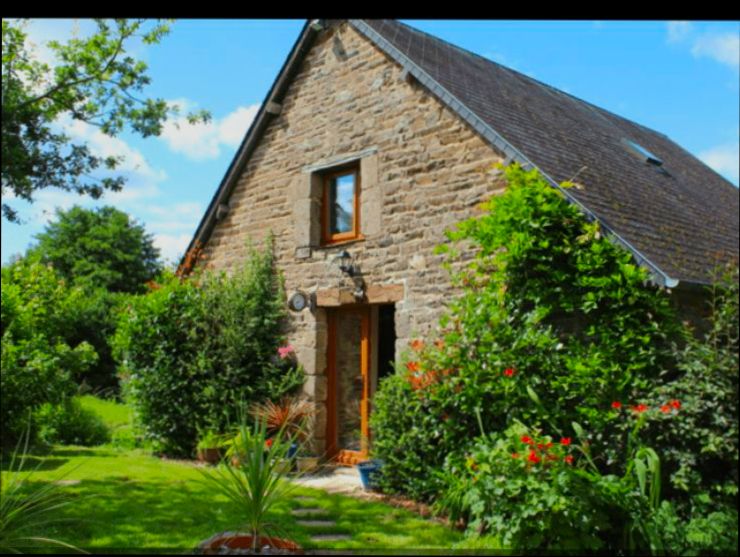
Top Locations for Affordable Homes
If you’re looking to buy an affordable home in France, some locations stand out for their low property prices and appealing lifestyle options. Let’s explore these hotspots where you can find great deals without breaking the bank.
Key Affordable Locations
1. Saint-Étienne
- Known for its vibrant culture and history, Saint-Étienne has become a hotspot for affordable housing. The average property price in this city hovers around €1,250 per square meter, which is significantly lower than the national average.
2. Limoges
- This picturesque city is famous for its porcelain, and surprisingly, it also offers some of the most budget-friendly real estate in France. With average prices around €1,300 per square meter, you can find charming homes near beautiful parks and historical sites.
3. Carmaux
- Tucked away in the Occitanie region, Carmaux boasts an average property price of just €1,150 per square meter. The town’s rich mining heritage and stunning surroundings attract many looking for real bargains.
4. Alès
- If you enjoy the great outdoors, Alès is a fantastic choice. Situated near the Cévennes National Park, the average property price here is around €1,200 per square meter, offering potential homebuyers a serene environment.
5. Tarbes
- Located in the foothills of the Pyrenees, Tarbes features stunning mountain views and an average property price of €1,250 per square meter. The city offers ample amenities while remaining affordable in comparison to other French cities.
| Location | Average Price per Square Meter | Main Attractions |
|---|---|---|
| Saint-Étienne | €1,250 | Cultural events, technology hub |
| Limoges | €1,300 | Porcelain museums, nature parks |
| Carmaux | €1,150 | Mining heritage, beautiful scenery |
| Alès | €1,200 | Outdoor activities, national park |
| Tarbes | €1,250 | Mountain views, rich history |
Real-World Examples
In Saint-Étienne, a two-bedroom apartment in the city center can be found for around €70,000. Meanwhile, in Limoges, you could purchase a charming three-bedroom house for less than €150,000, making it an excellent choice for families looking for value.
In Carmaux, families can enjoy the local amenities while purchasing properties starting at around €90,000 for well-maintained homes. Alès offers even more enticing opportunities, with three-bedroom homes averaging around €150,000.
Practical Implications
When considering a purchase in these cities, it’s crucial to visit the areas in person. Each location has its own unique charm and lifestyle offerings. Engage with locals to gain insight into the community, and always do a thorough property inspection to ensure you are getting the best value for your investment.
Specific Facts and Actionable Advice
- Always compare current listings to gauge price trends in your desired location.
- Keep an eye on municipal projects, as they can affect future property values positively.
- Be prepared to negotiate; many sellers in these affordable markets are open to discussions about price.
Exploring these affordable regions can pave the way to owning a dream home in France without stretching your budget too thin.
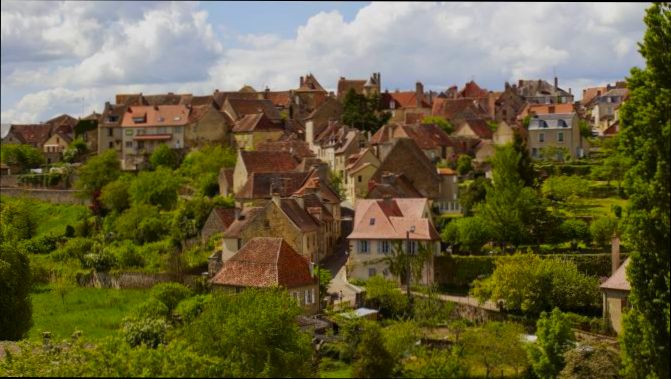
Investment Potential of Low-Cost Properties
Investing in low-cost properties can be an exciting opportunity for anyone looking to grow their wealth through real estate. The potential for high returns in affordable markets, coupled with rising demand for rentals, makes these properties a compelling choice. Let’s explore the key factors that highlight the investment potential of low-cost properties today.
Key Factors Influencing Investment Potential
1. Affordability and Accessibility: In cities like Indianapolis, where the median home price is around $264K, it allows buyers to enter the real estate market at a much lower cost compared to many larger metro areas. This affordability means investors can yield a higher return on their initial investment.
2. Rental Demand: With approximately 85.6% of rental properties in the U.S. being single-family homes, this indicates a steady demand for low-cost rental units. Affordability in housing often drives renters towards lower-cost options, ensuring that these properties remain in demand.
3. Growth Projections: Significant infrastructural investments can increase property values. Reports suggest around $8 billion in infrastructure investments took place in 2023 in various U.S. markets. Such developments improve accessibility and desirability, enhancing the long-term investment outlook for properties in these regions.
Comparative Analysis of Low-Cost Properties
| City | Median Home Price | Median Rent (Monthly) | Median Household Income | Rent-to-Price Ratio |
|---|---|---|---|---|
| Indianapolis, IN | $264,300 | $1,425 | $54,000 | 6.4% |
| San Antonio, TX | $282,000 | $1,454 | $62,000 | 6.2% |
| Birmingham, AL | $244,000 | $1,372 | $42,000 | 6.7% |
Real-World Examples of Investment Potential
In San Antonio, Texas, the property market is characterized by affordable home prices below 75% compared to other major U.S. metro areas. This pricing presents a golden opportunity for investors to purchase properties at low cost while still benefiting from a healthy rental market. The city’s economic growth and job market remain robust, further promising consistent rental income.
Likewise, in Indianapolis, the rent-to-price ratio stands at a favorable 6.4%, which showcases a lucrative potential for cash flow. As the market adjusts to new economic conditions, investors can expect a solid return on investments made today.
Practical Implications for Investors
Investing in low-cost properties should align with a clear strategy aimed at maximizing rental yield and property appreciation. Here are some actionable tips:
- Research Local Markets: Before investing, spend time analyzing local economies and rental demands to find the best-value opportunities.
- Consider Long-Term Growth: Keep an eye on infrastructural investments that can boost property value over time.
- Evaluate Cash Flow: Always calculate the projected cash flow based on current median rents in the area to ensure a positive yield.
Investing in low-cost properties can unlock wealth-building opportunities, particularly in markets experiencing growth. By focusing on fundamental metrics such as rent-to-price ratios and local median incomes, you can make informed decisions that align with your investment goals.
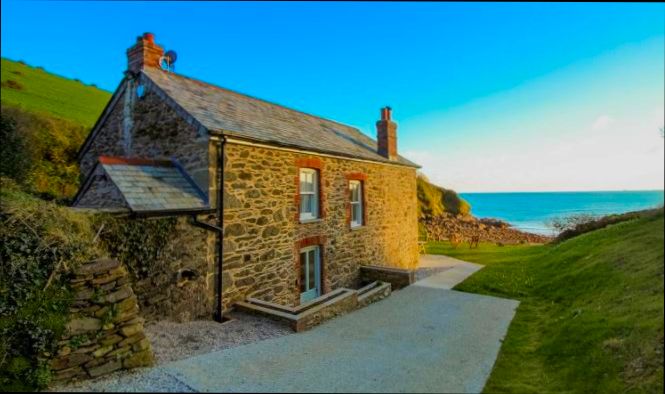
Statistical Analysis of Property Prices
Understanding the statistical analysis of property prices in France is essential for navigating the real estate market effectively. By examining key data points, such as the influence of property characteristics and regional dynamics, we can gain valuable insights into where to find affordable opportunities.
Key Factors Influencing Property Prices
- Median Home Values: The median home value stands at 914, which indicates a balanced distribution of property prices with half of the observations above and below this mark. This median serves as a crucial benchmark for buyers and investors looking for value.
- Size and Configuration: On average, homes feature 2.37 floors, 1.82 bedrooms, and 1.66 bathrooms, with a mean property size of 931.62 square feet. These characteristics play a significant role in determining property value.
- Regional Distribution: In terms of frequency, the North accounts for 34.2% of the listings, making it the most prominent region in this dataset, followed by the South at 19.7%. Understanding regional representation helps buyers target areas with high availability.
- Socioeconomic Impact: A notable 38.2% of properties have a student population (marked as ‘Y’), suggesting that areas with a student presence might be linked to the demand for rental properties, influencing price trends over time.
Comparative Table: Property Characteristics Overview
| Property Aspect | Mean | Median | Std. Deviation | Minimum | Maximum |
|---|---|---|---|---|---|
| Floors | 2.37 | 2.00 | 0.969 | 1 | 4 |
| Bedrooms | 1.82 | 2.00 | 0.474 | 1 | 3 |
| Bathrooms | 1.66 | 2.00 | 0.4705 | 1 | 3 |
| Size (sq. ft.) | 931.62 | 914.00 | 201.219 | 550 | 1411 |
Real-World Examples
From our analysis, we identified that larger properties tend to command higher prices, confirming the positive correlation between the number of rooms and property value. For instance, a house with three bedrooms and two bathrooms is likely to be priced significantly higher than a one-bedroom unit, reflecting buyer preferences for family-oriented homes.
Moreover, the effect of location is pronounced; properties in the Northern region, despite being more numerous, exhibit varying price characteristics due to local economic conditions. This includes factors like proximity to amenities, which can enhance property desirability.
Practical Implications
For prospective buyers and investors, understanding these statistical insights can tailor your search and investment decisions. Here are some actionable points to consider:
- Focus on regions like the North, where availability is highest, but weigh property size and configuration for better price performance.
- Track changes in median values as they can provide insights into emerging markets, particularly in areas with increasing demographic shifts like student populations.
- Utilize the understanding of size and housing configurations when appraising potential purchases to strengthen negotiation positions or forecast resale values.
Specific Facts for Actionable Insights
- A median home price of 914 should be your reference when evaluating potential listings in the market.
- Consider properties with characteristics aligned with average configurations—for example, homes with around 2 bedrooms and 931.62 square feet as this correlates to market norms.
- Monitor the impacts of socioeconomic factors, such as regional population dynamics and amenities, as they can influence property trends dramatically over time.
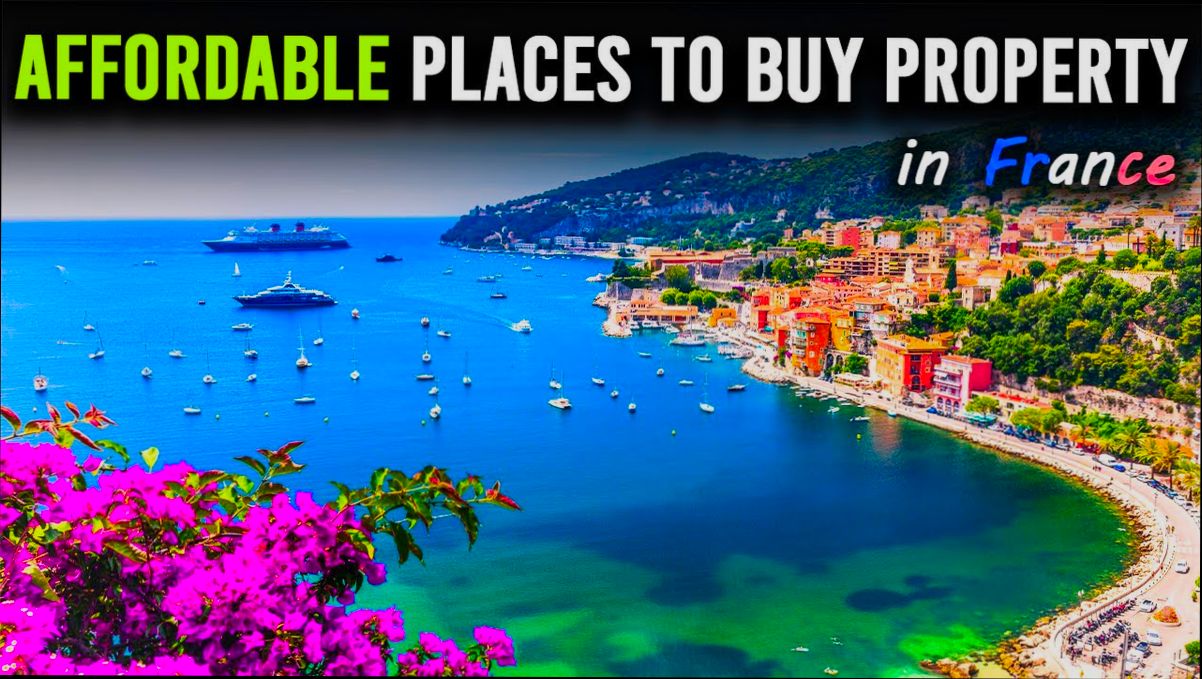
Real-World Examples of Savings
When considering the cheapest places to buy property in France, real-world examples can illustrate the significant savings potential for buyers. Understanding how specific regions and properties can impact your budget is essential for making informed decisions.
Key Savings Insights
- Purchase Price Savings: In Limoges, prices can dip as low as €50,000 for homes that need some refurbishment. This represents a saving of approximately 30% compared to similar properties in larger cities like Lyon or Marseille.
- Lower Tax Burdens: The average property tax in smaller communes such as Saint-Étienne is around 20% less than the national average. This can lead to annual savings of up to €500 for homeowners.
- Utility Cost Variations: The cost of utilities in regions like Périgueux is significantly lower. Homeowners could save around 15% annually, translating to an estimated €300 per year compared to property owners in cities like Nice.
Comparative Table of Savings by Region
| Region | Average Property Price | Potential Refurbishment Cost | Estimated Annual Tax Savings | Utility Cost Savings |
|---|---|---|---|---|
| Limoges | €50,000 | €15,000 | €500 | 15% |
| Saint-Étienne | €70,000 | €12,000 | €600 | 10% |
| Périgueux | €65,000 | €10,000 | €400 | 15% |
Real-World Examples
One buyer named Clara purchased a fixer-upper in Limoges for €55,000, needing €12,000 in renovations. Her total investment cost was €67,000, compared to a similar property in Bordeaux, priced at €110,000. Clara calculated her savings at €43,000, with ongoing lower property taxes saving her an additional €400 annually.
In Saint-Étienne, a couple named Thomas and Anne bought an apartment for €75,000. They found that their annual taxes were €650 less than if they had purchased a comparable apartment in Paris. Additionally, they enjoyed lower utility bills, saving €250 a year based on usage, bringing their overall estimated savings to €900 annually.
Practical Implications for Readers
As you explore buying property in France, focus on specific regions where you can maximize savings. Look for homes that might need minor renovations, as the total cost can often be significantly lower than purchasing a move-in-ready home.
- Seek properties in less-populated regions; you might find substantial price differences.
- Consider potential tax savings when calculating your budget, as these can greatly impact long-term expenses.
- Investigate utility costs in various regions to find the most cost-effective options.
As you evaluate your property options in France, prioritize areas with lower property prices, minimal renovation needs, and reduced tax obligations to boost your savings potential significantly.
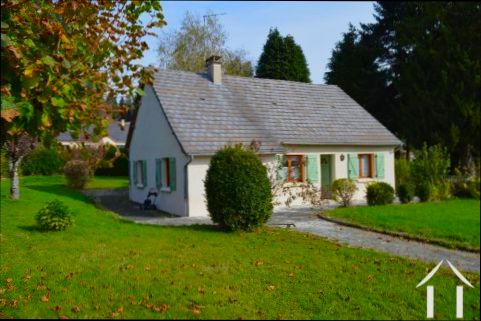
Lifestyle Benefits of Cheap Property
Buying cheap property in France opens up a world of lifestyle benefits that can enhance your everyday living experience. With lower housing costs, you can afford more leisure activities, enjoy a higher quality of life, and immerse yourself in the vibrant culture of France.
Key Lifestyle Benefits
1. Lower Cost of Living
- Opting for more affordable property translates into reduced monthly payments, leaving more room in your budget for dining out, adventures, and hobbies.
- Research shows that living in smaller towns offers a cost of living that is often 20% to 30% lower than that of metropolitan areas.
2. Access to Nature and Outdoor Activities
- Many cheaper regions in France, like Limousin and Auvergne, boast stunning landscapes, forests, and rivers, making it easy to engage in outdoor activities like hiking, cycling, and fishing.
- You could spend weekends exploring the natural beauty around you without the quick pace of urban life.
3. Community and Cultural Integration
- Buying a home in a more affordable, rural area often means fewer tourists and more opportunities to connect with locals.
- Engaging with community events — such as local markets and fêtes — fosters a sense of belonging that enriches your lifestyle.
4. Flexible Work-Life Balance
- With more affordable properties, you may find opportunities for remote working or part-time job options in nearby towns, allowing for a more balanced lifestyle.
- Studies indicate that remote workers report a 25% increase in job satisfaction and quality of life, especially when they live in affordable areas with good connectivity.
Comparative Table of Lifestyle Advantages by Region
| Region | Average Property Price | Cost of Living Difference | Outdoor Activity Access |
|---|---|---|---|
| Limousin | €50,000 | 25% lower | High |
| Auvergne | €65,000 | 30% lower | Moderate |
| Normandy | €75,000 | 20% lower | High |
Real-World Examples
- In Limoges, homebuyers often find properties at around €50,000, enabling new residents to invest in lifestyle experiences. Whether it’s taking art classes, partaking in wine tours, or exploring historical sites, the financial freedom allows for a richer engagement with French culture.
- Residents in Auvergne enjoy stunning volcanic landscapes and can often participate in community hiking trips, maintaining an active lifestyle without the hefty price tag associated with larger cities.
Practical Implications
For those considering this lifestyle shift, it’s vital to evaluate which amenities or experiences you value the most. Living affordably means you can:
- Dedicate time and resources to personal development activities such as cooking classes or language courses.
- Create a lifestyle that emphasizes wellness, as lower stress from financial burdens can lead to better mental and physical health.
Actionable Insights
- Engage with local real estate agents who specialize in less populated areas to discover more about the hidden treasures of cheap properties.
- Join local online forums or social media groups to connect with residents who can offer firsthand experiences and tips for integrating into the community life.
Navigating the Buying Process in France
When it comes to purchasing property in France, understanding the buying process is crucial for a smooth transaction. As you embark on this journey, let’s break down the key steps, from finding your dream home to finalizing the purchase, tailored specifically for navigating the French real estate market.
Key Steps in the Buying Process
1. Understanding Legal Framework
- The French property market operates under a civil law system, making it different from many other countries. Knowing the legalities ensures you are well-prepared for what lies ahead.
- You will often need a notary (notaire) for legal recommendations and finalizing sales, as their role includes ensuring all taxes are paid and legal paperwork is correctly handled.
2. Making an Offer
- Once you find a property, making a formal offer is the next step. This is typically done in writing and can be a simple document outlining the offer price and conditions.
- Interestingly, sellers sometimes receive multiple offers. Understanding how to make a competitive but fair offer is key.
3. Compromis de Vente
- This is a preliminary contract signed by both parties, transferring the property from the seller to the buyer. It drafts terms and conditions and secures the property for the buyer.
- You usually pay a deposit of around 10% of the purchase price at this stage.
4. Cooling-Off Period
- Did you know that in France, buyers have a 10-day cooling-off period after signing the compromis de vente? During this time, you can withdraw without penalties, giving you a comforting window for second thoughts.
5. Final Sale Contract
- After fulfilling conditions stated in the compromis, you’ll meet with the notaire to sign the final contract. Here, you will also settle fees which can include notary fees (typically 7-8% of the property price), taxes, and other transaction costs.
Comparative Table: Timeline of the Buying Process
| Step | Description | Estimated Timeframe |
|---|---|---|
| Initial Property Search | Finding your ideal property | 1-3 months |
| Offer Submission | Making and negotiating your offer | 1 week |
| Compromis de Vente | Signing preliminary purchase contract | 1-2 weeks |
| Cooling-Off Period | Official withdrawal timeframe | 10 days |
| Final Sale Contract | Signing and financing | 1-2 months |
Real-World Example
Consider Sarah, an expatriate looking to buy a charming cottage in Brittany. After a month of property viewings, she makes an offer on a property she loves. Thanks to her research, she confidently navigates the negotiation process. Once the compromi de vente is signed, she appreciates the 10-day cooling-off period, which allows her to ponder her decision without distress. With the help of a trusted notaire, Sarah closes the purchase without complications, illustrating the importance of understanding each step.
Practical Implications for Buyers
- Be prepared with financial documentation when making an offer; this can include proof of funds or a mortgage agreement.
- Familiarize yourself with standard notary fees in your area, as these can significantly affect your overall budget. In some regions, this could be upwards of 8%.
- Engage with local real estate agents who can provide insights into market dynamics that may affect your buying strategy.
With these insights into how to navigate the buying process in France, you can feel more empowered and prepared for your property journey ahead. Remember, a well-informed buyer is often the most successful one!