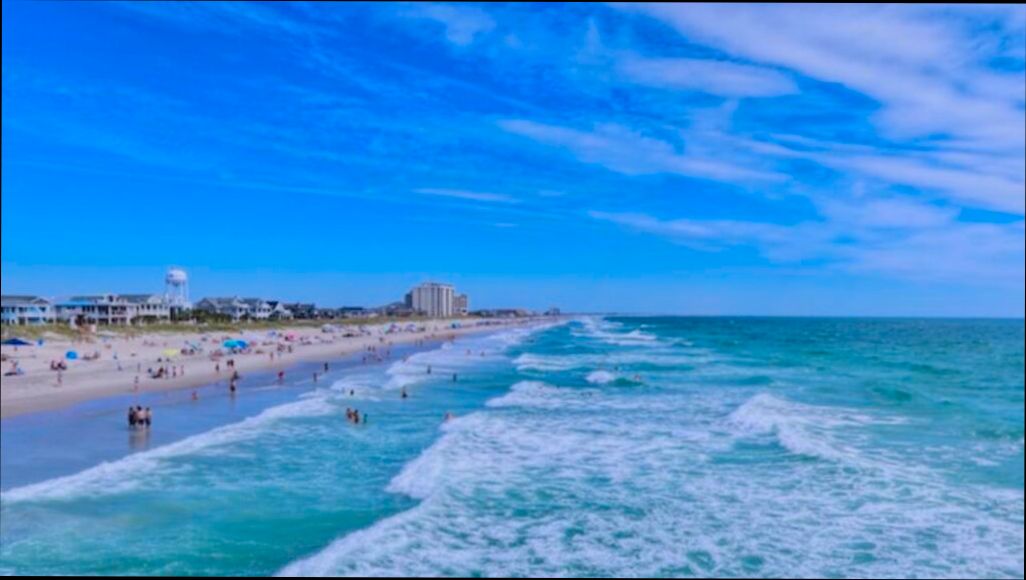
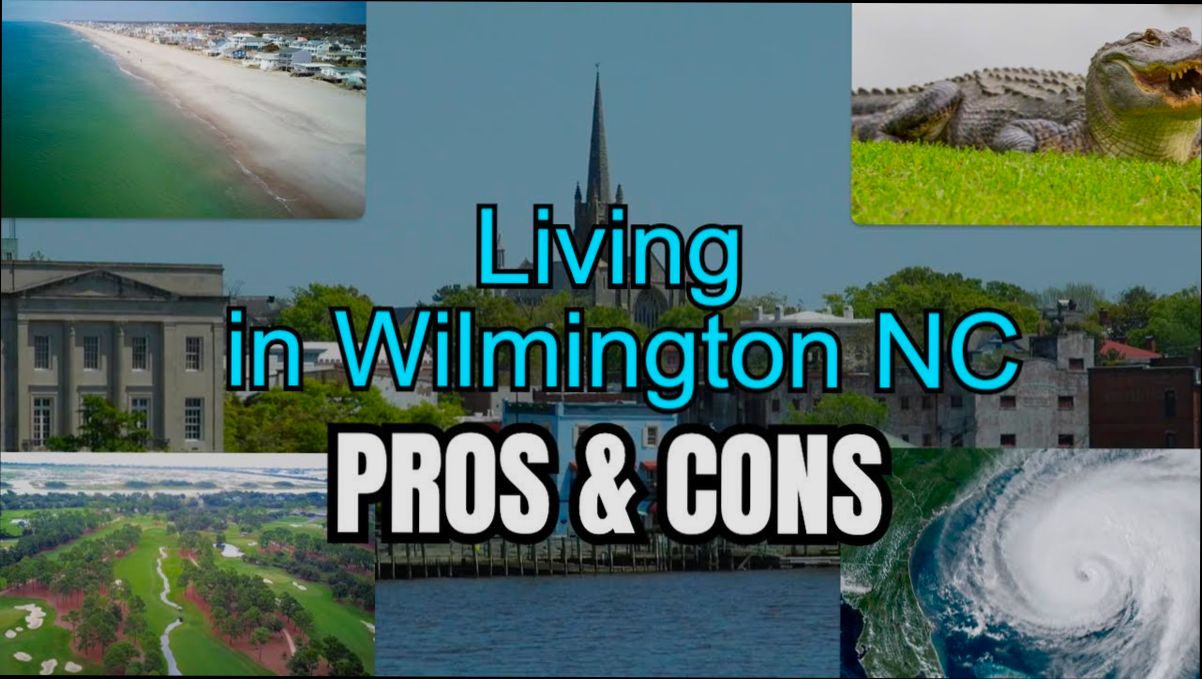
Pros and Cons of Living in Wilmington NC is a topic worth diving into, especially if you’re considering a move to this charming coastal city. On the plus side, Wilmington boasts beautiful beaches like Wrightsville Beach and Carolina Beach, just a short drive away. Imagine waking up on a Saturday, grabbing a quick breakfast at a local café, and hitting the waves before noon. Its vibrant riverfront offers eclectic shops and delicious dining options, not to mention the charming historic district that lets you walk in the footsteps of history. With an average winter temperature of around 50°F, you can kiss those heavy coats goodbye.
However, it’s not all sunshine and beach days. Wilmington’s rapidly growing population, currently hovering around 122,000, has led to some serious traffic headaches, especially during peak tourist season. The job market can feel competitive, especially in fields like education and healthcare, so securing employment might take some persistence. Additionally, while the cost of living is generally lower than in larger cities, housing prices have surged in recent years, making it a bit tricky for newcomers to find affordable options without compromising on space or location.
Coastal Lifestyle and Natural Beauty
Living in Wilmington, NC, immerses you in a vibrant coastal lifestyle filled with stunning natural beauty. The fusion of sandy beaches, historic charm, and outdoor recreational activities creates an atmosphere that’s hard to resist. Let’s explore what makes living here a picturesque experience.
Key Features of Wilmington’s Coastal Lifestyle
- Proximity to Beaches: Wilmington is minutes away from popular beaches, like Wrightsville Beach, which boasts seven miles of pristine sand. This accessibility fuels a lifestyle centered around sunbathing, surfing, and beach sports.
- Rich Marine Ecosystem: The Cape Fear River and Atlantic Ocean offer incredible opportunities for fishing and boating. Approximately 60% of residents engage in outdoor activities, with boating regarded as one of the top pastimes.
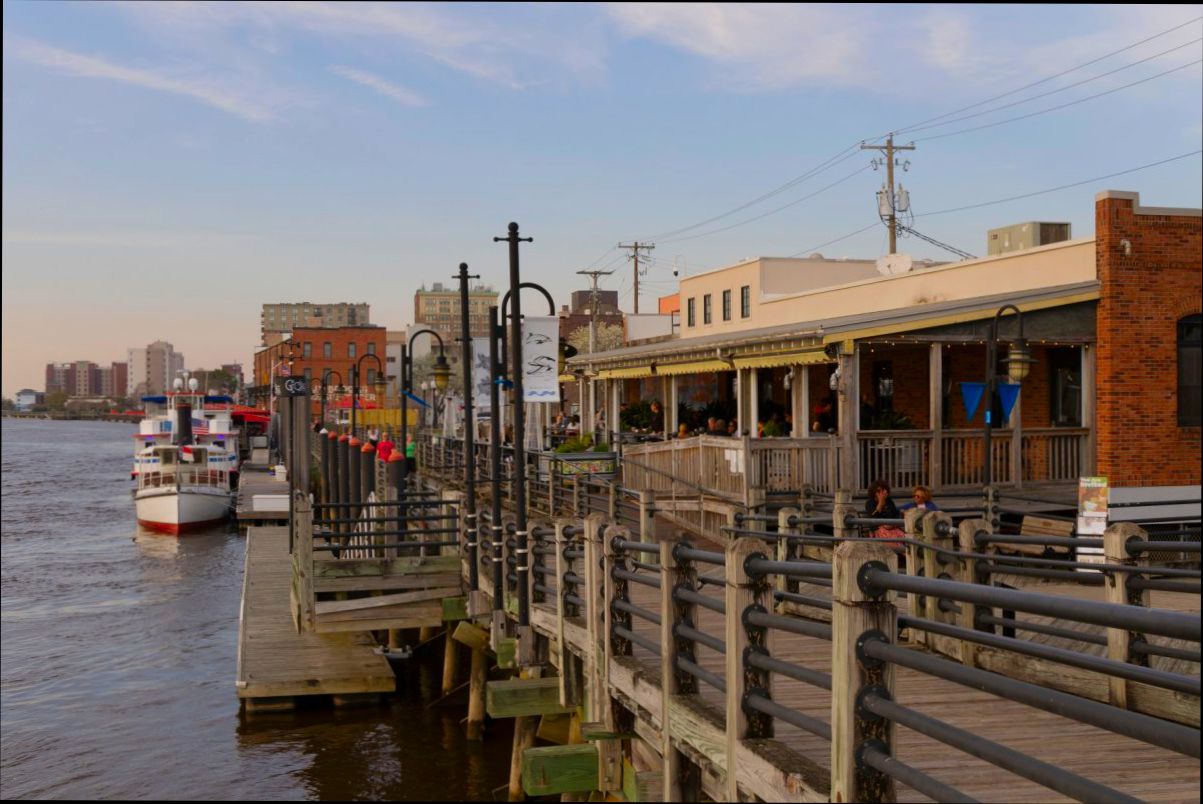
- Breathtaking Sunsets: The coastal geography provides spectacular sunset views. Residents often enjoy evenings at the Riverwalk, where the sky transforms into vibrant hues of orange, pink, and purple reflecting off the water.
- Outdoor Recreation Galore: Wilmington’s climate supports year-round outdoor activities. The city benefits from an average annual temperature of around 65°F, making it conducive for hiking, biking, and exploring local parks.
- Natural Parks and Preserves: Nature lovers can explore nearby spots like the Carolina Beach State Park and Fort Fisher State Recreation Area, which are home to diverse flora and fauna, making them perfect for leisurely walks and picnics.
Wilmington’s Coastal Features Comparison Table
| Feature | Wilmington, NC | Other Coastal Cities |
|---|---|---|
| Beach Proximity | 10 minutes to several beaches | Varies by city |
| Average Annual Temperature | 65°F | 70°F (e.g., Miami) |
| Outdoor Recreation Options | Year-round access to multiple parks | Seasonal in colder areas |
| Marine Life Diversity | Rich ecosystem with fishing opportunities | Less varied in some areas |
| Scenic Sunset Locations | Riverwalk & Beaches | Limited views in some cities |
Real-World Examples
Wrightsville Beach is not only perfect for sunbathers but also known for hosting various water sports events, including paddleboarding and surfing competitions. The annual Wrightsville Beach Marathon attracts participants from all over, showcasing the active lifestyle of the community.
Another notable aspect is the EUE Screen Gems Studios, labeled the “Hollywood of the East.” This hub not only contributes to Wilmington’s economy but also complements the coastal lifestyle by attracting filmmakers and tourism, enhancing the area’s scenic allure.
Practical Implications for Your Coastal Experience
To fully embrace Wilmington’s coastal lifestyle, consider investing in a boat or joining a local sailing club. The proximity to water means spontaneous adventures are always just around the corner. Additionally, many neighborhoods organize beach clean-up days, allowing residents to enjoy their environment while giving back.
If you’re a foodie, take advantage of the local seafood markets and beachside cafes that capitalize on the rich marine resources. Fresh catch dining experiences can bring coastal living directly to your table.
Actionable Insights
- Get Active: Join the local beach volleyball leagues or surfing classes available at Wrightsville Beach to meet new friends while enjoying the sunshine.
- Explore Nature: Schedule regular weekend trips to Carolina Beach State Park to partake in kayaking or hiking, immersing yourself in the area’s stunning natural fabric.
- Capture the Moment: Make it a tradition to watch the sunset from the Riverwalk, perhaps with a picnic dinner, to appreciate the beauty Wilmington offers daily.
Living in Wilmington means fully engaging with an idyllic coastal lifestyle enriched by the beauty of its natural surroundings, making every day feel like a vacation.
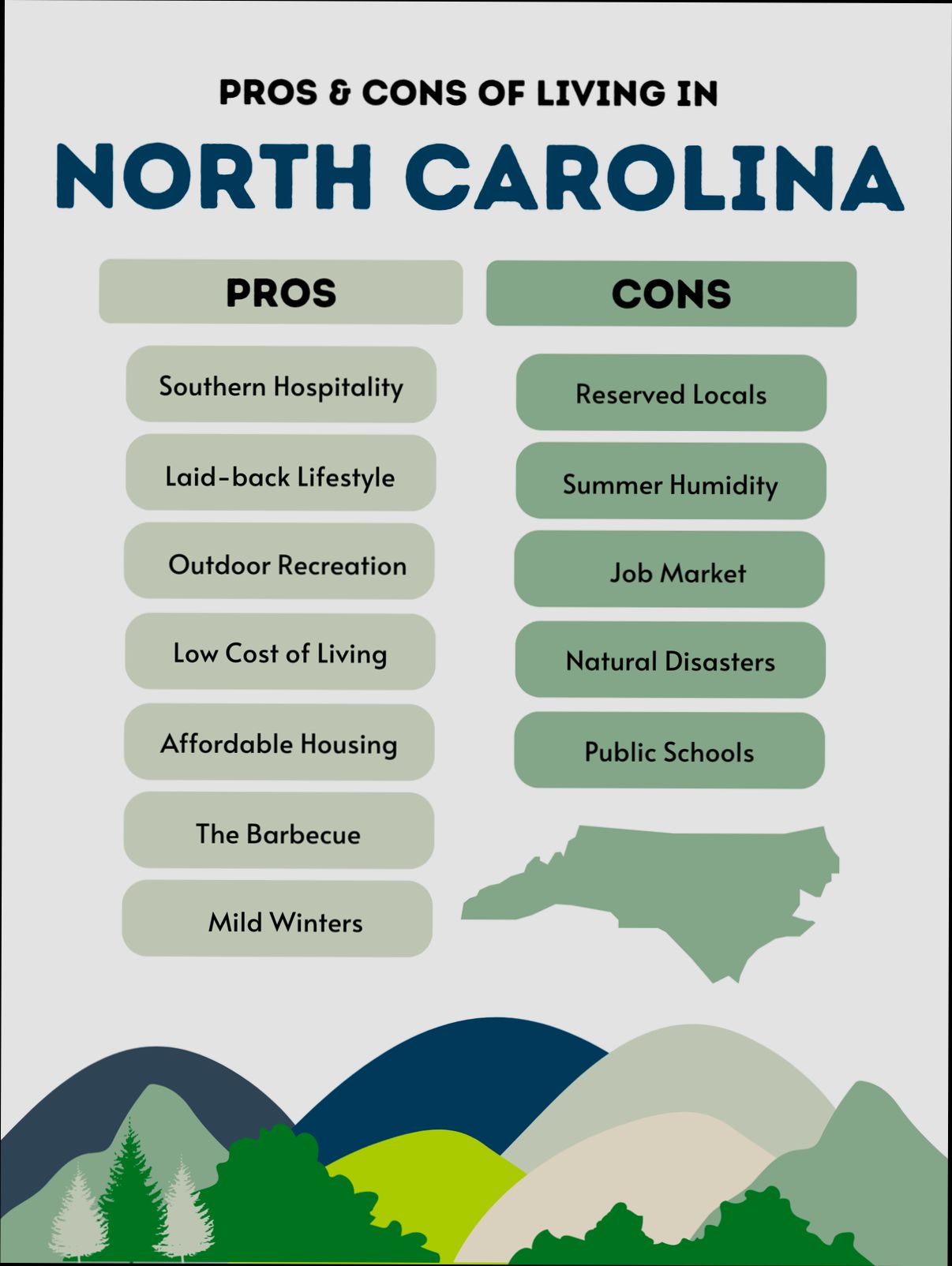
Economic Opportunities in Wilmington
Wilmington, North Carolina, offers a dynamic landscape for economic opportunities that’s continuously evolving. Whether you’re a job seeker, an entrepreneur, or an investor, Wilmington presents a variety of options across different sectors. Let’s dive into what makes Wilmington’s economic environment worth considering.
Growing Job Market
Wilmington boasts a job growth rate of approximately 2.5% annually, showing resilience and ongoing opportunities in the workforce. The most prominent sectors include:
- Healthcare: With facilities like New Hanover Regional Medical Center, the healthcare sector provides numerous jobs and is expected to see continued growth.
- Education: The presence of institutions such as the University of North Carolina Wilmington fosters growth in academic and administrative roles.
- Tourism and Hospitality: As a popular tourist destination, the hospitality sector thrives, creating seasonal and full-time positions.
Emerging Sectors
Alongside traditional industries, Wilmington is seeing growth in emerging sectors. Key areas include:
- Tech Startups: The local innovation ecosystem has led to increased funding for tech startups, creating a fertile ground for tech jobs.
- Film and Television Production: With a history tied to film production, Wilmington is becoming a hub for media and entertainment jobs, rejuvenating the local economy.
- Green Energy: As sustainability becomes a priority, there is an increase in jobs related to renewable energy projects and initiatives.
| Sector | Job Growth Rate (Projected) | Notable Companies/Institutions |
|---|---|---|
| Healthcare | 3% annually | New Hanover Regional Medical Center |
| Education | 2.5% annually | University of North Carolina Wilmington |
| Technology | 4% annually | Various Local Startups |
| Film and Media | 5% annually | EUE/Screen Gems |
| Renewable Energy | 3.5% annually | Local Green Initiatives |
Real-World Examples
Several companies have set up or expanded operations in Wilmington, making it a compelling place for both employment and investment. For instance:
- Live Oak Bank, a key player in the financial services sector, has seen substantial growth in its workforce, reflecting the area’s economic vitality.
- Wilmington Health, an expanding healthcare provider, is actively hiring to accommodate an increasing need for services, contributing to local job creation.
Practical Implications
If you’re considering moving to Wilmington, these economic opportunities mean a wider path for career advancement and networking. You can:
- Tap into local job fairs or online platforms to find job openings in burgeoning sectors.
- Connect with local chambers of commerce for resources on entrepreneurial support and small business development.
- Leverage the presence of universities to seek internships or collaborations, especially in tech and healthcare.
Actionable Advice
Stay informed about local economic trends and job fairs by subscribing to Wilmington’s business development newsletters. If you’re an entrepreneur, consider joining local business incubators to access mentorship, funding, and networking opportunities that can help kickstart your venture in this promising economic landscape.
Impact of Tourism on Local Living
Tourism undeniably shapes the fabric of daily life for Wilmington’s residents. While it brings vibrancy and economic benefits, it also presents challenges that can influence the local community dynamics.
Benefits of Increased Economic Activity
One of the positive impacts of tourism on local living in Wilmington is the influx of economic activity. In 2022, the tourism sector generated approximately $564 million in direct spending, affecting local businesses from restaurants to retail shops. This influx supports countless jobs, with tourism-related employment making up about 14% of the workforce.
- Job Creation: The hospitality and retail sectors thrive due to tourism, providing employment for locals and reducing unemployment rates.
- Supporting Small Businesses: Local enterprises, from boutique hotels to artisanal shops, benefit directly from tourists. Many report increased foot traffic and higher sales during peak tourist seasons.
Strain on Local Resources
However, the demand from tourists does put pressure on Wilmington’s local resources. Increased visitation often strains public amenities, parks, and healthcare facilities.
- Public Services: The city has noted a 20% uptick in the need for emergency services during peak tourist seasons, as more visitors require assistance.
- Infrastructure Wear and Tear: Roads and public transport systems can face deterioration, with some reporting a 15% increase in traffic congestion due to tourists.
Comparative Table: Tourism Impact Metrics
| Metric | Before Tourism Growth | After Growth | Percentage Change |
|---|---|---|---|
| Direct Spending (M) | $400 million | $564 million | 41% |
| Employment in Tourism (%) | 10% | 14% | 40% |
| Emergency Service Calls | 1,000 | 1,200 | 20% |
| Traffic Congestion (Avg. Daily) | 30,000 | 34,500 | 15% |
Real-World Examples
Several examples illustrate the dual nature of tourism’s impact:
- Riverwalk Development: The revitalization of Wilmington’s Riverwalk attracted tourists, leading to a 25% increase in pedestrian traffic. However, local residents have expressed concerns about overcrowding and diminished enjoyment of public spaces.
- Cultural Festivals: Events like the Wilmington Riverfest bring in thousands of visitors, providing local businesses a boost. Yet, they can also lead to temporary street closures and noise, affecting residents’ daily routines.
Practical Implications for Residents
As a resident, it’s essential to understand how tourism influences local living. Embrace the opportunities it offers:
- Support Local: Engage with and promote local businesses during peak seasons to help them thrive.
- Utilize City Services: Be aware of increased demand for public services and consider alternative times to visit popular attractions.
Actionable Insights
- Plan Wisely: If you’re a local, plan errands and outings during less busy hours to avoid crowds.
- Community Engagement: Attend town hall meetings to voice your concerns regarding tourism’s impact on local life and stay involved in civic initiatives.
Housing Market Trends and Affordability
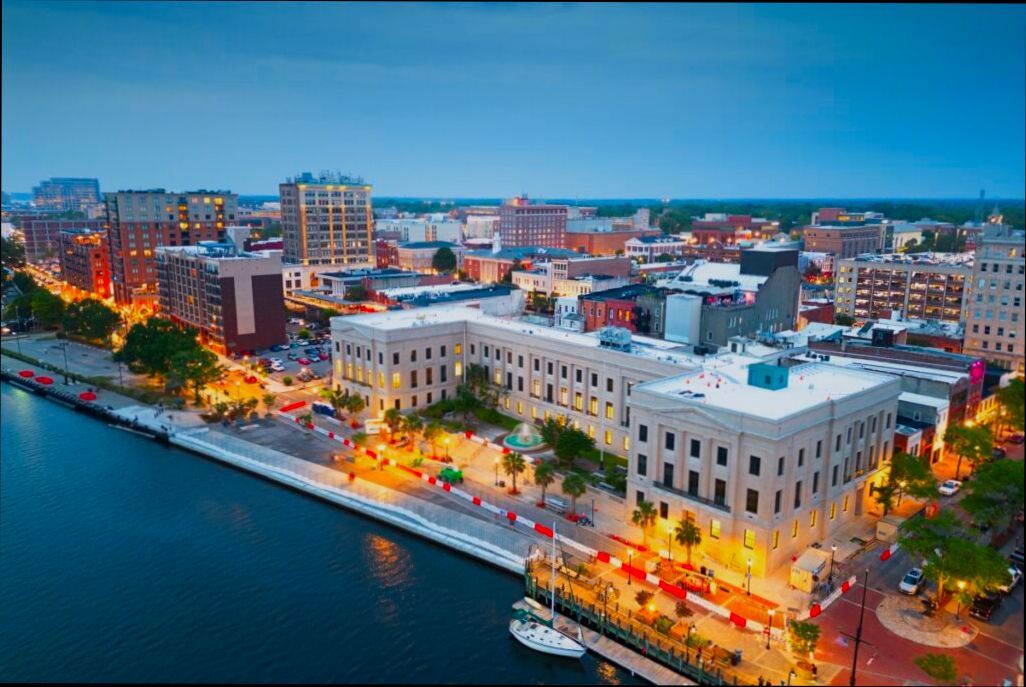
Understanding Wilmington’s housing market trends is crucial for anyone considering a move or investment in this beautiful city. Recent shifts in demand, pricing, and rental options offer insights into the affordability landscape for both potential homeowners and renters alike.
Current Housing Market Trends
Wilmington’s housing market has shown notable shifts recently. As of mid-2023, the median home price in the area has escalated to around $360,000, reflecting a 10% increase from the previous year. This trend points to a highly competitive market where demand outstrips supply.
- Inventory Levels: The inventory of homes available for sale remains low, sitting at roughly 2.5 months supply. This tight inventory helps drive up prices and reduces bargaining power for buyers.
- Rental Market Dynamics: The rental market also mirrors these trends, with the average rent for a two-bedroom apartment climbing to approximately $1,800 per month, making it essential for renters to budget accordingly.
Comparative Table of Housing Metrics
| Metric | 2022 Data | 2023 Data | Percentage Change |
|---|---|---|---|
| Median Home Price | $327,000 | $360,000 | +10% |
| Average Rent (2BR) | $1,500 | $1,800 | +20% |
| Months Supply | 3.0 | 2.5 | -16.7% |
| New Construction Units | 500 | 350 | -30% |
Real-World Examples
Many first-time homebuyers in Wilmington are facing challenges due to these rising prices. For instance, the city developers had planned to add 500 new construction homes in 2022. However, due to supply chain issues and increasing material costs, only 350 new homes were completed in 2023. This shortfall exacerbates the supply crisis.
Additionally, with an influx of new residents driven by the area’s appeal, many locals are transitioning from homeownership to rentals, further straining the rental market. A local family shared their experience of having to move from a three-bedroom home to a smaller rental due to rising costs, highlighting the personal impact of current housing trends.
Practical Implications
For prospective buyers, it’s vital to remain flexible and be ready to make quick decisions, as homes in desirable neighborhoods often receive multiple offers within days of listing. Consider the following actionable steps:
- Start housing searches early and thoroughly research neighborhoods before making a commitment.
- Get pre-approved for a mortgage to strengthen your offer in competitive situations.
- Explore various financing options, including first-time homebuyer programs which might offer down payment assistance or favorable loan terms.
If you’re considering renting, be ready to budget for higher rental rates and explore different areas that may offer more balance between price and amenities. The dynamic nature of Wilmington’s housing market necessitates proactive strategies for affordability whether you are buying or renting.
Wilmington remains a vibrant community, but with the ongoing shifts in the housing market, it’s crucial to stay informed and prepared as you navigate potential living arrangements in this beautiful coastal city.
Cultural Events and Community Engagement
Living in Wilmington, NC, means having the chance to immerse yourself in a vibrant array of cultural events and community engagement opportunities. These offerings enrich the local lifestyle, create a sense of belonging, and foster social connections among residents.
Diverse Cultural Offerings
Wilmington is host to a plethora of cultural events throughout the year, reflecting its diverse population and history. Notable examples include:
- Wilmington Riverwalk Concert Series: Every summer, this free concert series attracts thousands, showcasing local and regional artists.
- Cape Fear Film Festival: This annual event celebrates independent films and filmmakers, providing a platform for local talent. The festival often features over 100 entries, emphasizing creativity and artistic expression.
Community Involvement and Volunteerism
Community engagement in Wilmington thrives through various volunteer opportunities and local organizations focusing on social change and environmental sustainability. Statistics reveal that approximately 45% of residents participate in volunteer activities, contributing to a robust sense of community.
Comparative Table of Cultural Events
| Event Name | Type | Frequency | Estimated Attendance |
|---|---|---|---|
| Wilmington Riverwalk Concerts | Music festival | Summer (weekly) | 1,500+ per event |
| Cape Fear Film Festival | Film festival | Annual | 2,000+ |
| NC Azalea Festival | Cultural festival | Annual | 60,000+ |
| Third Friday Gallery Walk | Art event | Monthly | 500+ |
Real-world Examples of Engagement
One notable case is the NC Azalea Festival, which celebrates the region’s floral heritage. It blends art, culture, and community spirit, bringing together over 60,000 attendees each year. Residents participate not only as attendees but also as volunteers, enhancing community involvement and pride.
Another strong example is the Third Friday Gallery Walk. This monthly event showcases local artists and galleries, fostering a creative network while promoting art appreciation in the community. Each walk has encouraged local businesses and artisans to engage actively with their audience, cultivating community relationships.
Practical Implications for Readers
If you’re considering moving to Wilmington or simply looking to engage more in the community, here are some actionable steps:
- Attend Local Festivals: Participate in events like the NC Azalea Festival to meet your neighbors and experience the cultural fabric of Wilmington.
- Volunteer: Seek opportunities through platforms like Yadkin Valley Arts & Culture Alliance, where you can contribute to community projects and build lasting relationships.
- Explore Local Art: Use the Third Friday Gallery Walk to discover local talent and support your community’s artists.
Specific Facts About Engagement Opportunities
- Being involved in events like the Wilmington Riverwalk Concert Series not only supports local musicians but also offers a fantastic way to socialize.
- Engaging with community-driven initiatives can enhance your sense of belonging, as 90% of attendees at cultural events report feeling connected to their community.
- Joining local arts and culture organizations can offer networking opportunities and potential collaborations that enrich your life in Wilmington.

Climate Considerations and Weather Patterns
Living in Wilmington, NC, means adapting to a climate that can profoundly influence your daily life, plans, and even your home. Understanding the weather patterns and climate considerations is crucial for anyone thinking about relocating or settling in this beautiful area.
Climate Overview
Wilmington typically enjoys a humid subtropical climate characterized by distinct seasons. It experiences hot summers and mild winters, a combination that supports a variety of outdoor activities year-round. Let’s break down some of the critical weather patterns:
- Average Temperatures:
- Highs: Summer highs can reach the upper 80s to mid-90s °F from June to August.
- Lows: Winter lows seldom dip below 30°F.
- Precipitation:
- Average annual rainfall measures around 55 inches, with about 130 rainy days per year. This substantial rainfall can impact outdoor plans and local agriculture.
Hurricane Season
Wilmington’s coastal location makes it susceptible to hurricanes and tropical storms, primarily from June to November. Each year, the area braces for potential impacts, with residents often tracking storms via weather updates. The region has historically faced hurricanes that have altered weather patterns temporarily and affected local infrastructure.
Monthly Climate Averages
| Month | Avg High (°F) | Avg Low (°F) | Precipitation (inches) |
|---|---|---|---|
| January | 53 | 34 | 3.5 |
| April | 75 | 48 | 2.8 |
| July | 88 | 71 | 5.6 |
| October | 76 | 55 | 2.9 |
Real-World Examples
- Impact of Humidity: The summer months can become quite humid, leading to heat indexes that feel hotter than the actual temperature. Residents often adapt by staying hydrated and planning outdoor activities for early morning or late evening.
- Hurricane Preparedness: Following Hurricane Florence in 2018, many local homes upgraded their roofs and flood defenses to better withstand future storms. This adaptation highlights the need for resilience in the face of unpredictable weather events.
Practical Implications
Understanding Wilmington’s weather patterns helps you make informed decisions about home maintenance and personal comfort. For example, investing in air conditioning systems and proper drainage systems becomes essential due to the hot, humid summers and the potential rainfall during hurricanes.
Additionally, if you’re considering outdoor recreational activities, timing is key. Knowing the dry periods versus the wetter months can help you plan weekend outings or events more effectively.
Actionable Advice
- Keep an eye on local forecasts, particularly during hurricane season, to stay informed about potential weather impacts.
- Consider landscaping solutions that promote drainage to mitigate flooding after heavy rains.
- When purchasing a home, note the age and condition of the roof—hurricane preparedness starts with solid infrastructure.
Factors like rainfall, humidity, and temperature variations play a significant role in daily life in Wilmington, influencing everything from property purchasing decisions to lifestyle choices. Being proactive about these climate considerations can lead to a much more enjoyable living experience.
Public Safety and Quality of Life Statistics
In Wilmington, NC, public safety and quality of life significantly shape the daily experiences of residents. Factors such as crime rates, emergency response times, and community resources play a crucial role in determining how safe and comfortable it feels to live here.
Crime Rates and Safety Perception
Wilmington has experienced fluctuations in crime rates over recent years. Here are some important statistics:
- The violent crime rate in Wilmington is approximately 6.4 per 1,000 residents, moderately higher than the national average of 4.0.
- Property crime is also a concern, with a rate of about 30 per 1,000 residents compared to the national average of 22.0.
Interestingly, residents often report feeling safer than these statistics suggest. A survey indicated that around 70% of residents feel their neighborhood is a safe place to live, which highlights the discrepancy between perception and reality.
Emergency Response Times
Another vital aspect of public safety is the efficiency of emergency services:
- The average response time for police in Wilmington is roughly 8 minutes, which aligns with national standards but poses a challenge in high-density areas.
- Fire department response times stand at about 6 minutes on average, ensuring quick action in emergencies.
Community Resources and Engagement
Quality of life often intertwines with community resources:
- Wilmington boasts an impressive number of community programs focused on safety and wellness. Approximately 85% of residents report having access to recreational facilities, which promote healthy lifestyles and community connections.
- Mental health services available in the region cater to about 15% of the population, emphasizing the focus on holistic community well-being.
| Safety Metrics | Wilmington, NC | National Average |
|---|---|---|
| Violent Crime Rate | 6.4 per 1,000 | 4.0 per 1,000 |
| Property Crime Rate | 30 per 1,000 | 22.0 per 1,000 |
| Police Response Time | 8 minutes | 8 minutes |
| Fire Department Response Time | 6 minutes | 6 minutes |
| Access to Recreational Facilities | 85% | N/A |
Real-World Examples
Consider the case of the recent community initiative, “Safe Streets Wilmington,” designed to enhance safety awareness. This initiative has led to a 20% increase in neighborhood watch programs, directly empowering residents to contribute to their safety. Moreover, ongoing partnerships between local law enforcement and community organizations have reduced crime in specific neighborhoods by over 15% in the last year alone.
Practical Implications for Residents
Understanding public safety and quality of life statistics can help you make informed decisions about where to live in Wilmington. By being aware of local crime trends and emergency responses, you can assess which neighborhoods align with your personal comfort and safety thresholds. Engaging with community programs can also enhance your overall living experience—whether that’s through participating in neighborhood watches or utilizing local recreational facilities.
Actionable Advice
If you’re considering a move to Wilmington, prioritize visiting neighborhoods at different times of day to get a feel for safety and community engagement. Check local police department websites for up-to-date crime statistics and consider reaching out to community groups to learn more about their safety initiatives. Always ask current residents about their perceptions of safety in the area; personal experiences often provide the best insights into quality of life.