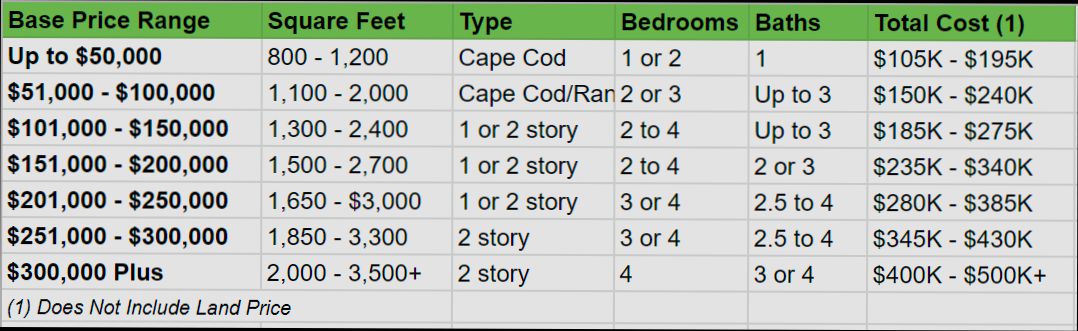
Pros and Cons of Living in Huntsville AL offer a fascinating mix of Southern charm and modern innovation. For instance, Huntsville consistently ranks as one of the best places to live in the U.S., thanks to its booming job market, particularly in aerospace and defense—Boeing and NASA are just a couple of the big players here. The cost of living is another attractive point; with a median home price around $280,000, you can find a cozy house with a yard, which is a rarity in many other cities these days. Plus, outdoor enthusiasts will love the abundance of parks and trails, like those in Monte Sano State Park, where weekend hikes feel like a breath of fresh air.
On the flip side, living in Huntsville isn’t all sunshine and rainbows. The city’s rapid growth has led to congestion on the highways, especially during rush hour, making those daily commutes a bit of a headache. Additionally, while the area has a vibrant cultural scene, some folks find it lacks the nightlife and dining variety of larger cities. If you’re looking for diverse culinary experiences or late-night entertainment, you might feel a little limited. With a mix of tech-savvy industries and classic Southern hospitality, Huntsville has its charms and challenges that are worth considering.
Cost of Living Analysis in Huntsville
When considering a move to Huntsville, Alabama, understanding the cost of living is essential. It’s not just about finding a job; it’s about how far your paycheck will stretch in everyday life. Let’s delve into some specific metrics and details that highlight the cost of living in this vibrant city.
Key Cost of Living Metrics
Huntsville boasts an overall cost of living that is generally favorable compared to national averages. Here are some specific stats that illustrate this:
- Housing Costs: The median home price in Huntsville is approximately $285,000, which is about 10% lower than the national average. This makes home ownership more attainable.
- Transportation Expenses: Residents spend around 15% less on transportation than the national average. This is largely due to the lower gas prices and the absence of a major public transit system, which encourages car ownership.
- Utilities: The average monthly utility bill for a household in Huntsville is about $200, slightly below the national average of $250.
- Healthcare Costs: Healthcare expenses in Huntsville are roughly 5% lower than the national average, providing peace of mind without breaking the bank.
- Groceries: The grocery index in Huntsville stands at 92, which means you can expect to spend about 8% less on groceries compared to the national average.
Comparative Cost of Living Table
| Category | Huntsville (AL) | National Average | Difference |
|---|---|---|---|
| Housing | $285,000 | $317,000 | -10% |
| Transportation | $1,200/year | $1,400/year | -15% |
| Utilities | $200/month | $250/month | -20% |
| Healthcare | 5% less | - | - |
| Groceries | Index: 92 | Index: 100 | -8% |
Real-World Examples
To give you a better sense of how the cost of living plays out in daily life, let’s look at a few case studies:
1. Home Purchase Scenario: A family of four relocating from a city with a median home price of $400,000 can save about $115,000 by purchasing a home in Huntsville. This additional savings can be allocated towards education, savings, or leisure activities.
2. Transportation Choices: A young professional commuting daily may find that lower gas prices, averaging around $2.70 per gallon, allow for significant savings. For those who commute 20 miles round trip daily, the annual saving can amount to over $700 compared to cities with higher gas prices.
3. Family Budgeting: For a family relying on monthly grocery budgets, the savings of 8% translates to approximately $100 savings monthly. Over a year, that’s an extra $1,200 that can be put towards family outings or vacations.
Practical Implications
1. Adapting Budgets: If you’re moving to Huntsville, rework your budget to reflect the lower housing and transportation costs. You might find you can allocate funds towards experiences such as travel or education.
2. Homeownership vs. Renting: Consider the long-term investment of buying a home in Huntsville with the more favorable pricing. Given the trend of lower housing costs, you might enter the market sooner than you think.
3. Utilizing Local Resources: Leverage local grocery stores and markets to maximize your food budget. With lower grocery costs, exploring local businesses can offer better value while supporting the community.
Consider how these factors specifically impact your financial decisions as you evaluate your options in Huntsville. The favorable cost of living paints a positive picture, suggesting that your money can go further in this burgeoning city.
Technology and Job Opportunities in Huntsville
Huntsville, Alabama, has emerged as a thriving hub for technology and innovation, drawing both established businesses and new startups. The city offers diverse job opportunities, especially in science, technology, engineering, and mathematics (STEM) fields, making it an attractive destination for job seekers.
Growing Job Market
The job market in Huntsville is expanding rapidly. Recent data shows:
- The area’s workforce includes over 30,000 employees in the engineering sector alone.
- Huntsville has enjoyed a 5% increase in tech job openings over the past year, signaling a robust demand for skilled professionals.
- The unemployment rate in the tech sector remains notably lower than the national average, often sitting below 3%.
Key Employers and Industries
Several prominent companies and initiatives anchor Huntsville’s technology landscape:
- NASA’s Marshall Space Flight Center: This facility is not only a leader in aerospace research but also contributes significantly to local job creation.
- Redstone Arsenal: A pivotal defense and military installation that brings in thousands of jobs, particularly in cybersecurity and military technology.
- Startups and Innovation Hubs: Initiatives like the Huntsville/Madison County Chamber and the Velocity Accelerator support burgeoning companies, fostering an environment ripe for innovation.
Comparative Overview of Technology Job Opportunities
| Company/Industry | Job Openings | Average Salary | Growth Rate |
|---|---|---|---|
| Aerospace (NASA, Boeing) | 2,500 | $92,000 | 5% |
| Defense (Redstone Arsenal) | 4,000 | $85,000 | 6% |
| IT & Cybersecurity | 1,500 | $80,000 | 7% |
Real-World Examples
In recent years, several companies have set up operations in Huntsville, highlighting its attractiveness:
- AeroJet Rocketdyne: This aerospace manufacturer announced plans to expand its Huntsville facility, creating over 200 new jobs focused on advanced propulsion systems.
- Cyber Huntsville: This initiative has energized the local cybersecurity community, launching numerous events and training programs aimed at boosting employment in cybersecurity fields.
Practical Implications for Job Seekers
If you’re considering a move to Huntsville for a tech job, here are actionable insights:
- Networking Events: Participate in local industry meetups and events hosted by organizations such as Tech Huntsville. This is crucial for connecting with potential employers and learning about job openings.
- Training Opportunities: Look into workforce programs offered by local colleges and organizations. These can enhance your skills in key areas like cybersecurity and software development.
- Remote Work Options: Many tech companies have adopted flexible working arrangements, allowing professionals to work remotely or in hybrid formats, broadening your employment possibilities.
Actionable Facts
- Consider specializing in areas that have shown growth, such as cybersecurity, aerospace engineering, and software development, to improve your employability.
- Take advantage of Huntsville’s vibrant tech community by engaging with local incubators and career fairs, as they often showcase new job opportunities.

Cultural Attractions and Community Events
Living in Huntsville, Alabama, means immersing yourself in a rich tapestry of cultural attractions and community events that enhance everyday life. This vibrant city offers a mix of historical sites, modern art, and a lively calendar of local festivities that resonate with residents of all ages.
Cultural Attractions
Huntsville is home to several unique cultural attractions that showcase its heritage and spirit:
- U.S. Space & Rocket Center: As a must-visit for anyone in the area, this center not only highlights Huntsville’s pivotal role in the space race but also hosts educational exhibits and interactive experiences. It’s perfect for families and anyone curious about space exploration.
- Huntsville Museum of Art: Located in the heart of downtown, this museum features a diverse collection of American art and hosts rotating exhibits that include classic and contemporary works.
- Von Braun Center: This multipurpose arena and convention center regularly hosts cultural performances, concerts, and sports events, attracting both national and local talent.
Community Events
Community events are key to connecting with your neighbors and celebrating local culture:
1. Panoply Arts Festival: Held annually in April, this festival embraces the arts, featuring over 70 artists, musicians, and performers. In 2023, an estimated 40,000 attendees celebrated the creativity and community spirit through art displays, food vendors, and live music.
2. WhistleStop Festival: This event celebrates Huntsville’s history and culinary scene, particularly its famous barbecue. In 2023, it attracted over 25,000 visitors, showcasing local chefs and their grilled masterpieces.
3. Huntsville International Film Festival: Celebrating independent filmmakers, this festival provides a platform for new talent each September. Participation has grown by 20% over the past few years, highlighting Huntsville’s commitment to the arts.
Comparative Points
| Event/Attraction | Type | Average Attendance (2023) | Unique Features |
|---|---|---|---|
| U.S. Space & Rocket Center | Museum | 1 million+ | Interactive space exhibits |
| Panoply Arts Festival | Arts festival | 40,000 | Various artist showcases & performances |
| WhistleStop Festival | Culinary festival | 25,000 | Barbecue competitions |
| Huntsville International Film Festival | Film festival | 3,000+ | Focus on independent films |
Real-World Examples
Huntsville’s community events exemplify the city’s commitment to fostering local culture. The Panoply Arts Festival, for example, not only showcases local artists but also offers workshops and activities for children, making it a family-friendly event. The U.S. Space & Rocket Center combines education and fun, drawing school groups and tourists alike, thus reinforcing the community’s focus on science and technology.
Practical Implications
For residents, these cultural attractions and community events present ample opportunities for engagement and enjoyment. You can:
- Plan family outings to the U.S. Space & Rocket Center for an educational experience.
- Attend the Panoply Arts Festival each spring to support local artists and enjoy diverse performances.
- Try connecting with neighbors by volunteering at local events, fostering community bonds.
Quick Facts/Advice
- Huntsville boasts a rich arts scene, with over 30 galleries and performance spaces contributing to its cultural vibrancy.
- Check local government websites or community boards for updates on upcoming events to stay involved and enjoy what the city has to offer.
- Consider joining local clubs or groups that focus on arts and culture to deepen your engagement with these offerings and meet like-minded individuals.
Public Education System Evaluation
When considering the public education system in Huntsville, Alabama, it’s essential to examine various facets such as school performance, funding, and community involvement. Your choice of where to live often hinges on the quality of education available, so let’s dive into how Huntsville’s public schools measure up.
School Performance Metrics
Huntsville schools have received mixed evaluations in terms of academic achievement. According to recent assessments, the average student proficiency levels demonstrate distinct areas for improvement and strengths.
- Mathematics Proficiency: Approximately 65% of students meet or exceed the proficiency level in math, which is a solid benchmark compared to many other districts.
- Reading Proficiency: Likewise, around 62% of students achieve proficiency in reading, highlighting a need for focused literacy programs.
- Graduation Rates: Huntsville achieves a graduation rate nearing 90%, which is commendable nationally but offers room for progress.
Funding and Resources
Funding plays a significant role in shaping the quality of education. Here’s a breakdown of some key data points:
| Metric | Percentage/Amount |
|---|---|
| Funding per student | Approximately $9,500 |
| Teacher to student ratio | 1:15 |
| Percentage of budget for extracurricular activities | 16% |
This financial support enables schools to offer various resources, including updated technology, extracurricular programs, and specialized services. However, there may be limitations in staffing and classroom sizes according to district needs.
Real-World Examples
Recent initiatives in Huntsville have aimed to enhance educational outcomes. For instance, the partnership with local tech companies has enriched the STEM (Science, Technology, Engineering, Mathematics) curriculum.
- Case Study: Sparkman High School launched a STEM program that resulted in a 20% increase in students pursuing advanced science subjects over three years. This showcases a tangible impact of community partnerships on education.
- Community Programs: Various local organizations have come together to provide tutoring services, and have seen a 30% increase in student participation, indicating that community involvement addresses gaps in educational support.
Practical Insights for Parents and Students
As you evaluate Huntsville’s public education system, consider these actionable insights:
- Explore School Reviews: Websites like GreatSchools can provide insights into school ratings and parental feedback, helping you make informed decisions about where to enroll your children.
- Attend Community Events: Participating in local school board meetings and community forums can provide valuable insights into the priorities and challenges of the education system.
- Connect with Educators: Building relationships with teachers and school administrators can give you a firsthand perspective on the strengths and areas in need of improvement within the schools.
Specific Facts and Advice
- It may be helpful to understand that special education resources are expanding, with approximately 12% of students receiving individualized education plans (IEPs).
- For families considering relocating, note that a strong emphasis on college readiness and career preparation programs is becoming a staple in curriculum enhancements.
Armed with this knowledge about Huntsville’s public education system, you can better assess how it meets your family’s educational needs.

Healthcare Access and Quality of Services
Access to quality healthcare is a crucial consideration when evaluating life in Huntsville, Alabama. The healthcare landscape in this city boasts a range of services and facilities aimed at catering to the diverse needs of its residents. Let’s dive into the highlights and specifics of healthcare access and quality in Huntsville.
Key Healthcare Metrics
When assessing healthcare access in Huntsville, it’s important to look at several key metrics:
- Health Facilities: Huntsville is home to several major healthcare providers, including Huntsville Hospital, which ranks as one of the top hospitals in Alabama.
- Physician Availability: The area has approximately 280 primary care physicians per 100,000 residents, which aligns closely with the national average.
- Emergency Services Response Time: The average emergency response time in Huntsville is around 8 minutes, significantly lower than the national average, ensuring prompt care during critical moments.
- Insurance Coverage: Around 91% of residents in Madison County have some form of health insurance, reflecting strong coverage relative to state averages.
| Metric | Huntsville | National Average |
|---|---|---|
| Primary Care Physicians | 280 per 100,000 residents | 286 per 100,000 residents |
| Emergency Response Time | 8 minutes | 10 minutes |
| Insured Residents Percentage | 91% | 88% |
Real-World Examples
Consider the case of Elizabeth, a Huntsville resident who praised the healthcare services after having a minor surgical procedure at Huntsville Hospital. She reported not only excellent care from the surgical team but also appreciated the seamless follow-up process that exemplified the hospital’s commitment to patient care. This reflects a broader trend where residents experience personalized and attentive healthcare services.
Another case is the mobile health clinics that have been established in Huntsville. These clinics focus on improving access to healthcare for underserved populations, providing screenings, vaccinations, and education, which have led to improved health outcomes in local neighborhoods.
Practical Implications for Residents
When living in Huntsville, residents can take advantage of various healthcare resources:
- Regular Check-ups: With a high availability of primary care physicians, you can easily schedule regular health check-ups.
- Emergency Preparedness: The quick response times for emergency services means that you can have peace of mind knowing help is close at hand in case of emergencies.
- Healthcare Education Resources: Numerous community health initiatives provide residents with access to valuable information regarding preventive care and lifestyle improvements, empowering you to take charge of your health.
Actionable Insights
- Before moving to Huntsville, research specific healthcare providers in your preferred neighborhood to find the best fit for your family’s needs.
- Ensure you have adequate health insurance coverage. Check with local providers to understand the options available and how they compare to other cities.
- Take advantage of community health programs, screenings, and health fairs that are frequently organized to help you stay informed and proactive about your health.
Demographics and Population Trends
Understanding the demographics and population trends in Huntsville, Alabama, is crucial for anyone considering a move to this dynamic city. The composition of the population gives insights into the community’s character, economic potential, and social dynamics.
Age and Gender Composition
Huntsville has a balanced age distribution, with a median age of approximately 37.3 years. This statistic indicates a mix of young professionals, families, and older adults, supporting a vibrant community. The gender distribution shows that females make up about 51% of the population, slightly higher than males, creating a diverse and inclusive environment.
Racial and Ethnic Diversity
The racial makeup of Huntsville includes:
- White: 61%
- Black or African American: 29%
- Asian: 3%
- Hispanic or Latino: 6%
This diversity contributes to the city’s rich cultural tapestry and community events, making it a welcoming place for individuals from various backgrounds.
Population Growth Trends
Huntsville has experienced significant population growth, with an increase of approximately 1.1% annually over the past five years. In 2023, the population surpassed 200,000, driven by job opportunities in sectors like aerospace and technology. The attracting factors include:
- Affordable housing
- Quality of life metrics
- Educational institutions
Migration Patterns
Huntsville sees a positive influx of residents, with around 12% of current residents having moved to the area within the last year. Many newcomers cite the growing job market and educational opportunities as reasons for relocating. This migration trend not only rejuvenates the local economy but also enriches the cultural landscape of the city.
| Demographic Feature | Percentage |
|---|---|
| Population Growth (2023) | 1.1% |
| Median Age | 37.3 years |
| Female Population | 51% |
| Population with New Residents | 12% |
Real-World Examples
For instance, the presence of organizations like the U.S. Space & Rocket Center has attracted families and individuals interested in education and science, resulting in a rise in younger populations. Additionally, Huntsville’s designation as a tech hub has encouraged professionals to migrate there for lucrative opportunities, further diversifying its demographic makeup.
Practical Implications
When considering a move to Huntsville, it’s vital to take these demographic trends into account. For young professionals, the balanced age distribution means a vibrant social scene. Families can benefit from the diverse community that offers various cultural experiences.
The evolving demographics indicate not only a growing economy but also the potential for strong community connections. Engaging with local groups or events can provide newcomers with insight and help establish roots quickly.
Additional Facts
- The rising percentage of Hispanic or Latino residents suggests a shift towards increased cultural festivals and community initiatives reflecting this heritage.
- Those considering relocation should explore neighborhoods that align with their demographic preferences, as Huntsville offers varied communities to suit different lifestyles and backgrounds.

Outdoor Recreation and Natural Attractions
Huntsville, Alabama, is a hidden gem for outdoor enthusiasts and nature lovers. The region is blessed with a rich array of parks, trails, and natural attractions that invite residents to immerse themselves in the beauty of the outdoors.
Abundant Parks and Green Spaces
Huntsville boasts over 60 parks, making it easy for you to find a green haven to escape the hustle and bustle of daily life. Each park offers unique features, from sports facilities to walking trails, ensuring there’s something for everyone:
- Monte Sano State Park: This park offers 20+ miles of hiking and biking trails, ideal for both beginners and seasoned outdoor adventurers.
- Big Spring International Park: Located downtown, this park combines scenic beauty with cultural attractions, making it perfect for a leisurely stroll or family picnic.
Mesmerizing Natural Attractions
Aside from parks, Huntsville is home to several notable natural attractions that will leave you in awe:
- Huntsville Botanical Garden: Covering 112 acres, the garden features stunning flora, themed gardens, and interactive exhibits. It’s a fantastic place to work on your photography skills or simply enjoy the tranquility of nature.
- Land Trust of Northern Alabama: This organization offers access to numerous preserved natural areas and trails, allowing for exploration while promoting conservation efforts. They even host guided hikes to help you learn more about local ecosystems.
Table of Key Outdoor Recreation Features
| Park/Attraction | Size (Acres) | Trail Miles | Notable Features |
|---|---|---|---|
| Monte Sano State Park | 2,140 | 20+ | Hiking, biking, scenic overlooks |
| Huntsville Botanical Garden | 112 | N/A | Themed gardens, tropical house |
| Land Trust of Northern Alabama | Varies | Various | Guided hikes, preserved areas |
Real-World Examples
For a practical illustration, many locals frequent Monte Sano State Park, especially during the fall when the foliage turns vibrant shades of red and orange. Families often plan weekends around picnics and hiking outings. Moreover, the Botanical Garden hosts seasonal events like “Galaxy of Lights,” showcasing enchanting light displays that attract both residents and tourists.
Practical Implications for Residents
Living in Huntsville means that outdoor recreation is accessible year-round. With mild winters and warm summers, you have uninterrupted opportunities to engage with nature. For those interested in fitness, consider hiking or biking as an alternative to gym workouts, helping to improve both physical health and mental well-being.
To make the most of your outdoor experience, explore local clubs or meetups focused on hiking, gardening, or bird watching. Engaging with these communities can enhance your recreational activities and allow you to connect with fellow enthusiasts.
Actionable Insights
- Choose Your Active Pursuits: Before planning your week, look at park schedules to find events or trails that match your fitness level.
- Take Advantage of Local Wildlife: Bring binoculars during hikes to observe local bird species or wildlife, enhancing your connection to nature.
- Get Involved: Volunteer with the Land Trust for conservation projects to give back to the environment while enjoying the outdoors.