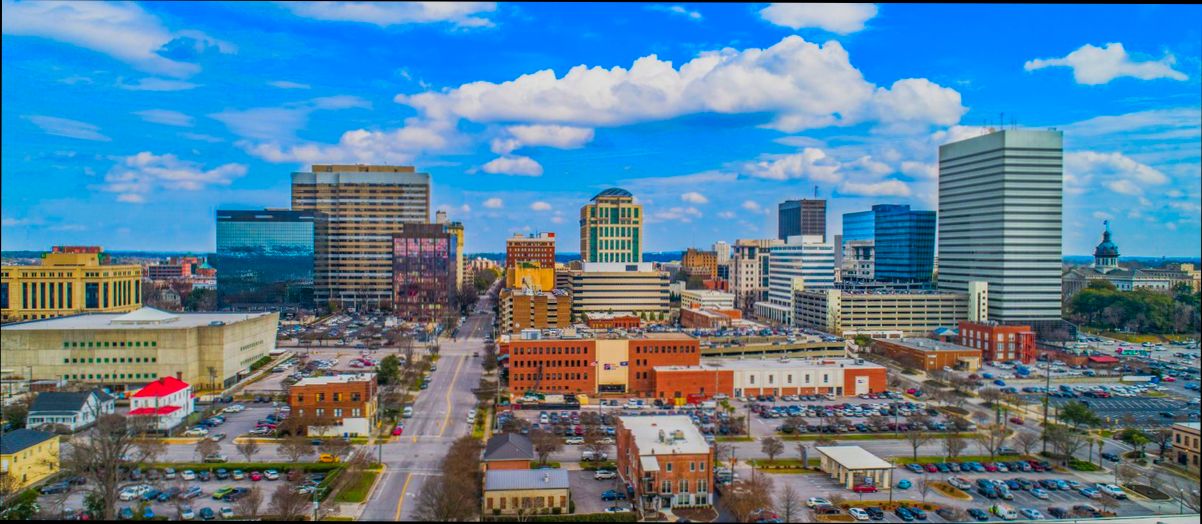
Pros and Cons of Living in Columbia SC paint an interesting picture of life in South Carolina’s capital. On the bright side, Columbia boasts a low cost of living—around 11% cheaper than the national average—making it very wallet-friendly. You can snag a charming two-bedroom cottage for under $200,000, and that’s pretty hard to beat. Plus, the city is home to the University of South Carolina, which means there’s a vibrant energy, thanks to the student population and cultural events like the annual South Carolina State Fair and Columbia’s thriving arts scene.
However, life in Columbia isn’t all sunshine and rainbows. The heat and humidity can be seriously intense, especially in summer, with average highs reaching the 90s and beyond. If you’re not a fan of sweltering weather, you might find yourself longing for a break from the muggy days. Not to mention, the traffic can get pretty gnarly during peak hours, with the I-20 and I-77 interstates often backed up. And while you can find a solid dose of nature in spots like Riverbanks Zoo and Garden, some folks feel there’s a lack of big-city amenities compared to places like Charlotte or Atlanta.

Cost of Living and Housing Insights
When considering a move to Columbia, SC, one of the first factors to assess is the cost of living, especially regarding housing and daily expenses. Columbia stands out with its affordability compared to many other cities in the United States. Let’s break down some specific aspects that illustrate why Columbia can be an attractive option for potential residents.
Key Cost of Living Highlights
- Affordable Housing: The median home price in Columbia is approximately 35% lower than the national average, making homeownership more attainable for many families.
- Cost of Rent: Renting in Columbia also presents a favorable situation; the average rent for a two-bedroom apartment is around $1,200, which is significantly lower than in cities like Charleston or Greenville.
- Daily Expenses: Overall, Columbia’s cost of living is about 10% lower than the national average, factoring in utilities, groceries, and transportation costs that are all reasonably priced.
- Utility Costs: Residents can expect to pay around 15% less on average for utilities compared to the national benchmark, helping to keep monthly living expenses manageable.
| Expense Category | Columbia SC | National Average |
|---|---|---|
| Median Home Price | $250,000 | $385,000 |
| Average Rent (2BR) | $1,200 | $1,500 |
| Cost of Living Index | 90 | 100 |
| Utility Costs | 15% lower | - |
Real-World Examples
Residents in Columbia often cite their positive experiences with housing affordability. For instance, a young couple working in the healthcare sector shared how they purchased their first home in a family-friendly neighborhood for $220,000. They noted that their mortgage payment was less than what they would have spent on rent in larger cities.
Additionally, a local teacher mentioned that the lower cost of living allows for discretionary spending on experiences, such as enjoying weekends at Lake Murray or dining at local restaurants without breaking the bank.
Practical Implications
If you’re considering moving to Columbia, understanding these cost factors can significantly affect your financial planning. It’s beneficial to explore neighborhoods that offer the best mix of affordability and amenities.
- Neighborhood Research: Focus on areas like Shandon or Forest Acres, where you can find homes within budget while enjoying access to parks and community events.
- Budgeting: With lower utility costs and daily expenses, you might allocate your funds towards activities that enhance your living experience, such as outdoor adventures or cultural events.
Actionable Advice
As you evaluate your options, consider how the lower cost of living in Columbia can enhance your quality of life. Look into local housing markets and compare listings to gain an understanding of what’s available in your price range. By leveraging Columbia’s affordability, you can enjoy a balanced lifestyle that prioritizes both comfort and leisure.

Cultural Attractions and Entertainment Options
Columbia, SC offers a vibrant mix of cultural attractions and entertainment options that can enrich your daily life. With a rich history, diverse arts scene, and various recreational activities, the city provides something for everyone. Whether you’re into museums, performing arts, or outdoor events, Columbia has it all.
Key Cultural Attractions
- Museums: Columbia is home to the South Carolina State Museum, the largest museum in the state, featuring exhibits on natural history, art, and science. The museum attracts over 100,000 visitors annually, showcasing everything from the history of the state to contemporary art.
- Arts Scene: The city has a thriving arts community highlighted by the Columbia City Ballet, which stages professional performances each season. Additionally, the Columbia Museum of Art hosts rotating exhibitions and has a permanent collection with over 5,000 works.
Entertainment for All Ages
Columbia has a variety of entertainment options that cater to different interests:
- Live Music and Festivals: The city hosts many music festivals throughout the year, with events like the Columbia Music Festival and the Soda City Market, showcasing not only local talent but also national acts. These festivals help to boost community spirit and attract thousands of attendees.
- Theaters and Performance Venues: Organizations like the Trustus Theatre and the Koger Center offer a mix of plays, concerts, and live performances. Each year, the Koger Center hosts more than 50 events, drawing in approximately 100,000 attendees.
| Entertainment Option | Venue/Organization | Annual Attendance |
|---|---|---|
| South Carolina State Museum | South Carolina State Museum | 100,000 |
| Columbia City Ballet | Columbia City Ballet | 20,000+ |
| Koger Center | Koger Center for the Arts | 100,000 |
| Trustus Theatre | Trustus Theatre | 10,000+ |
Real-World Examples
For instance, the annual Riverfest draw crowds to the banks of the Congaree River, allowing families to enjoy live music, local crafts, and delicious food vendors. In another example, the Columbia Arts Festival showcases local artists and performers, providing an excellent platform for community engagement and cultural appreciation.
Practical Implications
Living in Columbia means easy access to a wide range of cultural activities. If you’re a fan of the arts or enjoy outdoor festivals, you’ll find countless opportunities to connect with others who share your interests. You can take advantage of discounted tickets for students and military personnel, making events more accessible.
Actionable Insights
- Stay tuned for event calendars published by local organizations like Experience Columbia to make the most of cultural offerings.
- Consider volunteering at the local arts center or museum to deepen your connection to the community while gaining insight into the local culture and history.

Climate Considerations for Residents
When considering a move to Columbia, SC, the climate plays a vital role in your overall living experience. Columbia boasts a humid subtropical climate, which means you can expect hot summers and mild winters. Understanding these climatic patterns can help you prepare for seasonal variations and make informed lifestyle choices.
Key Climate Insights
- Temperature Range: Summers in Columbia can be quite hot, with average highs reaching the mid-90s °F from June through August. Conversely, winter temperatures rarely drop below 30°F, offering a relatively mild respite.
- Rainfall: Columbia receives about 45 inches of rainfall annually, with precipitation spread fairly evenly throughout the year. This means you should be ready for occasional downpours, especially in late spring and early summer.
- Humidity Levels: The average relative humidity is around 70%, which can make summer days feel particularly sticky. It’s wise to invest in air conditioning units to keep comfortable during those peak summer months.
- Severe Weather: Tornadoes, although rare, can occur in the region, typically during spring. Being aware of weather warnings and having a safety plan is advised for residents.
| Climate Feature | Columbia SC | National Average |
|---|---|---|
| Average Summer Temp | 92°F (max) | 85°F |
| Average Winter Temp | 45°F (min) | 32°F |
| Annual Rainfall | 45 inches | 38 inches |
| Average Humidity | 70% | 60% |
Real-World Examples
Residents often adapt their lifestyles based on these climate realities. For instance, many Columbia locals enjoy outdoor summer activities in the mornings or evenings when temperatures are more pleasant. It’s common to see families at local parks for picnics after sunset, showcasing how residents take advantage of the cooler evening air.
Furthermore, during periods of heavy rainfall, community events may change venues to indoor locations to ensure participation. This adaptability reflects Columbia’s commitment to fostering a resilient, community-focused atmosphere despite weather challenges.
Practical Implications for You
As you contemplate relocating to Columbia, consider these actionable strategies:
- Home Insulation: Ensure your prospective home has adequate insulation and cooling systems to handle the heat effectively during summer months.
- Hydration and Outdoor Activities: If you enjoy outdoor activities, always plan to stay hydrated and have sunscreen on hand during the hotter months.
- Weather Preparedness: Familiarize yourself with local emergency resources and weather patterns. Local meteorological services can provide crucial updates during storm seasons.
With these insights, you can better navigate the climate of Columbia, SC, ensuring a comfortable and enjoyable living experience. Stay informed on local climate changes to make the most of your time in this vibrant city!

Commute Times and Transportation Impact
Understanding commute times and the overall transportation landscape is crucial when considering a move to Columbia, SC. This section dives into how different commutes influence daily life, job accessibility, and overall satisfaction in the city.
Key Commute Statistics
- According to the latest data, more than 15% of workers in Columbia are working from home. This trend contributes to a decrease in daily commute times for many residents.
- For those commuting to work, the average travel time to work stands at approximately 22 minutes, significantly lower than the national average of 27 minutes.
- About 75% of commuters in Columbia rely on personal vehicles, facilitating a relatively straightforward driving experience without excessive traffic congestion.
| Commute Factor | Columbia SC | National Average |
|---|---|---|
| Average Commute Time | 22 minutes | 27 minutes |
| Percentage of Workers Driving | 75% | 80% |
| Average Public Transport Use | Low (historical) | Varies |
Real-World Examples
For instance, professionals commuting from suburbs such as Irmo or Lexington to downtown Columbia often cite the manageable travel times as a major perk of living in the area. Residents appreciate that they can reach their workplaces in under 30 minutes, allowing for more time spent at home or in leisure activities.
On the other hand, the public transportation system, while present, has historically had low usage rates, which aligns with the national trend of public transport remaining underutilized. Limited routes and schedules affect how accessible this option is for residents who may prefer it over driving.
Practical Implications
When evaluating potential job opportunities, consider the proximity of your workplace to your home. Shorter commuting times can lead to increased job satisfaction and better work-life balance.
If you rely on public transport, stay informed about any updates or expansions to local transit options that might enhance connectivity in the future. As commuting preferences evolve and more people transition to hybrid work models, the infrastructure in place will play a pivotal role in shaping daily responsibilities.
Actionable Insights
- If you’re a remote worker, take advantage of the flexible schedules to avoid peak traffic and enjoy your local community.
- For those commuting via personal vehicles, familiarize yourself with alternative routes as well as potential carpooling options to further reduce travel times.
- Monitor commuter trends in Columbia, SC, as they can provide insights into the best times to travel and potential changes in infrastructure that might affect your commute.

Employment Opportunities and Job Market Trends
If you’re considering a move to Columbia, SC, it’s essential to look at the employment landscape and job market trends. In recent years, Columbia has seen modest but steady growth in job opportunities across various sectors, making it an attractive option for job seekers of all backgrounds.
Key Employment Trends
- Unemployment Rate: As of the latest data, Columbia’s unemployment rate stands at approximately 4.1%, which is slightly lower than the national average of 4.3%. This suggests a relatively healthy job market with opportunities available.
- Key Industries: The major employment sectors in Columbia include education, healthcare, retail, and technology. The presence of institutions like the University of South Carolina contributes significantly to opportunities in education and research.
- Job Growth Forecast: Projections indicate that jobs in the healthcare and technology sectors are expected to grow by nearly 11% over the next five years, making these fields particularly promising for job seekers.
- Diversity in Opportunities: The area boasts a mix of large employers, such as Fort Jackson (the U.S. Army’s largest training installation), and numerous small businesses that enrich the local economy.
Job Market Comparative Table
| Job Market Feature | Columbia SC | National Average |
|---|---|---|
| Unemployment Rate | 4.1% | 4.3% |
| Growth in Healthcare Jobs | 11% projected | 8% average |
| Average Salary (Annual) | $50,000 | $55,000 |
| Percentage of Workers in Education | 20% | 15% |
Real-World Examples
Columbia’s growing reputation as a tech hub can be seen in the rising number of tech startups and incubators. For instance, companies such as AppSense and Graphite have established their roots in the region, providing ample job openings for software developers and engineers. Additionally, the presence of large employers like Palmetto Health and BlueCross BlueShield offers substantial career paths in healthcare management and administration.
Practical Implications for Job Seekers
When searching for jobs in Columbia, consider the following actionable insights:
- Utilize local job boards and networking events, which can help you connect with hiring managers and other professionals in your field.
- Stay updated on market trends in growing sectors, especially healthcare and technology, to align your skills with what employers are seeking.
- Engage with local community groups or online forums that focus on professional development, as these can provide valuable insights into job availability and industry changes.
It’s important to leverage Columbia’s educational institutions for upskilling or re-skilling opportunities, as they often offer programs tailored to market needs. This way, you can enhance your employability in a competitive landscape.

Community Engagement and Social Life
When thinking about moving to Columbia, SC, community engagement and social life play a significant role in shaping your experience. The connections you make within the community can enhance your social well-being and quality of life. Here, I’ll explore some unique aspects of community involvement and social interaction in Columbia.
High Volunteer Rates
Columbia has a robust culture of volunteerism. National statistics reveal that more than 23% of adults age 16 and over formally volunteered through an organization, contributing an astounding 4.1 billion hours of service nationwide with an estimated economic value of around $122.9 billion. In Columbia, these statistics reflect a vibrant local volunteer scene, with numerous opportunities for you to get involved in various community programs.
Demographic Engagement
Community engagement can vary significantly across different demographics in Columbia. Research indicates that:
- Women tend to volunteer at higher rates than men despite a slight decline; for example, women’s participation in volunteering remains notably high even as rates have dropped.
- Veterans in Columbia exhibit a strong sense of community, helping their neighbors at a rate of 59%, which is 8 percentage points higher than non-veterans.
This diversity adds a rich thread to the social tapestry of Columbia, ensuring that many unique perspectives contribute to community initiatives.
Social Isolation Factors
Understanding the factors contributing to social isolation can deepen our appreciation for community life in Columbia. Based on collected data, levels of social isolation differ across age and income:
| Age Group | Social Isolation Score |
|---|---|
| 15-24 years | 234 |
| 25-34 years | 211 |
| 35-44 years | 229 |
| 45-54 years | 290 |
| 55-64 years | 351 |
| ≥65 years | 442 |
Younger residents (15-24 years) experience less isolation compared to older adults. Engaging in community activities can bridge this gap, fostering connections across generations.
Real-World Examples of Engagement
Community-specific programs, such as local food drives and educational workshops, showcase the engaging social life in Columbia. One example is how neighborhood groups mobilize to help each other during challenging times, reflecting a wholesale commitment to helping, especially prominent during the COVID-19 pandemic when more than 51% of the U.S. population helped their neighbors informally.
Additionally, organizations like the United Way of the Midlands facilitate volunteer opportunities, promoting social connection through joint efforts in community health, education, and safety.
Practical Implications for Residents
For you as a potential resident in Columbia, the opportunities for engagement are plentiful and accessible. Here are some ways to maximize your social life:
- Look for local volunteer opportunities that resonate with your interests. Websites like VolunteerMatch can help connect you to organizations in Columbia.
- Attend neighborhood meetings or community forums to meet like-minded individuals and contribute to community discussions.
- Join interest groups or clubs, such as hiking groups or book clubs, to expand your social network.
Actionable Advice
If you’re keen on enriching your community life in Columbia, start by reaching out to local volunteer organizations. Participating in volunteer work not only benefits the community but also cultivates friendships and connections that enhance your personal life. Make it a goal to engage in at least one community activity each month to nurture your social life and network!

Health Care Access and Quality Overview
Health care access and quality in Columbia, SC presents a mix of opportunities and challenges that can affect residents’ well-being. Understanding these dimensions can help you navigate your health journey in the region.
One of the most encouraging aspects is that a significant percentage of adults—87.6%—have a usual place to go for medical care, indicating good general access to health services in the area. However, it’s also important to note that 6.4% of adults aged 18 and older reported not being able to obtain needed medical care due to cost, highlighting a financial barrier for some residents.
Key Points on Health Care Access and Quality
- Insurance Coverage: Many people in Columbia may struggle with access to care due to lack of insurance. Nationwide, about 1 in 10 individuals lack health insurance, which directly impacts their ability to access preventive and necessary treatments.
- Primary Care Providers: Without a primary care provider, individuals may miss out on critical health services, such as recommended cancer screenings. This gap in service underscores the importance of establishing a usual source of care.
- Rural Access: Some residents may face difficulty accessing healthcare services simply due to geographical barriers, particularly in more rural parts of the Columbia area.
| Health Care Metric | Columbia SC Percentage | National Average Percentage |
|---|---|---|
| Adults with a Usual Place for Medical Care | 87.6% | Varies by region |
| Adults Unable to Obtain Needed Care Due to Cost | 6.4% | Approximately 10% |
| Individuals Lacking Health Insurance | Hypothetically around 10% | 10% nationwide |
Real-World Examples
In Columbia, various health initiatives may be impacting health care access:
1. Community Health Events: Local organizations often hold community health fairs that provide free screenings and services for uninsured residents. These initiatives can help bridge the gap for those who might not regularly visit a healthcare provider.
2. Telemedicine Growth: The rise of telehealth services has made it easier for individuals to connect with healthcare professionals without having to travel long distances, particularly beneficial for those in rural areas surrounding Columbia.
Practical Implications for Readers
If you live in Columbia or are considering moving, you should actively seek resources available within the community.
- Look for programs offering sliding scale fees or free services, particularly if financial constraints are a concern.
- Familiarize yourself with local health resources, such as urgent care clinics, hospitals, and community health centers where you can establish a primary care relationship.
Actionable Advice
- If you find yourself unable to afford care, don’t hesitate to explore state and federal health insurance programs such as Medicaid or the healthcare marketplace.
- Participate in community health initiatives, which not only provide services but also foster connections within the local hospital and health networks, helping to ensure you have the best access to the care you need.