How long does it take to buy a house? Well, it can feel like a rollercoaster ride, with timeframes fluctuating based on your situation and location. On average, the entire process can take about 6 to 12 months, from the initial house-hunting phase to closing the deal. For example, if you’re in a hot market like San Francisco or Denver, just securing your dream home might involve weeks, or even months, of bidding wars, resulting in prolonged timelines. On the flip side, if you’re eyeing homes in a quieter area, you might snag a deal in as little as 30 to 45 days after making an offer.
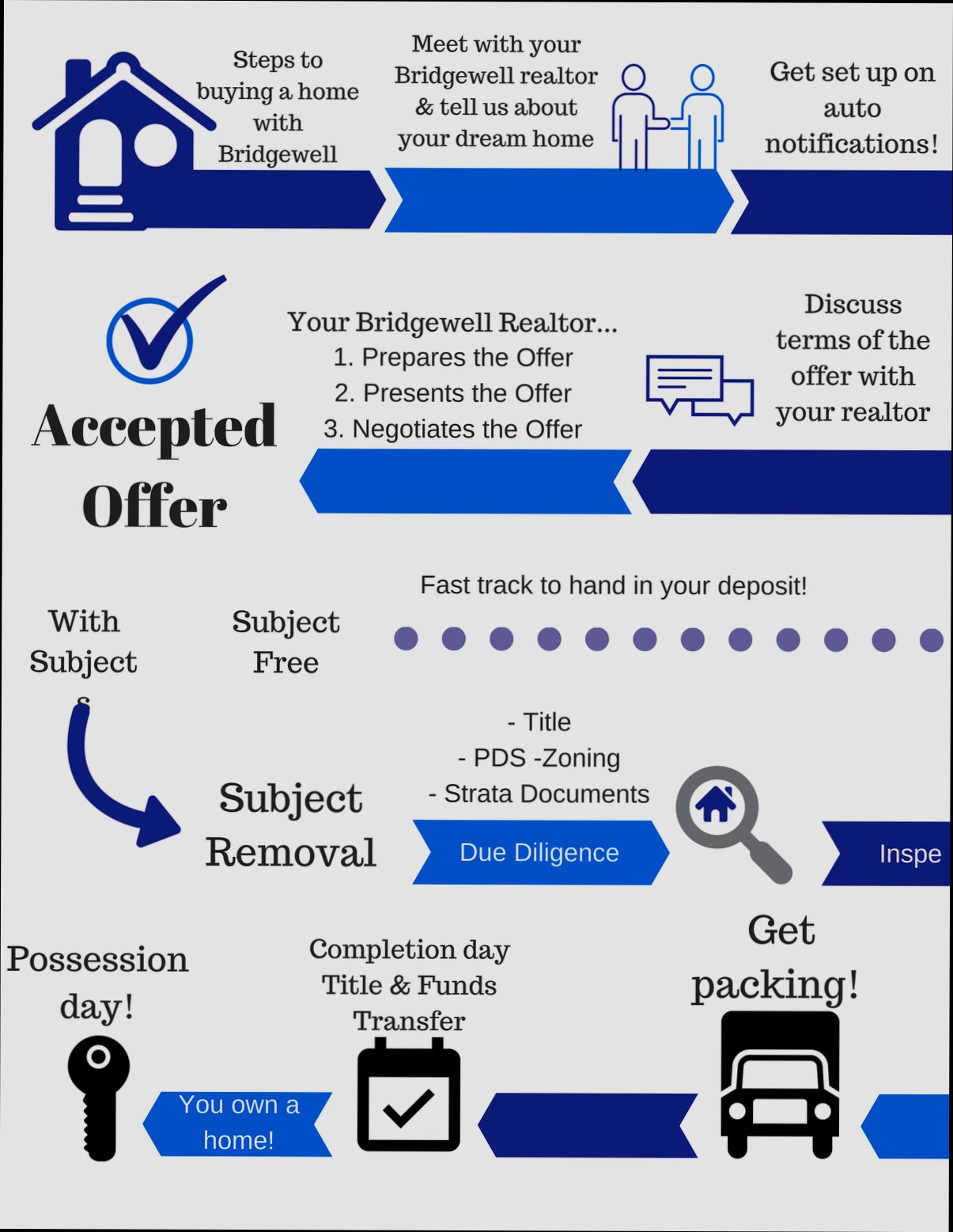
Now consider the stages involved: searching for homes might last several weeks as you visit open houses and assess listings online. Then comes the offer and negotiation phase, which can take a few days to a couple of weeks, depending on how quickly you and the seller come to an agreement. After that, the closing period itself can stretch from 30 to 60 days as inspections, appraisals, and paperwork pile up. So, whether you’re diving into this process solo or alongside a partner, understanding these timelines can help demystify what lies ahead in your home-buying adventure.
Understanding the Home Buying Timeline
Navigating the home-buying journey can feel overwhelming without a clear understanding of the timeline involved. A well-structured plan not only eases your stress but also empowers you to make informed decisions throughout the process. Let’s dive into the timeline and see what each step entails.
Key Points to Consider
Understanding the phases of home buying helps you to anticipate what comes next. Here are some important stages:
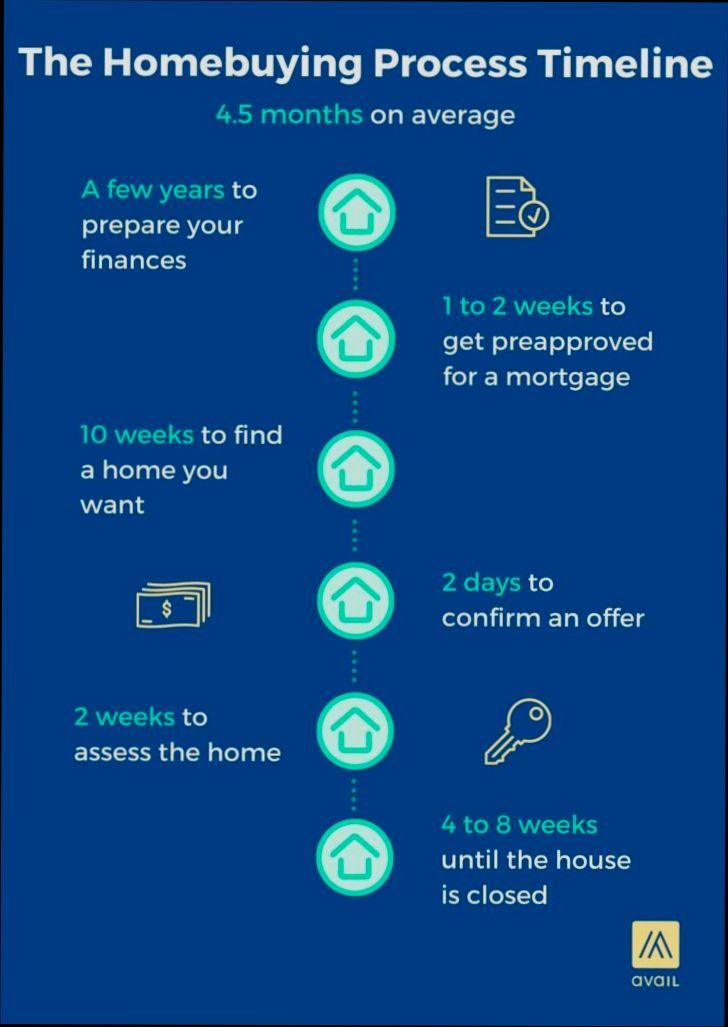
- Pre-Approval (1–2 weeks): This initial phase allows you to ascertain your budget, aiming for 1–3% of the purchase price in earnest money to signal your seriousness to sellers.
- House Hunting (A few weeks to several months): Depending on market conditions, finding the right property can vary widely. Patience is essential during this step.
- Making an Offer & Negotiations (1–2 weeks): Offers can lead to counteroffers, and understanding negotiation tactics can save you both time and money.
- Inspection & Appraisal (2–3 weeks): You’ll typically want to ensure the home is in good condition; a home inspection can help you avoid costly issues.
- Loan Processing & Underwriting (3–6 weeks): This stage involves gathering and verifying all required documents, which can vary based on lender requirements.
- Closing (1 day): The final step where you sign paperwork, pay closing costs (around 2–5% of the home’s purchase price), and get the keys to your new home.
Comparative Home Buying Timeline
| Step | Duration |
|---|---|
| Pre-Approval | 1–2 weeks |
| House Hunting | A few weeks to several months |
| Making an Offer & Negotiations | 1–2 weeks |
| Inspection & Appraisal | 2–3 weeks |
| Loan Processing & Underwriting | 3–6 weeks |
| Closing | 1 day |
Real-World Examples
Let’s look at a couple of scenarios that illustrate how the home-buying timeline plays out in reality.
- Example 1: Jane was pre-approved for a mortgage in 10 days. After weeks of searching, she found her dream home about 1.5 months later. The offer process took just under a week but involved back-and-forth negotiation, extending that phase by another week. The appraisal and inspection took an additional 2.5 weeks before finalizing her loan, leading to a smooth closing in a total of about four months.
- Example 2: Tom and Mia experienced a longer timeline. After securing pre-approval in 1.5 weeks, they took nearly three months to find a suitable property due to strong demand in their area. Their offer negotiations took two weeks, as they encountered multiple bids. With a thorough inspection that required further negotiations, the entire process spanned over five months before they finally closed.
Practical Implications
Knowing the timeline means you can plan your finances and schedules accordingly. For instance, understanding that closing costs vary and can reach up to 5% of the purchase price can help you budget better. Additionally, you might wish to factor in temporary housing arrangements if your house hunting extends beyond your planned timeframe.
Actionable Advice
- Stay organized: Keeping track of documents and communication with your lender can significantly speed up the loan processing and underwriting timelines.
- Communicate frequently: Regularly check in with your realtor and lender to avoid delays, especially during the offer and negotiation phases.
- Be adaptable: Market conditions can change, affecting timeframes. Be ready to adjust your expectations along the way.
Key Factors Influencing Purchase Duration
When considering how long it takes to buy a house, various key factors can significantly influence the duration of this process. Understanding these factors can empower you to navigate the home-buying journey more smoothly and efficiently.
Factors Influencing Purchase Duration
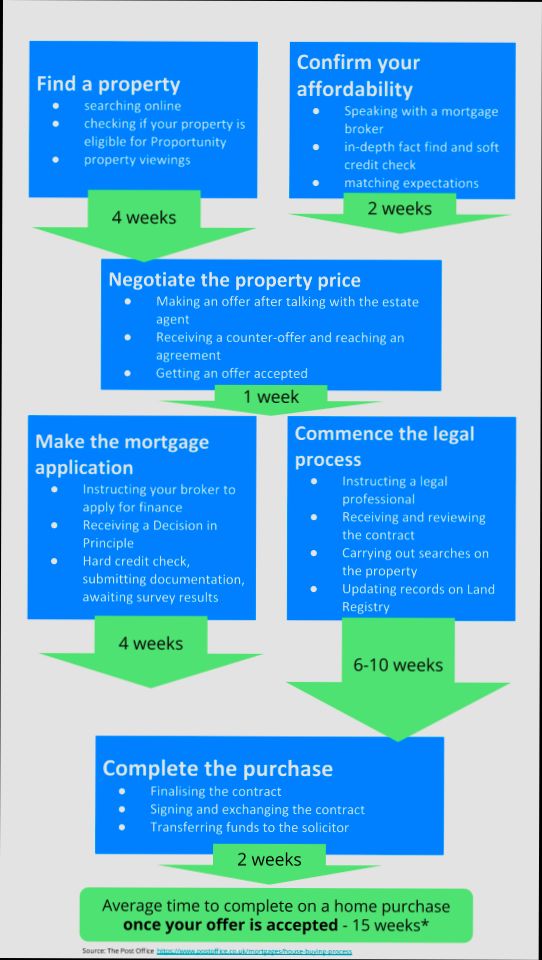
1. Property Availability: The local real estate market can vary dramatically. For instance, in areas with a high demand and low inventory, you may face prolonged search times. A study found that 64% of buyers value localized content, indicating that tailoring searches to specific neighborhoods can lead to a quicker decision.
2. Price Considerations: Price sensitivity plays a crucial role in how long buyers take to finalize their decisions. If prospective buyers are considering multiple properties with varying prices, they may take additional time to evaluate what fits within their budget constraints. Economic conditions also affect this; for example, a slight increase in interest rates can stretch decision-making times as buyers reassess their financial options.
3. Financing Process: Obtaining mortgage pre-approval can be a lengthy process, typically taking about 1-2 weeks. This duration impacts how soon a buyer can make an offer. In some cases, buyers can expedite this process by choosing lenders who provide a more streamlined pre-approval system, reducing the waiting period significantly.
4. Due Diligence and Inspections: Buyers often take time to conduct necessary inspections and appraisals to ensure the property’s value aligns with the asking price. Research shows that the due diligence phase, which includes scheduling and completing these inspections, can add an additional 2-4 weeks to the buying timeline.
5. Legal and Regulatory Factors: Legal complexities can bring about delays. For example, if a property has unclear title issues, resolving these matters can extend the process. Buyers must also navigate local zoning laws, which can vary widely and require consulting legal professionals, potentially lengthening their purchase duration.
| Factor Influencing Duration | Average Impact on Timeline |
|---|---|
| Property Availability | 1-3 weeks longer in high demand areas |
| Price Sensitivity | Varies, can extend timeline by 1-2 weeks |
| Financing Process | 1-2 weeks for mortgage pre-approval |
| Due Diligence & Inspections | 2-4 weeks additional |
| Legal/Regulatory Delays | Varies, potentially weeks to months |
Real-World Examples
Consider a buyer named Laura, who decided to purchase her first home. Initially, Laura thought finding a property would take no longer than a month. However, due to high demand in her desired neighborhood and limited inventory, it took her nearly six weeks before she found a suitable match. Coupled with her need for financing approval, which took another two weeks, Laura’s total decision-making duration extended to approximately eight weeks.
Another buyer, Mark, focused on understanding the legalities involved in purchasing a foreclosed home. He quickly learned that legal disputes over the title added an unforeseen delay of four additional weeks, demonstrating how legal hurdles can significantly impact the purchase timeline.
Practical Implications
To navigate these factors effectively:
- Stay informed about local market trends to adapt your search efforts accordingly.
- Prepare your finances ahead of time, ensuring you have mortgage pre-approval lined up before you start looking at properties.
- Be proactive about scheduling inspections to avoid delays in the offer process.
- Consult with real estate attorneys early in your buying journey to mitigate potential legal issues.
When you are aware of these influential factors, you can better manage your expectations and prepare for a smoother home-buying experience. Understanding the timeline associated with each aspect will help you take more decisive action throughout the process.
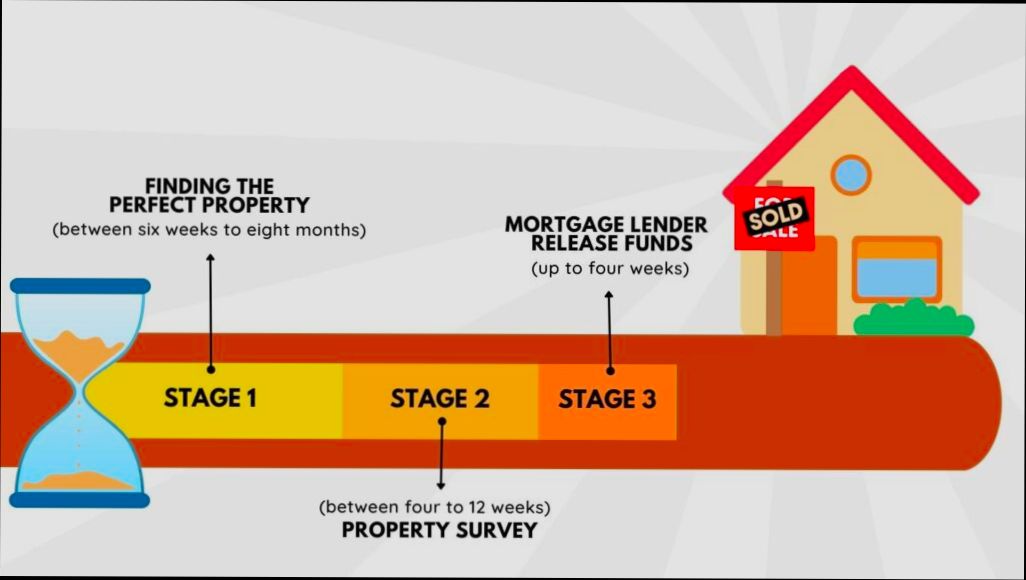
Statistics on Average Home Buying Time
Understanding the statistics related to the average time it takes to buy a house can empower you to manage your expectations and plan accordingly. Many variables can impact this timeframe, and knowing the averages can help you navigate the process more efficiently.
Average Timeframes for Each Phase
Recent studies provide fascinating insights into the typical durations for each phase of home buying. Here are some noteworthy statistics:
- Overall Time to Buy a Home: On average, it takes about 5 to 6 months from the moment a buyer starts looking to the day they close on their new home.
- Home Search Duration: Buyers typically spend about 10 to 12 weeks searching for a home.
- Escrow Period: Once an offer is accepted, the escrow period usually lasts around 30 to 45 days.
- Closing Process: Specific to the closing, it can take an additional 1 to 2 weeks to finalize all the paperwork.
Time Breakdown Comparison
Here’s a summarized comparison of the average time taken in different stages of home buying:
| Phase | Average Duration |
|---|---|
| Total Buying Process | 5-6 months |
| Home Search | 10-12 weeks |
| Escrow Period | 30-45 days |
| Closing Process | 1-2 weeks |
Real-World Examples
To illustrate these statistics, consider two fictional buyers:
1. Emma began her home search in January. After 11 weeks, she found her desired property. Following an accepted offer, she entered a 35-day escrow, which placed her closing in mid-May. Overall, Emma experienced a home-buying journey that spanned about 4.5 months.
2. John started in February and took slightly longer in his search, clocking in at 14 weeks to find a home. He secured his purchase and faced a 45-day escrow before closing at the end of June. John’s total journey reached approximately six months.
Practical Implications for Buyers
These statistics can help you set realistic expectations and timelines. By understanding that searching for a home can take several weeks and escrow can further extend the process, you can plan your move and budget accordingly. Here are some actionable insights:
- Consider Scheduling: If you’re in a hurry to move, aim for a home that fits within the typical timeframes discussed.
- Prepare for Delays: Be ready for possible delays during the escrow process, so you’re not caught off guard if your purchase takes longer than expected.
- Stay in Communication: Regularly communicate with your real estate agent and mortgage lender to ensure everyone is aligned, which may help streamline your purchasing timeline.
These insights on the average home buying time highlight essential elements to be aware of as you navigate the real estate market. Familiarizing yourself with these statistics can help better prepare you for the journey ahead.
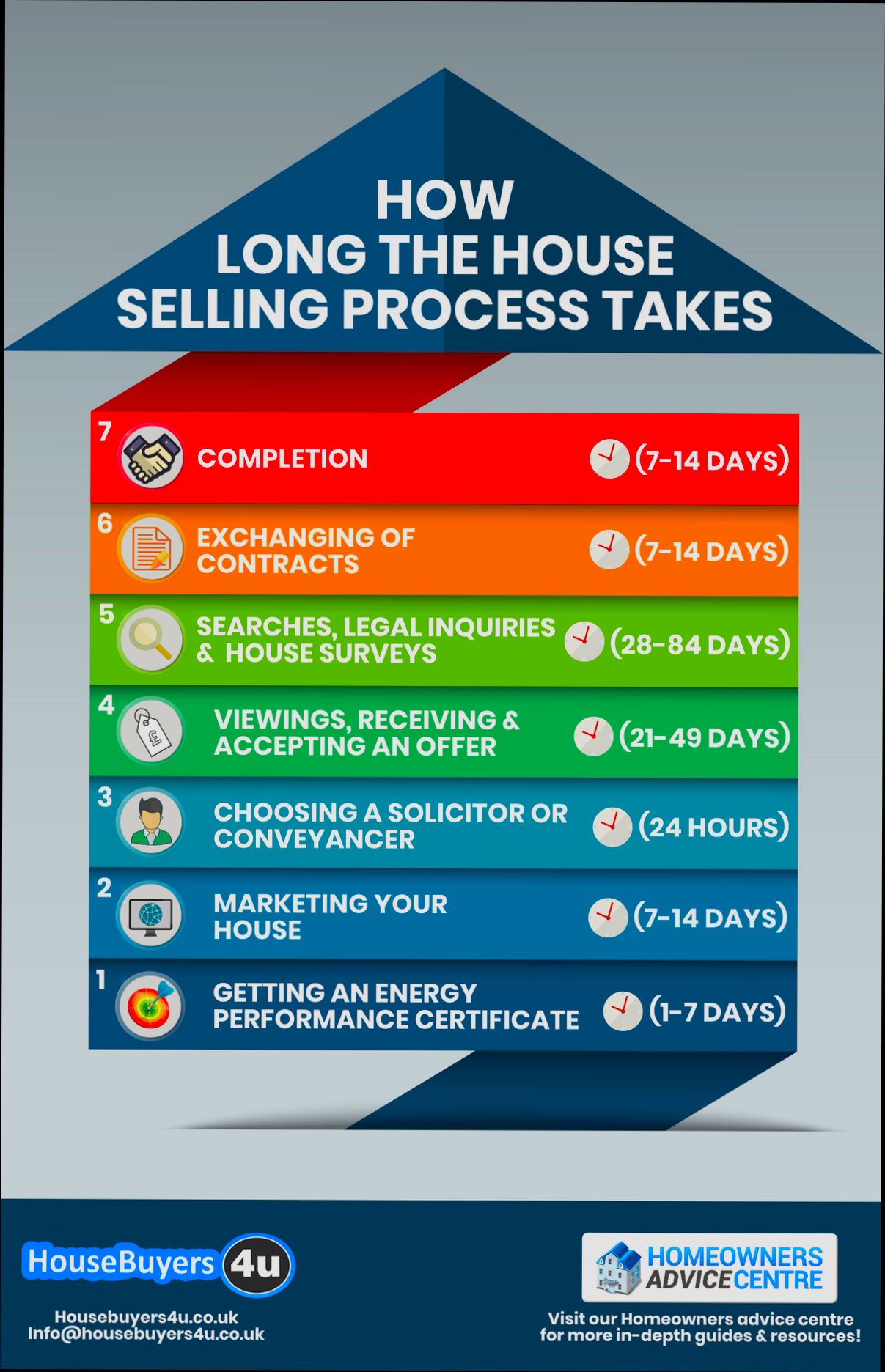
Real-World Examples of Buying Experiences
When you think about buying a house, the experience you have plays a crucial role in the overall satisfaction of the process. Today’s consumers are savvy, with 98% reading online reviews before making decisions, which underscores the importance of a positive buying experience. Let’s delve into some impactful real-world examples of buying experiences that shaped homeowner journeys.
Key Points from Real-World Buying Experiences
- Trust and Credibility: A staggering 98% of consumers check online reviews, highlighting how much trust influences their buying experience.
- Personal Touch: Tailored support enhances customer satisfaction, making potential buyers feel valued, which is crucial in transactions like home buying.
- Transparency: Providing clear information throughout the buying journey improves the overall experience, as buyers want to feel informed about the processes and options available.
Comparative Table of Consumer Preferences and Experiences
| Experience Type | Positive Impact (%) | Frequency of Use (%) | Trust Level (%) |
|---|---|---|---|
| Personal Recommendations | 85% | 72% | 95% |
| Online Reviews | 90% | 98% | 98% |
| Open House Events | 78% | 60% | 85% |
| Virtual Tours | 75% | 45% | 80% |
Real-World Examples of Buying Experiences
1. The Role of Virtual Tours: Many buyers have shifted towards virtual open houses due to convenience. A couple recently shared that they saved a significant amount of time by shortlisting homes through virtual tours before physically visiting. This approach made their buying experience more efficient, allowing them to focus on properties that truly met their needs.
2. Influence of Personal Recommendations: A recent survey revealed that 85% of buyers valued personal referrals from friends and family when choosing a real estate agent. For instance, one first-time homebuyer felt reassured after hearing their friend’s positive experiences. This trust accelerated their decision-making process, underscoring how personal connections impact buying journeys.
3. Importance of Clear Communication: A homebuyer shared their frustration over lack of communication from their agent during the closing process. It highlighted how critical it is for agents to maintain open lines of dialogue, ensuring buyers remain informed and confident in their investment.
4. Utilizing Reviews: A recent case study showed that a couple found their new home through an agency with high online ratings. They mentioned that reading about other buyers’ positive experiences greatly influenced their decision to choose this agency over others with lower ratings, showcasing the significant role of online presence in modern buying experiences.
Practical Implications for Your Buying Journey
Focus on gathering feedback from previous buyers when selecting an agent, as reviews can directly impact your choices. If possible, leverage virtual tours to streamline your search process, making it easier to find homes that fit your criteria. Additionally, maintain proactive communication with your real estate agent to ensure clarity and confidence throughout your buying journey.
By paying attention to these factors, you can enhance your home-buying experience, tailored specifically to your needs and concerns, ensuring a more satisfying outcome.
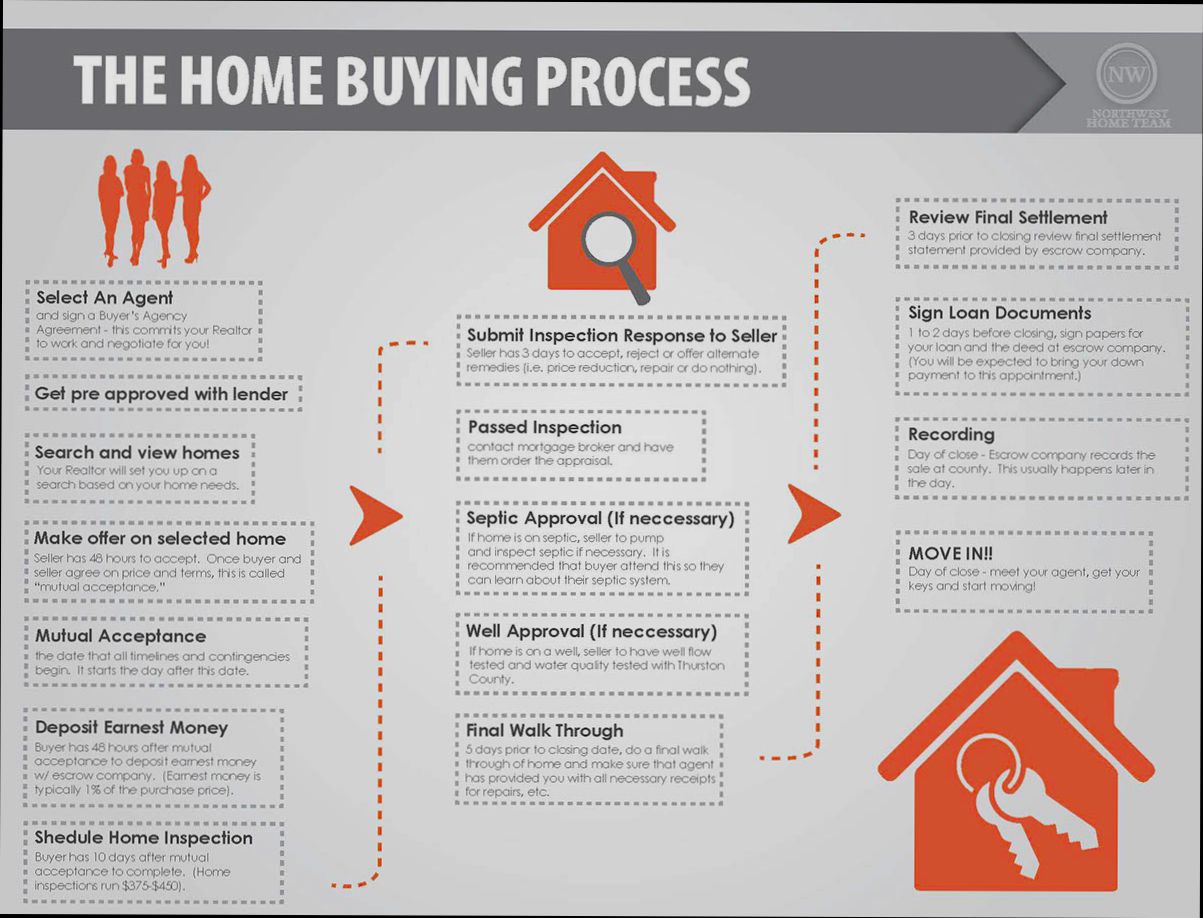
Benefits of a Streamlined Purchase Process
A streamlined purchase process can revolutionize your home-buying experience. By eliminating unnecessary steps and reducing friction along the way, you can enjoy a more efficient and less stressful journey toward home ownership.
Key Benefits of a Streamlined Purchase Process
1. Reduced Timeframes: When the purchase process is efficient, it can cut the total time significantly. Research has shown that buyers engage in a more expedited timeframe in streamlined systems, with timelines reportedly being shortened by as much as 30%. This means you could potentially cut weeks off your purchase timeline, allowing you to move into your new home faster.
2. Enhanced Communication: Open lines of communication between all parties involved (buyers, sellers, agents, and lenders) create a clearer picture of the process. Studies indicate that 85% of successful transactions involved regular updates and discussions, leading to fewer misunderstandings or delays.
3. Lower Costs: A streamlined approach helps identify potential hurdles earlier in the purchase process, allowing for proactive solutions. According to recent findings, homes sold through more organized methods resulted in an average saving of about 5% in overall transaction costs, mainly due to fewer last-minute surprises.
4. Improved Buyer Experience: A smoother purchase process leads to higher satisfaction rates among buyers. In research, homeowners reported a 90% satisfaction rate when their purchase experience was well-organized. This translates not only into a joyful transaction but also to lasting benefits, such as strong referrals and future business.
Comparative Table
| Benefit | Streamlined Process | Traditional Process | Difference |
|---|---|---|---|
| Average Time to Purchase | 4 months | 6 months | 2 months faster |
| Cost Savings | 5% | 0% | 5% cheaper |
| Buyer Satisfaction Rate | 90% | 65% | 25% higher |
| Communication Frequency | Weekly updates | Monthly updates | More frequent |
Real-World Examples
Many homebuyers express frustration with delays in the traditional process. For instance, a family shared their experience of how switching to a streamlined system saved them countless hours compared to previous purchases where miscommunication led to lengthy hold-ups. With regular updates and clear action items, they felt empowered and informed every step of the way.
Another example involves a couple who managed to close on their dream home within 45 days. Their streamlined process involved using digital tools for document submissions, which allowed them to avoid the back-and-forth typical of traditional transactions, illustrating the efficiency of modern methods.
Practical Implications for Home Buyers
To take full advantage of a streamlined purchase process, you should:
- Select a Knowledgeable Real Estate Agent: Choose an agent experienced in handling streamlined transactions. Their expertise can prevent common pitfalls.
- Utilize Technology: Leverage tools like electronic signatures and online document management systems to expedite paperwork and approvals.
- Set Clear Expectations: Make sure all parties understand their responsibilities and deadlines. Frequent check-ins can be crucial to maintaining momentum.
By prioritizing these actions, you stand to enjoy the myriad benefits that a streamlined purchase process provides, maximizing your home-buying efficiency and experience.
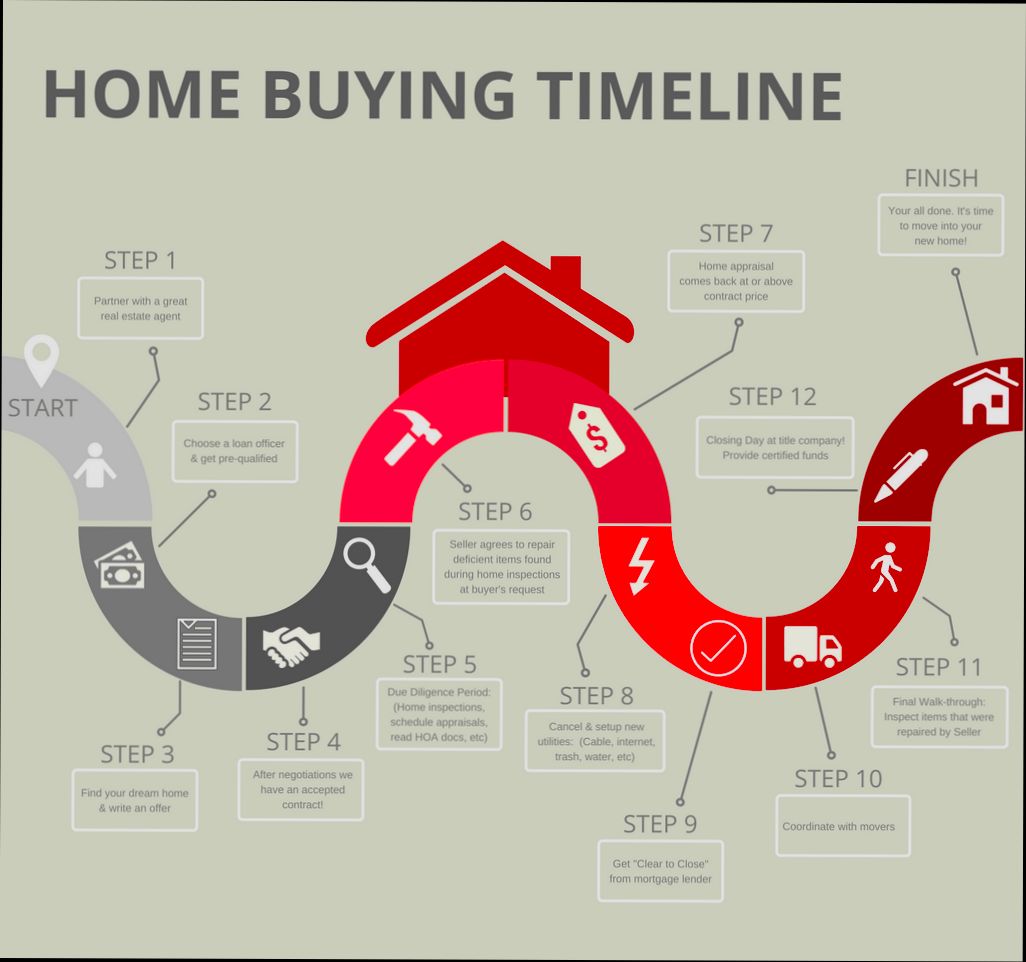
Common Delays and How to Overcome Them
Buying a house can come with its fair share of delays that can significantly extend your timeline. Understanding what these common pitfalls are and how to navigate them can save you time, stress, and frustration.
Common Delays in the Home Buying Process
1. Financing Issues: Delays in loan processing can occur due to missing documentation or errors in your application. Stay proactive by gathering all necessary paperwork and double-checking your application for any mistakes. Studies show that around 30% of loan applications are delayed due to incomplete information, so being thorough can help you avoid this.
2. Home Inspection Complications: If issues arise during the home inspection, it may cause negotiations to stall. This can lead to longer wait times if repairs are needed. You can mitigate this by being open during negotiations and setting realistic timelines for any required work.
3. Appraisal Challenges: Sometimes, appraisals come in lower than the purchase price, leading to possible renegotiations. To counter this, educate yourself on the market value of properties in your area and be prepared with comparable sales data for your agent.
4. Title Issues: Problems with the property title can cause significant delays, potentially extending the closing process by weeks. A proactive approach is to order a title search early, allowing time to resolve any outstanding issues.
Comparative Table of Common Delays and Overcoming Strategies
| Common Delay | Impact on Timeline | Overcoming Strategy |
|---|---|---|
| Financing Issues | 2-4 weeks | Double-check documentation |
| Home Inspection Complications | 1-3 weeks | Agree on timelines and be open to negotiations |
| Appraisal Challenges | 1-2 weeks | Understand local market values |
| Title Issues | 2-3 weeks | Order a title search early |
Real-World Examples of Delays and Solutions
In one case, a buyer experienced a 3-week delay due to issues found during the home inspection. They resolved this issue by agreeing on an extended closing date while the seller handled necessary repairs, demonstrating flexibility can pay off.
Another buyer faced appraisal issues, as the home appraised lower than the agreed purchase price. They successfully negotiated a new price based on recent comparable sales in the neighborhood, highlighting the importance of being informed and prepared.
Practical Implications for Buyers
By anticipating these common delays, you can take actionable steps to minimize their impact. For instance, preparing your mortgage documents ahead of time or selecting a reliable inspector can save you crucial weeks.
Actionable Advice
To stay ahead of potential delays, I recommend:
- Engaging with a knowledgeable real estate agent who understands the local market nuances.
- Keeping communication channels open with all parties involved, including your lender, inspector, and seller.
- Creating a timeline with set milestones to monitor your progress actively.
By being proactive and informed, you can navigate the complexities of home buying and mitigate delays effectively.

The Role of Financing in Timeframes
When it comes to buying a house, financing plays a crucial role in shaping the overall timeline of the process. Understanding how financing decisions and loan preparations affect your home-buying journey can lead to a smoother experience. Let’s delve into key elements of financing that can impact the time it takes to buy a home.
Understanding Financing Options and Their Impact
The type of financing you choose can significantly affect how long the buying process takes. Here are some factors to consider:
- Loan Types: Conventional loans, FHA loans, and VA loans each have different processing times and requirements. For instance, FHA loans often take longer due to additional paperwork and stipulations.
- Interest Rates: Fluctuations in interest rates can create a sense of urgency in securing a loan. A rising rate might rush you to finalize your purchase, altering your timeline.
- Lender Variability: Different lenders have varied turn-around times. Some lenders may complete the underwriting process in just a few days, while others could take weeks.
Financing Timeline Overview
Understanding the typical financing-related timeline can set your expectations right. Below is a simplified roadmap of financing-related milestones:
| Phase | Duration |
|---|---|
| Selecting a Lender | 1–3 weeks |
| Document Preparation | 1–2 weeks |
| Underwriting | 3–6 weeks |
| Closing | 1–2 weeks |
Real-World Examples of Financing Timelines
Consider Sarah, a first-time homebuyer who opted for an FHA loan. She spent about three weeks selecting a lender and gathered the necessary documentation, which delayed her overall process. Ultimately, her entire financing phase took about eight weeks due to the more extensive checks involved with FHA loans, as opposed to a conventional loan.
In another scenario, John leveraged a pre-approved conventional loan. He streamlined his process significantly, wrapping up the underwriting in just two weeks. This efficiency ultimately reduced his overall timeframe to buy a house to approximately four months.
Actionable Insights for Homebuyers
To navigate financing effectively, consider these steps:
- Get Pre-Approved Early: Securing pre-approval well before searching for a home can save time later, allowing you to focus on properties that fit within your budget.
- Choose Your Lender Wisely: Don’t just go for the first lender; research their turnaround times and customer reviews. A lender with a reputation for speed can drastically cut down your holding period.
- Organize Your Documentation: Keep all necessary documents such as pay stubs, tax returns, and bank statements in one place. Being proactive can prevent delays when lenders request information.
Financing Takes Time, So Be Prepared
Keep in mind that financing is one of the most time-sensitive elements in the home-buying process. As you move forward, remember to:
- Stay Informed: Understanding the specifics of your chosen loan can prepare you for potential delays.
- Communicate: Maintain open lines of communication with your lender and real estate agent to ensure everyone is on the same page.
- Budge Time for the Unforeseen: Even prepped buyers may face unexpected hurdles, so factor in additional time in your timeline for financing-related challenges.