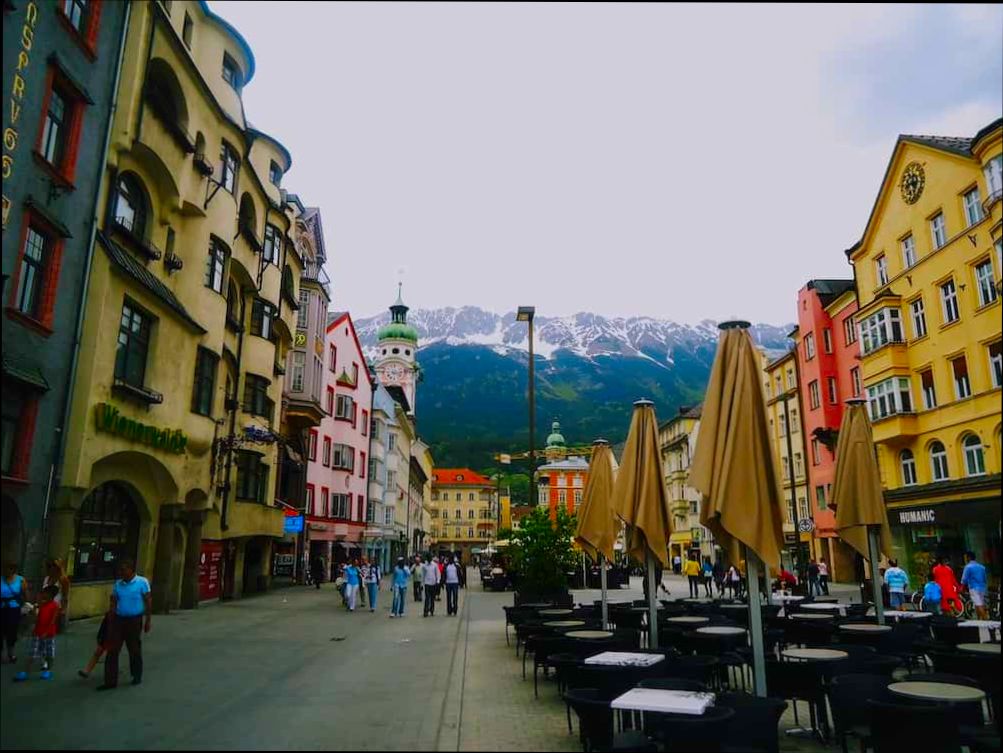
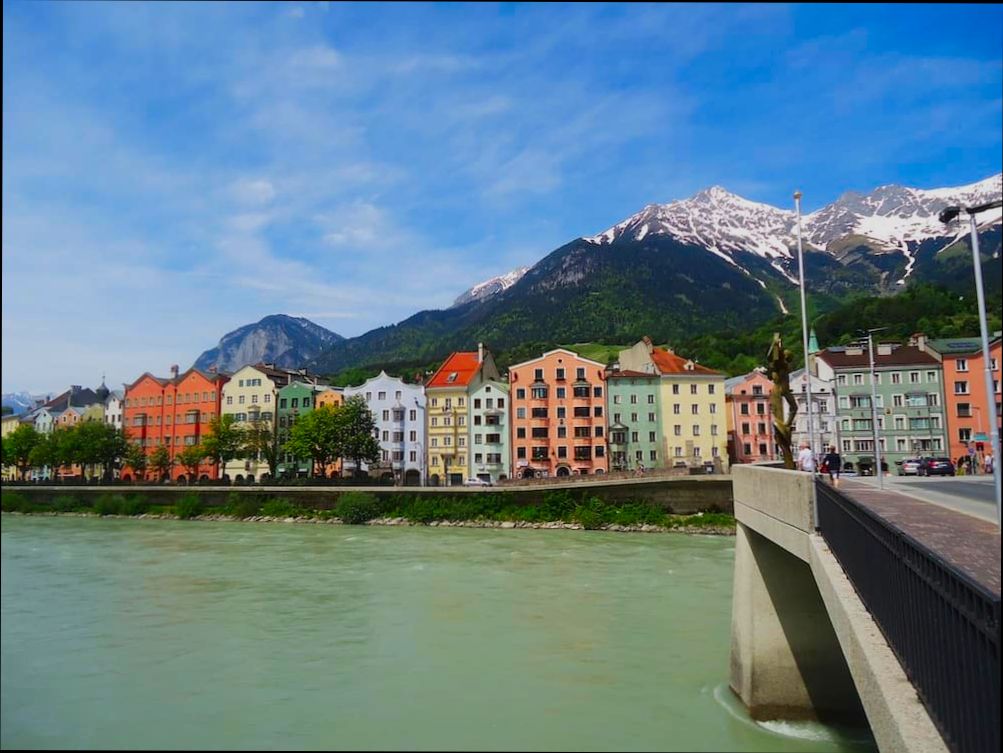
Pros and Cons of Living in Innsbruck. Imagine waking up to stunning mountain views every single day—this is what life in Innsbruck offers. Nestled in the Tyrol region of Austria, this charming city boasts a population of about 130,000 and a unique blend of urban life and outdoor adventure. If you love skiing, you’ll appreciate that you’re just a quick ride away from some of the best slopes in the Alps, like Stubai Glacier and Nordkette. You can hit the slopes in the morning and be sipping coffee at a cozy café by noon. Plus, the public transport here is top-notch, making it easy to explore, whether you’re heading to a lively markets or catching a concert at the prestigious Tiroler Festspiele.
On the flip side, Innsbruck isn’t all picture-perfect postcard views. The cost of living can sting a bit; housing prices and rental rates have climbed steeply in recent years. For instance, a one-bedroom apartment in the city center can run you over €1,000 a month—ouch! And unless you speak German, navigating local bureaucracy can feel like climbing a mountain in itself. The nightlife scene is also quieter than in bigger cities, so if you’re craving bustling clubs and late-night parties, you might find yourself disappointed. Balancing these highs and lows can shape your experience, making life in Innsbruck as challenging as it is beautiful.
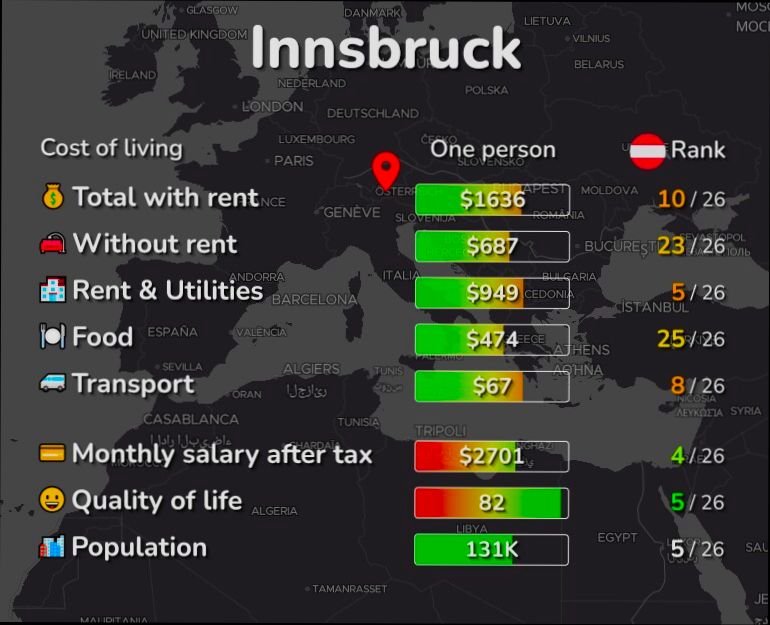
Cost of Living Insights in Innsbruck
When considering a move to Innsbruck, understanding the cost of living is crucial. This beautiful city offers a mix of urban amenities and breathtaking nature, but how does that impact your wallet? Let’s explore some key insights related to the cost of living in Innsbruck that can help you make informed decisions.
Housing Costs
Housing expenses in Innsbruck can vary significantly based on location and type of residence. Here are some essential figures:
- The average rent for a one-bedroom apartment in the city center is around €1,000 per month.
- If you prefer living outside the city center, you can expect to pay approximately €800 for a similar apartment.
- Buying property, on the other hand, costs about €4,200 per square meter, making it one of the more expensive cities in Austria.
Daily Expenses Breakdown
Daily expenses can add up quickly in Innsbruck. Let’s break down some common costs:
| Item | Cost (EUR) |
|---|---|
| Meal at a restaurant | €15 |
| Groceries for a week | €40 |
| Public transport ticket | €2.40 |
| Monthly gym membership | €40 |
Real-World Examples
Consider Maria, a young professional who moved to Innsbruck last year. She pays €950 for her one-bedroom apartment in the city center and spends around €45 weekly on groceries. By keeping her dining out to just a couple of times a month, she manages to stick to a budget that’s comfortable for her lifestyle.
Another example is David, a student living in shared accommodation, who pays €600 for his share, which includes utilities. He finds that using public transport saves him money, and he usually spends around €30 monthly on transport.
Practical Implications
- Budget Wisely: If you plan to rent, consider your budget carefully. The higher rental prices may require adjustments in other spending areas to maintain a comfortable lifestyle.
- Explore Grocery Options: Different grocery stores can have varying prices. Shopping at discount stores like Lidl or Billa may help stretch your budget further.
- Public Transport Benefits: Investing in a monthly public transport pass can be more economical if you frequently use buses or trams. It allows you to explore Innsbruck without the burden of parking costs.
Actionable Advice
Before moving to Innsbruck, assess your income against the outlined costs to gauge your financial comfort. It’s wise to set aside additional funds for unforeseen expenses, especially in your first few months. Lastly, familiarize yourself with local discounts and student rates if applicable, as they can significantly lower your living expenses.
Outdoor Activities and Lifestyle Benefits
Living in Innsbruck offers a treasure trove of outdoor activities that cater to varied interests and lifestyles. Nestled in the heart of the Austrian Alps, this city provides residents with immediate access to nature’s playground. Whether you love skiing, mountain biking, or hiking, Innsbruck can meet and exceed your outdoor adventure goals.
Year-Round Outdoor Activities
One of the significant lifestyle benefits of living in Innsbruck is the diverse range of outdoor activities available throughout the year. Here’s what you can look forward to:
- Winter Sports: Over 90 ski resorts are located within a short distance, making it a paradise for snow enthusiasts.
- Hiking Trails: There are over 1,000 kilometers of marked trails in the region, catering to all levels of experience.
- Cycling: Innsbruck promotes cycling, boasting around 120 kilometers of dedicated bike paths.
Table of Outdoor Activities by Season
| Activity | Seasons Available | Average Hours/Day |
|---|---|---|
| Skiing | Winter (Dec - Apr) | 4-6 hours |
| Hiking | Spring to Fall (May - Oct) | 3-5 hours |
| Mountain Biking | Summer (Jun - Sept) | 2-4 hours |
| Climbing | Spring to Fall | 3-5 hours |
Real-World Examples
- Skiing at Stubai Glacier: Just a 30-minute drive from Innsbruck, the Stubai Glacier offers 110 kilometers of slopes and is open almost all year round, providing a unique skiing experience.
- Nordkette Mountain Range: Accessible via the Hungerburgbahn tram, this mountain range allows for day hikes with stunning views of the city and beyond. Many locals and visitors alike often spend their Saturdays exploring various trails that range from easy walks to challenging climbs.
Practical Implications for Residents
Engaging in outdoor activities has been associated with numerous lifestyle benefits, particularly in promoting mental well-being and fostering community connections. Regular participation in activities like skiing or hiking can improve physical health, significantly reducing stress and anxiety levels.
- Joining local sports clubs or hiking groups can be an excellent way to meet new people and build a social network within the community.
- Many locals schedule regular outdoor excursions, highlighting the importance of work-life balance and allowing them to recharge amidst the stunning alpine backdrop.
Actionable Facts and Advice
- Invest in good outdoor gear; quality equipment can enhance your experience and safety while participating in various activities.
- Explore the Innsbruck Card, which allows for discounted access to numerous outdoor attractions, including ski lifts and public transport, making it easier for you to enjoy all the outdoor offerings the city has.
- Consider seasonal outdoor festivals, often hosted throughout the year, as they provide unique opportunities to experience local culture while engaging in outdoor activities.
Public Transportation Efficiency and Challenges
When considering public transportation in Innsbruck, it’s essential to understand both its efficiency and the challenges faced by the system. While the network offers convenient options, it also struggles with certain limitations that can affect daily commutes and travel experiences.
Efficiency of the Public Transportation System
Innsbruck’s public transportation system features an integrated network of buses, trams, and trolleybuses, which enhances mobility across the city. Key points about its efficiency include:
- Coverage: Public transport covers nearly 90% of the urban area, ensuring that most residents can access destinations easily.
- Frequency: During peak hours, buses and trams run every 10 to 15 minutes, making it a reliable choice for daily commuters.
- Sustainability: The city invests in eco-friendly public transport options, with over 80% of the fleet powered by electricity, which is a commendable step towards reducing urban carbon emissions.
Challenges Facing Public Transportation
Despite its advantages, several challenges hinder the overall effectiveness of public transport in Innsbruck:
- Congestion: Popular routes often experience overcrowding, especially during tourist seasons, which can lead to delays.
- Pricing Structure: While the basic fare for adult rides is around €2.70, family tickets and monthly passes can sometimes feel expensive to users, particularly for larger families or regular commuters.
- Connectivity with Suburban Areas: Though the city center is well-served, some suburban areas face less frequent services, making travel to and from these locations less efficient.
| Feature | Strengths | Challenges |
|---|---|---|
| Coverage | 90% urban area accessibility | Suburban areas have limited services |
| Frequency | 10–15 mins during peak times | Overcrowding during peak seasons |
| Sustainability | 80% electric-powered fleet | Higher costs for family passes |
Real-World Examples
One notable example illustrating these challenges occurred during a popular winter festival, when multiple routes faced severe delays due to overcrowding. Riders reported waiting longer than usual for buses during this time, significantly affecting their commute. On the other hand, tourist-heavy areas showed improved services during summer months, with additional shuttle buses introduced to facilitate travel to popular destinations like the Nordkette Mountain Range.
Practical Implications for Residents
As a resident or potential mover, consider your daily commuting patterns and how these aspects of public transportation might impact your lifestyle. To navigate the system effectively:
- Explore discount options for regular users or families, such as monthly passes that can help offset higher per-ride costs.
- Plan your travel during off-peak hours if possible, to avoid congestion and enjoy a more comfortable ride.
- Familiarize yourself with bus and tram schedules, especially those serving suburban areas, so you can effectively plan your trips.
Investing some time in understanding the public transportation landscape will enhance your commuting efficiency in Innsbruck. With a solid grasp of the strengths and challenges, you can make informed decisions about your travel in the city.
Cultural Richness of Innsbruck Living
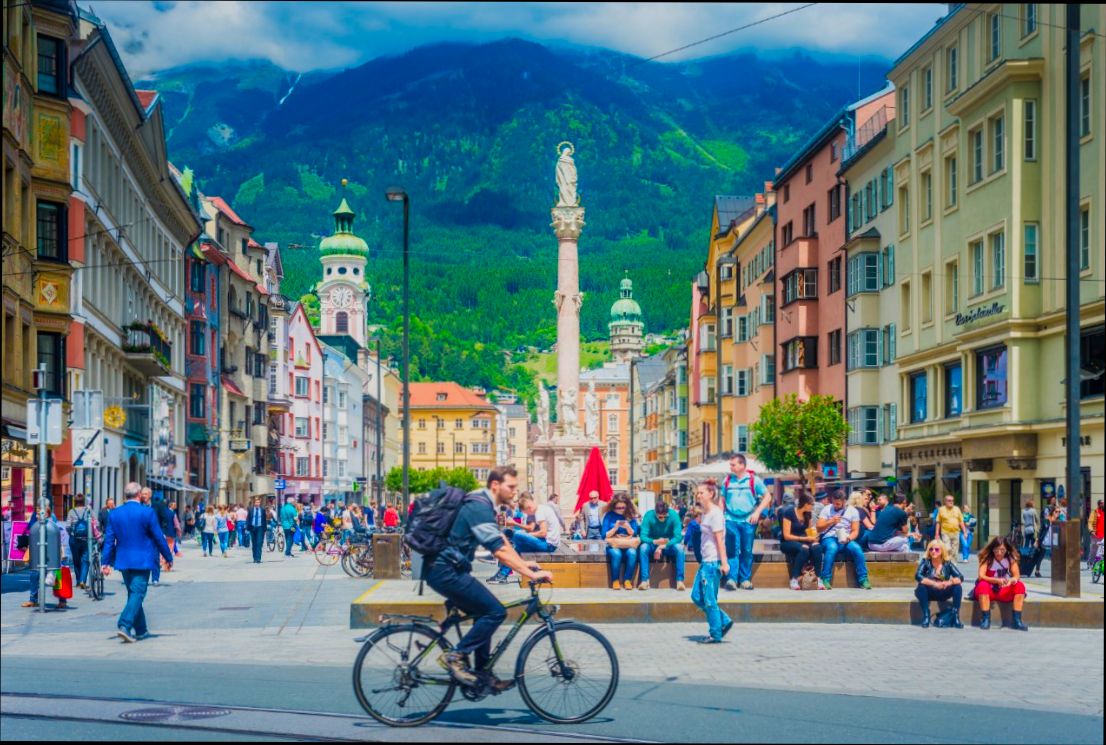
Innsbruck presents a vibrant cultural tapestry that reflects both its historical roots and modern innovations. Living in this picturesque city offers you the chance to immerse yourself in a diverse art scene, colorful festivals, and a welcoming community that’s rich in tradition.
Exploring Artistic Diversity
Innsbruck boasts a variety of artistic expressions that are sure to captivate you:
- Historical Significance: From the grandeur of the Court Church to the medieval structures dotting the Old Town, you can experience a blend of history and art that tells the story of the city.
- Contemporary Outlets: The burgeoning street art scene is a testament to the city’s evolving creativity, with murals and installations adorning urban spaces.
Cultural Events and Festivals
Innsbruck thrives on its annual celebrations that showcase local traditions. Some notable events include:
- Christmas Markets: Known for its festive atmosphere, the city transforms during the holiday season with crafts, traditional foods, and live performances.
- Austrian National Day: This event brings together locals to celebrate culture through music, dance, and traditional clothing.
The Art Scene at Your Fingertips
You’ll find a wealth of opportunities to engage with Innsbruck’s artistic offerings:
- Local Museums: Institutions like the Tyrolean State Museum and numerous galleries open their doors to you, offering insights into local and international art, displaying everything from classical masterpieces to avant-garde installations.
- Guided Tours: Participating in local tours, such as the Old Town Private Walking Tour, can deepen your appreciation for Innsbruck’s art and architecture.
| Experience | Duration | Price per Person |
|---|---|---|
| Innsbruck: Old Town Private Walking Tour | Varies | $151.29 |
| Innsbruck: Christmas Tour With a Licensed Guide | Varies | $151.29 |
| Innsbruck: Beer History & Tasting Walking Tour | 3 hours | Varies |
Real-World Experiences
For a firsthand look at the culture, consider embarking on experiences like:
- Lumagica Light Park: This enchanting installation illuminates the beauty of nature through art, offering a magical experience that the whole family can enjoy.
- Gin Experience Tyrol: A fun way to immerse yourself in local culinary arts, this event promotes social interaction and cultural exchange through tastings and workshops.
Practical Engagement
Engaging with the local art scene can significantly enhance your experience in Innsbruck.
- Attend exhibitions: Regularly check museum schedules for openings and special events to connect with the artistic community.
- Join local clubs or workshops: Whether through painting, photography, or crafting, joining a club can deepen your cultural understanding while fostering new friendships.
Specific Cultural Facts
- Did you know that Innsbruck hosts over 10 major art festivals each year? This highlights the city’s commitment to celebrating creativity.
- The Tyrolean State Museum exhibits artifacts that date back centuries, making it a must-visit for history enthusiasts.
Make the most of your cultural journey in Innsbruck by seeking out these enriching experiences, connecting with locals, and appreciating the art that surrounds you daily.
Economic Opportunities for Residents
Living in Innsbruck presents various economic opportunities for its residents. The city’s economy is particularly supportive of small businesses and local entrepreneurship, providing a fertile ground for individuals looking to start or grow their ventures. With targeted programs and grants, there are real avenues for financial assistance and resources aimed at bolstering economic sustainability within the community.
Key Economic Opportunities
- Small Business Landscape: Microenterprises make up 99 percent of all businesses in Innsbruck, creating a robust environment for local job creation and entrepreneurship. This is significant because small businesses play a crucial role in generating employment and stimulating the economy.
- Community Development Block Grant Disaster Recovery Funds (CDBG-DR): These funds are instrumental in helping low- and moderate-income (LMI) residents by supporting local governments in creating livable neighborhoods and expanding economic opportunities. Approximately 51 percent of key service area residents fall under the LMI category, demonstrating a clear need for such funding initiatives.
- Employment Growth Potential: Focusing on historically underserved communities, development strategies aim at enhancing job opportunities through innovative programs. Aligning disaster recovery activities with economic strategies allows residents to access resources and uplift their financial standing.
Economic Opportunities Comparison Table
| Economic Opportunity | Description | Impact |
|---|---|---|
| CDBG-DR Funding | Grants to support LMI residents and community development | Expands job creation opportunities |
| Small Business Programs | Support for microenterprises through loans and resources | Stimulates local economy and job growth |
| Workforce Training Programs | Skills training targeting specific local industry needs | Enhances employability and income levels |
Real-World Examples
- Louisiana’s “Small Business Loan Program”: This program serves as a case study for effective funding initiatives that offer low-interest loans to small business owners. By providing financial support, it helps entrepreneurs establish and sustain their businesses, contributing to overall economic resilience.
- Puerto Rico’s “Workforce Training Program”: Focused on skilling individuals to meet local market demands, this initiative showcases the importance of aligning training programs with employment opportunities, ultimately benefiting residents by increasing their job prospects.
Practical Implications
As a resident of Innsbruck, you can explore various programs designed to enhance your economic wellbeing. Engaging with local business development centers and applying for available grants can provide the necessary support to thrive in your entrepreneurial endeavors. Additionally, participating in workforce training programs can significantly improve your prospects in the job market.
Take advantage of the resources available in your community. Seek out information regarding local economic initiatives and consider leveraging any relevant grants or programs that support small businesses and workforce development. This proactive approach can pave the way for a successful financial future in Innsbruck.
Safety and Quality of Life Statistics
When considering a move to Innsbruck, understanding safety and quality of life statistics can provide you with valuable insights into daily living and peace of mind. These metrics not only reflect the overall safety of the area but also the health services and their effectiveness, which directly influence residents’ quality of life.
Notable Safety and Health Statistics
- Patient Safety: Research indicates that up to 40% of patients may experience harm during primary and outpatient healthcare, with as many as 80% of these incidents being preventable. This statistic highlights the importance of effective healthcare systems in ensuring safety.
- Healthcare Efficacy: The prevalence of complications from surgeries contributes to significant patient mortality, with estimates around 1 million deaths annually due to adverse surgical outcomes. It’s essential to be aware of the healthcare quality in relation to surgical safety.
- Preventable Admissions: Patient harm accounts for over 6% of hospital bed days, related to more than 7 million admissions in various healthcare settings, pointing to the necessity for continuous improvement in patient care and safety measures.
Comparative Safety Statistics
| Metric | Innsbruck Statistics | General Healthcare Statistics |
|---|---|---|
| Risk of Patient Harm | Up to 40% | Up to 40% |
| Preventable Admissions Rate | Over 6% | Significant across healthcare |
| Annual Surgical Complications | Relevant but data-specific | Approx. 1 million deaths |
| Preventable Healthcare-associated Infections | Not specific | 35-55% preventable rates |
Real-World Examples
In a recent systematic review, only 27% of the studies on healthcare guideline implementations showed effective outcomes in improving patient safety. This variance underscores the need for continuous evaluation and refinement of healthcare practices in Innsbruck. For instance, hospitals that adopted comprehensive patient safety protocols reported not only a decline in adverse events but also potential savings of $19.8 billion, emphasizing the economic and health benefits of safety initiatives.
Practical Implications
For you, as a prospective resident, considering Innsbruck’s safety and quality of life statistics means you should actively engage with local healthcare providers. Investigate the measures in place to ensure patient safety, especially regarding outpatient settings, where a significant portion of harm is reported. Understanding these statistics can help you make informed decisions about your healthcare needs.
Actionable Insights
- Research local healthcare facilities to assess their patient safety ratings and protocols.
- Stay informed about community health initiatives aimed at reducing preventable healthcare-associated infections.
- Engage with local health advocacy groups that focus on improving health outcomes and patient safety in Innsbruck.
Being aware of these statistics will not only help you navigate the healthcare landscape but also enhance your overall quality of life in this beautiful city.
Real-World Experiences of Expats in Innsbruck
Living in Innsbruck is an exciting adventure for many expats, but the transition can come with its unique challenges and learning curves. From navigating health insurance to understanding the local culture, here’s what expats have shared about their real-world experiences in this charming Alpine city.
Health Insurance Insights
Health insurance is a vital aspect of life in Innsbruck, and many expats find navigating the system initially daunting. In Austria, having health insurance is mandatory, but the process can vary:
- Public vs. Private: Expats often choose between public health insurance, which is widely accepted and provides extensive coverage, or private plans that may offer faster service but can be more expensive.
- Enrollment Process: I learned from locals that registering for health insurance requires documents like a residence permit and proof of employment.
Visa and Residency Allocation
Securing visas and residency permits can be a complex hurdle for newcomers:
- Types of Permits: Most expats hold a Red-White-Red Card, which is specific for skilled workers, while others may apply for student permits.
- Processing Time: It typically takes a few months to receive a decision, leading some expats to feel uncertain as they wait.
Expat Community Dynamics
The expat community in Innsbruck is quite supportive and welcoming, fostering a sense of belonging:
- Events and Meetups: Regular meetups organized through social media platforms help newcomers connect. Expats have reported making friends quickly, especially through groups centered around common interests such as skiing or hiking.
Language Acquisition
Language learning is a crucial part of settling in, and many find it enriching:
- Language Schools: Numerous language schools operate in Innsbruck, offering courses tailored for all levels. Expats like myself have benefited immensely from these programs, with classes ranging from intensive German immersion to casual conversation sessions.
Cost of Daily Life
Adjusting to daily costs can also present challenges:
- Shopping Habits: Many expats remark that grocery shopping can be pricier than expected. However, visiting local markets can save money and provide fresh produce.
- Dining Out: Eating out in Innsbruck may cost around €15–20 for a mid-range meal, which some expats find higher than in their home countries.
| Aspect | Public Health Insurance | Private Health Insurance |
|---|---|---|
| Coverage Level | Extensive | Variable |
| Average Monthly Costs | Approx. €200 | €400 and up |
| Enrollment Time | 1-3 months | 1-2 months |
| Speed of Service | Moderate | Fast |
Real-World Examples
Stephanie, an American moving to Innsbruck, found her experiences in settling down varied but enlightening:
- Cultural Events: She discussed attending local festivals, which helped her immerse in the culture, share language tips with locals, and meet fellow expats.
- Healthcare Navigation: She noted her initial confusion over the health insurance system but appreciated the local expat forums for clarity and advice.
Actionable Advice
When considering a move to Innsbruck:
- Research Health Insurance Early: Start researching insurance options before arriving for smoother transitions.
- Join Expat Groups: Prioritize connecting with the local expat community online or during initial months.
- Embrace Language Learning: Enroll in a language school as soon as you arrive; this significantly enhances both daily life and social interactions.
Expats in Innsbruck experience a vibrant lifestyle filled with opportunities, yet it’s crucial to prepare adequately for the special challenges that come with relocating to a new country.