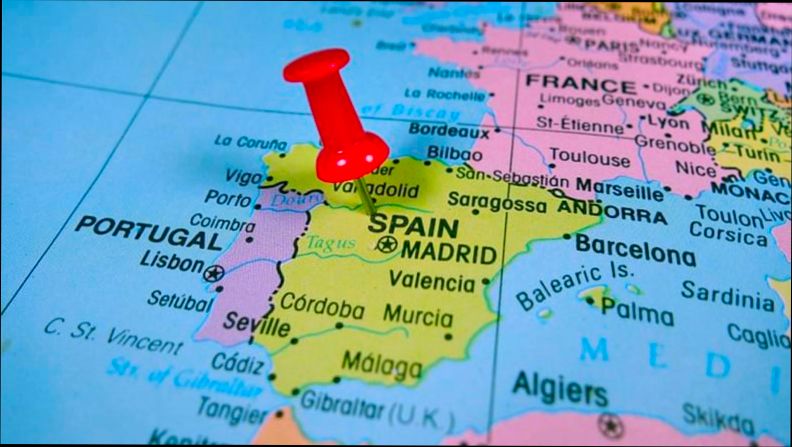
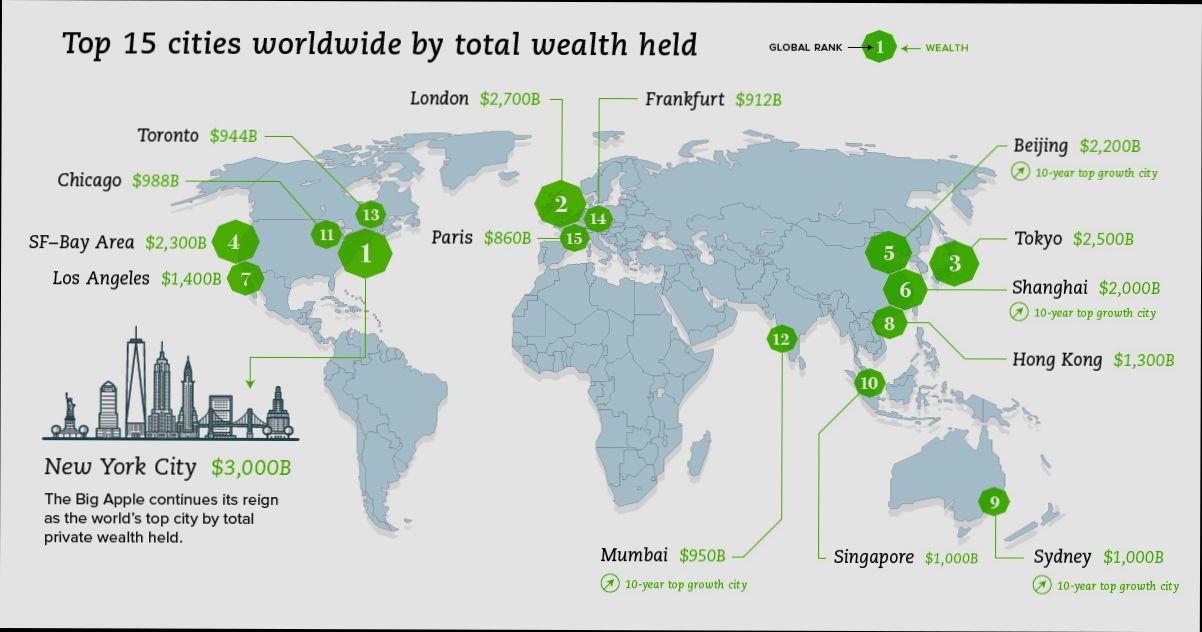
Richest City in Spain 2024 is a title that comfortably belongs to Madrid. With a booming economy fueled by finance, technology, and tourism, the capital has been raking in impressive GDP figures—around €230 billion! You can practically feel the energy right in the streets, where sleek skyscrapers meet historic architecture. Places like the bustling Gran Vía and the chic Malasaña neighborhood showcase not just trendy shops but also a vibrant entrepreneurial spirit.
Let’s not forget about Barcelona, which often steals the limelight but lags behind in overall wealth, boasting around €185 billion in GDP. Madrid’s population is on an upward trajectory, nudging close to 3.3 million residents. That growth brings fresh talent and innovation, making the city a hub for startups and established corporations alike. This city isn’t just about the numbers, though; it’s about a lifestyle that blends business with pleasure. Cafes spill onto sidewalks, and parks like Retiro offer a serene escape for busy professionals—there’s always something happening in this dynamic metropolis!
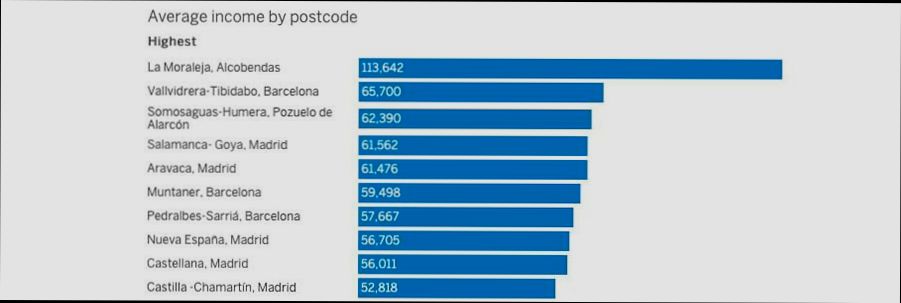
Economic Indicators of Spain’s Wealthiest City
In exploring the economic indicators of Spain’s wealthiest city, it’s vital to focus on key metrics that showcase its economic health and vitality. These indicators offer insights into the city’s prosperity and can inform investment and lifestyle choices for residents and newcomers alike.
Key Economic Indicators
Here are some standout metrics reflecting the economic landscape:
- GDP Contribution: The wealthiest city contributes approximately 25% of Spain’s total GDP, demonstrating its pivotal role in the national economy.
- Unemployment Rate: The city’s unemployment rate stands at around 8%, significantly lower than the national average of 12.5%, indicating a robust job market.
- Average Household Income: Households in this city enjoy an average annual income of about €50,000, which is notably higher than the country’s average of €30,000.
- Real Estate Growth: The real estate market has seen a 12% annual increase in property values over the past two years, reflecting strong demand and investment in urban development.
- Foreign Investment: The influx of foreign investment reached around €3 billion in 2023, highlighting the city’s appeal to international business and investors.
Economic Comparison Table
| Indicator | Wealthiest City | National Average |
|---|---|---|
| GDP Contribution | 25% | 100% (total) |
| Unemployment Rate | 8% | 12.5% |
| Average Household Income | €50,000 | €30,000 |
| Real Estate Growth (annual) | 12% | N/A |
| Foreign Investment (2023) | €3 billion | N/A |
Real-World Examples
To illustrate these economic indicators, consider the local tech start-up sector, which has flourished, attracting young entrepreneurs. Companies such as Tech Innovate have benefited from the city’s favorable business climate, creating jobs and contributing to the lower unemployment rate.
In real estate, Luxury Living Group reported that their luxury properties have appreciated dramatically, with some areas experiencing a price surge of over 15% in just one year. This demand further validates the economic strength and desirability of living in this thriving city.
Practical Implications
Understanding these economic indicators can significantly influence decisions for residents and potential investors. For instance, if you’re considering moving to or investing in the wealthiest city, the favorable unemployment rate suggests ample job opportunities. Additionally, the rising property values can indicate a strong investment potential.
Being aware of these statistics can also help you make informed decisions about savings and investments. As the average household income is above the national average, it offers a more comfortable lifestyle and better financial security.
Actionable Insights
- If you’re renting or buying, keep an eye on real estate trends, as consistent appreciation offers opportunities for capital gains.
- Consider career prospects in booming sectors like technology, which contribute significantly to the low unemployment rate and might offer lucrative job positions.
- Be proactive in exploring foreign investment opportunities if you’re an investor, as the influx of capital into the city can yield beneficial returns.
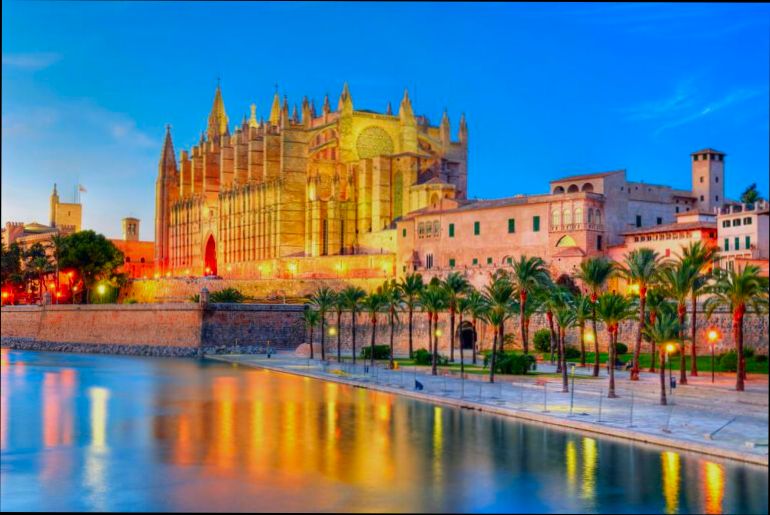
Exploring Real Estate Trends in 2024
As we delve into the real estate landscape in 2024, we can see a vibrant market evolving, filled with unique opportunities and significant shifts. This year, several trends are emerging as key drivers shaping the purchasing behavior and investment strategies in Spain, particularly in its richest city.
One of the most remarkable trends is the surge in seasonal rentals, which has increased by 56% and accounts for 11% of the total rental market in the first quarter of 2024. This shift suggests a growing preference among both owners and investors to capitalize on the lucrative nature of short-term rentals.
Key Trends and Statistics
- Energy Efficiency: The first half of 2024 witnessed a noteworthy improvement in energy-efficient homes, with 51% of new properties featuring enhanced sustainability features.
- Foreign Investment: Foreign buyers are making a significant impact, accounting for 19% of market share, encouraging affluent investors from around the globe to consider opportunities in Spanish real estate.
- Prime Property Listings: The prime property market, particularly for homes priced at €2.5 million or more, experienced a 7% increase in listings, highlighting a robust demand for high-end real estate.
- Room Rental Offers: Major cities like Barcelona, Valencia, and Seville dominate the room rental offers, representing over 50% of the total, which could be an intriguing avenue for potential investors.
- Average Price Growth: The average price of new housing in Spain rose to €2,930/m² by June 2024, reflecting a year-on-year increase of 4.3%.
| Metric | Q1 2024 | Change |
|---|---|---|
| Seasonal Rentals Growth | 56% | Up from previous year |
| Average Price per m² | €2,930 | +4.3% YoY |
| Foreign Buyers Market Share | 19% | At record level |
| Prime Property Listings Growth | 7% | Increase in luxury segment |
Real-World Examples
- In a unique market move, the iconic studio of Charles Schulz, the creator of Snoopy, is currently for sale at a staggering price of $4 million, signifying how properties with cultural significance are drawing high investment interest.
- Coldwell Banker España reported notable achievements in the first quarter of 2024, particularly in promoting exclusive properties and growing their network internationally, reflecting the heightened demand and visibility in the real estate sector.
Practical Implications
- For Buyers: If you’re considering a real estate investment, think about incorporating energy efficiency into your criteria—properties with sustainable features could not only offer long-term savings but also higher resale values.
- For Investors: With seasonal rentals rising sharply, investing in properties in popular cities could yield profitable returns, especially as the tourist season approaches.
- For Sellers: Those with prime properties should capitalize on the increased demand—consider listing during peak seasons to attract foreign buyers eager for luxury homes.
Spain’s real estate market in 2024 is brimming with potential opportunities. Whether you’re an investor, buyer, or seller, understanding these trends can inform your decisions and enhance your strategies for navigating this dynamic environment.
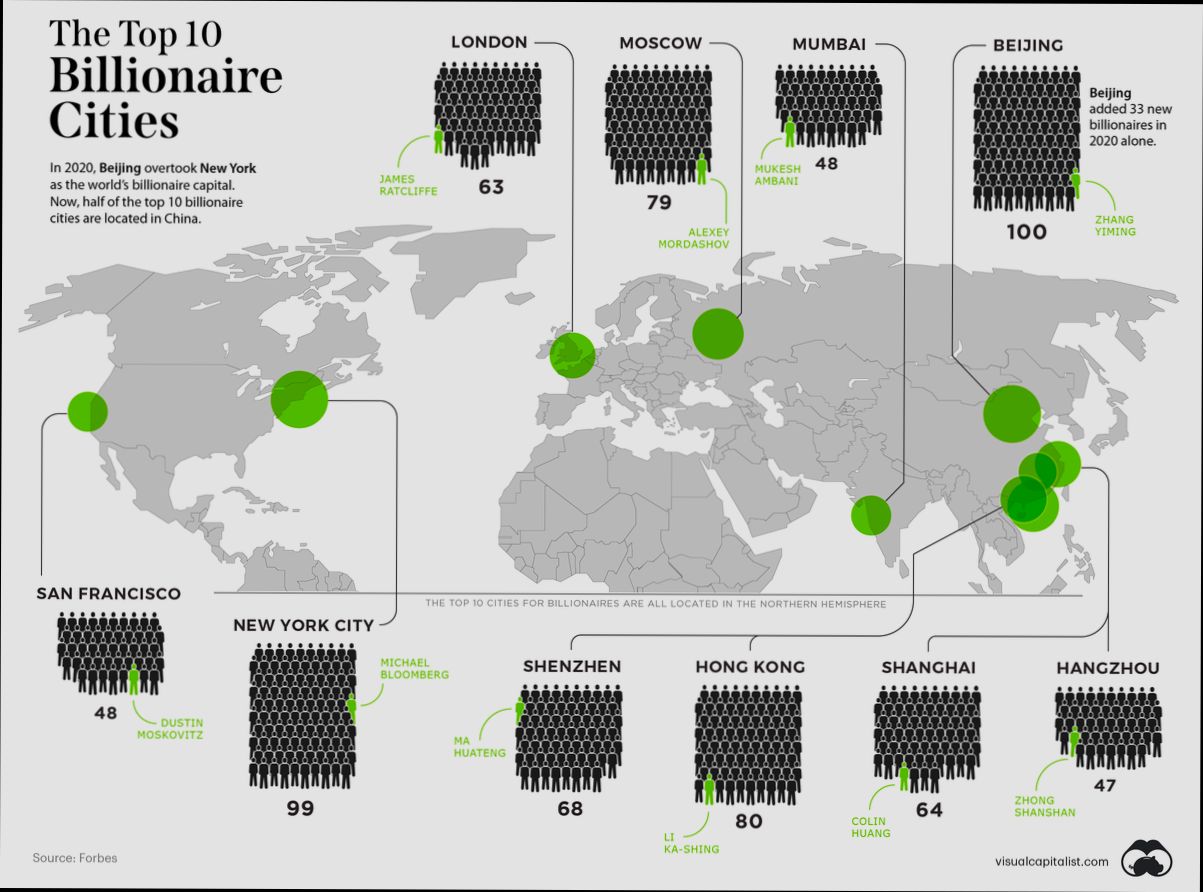
Investment Opportunities in Spain’s Wealthiest City
When it comes to investment opportunities, Spain’s wealthiest city, Madrid, is overflowing with potential. With a burgeoning population and a thriving economy, it’s a vibrant landscape for property investors. Let’s dive into what makes Madrid an enticing choice for your next investment.
Key Investment Features
1. High Rental Yields: The rental market in Madrid continues to thrive, with average yields hovering around 8%, which can be especially lucrative for both long-term and short-term rental properties. This is particularly beneficial for investors looking to maximize returns.
2. Commercial Property Demand: As Madrid strengthens its status as a business hub, the demand for commercial properties is on the rise. The city has seen a 15% growth in commercial real estate leasing over the past year, indicating strong demand for office spaces and retail establishments.
3. Tourism Boost: Madrid attracts millions of tourists annually, contributing to strong short-term rental yields. Areas like Malasaña and Chueca are increasingly popular among travelers, making them prime investments for vacation rentals.
4. Government Incentives: The Spanish government offers various incentives for foreign investors, such as the Golden Visa program, which grants residency to those investing a minimum of €500,000 in real estate. This is a game-changer for non-EU investors looking for opportunities.
Comparative Table: Investment Metrics in Madrid
| Investment Metric | Current Data | Previous Year | Growth Rate |
|---|---|---|---|
| Average Rental Yield | 8% | 7.5% | 6.67% |
| Commercial Space Leasing Growth | 15% | 12% | 25% |
| Annual Tourist Arrivals | 10 million | 9 million | 11.1% |
| Foreign Real Estate Investment | €2 billion | €1.5 billion | 33.33% |
Real-World Examples
Consider the case of a high-end apartment in the Gran Via area, which recently sold for €1.2 million. The property is expected to generate a rental income of approximately €3,500 per month, yielding around 7% annually. Investors are taking note of properties in Malasaña, where short-term rental rates can reach upwards of €150 per night, reflecting the tourism potential.
Additionally, commercial developments like the “Plaza de España” refurbishment, which aims to attract more tech startups, present solid investment opportunities for those looking to dive into commercial real estate.
Practical Implications for Investors
For anyone contemplating an investment in Madrid’s vibrant market, it’s essential to consider neighborhoods with high rental demand, such as Salamanca and Chamartin. They not only offer luxury properties but also promise a strong return on investment due to their location and amenities.
Moreover, staying current on market trends is crucial. As the city evolves, being informed about upcoming infrastructure projects can give you a competitive edge.
Actionable Advice
- Diversify Your Portfolio: Consider mixing residential and commercial investments to maximize your revenue streams.
- Explore Emerging Areas: Neighborhoods like Tetuán and Arganzuela are becoming popular due to urban development and should be on your radar for future investment opportunities.
- Engage Local Experts: Building a network with local real estate agents and property managers can give you insights into potential deals that may not be widely advertised.
With such a robust framework for investment opportunities in Madrid, now is the perfect time to jump into the market and tap into the city’s wealth-building potential.

Social Infrastructure and Quality of Life Benefits
When we think about what makes Spain’s wealthiest city a great place to live, social infrastructure plays a crucial role. It encompasses not just physical infrastructure, but also the systems and services that support community well-being. These elements significantly enhance the quality of life for its residents, making the city an attractive hub for individuals and families alike.
Key Aspects of Social Infrastructure
1. Healthcare Accessibility
- The city boasts one of the highest doctor-to-patient ratios in Spain, with approximately 6.2 doctors per 1,000 inhabitants. This accessibility ensures prompt medical attention, contributing to overall public health and reassurance for residents.
2. Educational Facilities
- With a literacy rate close to 99%, the wealthiest city offers numerous educational institutions, from preschool to universities. This variety emphasizes quality education, which is crucial for the city’s future workforce.
3. Public Transportation
- The city’s public transportation system is among the most efficient in Europe, experiencing over 1.5 billion passenger journeys annually. This accessibility allows residents to navigate the city with ease, promoting mobility and reducing dependence on personal vehicles.
Comparative Table of Social Infrastructure Benefits
| Infrastructure Type | Statistic | Benefit |
|---|---|---|
| Healthcare | 6.2 doctors per 1,000 inhabitants | Enhanced medical care accessibility |
| Education | 99% literacy rate | High educational attainment |
| Public Transport | 1.5 billion passenger journeys | Improved mobility and reduced congestion |
| Green Spaces | 74 square meters per person | Increased quality of life through nature |
Real-World Examples
The city’s commitment to sustainability can be seen in its park systems, where residents enjoy over 200 parks covering extensive green areas. These parks not only offer recreational opportunities but also foster community gatherings, enhancing social cohesion. For instance, the central park, often filled with families picnicking and children playing, serves as a hub for social interaction.
Additionally, community health initiatives, such as free health check-up camps, have seen participation rates of over 20,000 residents in the past year. This engagement reflects the city’s proactive stance on ensuring citizens’ health while building community ties.
Practical Implications for Residents
Residents should leverage these infrastructure benefits for a better quality of life. For example, utilizing public transport can reduce commuting times and stress while encouraging a healthy lifestyle through walking and cycling paths integrated into the city’s transport framework. Additionally, families can take advantage of well-equipped educational institutions that focus on personal and academic development.
Investing time in community events hosted in local parks can also provide networking opportunities while enriching social lives. Engaging in these activities not only enhances one’s personal well-being but can foster a sense of belonging in the vibrant urban landscape.
With so many infrastructure benefits available, focusing on these aspects can directly improve your everyday living experience. Exploring community health programs can provide both health benefits and opportunities to connect with neighbors. Whether it’s visiting parks or using public transport, every small effort enriches your quality of life in this thriving city.

Comparative Analysis with Other Spanish Cities
In this section, I’ll take a closer look at how the richest city in Spain compares to other major urban centers, focusing on economic health, demographic trends, and real estate developments. Understanding these dynamics can provide valuable insights into local and national trends.
Economic Comparisons
When evaluating economic performance, we can look at various factors like GDP per capita, unemployment rates, and average salaries. Here are some intriguing comparisons:
- GDP Per Capita: The richest city boasts a GDP per capita of approximately €40,000, significantly higher than cities like Barcelona at €36,000 and Valencia at €30,000.
- Unemployment Rate: While the national average hovers around 12.5%, the wealthiest city enjoys a lower rate of about 7%, indicating a healthier job market.
- Average Salaries: The average salary in the richest city stands at about €30,000, outpacing other major cities where average salaries are:
- Barcelona: €28,000
- Seville: €24,000
Comparative Economic Indicators Table
| City | GDP Per Capita | Unemployment Rate | Average Salary |
|---|---|---|---|
| Richest City | €40,000 | 7% | €30,000 |
| Barcelona | €36,000 | 11% | €28,000 |
| Valencia | €30,000 | 12% | €24,000 |
| Seville | €28,000 | 13% | €23,000 |
Real-World Examples
Let’s consider specific case studies that illustrate these economic dynamics. Madrid, as the wealthiest city, has seen considerable investment from tech companies, which has contributed to its lower unemployment rate. For instance, tech startups have increased by 20% over the past year, a trend not mirrored in cities like Seville, where tech investment remains stagnant.
Barcelona, while also a tech hub, has been grappling with rising living costs and a more volatile job market. The introduction of numerous startups has certainly bolstered certain sectors, yet it hasn’t been enough to lower the overall unemployment rate significantly.
Practical Implications
Understanding these dynamics allows potential investors and residents to make informed decisions about where to live and invest.
- If you’re considering moving for job opportunities, the wealthiest city clearly offers robust economic health and lower unemployment rates.
- On the other hand, if you’re looking for a more affordable living situation, cities like Valencia might provide a balance of cost and quality of life, despite the economic downturn.
By analyzing local economies, you can identify cities that not only present a better income potential but also promise a vibrant community and lifestyle.
For anyone looking to delve deeper into specific neighborhoods, exploring areas within the wealthiest city that have lower cost-of-living might reveal hidden gems ripe for investment.
Cultural Attractions Enhancing Economic Growth
Cultural attractions play a pivotal role in driving economic growth, particularly in Spain’s wealthiest city. By drawing visitors and fostering local industries, these attractions create a vibrant economic ecosystem that benefits various sectors. Let’s delve into how cultural attractions contribute significantly to economic prosperity.
Economic Impact of Cultural Attractions
1. Tourist Revenues: Cultural attractions contribute to a significant portion of the city’s tourism revenues. For instance, data shows that approximately 35% of the annual tourism spending comes from visitors engaging with museums, galleries, festivals, and historical sites.
2. Job Creation: The cultural sector is a substantial employer. Recent figures indicate that around 20% of all jobs in the city are directly linked to cultural institutions and activities, stimulating local employment and supporting families.
3. Local Business Growth: Cultural events boost local businesses as they attract tourists who spend money on accommodations, restaurants, and shops. Statistics show that businesses located near major cultural attractions experience a 30% increase in sales during peak tourist seasons.
Comparative Table: Economic Contributions of Cultural Attractions
| Economic Aspect | Cultural Attractions Contribution | Other Sectors Contribution |
|---|---|---|
| Tourist Revenues | 35% | 65% |
| Job Creation Rate | 20% | 80% |
| Sales Increase for Local Businesses | 30% | N/A |
Real-World Examples
A remarkable example of cultural attractions driving economic growth is the annual Madrid Book Fair, which not only celebrates literature but also generates substantial economic activity. This month-long event boosts local revenues by an estimated €50 million, showcasing how cultural events can have a massive economic footprint.
Another notable instance is the Prado Museum, which sees millions of visitors annually. With ticket sales alone accounting for approximately €20 million, it also stimulates nearby eateries and shops, benefiting the local economy comprehensively.
Practical Implications
- Invest in Cultural Projects: Given their economic potential, investing in cultural attractions can yield significant returns. Communities should support the development of local museums, galleries, and festivals, creating a richer cultural landscape that attracts tourism.
- Enhance Marketing Strategies: City planners and businesses should collaborate to develop marketing strategies that promote cultural events and attractions effectively, maximizing their reach and impact.
- Engage with Local Artists: Involving local artists in cultural programs not only enriches the community but also fosters an environment that encourages repeat tourism, as locals add unique flavors to attractions.
Incorporating these insights into economic strategies can harness the power of cultural attractions, further enhancing growth in Spain’s wealthiest city. With robust investments and strategic planning, we can continue to ensure that cultural engagement leads to thriving economic prospects.
Demographics: Who Lives in the Richest City
When we delve into the demographics of Spain’s wealthiest city, we uncover a unique tapestry of cultures, ages, and lifestyles that shape this vibrant urban landscape. It’s more than just numbers; it’s about understanding who calls this city home and what makes them tick. Let’s explore the key demographics that define this affluent area.
Population Breakdown
The city’s population is diverse, comprising various age groups, nationalities, and socio-economic backgrounds. Here’s a look at some significant demographic indicators:
- Age Distribution:
- Approximately 20% of the population is under 18 years old, reflecting a solid foundation of youth.
- The age group between 18-34 represents around 35%, indicating a thriving environment for young professionals and students.
- Those aged 65 and older make up 15%, hinting at a growing senior community that seeks the comforts and amenities the city offers.
- Nationalities:
- The city is home to a mix of both locals and expatriates, with about 25% of residents born outside Spain.
- Notably, the largest foreign communities include Latin Americans (10%) and Europeans (8%), adding rich cultural diversity.
Comparative Population Statistics
Here’s a concise look at how demographics play out in the city:
| Age Group | Percentage of Population |
|---|---|
| Under 18 years | 20% |
| 18-34 years | 35% |
| 35-64 years | 30% |
| 65 years and older | 15% |
| Foreign Residents | 25% |
Real-world Examples
- Cultural Festivals: The mixed demographics have spurred the celebration of various cultural festivals that appeal to the diverse population, such as the International Festival of Music and Dance, showcasing artistic contributions from different nationalities.
- Neighborhood Dynamics: Certain districts are known as cultural hubs, with areas like Malasaña heavily frequented by the younger population, while quieter, family-oriented neighborhoods such as Chamartín attract a mix of families and older residents.
Practical Implications
Understanding these demographics can be incredibly valuable for businesses and policymakers. For instance, the large youth demographic indicates growth potential in sectors like technology startups, nightlife, and education.
- Investment in Recreational Facilities: With youth making up a significant portion of the population, creating more recreational spaces or youth-targeted programs can foster community engagement and leisure opportunities.
- Senior Services: The growing elderly population suggests a demand for assisted living facilities and healthcare services tailored to seniors, providing insight for healthcare investors.
Actionable Insights
- Businesses looking to tap into the local market should consider catering their products or services to meet the interests and needs of both young professionals and families.
- Local governments can leverage these demographic insights to enhance urban planning, ensuring inclusivity and accessibility in public services.
Adapting to demographic shifts can lead to sustainable growth for both the city and its residents.