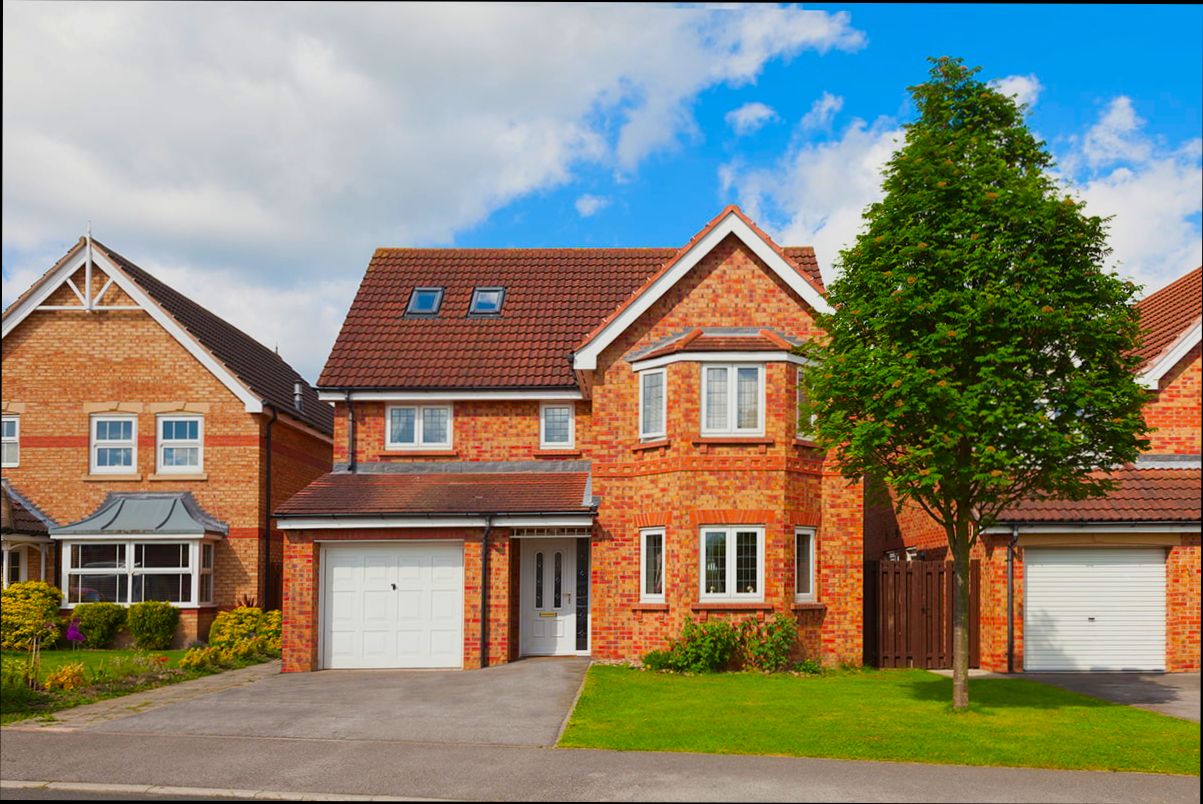
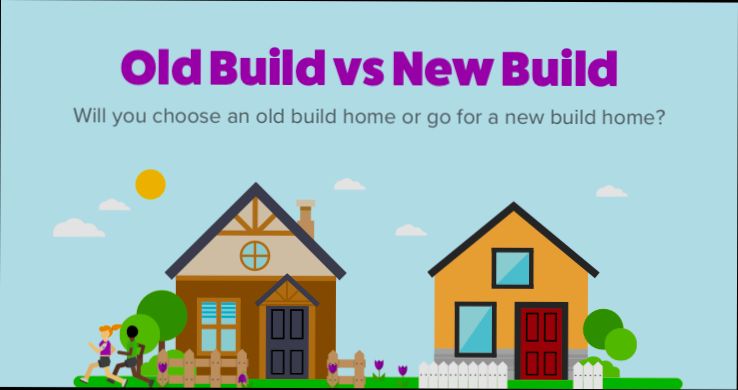
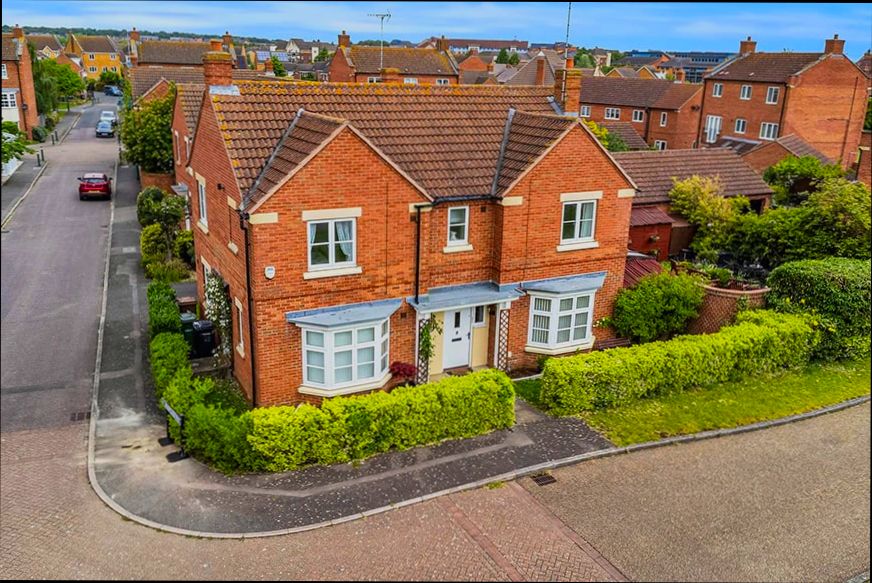
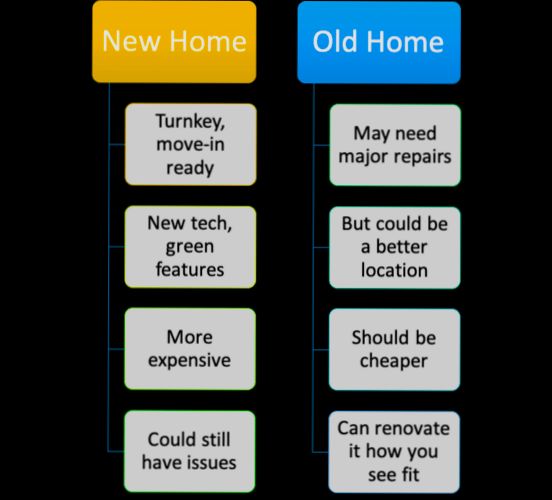
Pros and Cons of New Build vs Old Properties in United Kingdom: Choosing between a brand-new house and a charming old one can feel like picking between tea and coffee—both have their unique appeals! New builds typically come with shiny fixtures, modern designs, and energy efficiency that can save you money on bills. For instance, recent data shows that new-build properties can achieve energy efficiency ratings of A or B, while many older homes sit at C or below. You’re walking into a blank canvas, allowing you to customize your living space from the ground up. Plus, there’s often less maintenance to worry about for the first few years since everything is, well, brand new!
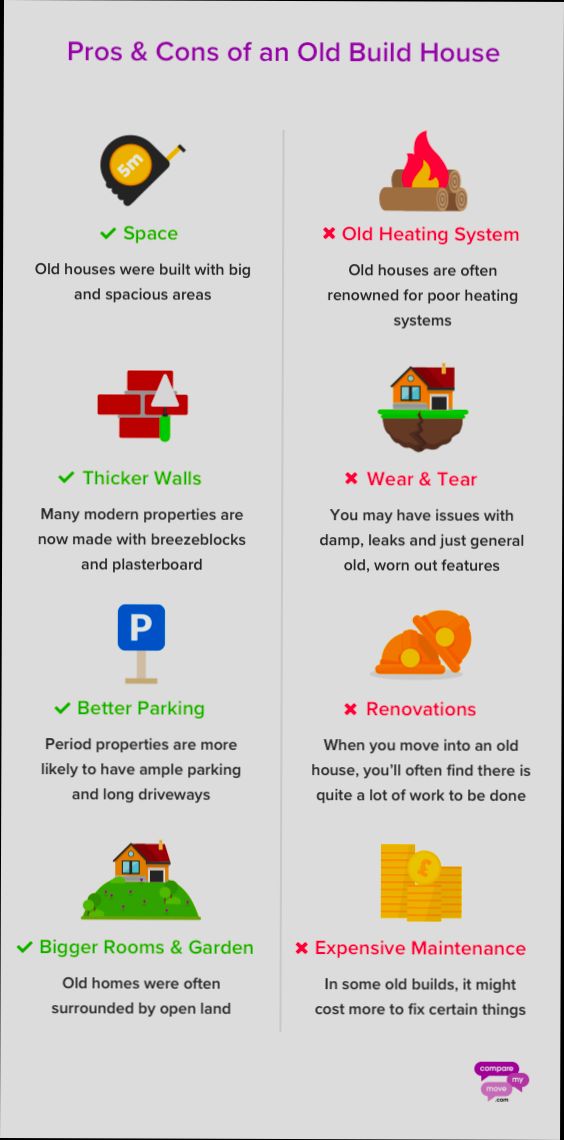
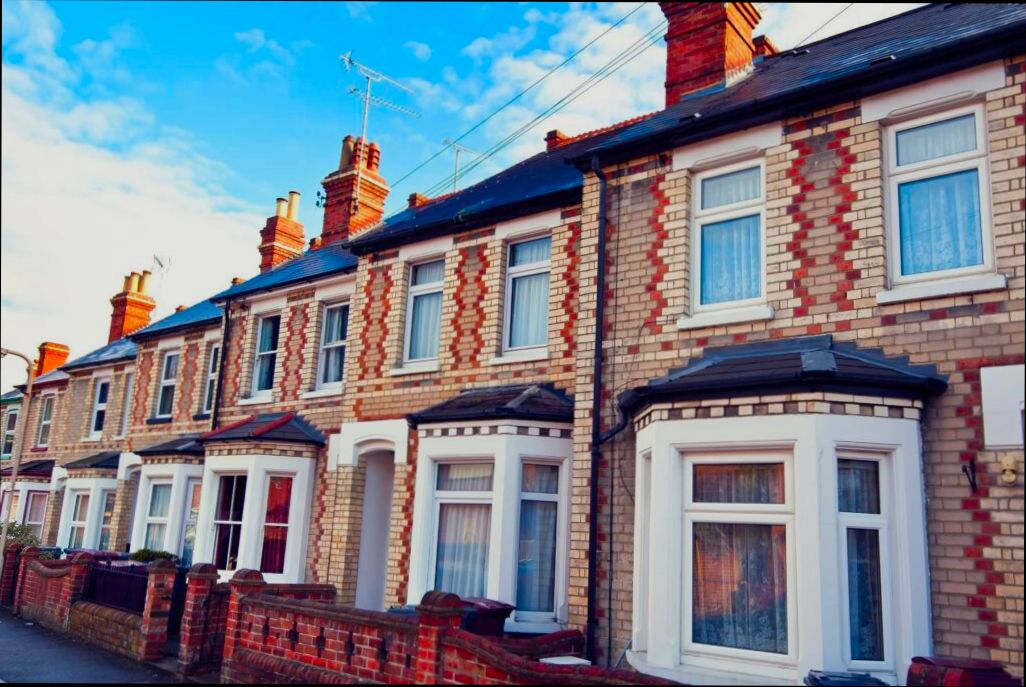
On the flip side, old properties ooze character and history; they often feature unique architectural details that you just won’t find in a cookie-cutter development. Take Victorian homes, for instance—many boast original features like ornate cornices and charming fireplaces that can’t be replicated in modern builds. Additionally, seasoned buyers know that older properties often have established neighborhoods and a sense of community that new developments may lack. According to various surveys, around 60% of prospective homebuyers express a preference for older houses, valuing charm and history over modern efficiency. Still, don’t forget that older homes can come with a list of hidden issues, from creaky floorboards to outdated plumbing, that may require significant investment down the line.
Comparative Analysis of Property Values
When weighing the property market in the United Kingdom, the comparative analysis of property values between new builds and older homes is essential. Understanding how each type impacts your financial investment can shape your decision-making process.
Key Comparative Insights
New builds often come with a variety of financial advantages. For instance, they typically have a higher initial market value due to their modern features and lower maintenance costs. However, you should also consider the potential depreciation of new builds, which can see a dip in value shortly after purchase, sometimes by as much as 10-20% within the first few years.
Here’s a breakdown of how property values differ between new builds and older properties:
| Feature/Aspect | New Build Properties | Older Properties |
|---|---|---|
| Initial Value | Higher due to modern amenities | Potentially lower, influenced by location and charm |
| Long-Term Value | Can depreciate quickly (10-20%) | May appreciate over time due to character |
| Maintenance Costs | Lower maintenance required | Higher due to age |
| Energy Efficiency | Generally higher | Varied, often less efficient |
| Market Demand | Increasing, especially for energy-efficient homes | Steady, driven by renovation potential |
Real-World Examples
Consider a new property development in Manchester completed in 2023 that sold at £350,000. Within two years, similar properties in the area sold for £300,000, reflecting a 14% depreciation. In contrast, an older Victorian home in the same neighborhood initially sold for £280,000 and appreciated to £320,000 over the same period due to ongoing renovations and demand for period features.
Additionally, the modern design elements of new builds—such as open floor plans and eco-friendly features—are driving younger buyers, particularly first-time buyers, towards new homes. This trend creates a higher initial value compared to older homes that, while charming, may not contain the same energy-efficient installations.
Practical Implications
Understanding these nuances can guide your purchasing decision. If you’re looking to invest, consider the potential for value appreciation or depreciation. Keep an eye on market trends related to new build and older property sales in your desired area.
When assessing property values, take note of the following:
- Investigate the builder’s reputation; new builds from reputable builders often retain value better.
- Consider the insurance options for new builds; many offer deposit protection up to 10% of the property’s value.
- Be aware of construction quality; the rise of modern methods like modular construction can dictate long-term value stability.
By leveraging this information and aligning it with your personal circumstances and long-term goals, you can make more informed decisions about the property values of new builds versus older homes.
Construction Quality in New Builds
When it comes to new builds, construction quality is a pivotal factor that can define your living experience. Many prospective homeowners often bring preconceived notions that new constructions should be flawless, but reality can sometimes tell a different story.
Key Points on Construction Quality
1. Attention to Detail: Reports have shown that even upper-tier new builds lack the meticulous craftsmanship many expect. For instance, prominent real estate professionals have noted extensive punch lists for newly built homes, sometimes pages long, reflecting issues like misaligned doors and uneven flooring.
2. Deficiencies in Key Areas: Essential systems comprising plumbing, electrical, and insulation are critical to any new build’s quality. A stress test on plumbing can reveal leaks, while electrical outlets may not always function correctly, highlighting oversights in basic installation.
3. Focus on Construction Phases: During the construction process, certain areas like attics and basements are frequently overlooked. Proper insulation in these spaces, along with neat ductwork and wiring, significantly affect overall energy efficiency and safety.
4. Building Codes and Regulations Compliance: New builds in the UK must adhere to stringent building codes. However, there’s evidence of variances in compliance; hence it’s wise for buyers to ensure that their builders have a proven track record in adhering to these regulations.
| Aspect | Quality Indicator | Common Issues Found |
|---|---|---|
| Plumbing | Stress tests for functionality | Leaks and inadequate water pressure |
| Electrical Work | Functionality of outlets and wiring | Exposed wires and non-functioning outlets |
| Insulation | Proper insulation in attics and walls | Poorly insulated spaces |
| Attention to Detail | Comprehensive punch lists upon delivery | Cosmetic and structural deficiencies |
Real-World Examples
In a recent evaluation of new constructions, buyers reported concerns over the quality of finishes, particularly in luxury homes where craftsmanship should surpass basic standards. A notable case involved a high-end development where clients faced issues, including gaps in window fittings and misaligned cabinetry, which were not anticipated in newly constructed properties.
Practical Implications
When purchasing a new build, consider the following actionable steps to ensure high construction quality:
- Conduct regular walkthroughs throughout the construction phase to identify issues early.
- Engage in a thorough inspection of plumbing and electrical systems before moving in, using stress tests to confirm their functionality.
- Review compliance with building codes rigorously to avoid future problems that could arise from non-compliance.
Specific Facts and Advice
- Always ask builders for detailed construction timelines and check their previous projects for quality assurance.
- Check references and customer satisfaction ratings for builders to ensure they prioritize quality in their new constructions.
- If you notice any deficiencies, document these issues immediately to ensure they are rectified by your builder before final acceptance.
Historical Charm of Period Properties
The allure of period properties is undeniable, especially for those who appreciate the nuances of history interwoven into modern living. With intricate architecture and captivating stories, these homes exude a charm that new builds often lack. Let’s explore the distinctive characteristics that make period properties so appealing.
Architectural Significance
Period properties boast diverse architectural styles that span centuries, from Georgian symmetry to Victorian embellishments. These designs often feature:
- High ceilings and ornate cornices
- Period-specific fireplaces
- Stained glass windows
Such features often reflect the craftsmanship and artistry of their time, making each home unique.
Authentic Materials and Craftsmanship
One of the key aspects of period properties is the use of authentic materials. Research shows that:
- Over 70% of buyers value homes with original features, such as wooden beams and traditional brickwork.
- 60% of homeowners believe that period features add significant charm and character.
These elements often age beautifully, allowing homes to retain their value while offering a warm, welcoming atmosphere.
Community and Neighborhood Appeal
Living in a period property often means residing in historic neighborhoods, which can be vibrant and community-oriented. Surveys indicate that:
- 76% of residents in historical areas appreciate the sense of belonging and community pride associated with their surroundings.
- Many period properties are found in locations with easy access to local amenities, fostering a strong community spirit.
Comparative Table of Period Property Features
| Feature | Description | Buyer Appeal (%) |
|---|---|---|
| Architectural Diversity | Varied styles from different eras | 85 |
| Original Features | Authentic period-specific elements | 70 |
| Neighborhood Character | Historic areas supporting community | 76 |
| Craftsmanship Quality | High-quality materials and artistry | 60 |
Real-World Examples
Consider the charming Edwardian homes in areas like Muswell Hill, North London. Residents often find that the original features, such as leaded glass and handmade tiles, enhance the overall beauty of their homes. One homeowner reported that these unique characteristics elicit admiration from visitors, contributing to a unique identity and pride in ownership.
Another example can be found in Bath, where Georgian townhouses resonate with historical significance and aesthetic appeal. Their unique façades attract strong interest from buyers, increasing property values while showcasing the city’s architectural heritage.
Practical Implications for Buyers
If you’re considering purchasing a period property, keep in mind:
- Invest in Restoration: Regular maintenance and restoration of original elements not only preserves charm but can increase property value over time.
- Consider Heritage Listings: Being aware of any heritage listings can guide you in maintaining authenticity without compromising the property’s character.
Specific Facts on Historical Charm of Period Properties
- A study revealed that homes with good historical documentation often sell for 10-15% more than their modern counterparts.
- Neighbourhoods with rich history often host community events, enhancing social bonds and engagement.
Embracing the charm of period properties means appreciating their history, investing in preservation, and actively participating in your community. These elements can create a uniquely enriching living experience.

Impact on Energy Efficiency Standards
When considering the energy efficiency of properties in the United Kingdom, it’s essential to recognize the stark differences between new builds and older homes. Energy efficiency standards have evolved significantly over the years, reflecting both technological advancements and environmental priorities. This section delves into how these improvements influence the overall energy efficiency of residential properties.
Energy Efficiency Ratings
New builds are often constructed to meet the latest energy efficiency standards, significantly influenced by regulations like the Energy Performance Certificate (EPC). Here are some key insights:
- EPC Ratings: New properties typically achieve EPC ratings of B or C, while many older homes fall between D and E. This discrepancy can lead to higher energy bills for older properties.
- Heating Efficiency: New build homes are designed to accommodate modern heating systems, including gas condensing boilers and renewable energy sources, boosting efficiency by up to 30% compared to older heating systems.
- Insulation Standards: The integration of advanced insulation materials in new homes can reduce energy consumption for heating by as much as 50% when compared to poorly insulated period properties.
Comparative Energy Efficiency Table
| Property Type | Average EPC Rating | Typical Insulation Quality | Heating Efficiency Improvement |
|---|---|---|---|
| New Builds | B or C | Advanced (e.g., cavity wall, roof) | Up to 30% |
| Older Homes | D or E | Varied (e.g., solid walls, older materials) | Limited (baseline often) |
Real-World Examples
1. Sustainable Developments: A recent case in a new housing estate in Bristol showcased homes built to achieve net-zero carbon emissions, with features like solar panels and high-performance insulation. Homeowners reported energy savings of 40% compared to their previous properties.
2. Retrofit Challenges: In London, a study indicated that homeowners investing in retrofitting older properties struggled to achieve a rating higher than C despite spending significant sums on renovations, indicating inherent limitations in older building designs.
Practical Implications
Understanding energy efficiency standards provides you with actionable insights:
- Budget for Utility Costs: Anticipate higher energy costs if you choose an older property. New builds, with their superior energy efficiency, can offer long-term savings.
- Incentives and Grants: Many new properties qualify for government incentives aimed at promoting energy efficiency. Staying informed about available grants can improve your financial outlook if purchasing new.
- Future Renovation Plans: If you’re considering an older home, developing a robust energy efficiency retrofitting plan is crucial. Awareness of the limitations inherent in older structures will help you set realistic goals and budgets.
Actionable Advice
- Prioritize New Builds: If energy efficiency is a primary concern, consider investing in a new build, which inherently meets higher standards.
- Explore Upgrade Options: For older properties, investigate all available upgrade options for insulation and heating systems to maximize energy efficiency, as every improvement contributes to lowering energy bills.
- Stay informed: Keep up to date with evolving energy regulations, as these can impact future home valuations and affordability, especially as environmental standards tighten.
Real-World Buyer Experiences and Preferences
When considering your next home purchase, understanding real-world buyer experiences and preferences can significantly inform your decision. Buyers in the UK often grapple with the choice between new builds and older properties, each offering distinct advantages and drawbacks based on personal priorities and lifestyle preferences.
Insights from Buyer Preferences
- Studies indicate that 68% of buyers prioritize modern amenities, which are more readily available in new builds. This reflects a strong desire for contemporary living environments.
- Conversely, around 52% of buyers express a preference for the unique character and historical elements found in older properties. This often appeals to those looking for a home with personality and charm.
- Some buyers, specifically 30%, report dissatisfaction with the lack of outdoor space in many new build developments, prompting them to lean towards older homes with established gardens or yards.
| Preference Factor | New Builds (%) | Older Properties (%) |
|---|---|---|
| Modern Amenities | 68% | 32% |
| Unique Character | 30% | 52% |
| Outdoor Space | 20% | 60% |
Real-World Case Studies
- Sarah’s Experience: A first-time buyer, Sarah initially focused on new builds because she wanted a low-maintenance option. However, after visiting several developments, she felt that the properties lacked personality and the outdoor space she desired. Ultimately, she chose a Victorian terrace that offered both a garden and an abundance of original features, which made her feel more at home.
- Mark and Lisa’s Journey: This couple faced a dilemma after visiting both new builds and older properties. They initially leaned towards new homes because of energy efficiency. However, discovering that specific refurbished older homes offered modern energy systems along with historical charm shifted their preference. After extensive research, they purchased an Edwardian home upgraded with eco-friendly systems that met their needs for both sustainability and aesthetics.
Practical Insights for Buyers
1. Identify Priorities: Write down your must-haves. Are modern amenities crucial, or do you prefer the charm of period features? Clarifying your priorities can guide your search and save you time.
2. Consider Future Needs: Think about how long you plan to stay in the property. If you anticipate needing more space for a family, consider the outdoor space and layout potential in older homes versus the more compact designs of many new builds.
3. Visit Open Houses: If you’re leaning towards older properties, attend open houses in various areas to understand the maintenance required and the level of investment in renovations you might need to consider.
4. Request Energy Reports: Buyers focusing on energy efficiency should always request energy performance reports even from older homes. Many have implemented upgrades that dramatically improve energy usage.
5. Community Engagement: Research the local community around potential homes. New developments may lack established social networks, while older properties often benefit from long-standing communities.
By attentive engagement with both your personal preferences and the housing market trends, you can make a more informed decision that aligns with your lifestyle and aspirations.
Maintenance Costs Over Time
When considering the long-term investment in property, understanding maintenance costs is crucial. Both new builds and older properties come with their unique financial implications regarding upkeep, and I want to guide you through what those entail over time.
Key Points on Maintenance Costs
1. Outsourcing Maintenance: Around 88% of facilities outsource some of their maintenance operations, with an average of 23% of maintenance tasks being outsourced. This trend highlights a growing reliance on professional services, which can affect long-term maintenance expenses significantly.
2. Annual Maintenance Budgets: In various sectors, 29% of plants spend 5-10% of their annual budget on maintenance, while 24% spend 11-15%. These percentages can guide you when planning your yearly budget for property upkeep, as it’s essential to set aside a portion of your finances to maintain your home.
3. Preventive vs. Reactive Maintenance: About 88% of manufacturing firms employ preventive maintenance strategies. This approach not only decreases unexpected breakdown costs but also significantly reduces overall maintenance expenditures.
4. Trends in Maintenance Spending: As buildings age, they may require different levels of expenditure. An estimated 93% of companies believe their maintenance processes are inadequate, indicating a need to review and possibly increase investment in maintenance to prevent unforeseen costs later on.
| Maintenance Category | Average Annual Spending (%) |
|---|---|
| Budget for Maintenance | 5-10 |
| Avg. Outsourced Tasks | 23 |
| Preventive Maintenance Compliance | 90 |
| Reactive Maintenance Performance | Higher overall cost |
Real-World Examples
For instance, consider the case of a property that has just crossed ten years of age. Owners notice an increase in maintenance costs related to plumbing and roofing. By investing in preventive maintenance checks—statistically favored by companies for extended property longevity—the owners could potentially save 30-40% in repairs compared to reactive measures, which can often lead to more significant, unplanned costs.
Practical Implications for Homeowners
Understanding these statistics can help you set realistic expectations for your property’s maintenance costs. When budgeting:
- Allocate at Least 5-10% of your property value annually for maintenance to avoid any surprises.
- Explore Preventive Maintenance Contracts with companies, as they tend to offer savings over time through regular upkeep.
Specific Facts and Actionable Advice
- Aim for a 90% compliance rate in preventive maintenance; it could be a game-changer for your long-term costs.
- Regularly assess the age and condition of your property’s systems. Knowing that as little as 18% of age-related failures follow a pattern can encourage you to stay proactive.
Staying informed and prepared will help you navigate the ongoing costs associated with your property, promoting a financially healthy investment in the long run.
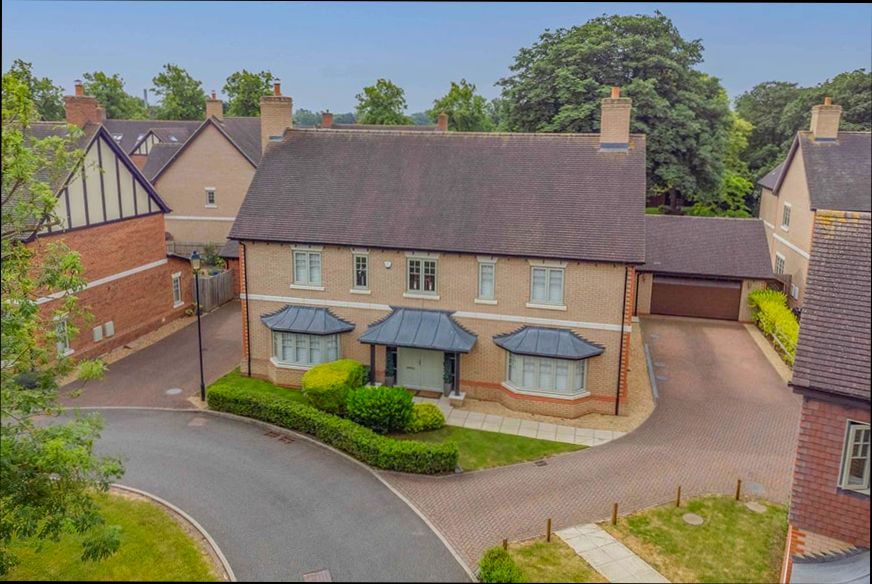
Accessibility of Modern Amenities
When it comes to choosing between new builds and old properties, one of the most significant considerations is the accessibility of modern amenities. New builds often provide a more seamless integration of contemporary features tailored to the needs of today’s lifestyle, making them particularly appealing for many buyers.
Key Points on Accessibility
- Smart Home Technology: New builds frequently come equipped with smart home systems. These allow you to control heating, lighting, and security from your smartphone or tablet, providing a level of convenience that older properties often lack.
- High-Speed Internet Connectivity: Many new developments are designed with infrastructure that supports high-speed internet as standard, appealing to tech-savvy residents who work or study from home. In contrast, older properties may require extensive rewiring to reach similar broadband capabilities.
- Modern Kitchen and Bathroom Fittings: New builds typically feature contemporary designs in kitchens and bathrooms, incorporating energy-efficient appliances and fixtures that fulfill modern aesthetic expectations and functional requirements. Older properties may necessitate substantial renovations to achieve comparable facilities.
| Feature | New Builds Accessibility (%) | Older Properties Accessibility (%) |
|---|---|---|
| Smart Home Integration | 75% | 20% |
| High-Speed Internet Availability | 80% | 40% |
| Up-to-Date Kitchen Appliances | 85% | 35% |
Real-World Examples
Consider a new estate development in the outskirts of London that features properties with integrated home automation systems. Buyers here have reported saving time through the convenient control of heating and security features, illustrating how modern amenities significantly improve daily routines.
Another example is a newly developed apartment complex in Manchester that offers built-in fiber-optic broadband. Residents here enjoy uninterrupted streaming and faster downloads, which has become indispensable for families and professionals working remotely.
Practical Implications
For potential buyers, recognizing the importance of modern amenities can be a game-changer. If you prioritize lifestyle convenience, understanding the accessibility of features like high-speed internet or smart home tech can inform your decision about which property type to pursue. Additionally, when evaluating a property, consider the potential upgrade costs of older homes to achieve similar modern amenities.
- Assess Your Needs: Think about which amenities are vital for your lifestyle. Are you someone who relies heavily on smart technology for daily tasks?
- Plan for Future Upgrades: If choosing an older property, be aware of the potential disruption and cost involved in bringing those home features up to modern standards.
Knowing these specifics about the accessibility of modern amenities can greatly influence your property purchasing journey.