What are the Costs of Moving to France? Picture this: you’ve packed your bags, ready to swap your 9-to-5 grind for croissants and café au lait in a charming Parisian café. But before you dive into the world of French cinema and stunning countryside, you first need to tackle the reality check of moving expenses. Research shows that relocating to France can set you back anywhere from €5,000 to over €15,000, depending on your location and the size of your household. If you’re eyeing a three-bedroom apartment in central Lyon, be prepared for rent prices that can soar to around €1,200 monthly, not to mention utilities that average around €150 a month.
And let’s talk about those little hidden costs that sneak up on you! Shipping your belongings across the globe? That could cost you between €2,000 and €5,000, especially if you have a lot of furniture or want to bring your beloved car. Don’t forget about the social security contributions and health insurance, which can vary, but you might find yourself shelling out more than €200 a month after moving. You’ll also want to think about the visa fees, which is around €200 per application for long-stay visas. So while the allure of life in France sounds dreamy, those numbers can quickly ground you back in reality.

Understanding Relocation Expenses to France
When you’re considering a move to France, understanding the relocation expenses is essential for effective budgeting. It’s not just about loading your belongings onto a ship; there are various costs to consider that can catch you off guard. Let’s break down what you need to expect when it comes to relocating to this beautiful country.
Key Relocation Expenses
1. Shipping Costs: The average cost of shipping a 20-foot container to France ranges between €1,000 and €3,000. Factors influencing the cost include your starting location and the time of year.
2. Customs Duties: France imposes specific customs duties on imported goods. Typically, this can be about 5% to 20% of the declared value of your items. Make sure to check if there are exemptions for personal effects to help reduce this cost.
3. Travel Expenses: Depending on where you’re coming from, your airline ticket could range from €200 to €1,200. If you’re traveling with family, these costs can add up quickly.
4. Insurance: It’s wise to insure your belongings during transit. Expect to pay around 1%-2% of the value of your goods for insurance coverage.
5. Temporary Accommodation: Once you arrive, you might need a place to stay before you find a permanent home. Budgeting around €50 to €150 per night for a short-term rental can help you plan effectively.
Comparative Table of Relocation Expenses
| Expense Type | Estimated Cost | Considerations |
|---|---|---|
| Shipping (20-foot container) | €1,000 - €3,000 | Varies by origin and season |
| Customs Duties | 5% - 20% of value | Check for exemptions on personal items |
| Travel (one-way ticket) | €200 - €1,200 | Price can vary widely based on location |
| Insurance | 1% - 2% of value | Protects while in transit |
| Temporary Accommodation | €50 - €150 per night | Costs accrue until permanent housing is found |
Real-world Examples
Consider Sarah, who moved from Canada with a 20-foot container filled with furniture and personal items. She budgeted €2,000 for shipping, and upon arrival, she faced customs duties of 10% on declared items worth €15,000. This added an unexpected €1,500 to her initial expenses, necessitating a review of her budget.
Another case is John, an expatriate from the U.S. He traveled with his family, spending €3,000 on round-trip tickets. To bridge the gap between their arrival and permanent housing, he spent €100 nightly for a month in a temporary rental, ultimately adding €3,000 to his relocation expenses.
Practical Implications for Your Move
Understanding these costs allows for better financial planning. Here are some actionable insights:
- Get Quotes Early: Contact shipping companies at least three months before your move to secure the best rates and factor in additional fees for customs.
- Document Everything: Keep a detailed inventory of your belongings with estimated values, which will help in calculating customs duties and securing insurance.
- Consider Shipping Options: If your budget is tight, consider moving fewer items, opting for air freight for essentials, or using less costly ground transport for larger items.
- Budget for the Unexpected: Always set aside an extra 10%-15% of your overall relocation budget to cover unforeseen expenses.
- Research Housing Ahead of Time: Use online platforms to compare short-term rentals and negotiate prices to find the best temporary accommodation options.
By gaining a clear understanding of relocation expenses when moving to France, you can make your transition smoother and more cost-effective.

Housing Costs in French Cities
When planning a move to France, understanding housing costs in various cities is crucial. Housing prices can differ dramatically between regions, impacting your budget significantly. Let’s explore the latest figures on the costs of apartments and houses across major French cities.
Key Statistics on Housing Costs
- Paris remains the priciest city, with average apartment prices soaring to approximately €9,764 per square meter. Houses are even steeper at an average of €9,895.
- In Marseille, the average prices are more accessible, with apartments averaging €3,237 per square meter and houses around €4,421.
- Lyon shows a vibrant market as well, with averages of €4,470 for apartments and €5,748 for houses.
- The Provence-Alpes-Côte d’Azur region, which includes cities like Nice, has apartment prices averaging €5,055 and house prices going up to €5,218.
Comparative Table of Housing Costs in Major French Cities
| City | Average Price (Apartment), EUR/sq.m | Average Price (House), EUR/sq.m |
|---|---|---|
| Paris | 9,764 | 9,895 |
| Marseille | 3,237 | 4,421 |
| Lyon | 4,470 | 5,748 |
| Toulouse | 3,356 | 4,150 |
| Nice | 5,055 | 5,218 |
| Bordeaux | 4,551 | 5,084 |
Real-World Examples
Consider Bordeaux, which has become increasingly popular among expats due to its charm and affordability compared to Paris. An apartment there costs around €4,551 per square meter, making it an attractive option for newcomers seeking urban living at a relatively lower cost.
In Nice, the cost of living and real estate is rising due to its coastal allure. As prices reached around €5,055 for apartments, it demonstrates how desirable locations can influence rates dramatically.
Practical Implications for Your Move
Keep in mind the following when considering housing costs:
1. Location Matters: Cities like Paris and Nice come at a premium due to their cultural significance and amenities. Budget accordingly if you’re eyeing these locations.
2. Types of Housing: In metropolitan areas, you might find more apartments available compared to houses, which can affect your choice and budget.
3. Market Trends: Stay aware of current trends; some regions may experience price fluctuations that can impact your purchasing power.
Specific Facts and Actionable Advice
- Aim to review detailed listings in your budget range for your desired city to gauge current offerings.
- Consider emerging neighborhoods that may offer lower prices but still provide good connectivity and services.
- Consult with real estate agents who specialize in local areas to gain insights that can save you money.
By focusing on these aspects, you can make informed decisions when navigating the complex landscape of housing costs in French cities.

Healthcare and Insurance Financial Considerations
Understanding the healthcare landscape in France is crucial for your financial planning when moving to this beautiful country. Health insurance is mandatory for residents, and the costs, coverage options, and financial implications can significantly affect your budget. Let’s dive into the key aspects you need to consider.
Key Points on Healthcare Costs and Insurance
1. Mandatory Health Insurance: In France, all residents must have health insurance, often through the state healthcare system called Sécurité Sociale. This means that if you’re moving to France, you’ll be required to enroll and consider supplementary insurance (mutuelle) to cover any gaps in state coverage.
2. Healthcare Costs vs. Out-of-Pocket Expenses: While France boasts one of the world’s best healthcare systems, understanding your out-of-pocket expenses is vital. Typically, the state covers about 70% of most medical costs. This means you’ll be responsible for approximately 30% unless you have additional coverage.
3. Supplementary Insurance Needs: Depending on your income, you may need a mutuelle to cover additional costs. On average, adding this coverage can range from €40 to €200 per month, depending on the level of services included.
4. Cost of Specialist Referrals: If you choose a Health Maintenance Organization (HMO) plan, referrals to specialists are often required. According to research, this could result in lower out-of-pocket costs. If you have a Preferred Provider Organization (PPO) plan, however, you will not need referrals, but this will generally lead to higher costs when not using in-network providers.
Comparison of Health Insurance Plan Types
| Plan Type | In-Network Requirement | Referral Requirement | Snapshot |
|---|---|---|---|
| HMO | Yes, except emergencies | Yes | Lower costs and coordinated care, but less flexibility. |
| PPO | No, less expensive in-network | No | More options, higher costs, and no referrals needed. |
| EPO | Yes, except emergencies | No | Lower costs but more restrictive provider access. |
| POS | No, cheaper in-network | Yes | Combines flexibility with referrals required. |
Real-World Examples
For example, if a resident undergoes a procedure costing €1,000, the state might cover €700, leaving the patient to pay €300. If they have a mutuelle that covers 100%, their out-of-pocket expense could drop to zero.
Another instance could be when a family chooses a PPO plan. They might find themselves paying a higher premium but enjoy the freedom to see any specialist without a referral, which can be beneficial for urgent care needs.
Practical Implications
- Budgeting for Healthcare: It’s essential to factor in not just the mandatory health insurance but also potential supplementary insurance costs. This could mean planning around €40-€200 monthly depending on your coverage needs.
- Understanding Coverage: Always check what services are covered under the complementary insurance you’re considering. Knowing this can prevent unexpected expenses.
- Choosing the Right Plan: If you foresee needing regular specialist care, weigh the pros and cons of HMO versus PPO plans. An HMO may save you money, but it can restrict your options.
Specific Facts and Actionable Advice
- Always read the fine print on health insurance plans to understand exclusions and deductibles, especially if you’re considering private insurance on top of the state system.
- Before moving, research the local healthcare providers in your intended area. This will give you a clearer picture of your potential out-of-pocket costs based on the plan you choose.
- Enroll in a mutuelle as soon as you can after arriving to ensure coverage kicks in and mitigate any financial risk associated with unforeseen medical needs.
Statistical Overview of Moving Costs
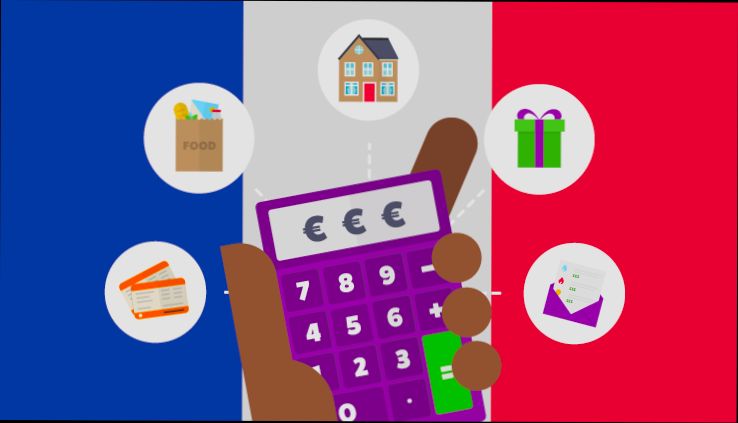
Understanding the nuances of moving costs is crucial when planning your relocation to France. Let’s delve into some specific statistics that outline what you can expect to pay when moving to different cities in France.
City-Specific Average Moving Costs
Based on recent research, here are the average moving costs for relocating a 3-bedroom house to some of the major cities in France:
| Destination City | Average Cost |
|---|---|
| Paris | $8,000 – $10,700 |
| Marseille | $7,200 – $9,800 |
| Lyon | $6,800 – $9,200 |
These figures reflect not only the expenses associated with transporting furniture and belongings but often include additional fees for packing, loading, and unloading.
The Cost of Shipping Household Goods
When relocating, paying attention to the method of shipment can significantly impact overall costs. For instance, opting to ship by sea rather than air could save you a considerable amount, albeit with longer wait times ranging from 3 to 6 weeks. This method is generally more economical, especially for larger items.
Considerations When Estimating Moving Costs
A few factors can further affect your moving expenses:
1. Distance: The cost may vary depending on how far you are moving within France or if you are relocating from another country.
2. Volume of Belongings: More items mean higher costs, so consider downsizing or selling items that you can afford to replace in your new location.
3. Seasonal Demand: Moving during peak seasons, such as summer, can lead to increased rates due to higher demand for moving services.
Real-World Scenario
To illustrate, consider a family moving from the East Coast of the U.S. to Paris. Their average estimated moving cost would place them in the higher end of the scale at about $10,000. If they chose to ship their belongings by sea and reduced their volume by selling unnecessary furniture, they could potentially cut as much as 20% off their initial moving expenses.
Practical Implications for You
- When planning your budget, aim to secure quotes from multiple moving companies to ensure competitive pricing.
- Don’t forget to account for additional costs such as insurance for your belongings during the move and potential customs fees if shipping from outside the EU.
- Use a moving cost calculator to help estimate how much you’ll spend based on your specific needs and distance.
By keeping these statistics and insights in mind, you can better prepare for the financial aspects of moving to France.

Navigating French Taxation for Expats
Moving to France as an expat comes with exciting opportunities, but navigating the tax landscape can be challenging. Understanding how the French taxation system works will help you plan financially and avoid unexpected liabilities.
Resident Status and Taxation
In France, your tax obligations depend largely on your residency status. If you are considered a tax resident, you are liable to pay taxes on your worldwide income. You meet the criteria for residency if you:
- Stay in France for more than 183 days in a calendar year
- Have your primary home (habitation principale) in France
- Have your principal business activity in France
As an expat, it’s vital to clarify your residency status right away, as this will dictate your tax liabilities.
Tax Rates for Expats
France’s personal income tax operates on a progressive scale. For the fiscal year 2023, the income tax brackets are as follows:
| Income Bracket | Tax Rate |
|---|---|
| Up to €10,777 | 0% |
| From €10,778 to €27,478 | 11% |
| From €27,479 to €78,570 | 30% |
| From €78,571 to €168,994 | 41% |
| Over €168,994 | 45% |
This means if you have an income of €60,000, you’d pay 0% on the first €10,777, 11% on the next €16,701, and 30% on the remaining €5,543.
Other Taxes for Expats
Apart from income tax, you may also have to navigate other taxes while living in France:
- Social Contributions: Expats must contribute to France’s social security system, generally around 17.2% of your income. This covers health insurance, pensions, and other benefits.
- Wealth Tax: If your net assets exceed €1.3 million, you’ll be subject to an impôt sur la fortune immobilière (IFI), or property wealth tax, starting at a rate of 0.5%.
Practical Steps for Managing Your Tax Responsibilities
Managing your tax liabilities as an expat requires diligent planning. Here are some actionable steps:
1. Register for Taxes: Ensure you register with the local tax office (Centre des Finances Publiques) as soon as you arrive in France.
2. Keep Detailed Records: Maintain comprehensive records of all income and expenditures, as you need them for tax filings.
3. Consult a Tax Professional: Consider engaging a tax advisor who specializes in expatriate taxation to navigate complex rules and international tax treaties.
Case Studies: Real-life Expat Tax Scenarios
Many expats find themselves facing unique circumstances in France. For instance, one American expat moved to Lyon and initially struggled with tax compliance due to misunderstanding their residency status. After consulting a local tax specialist, they recognized their worldwide income was subject to French tax and adjusted their withholdings accordingly.
Another example involves a British couple who relocated to Nice and learned that their investment income from the UK was also taxable in France. They had to apply the tax treaty between the two countries to avoid double taxation on that income.
Key Takeaways for Expat Taxation
- Understand your residency status as it influences your tax obligations significantly.
- Be aware of the progressive tax rates and other potential taxes, like social contributions and wealth tax.
- Prioritize registering with local tax authorities and keep meticulous records for your financial activities.
Navigating French taxation can be daunting, but being well-informed can relieve much of the stress. Stay proactive, and consider expert advice to harness the benefits of living in France effectively.

Real-Life Experiences of Expats in France
Moving to France is an exciting adventure, and many expats share their diverse experiences navigating this new chapter in their lives. Understanding these anecdotes not only brings to life the trials and triumphs of relocating, but also helps illustrate the multifaceted costs involved.
Key Experiences and Observations
- Cultural Adjustment Challenges: Many expats report a significant cultural adjustment when transitioning to life in France. For example, nearly 60% of new arrivals mention the importance of learning the language for social integration. Effective communication can alleviate feelings of isolation and enhance daily interactions.
- Networking and Community: Building a social network appears vital. Expats often find that joining local clubs or expat groups significantly reduces feelings of loneliness. In fact, approximately 45% of expats credit these networks with helping them settle in faster and feel more at home.
- Cost of Living Surprises: One common theme in expat experiences revolves around unexpected living costs. Around 30% of expats in regions outside Paris report that local amenities, such as bakeries and cafes, can be surprisingly affordable, leading to a more pleasant adjustment period than initially anticipated.
- Healthcare Access: Real-life accounts indicate that once settled, about 70% of expats experience a positive shift in perception regarding the French healthcare system. Many of them express that the quality of care and accessibility surpasses what they previously encountered in their home countries.
Comparative Table of Expat Experience Highlights
| Aspect of Experience | Positive Experiences (%) | Challenges Faced (%) |
|---|---|---|
| Language Learning | 60% | 40% |
| Building Community | 45% | 55% |
| Cost of Living Surprises | 70% | 30% |
| Healthcare Satisfaction | 70% | 30% |
Real-World Examples
1. Mark’s Story: Mark moved from Australia to Lyon. He found that joining a local book club helped him quickly meet new friends, highlighting the importance of social interactions in adapting to life as an expat.
2. Sophie’s Journey: After relocating from Canada to Bordeaux, Sophie was initially overwhelmed by the high cost of housing. However, she discovered numerous affordable dining options that allowed her to settle comfortably while enjoying the local cuisine, demonstrating how exploring local life can offset other costs.
3. Alex’s Healthcare Experience: Alex, who moved from the UK, faced initial hesitance about joining the French healthcare system. After a few months, he reported a positive experience with his general practitioner, alleviating health concerns and proving the accessibility many expats appreciate.
Practical Implications for Readers
- Consider language classes as a practical way to enhance your transition. Not only does this improve daily communication, but it also opens up social opportunities.
- Engage with local communities early on. Joining clubs or online expat forums can mitigate loneliness and provide valuable local insights to help you acclimate.
- Be prepared for variations in costs. Researching local markets before settling can provide surprises that improve your overall budget management.
- Stay informed about healthcare options available to you. Familiarizing yourself with the system can ease the transition and enhance your experience.
Did you know that integrating into social settings can reduce the adjustment period? Taking proactive steps like these can significantly smoothen your adjustment as an expat in France.

Financial Benefits of Living in France
Moving to France isn’t just about the charm of croissants and cobblestone streets; it comes with several financial benefits that can significantly enhance your lifestyle. Understanding these benefits can help you appreciate how your money can go further in this beautiful country.
Cost of Living vs. Average Income
One major financial benefit of living in France is the balance between the cost of living and average income. While major cities like Paris may be pricier, overall, France offers an attractive scenario:
- Average monthly salary in France: Approximately €2,250.
- Cost of living relative to income: In cities like Lyon and Toulouse, the cost of living can be about 20-30% lower than in Paris, allowing your salary to stretch further.
Affordable Education
France also boasts an exceptional education system, often at a lower cost compared to other Western countries. Public universities are highly regarded, and tuition fees are significantly lower for residents and EU citizens.
- Tuition fees: Around €170 for undergraduate courses, much lower than in countries like the UK or the US, where fees can soar above €9,000 annually.
Quality of Life and Public Services
Living in France means benefiting from high quality public services, which can lead to reduced personal expenses:
- Public transportation: The cost of public transportation in cities like Paris and Marseille is efficient and relatively low. A monthly pass costs around €75.
- Safety and infrastructure: With a well-maintained infrastructure, issues like healthcare and safety contribute to your overall savings by minimizing emergencies and unexpected costs.
Comparative Table of Cost Efficiency
| Category | France | UK | US |
|---|---|---|---|
| Average Monthly Salary | €2,250 | £2,000 | $4,000 |
| Average Tuition Fees | €170 | £9,250 | $12,000 |
| Monthly Public Transport | €75 | £150 | $120 |
| Healthcare Costs (Public) | 30% lower | 0% (for many) | 20% higher |
Real-World Examples
Consider an expat family moving from the UK to France. They reported significant savings:
- Education: Their children’s schooling costs dropped from £10,000 a year in the UK to €1,200 in France, allowing them to reallocate funds toward savings and leisure activities.
- Healthcare: They experienced a decrease in healthcare premiums, as they transitioned to the French social security system, which covered 70% of medical costs.
Practical Implications for Readers
If you are planning a move, take note of these financial benefits:
- Calculate how the lower cost of education and healthcare can impact your overall budgeting.
- Factor in public transport savings; it’s often more affordable than owning a car in France, especially in big cities.
- Assess the quality of life improvements that come with enhanced public services, as they can prevent costly emergencies.
Actionable Advice
Before moving, research regional differences in living costs thoroughly. Utilize local resources to understand the nuances in expenses and salaries. Aim to create a budget that reflects the lower educational costs and healthcare benefits that living in France offers.