Pros and Cons of Living in Koblenz—let’s dive right into the heart of this charming German city! Nestled at the confluence of the Moselle and Rhine rivers, Koblenz boasts picturesque views and a rich history that can make your daily life feel like a postcard. With a population of around 114,000, it’s compact enough to avoid the hustle and bustle of larger cities, yet vibrant enough to keep you entertained with its 2,000 years of history, including must-see landmarks like the Deutsches Eck and the majestic Ehrenbreitstein Fortress. Plus, the cost of living is relatively affordable compared to other German cities—rent can average around €8 per square meter, which is a steal for the quality of life you get here.
But it’s not all bliss in Koblenz. While the scenic beauty and historical charm are undeniable, the job market can feel a bit limited, especially if you’re in sectors like tech or finance. The average salary isn’t as high as in bigger cities like Frankfurt, and some locals express concern about the nightlife scene—if you’re looking for clubs that stay open till dawn, you might find yourself a bit disappointed. Public transportation is decent, but it’s not as extensive as you’d find in larger urban areas. All of these factors can weigh into your decision, making it essential to weigh the perks and drawbacks before calling Koblenz home.
Cost of Living Insights in Koblenz
Living in Koblenz offers a unique blend of historical charm and modern conveniences, but it’s essential to get a grip on the local cost of living. If you’re considering making the move, understanding what to expect financially will help you plan accordingly.
Monthly Expenses Breakdown
When looking at the overall cost of living in Koblenz, you’ll find the average monthly expenses hover around $1457, placing it in the top 39% of the most expensive cities worldwide. Here are some key expenses to keep in mind:
- Rent:
- A one-bedroom apartment in the city center costs around €680, while the same apartment outside the center averages about €586.
- Utilities:
- Monthly utilities for an 85 m² apartment typically run around €255.39, which includes electricity, heating, cooling, water, and garbage.
- Groceries:
- For basic items:
- Milk (1 liter): €1.10
- Eggs (12): €3.17
- Chicken fillets (1 kg): €12.06
Comparative Table of Living Costs
| Category | Cost (€) |
|---|---|
| Meal, Inexpensive Restaurant | 15.00 |
| One-way Ticket (Public Transport) | 4.25 |
| Monthly Transport Pass | 54.00 |
| Domestic Beer (0.5 liter) | 4.20 |
| Fitness Club (Monthly Fee) | 25.40 |
Real-World Examples
- If you’re dining out, a meal for two at a mid-range restaurant averages €52.50. This is important to factor in for social outings or celebrations.
- Public transportation is quite reasonable. For instance, a one-way ticket costs about €4.25, making it affordable to navigate the city without a car.
- For families considering childcare, a full-day spot in a private preschool costs around €532.86 per month, which is a significant part of the budget to consider.
Practical Implications
Understanding this data allows you to create a more accurate budget tailored for lifestyle choices in Koblenz. For example:
- If you dine out frequently, budgeting around €200-€300 per month could cover your meals comfortably.
- If you plan on using public transport, it might be beneficial to invest in a monthly pass to save on one-off tickets.
Actionable Advice
As you plan your move, keep in mind to compare prices on essential items and services regularly. Check local markets for the best deals on groceries, and consider forums or community groups for tips on affordable living in Koblenz. Always account for fluctuations in costs; being proactive can help you maintain a comfortable lifestyle in this beautiful city.
Cultural Attractions and Activities Available
Koblenz is a treasure trove of cultural experiences that reflect its rich history and vibrant community. From historical landmarks to contemporary arts, the city offers a wide array of cultural attractions and activities that engage both residents and visitors alike.
Historical and Cultural Landmarks
Koblenz is home to several significant historical and cultural sites, which can enrich your life in the city:
- Deutsches Eck (German Corner): This iconic site marks the confluence of the Rhine and Moselle rivers. It’s not just a scenic view; it’s steeped in history, with a monument to Emperor William I.
- Ehrenbreitstein Fortress: Towering over the Rhine, this fortress dates back to the 11th century and offers panoramic views, along with exhibitions that delve into the area’s military history.
Museums and Exhibitions
Koblenz boasts various museums that cater to diverse interests:
- Romanticum: This museum showcases the romantic history of the Rhine valley, using multimedia displays that engage visitors with the region’s legends and literature.
- Ludwig Museum: An essential stop for modern art enthusiasts, the Ludwig Museum displays contemporary art and hosts temporary exhibitions, providing a cultural pulse to the city.
Festivals and Community Events
Koblenz is alive with festivals that celebrate local culture and traditions:
- Koblenz Carnival: Held annually, this colorful event attracts thousands, featuring parades, costumes, and traditional music, fostering community spirit.
- Rhein in Flammen (Rhine in Flames): A stunning annual firework display along the Rhine River, creating a breathtaking atmosphere that showcases local pride and attracts visitors from across the region.
Table of Cultural Activities in Koblenz
| Activity | Description | Best Time to Visit |
|---|---|---|
| Deutsches Eck | Historic site with impressive views and a monument | Year-round |
| Ehrenbreitstein Fortress | Fortress with exhibitions and breathtaking views | Spring to Fall |
| Romanticum | Museum focusing on the romantic history of the area | Year-round |
| Ludwig Museum | Contemporary art exhibitions | Year-round |
| Koblenz Carnival | Colorful annual festival with parades | February |
| Rhein in Flammen | Fireworks festival along the Rhine | September |
Real-World Examples
- During the Koblenz Carnival, the city transforms into a vibrant celebration, with streets filled with music, dance, and colorful costumes. It’s a fantastic opportunity for residents to connect and engage in the local culture.
- The Rhein in Flammen event not only adds visual splendor to Koblenz’s skyline but also serves as a cultural gathering point where locals and tourists can enjoy food, music, and traditions along the riverbank.
Practical Implications for Residents
Engaging in these cultural attractions and activities can significantly enhance your quality of life in Koblenz. Not only do they offer insight into the city’s history and community, but they also promote social connections. Participating in local festivals or visiting museums fosters a sense of belonging and pride in your home.
- Take the time to explore the local museums and attend community events. They can provide you with a deeper understanding of the culture and traditions that define Koblenz.
- Consider joining local art and history clubs to further immerse yourself in the rich cultural landscape.
Koblenz provides abundant opportunities to delve into its cultural fabric, making it an exciting place to live. Engaging with these attractions and events can lead not just to personal enrichment but also to lasting friendships and a strong sense of community.
Public Transportation Efficiency and Accessibility
Public transportation in Koblenz serves as a vital artery for the city’s movement, showcasing a mix of efficiency and accessibility that benefits residents and visitors alike. With a well-structured network including buses and regional trains, we can dive deeper into how this system operates and what it means for daily life.
Key Points on Efficiency and Accessibility
- Comprehensive Coverage: Koblenz boasts an extensive public transport network covering not just the city center but also suburban areas. Approximately 75% of residents reside within a 10-minute walking distance from a public transport stop, ensuring easy access.
- Frequency of Service: Local buses operate at intervals averaging 10-15 minutes during peak hours. This level of frequency reduces wait times significantly, making it efficient for those commuting to work or school.
- Intercity Connections: Koblenz serves as a key junction for regional trains, linking it directly to major cities like Bonn, Mainz, and Frankfurt. This connectivity is crucial for those seeking employment or educational opportunities outside the city.
| Transport Type | Coverage Area | Average Wait Time | Cost of Single Ticket |
|---|---|---|---|
| Bus | City & Suburbs | 10-15 minutes | €2.70 |
| Tram | City Center | 10 minutes | €2.70 |
| Regional Train | Intercity | 30 minutes | €18.00 |
Real-World Examples
Consider John, a student living in a suburban area of Koblenz. He uses the bus to reach the university, where the 10-minute interval schedules fit neatly into his routine. Similarly, Maria, a professional commuting to Frankfurt, relies on the regional trains, which not only save her time but also enhance her productivity during travel.
Another case is the elderly community in Koblenz, who benefit from low-floor buses designed for easy boarding. This feature fosters independence as they navigate the city more comfortably.
Practical Implications for Residents
For anyone considering living in Koblenz, understand the public transportation system can greatly enhance your lifestyle. The ease of access to transport options means you can forgo a car, thus saving on maintenance and parking fees.
- Tip: Consider nourishing a travel plan that incorporates public transport apps and schedules to maximize your commuting efficiency.
- Advice: Always check local transit schedules online, as they frequently update their routes and timings based on seasonal changes.
Koblenz’s investment in public transport assures that both efficiency and accessibility are prioritized, fostering a welcoming environment for all residents.
Educational Opportunities for Families
When considering a move to Koblenz, one of the most significant factors for families is the availability of educational opportunities. From primary schools to higher education institutions, Koblenz provides a diverse array of options tailored to different educational needs.
Diverse Educational Institutions
Koblenz hosts various types of educational institutions, ensuring that families can find suitable options for their children. Notably, the city features:
- Over 30 primary schools, offering both public and private education.
- Four secondary schools (Gymnasiums), which prepare students for higher education.
- Vocational schools catering to those looking to enter the workforce promptly.
This variety allows families to choose the educational path that best aligns with their values and aspirations.
University Options
For families with older children considering higher education, Koblenz is home to the University of Koblenz and Landau, which boasts a variety of programs primarily focused on social sciences and education. Furthermore, programs in engineering and management attract students from various disciplines.
- The university offers around 90 bachelor’s and master’s programs, making it a valuable educational hub within the region.
Support for International Families
Koblenz places significant emphasis on inclusivity and support for expatriates and international families. The city’s International School of Koblenz serves as an excellent option for families that want an education system aligned with international standards.
- The school offers International Baccalaureate programs, attracting a diverse student body and promoting multicultural understanding.
Educational Comparison Table
| Type of Institution | Number in Koblenz | Educational Focus |
|---|---|---|
| Primary Schools | Over 30 | Basic education (public/private) |
| Secondary Schools (Gymnasiums) | 4 | Academic preparation for university |
| Vocational Schools | Several | Career-oriented programs |
| University of Koblenz and Landau | 1 | Bachelor’s & Master’s degrees, social sciences |
| International School of Koblenz | 1 | International Baccalaureate programs |
Real-World Examples
A family from Spain relocated to Koblenz, opting for the International School due to its curriculum in English and its welcoming environment. Their children thrived, enjoying friendships with peers from various cultural backgrounds, which facilitated an easier transition.
Additionally, a local parent shared how their child’s development improved significantly through a specialized program at a secondary school focusing on STEM education. This tailored approach enabled their child to engage in hands-on projects and real-world challenges, enhancing overall learning experiences.
Practical Implications for Families
For families moving to or considering Koblenz, it’s essential to assess not only the existing educational institutions but also the extracurricular options available. Many schools offer a plethora of after-school programs ranging from languages to sports, which are critical for holistic development.
- Be proactive in visiting schools, attending open houses, and meeting with educators to find the best fit for your child’s unique needs and interests.
Actionable Insights
- Research school rankings and speak to local parents to gauge the best options for your family.
- Consider the potential benefits of dual-language programs, especially if your family is multicultural.
- Utilize community resources and forums to stay updated on educational events and activities that will enrich your child’s learning experience.
Koblenz offers a multifaceted educational landscape, making it an attractive option for families seeking quality education for their children.
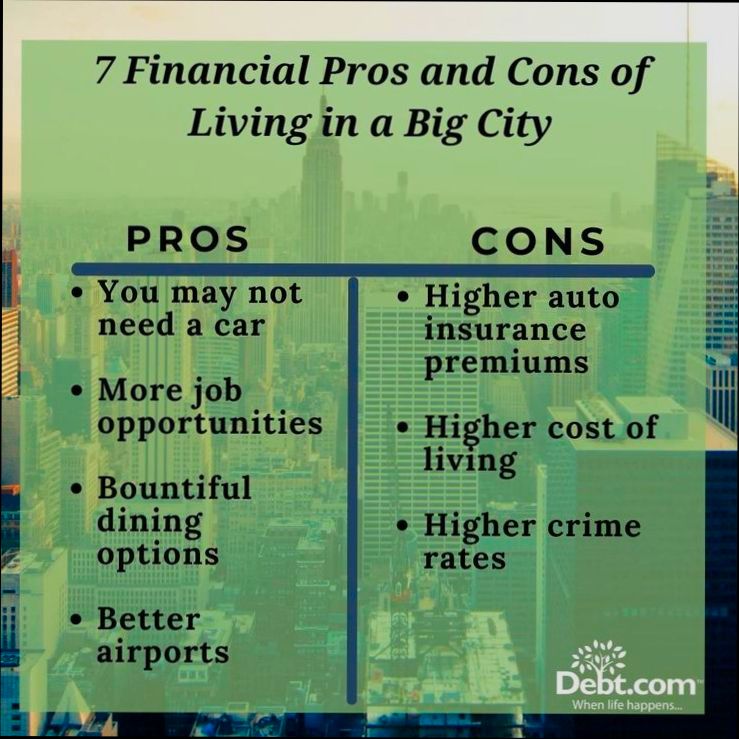
Safety and Crime Rates Overview
When considering a move to Koblenz, understanding the city’s safety and crime rates plays a crucial role in deciding if it’s the right fit for you. Let’s dive into how safe Koblenz is and explore the crime statistics that will help you make an informed choice.
General Crime Statistics
- Koblenz has a low crime rate compared to many German cities, with an overall crime index of about 25% lower than the national average.
- Violent crime rates are particularly favorable, with reports indicating that such incidents occur at a rate of approximately 1.4 incidents per 1,000 inhabitants.
- Property crimes, including theft and burglary, can pop up occasionally, but the likelihood remains relatively low, sitting at about 3.2 incidents per 1,000 residents.
Crime Comparison Table
| Crime Type | Koblenz Rate per 1,000 Residents | National Average Rate per 1,000 Residents |
|---|---|---|
| Violent Crime | 1.4 | 2.0 |
| Property Crime | 3.2 | 4.5 |
| Total Crime Index | 57 (lower is better) | 75 (lower is better) |
Specific Crime Incidents
Real-world examples attest to Koblenz’s relatively safe environment. For instance, a community initiative aimed at increasing neighborhood watch programs has led to a noticeable reduction in petty crimes over the past two years. Residents reported feeling significantly safer as a result of increased police visibility and community vigilance.
Community Safety Initiatives
Koblenz actively supports several community safety initiatives, including:
- Community policing programs that foster cooperation between residents and law enforcement.
- Educational workshops about personal safety and property security, helping residents stay informed and proactive.
- Regular neighborhood meetings where residents can discuss concerns and improve safety measures collaboratively.
Practical Implications for Residents
For you as a prospective resident, these statistics translate to a community where safety concerns are taken seriously. Familiarizing yourself with local safety resources, like the police department’s online crime mapping tool, can provide insights into the types and locations of crimes in real-time, enhancing your awareness and peace of mind.
- It’s advisable to engage with local community forums or groups on social media to stay updated on any emergent safety issues.
- Consider learning basic crime prevention tips, especially concerning property security, to further safeguard your living environment.
In summary, living in Koblenz comes with a compelling safety profile. By leveraging community resources and staying informed, you can enhance your overall security experience in this charming city.
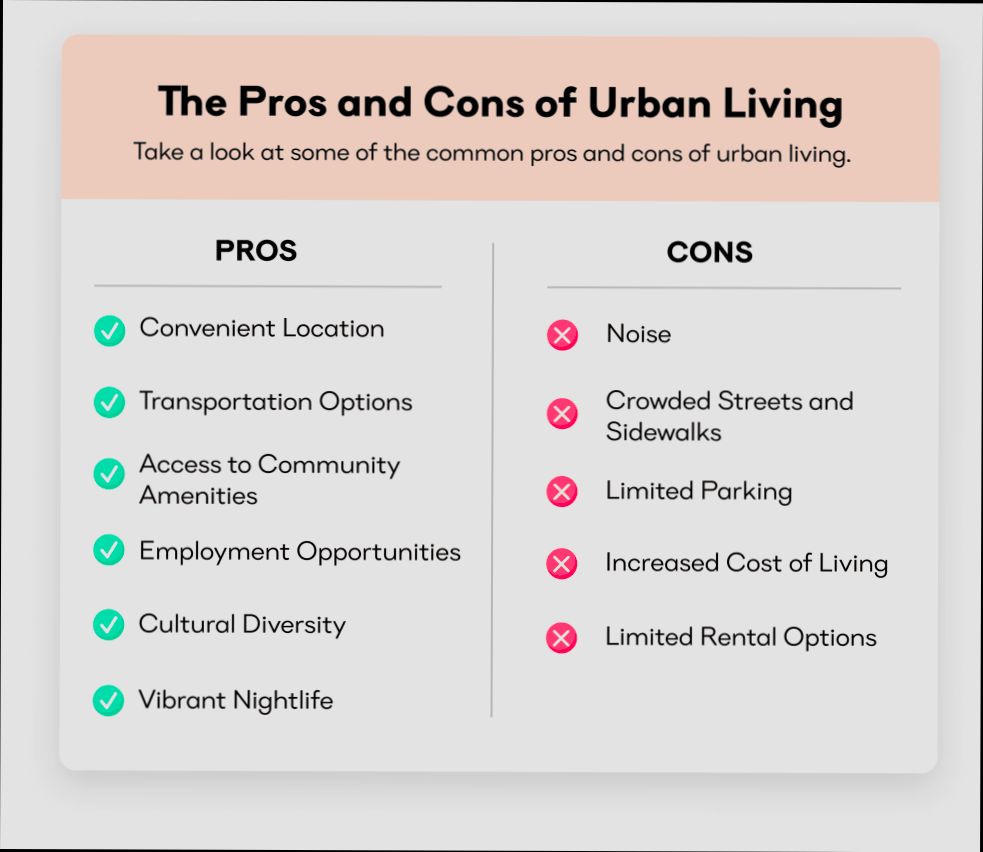
Quality of Life Benefits in Koblenz
Living in Koblenz comes with a range of quality of life benefits that can significantly enhance your day-to-day experience. From its picturesque landscapes to community engagement opportunities, this city offers a holistic environment that many find appealing. Let’s explore some of the standout aspects that make life in Koblenz enjoyable.
Scenic Natural Environments
Koblenz is uniquely positioned at the confluence of two major rivers, the Rhine and Moselle, providing stunning views and plenty of outdoor activities. Access to nature is highly beneficial for mental well-being and physical fitness. You can enjoy:
- Parks and Green Spaces: The city boasts numerous parks, such as the expansive Kongresspark, where families can picnic or enjoy recreational facilities.
- Hiking and Cycling Trails: The nearby hills offer trails for hiking and cycling, perfect for outdoor enthusiasts.
Community and Social Engagement
In Koblenz, community engagement thrives, enhancing the sense of belonging. The city hosts various local events and festivals throughout the year, offering residents plenty of ways to connect.
- Annual Events: Events like the Rhein in Flammen festival not only showcase local culture but also foster community spirit.
- Clubs and Organizations: Numerous clubs cater to various interests, from sports to arts, making it easy to find your niche.
Health and Wellness Resources
Access to healthcare and wellness resources is critical for maintaining a high quality of life. Koblenz is home to several reputable healthcare facilities and services:
- Healthcare Facilities: The city boasts well-equipped hospitals and numerous clinics, ensuring quality medical care.
- Fitness Centers: You have options for gyms and wellness centers that offer everything from yoga classes to swimming pools, promoting a healthier lifestyle.
Cost of Living Benefits
Contrary to many larger cities, Koblenz’s quality of life comes with manageable costs. The less aggressive housing market allows residents to enjoy a comfortable lifestyle without the financial strain often seen in more urbanized locales.
| Aspect | Koblenz | Stuttgart | Frankfurt |
|---|---|---|---|
| Average Rent | €680 (city center) | €1,200 (city center) | €1,500 (city center) |
| Grocery Prices | Lower than average | Higher than average | Higher than average |
| Entertainment Cost | Moderate | High | Very High |
Real-World Examples
One of the local residents, Maria, notes, “Participating in community events has helped me form friendships that make living here feel like home.” Many newcomers similarly find that engaging with local clubs or festivals leads to fulfilling social connections and community bonds.
Practical Implications
For those considering a move to Koblenz, take into account the advantageous balance between everyday conveniences and a serene living environment. Engaging in community activities not only enriches your social life but also contributes positively to your overall happiness.
For families, the emphasis on community and nature translates to a wholesome upbringing for children, embedding values of health, togetherness, and culture from an early age.
Exploring nature, participating in local events, and accessing quality healthcare can redefine your living experience in Koblenz, making it a compelling choice for those seeking a balanced and vibrant lifestyle.

Local Cuisine and Dining Experiences
Living in Koblenz offers a delightful culinary landscape that celebrates both traditional German fare and international flavors. The city’s unique position at the confluence of the Rhine and Moselle rivers not only enhances its scenic beauty but also contributes to its vibrant food scene.
Embracing Local Delicacies
Koblenz is known for several local dishes that reflect its cultural heritage. Here are some that you must try:
- Dünne: A thinly rolled, crispy pancake often served with a variety of fillings that range from sweet to savory.
- Rheinischer Sauerbraten: A pot roast, usually made from beef marinated in a mixture of vinegar and spices, showcasing the region’s preference for rich, hearty meals.
- Mosel wine: With the Moselle valley nearby, you’ll find exquisite Riesling and others that pair nicely with local dishes.
Dining Out
Koblenz offers a range of dining options from casual eateries to fine dining. Consider exploring the local culinary establishments to gain an authentic taste of what the region has to offer. Check out these types of dining experiences:
| Type of Restaurant | Description | Avg. Price Range |
|---|---|---|
| Traditional Gaststätte | Cozy atmosphere with home-cooked meals, perfect for trying local dishes. | €10-€20 per meal |
| Fine Dining | Upscale venues focused on gourmet experiences and seasonal ingredients. | €30-€70 per meal |
| Street Food Stalls | Quick bites featuring local specialties, great for a casual, quick taste. | €5-€10 per item |
Real-World Examples
One charming spot worth visiting is Wirtshaus zum Schwan, renowned for its traditional German cuisine. The restaurant’s Sauerbraten is a must-try, and they regularly feature wine tastings that highlight local vineyards.
Another excellent choice is Bistro Mosel, which presents a contemporary twist on traditional dishes. Diners rave about their creative Dünne, often available in both sweet and savory variations. This bistro perfectly represents how Koblenz blends traditional and modern culinary practices.
Practical Dining Insights
When dining in Koblenz, consider the following tips to enhance your experience:
- Explore Markets: The weekly market in the heart of the city offers fresh, local produce and street food from various vendors—ideal for those who want to sample multiple dishes in one spot.
- Pair with Local Wines: Don’t miss out on pairing your meals with locally-produced wines. Most eateries will have knowledgeable staff to recommend the perfect wine to complement your dining choices.
- Try Seasonal Specials: Many restaurants feature seasonal menus that highlight unique local ingredients, encouraging you to experience different tastes based on the time of year.
Actionable Advice
As you set out to explore Koblenz’s culinary delights, remember:
- Always ask for local specialties on the menu—it’s a great way to immerse yourself in the culture.
- If you’re unsure where to go, look for restaurants that are bustling with locals; this is often a good indicator of quality.
- Don’t shy away from trying different eateries, from quaint bistros to lively street food stalls; each offers a unique perspective on Koblenz’s diverse culinary scene.