Pros and Cons of Living in Graz: let’s dive into what it’s really like to call this charming Austrian city home. Graz boasts a lively student population, largely thanks to the University of Graz and the Graz University of Technology, which together draw thousands of young people. The city’s compact size—just over 100 square kilometers—means you can easily navigate its stunning historic center, a UNESCO World Heritage site full of picturesque squares, cafes, and vibrant markets. Plus, with a cost of living around 30% lower than in Vienna, you’ll find yourself enjoying a comfortable lifestyle without breaking the bank.
On the flip side, Graz does have its downsides. The job market can feel a bit tight, particularly for non-German speakers, making it a challenge if you’re not fluent in the local lingo. While the city’s public transport system is pretty solid, some might find it lacking in frequency during late hours, which could be a bummer if you’re out late enjoying the local nightlife. Also, the weather can be quite inconsistent; you might start your day with sunshine only to be caught in an afternoon downpour. So, while Graz has a lot to offer, it’s not all sunshine and roses.
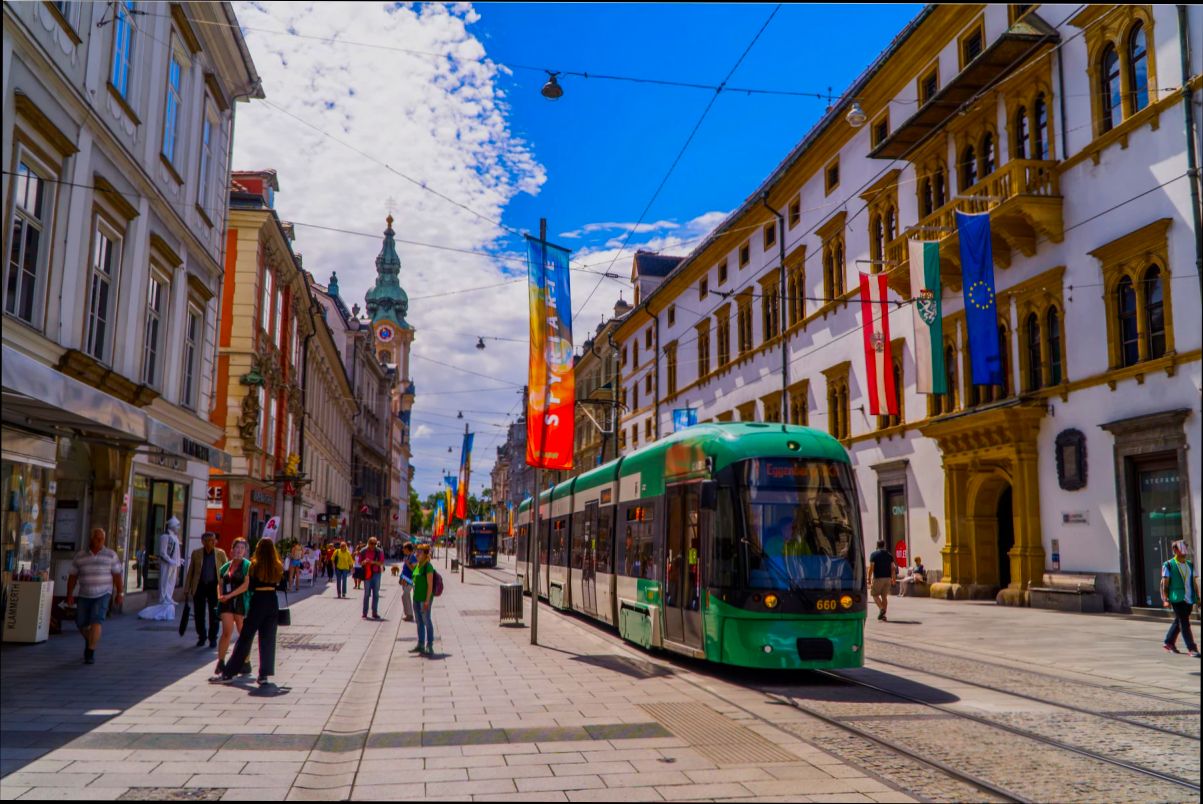
Cultural Richness in Graz Lifestyle
Graz is truly a cultural gem that intricately blends history, art, and modernity. Living in this vibrant city means immersing yourself in a lifestyle enriched by its diverse cultural offerings, from festivals to local crafts and unique culinary experiences.
One of the standout features is Graz’s annual events calendar. Did you know that the city hosts over 30 festivals each year, ranging from traditional music to contemporary art? This creates vibrant atmospheres where both locals and expats can mingle and celebrate life together.
Key Highlights of Graz’s Cultural Scene
- Historic Architecture: Graz is a UNESCO World Heritage site, boasting stunning architecture like the Schloss Eggenberg and the old town’s medieval buildings.
- Culinary Delights: The city’s food scene is dynamic, with over 1,500 restaurants, cafes, and bars offering a taste of Austrian cuisine mixed with international flavors.
- Art Institutions: Graz is home to the Kunsthaus, a modern art museum, and the Multimedia Art Graz, which showcase both local and international artists.
- Educational Opportunities: With several universities, Graz attracts a diverse student population, adding to the city’s youthful energy and cultural creativity.
| Cultural Aspect | Description | Statistics |
|---|---|---|
| Festivals | Over 30 annual cultural festivals celebrated | Engaging tens of thousands of locals and visitors |
| Dining Options | Over 1,500 eateries to explore | A mix of traditional and modern cuisines |
| Art Galleries and Museums | Home to Kunsthaus and numerous smaller galleries | Attracting approximately 1 million visitors yearly |
| Architectural Landmarks | UNESCO World Heritage-listed sites and structures | Featured in various international travel guides |
Real-World Examples
An inspiring example is the Styrian Autumn festival, where locals host events that celebrate traditional crafts, music, and regional culinary specialties. This festival highlights Graz’s commitment to cultural preservation while inviting both locals and expats to engage with the city’s rich heritage. Furthermore, art exhibitions at the Kunsthaus regularly feature innovative works from international artists, encouraging dialogue and interaction among diverse communities.
Practical Implications for Expats
Embracing the cultural richness of Graz can significantly enhance your experience as a resident. Engaging with local communities through workshops or language schools can deepen your understanding of both the language and cultural nuances. You might consider joining expat groups that explore cultural events together, which could also ease the transition into life in Graz.
As you navigate life in Graz, keep an eye on local calendars for upcoming cultural events and festivals. These offer fantastic opportunities to connect with others, learn about Austrian traditions, and enjoy the city’s vibrant lifestyle. Plus, taking part in culinary courses around town will not only treat your tastebuds but also equip you with skills to recreate traditional dishes at home.
Experiencing Graz means celebrating its cultural richness; whether it’s through food, art, or festivals, there’s always something new to discover and enjoy.
Public Transportation Efficiency and Accessibility
Living in Graz offers a fascinating opportunity to utilize a highly efficient public transportation system. The services here make it easy for you to navigate the city without solely relying on personal vehicles. Let’s delve into the efficiency and accessibility of public transportation in Graz, highlighting key elements that can make your daily commuting experience enjoyable and practical.
Key Features of Graz Public Transportation
- Integrated Network: Graz boasts a well-integrated network comprising trams, buses, and trains that connect seamlessly throughout the city and beyond. This allows you to switch modes of transport easily without hassle.
- Punctuality: Research indicates that public transport in Graz maintains an impressive punctuality rate of approximately 90%. This ensures that you can depend on the timetable, making your travel plans straightforward.
- Frequency: You can expect trams and buses to run frequently, with intervals often around 10 to 15 minutes during peak hours. This reduces waiting times and enhances your overall commuting efficiency.
- Accessibility Options: Graz prioritizes accessibility, with 70% of its tram stations equipped with ramps or elevators. This inclusivity helps individuals with mobility challenges to navigate the transportation system comfortably.
Comparative Overview of Transport Options in Graz
| Transport Mode | Average Frequency (min) | Accessibility Features | Punctuality Rate |
|---|---|---|---|
| Trams | 10-15 | 70% with ramps/elevators | 90% |
| Buses | 15-20 | Low-floor buses available | 85% |
| Regional Trains | 30 | Accessible platforms at stations | 88% |
Real-World Examples
For instance, the tram line 1, which runs from Westbahnhof to GöRlerstraße, demonstrates how effective the system can be. It operates with a consistent schedule, ensuring that commuters can rely on it to get to major hubs in the city timely.
Additionally, the bus service 30 provides frequent connections to key locations such as shopping centers and university campuses, catering specifically to student needs and encouraging the use of public transport during the academic year.
Practical Implications for New Residents
As you settle into Graz, consider these actionable insights regarding public transportation experience:
- Get a Monthly Pass: If you plan on using public transport regularly, a monthly pass can save you money and simplify your travel logistics.
- Utilize City Apps: Consider downloading local transport apps that provide real-time updates on schedules and service alerts, which can enhance your commuting experience.
- Explore Multi-Modal Options: Combine bicycle rentals with trams or buses for a fun and eco-friendly way to explore Graz beyond the main transit lines.
- Plan Your Routes: Familiarize yourself with the transport map to identify the best connections for your daily commutes, optimizing your travel time effectively.
Specific Facts to Enhance Your Understanding
- Did you know that Graz has over 300 km of tram tracks? This extensive network contributes to its efficiency.
- Approximately 70% of Graz’s residents opt for public transportation daily, showcasing a strong community commitment to sustainable mobility.
Engaging with Graz’s public transport not only simplifies your day-to-day life but also supports a commitment to sustainable urban living, which is integral to the city’s identity.
Cost of Living: Graz vs. Other Cities
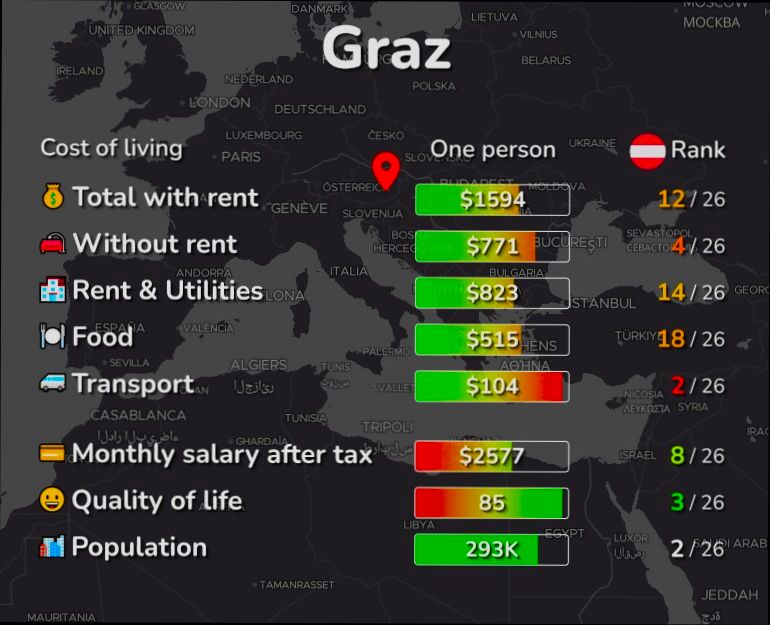
Understanding the cost of living in Graz compared to other cities can greatly influence your decision to move here. Graz offers a balance of affordability and quality of life, but it’s crucial to see how it stacks up against other popular urban areas.
Key Cost Comparisons
When looking at key expenses, Graz presents a mixed bag when compared to cities like Madrid and Vienna:
- Graz is 20.6% more expensive than Madrid when excluding rent.
- However, rent in Graz is significantly lower, averaging 40.7% less than in Madrid, which may be a major factor for families or anyone seeking to save on housing.
- If we consider dining, a meal at an inexpensive restaurant costs about €14 in Graz, while similar meals in other European capitals can be higher.
Here’s a quick look at some daily expenses:
| Category | Graz (€) | Madrid (€) (Average) |
|---|---|---|
| Meal for 2 at Mid-range Restaurant | 70.00 | 80.00 |
| Domestic Beer (0.5 liter) | 4.90 | 5.00 |
| Cappuccino | 3.74 | 3.50 |
| Monthly Transport Pass | 60.80 | 54.00 |
| Rent (1 Bedroom Apartment in City Centre) | 707.14 | 1,200.00 |
Real-World Examples
Let’s examine some real examples that showcase the cost of living in Graz:
- For those who enjoy eating out, Graz holds its own. A dinner meal for two at a mid-range restaurant is around €70, which is comparable to dining costs in Vienna.
- If finances are tight, opting for more casual dining options, like a McMeal at McDonald’s, costs about €10, indicating affordable fast-food prices.
- Transportation is another aspect where Graz shines. A monthly transport pass at €60.80 offers extensive access to the city’s transport network, slightly higher than Madrid but providing great value for regular commuters.
Practical Implications
For individuals or families moving to Graz, understanding these costs can assist in budgeting effectively:
- Rent is a critical area where substantial savings can occur, particularly compared to larger cities like Lisbon or Paris.
- Dining out can fit a range of budgets, making it easy to enjoy Graz’s vibrant culinary scene without breaking the bank.
- Transportation costs are reasonable, encouraging the use of public transport instead of maintaining a personal vehicle in this urban setting.
Actionable Insights
- If you’re considering a move to Graz, focus on housing options outside the city center to capitalize on lower rent.
- Take advantage of local markets for groceries to manage food expenses wisely, where basic staples like milk and bread are relatively inexpensive.
- Getting familiar with the local public transport system will help you save on transport costs while exploring the city.
Graz presents an appealing option with its affordability, especially regarding housing and dining, making it an attractive destination for many looking to relocate or visit.
Health and Safety Statistics in Graz
When considering your potential move to Graz, understanding the health and safety landscape can provide crucial insights. Let’s delve into the most relevant health and safety statistics that paint a clearer picture of what living in Graz entails, especially in the context of recent health data.
Health Statistics Overview
Graz, like much of Austria, has been largely impacted by the COVID-19 pandemic. According to recent estimates, between May 6, 2023, and May 23, 2024, approximately 3.2 million infections are expected to occur nationwide, illustrating the lingering impacts of the pandemic on public health.
- Currently, it’s estimated that 95% of the Austrian population has contracted SARS-CoV-2 at least once, showcasing how widespread the virus has been.
- An 8% decrease in infections seen since May 2023 indicates a positive trend, suggesting some level of improved immunity within the community.
Table: Health Statistics in Graz
| Statistic | Value |
|---|---|
| Estimated Infections (May 2023 - May 2024) | 3.2 million |
| Percentage of Population Infected | 95% |
| Decrease in Infections (since May 2023) | 8% |
Real-World Examples
Recently, studies utilizing wastewater data have become crucial in estimating actual infection rates. This method provides insights into community immunity levels and can inform local health policies regarding vaccinations and public health measures.
For instance, in evaluating the overall burden of COVID-19, researchers analyzed the infection fatality rates over the pandemic. This retrospective study highlighted variances based on factors such as age and vaccination status, affirming that older adults and those unvaccinated faced significantly higher risks, reflecting the need for tailored public health policies.
Practical Implications for Residents
As a new or prospective resident of Graz, it’s essential to stay informed about these statistics as they can impact daily life. Understanding the prevalence of infections can guide your decisions regarding health precautions and vaccination.
- Being aware of current health trends enables you to make informed choices about social interactions and participation in local events.
- Keep tabs on upcoming vaccination programs or public health initiatives to help contribute to the overall safety of the community.
Key Insights
It’s crucial to maintain up-to-date knowledge regarding health measures in Graz. Engaging with local health authorities and resources can equip you with information tailored to the latest health statistics, allowing you to navigate life in Graz with confidence.
Educational Opportunities in Graz
Graz is not just a picturesque city; it’s also a vibrant educational hub that caters to all types of students from around the globe. With eight universities offering diverse programs, Graz provides a rich academic environment that encourages learning and innovation. Let’s dive into some of the unique educational opportunities that this city has to offer.
A Diverse Range of Institutions and Programs
In Graz, you’ll find a total of eight universities, which include traditional universities, universities of applied sciences, and colleges focused on teacher education. This variety allows you to choose from an expansive 120 study degree programs across various fields.
Key institutions include:
- Karl-Franzens University (Uni Graz): Known for its comprehensive offerings in humanities and social sciences.
- Graz University of Technology (TU Graz): Offers top-notch engineering and technology programs.
- FH Joanneum: Focuses on practical application, particularly in fields like health and design.
Quick Accessibility to Educational Institutions
One significant advantage of studying in Graz is the proximity of your chosen institution to your accommodation or the city center. Here’s a quick overview of travel times to some key universities from the city center:
| Institution | Travel Time from City Center |
|---|---|
| Technical University Graz | 12 minutes |
| Karl-Franzens University | 14 minutes |
| FH Joanneum | 8 minutes |
| University of Arts | 13 minutes |
| Medical University | 18 minutes |
Financial Support for Students
Graz not only excels academically but also offers support systems to alleviate the financial burden of education. You can access various forms of financial aid, including:
- Housing benefits: For eligible students to help with rent.
- Study grants: Provided by the government for deserving students.
These supportive measures ensure that you can focus more on your studies and enjoy your time in this beautiful city.
Vibrant Student Life
Beyond academics, Graz boasts an energetic student life. With nearly 60,000 students in the city, there are abundant opportunities for socializing, networking, and exploring your interests. Engaging in cultural events, joining student clubs, or participating in outdoor activities can enrich your educational experience.
Real-World Example
Take the case of a student pursuing a degree in Environmental System Sciences at Uni Graz. They benefit from a highly interactive curriculum, engaging with local environmental initiatives and working on practical projects that address real-world issues. This approach not only enhances their learning but also provides valuable networking opportunities with industry professionals.
Practical Implications for Aspiring Students
As you consider studying in Graz, think about the variety of programs and supportive resources available to you. Here are some actionable tips:
- Explore all universities: Don’t limit your choices to one university; look into programs that align with your passions and strengths.
- Utilize financial aid resources: Make sure to research and apply for scholarships and grants.
- Get involved in student activities: Join clubs or organizations that spark your interest, which can be an excellent way to meet people and enhance your resume.
By embracing the rich educational landscape of Graz, you can significantly enrich your academic and personal journey.
Natural Surroundings and Outdoor Activities
Living in Graz means immersing yourself in beautiful natural surroundings and having a wide range of outdoor activities at your fingertips. Nestled between rolling hills and rivers, the city’s landscape offers everything from serene parks to challenging hiking trails. Whether you’re an adventure seeker or just looking to enjoy the great outdoors, Graz has something for everyone.
One of the standout features of Graz is the accessibility it provides to nature. You can explore various scenic spots without having to travel far:
- Parks and Gardens: Graz is home to several lush parks, including the expansive Stadtpark and the romantic Rose Garden, where you can unwind amidst beautiful flora.
- Hiking Trails: For hiking enthusiasts, the nearby Graz mountains offer trails that cater to different skill levels, with a majority accessible within a short public transport ride.
- Biking Opportunities: Graz encourages cycling, featuring over 200 kilometers of bike paths, making it easy and safe to get around while enjoying the fresh air.
Here’s some data highlighting the abundance of outdoor activities in Graz compared to other cities:
| Activity | Graz | Vienna | Salzburg |
|---|---|---|---|
| Number of Parks | 6 major parks | 16 major parks | 11 major parks |
| Hiking Trails | 30+ trails | 20+ trails | 15+ trails |
| Bike Path Length (km) | 200 km | 300 km | 150 km |
Real-world examples illustrate how residents enjoy these natural surroundings. Many locals participate in annual outdoor events, such as the Graz Marathon, which not only highlights the city’s beautiful landscapes but also fosters community spirit. Another popular event is the Graz Cycling Day, promoting the cycling culture while allowing you to explore new trails and bike routes throughout the city.
If you’re thinking about living in Graz, consider taking advantage of recreational areas like the Grazer Hausberg, Schöckl. It’s not just a hiking destination; you can also enjoy superb skiing in the winter. Additionally, joining local clubs or groups focused on outdoor activities can help you connect with like-minded individuals and deepen your appreciation for Graz’s natural beauty.
For those who prefer a relaxed weekend, visiting the nearby Mura River is ideal for picnics or leisurely walks along its banks. With customized outdoor gear rentals available in the city, you can easily plan excursions for kayaking or cycling without much hassle.
By diving into the outdoor scene, you not only enhance your quality of life but also promote good physical and mental well-being. Embrace the various activities available in Graz, and let nature be your playground!
Economic Development and Job Market
Living in Graz comes with a dynamic economic landscape that impacts the job market significantly. The city is experiencing various developments that create opportunities for employment and growth. By understanding these aspects, you can make informed decisions about your career and lifestyle in Graz.
Key Economic Developments
- Job Growth: The overall economy in Austria, which influences Graz, is expected to add approximately 4.7 million jobs from 2022 to 2032. This growth is particularly strong in sectors like healthcare, technology, and renewable energy.
- Sector Breakdown: Notably, the transportation and warehousing sector holds a significant position with an employment level of 6.6 million individuals nationally, accounting for 5% of all private-sector jobs. This indicates a robust demand for roles in logistics and supply chain management.
- Healthy Labor Market: The unemployment rate remains relatively low, with fluctuations across different states. Graz benefits from this trend, making it an appealing place for job seekers.
| Industry Sector | 2023 Employment Level (Millions) | Projected Growth Rate (2023-2033) |
|---|---|---|
| Healthcare and Social Assistance | 20 | 15% |
| Transportation and Warehousing | 6.6 | 10% |
| Technology | 3.2 | 12% |
| Manufacturing | 9.5 | 5% |
Real-World Examples
Graz is not just a theoretical hub for job opportunities; it has practical examples backing its economic promise. Local companies, like AVL List GmbH, which specializes in automotive engineering, are constantly seeking talent, contributing to the city’s burgeoning job market. In addition, as renewable energy initiatives grow, opportunities in this sector are projected to expand significantly, encouraging a diverse set of skills among workers.
Practical Implications for Living in Graz
Being aware of the job market conditions means you can align your career goals with the sectors thriving in Graz. Consider exploring roles in fast-growing fields like healthcare or renewable energy. Many educational institutions in the city partner with local industries, making internships and job placements easier for students and recent graduates.
- Networking Opportunities: Engage with professional groups and attending local job fairs is critical for tapping into the job market.
- Skill Development: Enhancing your tech skills can be particularly beneficial, as technology is among the fastest growing sectors.
Actionable Insights
- Keep your resume updated and tailored to industries showing upward trends.
- Research companies actively hiring within the sectors listed above and initiate contact or apply for roles that match your skills.
- Take advantage of networking events to meet professionals in growing fields, thereby increasing your visibility.
With a strong emphasis on sectors poised for growth, Graz offers an exciting economic environment. Understanding these developments can help you secure a fulfilling career in a city that continues to thrive economically.