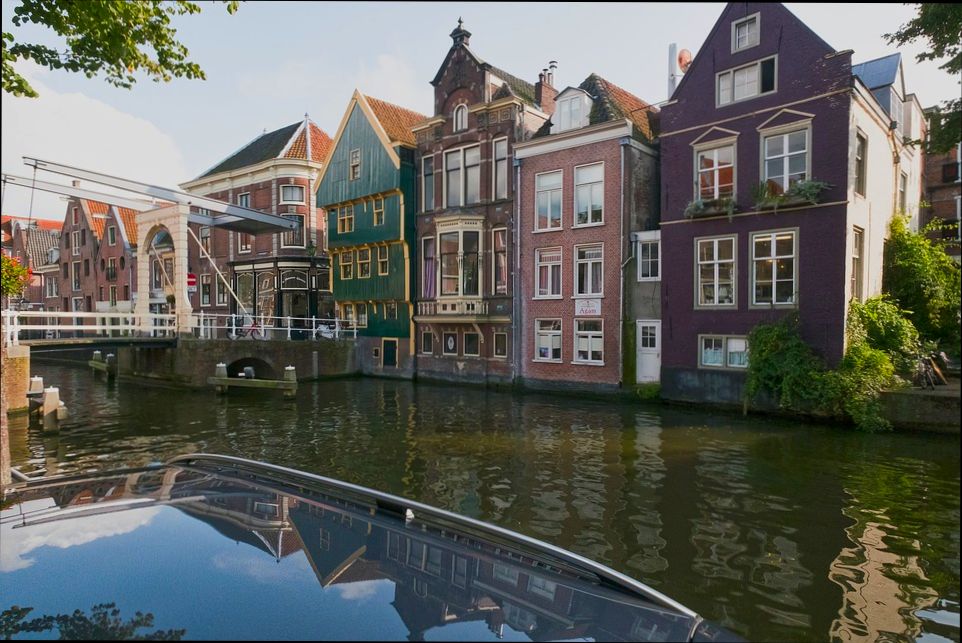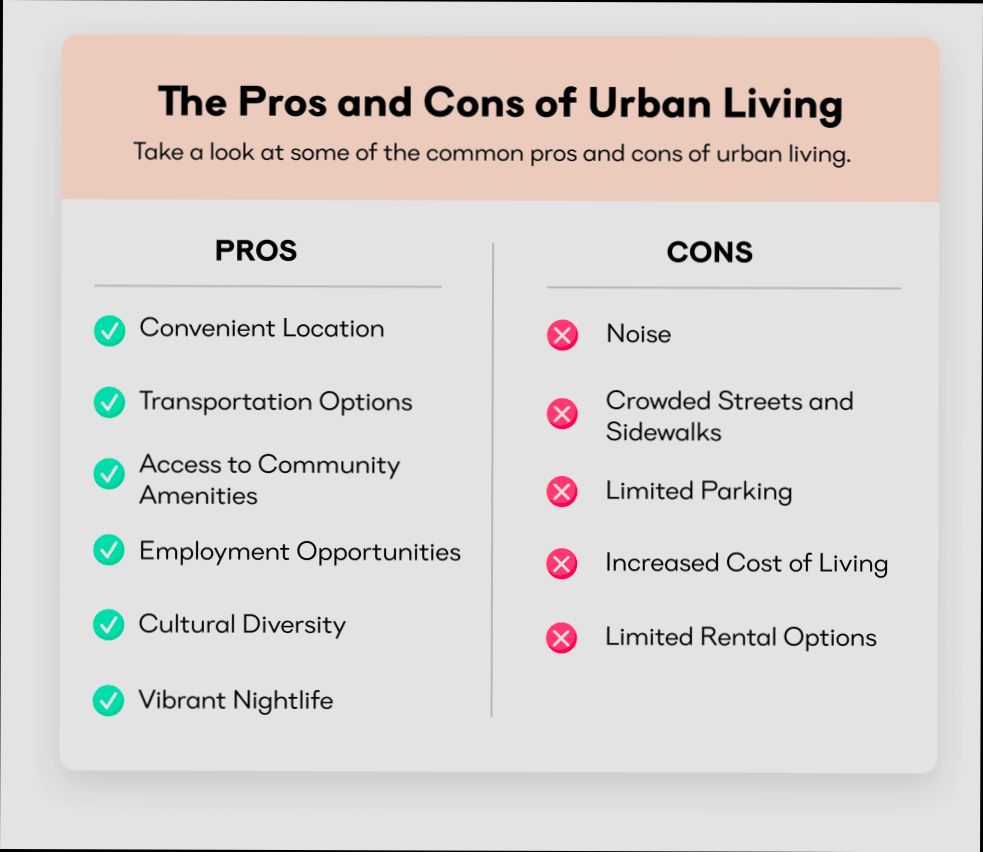
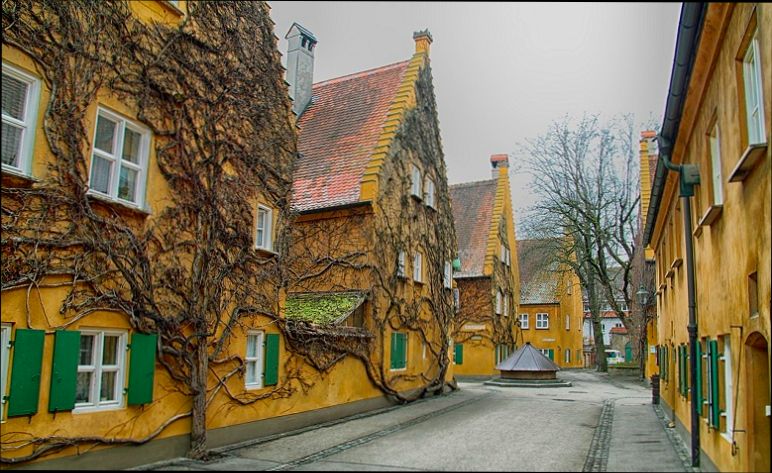
Pros and Cons of Living in Augsburg present a mixed bag that’s worth exploring. On the plus side, Augsburg is rich in history and culture; you can stroll through Fuggerei, the world’s oldest social housing project, and feel the charm of a city that dates back over 2,000 years. With a population of around 300,000, it’s not too big to feel overwhelming but still offers plenty of amenities. Plus, you can enjoy a lower cost of living compared to larger cities like Munich, with average rents hovering around €10 per square meter.
On the flip side, winter can be brutal here, with temperatures often diving below freezing. If you’re not a fan of the cold, you might find the long, dreary months challenging. Public transport is reliable, but some areas might require a bike or a car for convenient travel. And while the city boasts a variety of recreational activities, some locals feel there could be more vibrant nightlife options or events to keep them entertained in the evenings. If you’re considering a move, these factors can greatly influence your experience.
Cost of Living Analysis in Augsburg
Understanding the cost of living in Augsburg can significantly impact your decision to move here. Let’s dive into the specifics of what you can expect in terms of expenses and how they compare to other locations.
Housing Costs
Housing in Augsburg is relatively affordable compared to larger German cities. On average, you can expect:
- Rent for a one-bedroom apartment in the city center: approximately €900 per month
- Rent for a similar apartment outside the city center: around €700 per month
Such pricing makes Augsburg attractive for those looking for reasonable living arrangements without sacrificing city perks.
Transportation
Transportation costs can also vary, but public transit in Augsburg is efficient and budget-friendly. Here are some key figures:
- A monthly public transportation pass: around €60
- Individual tickets for buses and trams: about €2.80 each
This affordability makes it easy to navigate the city and beyond without the ongoing costs of car ownership.
Groceries and Dining
When it comes to daily expenses, groceries and dining out add up but remain manageable:
- Average monthly grocery expenditure for one person: approximately €200-€300
- A meal at an inexpensive restaurant: around €12-€15
These costs offer you a balanced lifestyle, whether cooking at home or enjoying a night out.
Health and Insurance
Healthcare and insurance are essential parts of living in Germany. In Augsburg, here’s what you can expect:
- Health insurance (if you are working): about €300-€400 per month for standard coverage
- Basic medical visit (without insurance): around €50
Health-related costs can be significant but are usually mitigated by insurance, which is crucial for a long-term stay.
| Expense Category | Cost Per Month | Notes |
|---|---|---|
| Rent (1-bedroom city center) | €900 | Average cost |
| Public transport (monthly pass) | €60 | Unlimited travel in city |
| Groceries (individual) | €200-€300 | Depends on dietary needs |
| Health insurance | €300-€400 | Standard coverage |
Real-World Examples
Consider a young couple living in Augsburg; they might spend about €1,800 monthly on average, covering rent, groceries, transportation, and health insurance. This cost compares favorably against cities like Munich or Frankfurt, where similar expenses can easily exceed €2,500.
Practical Insights
When planning your budget for moving to Augsburg, take these actionable steps into account:
- Explore neighborhoods outside the city center to find more affordable housing options.
- Consider public transportation for commuting to save on parking and gas costs.
- Budget for health insurance early in your planning to ensure you’re covered against unexpected medical expenses.
By keeping these considerations in mind, you’re setting yourself up for a smooth transition to life in Augsburg.
Cultural Richness and Heritage Factors
Living in Augsburg offers a unique blend of cultural richness and historical heritage that deeply enriches daily life. From its UNESCO World Heritage Sites to vibrant festivals, the city weaves a rich tapestry of traditions and artistic expressions that reflect both its past and contemporary culture.
Key Aspects of Cultural Richness
1. UNESCO World Heritage Designations
Augsburg is home to historical sites recognized by UNESCO, such as the Fuggerei, the world’s oldest social housing complex still in use. The Fuggerei showcases Renaissance architecture and provides insight into social history.
2. Art and Performance
The city’s art scene is thriving, with over 30 galleries and numerous theaters, including the Augsburg State Theater. Each year, the theater hosts around 200 events that attract both locals and tourists, ensuring that cultural offerings remain robust and diverse.
3. Festivals and Events
Augsburg is renowned for its distinctive festivals, including the Augsburger Plärrer, one of the largest fairs in Bavaria. The fair draws over 1 million visitors annually, highlighting local culinary delights, arts, and crafts, thereby celebrating regional culture.
4. Museums and Galleries
There are more than 20 museums in Augsburg that cover everything from history and natural sciences to modern art. The Maximilian Museum, for instance, focuses on the city’s history and hosts a variety of exhibitions and educational programs throughout the year.
5. Culinary Heritage
Augsburg has a rich culinary culture that reflects its history, with traditional dishes like “Maultaschen” (German dumplings) being offered at local eateries and restaurants. The Gastronomy Guide indicates that over 100 well-established restaurants serve both traditional and modern dishes.
| Cultural Feature | Data Point/Statistic |
|---|---|
| UNESCO World Heritage Sites | Fuggerei, Augsburg City Hall, etc. |
| Annual Theater Events | Approximately 200 |
| Number of Festivals | 10 major festivals each year |
| Museums in Augsburg | Over 20 |
| Local Restaurants | More than 100 |
Real-World Examples
Take the Augsburger Puppenkiste, a famous puppet theater beloved by locals and tourists. This charming venue conducts over 300 performances a year and captivates audiences of all ages, emphasizing the city’s commitment to arts and culture.
Another notable aspect is the Augsburg Art Museum, which hosts stunning collections of modern art and rotates exhibitions that reflect contemporary issues. This museum not only promotes local artists but also brings international works to the public, enhancing cultural dialogue within the community.
Practical Implications
For you, immersing yourself in Augsburg’s rich cultural fabric can foster a greater sense of belonging. Engaging with local festivals can provide insight into customs and traditions that shape the community. Additionally, exploring museums and galleries can enhance your understanding of both local and European history.
Actionable Advice
- Attend local events to experience firsthand the richness of Augsburg’s culture. Participating in the Augsburger Plärrer allows you to explore local crafts and culinary treats.
- Schedule visits to at least two different museums to appreciate the range of historical and artistic expressions in the city. This will deepen your understanding of Augsburg’s heritage.
- Engage with community groups focused on local history or the arts to connect with like-minded individuals and enrich your experience in Augsburg.
Embracing the cultural richness and heritage of Augsburg not only adds layers to your living experience but also allows for personal growth and community connection.
Public Transport Accessibility Benefits
Living in Augsburg comes with a multitude of advantages, especially when it comes to public transport. The city boasts a well-developed public transport system that enhances mobility, connects communities, and offers numerous benefits for residents and visitors alike.
Key Benefits of Public Transport Accessibility
1. Cost-Effectiveness: Public transport is not only a cost-effective alternative to driving, but it also allows you to save on fuel and parking expenses. On average, a monthly public transport pass in Augsburg costs around €60, making it a budget-friendly option.
2. Ease of Access: Augsburg’s public transportation network includes buses and trams that serve almost every part of the city. This connectivity is especially beneficial for reaching popular destinations such as the Fuggerei and various museums without the hassle of finding parking.
3. Time Efficiency: With frequent service and punctual schedules, public transport helps you avoid the stress of driving in traffic. Research shows that using public transport can reduce commute times in urban areas by up to 30%, making your daily travels more efficient.
4. Sustainability: Opting for public transport helps reduce carbon footprints, contributing to a cleaner environment. Each journey you take via bus or tram decreases individual vehicle emissions, promoting sustainable city living.
Public Transport Comparison Table
| Transport Type | Average Monthly Cost | Environmental Impact | Accessibility |
|---|---|---|---|
| Bus | €60 | Low | High |
| Tram | €60 | Low | High |
| Private Car | €300+ | High | Moderate |
Real-World Examples
- Social Connectivity: Engaging with fellow expats is easier when utilizing public transport. You can meet new people at bus stops or on trams, making it a vibrant social hub. Many expats have reported forming communities by sharing rides to events through platforms like InterNations.
- Cultural Exploration: Public transport opens up avenues for exploring Augsburg’s rich cultural heritage. Easily accessible cultural sites, such as the Schaezlerpalais and Botanical Gardens, become part of your regular routines.
Practical Implications
Using the public transport system in Augsburg not only eases daily commuting but also integrates you into the local culture. Whether you’re heading to work, shopping, or attending community events, you will find the public transport network accommodating and efficient.
- For new residents, getting a monthly pass can simplify budgeting and transportation needs.
- Engaging with public transport can also lead to discovering community events and networking opportunities with fellow riders.
With these advantages in mind, using public transport becomes more than just a means of transportation; it’s a gateway to experiencing and thriving in Augsburg.
Job Market Trends and Employment Opportunities
When exploring job market trends and employment opportunities in Augsburg, you’ll find a dynamic landscape influenced by the city’s thriving economy, diverse industries, and educational institutions. Understanding these trends can help you make informed decisions if you’re considering a move to the area.
Key Job Sectors and Growth Areas
Augsburg’s job market is notably strong in several sectors:
- Manufacturing and Engineering: This sector remains one of the most resilient, employing around 24% of the local workforce. Augsburg is known for its engineering prowess, especially in machinery and automotive manufacturing.
- Health Care Services: With an aging population, the health care sector is anticipated to see growth of up to 15% in the next five years, creating numerous job opportunities.
- Technology and Startups: The tech scene in Augsburg has been fostering innovation, with a reported 20% increase in IT job postings since last year.
Employment Statistics
Here’s a snapshot of the employment landscape in Augsburg:
| Sector | Percentage of Workforce | Projected Growth Rate | Notable Companies |
|---|---|---|---|
| Manufacturing and Engineering | 24% | 5% per year | KUKA, MAN SE |
| Health Care Services | 15% | 15% in five years | Universitätsklinikum Augsburg |
| Information Technology | 8% | 20% in the next year | Wacker Chemie, Atos SE |
Real-World Examples
Several companies in Augsburg showcase the vibrant job market. For instance, KUKA, a global leader in automation technology, frequently provides apprenticeships and internships to local students, thereby directly contributing to the local employment landscape. Similarly, the Universitätsklinikum Augsburg is expanding its facilities and services, which translates to new job openings across various levels of medical and administrative roles.
Practical Implications for Job Seekers
If you’re eyeing a career in Augsburg, consider these actionable tips:
1. Skill Development: Focus on acquiring skills relevant to the booming sectors, particularly in IT and health care. Online courses and local workshops can elevate your employability.
2. Networking Opportunities: Engaging with local business events or tech meetups can increase your visibility and improve your chances of landing job interviews.
3. Leverage Local Job Boards: Websites specific to Augsburg frequently list job openings that may not appear on larger job-recruiting platforms, giving you the advantage of being first to apply.
4. Internships and Apprenticeships: Don’t overlook entry-level positions or internships that could pave the way to full-time employment, particularly in manufacturing and tech fields.
Key Takeaways
- Augsburg shows a promising job market with significant growth potential in sectors like manufacturing, health care, and technology.
- Staying updated on industry trends and actively engaging with the local job market can enhance your employment prospects.
- Consider continuing education and networking as vital components of your career strategy in Augsburg.
Environmental Sustainability Initiatives in Augsburg
Augsburg is genuinely dedicated to environmental sustainability, showcasing a range of initiatives that aim to foster climate action and ecological resilience. By implementing innovative strategies, the city has set a stellar example for others, and it’s exciting to explore the specific efforts that make living here appealing for those passionate about the environment.
Significant Achievements in Carbon Emissions Reduction
- Between 2016 and 2021, Augsburg successfully reduced per capita carbon emissions by over 20%. This remarkable figure is twice the initial target, demonstrating effective climate policies.
- Additionally, Augsburg’s municipal forest plays a crucial role in carbon capture, contributing significantly to the city’s overall sustainability efforts.
Notable Initiatives and Programs
- Blue City Climate Action Programme: This program outlines ambitious goals to achieve climate neutrality. It’s an integrated approach that includes various sectors, from transportation to energy efficiency.
- Forest Management: Augsburg, the largest municipal forest owner in Bavaria, boasts 7,700 hectares of managed forest land. This local treasure not only provides recreational opportunities but also improves air quality and supports biodiversity.
Comparative Table of Environmental Initiatives
| Initiative | Description | Impact |
|---|---|---|
| Carbon Emissions Reduction | 20% reduction in per capita emissions (2016-2021) | Significant ecological benefits |
| Blue City Climate Action Programme | Comprehensive strategy for climate neutrality | Optimize energy and transport |
| Municipal Forest | 7,700 hectares managed for recreation and ecology | Habitat preservation |
Real-World Examples
- The city forest was recently awarded Germany’s “Forest of the Year” title by the Association of German Foresters, highlighting its exemplary management and conservation practices.
- Local initiatives, such as community workshops on sustainable gardening and urban farming, promote ecological resilience and empower residents to engage in environmentally friendly practices.
Practical Implications for Residents
For residents and potential movers to Augsburg, these initiatives translate into tangible benefits such as improved air quality, ample green spaces for recreation, and a community strongly motivated towards sustainability. Engaging with municipal programs offers opportunities to contribute to ongoing efforts, whether through volunteering or participating in local events focused on environmental education.
Actionable Insights
As you consider making Augsburg your home, actively engage in the local environmental initiatives. Participate in tree planting events or energy conservation workshops to align your lifestyle with the city’s sustainability goals. Remember, every small action contributes to the larger goal of climate resilience in Augsburg.
Resident Testimonials and Real-Life Experiences
Living in Augsburg isn’t just about the numbers and statistics; it’s about the real-life stories and experiences that shape the community. From newcomers to long-time residents, people often share their journeys and insights that highlight what life is truly like in this charming Bavarian city.
Unique Experiences of Residents
1. Community Feel: Many residents rave about the strong sense of community in Augsburg. For instance, Anna, a local school teacher, mentions, “I’ve never felt more at home. The neighborhood feels like family; we celebrate festivals together and support local initiatives.” This communal spirit fosters lasting friendships and networks.
2. Diverse Food Scene: Tim, an expatriate from the UK, loves the culinary diversity in Augsburg. He notes, “You can find authentic international cuisine from all around the globe. I especially appreciate the farmer’s market on Saturdays where fresh produce and homemade goods are plentiful.”
3. Art and Culture: Emily, a graphic designer, highlights her artistic experiences, stating, “Living here has enhanced my creative side. The art scene is vibrant with galleries and murals throughout the city, and there’s always a local festival to spark inspiration.”
Resident Testimonials at a Glance
| Resident Name | Experience Highlight | Favorite Aspect |
|---|---|---|
| Anna | Strong community bonds | Local festivals |
| Tim | Culinary diversity | Farmer’s market |
| Emily | Vibrant art scene | Artistic inspiration |
Real-World Examples
James, a recent university graduate, shares that he found a job within three months of relocating to Augsburg. “I was surprised by how welcoming the job market was,” he explains. “Networking events are common, and I met many professionals willing to help newcomers.”
Additionally, sustainability advocate Clara mentions the city’s green initiatives: “Living in Augsburg means participating in eco-friendly projects. I’ve joined a community garden, which is not only good for the environment but also a wonderful way to meet neighbors.”
Practical Implications for Moving to Augsburg
- Engage with Community Groups: Participating in local clubs or volunteer opportunities can deepen your connection to the community, making the transition smoother.
- Explore Local Events: Keep an eye on community boards or social media for cultural events and gatherings. They provide great insight into the local lifestyle.
- Network Actively: Leverage networking events to gain job leads and social connections, as many newcomers find community through these routes.
It’s clear that each resident’s story contributes to a unique tapestry of life in Augsburg. Understanding these personal experiences can help prospective residents envision how they might fit into the fabric of this welcoming city. Discovering local traditions, actively participating in community life, or even finding a local favorite dish can turn your new house into a home.
Educational Institutions and Their Impact
When considering a move to Augsburg, it’s essential to understand the role of educational institutions in shaping the community and overall quality of life. Here, we can explore how these institutions influence various aspects, such as social dynamics, employment opportunities, and innovation.
Key Points on Educational Institutions
- Diverse Offerings: Augsburg is home to several prominent educational institutions, including the University of Augsburg and the Augsburg University of Applied Sciences. These universities bring together over 20,000 students from different backgrounds, enriching the local culture and fostering a vibrant academic atmosphere.
- Research Opportunities: The presence of these institutions contributes to innovation and research collaborations. For instance, the university partners with local industries, enhancing the city’s position as a hub for technological advancement, particularly in engineering and environmental sciences.
- Graduation Rates: The graduation rates in Augsburg’s universities stand impressively at approximately 80%. This high rate indicates a supportive academic environment, which can lead to better employment prospects for graduates within the region.
- Attracting Talent: Educational facilities also attract international students, boosting local economies and diversifying the workforce. Data indicates that around 15% of students at the University of Augsburg are international, creating a mix of cultures and ideas that actively benefits the community.
Comparative Table of Educational Institutions in Augsburg
| Institution | Type | Student Enrollment | Graduation Rate | Notable Programs |
|---|---|---|---|---|
| University of Augsburg | University | 20,000+ | 80% | Business, Law, Social Sciences |
| Augsburg University of Applied Sciences | Applied Sciences University | 7,000+ | 75% | Engineering, Media, Health Sciences |
| Hochschule für Politik Augsburg | Specialized University | 1,500+ | 82% | Political Science, International Relations |
Real-World Examples
A prominent example of the impact of educational institutions can be seen in the collaboration between the University of Augsburg and local companies in industries ranging from manufacturing to information technology. This partnership fosters internship opportunities, allowing students to gain real-world experience while contributing to local businesses.
Moreover, programs focusing on sustainability and environmental studies offered at these institutions include practical projects that directly work with city councils on projects aimed at reducing carbon footprints and promoting eco-friendly practices.
Practical Implications for Residents
As a resident in Augsburg, you can take advantage of the vibrant educational environment. If you’re considering further education or career development, the local universities provide numerous resources, workshops, and networking events that can enhance your prospects.
Students and graduates alike find engaging community initiatives that foster economic growth, leading to increased job openings in various sectors driven by the innovation stemming from academic research.
Specific Facts and Actionable Advice
- If you’re a student or planning to study, look into scholarship opportunities offered by the universities, many of which aim to attract international talent.
- Engage with local university career services, which often host job fairs and connect students with local businesses looking for fresh talent.
- Take part in community events organized by educational institutions to meet professionals and expand your network, facilitating future job placement opportunities.