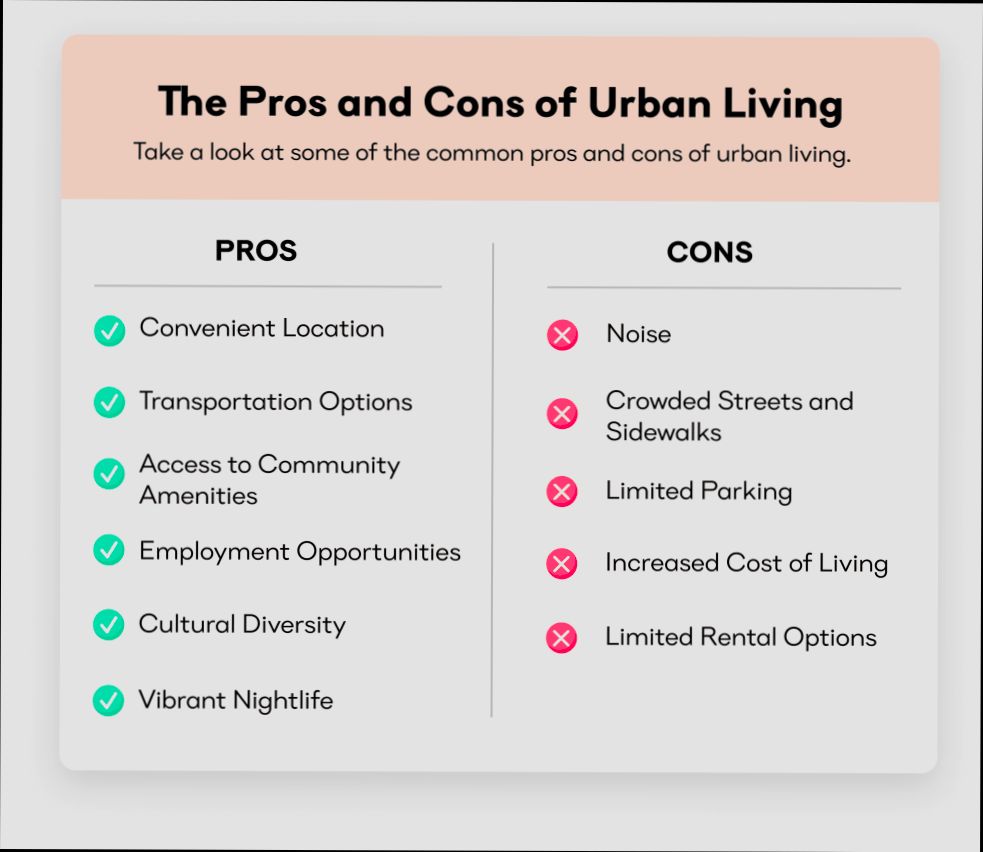
Pros and Cons of Living in Luton can paint quite the picture, especially if you’re thinking about making the move. On one hand, you’ve got solid transport links—Luton Airport is a mere 1.5 miles from the town center and offers flights to over 100 destinations. Plus, the train ride to London is about 30 minutes, making it super easy for those early morning commutes or spontaneous city outings. And let’s not forget the relatively affordable housing market; you can grab a decent three-bedroom house for around £300,000, which is a steal compared to prices in surrounding areas like London or Milton Keynes.
However, it’s not all sunshine and rainbows. Luton does grapple with a reputation for higher-than-average crime rates, especially in certain neighborhoods. In the past year, reports indicated that Luton had about 96 crimes per 1,000 residents, which is concerning for anyone considering safety. The town also features a somewhat limited selection of shops compared to larger cities; while you can find the usual suspects, independent boutiques are a bit sparse. So while Luton offers its perks, it’s essential to weigh the challenges against the benefits.
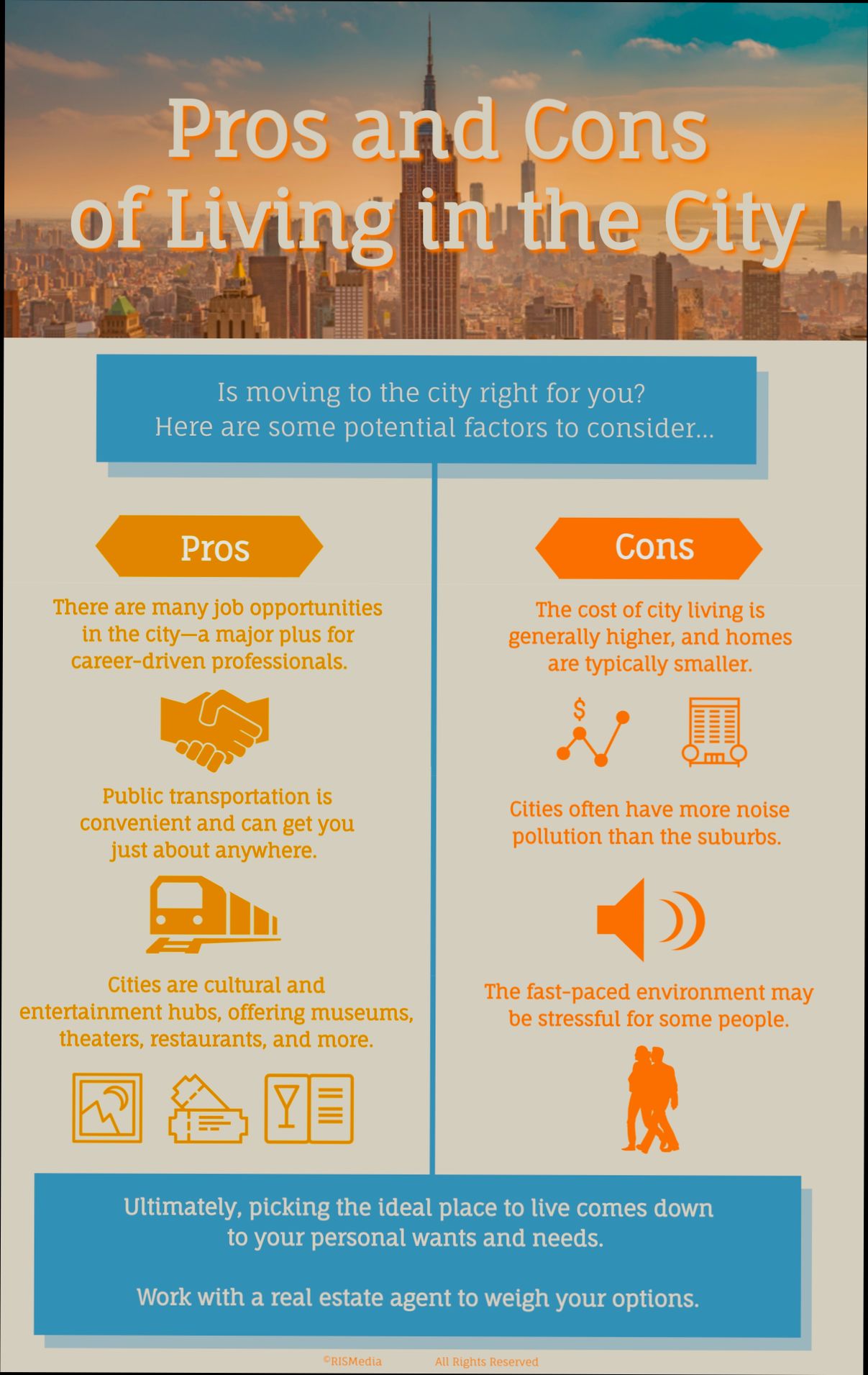
Economic Opportunities in Luton
Luton presents a vibrant landscape for economic opportunities, primarily driven by its diverse job market and strategic industries. Whether you’re a recent graduate, a professional seeking growth, or an entrepreneur, Luton has something valuable to offer.
Job Market Overview
The job market in Luton is substantial, with approximately 106,000 jobs available. This translates to a job density of 0.72, which means that there are not quite as many jobs as individuals in the working-age population, making the job competition an important factor to consider. Notably, the unemployment rate stands at 5.6%, which is slightly higher than the national average, indicating areas where job seekers may face challenges.
Key statistics to consider include:
- 32.6% of jobs are in Administrative and Support Service Activities.
- 10.3% of jobs are within the Wholesale and Retail Trade sector, which signifies strong retail opportunities.
- Human Health and Social Work Activities also account for 10.3% of roles, pointing to a solid health care sector for professionals.
Industry Breakdown
Here’s a closer look at the industrial job distribution in Luton:
| Industry | Number of Jobs | Percentage of Total Jobs |
|---|---|---|
| Administrative and Support Service Activities | 35,000 | 32.6% |
| Wholesale and Retail Trade; Repair of Motor Vehicles and Motorcycles | 11,000 | 10.3% |
| Human Health and Social Work Activities | 11,000 | 10.3% |
| Transportation and Storage | 9,000 | 8.4% |
| Education | 8,000 | 7.5% |
Real-World Examples
Luton is home to several major employers that bolster its economy. For example, the arrival of significant retail chains and health services has broadened job opportunities significantly. Local firms not only provide a diverse range of employment options but also support the local economy, creating a nexus of commerce that attracts further investment. Additionally, with over 54% of the working-age population possessing at least two A-levels, there is a strong educational base, positioning Luton as an attractive location for businesses seeking skilled labor.
Practical Implications
If you’re venturing into the job market in Luton, consider focusing on industries where the job density is higher. Administrative roles provide a wealth of opportunities, and healthcare professions continue to grow due to rising demand. Networking is also vital; consider attending local job fairs or community events to connect with potential employers.
- Explore training and development programs offered by local colleges to boost your skill set.
- Take advantage of Luton’s proximity to London, providing additional job prospects in neighboring regions.
Actionable Advice
Staying informed about economic trends in Luton can be beneficial. Keep an eye on employment reports from local authorities and consider participating in professional networks. By being proactive about your job search and career development, you can leverage the existing economic opportunities in Luton for your benefit.

Public Transport Accessibility and Challenges
Living in Luton comes with its own set of public transport advantages and challenges that can significantly impact your daily life. Understanding these can help you make informed decisions about getting around the city efficiently.
Key Points on Public Transport
Luton boasts a range of public transport options, but challenges persist:
- Bus Services: Luton has around 14 bus routes operated by various companies, providing decent coverage throughout the town. However, on average, bus delays can reach up to 30%, particularly during peak travel times, which may affect your daily commute.
- Train Connectivity: The Luton station connects to central London via Thameslink services, yet journey times can vary. For instance, you might spend anywhere from 24 to 50 minutes commuting to St Pancras, depending on the time of day and service frequency.
- Airport Access: Luton Airport is a significant transport hub, accessible via train and bus, but limited direct services to the airport can make transfers inconvenient, especially during late-night flights.
- Accessibility for Disabled Individuals: Despite improvements, only 50% of bus stops in Luton are fully accessible for wheelchair users, presenting challenges for mobility-impaired residents.
Public Transport Data Table
| Transport Type | Frequency | Accessibility Rate | Average Delay |
|---|---|---|---|
| Bus Services | Every 15-30 min | 50% | 30% |
| Train Services | Every 10-20 min | Station Accessibility: 70% | N/A |
| Airport Shuttle | Every 30-60 min | Limited Direct Access | N/A |
Real-World Examples
A local resident shared that they often rely on the bus to commute to work, facing challenges with delayed services that occasionally result in late arrivals. Another case involved a family with a member who uses a wheelchair, highlighting frustrations with the limited bus stop accessibility that requires lengthy detours or waiting for alternative transport options.
The train services are generally reliable but often overcrowded during rush hours, causing discomfort and longer waiting times for travelers. Commuters often recommend checking schedules online and planning ahead, particularly during peak periods.
Practical Implications for Residents
When using public transport in Luton:
- Plan Ahead: Always check the latest schedules and consider alternative routes, especially during peak hours or if you need to catch a flight.
- Utilize Apps: Leverage transportation apps to monitor real-time bus and train information. This can mitigate delays or disruptions during your journey.
- Advocate for Improvements: Engage with local advocacy groups focused on improving public transport access, particularly concerning disability accommodations.
Specific consideration of the public transport landscape in Luton sheds light on what to expect and how best to adapt for a smoother commuting experience.
Housing Market Trends and Affordability
Navigating the housing market in Luton can be a mixed bag, particularly when considering trends and affordability. With property prices fluctuating and a variety of housing options available, understanding the current landscape is crucial for anyone considering a move.
Current Housing Trends
In recent years, Luton has experienced notable shifts in its housing trends. Here are a few key points:
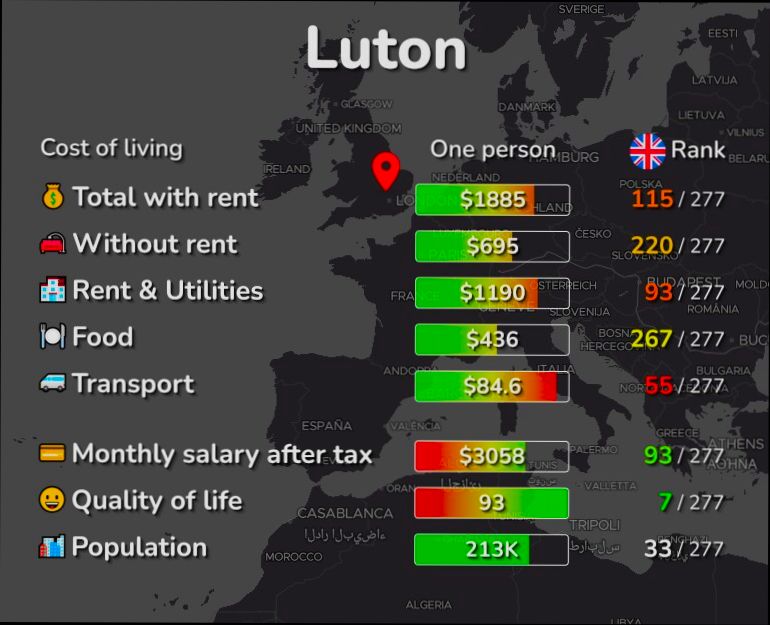
- Average House Prices: As of 2023, the average property price in Luton stands around £319,000, which shows a 5% increase from the previous year. This rise reflects growing demand driven by Luton’s improving economic outlook and its appeal as an accessible location for commuters to London.
- Rental Market: The rental market has also seen activity, with average rents for a two-bedroom apartment hovering around £1,200 per month. This represents a rental yield of about 5.2%, which might attract buy-to-let investors looking for favorable returns.
- First-Time Buyer Activity: The percentage of first-time buyers in Luton rose by approximately 15% in the last year, indicating that more individuals are taking the step onto the property ladder, often spurred by government incentives and relatively affordable prices compared to neighboring areas.
Comparative Housing Affordability
To provide a clearer overview of housing affordability in Luton, here’s a comparison of key metrics:
| Metric | Luton | London | Other Towns |
|---|---|---|---|
| Average House Price | £319,000 | £520,000 | £280,000 (e.g., Milton Keynes) |
| Average Rent (2-bed) | £1,200/month | £2,500/month | £900/month (e.g., Peterborough) |
| Percentage of Income Spent on Housing | 30% | 45% | 28% |
Real-World Examples
Considering real-world scenarios, many residents have shared their experiences navigating Luton’s housing market:
- Case Study: Sarah and Tom, first-time buyers, managed to purchase a three-bedroom house in Luton for £350,000. They found that the lower prices relative to nearby towns equipped them to secure a family home before significant price hikes anticipated in the next few years.
- Local Insights: A survey conducted among renters in Luton revealed that 68% feel that current rent prices are reasonable considering the amenities and transport links, which they believe will further increase property values due to the town’s ongoing development projects.
Practical Implications
Understanding the current housing market trends can empower you in making informed decisions:
1. Budgeting for Purchase: With an average price increase of 5% year-on-year, consider budgeting for a slightly higher amount than you originally planned if you’re looking to buy in Luton.
2. Renting vs. Buying: If you are contemplating renting, with average rental yields at 5.2%, it’s worth considering whether investing in property could be more beneficial in the long run.
3. Timing Your Move: Given the influx of first-time buyers, entering the market sooner rather than later might yield better opportunities as competition increases.
Remember, engaging with local real estate experts can provide tailored advice and up-to-date insights that could shape your housing decisions in Luton effectively.

Community Engagement and Local Culture
Living in Luton presents a unique tapestry of community engagement and local culture that invites residents to participate actively in various activities. Understanding this aspect of life here can help you connect more deeply with the community.
Diverse Cultural Landscape
Luton boasts a rich cultural diversity, with approximately 30% of its population being from ethnic minority backgrounds. This diversity enriches local culture through various festivals, art exhibitions, and cultural exchanges. Engaging with different cultural practices not only enhances community spirit but also fosters mutual respect and understanding.
Community Events and Participation
Here are some key community engagements you can look forward to:
- Luton International Carnival: Celebrated annually, this vibrant event features colorful parades, music, and dance. It attracts thousands of locals and visitors alike, fostering community bonds.
- The Luton Foodbank: A community-focused initiative where local residents come together to donate food and supplies to those in need, reflecting the kindness and support inherent in Luton’s culture.
Local Facilities and Spaces
Community centers, parks, and libraries play a crucial role in Luton’s cultural scene. For instance, the Inspire Luton Library offers events like book clubs and workshops, creating spaces for social interaction. This is complemented by approximately 40 community groups operating within the town, serving different interests—from arts and crafts to environmental initiatives.
| Feature | Description | Engagement Level |
|---|---|---|
| Luton International Carnival | Annual cultural celebration with performances | High |
| Inspire Luton Library | Offers workshops, events, and reading programs | Moderate |
| Local Community Groups | Around 40 groups catering to varying interests | Moderate to High |
Case Studies in Engagement
The Luton Somali Community Association stands out for its efforts to promote cultural integration and support for new residents. They create programs that connect newcomers with local traditions while also providing resources to adapt to life in the UK.
Another notable initiative is the Luton & Dunstable Hospital’s educational outreach. They organize health workshops that engage the local population in health education, addressing cultural-specific health topics and encouraging residents to take an active role in their health management.
Practical Considerations
As you consider moving to Luton, here are some actionable insights for engaging with local culture:
- Attend community events to meet residents and understand diverse cultural backgrounds.
- Volunteer with local organizations to build connections and positively impact the community.
- Utilize local libraries and community centers to find workshops that interest you, enhancing both skills and social networks.
Engaging with Luton’s Cultural Roots
Immerse yourself in Luton’s local culture by exploring art galleries showcasing local artists or participating in community-led historical tours. You’ll find that engaging with your new environment will enrich your experience and foster a sense of belonging. Aim to participate in at least one community event per month to build connections and truly appreciate the vibrant culture that Luton offers.

Quality of Education and Schools
Understanding the quality of education and schools in Luton is essential for families considering a move to the area. The educational landscape here presents a mix of opportunities and challenges, making it crucial to inform oneself about the available options.
Overview of Educational Institutions
Luton features a variety of educational institutions, from primary schools to secondary schools, and further education colleges. Here are some key points to consider:
- Primary and Secondary Schools: Luton has over 60 primary schools and around 20 secondary schools, providing a range of educational pathways for children.
- Ofsted Ratings: Approximately 70% of primary schools and 60% of secondary schools in Luton are rated as “Good” or “Outstanding” by Ofsted, indicating a generally favorable educational environment.
- Higher Education: The presence of the University of Bedfordshire offers further education opportunities, attracting a diverse student population.
Comparison of School Performance
| School Type | Number of Schools | % Good/Outstanding (Ofsted) |
|---|---|---|
| Primary Schools | 60+ | 70% |
| Secondary Schools | 20+ | 60% |
| Further Education | 1 University | 75% |
Notable Schools and Achievements
Several schools in Luton have gained recognition for their excellence. For example:
- Luton Sixth Form College: This institution has a notable reputation for its A-Level results, with many students achieving high grades, allowing them to progress to top universities.
- Stopsley High School: Recognized for its strong focus on student welfare and academic achievement, it has received commendations for effective teaching methods and community involvement.
Practical Implications for Families
When considering Luton for your family, take into account the following actionable insights regarding education:
- School Enrollment: Apply early for places in popular schools, especially in areas with high demand.
- Ofsted Reports: Review Ofsted reports to assess the strengths and weaknesses of schools your children may attend.
- Community Engagement: Many schools in Luton actively encourage parent participation, which can significantly enhance your child’s educational experience.
Additional Facts and Advice
- Diversity in Education: Many schools celebrate cultural diversity, offering additional support for non-native English speakers.
- After-School Programs: Numerous schools provide after-school activities and programs, enriching your child’s learning experiences and social interactions.
By understanding the educational options available in Luton, you can make informed decisions that best suit your family’s needs. Staying updated with school performance metrics and engaging with local communities will help in choosing the right educational path for your children.
Demographic Statistics of Luton Residents
Understanding the demographic statistics of Luton residents provides a clearer picture of the community you’ll be part of if you choose to live here. These statistics contribute significantly to the unique character of Luton and can influence both your experience and opportunities within the town.
Key Demographic Insights
- Population Size: As of the latest estimates, Luton has a population of approximately 225,000 residents.
- Age Distribution: The population is relatively young, with around 27% of residents aged under 16. Conversely, only about 15% are aged 65 and over, indicating a youthful demographic.
- Ethnic Diversity: Luton is home to a vibrant mix of cultures, with about 54% of residents identifying as part of an ethnic minority group. This includes significant communities of South Asian, Black African, and Eastern European origins.
- Gender Split: The gender ratio in Luton is fairly balanced, with approximately 49% of the population identifying as male and 51% as female.
- Household Composition: Around 30% of households in Luton are classified as single-person households, reflecting a diverse range of living arrangements and lifestyles.
Population Overview Table
| Demographic Metric | Percentage/Number |
|---|---|
| Total Population | 225,000 |
| Under 16 Age Group | 27% |
| Over 65 Age Group | 15% |
| Ethnic Minority | 54% |
| Single-Person Households | 30% |
Real-World Examples
Luton’s demographic diversity can be seen in various community events and cultural celebrations, such as the Luton Carnival and the Luton Mela, which attract participation from various ethnic groups, fostering community spirit. Schools in Luton reflect this diversity, with many offering bilingual education and resources in multiple languages to accommodate the needs of their students.
The youthful demographic also drives demand for services aimed at families and young professionals. For instance, the local leisure facilities and entertainment options cater to a younger audience and promote an active lifestyle, appealing to younger residents who prefer engaging community spaces.
Practical Implications
For those considering a move to Luton, the demographic statistics indicate a lively and diverse community atmosphere. This could enhance your social interactions and networking opportunities, especially if you value cultural events or community activities.
Additionally, with more than half of the population being part of ethnic minorities, you might find familiarity and comfort in a diverse living environment, which can be particularly appealing if you’re relocating from a similarly diverse area.
Actionable Facts
- If you’re looking for family-friendly services, consider neighborhoods with a higher percentage of residents under 16; you may find tailored educational and recreational programs that suit families.
- Engage with community groups that celebrate Luton’s multicultural environment, as these can enhance your experience and help you build connections with fellow residents from diverse backgrounds.
Health Services and Facilities in Luton
When considering a move to Luton, access to health services and facilities is undoubtedly a vital factor. The town offers a range of healthcare options designed to meet the diverse needs of its residents, including hospitals, clinics, and community health services.
Key Health Services Available
- Luton and Dunstable University Hospital: This is the largest healthcare facility in Luton, serving over 400,000 individuals annually. It provides comprehensive services, including accident and emergency care, maternity services, and specialist outpatient clinics.
- General Practitioners (GPs): There are numerous GP practices throughout Luton, totaling around 35 surgeries, which cater to the town’s population. This ensures that residents have convenient access to primary healthcare services.
- Mental Health Services: The NHS provides essential mental health services through the East London NHS Foundation Trust, which operates community mental health teams, crisis support, and various therapeutic services.
- Pharmacies: Luton hosts over 40 community pharmacies, offering not only medication dispensing but also essential health advice and immunization services. This adds to the overall accessibility of healthcare.
Health Services Comparison Table
| Service Type | Quantity Available | Key Features |
|---|---|---|
| Hospitals | 1 major hospital | 24/7 A&E, specialist services |
| GP Practices | 35 | Comprehensive primary healthcare |
| Mental Health Facilities | Multiple locations | Community support, crisis intervention |
| Community Pharmacies | 40+ | Medication, health advice, immunizations |
Real-World Examples
Luton and Dunstable University Hospital is often commended for its maternity services, where over 3,000 babies are delivered each year. Additionally, the focus on improving mental health care has led to the establishment of various community outreach programs aimed at reducing stigma and promoting mental well-being among residents.
In another example, the local NHS initiatives have increased the accessibility of healthcare during the pandemic. Mobile vaccination units rolled out across the town ensured that hard-to-reach populations received COVID-19 vaccinations, exemplifying proactive measures taken in public health.
Practical Implications for Residents
Knowing the array of health services available in Luton is critical for new residents. Here are some actionable tips:
- Register with a local GP: It’s beneficial to register at a GP practice soon after your move to ensure access to medical care when needed.
- Utilize pharmacies: Don’t hesitate to approach your local pharmacy for health advice, minor ailments, and vaccinations; they can save you time and effort.
- Explore mental health resources: Familiarize yourself with the mental health services available in Luton if you or someone you know may need support, as they offer a range of community-based solutions.
- Emergency Procedures: Make sure to know the closest hospital location and their emergency procedures, especially if you have children or special health needs.
By engaging with these health services, you can make informed choices that support your well-being in Luton.