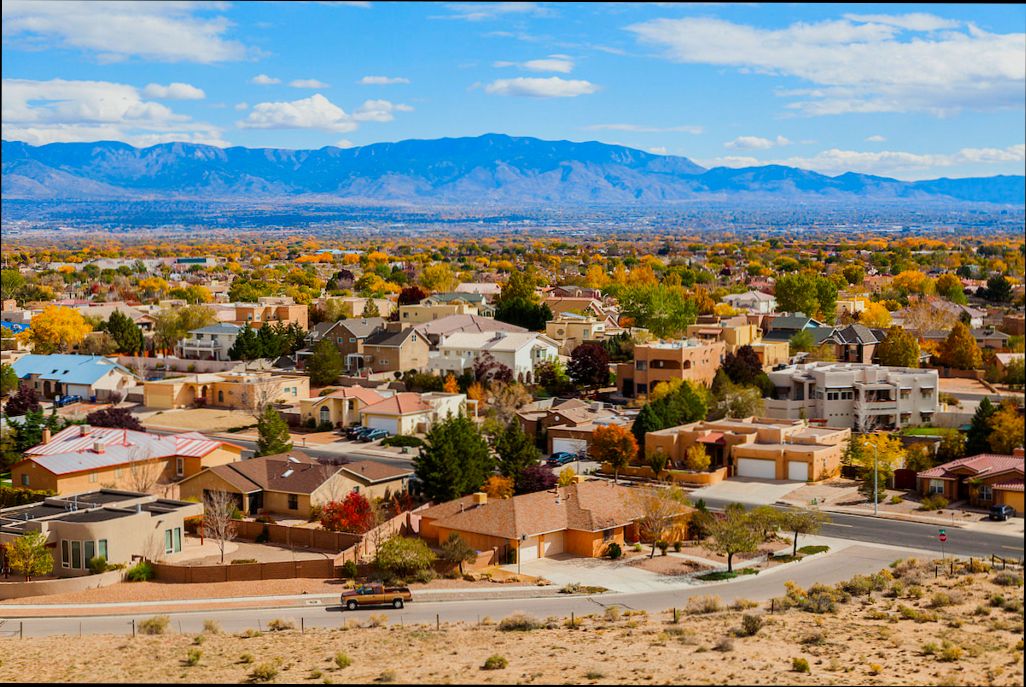
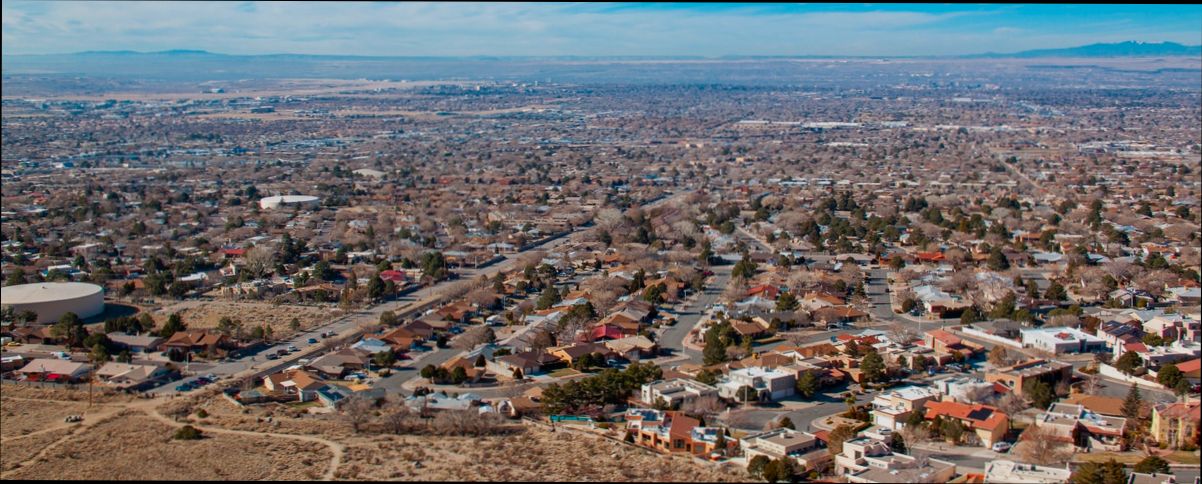
Pros and Cons of Living in Albuquerque NM have been hot topics among locals and newcomers alike. This city offers stunning desert landscapes and a vibrant culture that draws people in, but it’s not all sunshine and hot air balloons. For instance, the cost of living here is around 5% lower than the national average, making it an attractive destination if you’re watching your budget. You can snag a cozy two-bedroom apartment in areas like Nob Hill for about $1,250, which is pretty sweet compared to cities like Denver or Phoenix. Plus, don’t even get me started on the food scene; you’ll find some of the best green chile dishes that will have your taste buds dancing.
On the flip side, Albuquerque grapples with challenges that might dampen the excitement. Crime rates, particularly property crime, have been above the national average, which can be a real concern for some residents. Traffic isn’t exactly a breeze either—rush hour can feel like forever, especially along I-25. Toss in the fact that winters can get pretty chilly, with temperatures dipping into the 30s, and you’ve got a mixed bag of experiences that keep life interesting, to say the least. Whether you’re enjoying the annual Balloon Fiesta or navigating through less-than-ideal aspects, living in Albuquerque is definitely a rollercoaster ride.
Cost of Living in Albuquerque
When considering a move to Albuquerque, NM, the cost of living is a significant factor to think about. This southwestern city combines affordability with a variety of lifestyle options, making it an attractive place to call home. Let’s take a closer look at what you can expect when it comes to living costs in Albuquerque.
Key Cost of Living Statistics
Albuquerque boasts a cost of living that is roughly 5.6% lower than the national average. Here are some notable specifics that you may find helpful:
- Housing Costs: The average cost of a house in Albuquerque is approximately $410,668, which is 18% lower than the national average of $498,033. For renters, the average apartment rent stands at $1,157 per month, which is significantly cheaper than the national average of $1,560, representing a 26% savings.
- Grocery Costs: On average, you can expect to spend about 2.7% less on groceries compared to the national average. For example, staples like ground beef cost $5.91 in Albuquerque, compared to $6.44 nationally, saving you around 8%.
- Utilities and Transportation: You’ll also find utility costs to be about 6.2% lower than average, and transportation costs will be around 10.2% lower as well. This makes commuting and daily utilities more budget-friendly.
Comparative Costs in Table Format
| Category | Albuquerque, NM | National Average | Difference |
|---|---|---|---|
| Average House Cost | $410,668 | $498,033 | -18% |
| Average Apartment Rent | $1,157/month | $1,560/month | -26% |
| Grocery Cost (Ground Beef) | $5.91 | $6.44 | -8% |
| Utility Costs | - | - | 6.2% less |
| Transportation Costs | - | - | 10.2% less |
Real-World Examples
Let’s consider a few areas where living costs in Albuquerque can significantly benefit your wallet:
1. Grocery Shopping: If you enjoy cooking, you’ll be pleased to know that items like a whole milk at $4.62 and eggs at $3.05 are both less expensive than the national average, which can add up to substantial savings over time.
2. Dining Out: Enjoying a meal out is also manageable. For instance, a steak costs about $13.99 in Albuquerque, making it a wallet-friendly option compared to average prices elsewhere.
3. Utilities: As a homeowner or renter, you’ll appreciate the lower utility costs contributing to your overall monthly budget, allowing you to allocate funds in other enjoyable areas of your lifestyle.
Practical Implications for Budgeting
When you plan your budget for moving to Albuquerque, consider these practical implications of the cost of living:
- Budget for Housing: If you are a renter, with average monthly expenses estimated at around $4,371, ensure that your income can comfortably accommodate rent while leaving room for other essentials.
- Grocery Choices: Shopping smart by choosing local markets might yield even lower prices, particularly for fresh produce and meats that align with your budget.
- Transportation Alternatives: Consider utilizing public transportation, which is typically more affordable, allowing you to save even more on commuting costs while exploring the city.
Final Cost Insights
Albuquerque’s cost of living makes it a competitive choice compared to other major U.S. cities. With an average cost of living at $1,985 per month, compared to much higher costs in places like New York City ($4,441) or Los Angeles ($3,196), it’s clear that Albuquerque provides substantial financial relief in various aspects of daily life.
Cultural Diversity and Community Life
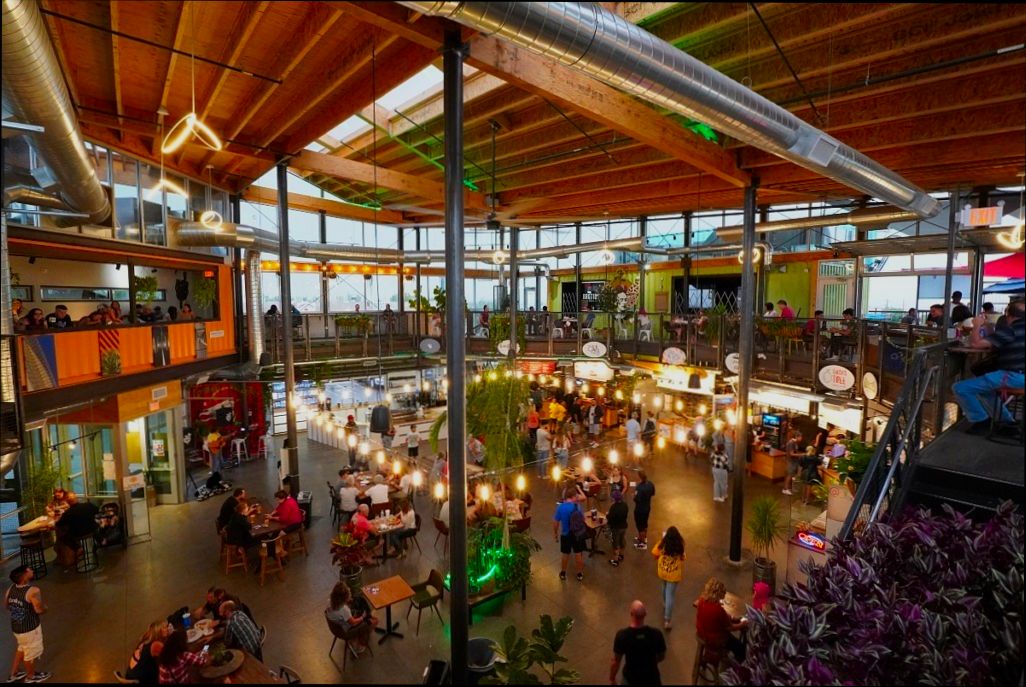
Living in Albuquerque, NM, means experiencing a vibrant tapestry of cultures that enrich community interactions. The city boasts a diverse population, with approximately 48% of its residents identifying as Hispanic or Latino. This cultural mosaic contributes significantly to Albuquerque’s social fabric, influencing everything from cuisine to festivals.
Key Points on Cultural Diversity
- Diverse Population: Albuquerque has a rich blend of ethnicities, including Native American, Hispanic, African American, and Asian communities. This mix fosters a sense of belonging and promotes inclusivity.
- Community Events: The city hosts numerous cultural festivals, such as the Albuquerque International Balloon Fiesta and the New Mexico State Fair, celebrating its diverse heritage and drawing visitors from around the world.
- Educational Opportunities: Local institutions offer programs focused on cultural understanding and inclusion, enhancing the community’s respect for different perspectives and traditions.
| Aspect | Albuquerque NM | National Average |
|---|---|---|
| % of Hispanic/Latino Residents | 48% | 18% |
| % of Native American Residents | 5.6% | 1.3% |
| Number of Cultural Festivals | 30+ | 20+ |
Real-World Examples
In Albuquerque, the Indian Pueblo Cultural Center serves as a hub for understanding Native American heritage. It offers educational programs and art exhibitions that highlight the traditions of the 19 Pueblos in New Mexico. This center not only preserves cultural practices but also promotes community engagement by hosting classes and events that involve both locals and visitors.
Another example can be seen in the Hispano/Latino community’s annual celebration of Cinco de Mayo, which showcases music, dance, and food. This event fosters a sense of pride and creates opportunities for cross-cultural exchanges that strengthen community ties.
Practical Implications
Living in a culturally diverse environment like Albuquerque can have substantial benefits, including:
- Enhanced Social Networks: Engage with various cultural groups through festivals and community events, enabling you to build a broad support network.
- Culinary Exploration: Enjoy a diverse culinary scene that reflects the city’s multicultural influences, from traditional New Mexican dishes to international cuisine.
- Employment Opportunities: Local businesses are increasingly valuing diversity in hiring, providing a friendly atmosphere for diverse job seekers.
Actionable Insights
To truly engage with Albuquerque’s cultural diversity:
- Attend local cultural festivals to celebrate and appreciate the city’s rich heritage.
- Visit community centers and cultural institutions to learn about the various traditions represented in Albuquerque.
- Participate in workshops that focus on diversity and inclusion, enhancing your ability to connect with the community.
By diving into the vibrant cultural life of Albuquerque, you can enjoy a more enriched living experience that celebrates diversity and fosters community connections.
Outdoor Activities and Natural Beauty
Living in Albuquerque, NM, you’ll quickly discover the city’s breathtaking landscapes and outdoor recreational opportunities. With its unique desert environment, stunning mountain views, and diverse ecosystems, Albuquerque offers a playground for nature lovers and adventure seekers alike.
Key Outdoor Activities
- Hiking and Biking: The Sandia Mountains provide a wide range of trails, catering to both novice and experienced hikers. There are more than 200 miles of trails available, making it easy to enjoy the natural beauty.
- Fishing and Water Sports: The nearby Rio Grande is ideal for fishing and kayaking, allowing residents to engage in aquatic adventures. The river’s scenic beauty enhances the experience.
- Ballooning: Albuquerque is famous for its annual International Balloon Fiesta, attracting hundreds of hot air balloons and thousands of spectators. This event showcases remarkable aerial views of the city against the backdrop of Sandia Peak.
| Activity | Description | Best Season |
|---|---|---|
| Hiking | Extensive trails in Sandia Mountains | Spring & Fall |
| Fishing | Opportunities along the Rio Grande | Year-round |
| Hot Air Ballooning | Spectacular views during the fiesta | October |
Real-World Examples
One of the best examples of outdoor beauty and activity is the Cibola National Forest, which encompasses a portion of the Sandia Mountains and offers year-round recreational opportunities like hiking, mountain biking, and camping. Residents often take advantage of its stunning vistas and diverse wildlife.
Additionally, the Rio Grande Nature Center State Park provides opportunities for bird-watching and leisurely walks. With over 300 species of birds, including the magnificent Sandhill crane, it’s a haven for nature enthusiasts to explore.
Practical Implications
If you’re considering outdoor activities, don’t forget to take advantage of Albuquerque’s abundant sunshine, with an average of 310 sunny days each year! This climate is perfect for exploring the great outdoors without being hindered by weather conditions.
To fully enjoy outdoor life, consider local groups and meetups that focus on hiking, biking, or other activities. These groups can enhance your experience and help you connect with nature-loving residents.
Make sure to pack your sunscreen and stay hydrated when you venture out, especially during the hotter months. Utilize the early mornings or late afternoons for outdoor adventures to beat the heat and enjoy the tranquility of nature.

Safety and Crime Statistics Overview
When considering a move to Albuquerque, NM, understanding safety and crime statistics can significantly shape your experience in the city. It’s essential to equip yourself with reliable information to make informed decisions about your living environment.
Current Crime Statistics
Albuquerque has faced challenges with crime rates, particularly regarding violent crime. As of the latest reports, the city’s violent crime rate stands at approximately 1,132 incidents per 100,000 residents, which is significantly higher than the national average of 399 incidents per 100,000 residents. This striking disparity often raises concerns for potential residents.
- The property crime rate in Albuquerque is also elevated, registering 4,166 incidents per 100,000 residents compared to the national average of 2,362 incidents.
- Crimes such as burglary and theft are among the most reported incidents, highlighting a focus area for community safety initiatives.
Crime Trends Over Time
To better understand the safety landscape in Albuquerque, looking at trends over the years can be insightful. Over the past decade, the city has seen fluctuations in crime rates:
- Violent crime rates surged by increase of about 23% from 2015 to 2020.
- In contrast, recent years have shown a potential decline, with a noted decrease of 10% in property crimes from 2020 to 2022.
| Crime Type | Albuquerque Rate (per 100K) | National Average (per 100K) |
|---|---|---|
| Violent Crime | 1,132 | 399 |
| Property Crime | 4,166 | 2,362 |
Case Studies and Community Responses
Neighborhood associations across Albuquerque have begun actively addressing crime issues through community programs. For instance:
- In the Southwest Mesa, local groups launched neighborhood watch initiatives that reported a 15% decline in thefts over the course of two years.
- Programs aimed at family outreach and youth engagement have been credited with a decrease in gang-related activities in certain areas.
Practical Implications for Residents
Understanding crime statistics isn’t only about awareness; it also manifests in practical actions you can take:
1. Engage with neighborhood watch programs to build community ties and enhance local safety.
2. Leverage local social media groups to stay updated on neighborhood concerns and safety alerts.
3. Familiarize yourself with crime hotspots to be proactive about personal safety measures.
Actionable Advice
For anyone looking to reside in Albuquerque, it’s important to stay informed and involved. Regularly review crime reports published by the Albuquerque Police Department and participate in community safety meetings. Remaining proactive and vigilant can greatly contribute to your sense of security in the city.

Education Quality and Opportunities
When considering a move to Albuquerque, NM, the quality of education and the opportunities available can heavily influence your experience, especially if you have children or are looking to further your own education. Let’s dive into some important aspects of the educational landscape in Albuquerque.
Educational Institutions
Albuquerque hosts a mix of public, private, and charter schools, offering a variety of options to families. The Albuquerque Public Schools (APS) district, the largest in New Mexico, serves over 77,000 students and operates more than 140 schools. The graduation rate for APS is around 79%, which is impressive given the challenges the district faces.
Higher Education Opportunities
Albuquerque is home to the University of New Mexico (UNM), which is the state’s flagship institution. UNM offers over 200 degree programs and has around 27,000 students enrolled. Its research facilities and programs have garnered national recognition, particularly in fields such as health sciences and engineering.
- Percentage of students attending college: Approximately 63% of high school graduates in Albuquerque enroll in post-secondary education.
- Community College Options: Central New Mexico Community College (CNM) offers career-focused education, with significant enrollment numbers reported at around 23,000 students annually.
Special Programs and Vocational Training
In Albuquerque, educational opportunities don’t just stop at traditional schooling. The city provides specialized programs and vocational training for those interested in non-traditional career paths:
- STEM Programs: Many local high schools have established specialized STEM (Science, Technology, Engineering, and Math) programs.
- Trade Schools: Institutions like the Southwest University of Visual Arts offer hands-on training in creative fields, ensuring a pathway into careers in art and design.
Comparative Table of Educational Metrics
| Educational Aspect | Albuquerque NM | National Average |
|---|---|---|
| High School Graduation Rate | 79% | 85% |
| Percentage of High School Graduates Enrolling in College | 63% | 69% |
| Community College Enrollment | 23,000 students | 25,000 students (approx.) |
| Average Student-Teacher Ratio | 16:1 | 15:1 |
Real-World Examples
One bright spot within Albuquerque’s education system is the presence of the “Early College High School” model. Here, students can earn a high school diploma while simultaneously completing college courses, potentially graduating with both credentials. This innovative approach helps students transition smoothly into higher education and reduces college costs.
Another standout example is La Tierra Montessori School, which provides a unique learning environment focusing on environmental education and cultural awareness, demonstrating the city’s commitment to alternative education options.
Practical Implications for Families
If you’re thinking about relocating to Albuquerque, it’s crucial to explore the various schooling options available. Consider visiting schools, meeting with educators, or looking into community programs that align with your family’s values.
Make sure to review schools’ performance metrics, participate in parent-teacher associations, or engage in local educational initiatives to stay informed and active in the schooling process.
Specific Facts and Actionable Advice
- Research personalized curriculum options for your children at local charter schools, as many offer specialized courses tailored to different learning styles.
- Engage with community educational resources like the Albuquerque Public Library’s programs to supplement your children’s learning.
- Stay connected with local educational forums online to share experiences and gather insights from other parents in the Albuquerque area.

Employment Prospects in Albuquerque
When considering moving to Albuquerque, NM, understanding the local job market is crucial. Knowing where the opportunities lie can significantly impact your quality of life and career trajectory. Let’s explore the employment landscape in Albuquerque, focusing on key industries, job growth, and unique opportunities that could benefit you.
Key Employment Statistics
Albuquerque presents a mixed bag in terms of employment, with certain industries thriving while others lag behind. Here are some key statistics to keep in mind:
- Unemployment Rate: As of the latest figures, the unemployment rate in Albuquerque is around 4.4%, which is slightly higher than the national average of 3.8%. This suggests challenges in job availability.
- Top Industries: The healthcare and education sectors dominate the job market. Approximately 23% of the workforce is employed in healthcare and social assistance, while education accounts for another significant share.
- Projected Job Growth: Job growth in Albuquerque is expected to increase by about 8% over the next decade, which is promising for newcomers.
- Median Income: The median household income in Albuquerque stands at about $52,170, which is about 15% lower than the national median, reflecting on salary expectations.
Employment Opportunities by Sector
To give you a clearer picture of where to look for jobs, here’s a breakdown of key sectors in Albuquerque that are currently hiring:
| Industry | Percentage of Workforce | Example Jobs |
|---|---|---|
| Healthcare | 23% | Nurses, Medical Assistants |
| Education | 17% | Teachers, Administrative Roles |
| Retail Trade | 12% | Sales Associates, Managers |
| Professional Services | 10% | Engineers, IT Specialists |
| Arts and Entertainment | 8% | Artists, Event Planners |
Real-World Insights
1. Healthcare Sector Expansion: The healthcare industry has been growing steadily in Albuquerque, with facilities like the UNM Hospital expanding their services. This means numerous opportunities for healthcare professionals, particularly nurses and specialists.
2. Education and Government Jobs: The presence of the University of New Mexico provides various employment opportunities in both educational and administrative roles. This institution also drives innovation and research, creating a need for skilled professionals.
3. Technology and Innovation: Albuquerque’s tech scene is slowly gaining traction. Companies like Sandia National Laboratories are continuously seeking talent in engineering and IT, focusing on research and development.
Practical Implications for Job Seekers
If you’re considering a job search in Albuquerque, keep these strategies in mind:
- Networking: Leveraging local networking events and professional groups can enhance your chances of getting leads in your desired field.
- Skill Development: Focusing on skills relevant to the growing healthcare and technology sectors can position you favorably in the job market.
- Research Local Companies: Familiarize yourself with local employers and their hiring needs. Websites like Glassdoor and LinkedIn can provide insights into company cultures and job openings.
Actionable Advice
- Stay updated on local job fairs and employment workshops to increase your employability.
- Tailor your resume and cover letter to highlight skills that match the local job market demands, particularly in healthcare and education.
- Consider enrolling in local community colleges or workshops to gain certification in high-demand fields, such as healthcare or technical training.
By understanding the employment landscape in Albuquerque, you can make informed decisions about your career and potential job opportunities in this vibrant city.

Housing Market Trends and Insights
The housing market in Albuquerque, NM, showcases dynamic and evolving trends that can significantly impact your living experience. By understanding these trends, you can make informed decisions, whether you’re looking to buy, sell, or rent.
Key Insights into the Albuquerque Housing Market
- The average cost of homes in Albuquerque has experienced noticeable growth. As of early 2025, the average home price stands at approximately $410,668, showing a 5.6% increase from the previous year.
- Mortgage rates have slightly dipped, offering some relief to prospective buyers. Recently, the Freddie Mac rate for a 30-year fixed mortgage dropped to 6.65%, making it more achievable for many families to secure financing.
- Home sales have seen fluctuations, with pending sales increasing by 2.0% in February 2025, indicating a resilient buyer demand despite economic challenges.
- Property inventory remains a crucial factor, with reports indicating a decrease in available homes for sale. This tight inventory often places upward pressure on prices, making it essential for buyers to act fast when a desirable property becomes available.
Comparative Housing Market Data
| Metric | Albuquerque, NM | National Average |
|---|---|---|
| Average Home Price | $410,668 | $498,033 |
| Year-over-Year Price Growth | 5.6% | 3.2% |
| Mortgage Rate | 6.65% | 6.8% |
| Pending Home Sales Increase | 2.0% | 1.5% |
| Months of Inventory | 2.5 months | 3.2 months |
Real-World Examples and Case Studies
Recent insights from Realtor.com® reveal that homes in desirable neighborhoods like Northeast Albuquerque sell faster, averaging just 15 days on the market, compared to 30 days in less popular areas. This highlights the importance of location when navigating the market.
For example, homes near parks or excellent schools often experience a bidding war, pushing sale prices above the asking price. Conversely, properties needing significant repairs might linger longer, presenting opportunities for those willing to invest in renovation.
Practical Implications for Buyers and Sellers
- As a buyer, staying informed about mortgage rates is crucial. With recent minor declines, now may be the time to enter the market before rates increase again.
- Sellers should consider timing their sale strategically. According to data, the best week to sell falls between April 13-19, 2025, suggesting a potential for better offers during that period.
- When shopping for homes, remember that properties with unique features, such as updated kitchens or large backyards, are in increased demand.
It’s advantageous to engage a local real estate agent who specializes in your desired neighborhoods to gain insights into current market conditions and opportunities.
By understanding these housing market trends and insights, you can effectively navigate the Albuquerque real estate landscape, whether buying your first home or looking to upgrade.