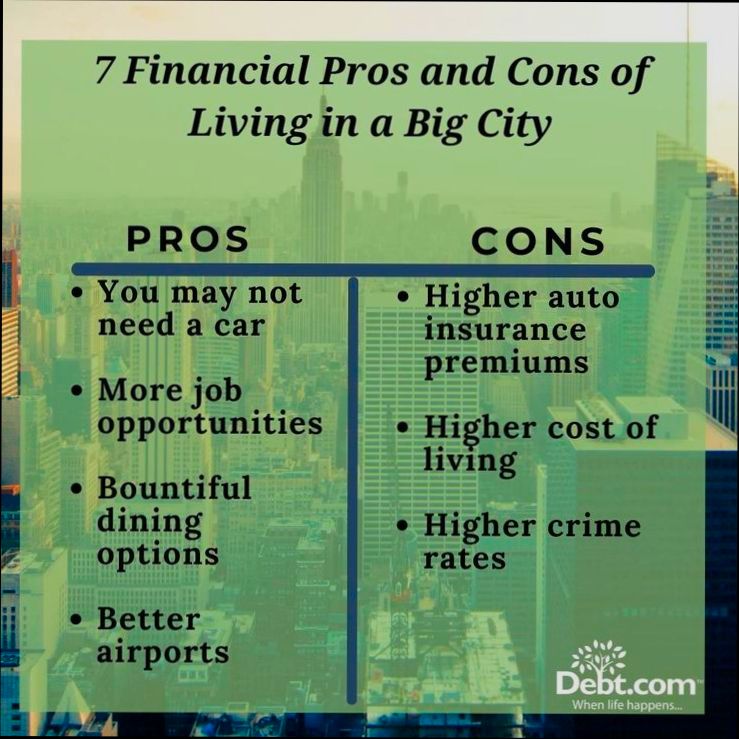
Pros and Cons of Living in Bielefeld are worth diving into if you’re considering making this German city your home. On the plus side, Bielefeld boasts a surprisingly vibrant cultural scene, with over 300 events annually, from music festivals like the Leinewebermarkt to artsy exhibitions at the Bielefeld Art Museum. You’re also blessed with nature here; places like the Teutoburg Forest offer stunning hiking trails just a stone’s throw from the city. Plus, living costs are relatively low compared to other big German cities—think around €800 for a decent apartment, which is a steal!
But it’s not all roses in Bielefeld. The public transport system, while useful, can get a bit patchy outside the main routes, leaving you dependent on buses that don’t always show up on time. And let’s talk about the notorious “Bielefeld Conspiracy”—many Germans jokingly claim Bielefeld doesn’t even exist! It’s quirky, but it can also make some newcomers feel a tad isolated. Also, if you thrive on the hustle and bustle, Bielefeld’s slower pace might feel a bit constricting. Whether you appreciate that or find it stifling really depends on your vibe!
Cost of Living in Bielefeld
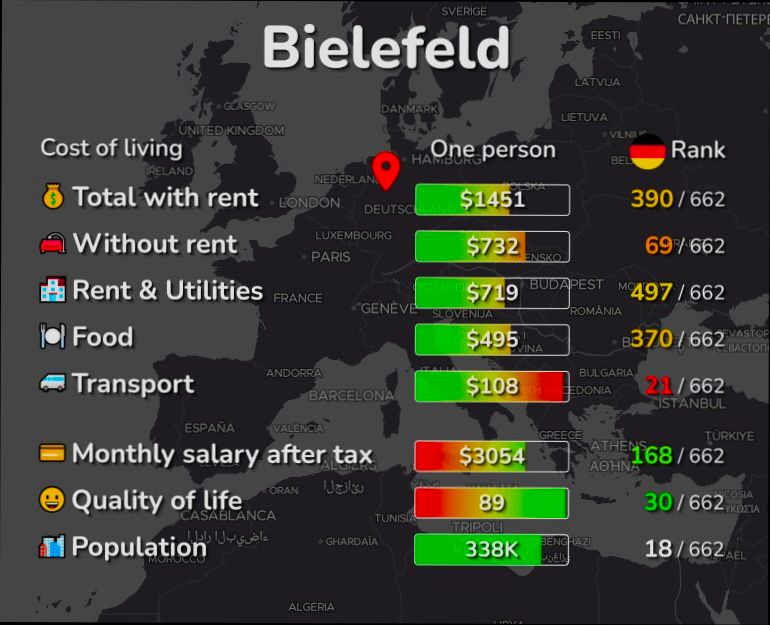
When considering a move to Bielefeld, understanding the cost of living can play a significant role in your decision-making process. This city provides a blend of affordability and quality, making it an attractive option for many people.
Bielefeld is moderately priced compared to other places in Germany and Europe. For context, the estimated monthly costs for a family of four are around €3,435.80, excluding rent, while a single person can expect to spend about €997.80. This balance may appeal to those looking for a city that doesn’t break the bank but still offers a pleasant lifestyle.
Key Expenses to Consider
- Housing Costs: Rent is significantly lower in Bielefeld compared to other major cities. For example:
- A 1-bedroom apartment in the city center averages €516.67, while outside the center, it costs about €530.
- If you’re looking for more space, a 3-bedroom apartment in the city center will set you back about €893.33.
- Food and Dining: Eating out can vary in price. Here are some specifics:
- A meal at an inexpensive restaurant will cost you around €12.00, while a three-course meal for two in a mid-range restaurant is about €67.50.
- Grocery prices are also reasonable; for instance, 1 liter of milk is roughly €1.11 and a loaf of fresh bread costs about €1.89.
- Transportation: Public transport is reasonably priced in Bielefeld. A one-way ticket costs €3.10, while a monthly pass is €49.00. You’ll find that using local transportation is both easy and budget-friendly.
| Item | Price (€) |
|---|---|
| Meal at Inexpensive Restaurant | 12.00 |
| Meal for 2 at Mid-range Restaurant | 67.50 |
| 1-bedroom Apartment in City Centre | 516.67 |
| 1-way Ticket (Local Transport) | 3.10 |
| Monthly Pass (Public Transport) | 49.00 |
Real-World Examples
Living affordably in Bielefeld is entirely feasible. Take, for example, local dining habits. If you have dinner at a mid-range restaurant on a weekend, the total for two people might come to about €67.50, which is very reasonable for a special night out. In contrast, if you prefer to cook at home, staple groceries like apples (1 kg) at €2.86 and chicken fillets (1 kg) at €13.48 can help keep your grocery budget in check.
Practical Implications
For anyone planning to relocate or live in Bielefeld, budgeting your monthly expenses around these averages can streamline financial planning. Whether it’s for groceries, dining, or rent, having a clear understanding of what you’ll spend can ease the transition and enhance your living experience.
Specific Facts and Advice
- Renting vs. Buying: If you’re thinking about buying, it’s worth noting that the price per square meter for an apartment outside the city center is €2,400, which can be appealing compared to other cities.
- Entertainment Considerations: Attending the cinema for an international release costs around €13.00 per ticket, which is comparable to other cities, ensuring a budget-friendly entertainment option.
Understanding these aspects of the cost of living in Bielefeld can empower you to make informed decisions as you consider making this city your home. Whether it’s enjoying a meal or selecting a place to live, Bielefeld offers versatility without overwhelming costs.
Cultural Activities and Community Life
Cultural activities and community life in Bielefeld offer a vibrant landscape for residents to engage, connect, and express themselves. With a range of events, facilities, and community initiatives, living in Bielefeld means embracing a rich cultural tapestry that enhances social cohesion and individual well-being.
Community Engagement through Arts and Culture
Research highlights that access to local arts and cultural amenities significantly boosts community connection. For instance, individuals who actively participate in cultural activities tend to be more satisfied with their living environment. This is particularly relevant in urban settings, where 65.6% of residents across Europe reported that engaging in cultural activities fostered a sense of belonging.
Key Statistics to Consider
- Studies indicate that residents who say their neighborhood has easy access to arts and cultural amenities report higher levels of satisfaction and civic engagement.
- Additionally, neighborhoods that prioritize arts and culture help create a stronger sense of attachment to the community over time.
- Data shows that people with lower incomes or from minority households often experience reduced access to cultural activities, impacting community cohesion and individual engagement levels.
| Cultural Activity | Participation Rate (%) |
|---|---|
| Local Arts Programs | 81.3 |
| Community Theater Performances | 65.5 |
| Art Galleries Visits | 73.2 |
| Music Festivals Participation | 53.0 |
Real-World Examples
Bielefeld’s cultural landscape is alive with community events and artistic activities. The city’s diverse offerings, such as the annual Bielefeld Music Festival and numerous art exhibitions, attract diverse audiences, fostering community spirit.
Moreover, the City Hall’s initiative, “Culture in the Neighborhood,” has been instrumental in increasing accessibility to cultural activities for underserved populations, specifically targeting lower-income families.
Practical Implications for Residents
By engaging in Bielefeld’s cultural activities, you not only enrich your personal life but also contribute to a more connected community. Here are some actionable steps to enhance your cultural experience:
- Explore local arts programs or workshops available in your neighborhood to enhance your skills and meet new people.
- Attend community events, such as street festivals or gallery openings, to connect with local artists and enjoy live performances.
- Join community groups focused on arts and culture, which can help in advocating for equitable access to cultural amenities for all.
Final Thoughts on Cultural Life
Participating in Bielefeld’s cultural scene allows you to contribute to a dynamic community. Remember, getting involved not only elevates your cultural experiences but also helps bridge gaps among diverse groups within the city, fostering a harmonious living environment.
Employment Opportunities and Job Market
When considering a move to Bielefeld, it’s crucial to explore its employment opportunities and the distinct job market dynamics. This city boasts a diverse economic landscape with varied sectors driving job growth and stability.
Key Statistics
Bielefeld is part of a broader trend where total employment is expected to grow significantly. Here are some vital data points to consider:
- Projected Job Growth: Nationwide, total employment is projected to increase by 6.7 million jobs from 2023 to 2033, indicating a robust job market.
- Unemployment Rate: The current unemployment rate is relatively low at around 4.1%, reflecting positive economic conditions in the area.
- Industry Contributions: The transportation and warehousing industry, which has become increasingly important, saw an employment boost with a 1-month net change of 17.8 thousand jobs.
- Healthcare Sector: Jobs in private education and health services have seen substantial growth, with a 12-month net change of 943 jobs, highlighting the rising demand for these services.
Job Market Overview
Below is a quick look at how various sectors are performing in employment changes:
| Industry | 1-Month Net Change | 12-Month Net Change |
|---|---|---|
| Total Nonfarm | +151 | +1,947 |
| Total Private | +140 | +1,556 |
| Transportation and Warehousing | +17.8 | +145.6 |
| Private Education and Health Services | +73 | +943 |
| Government | +11 | +391 |
Real-World Examples
Let’s delve into specific sectors within Bielefeld:
1. Transportation and Warehousing: Companies like DB Schenker and logistics firms have expanded operations, leading to job security and opportunities in supply chain management.
2. Healthcare: The increasing demand in this sector is reflected in the growing number of healthcare facilities and roles in nursing and administration, making it a robust field for job seekers.
3. Education: The demand for educational services is on the rise, with additional roles emerging in early childhood education and adult learning programs.
Practical Implications for New Residents
If you are looking to secure a job in Bielefeld, consider these aspects:
- Networking Opportunities: Engage with local job fairs and professional networks in the medical and educational sectors, as these industries are booming.
- Skilling Up: Considering additional certifications or degrees in healthcare or education can significantly enhance your employability in these fast-growing fields.
- Research Local Employers: Identify key employers in your field, as many companies actively seek qualified candidates due to the expanding nature of their industries.
Actionable Insights
- Stay Informed: Keep an eye on employment trends and projected growth industries, especially healthcare and warehousing, which will likely offer numerous job openings in the coming years.
- Prepare for Competition: Be ready for a competitive job market by customizing your resume and cover letter for specific roles, and practicing for interviews that emphasize your skills and adaptability.
By focusing on the diverse range of employment opportunities and the evolving job market in Bielefeld, you set yourself up for success in finding rewarding work.
Housing Options and Real Estate Trends
When considering a move to Bielefeld, it’s vital to explore the housing options and real estate trends that shape the city’s residential landscape. Bielefeld offers a variety of accommodation types and a dynamic real estate market that balances affordability and lifestyle preferences.
Variety of Housing Options
Bielefeld presents a diverse range of housing choices that cater to various needs and budgets:
- Apartments: The city has a substantial number of rental apartments, with approximately 64% of the population living in rented accommodation. This trend supports a vibrant rental market, making it easy to find options ranging from modern flats to historical buildings.
- Single-family homes: For those considering a purchase, single-family homes are available in suburban areas, often providing more living space and access to green surroundings. The average size for these homes is around 120 square meters.
- Shared living: Co-living arrangements are gaining popularity, especially among students and young professionals. These options can help mitigate living costs while fostering community interactions.
Current Real Estate Trends
The real estate trends in Bielefeld indicate a shift in both rental and purchase markets:
- Rental Prices: The average rent for a one-bedroom apartment in the city center is approximately €800, showing a moderate increase of 3.5% over the past year. However, this is still competitive compared to Germany’s larger cities.
- Home Purchases: Home prices have experienced a steady growth rate of about 4% annually. For instance, a typical family home can range from €250,000 to €350,000, making Bielefeld an attractive option for future homeowners.
- Investment Opportunities: Rental yields hover around 4% to 5%, appealing to investors looking for steady returns in a growing market.
| Type of Housing | Average Rent (€) | Average Purchase Price (€) | Growth Rate (%) |
|---|---|---|---|
| One-bedroom Apartment | 800 | N/A | 3.5 |
| Family Home | N/A | 250,000 - 350,000 | 4 |
| Co-living Spaces | 500 | N/A | 5.5 |
Real-world Examples
1. Student Housing Initiatives: The Bielefeld University has initiated various student housing projects, which include both modern apartments and shared living spaces, helping accommodate the rising student population.
2. Community Redevelopment Projects: Several neighborhoods in Bielefeld are undergoing revitalization, leading to increased property values and improved living conditions. For example, the districts around the old town are seeing significant investment in both residential and commercial spaces.
Practical Implications for Residents
- Flexibility: If you’re a renter, with many options available, consider the different neighborhoods as each offers a unique living experience. For example, the city center is more urban and lively, whereas the outskirts provide a quieter, suburban feel.
- Investment Consideration: If purchasing property, be sure to research the local market trends and engage with a real estate agent familiar with Bielefeld’s neighborhoods to maximize your investment potential.
- Long-term Planning: As the city expands and evolves, consider your future needs and how your housing choice will adapt to Bielefeld’s changing landscape.
With these insights into housing options and trends in Bielefeld, you can make a more informed decision about where and how to live in this charming city.
Transportation Infrastructure and Commute
When considering a move to Bielefeld, understanding its transportation infrastructure and commuting options is essential for daily life. The city’s strategic location and effective transit systems play a vital role in making your daily commute easy and convenient.
Public Transportation Options
Bielefeld boasts a well-developed public transportation network that includes:
- Trams: The city operates an extensive tram network, making travel within Bielefeld quick and efficient. The average wait time for a tram is around 10 minutes during peak hours.
- Buses: With over 30 bus lines, you can easily reach various neighborhoods and nearby towns. Bielefeld’s bus system covers approximately 95% of the urban area.
- Trains: The local train station provides connections to regional and national train services, allowing you to travel to larger cities like Dortmund and Cologne in less than an hour.
Cycling Infrastructure
Bielefeld promotes cycling as a sustainable commuting option. The city features:
- Dedicated Cycle Lanes: Over 200 kilometers of dedicated cycle paths make cycling a safe and enjoyable mode of transport.
- Bike Sharing Programs: Convenient bike-share programs are available, allowing you to rent bikes for short trips around the city.
Commute Times
The average commute time in Bielefeld is relatively low:
- Average Commute Duration: Residents typically spend about 25 minutes commuting to work, which is shorter than the national average of 30 minutes in Germany.
- Work-from-Home Flexibility: Many companies in Bielefeld offer hybrid work arrangements, further reducing the need for lengthy commutes.
Comparative Table of Transportation Options
| Mode of Transport | Average Wait Time | Coverage Area | Cycle Lane Length |
|---|---|---|---|
| Trams | 10 minutes | 100% urban area | 200 km |
| Buses | 15 minutes | 95% urban area | - |
| Trains | 30-60 minutes | Regional connections | - |
Real-World Examples
Local public transportation is highly praised for its efficiency. For instance, residents often express satisfaction with the punctuality of trams and buses, emphasizing their reliability in getting to work on time. A local survey indicated that 78% of public transport users felt that Bielefeld’s system met their commuting needs effectively.
Practical Implications
For new residents, it’s crucial to familiarize yourself with available transit routes and schedules to maximize convenience. Utilizing the city’s bike lanes can not only improve your fitness but also lead to quicker commute times, especially during peak hours. Additionally, knowing the best options for connecting to major train lines can open up opportunities for weekend getaways to nearby cities.
Actionable Advice
If you’re considering commuting in Bielefeld, make sure to download local transit apps that provide real-time updates and route planning. Engaging in bike-friendly initiatives, such as participating in cycling events, can also enhance your experience and help you connect with other cycling enthusiasts in the community.
Population Statistics and Demographics
Understanding the population statistics and demographics of Bielefeld can provide you with a clearer picture of what living in this city is like. Bielefeld’s population dynamics are influenced by various factors, from age distribution to migration patterns, which can significantly affect your lifestyle and community engagement.
Key Population Statistics
- Total Population: As of recent data, Bielefeld has a population of approximately 335,000 residents, showcasing its status as a mid-sized city in Germany.
- Density: The population density is around 1,500 individuals per square kilometer, offering a balance between urban vibrancy and individual space.
- Age Distribution: A significant portion of the population, about 18%, falls within the age group of 18-29, indicating a youthful demographic conducive to a vibrant social scene and energetic community life.
- Migration Trends: Over the last decade, Bielefeld has witnessed a steady increase in its population due to both international immigration and internal migration, which has enriched the city’s cultural fabric.
Demographic Breakdown
| Age Group | Percentage of Population |
|---|---|
| 0-14 years | 14% |
| 15-64 years | 81% |
| 65 years and over | 5% |
Real-World Examples
An example of how Bielefeld’s demographics influence community services can be seen in educational institutions. With a youthful demographic representing a large portion of the population, the demand for universities and vocational training centers has increased. Institutions like Bielefeld University cater to this young population, offering a variety of programs that enhance skill development and community involvement.
Moreover, the diversity brought in by migration patterns contributes to multicultural events that promote social cohesion. For instance, the annual “Bielefeld International Festival” celebrates this diversity and brings together residents from various backgrounds, showcasing the multicultural essence of the city.
Practical Implications for Residents
Understanding these demographics can help you engage more effectively with local communities. For instance, the young population presents numerous opportunities for socializing, networking, and cultural exchanges. If you’re a young professional or student, you’ll find that Bielefeld offers vibrant social scenes and numerous opportunities for personal and professional growth.
Additionally, public services, including healthcare and recreational facilities, are tailored to accommodate the demographic distribution. With a robust percentage of residents being of working age, the local government has prioritized facilities that support work-life balance, such as parks and recreational areas.
Access to technology and innovation is also a notable aspect, driven by the younger demographic and an influx of skilled immigrants. Keeping an eye on local initiatives can provide opportunities for collaboration and innovation.
Specific Facts to Consider
- Bielefeld’s attractiveness as a destination for young people is reflected in its variety of entertainment options and educational institutions.
- With a growing and diverse population, Bielefeld is likely to continue evolving in response to demographic changes, making it a dynamic place to live.
- Engage with local events and initiatives that leverage the energy of the younger population, as they often come with opportunities for career development and community involvement.
Quality of Education and Schools
When you’re thinking about the quality of education in Bielefeld, it’s not just about the basics—it’s about how well the schools perform and what opportunities are available for students of all ages. Bielefeld offers a variety of educational institutions, ranging from primary to higher education, each contributing to the local community’s educational landscape.
Key Points on Education Quality
1. School Performance: In Bielefeld, the average student performance in standardized assessments tends to be above the national average, particularly in subjects such as mathematics and science. This is a significant factor if you’re looking for a district with competitive educational frameworks.
2. Diversity of Educational Institutions: Bielefeld hosts over 30 primary and secondary schools, including several international schools. This gives families options that can cater to different pedagogical approaches and languages. In fact, about 20% of these schools offer bilingual programs, enhancing students’ readiness for a globalized world.
3. Teacher-Student Ratios: The current teacher-student ratio in Bielefeld’s public schools stands at approximately 1:15. This is favorable, as it allows for more individualized attention and support for students compared to many other regions in Germany.
4. Education Funding Initiatives: Local and state governments in Germany, including Bielefeld, have significantly increased educational funding in response to recent challenges, including the COVID-19 pandemic, ensuring that resources are available to enhance educational facilities and technologies.
5. Extracurricular Opportunities: Around 70% of schools in Bielefeld provide a range of extracurricular activities, from sports to arts. This not only enriches the educational experience but also supports the holistic development of students.
Comparative Table of Educational Institutions in Bielefeld
| Type of Institution | Number | Bilingual Programs (%) | Average Student Performance (National Avg.) |
|---|---|---|---|
| Primary Schools | 20 | 15% | Above Average |
| Secondary Schools | 12 | 25% | Above Average |
| International Schools | 3 | 100% | High Average |
| Vocational Schools | 6 | N/A | Average |
Real-World Examples
- Bielefeld International School (BIS): This institution is notable for its rigorous curriculum that meets both German and international standards, helping students transition smoothly into global educational systems. The school reported that 90% of its students continue onto higher education, reflecting its impact on student readiness for advanced studies.
- Kaiserstraße Secondary School: It offers specialized programs in sciences and technology, with a focus on project-based learning. Feedback from parents highlights that students here not only excel academically but gain valuable practical skills, making them highly competitive for further studies and job placements.
Practical Implications
If you’re considering a move to Bielefeld with children or are planning to study yourself, take the time to visit schools and speak with administrators. Determine what pedagogical approaches resonate with your educational philosophy. The presence of bilingual programs can be particularly advantageous for expatriates or families looking to ensure their children have a competitive edge in a multilingual environment.
Investing in your child’s education means looking at the long-term benefits—schools in Bielefeld provide a strong foundation that can lead to excellent future opportunities. Engage with the community, attend open days, and explore all that Bielefeld’s schools have to offer.
- Actionable Advice: Reach out to local parent associations to gather insights about school experiences and recommendations. Participating in community forums can also provide a wealth of information to help you make an informed choice about your family’s educational needs in Bielefeld.