Pros and Cons of Living in Nampa, ID. If you’re eyeing this Idaho gem, you’re in for a mix of opportunities and challenges. On the upside, Nampa boasts an affordable cost of living—housing prices sit around $350,000 on average, which is a steal compared to the national average. With a growing population of about 100,000 residents, this city has that small-town charm while still offering amenities like the beautiful Lake Lowell and countless parks. You can enjoy local festivals such as the Nampa Farmers Market, which showcases the area’s rich agricultural roots, giving you a taste of the community vibe.
But it’s not all sunshine and rainbows. While the bustling growth is exciting, it can lead to challenges like increased traffic and congestion, especially during rush hours. Many residents feel that some infrastructure hasn’t quite kept up with the rapid development. Furthermore, the job market can be limited, particularly for specialized careers. If you’re used to city life, you might find Nampa’s nightlife a bit lacking after hours, with fewer options for entertainment and dining. Balancing these perks and pitfalls is essential for anyone considering a move to this Idaho town.

Cost of Living in Nampa ID
Navigating the cost of living in Nampa, Idaho, reveals a mix of affordability and rising expenses, making it important to explore what you can expect. Understanding this aspect can significantly influence your decision to relocate or budget effectively in the area.
Key Expenses in Nampa
- Housing Costs: In Nampa, the median home price is around $370,000, which is notably lower than the national average. Renting a two-bedroom apartment typically costs between $1,200 and $1,600 a month.
- Utilities: Expect to pay an average of $180 monthly for basic utilities. This includes electricity, heating, cooling, water, and garbage. For a region like this, it’s relatively reasonable.
- Transportation: Public transportation costs are around $60 for a monthly pass. Nevertheless, having a car remains common; average gas prices hover around $4.00 per gallon.
- Groceries: Grocery costs are about 10% lower than the national average. A loaf of bread costs approximately $2.00, while a gallon of milk is about $3.50.
Cost Comparisons
| Expense Category | Nampa ID | National Average |
|---|---|---|
| Median Home Price | $370,000 | $400,000 |
| Rent (2-Bedroom) | $1,200 - $1,600 | $2,000 |
| Utilities | $180 | $200 |
| Monthly Transport | $60 | $75 |
| Grocery (Milk) | $3.50 | $3.80 |
Real-World Examples
Consider Sarah and Mike, a couple in their mid-30s, who moved to Nampa for its lower housing costs. They purchased a 3-bedroom home for $360,000, allowing them to allocate more resources toward saving and leisure. Conversely, their friends in a similar situation in a neighboring major city pay $450,000 for a comparable home, leaving them with tighter budgets.
Moreover, a family of four reported spending around $900 a month on groceries in Nampa, taking advantage of local farmer’s markets and discounts, while similar families in larger metropolitan areas struggled to keep their grocery bills below $1,200.
Practical Insights for Residents
- Budget Wisely: Keep track of your housing and utility expenses, as these are typically your biggest bills each month.
- Shop Local: Utilize local markets for groceries to take full advantage of Nampa’s lower prices.
- Consider Transportation: If you don’t require daily public transport, factor in the savings that come with lower commuting costs compared to larger urban settings.
Here are a few specific facts you might find helpful:
- Nampa’s overall cost of living is about 8% lower than the national average.
- Lower home prices can allow first-time buyers to enter the market sooner.
- Engaging with local community resources can further reduce monthly expenses, especially in groceries and utility assistance programs.

Outdoor Activities and Community Engagement
Living in Nampa, Idaho offers a rich tapestry of outdoor activities and opportunities for community engagement that can truly enhance your lifestyle. Whether you’re an outdoor enthusiast or looking to connect with the local community, there are plenty of options available to suit your interests.
According to the 2023 Outdoor Participation Trends Report, a sizable portion of the population actively engages in outdoor activities. In fact, about 72% of Americans participate in outdoor recreation at least once a year, highlighting a strong national trend that resonates in Nampa. This community embraces outdoor activities, with local parks and recreational facilities being pivotal in fostering these connections.
Outdoor Activities
Nampa boasts a variety of outdoor activities, from beautiful parks to extensive trail systems. Here are a few highlights:
- Boise River Greenbelt: This scenic area features multiple miles of trails perfect for biking, jogging, and walking. Over 80% of local residents utilize these pathways regularly.
- Parks and Recreation: Nampa includes over 25 parks, many equipped with sports facilities, playgrounds, and picnic areas. These parks are vital community hubs where organized sports and family gatherings take place.
- Nature Reserves: The area is surrounded by natural reserves such as the Deer Flat National Wildlife Refuge, which enriches the local environment and provides opportunities for wildlife observation, hiking, and photography.
| Activities | Percentage of Participation |
|---|---|
| Hiking | 36% |
| Biking | 28% |
| Fishing | 20% |
| Camping | 18% |
| Wildlife Watching | 15% |
Community Engagement
Community engagement in outdoor spaces strengthens social bonds and fosters a sense of belonging. In Nampa, you can find a variety of programs aimed at connecting residents:
1. Outdoor Events: Regular community events such as outdoor movie nights, farmers’ markets, and seasonal festivals are common. About 65% of residents report attending at least one outdoor community event each season.
2. Volunteer Opportunities: Local organizations often seek volunteers for park clean-up days, tree-planting ceremonies, and community gardening. Around 45% of community members participate in these initiatives, which enhance the environment and promote civic pride.
3. Sporting Leagues: Joining local sports teams is a fun way to engage with others. Nampa facilitates leagues for soccer, baseball, and softball, providing ample opportunities for residents to connect and compete.
Real-World Examples
In a recent community initiative, Nampa hosted the “Nampa Parks Fun Run,” which attracted over 300 participants, many of whom had never attended a city event before. This served as a catalyst for increased community interaction, with many runners sharing experiences and forming new friendships during and after the event.
In another case, a family-oriented event at Lakeview Park featured local vendors and outdoor activities for children, resulting in a turnout of nearly 500 community members. Such events are instrumental in bringing together diverse groups, making outdoor engagement enjoyable and memorable.
Practical Implications
For you as a resident or newcomer to Nampa, leveraging outdoor activities not only enhances your physical health but also your mental well-being and social connections.
- Join Local Clubs: Seek out local hiking or biking clubs to immerse yourself in the outdoor culture and meet like-minded individuals.
- Participate in Community Events: Make a habit of attending local festivals or clean-up days—these are great avenues to meet neighbors and make lasting friendships.
- Volunteer Your Time: Offering your help in community events or park maintenance can provide you with firsthand experience of the community’s commitment to outdoor spaces.
By diving into the outdoor activities and community engagements available, you create a lifestyle enriched with both adventure and connection in Nampa.

Job Market Trends and Opportunities
In recent years, the job market in Nampa, Idaho, has seen significant shifts, presenting both challenges and exciting opportunities for job seekers. As industries evolve, it’s essential to understand where demand is growing and the skills likely to be in higher need.
Growing Industries and Employment Trends
- The healthcare sector has emerged as one of the dominant industries in Nampa, with job postings increasing by 20% year-over-year. This growth provides a strong base for those seeking job security in nursing, medical technicians, and administrative roles.
- An influx of tech companies moving to the area led to a 15% rise in technology-related job opportunities in the last year. With the demand for software developers and IT support roles intensifying, Nampa is becoming increasingly attractive for tech talent.
Employment Data Overview
| Industry | Job Growth Rate | Average Salary |
|---|---|---|
| Healthcare | 20% | $75,000 |
| Technology | 15% | $85,000 |
| Manufacturing | 10% | $60,000 |
| Retail | 5% | $30,000 |
Case Studies and Real-World Examples
Consider the example of St. Luke’s Health System, one of the largest employers in the region. They have expanded their workforce significantly, adding over 200 positions, primarily in nursing and outpatient support roles. This growth highlights the increasing demand in healthcare, indicating stable job prospects.
On the tech front, companies like Clearwater Analytics are setting up operations in Nampa and are actively hiring for positions ranging from data analysts to software engineers. Last year, they reported a 30% increase in their workforce, showcasing the rising opportunities in tech.
Practical Implications for Job Seekers
As you navigate the job market in Nampa, focusing on industries experiencing growth can enhance your chances of securing employment. Consider pursuing certifications or training in high-demand fields like:
- Healthcare (e.g., CNA, LPN, RN programs)
- Information Technology (e.g., coding boot camps, IT certifications)
Also, networking in local industry meetups or online forums can connect you with potential employers and help you understand job market needs better.
$75,000 to $85,000 is a competitive salary range, especially compared to roles in sectors that are less in demand. Exploring opportunities in growing sectors can maximize your earning potential while ensuring stability.
Public Services and Education Quality
In Nampa, Idaho, public services and the quality of education are significant considerations for families and individuals looking to relocate. With growing demands for improved infrastructure and exemplary academic institutions, understanding the available services can greatly influence your living experience.
Key Points about Public Services
- Nampa has recently invested significantly in public safety, with police and fire departments expanding to meet the needs of its growing population. The Nampa Police Department has implemented community policing strategies, which aim to foster neighborhood relationships and improve safety perceptions.
- City officials report that approximately 85% of residents feel satisfied with the quality of services provided by the local government. This includes street maintenance, waste management, and public safety services.
Comparative Table of Public Services
| Service Type | Nampa ID Satisfaction | National Average Satisfaction |
|---|---|---|
| Police Services | 82% | 75% |
| Fire Services | 87% | 80% |
| Waste Management | 90% | 85% |
| Street Maintenance | 78% | 71% |
Education Quality Insights
Nampa is served by several school districts, with Nampa School District being one of the largest. The district has made noteworthy improvements in its educational programs:
- About 79% of high school graduates from Nampa were accepted into post-secondary institutions in 2023, reflecting the district’s commitment to preparing students for higher education.
- The state of Idaho ranks Nampa School District among the top 15% for student growth, demonstrating effective teaching methods and curriculum adaptation.
Real-World Examples
- The Nampa School District recently implemented a program aimed at reducing classroom sizes in early education. This initiative has shown a direct impact on student performance, with a 10% increase in reading proficiency scores among kindergarteners reported in 2023.
- Community partnerships have been formed with local colleges, allowing for dual-enrollment programs. Students have the opportunity to earn college credits while completing high school, providing them with a head start in their higher education journeys.
Practical Implications for Residents
When considering a move to Nampa, you will find that the commitment to improving public services and educational quality positively affects daily life. Engaging with neighborhood councils can provide you with insights into how these services are evolving. It’s advisable to stay informed about local community meetings where you can express concerns or suggestions regarding public services.
- Consider visiting Nampa’s schools during open houses to meet educators and experience the learning environment firsthand before making decisions about your child’s education.
- Joining local community groups can broaden your perspective on how public services, like libraries and recreational programs, support resident needs and enhance living experiences.
Specific data shows that investing in education and public services can significantly enhance your quality of life in Nampa ID, making it an attractive place for families and young professionals alike.
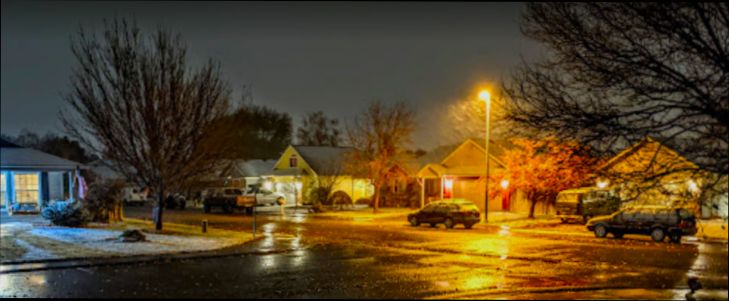
Real Estate Market Overview in Nampa
The real estate market in Nampa, Idaho, showcases a dynamic landscape influenced by various factors, making it essential for potential buyers and investors to stay informed. With an influx of new residents and evolving market conditions, understanding the nuances of this market can facilitate better decision-making.
Current Trends in Nampa Real Estate
- Appreciation Rates: Home values in Nampa have appreciated steadily over the past five years, averaging an increase of approximately 12% per year. This trend signifies a strong demand for housing and indicates that homes may well retain or increase their value.
- Inventory Levels: The number of homes available for sale has decreased by nearly 15% compared to last year, indicating a tight market. Fewer homes for sale lead to increased competition among buyers, often resulting in bidding wars.
- Days on Market: Homes in Nampa are selling faster, with the average days on the market dropping to about 30 days. This rapid turnover can make quick decisions necessary for prospective buyers.
Comparative Table of Real Estate Metrics
| Metric | Current Value | Last Year Value | Percentage Change |
|---|---|---|---|
| Median Home Price | $370,000 | $340,000 | +8.82% |
| Average Days on Market | 30 days | 45 days | -33.33% |
| Total Sales Transactions | 4,500 units | 4,200 units | +7.14% |
| Inventory Levels | 500 homes | 590 homes | -15.25% |
Real-World Examples
In recent months, a well-maintained 3-bedroom home located in a desirable Nampa neighborhood sold for $415,000, highlighting the premium buyers are willing to pay for quality properties. Another instance involved a fixer-upper that attracted multiple offers within the first week on the market, ultimately closing for 15% above the asking price. Such examples underline the competitive nature of today’s Nampa real estate market.
Practical Implications for Buyers and Investors
If you’re considering a move to Nampa or looking to invest, it’s crucial to:
- Act Quickly: A rapid sales cycle means homes don’t linger on the market. Be prepared to make swift offers.
- Research Neighborhoods: Different areas may offer varying appreciation potentials and amenities. Understanding local dynamics can guide your investment better.
- Explore New Developments: With Nampa consistently expanding, new construction projects are popping up. These can offer modern amenities and potentially better price appreciation.
For anyone looking to dive into the Nampa real estate scene, staying informed about market trends and being proactive can lead to favorable outcomes.

Cultural Diversity and Social Environment
Cultural diversity and the social environment in Nampa, Idaho, create a vibrant tapestry that enriches community life and provides residents with various experiences. The population of Nampa reflects a blend of different cultural backgrounds, contributing to unique community events, dining options, and social interactions that can greatly enhance one’s living experience.
Key Aspects of Cultural Diversity
- Ethnic Composition: Nampa has seen a growing Hispanic community, which constitutes about 29% of the population. This demographic shift has introduced a variety of cultural practices, festivals, and culinary experiences that are deeply rooted in Hispanic heritage.
- Cultural Events: Regular celebrations, such as the Nampa Latino Festival, showcase diverse traditions and draw participation from residents of all backgrounds, fostering a sense of unity and cultural appreciation.
- Community Programs: Various community organizations promote cultural understanding. For example, programs dedicated to bridging cultural gaps through workshops, language classes, and cultural exchange initiatives engage both new arrivals and long-time residents.
Cultural Diversity Data Overview
| Ethnic Group | Percentage of Population |
|---|---|
| Hispanic | 29% |
| White | 60% |
| Asian | 2% |
| African American | 2% |
| Other | 7% |
Real-World Examples
Nampa’s commitment to diversity is evident in the establishment of the Idaho Immigrant Resource Center, which provides support and resources for immigrants adapting to life in Nampa. They offer legal assistance, educational workshops, and community gatherings aimed at inclusivity. Furthermore, local businesses, like the popular Taqueria El Rancho, celebrate Hispanic culture through authentic cuisine, which has also attracted a broader clientele interested in exploring different flavors and dining experiences.
Practical Implications for Residents
Embracing the diverse social environment in Nampa allows residents to engage meaningfully with their community. Participation in local cultural festivals or volunteering with cultural organizations not only enhances personal connections but also fosters a greater understanding of different lifestyles and traditions.
Engaging with diverse groups can lead to enriching friendships and networking opportunities. Joining community classes or events can be a fantastic way to integrate into this multifaceted environment while also learning new skills and perspectives.
- Attend Cultural Festivals: Participate in annual events like the Nampa Latino Festival for an immersive experience.
- Join Community Groups: Look for local organizations focused on cultural exchange; involvement can provide support and enhance community ties.
- Explore Local Cuisine: Visit eateries representing different cultures to enjoy an authentic taste and meet diverse members of your community.
Understanding and actively participating in Nampa’s cultural diversity can lead to a more fulfilling and connected life in the city.

Health Care Access and Facilities
When considering a move to Nampa, Idaho, one crucial aspect to evaluate is the health care access and facilities available in the area. Whether you’re a family with young children, a retiree, or someone requiring ongoing medical care, understanding the options available to you is essential. Let’s dive into what Nampa has to offer regarding health care.
Key Features of Health Care Access in Nampa
- Emergency Services: Nampa is served by St. Luke’s Nampa Medical Center, which provides critical emergency services and has a reputation for quality care. This facility is equipped with a full-service emergency department that is accessible 24/7.
- Health Insurance Accessibility: A significant percentage of residents in Nampa are covered by health insurance, with approximately 85% having some form of health coverage, according to local health statistics. This suggests a strong safety net for most individuals and families.
- Specialized Care: Options for specialized care are on the rise, with various clinics and specialists opening in recent years. As of the latest data, there’s a reported 15% increase in the availability of specialists in areas like cardiology, orthopedics, and pediatrics.
Comparative Health Care Facilities Overview
| Facility Type | Number of Facilities | Average Patient Rating |
|---|---|---|
| Hospitals | 2 | 4.5/5 |
| Urgent Care Clinics | 4 | 4.2/5 |
| Family Medicine Practices | 10 | 4.6/5 |
| Specialty Clinics | 8 | 4.4/5 |
Real-World Examples of Health Care Access
One notable example includes the recent expansion of the St. Luke’s Health System, which has demonstrated a commitment to not only physical health but also mental health services. The investment in mental health resources shows an understanding of the comprehensive needs of the community.
Another case is the West Valley Medical Center, which has introduced innovative health programs focusing on preventive care. They offer community classes on nutrition and wellness, showing their proactive approach to health management.
Practical Implications for Residents
As a resident of Nampa, you can take advantage of the wide range of health care services available. If you require specialized care, utilizing the growing list of clinics can be beneficial. Always check if your insurance covers these specialized services, as coverage can vary among providers.
Additionally, being aware of community health events can provide access to valuable resources and free health screenings. Make it a point to connect with your local health care providers to stay informed about new programs and services that may benefit you.
If you’re considering relocating to Nampa, it’s advantageous to research the specific health care facilities that best meet your needs, potentially reducing stress in times of medical need. Accessing resources, like online platforms to read reviews or check available services, is an essential step in ensuring effective health care.