Blog
When Should I Pay ITP in Spain
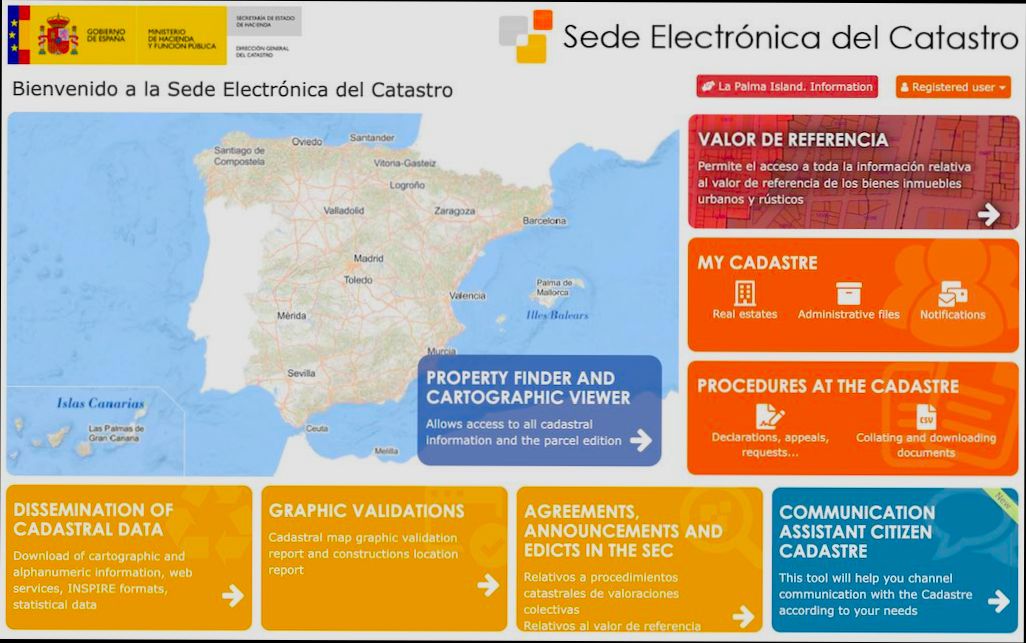
When Should I Pay ITP in Spain? Well, if you’re thinking of buying property in this beautiful country, this is a crucial question you’ll need to tackle. The Impuesto de Transmisiones Patrimoniales (ITP) is a transfer tax that kicks in when you purchase a second-hand property, and depending on which region you’re in, the rates can vary significantly. For instance, in Catalonia, the tax can range from 5% to 11%, whereas in Madrid, it typically hovers around 6%. So, if you buy a used apartment priced at €200,000 in Barcelona, you might find yourself shelling out a hefty €22,000 in taxes!
Where is it Cheapest to Rent a House in US
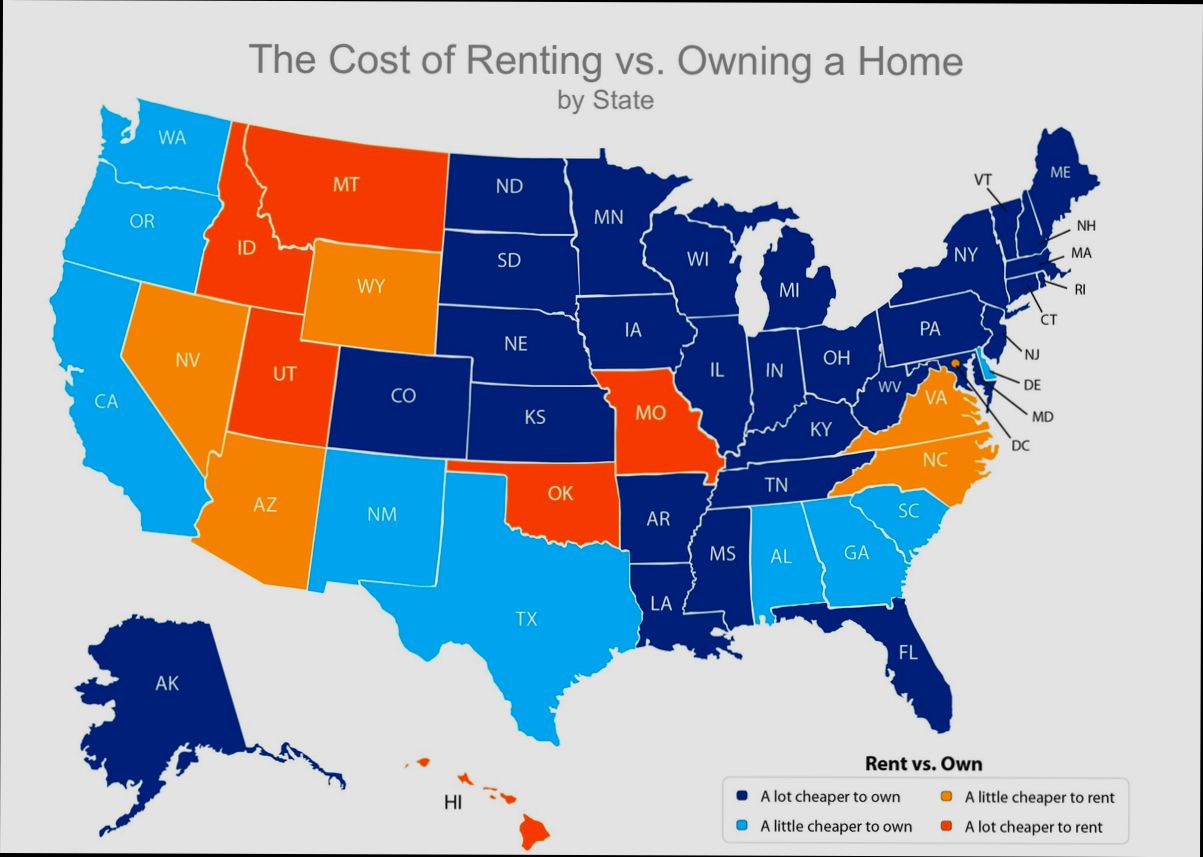
Where is it Cheapest to Rent a House in US? If you're looking for wallet-friendly options, you'll want to turn your attention to places like Memphis, Tennessee, where the average rent hovers around just $1,200 per month. You’ll find suburbs that offer spacious three-bedroom homes for even less, making it a top contender for budget-conscious renters. Over in Pittsburgh, Pennsylvania, you can snag rental spots for about $1,400, and the city’s rich history and vibrant culture make it a pretty enticing place to call home.

Which is the Richest City in Spain
Which is the Richest City in Spain? If you're thinking of cities like Madrid or Barcelona, you're not alone. Madrid, the capital, certainly boasts the highest GDP and a bustling economy, but don’t count out Barcelona just yet—it's a tourism powerhouse with iconic attractions like the Sagrada Familia pouring in billions every year. However, when we zoom in on wealth per capita, cities like San Sebastián come into the spotlight; this Basque gem typically ranks at the top for income levels, showcasing a high standard of living and an average salary that often exceeds the national average.
Which States Don't Have Property Tax
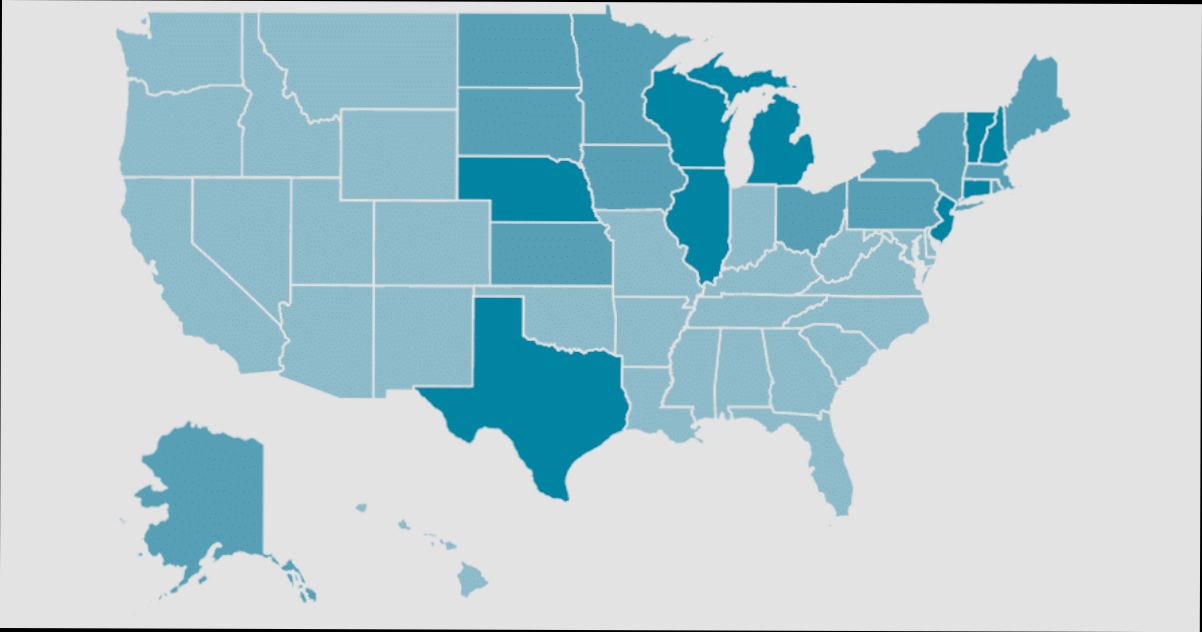
Which States Don't Have Property Tax? If you’ve ever wondered where to save a few bucks on homeownership, you’re not alone. Believe it or not, there are a handful of states that have completely eliminated property tax, offering a financial breather for homeowners. For instance, Florida and Texas are well-known for their lack of state income tax, but they still collect property taxes at the local level. On the flip side, states like Wyoming and Alaska stand out because they don’t levy property taxes at all, making them attractive options for those looking to dodge this financial burden.
Which US State Has the Lowest Cost of Living
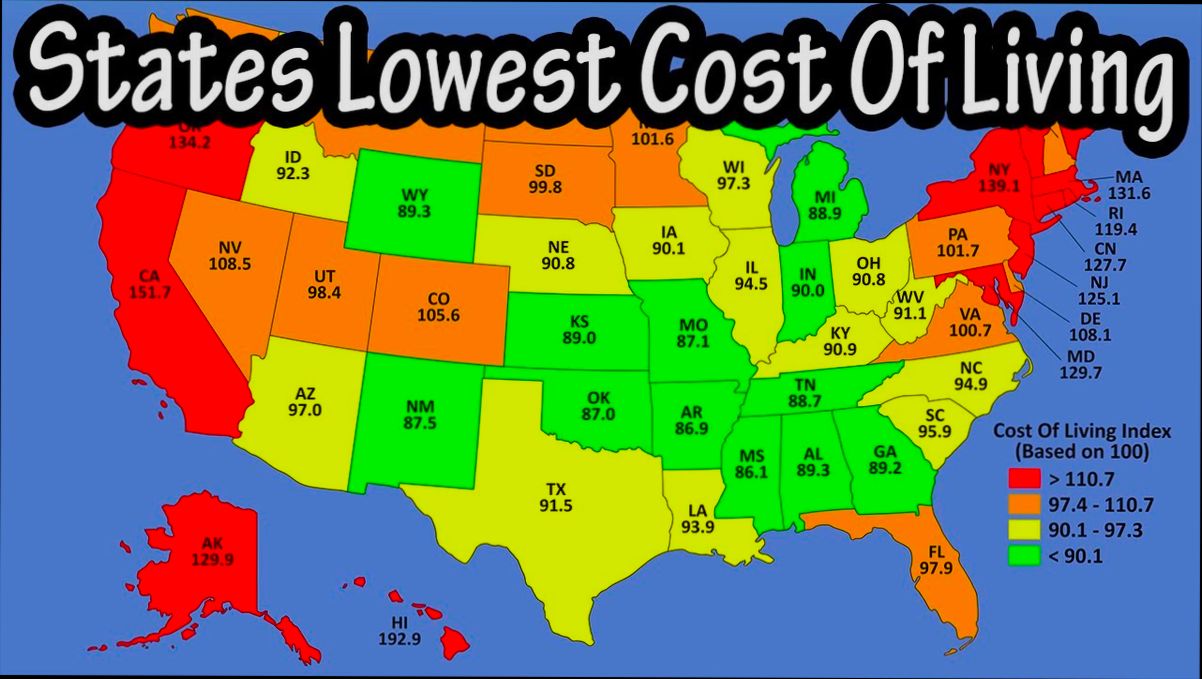
Which US State Has the Lowest Cost of Living? If you’re tired of scraping by in a high-rent city or just dreaming about stretching your paycheck a little further, you’re in the right spot. Let's take Mississippi, for example, often cited as the state with the lowest cost of living. With an average rent around $950 for a two-bedroom apartment and groceries costing about 15% less than the national average, it's no wonder people are flocking there for affordable living. You might even find delicious meals at local diners for under $10!

Who Do You Call When Landlord Won't Fix Things
Who Do You Call When Landlord Won't Fix Things? You know the drill: it's Thursday evening, you're settling in after a long day, and suddenly, a pipe bursts in the bathroom. You scramble to call your landlord, but all you get is silence. According to a recent survey, around 30% of renters report having experienced significant maintenance issues that their landlords ignored—everything from heating breakdowns in winter to broken locks on safety doors. You feel stuck, and let’s face it, no one wants to wake up next to an unflushed toilet or have to bundle up in a parka just to avoid frostbite in their own living room.
Who Gets the House in a Divorce
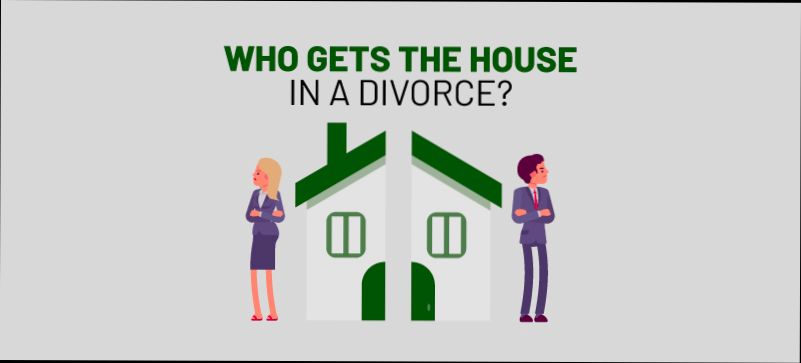
Who gets the house in a divorce? It’s one of the biggest questions that stirs up stress and confusion during an already emotionally charged time. Imagine you and your spouse bought a charming three-bedroom home together for $300,000, but after a few years, its value skyrocketed to $450,000. Now, with piles of paperwork and both of you wanting what's fair, those walls you once painted together become a battleground. Studies reveal that nearly 70% of divorced couples struggle with property divisions, and it’s easy to see why—our homes often hold the essence of our lives and memories.
Who is Responsible for Repairs When Renting a House
Who is Responsible for Repairs When Renting a House? This question can stir up a lot of confusion for both tenants and landlords. Let’s face it, you’ve probably experienced that dreaded moment when your water heater starts leaking or the heating system breaks down right in the middle of winter. According to a survey by the National Apartment Association, nearly 60% of renters have reported issues with their rental properties, from plumbing problems to broken appliances. So, who foots the bill when these mishaps happen? Understanding the legalities can feel like deciphering a foreign language, but knowing your rights is crucial.
Tags