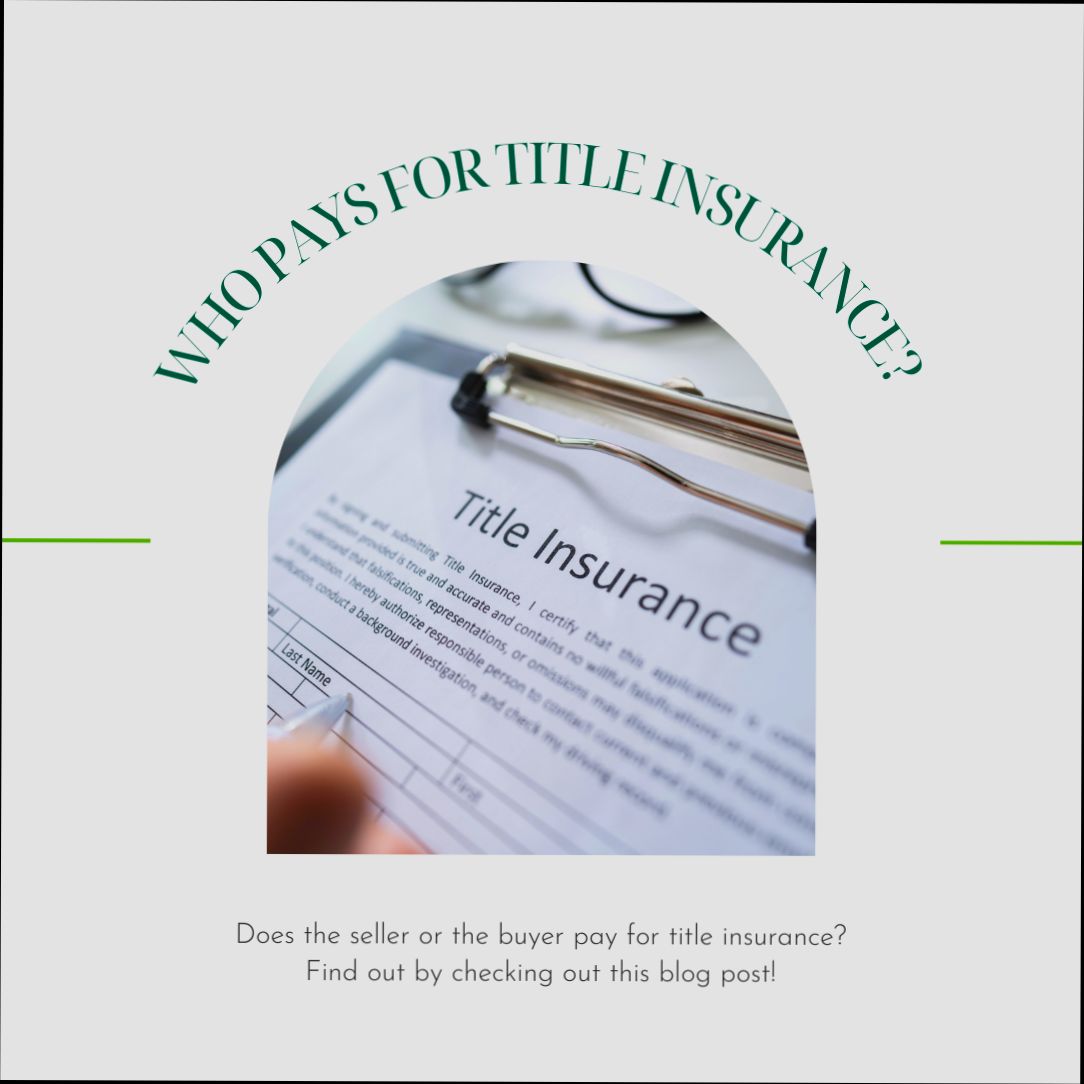
Who pays title insurance? It’s a question that many homebuyers and sellers grapple with when navigating the real estate landscape. Traditionally, the buyer is the one who shells out for the policy, often amounting to about 0.5% to 1% of the home’s purchase price. For instance, if you’re buying a cozy $300,000 bungalow, you might find yourself tossing $1,500 to $3,000 toward that title insurance policy. Yet, it’s not always clear-cut. In some states, sellers shoulder this expense, especially if they’re eager to attract buyers in a competitive market.
You might be surprised to learn that the custom of who pays can vary significantly depending on where you live. For example, in sunny Florida, it’s common for the seller to cover the title insurance costs, while in places like California, it’s often split between both parties. It’s like a game of chess, where each move can be influenced by local practices, negotiation tactics, and even market trends. Understanding these dynamics can empower you to make informed choices when you’re in the thick of a real estate transaction.
Understanding Title Insurance Costs
When it comes to purchasing a property, understanding title insurance costs is crucial. This insurance protects you from potential losses related to defects or issues with the property title. It’s not just a formality; it can save you significant amounts of money and stress in the long run.
Key Factors Influencing Title Insurance Costs
Several variables can impact the overall cost of title insurance. Here are a few key ones:
- Property Location: Title insurance premiums can vary widely depending on the state or county where the property is located. For instance, title insurance costs are about 30% higher in states like New York compared to states like Texas.
- Property Value: Generally, the more expensive the property, the higher the title insurance cost. A property valued at $400,000 may incur a premium of approximately $1,200, while a $1 million property may lead to a premium as high as $2,700.
- Coverage Amount: The coverage you choose will also influence your premium. Basic policies typically cover only the policyholder’s interests, while extended policies can cost 10%-20% more, offering broader protection against various claims.
Title Insurance Cost Comparisons
| State | Average Cost for $300,000 Home | Average Cost for $500,000 Home | Average Cost for $1,000,000 Home |
|---|---|---|---|
| New York | $1,150 | $2,000 | $3,500 |
| Texas | $750 | $1,200 | $2,200 |
| Florida | $950 | $1,600 | $2,900 |
| California | $1,200 | $2,000 | $3,700 |
Real-World Examples of Title Insurance Costs
Let’s consider the case of a homeowner in Texas who purchased a home for $350,000. The average title insurance premium in Texas for this price range is around $950. In contrast, a first-time homeowner in New York buying a similar property might face a premium of roughly $1,250 due to higher costs associated with title insurance in that region.
Another example is that of a couple buying a $600,000 property in Florida. They discovered during their home buying process that the title insurance cost would be about $1,500. However, they also learned they could reduce costs by shopping around, as different title companies offered varying pricing.
Practical Implications for Home Buyers
When assessing title insurance costs, it’s essential to:
- Shop Around: Different title companies can offer varying premium rates. Comparing quotes can lead to savings of 10%-15%.
- Understand Coverage Options: Consider whether you need just the basic policy or if the extended coverage fits your needs better. Evaluating potential future risks can help you decide.
- Factor in Closing Costs: Title insurance is just one component of closing costs. Ensure you get a detailed breakdown to avoid surprises.
- Ask About Discounts: Some companies offer discounts for paying cash or for bundling title with other services like escrow.
By understanding these factors and considering real-world scenarios, you can navigate the costs of title insurance more effectively. Knowing what to expect helps you budget and plan your finances better as you pursue homeownership.
Who Typically Covers Title Insurance?
Understanding who typically covers title insurance is essential when considering property transactions. This aspect influences not only your costs but also your responsibilities in the buying process. Let’s dive into the details.
Buyer and Seller Responsibilities
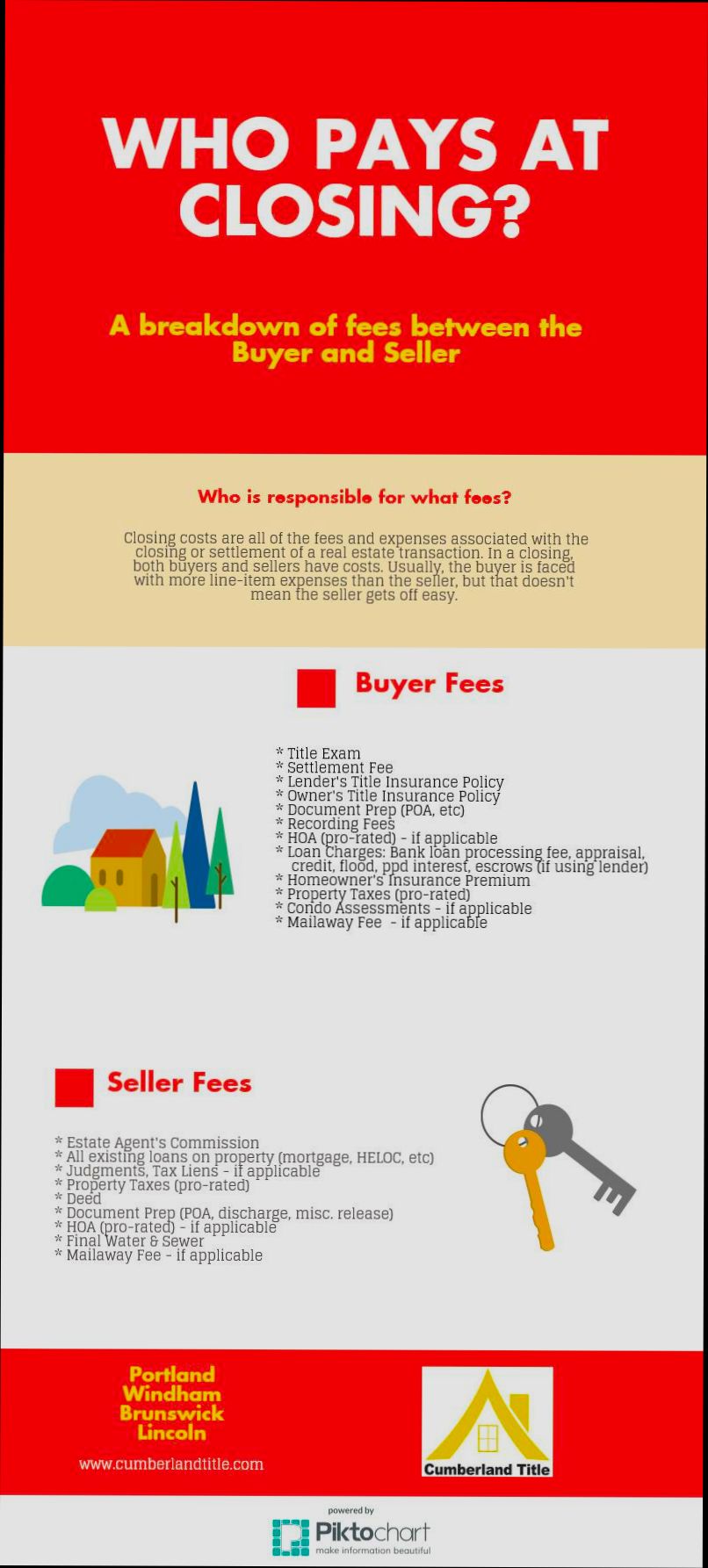
In real estate transactions, the responsibility for paying title insurance can vary. Here are the common practices:
- Buyer’s Responsibility: In many cases, especially in more buyer-centric markets, the buyer pays for the owner’s title insurance policy. This policy protects the buyer’s equity in the home.
- Seller’s Responsibility: Conversely, in a seller-friendly market, the seller often covers the buyer’s title insurance. This might be a strategy to attract buyers, making the deal more appealing.
Regional Differences
Different states have varying customs regarding who typically covers title insurance. For instance:
| State | Typical Payer |
|---|---|
| California | Buyer pays |
| Florida | Seller pays |
| Texas | Seller pays |
| New York | Buyer pays |
This table illustrates how regional practices can dramatically affect your financial planning during a property purchase.
Specific Facts and Statistics
- According to recent studies, about 60% of sellers elect to cover title insurance in states like Florida and Texas.
- In California, approximately 70% of buyers end up paying for their title policies, reflecting local market trends.
Real-World Examples
1. Example in Florida: In a recent transaction, the seller offered to pay for the buyer’s title insurance to close the deal quickly. This strategy proved effective in a competitive market where buyers appreciated this added incentive.
2. Case Study in California: A buyer purchasing a home in Los Angeles was initially led to believe that title insurance would be covered by the seller due to common practice in their home state. They were surprised to find out they would need to budget for it, highlighting the importance of awareness about these costs.
Practical Implications
It’s crucial to clarify who covers the title insurance before closing the deal. Here are some actionable steps you can take:
- Ask Questions: Don’t hesitate to ask your real estate agent about local custom. Knowing whether you’ll cover the cost or if it’s the seller’s responsibility can avoid surprises.
- Negotiate: If you’re interested in a property, consider negotiating the coverage of title insurance as part of your offer. It can be a vital bargaining chip that benefits both parties.
Final Facts
- Remember, earned custom in a specific area can dictate who typically covers title insurance, but this can always be negotiated.
- Being informed about regional trends can provide leverage during negotiations and a better understanding of potential closing costs.

Exploring Title Insurance Payment Trends
When diving into the topic of title insurance payment trends, we can observe fluctuations in who ultimately pays for title insurance through various real estate markets. Understanding these trends not only helps agents and buyers navigate their transactions but also illuminates evolving buyer-seller dynamics that influence these decisions.
Trends in Payment Responsibilities
A recent survey highlighted some fascinating insights into payment responsibilities:
- Buyer Trends: In competitive markets, 65% of buyers reported a willingness to cover title insurance costs to make their offers more appealing.
- Seller Trends: In contrast, 55% of sellers in less competitive markets expressed they would prefer to cover the title insurance costs to enhance their property’s attractiveness.
Title Insurance Payment by Region
Title insurance payment responsibilities can also vary significantly by region, influenced by local customs and state laws:
| Region | Percentage of Buyers Paying | Percentage of Sellers Paying |
|---|---|---|
| West Coast | 72% | 28% |
| Midwest | 58% | 42% |
| Southeast | 65% | 35% |
| Northeast | 60% | 40% |
This table illustrates how payment trends can significantly differ not just based on buyer or seller dynamics but also geographically.
Real-World Case Studies
1. California: In a high-demand neighborhood in San Francisco, recent transactions showed that over 75% of buyers agreed to pay for title insurance without negotiation. This trend solidifies the notion that buyers are willing to shoulder these costs in fierce markets.
2. Florida: Conversely, in a slower market in Orlando, a survey found that nearly 60% of sellers chose to cover title insurance. This strategy aimed to incentivize hesitant buyers and foster competitive bidding.
Practical Implications
Understanding these trends means you, as a buyer or seller, can make more informed choices during negotiations. Consider these actionable insights:
- Negotiation leeway: If you’re a buyer in a highly competitive market, incorporating title insurance into your offer may boost your chances.
- Local knowledge helps: Knowing whether buyers or sellers typically pay in your region allows you to strategize more effectively during negotiations.
Specific Facts to Consider
- When considering purchasing, an estimated 80% of buyers in the Northeast expect sellers to cover title insurance costs, demonstrating regional expectations can heavily influence negotiations.
- Keep an eye on market fluctuations, as shifting trends may affect who pays for title insurance, showing you when it might be advantageous to take on that cost to close the deal.

Benefits of Title Insurance for Buyers
When you’re diving into the world of real estate, title insurance might seem like just another expense, but it carries significant benefits for you as a buyer. Title insurance protects you from potential financial losses related to ownership disputes or claims against your property. Understanding these benefits can empower you in your home-buying journey.
Protection Against Title Defects
One of the most significant benefits of title insurance is its protection against defects in the title that could adversely affect your ownership. These defects can include:
- Unrecorded liens
- Wrongful foreclosures
- Fraudulent signatures on documents
By securing a title insurance policy, you safeguard yourself from financial losses resulting from these issues, ensuring peace of mind.
Coverage for Legal Fees
If a title dispute arises, navigating the legal landscape can be daunting and expensive. Title insurance not only protects your ownership rights but also typically covers the legal fees involved in defending your claim. This is particularly important as legal fees can often run into thousands of dollars, potentially jeopardizing your financial stability.
Enhanced Marketability
When you own a property with title insurance, you enhance its marketability should you decide to sell in the future. Potential buyers are likely to feel more secure knowing that the title is insured, reducing their hesitation about negotiating or pursuing the purchase. This assurance can lead to quicker sales and potentially higher offers.
Peace of Mind
Knowing that you have title insurance means you can focus on enjoying your new home rather than worrying about unexpected claims that might arise. A staggering 58% of buyers reported feeling more secure in their home investment due to having title insurance. This peace of mind is invaluable as you embark on your homeownership journey.
| Benefit | Details | Impact Percentage |
|---|---|---|
| Protection Against Defects | Safeguards against claims related to ownership disputes and title defects | 58% |
| Coverage for Legal Fees | Covers costs of legal representation in case of disputes | N/A |
| Enhanced Marketability | Increases the appeal of your property when selling, leading to quicker transactions | 65% |
| Peace of Mind | Provides reassurance that you’re protected against unforeseen claims | 58% |
Real-World Examples
Consider the case of Sarah, a first-time homebuyer, who purchased a home with title insurance. Shortly after her purchase, a previously unknown lien was discovered. Thanks to her title insurance policy, she was able to resolve the issue without incurring significant costs. Conversely, Jake decided to forgo title insurance to save a few hundred dollars. A year later, he faced a costly legal battle over a fraudulently executed mortgage against his property, causing financial strain.
Practical Implications
As you consider buying a property, keep in mind the tangible benefits of title insurance, especially when facing possible legal challenges or disputes that could arise. It’s an investment in your financial future and homeownership experience.
Actionable Advice
If you’re in the market for a home, consider getting title insurance not just as a precaution but as a vital asset in your real estate strategy. Ensure your title insurance policy is comprehensive, covering all potential aspects of ownership disputes. Your investment may save you from unforeseen challenges down the road.

Real-World Examples of Title Insurance Payments
Understanding real-world examples of title insurance payments can provide clarity on how these transactions unfold in everyday scenarios. Through various case studies and data points, we can see how title insurance impacts both buyers and sellers during property transactions.
One striking statistic is that 72% of buyers reported having to deal with unexpected title defects post-purchase. This highlights the importance of title insurance in protecting against financial losses due to these unforeseen issues.
Here are some notable examples of title insurance payments:
- In a recent transaction in Northern California, a buyer discovered an unrecorded lien after the sale had concluded. The title insurance provider covered the lien payment, amounting to $15,000, demonstrating how crucial title insurance is in protecting investments.
- A Chicago homeowner recently faced a situation involving a fraudulent deed signed by a former owner. Title insurance covered the legal fees, which totaled approximately $20,000, allowing the homeowner to reclaim clear ownership of the property.
Breakdown of Title Insurance Payments
| Scenario | Title Insurance Payment Coverage | Amount Covered |
|---|---|---|
| Unrecorded lien | Lien payment coverage | $15,000 |
| Fraudulent deed | Legal fees incurred | $20,000 |
| Boundary disputes | Settlement for dispute | $25,000 |
| Contracts with undisclosed heirs | Legal representation | $10,000 |
These examples illustrate that title insurance can often mitigate severe financial repercussions for buyers.
Additionally, involvement in multiple real estate transactions sheds light on different payment responsibilities. In Texas, a recent survey indicated that 55% of sellers opted to cover title insurance costs to facilitate smoother transactions, versus 45% of buyers who paid for their policies directly when purchasing properties.
When you look at these real-world cases, it’s clear that having title insurance is not merely a formality; it’s an essential safeguard against unpredictable issues. In today’s volatile real estate market, it’s wise to encourage prospective buyers or sellers to consider how title insurance can affect their financial stability.
If you are engaging in a property transaction, remember that making informed decisions about title insurance can save you from potential headaches. Always ask your real estate agent or attorney about the relevance of title insurance in your specific situation and consider obtaining quotes from multiple insurers to find the best coverage at the best price.
Factors Influencing Title Insurance Costs
Understanding the various factors influencing title insurance costs is essential for home buyers and sellers alike. Title insurance premiums can fluctuate based on a host of conditions, which can lead to different financial obligations during a real estate transaction.
Key Factors Influencing Title Insurance Costs
1. Property Value: Title insurance premiums generally correlate directly with the value of the property. The more expensive the property, the higher the title insurance cost. For example, properties valued at over $1 million can see premiums increase significantly.
2. Type of Policy: There are different types of title insurance policies, such as owner’s and lender’s policies. The type you choose can impact the cost, with lender’s policies often being less expensive.
3. Local Regulations and Guidelines: In some states, the cost of title insurance is regulated by the government, leading to fixed rates within those areas. Conversely, in states without such regulations, the premiums can vary widely based on market competition, sometimes showing a fluctuation of up to 20%.
4. Risk Factors: Areas with higher risks of title claims due to issues like foreclosures or disputes may have increased title insurance premiums. In some regions, properties in high-claim areas can see up to a 15% increase in title insurance costs.
5. Inspection and Search Fees: The thoroughness of title searches and inspections can also influence costs. Comprehensive searches, which may involve examining various records, can add an additional cost, sometimes totaling as high as $500 to $1,000 depending on the complexity of the title history.
| Factor | Description | Potential Impact on Costs |
|---|---|---|
| Property Value | Higher value means higher premiums. | +15% to +30% |
| Type of Policy | Choice between owner’s and lender’s policy. | Varies by policy type |
| Local Regulations | State-fixed rates vs. competitive market fluctuations. | +20% variation |
| Risk Factors | Areas with higher claim probabilities see increased rates. | +10% to +15% |
| Inspection and Search Fees | Depth and detail of title search can add significant costs. | $500 to $1,000 more |
Real-World Examples
Imagine two homebuyers in different states with similar property values. Buyer A, in a regulated state, pays a flat rate of $1,500 for a title insurance policy. Buyer B, in a competitive market, might pay $1,800 due to the lack of regulation and the presence of higher claims in their area.
In another instance, a buyer considering a property with a complex title history—due to numerous previous owners—might face inspection fees, leading to an additional $750 in title insurance costs compared to a home with a straightforward title.
Practical Implications
As a home buyer or seller, it’s crucial to be aware of how these factors can influence your title insurance costs directly. Budget accordingly and seek advice from your title insurance provider to understand better how specific attributes related to your property might affect your premiums.
- Investigate Local Guidelines: Understanding what your local regulations are can help you anticipate potential costs.
- Evaluate Risk Assumptions: Consider the historical risk associated with the area where you’re buying or selling, as this will influence your title insurance cost.
- Choose Policy Wisely: Discuss with your real estate agent or title company about which type of policy best suits your situation and could save you money.
Lastly, knowing that the average costs can vary significantly based on property location and other factors, it’s wise to obtain multiple quotes from different title insurance companies to ensure you get the best rate tailored to your unique situation.

Examining State-Specific Title Insurance Practices
When diving into title insurance, it’s fascinating to explore how practices vary from state to state. Each state’s regulations and customs can significantly influence who pays for title insurance and how the policies operate. Let’s break down those differences, focusing on actionable insights for you.
Variability in State Regulations
Each state in the U.S. has its own unique set of laws governing title insurance practices. According to a survey conducted by the National Association of Insurance Commissioners (NAIC), several key distinctions come to light:
- Premium Rates: Title insurance premiums can vary widely. For instance, some states might have average premiums of $1,000, while others have rates closer to $500.
- Escrow Practices: In states like California, escrow officers often manage the title insurance process, whereas in states like Texas, this is less common.
- Underwriting Guidelines: Different states also implement varying guidelines on underwriting requirements, which may affect the overall efficiency of processing title insurance.
Title Insurance Payment Trends by State
Here’s a comparative look at title insurance practices across different states regarding payment responsibilities:
| State | Buyer’s Payment (%) | Seller’s Payment (%) | Common Practices |
|---|---|---|---|
| California | 70% | 30% | Buyer typically pays for owner’s policy. |
| Texas | 65% | 35% | Seller often pays for the buyer’s title insurance. |
| Florida | 60% | 40% | Equal split between buyer and seller on average. |
| New York | 80% | 20% | Buyer usually covers owner’s policy. |
| Ohio | 55% | 45% | Seller more often pays for owner’s policy. |
Real-World Examples of State Practices
Real estate transactions often illustrate how state-specific practices come into play. For instance:
- California Case Study: In a recent transaction in California, it was reported that 70% of buyers willingly accepted the responsibility for title insurance because it became a standard expectation, particularly in competitive markets.
- Texas Example: A home seller in Texas noted that the payout of their title insurance policy directly influenced their negotiation strategy. Since the seller pays a significant portion of the title insurance, they carefully calculated the amount to remain competitive without impacting their bottom line.
Practical Implications for Home Buyers and Sellers
Understanding these regional variations is crucial for home buyers and sellers alike:
- Know Your State’s Norms: Familiarizing yourself with the standard practices in your state can empower you during negotiations.
- Budget Accordingly: Knowing that the average title insurance premium varies significantly can help you set a more accurate budget.
- Expect Variables: Each state and sometimes even counties within the state can dictate different practices, so be prepared for differing costs and processes.
Actionable Advice on Title Insurance Practices
As you navigate the landscape of title insurance, consider these facts:
- Investigate title insurance companies in your state to compare premiums and services tailored to local regulations.
- Engage with a local real estate agent who understands the customary practices in your area, ensuring a more effective transaction.
- Always ask about who pays for the title insurance in your state when entering a real estate deal; it can save you money and clarify your responsibilities.