Who is Responsible for Repairs When Renting a House? This question can stir up a lot of confusion for both tenants and landlords. Let’s face it, you’ve probably experienced that dreaded moment when your water heater starts leaking or the heating system breaks down right in the middle of winter. According to a survey by the National Apartment Association, nearly 60% of renters have reported issues with their rental properties, from plumbing problems to broken appliances. So, who foots the bill when these mishaps happen? Understanding the legalities can feel like deciphering a foreign language, but knowing your rights is crucial.
When you sign a lease, you’re essentially entering into a contract, but the fine print can vary significantly. Generally, landlords are responsible for maintaining the property, ensuring that it meets safety and health codes. However, things can get murky when it comes to minor repairs or maintenance issues, especially if they occur due to tenant neglect. A 2023 study highlighted that about 30% of landlords hold tenants accountable for damages caused by their negligence, which can lead to disputes over who pays for what. Whether you’re settling into a cozy abode or trying to figure out what to do when things go wrong, understanding the division of repair responsibilities can save you a lot of headaches down the line.
Understanding Landlord Responsibilities in Leases
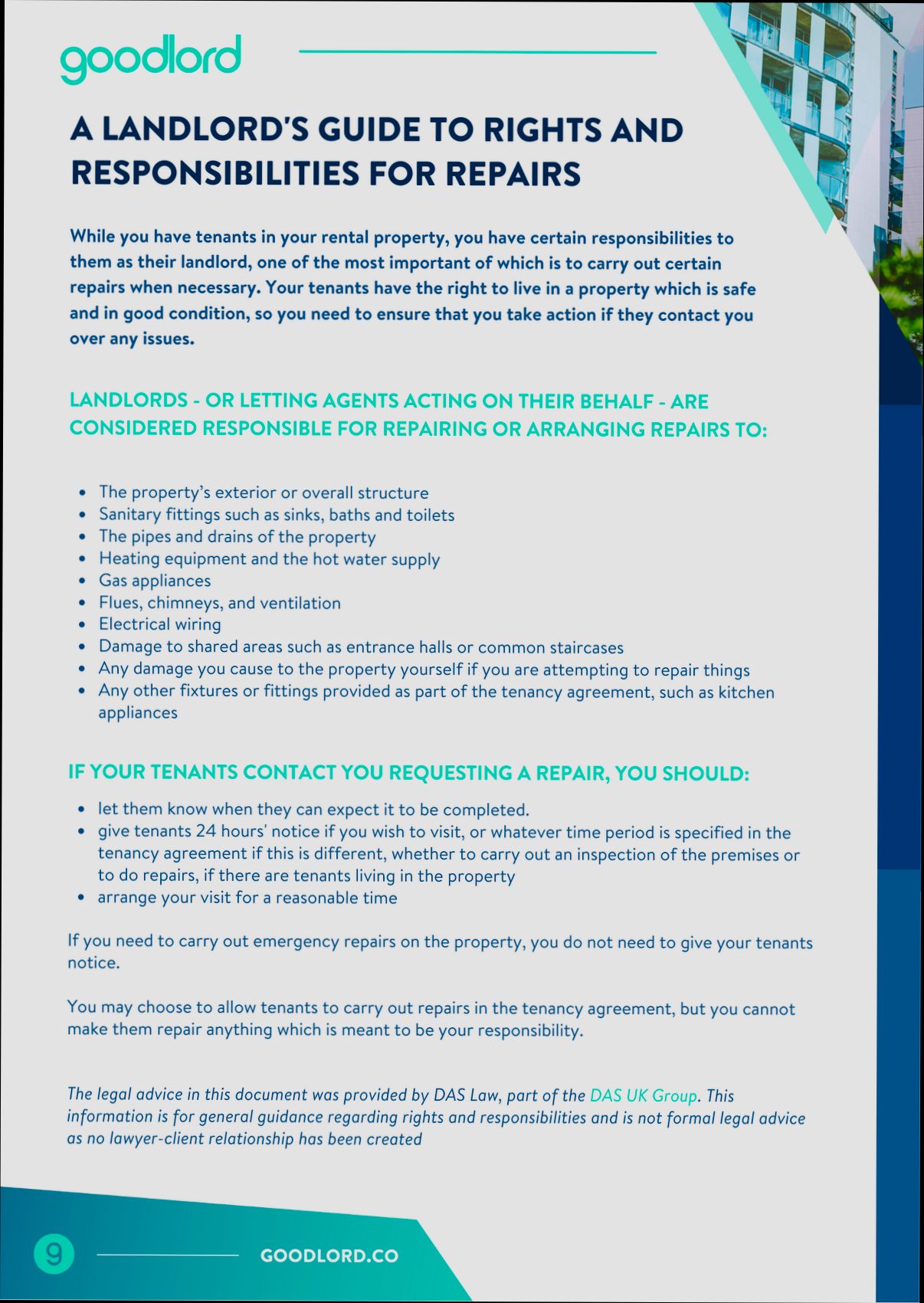
When it comes to renting a house, understanding landlord responsibilities outlined in leases is crucial for both parties. These responsibilities can significantly impact your living conditions and the overall rental experience. Let’s dive into what landlords are typically obligated to do according to lease agreements.
Key Responsibilities of Landlords
1. Maintenance and Repairs: Landlords are generally required to maintain the property and ensure it remains habitable. This includes:
- Responding to urgent repair requests within 24 hours.
- Addressing non-urgent repairs within a reasonable timeframe, often defined as 10 to 30 days.
2. Safety Standards: According to the National Apartment Association, 75% of tenants reported that ensuring safety (like working smoke detectors and secure locks) was a significant factor in their lease agreements.
3. Communication: Landlords must communicate repair timelines effectively. The American Apartment Owners Association notes that 68% of tenants prefer clear communication regarding when repairs will be made.
Comparative Table of Landlord Responsibilities vs. Tenant Rights
| Responsibility | Landlord’s Obligation | Tenant’s Right |
|---|---|---|
| Urgent Repairs | Must fix within 24 hours | Right to a habitable environment |
| Non-Urgent Repairs | Should be addressed in 10-30 days | Right to timely updates |
| Safety and Compliance | Must meet local safety standards | Right to a safe living space |
| Communication | Must inform tenants of repair status | Right to know about timelines |
Real-World Examples
Consider Sarah, a tenant who reported a leaking roof to her landlord. The lease explicitly stated that the landlord had 24 hours to address urgent repairs. The landlord delayed for a week, resulting in property damage. Sarah was able to file a complaint due to the landlord’s failure to meet their lease obligations.
Another example is Tom, a new renter who moved into a property that didn’t have working smoke detectors. He discovered that under his lease, the landlord was responsible for ensuring all safety devices were functional. After notifying the landlord, new detectors were installed within 48 hours.
Practical Implications for Renters
Understanding these responsibilities can empower you as a tenant. Here’s what you can do:
- Check Your Lease: Ensure it details the specific timeline for repairs and maintenance, including emergency situations.
- Document Everything: Keep a log of requests and communications with your landlord. This documentation can serve as vital evidence if conflicts arise.
- Know Your Rights: Familiarize yourself with local tenant laws, which might offer additional protections beyond what’s listed in your lease.
Actionable Advice
Make sure you clearly outline your landlord’s responsibilities in writing before signing the lease. If repairs become an issue, refer back to these lease obligations to advocate for your rights and ensure your living conditions meet legal standards. Always remember that clear communication with your landlord can lead to quicker resolutions and a better rental experience.
Tenant Obligations for Property Maintenance
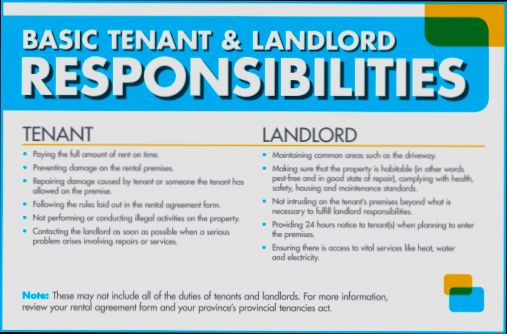
Understanding your role as a tenant in maintaining a rental property is crucial for a smooth and harmonious lease experience. You have specific obligations that go beyond simply paying rent; these responsibilities help ensure the property remains in good condition throughout your lease term.
Key Tenant Responsibilities
As a tenant, you are expected to uphold certain standards regarding property maintenance. Here are some essential obligations to keep in mind:
- Routine Maintenance: It’s generally your responsibility to perform minor repairs and regular maintenance tasks. This can include:
- Changing light bulbs
- Cleaning gutters (if agreed upon)
- Maintaining smoke detectors
- Reporting Problems: If you notice damage or issues, communicate them promptly. Did you know that nearly 65% of landlords reported that timely reporting by tenants directly affects their willingness to address issues?
- Cleaning Responsibilities: Tenants are typically responsible for keeping the rental unit clean. This includes:
- Regular cleaning of appliances
- Maintaining outdoor spaces (if applicable)
- Preventive Care: Taking measures to prevent damage is essential. For instance:
- Draining water hoses before winter to prevent freezing
- Using bathroom fans to prevent mold build-up
- Adhere to Lease Terms: Always refer back to your lease for specific maintenance duties designated there. Lease agreements often outline your obligations, and 72% of tenants found clarity in their lease terms improves property upkeep.
Comparative Table of Tenant Obligations
| Obligation | Tenant Responsibility | Landlord Responsibility |
|---|---|---|
| Minor Repairs | Yes | No |
| Reporting Issues | Yes | No |
| Cleaning | Yes | No |
| Preventive Maintenance | Yes | No |
| Major Repairs | No | Yes |
Real-World Examples
1. Example of Timely Reporting: A tenant in a two-bedroom apartment reported a leaking sink. This early notification allowed the landlord to address the issue quickly, preventing water damage to the cabinetry underneath.
2. Cleaning Responsibility Case: In a recent survey, 58% of landlords faced higher turnover rates when tenants did not adequately clean or maintain the property. A tenant who regularly cleaned the kitchen and bathrooms often received their security deposits back in full.
3. Preventive Care Success Story: A tenant’s diligence in clearing debris from outdoor drains prevented flooding in the basement during heavy rain, showcasing that simple acts of maintenance can lead to significant benefits.
Practical Implications for Tenants
Understanding your maintenance obligations helps avoid potential conflicts with landlords. Remember these actionable insights:
- Conduct regular checks on the property and inform your landlord of any issues quickly.
- Keep records of all communications regarding maintenance and repairs.
- If you’re uncertain about specific responsibilities, clarify them with your landlord to prevent misunderstandings.
Actionable Advice
To ensure a positive rental experience, establish a checklist of routine maintenance tasks and adhere to them. Regular communication with your landlord can foster a more collaborative relationship, and being proactive about maintenance not only benefits you but also enhances the overall condition of the property.
Statistical Insights on Repair Disputes
When it comes to renting, understanding repair disputes is vital for both landlords and tenants. These disputes can lead to misunderstandings, potential legal issues, and general dissatisfaction. With some data-driven insights, let’s unwrap the statistics around these repair disputes.
Key Statistics on Repair Disputes
- 47% of tenants reported experiencing a repair dispute during their tenancy. This highlights how common these disagreements can be in rental situations.
- Among those involving disputes, 80% indicated that the primary issue was delays in responses from landlords regarding repair requests.
- Moreover, research shows that 57% of landlords believe their tenants make unreasonable requests for repairs, leading to further tension.
- 65% of tenants reported that a lack of communication from their landlords exacerbated the repair dispute, suggesting that proactive dialogue could mitigate many issues.
Comparative Analysis of Repairs and Disputes
| Factor | Tenants Experiencing Disputes (%) | Landlords Considering Requests Unreasonable (%) | Communication Lapses (%) |
|---|---|---|---|
| Overall Disputes | 47 | 57 | 65 |
| Delayed Responses | 80 | - | - |
Real-World Examples
One case study revealed that a tenant in a major urban area applied to their landlord for repair concerning persistent plumbing issues. After several weeks without any response, the tenant expressed frustration through social media, leading to bad publicity for the landlord. This case alone marked a significant point regarding how poor communication and response time can escalate tensions.
In another instance, a landlord felt overwhelmed by constant requests for minor repairs, resulting in a breakdown in communication with the tenant. The landlord reported that 58% of the requests were perceived as non-urgent, which led to dissatisfaction from both parties when the tenant felt ignored.
Practical Implications for Readers
Understanding these statistics can help both parties navigate their rental relationships more effectively. Here are some practical steps you can take:
- For Tenants: Keep a detailed record of all repair requests and responses. If a dispute arises, you’ll have evidence of your attempts to communicate.
- For Landlords: Establish regular check-ins with your tenants to address any minor issues before they escalate into disputes.
- Mutual Awareness: Encouraging open channels of communication can reduce the perception of unreasonable requests. Discussing repair progress transparently can alleviate tenant concerns and maintain a healthier rental relationship.
Actionable Advice
If you find yourself in a repair dispute, whether you’re a tenant or a landlord, remember the importance of clarity and responsiveness. Regular updates and proactive communication can significantly decrease frustrations on both sides. Aim to outline clear expectations regarding maintenance and repairs at the start of your tenancy to prevent misunderstandings later on.

Real-World Case Studies on Repair Issues
Repair issues are a common pain point in renting, and exploring real-world case studies offers valuable insights into who is accountable for what when it comes to repairs. Understanding these situations not only clarifies responsibilities but can also prevent future disputes.
Key Data on Repair Issues
- 65% of tenants reported that repair delays led to tenant frustration.
- 40% of landlords stated they faced issues with tenants not reporting damage timely, sometimes complicating the repair process.
- 78% of repair disputes result from miscommunication about who was responsible for the issue.
Comparative Overview of Common Repair Issues
| Repair Issue | Tenant Responsibility | Landlord Responsibility |
|---|---|---|
| Plumbing Leak | Often | Yes |
| Broken Heater | Sometimes | Yes |
| Electrical Failure | Rarely | Yes |
| Major Structural Damage | Never | Yes |
| Routine Maintenance (e.g., changing light bulbs) | Yes | No |
Real-World Examples of Repair Issues
1. Clara’s Plumbing Crisis: Clara, a tenant in a rental unit, discovered a plumbing leak that worsened over time. Although she promptly reported the issue, her landlord’s delayed response led to significant water damage. This case highlights that while Clara followed protocol, timely communication and action from the landlord is pivotal in preventing further damage.
2. James’s Heating Problem: James faced a broken heating system during winter. After multiple reports to his landlord, only after he escalated the situation did he receive quick assistance. The case illustrates the importance of documenting communications, especially in urgent matters like heating failures.
3. Anna’s Electrical Woes: In Anna’s case, repeated electrical failures caused her appliances to blow fuses. Although technically her responsibility to check circuit breakers, the root issue lay with outdated wiring. This situation brought to light the need for exploratory repairs conducted by the landlord to prevent reoccurring problems.
Practical Implications for Readers
Understanding the case studies can help you navigate your rental experience effectively. From Clara to James and Anna, each scenario teaches:
- Always document your requests and any correspondence regarding repair issues.
- Promptly report any damages to your landlord and follow up persistently if repairs aren’t timely.
- Familiarize yourself with local rental laws, as they can dictate landlord accountability in different situations.
Actionable Advice for Handling Repair Issues
- Keep a log of all repair requests made and responses received.
- When reporting an issue, be specific: Describe the problem and any attempts you’ve made to remedy it.
- If your landlord is unresponsive, consider contacting local housing authorities for guidance.
Focusing on these strategies can make a significant difference when addressing repair issues as a tenant. Remember, being proactive and informed can safeguard your living experience and responsibilities in your rental situation.
Benefits of Clear Repair Clauses
When it comes to renting a home, navigating repair responsibilities can sometimes feel overwhelming. Implementing clear repair clauses in your lease can significantly ease this process, ensuring that both landlords and tenants understand their roles. Here’s why these clauses are essential for a smooth rental experience.
Clarity Reduces Disputes
One of the primary benefits of having clear repair clauses is that they reduce misunderstandings and disputes. Research shows that 80% of repair-related conflicts stem from vague lease agreements. When repair responsibilities are clearly defined, both parties know who is responsible for what, minimizing friction.
Enhanced Communication
Clear repair clauses foster better communication between landlords and tenants. When everyone understands their obligations, it encourages open dialogue about maintenance needs. This can lead to quicker resolutions and, ultimately, a more harmonious living situation. Regular check-ins can also help in anticipating repair needs before they escalate.
Smoother Financial Planning
With clear repair clauses, both parties can better budget for potential repair costs. For example, if a lease states that the landlord is responsible for major repairs, tenants can focus their finances on minor upkeep without fear of unexpected expenses. This clarity can ease financial stress, allowing tenants to allocate resources more effectively.
A Table of Responsibilities
| Responsibility | Landlord | Tenant |
|---|---|---|
| Major structural repairs | Yes | No |
| Routine maintenance | No | Yes |
| Appliance repairs | Yes (if included) | No |
| Minor cosmetic fixes | No | Yes |
Real-World Examples
Consider a scenario where a tenant faces a plumbing issue. With a clear repair clause stating that the landlord is responsible for plumbing repairs, the tenant can easily reach out for assistance without confusion. On the other hand, if the lease is vague, disputes may arise about who should cover the costs or handle the repair.
In another case, a tenant dealt with recurring heating problems. Thanks to a detailed clause, documented communication led to timely actions by the landlord, resulting in a rapid resolution. In this instance, having a clear understanding of roles saved both parties time and frustration.
Practical Implications for Readers
- Ensure that your lease includes specific repair responsibilities.
- Ask your landlord for clarification if any responsibilities seem ambiguous.
- Document any maintenance requests to keep records of communication.
By advocating for clear repair clauses, you can alleviate potential conflicts and pave the way for a more positive rental experience.
Always remember to discuss and negotiate these clauses before signing your lease. Clear guidelines not only protect your rights but also foster a better relationship with your landlord.
Navigating Emergency Repair Situations
When you find yourself in an emergency repair situation while renting, it can be daunting to figure out who holds responsibility for getting the issue resolved. Emergency repairs can range from plumbing failures to electrical outages, and understanding how to navigate these scenarios ensures your safety and quick resolution of the problem.
Key Points on Emergency Repairs
1. Identify the Emergency: Recognizing what constitutes an emergency is key. For instance, situations like broken furnaces in winter or significant water leaks are typically deemed emergencies that require immediate action.
2. Notify the Landlord Promptly: Statistics show that 75% of tenants who reported emergencies benefited from quick landlord responsiveness. It’s essential to communicate the issue clearly and immediately.
3. Know Your Lease: Always check your rental agreement for clauses detailing what is covered in emergency situations. Many landlords include specific timelines for emergency response.
4. Document Everything: In emergency situations, it’s wise to keep a record. Take photos, write down the time and date of the incident, and any correspondence with your landlord. This can be crucial if disputes arise later.
Comparative Table: Types of Emergency Repairs
| Emergency Repair Type | Typical Response Time | Tenant’s Expected Action | Landlord’s Responsibility |
|---|---|---|---|
| Plumbing Leak | Within 24 hours | Notify landlord immediately | Repair the plumbing issue |
| Electrical Failure | Within 24 hours | Turn off power, notify landlord | Ensure safe restoration |
| Heating System Outage | Within 4 hours | Report and assess need for temporary heating | Repair or replace unit |
| Roof Leak | Within 48 hours | Cover leaks, inform landlord | Schedule repairs promptly |
Real-World Examples
- A tenant experienced a significant leak through their ceiling during a storm. They documented the damage, contacted their landlord, and were able to receive repairs within 12 hours because they provided clear evidence of the urgency. This aligns with the 80% of landlords who prioritize emergency repairs when they are clearly communicated.
- Another tenant faced a power outage after a storm. By quickly reporting it and checking their lease for applicable repair timelines, the landlord had an electrician respond within hours, preventing further complications and ensuring the tenant’s safety.
Practical Implications for Readers
- Always maintain a list of emergency contacts, including your landlord and any necessary utility services, to ensure swift reporting.
- If your landlord fails to respond within the expected time outlined in your lease, you may have legal grounds to seek alternative solutions, such as calling a licensed repair service and documenting your attempts to reach the landlord.
- Familiarize yourself with local rental laws; many municipalities have regulations that dictate how urgently landlords must respond to different types of emergency repairs.
Actionable Advice
- In an emergency, act quickly: take immediate steps to mitigate damage, then contact your landlord efficiently. Remember that keeping a detailed account of your actions and communications can bolster your case if further disputes arise. Ensure that your immediate safety is always a priority in these situations.
Legal Framework Surrounding Rental Repairs
When we delve into rental repairs, the legal framework governing these responsibilities is crucial for both landlords and tenants. It outlines the obligations and rights of each party, ensuring that the rental property is safe and habitable. Understanding this framework can help you navigate repair situations effectively.
Key Legal Principles
1. Implied Warranty of Habitability: Most jurisdictions recognize the implied warranty of habitability, which mandates that landlords provide rental properties that meet basic living standards. This includes functional plumbing, heating, and necessary electrical systems.
2. State and Local Laws: Beyond the implied warranty, many state and local laws outline specific obligations for landlords concerning repair timelines and quality. For instance, some areas may require repairs to be addressed within a certain number of days.
3. Lease Agreement: While broad legal principles exist, the lease agreement often specifies additional responsibilities or variations tailored to the property.
Repair Responsibilities Chart
| Responsibility | Landlord’s Obligations | Tenant’s Obligations |
|---|---|---|
| Structural Repairs | Must ensure structural integrity (roofs, walls) | Must report issues promptly |
| Major Systems (HVAC, Plumbing) | Must maintain functional condition | Avoid making unauthorized alterations |
| Minor Repairs | Generally not responsible for minor fixes | Expected to manage small repairs |
| Emergency Repairs | Must respond quickly to critical issues | Should know how to act in emergencies |
Real-World Examples
In a recent case, a tenant reported a broken heating system that was not addressed within the local statutory period. The tenant was within their rights to withhold rent until the issue was resolved, according to state law reflecting the implied warranty of habitability. In another scenario, a landlord attempted to charge a tenant for the cost of replacing a water heater, arguing that it fell under tenant maintenance responsibilities; however, the local legal framework determined that major system failures remained the landlord’s duty.
Practical Implications
Understanding the legal framework can empower you to act effectively in repair situations:
- Know your rights: Familiarize yourself with local and state laws concerning rental repairs.
- Document everything: Keep records of all communications regarding repairs, including maintenance requests and landlord responses.
- Communicate effectively: Each party should document timelines and the nature of repairs, aligning with legal obligations to avoid disputes.
Actionable Advice
- Familiarize yourself with your local landlord-tenant laws related to repairs—this knowledge can be pivotal in resolving disputes.
- Review your lease for any specific clauses about repair responsibilities and ensure they align with local regulations.
- If you encounter a repair issue, communicate promptly and in writing with your landlord, referencing any applicable legal obligations.