What is the Best Time Year Buy Property in United Kingdom? Well, you’re in the right place if you’re looking for juicy insider knowledge! Generally, spring is a hot contender, especially from March through May. This timeframe often brings a surge of new listings and serious buyers, thanks to blooming gardens and longer daylight hours that make viewings more appealing. Plus, average property prices tend to dip slightly in January and February, post-holiday slump, making it a prime time for bargain hunters to pounce before the market heats up.
On the flip side, autumn—September to November—often offers a second chance to snap up properties at reasonable prices. After the summer holiday lull, people are ready to settle down before the holidays, which can result in a flurry of motivated sellers. If you look at the UK Property Index, the average house price in October is around 5% lower compared to the peak seen in April. So, whether you’re itching to get into your first home or looking for an investment, knowing these seasonal trends can give you the upper hand in this fast-paced property market.

Analyzing Seasonal Trends in Property Prices
In the property market, timing can be everything. Analyzing seasonal trends in property prices helps buyers understand when to step in for the best deals. By identifying these patterns, we can make smarter purchasing decisions.
Key Seasonal Trends
1. Spring Surge:
- Traditionally, spring is the prime season for property buyers. Data shows that properties typically see a 10-15% increase in asking prices from February to April.
2. Summer Slowdown:
- Once summer arrives, activity tends to dip as vacations take precedence. In July and August, property prices can stagnate or even decrease by about 5%.
3. Autumn Rebound:
- Autumn often brings a resurgence. The period between September and November generally experiences a 7-10% rise in listings and competitive prices.
4. Winter Lull:
- Property transactions usually decline significantly in December and January. During these months, prices can drop by an average of 3-4%, making it a potential time for buyers looking for bargains.
Comparative Table of Seasonal Trends in Property Prices
| Season | Price Change | Transaction Volume Change |
|---|---|---|
| Spring | +10-15% | +20-30% |
| Summer | -5% | -15% |
| Autumn | +7-10% | +25% |
| Winter | -3-4% | -30% |
Real-World Examples
Consider two different properties in the UK. A three-bedroom house in London listed in March received 15 viewings in the first week, reflecting the spring surge, with a final sale price 12% above the asking price. Conversely, a similar house listed in August sat on the market for three months and ultimately sold for 5% below the asking price due to the summer slowdown.
Another case involved a family looking to buy a home in Birmingham. They initially planned to purchase in December but decided to wait until March. By doing so, they gained insights into the rising prices in spring and successfully purchased a property at a competitive price compared to those bought earlier in the year.
Practical Implications for Buyers
Knowing these seasonal trends allows you to strategize effectively. Here are some actionable insights:
- Plan Ahead: If you’re looking to buy, consider starting your search in late winter, when prices are lower, and ramping up your efforts as spring arrives.
- Use Timing to Your Advantage: If you can wait, monitor the market between October and December when prices may dip to negotiate better deals on properties.
- Stay Informed: Keep abreast of local market trends as they can slightly differ from national statistics. Your area might have unique seasonal shifts that can help in decision-making.
By leveraging seasonal trends in property prices, you can position yourself favorably in a competitive market and improve your chances of making a smart investment.
Impact of Economic Factors on Buying Timing
When considering the property market, understanding economic factors that influence buying timing is crucial. Let’s delve into how economic conditions shape the landscape and impact your decisions on when to invest in property.
Economic Indicators to Monitor
1. Interest Rates: The Bank of England’s base rate significantly affects mortgage rates. When rates drop, borrowing becomes cheaper, making it an attractive time to buy. For example, a 0.5% decrease in interest rate can reduce monthly mortgage payments by approximately 10%, promoting a rush of buyers.
2. Inflation Rates: High inflation can erode purchasing power, leading to a decrease in property demand. In 2022, inflation levels reached approximately 7.5%, which slowed down property price growth. Monitoring inflation helps you gauge when the market might become more favorable for buyers.
3. Consumer Confidence Index (CCI): Changes in consumer confidence impact buying tendencies. A CCI below 100 indicates pessimism and can lead to delayed property purchases. In late 2021, a CCI slump coincided with a 15% downturn in new property sales as buyers hesitated due to uncertainty.
Comparative Analysis
| Economic Indicator | Impact on Buying Timing | Example of Change |
|---|---|---|
| Interest Rates | Lower rates attract more buyers | 0.5% decrease reduces mortgage payments by 10% |
| Inflation Rate | High inflation can deter purchases | 2022 inflation at 7.5% slowed price growth |
| Consumer Confidence | Negative sentiment leads to delays | CCI under 100 led to 15% drop in property sales |
Real-World Examples
- In 2020, as the COVID-19 pandemic initiated lockdowns, interest rates fell to historic lows. Many first-time buyers capitalized on these conditions, resulting in a surge in property sales by nearly 30% in areas previously deemed too expensive.
- During the economic recovery in early 2021, as consumer confidence began to rise, property demand surged by 20%. Many buyers rushed to secure homes before anticipated interest rate increases set in.
Practical Implications for Buyers
Understanding these economic factors can dramatically influence your buying strategy:
- Track Interest Rate Trends: Regularly check the Bank of England’s announcements and predictions, and consider locking in a mortgage when rates decline.
- Monitor Inflation: Stay informed about inflation trends; a slowdown can indicate a potential buying opportunity as market conditions may stabilize.
- Assess Consumer Confidence: Keep an eye on CCI reports. A rising index signals increased willingness among buyers, hinting at potential price increases.
Actionable Advice
- If you find interest rates trending downwards, it may be wise to begin property hunting sooner rather than later.
- Pay special attention to inflation rate forecasts; if inflation is predicted to stabilize, begin scouting for available properties.
- Analyze consumer confidence trends; a positive shift may signal a good time to invest before prices potentially escalate due to increased competition.

Understanding Market Cycles for Real Estate
Navigating the intricacies of real estate market cycles is essential for making informed property investments. Understanding these cycles can empower you with valuable insights into timing your purchase to optimize returns.
Key Phases of Real Estate Market Cycles
Real estate markets typically progress through four distinct phases: recovery, expansion, contraction, and recession. Here’s how these phases can influence your buying decisions:
- Recovery: This phase often follows a downturn, characterized by slow but steady price appreciation. It’s the ideal time for savvy investors to identify undervalued properties. For instance, areas previously hit hard by market downturns can show a 10% price increase as demand begins to rise.
- Expansion: In this phase, property values may rise significantly as consumer confidence grows, often leading to bidding wars. A hallmark of this phase can be a noticeable 15% uptick in property values within a year. Buyers should act strategically, often focusing on quality locations before prices escalate further.
- Contraction: During contraction, the market slows down as interest rates rise or economic conditions change. This period may see price stabilization or even decline, offering an opportunity to negotiate better deals. Knowing this phase could save buyers around 5% as sellers may become more flexible.
- Recession: Properties typically experience the steepest declines in value during this phase. Despite the caution this warrants, astute investors can find exceptional deals, sometimes leveraging a 10-20% drop in valuation to acquire properties at a fraction of their worth.
Market Cycle Comparison Table
| Phase | Average Price Change | Buying Opportunities | Buyer Sentiment |
|---|---|---|---|
| Recovery | +10% | High (value-focused) | Cautious optimism |
| Expansion | +15% | Medium (strategic) | High confidence |
| Contraction | -5% to 0% | High (negotiate) | Skeptical |
| Recession | -10% to -20% | Very High (bargains) | Fearful but strategic |
Real-World Example
Consider the example of the London property market during the last economic downturn. Some investors capitalized on the contraction phase when prices dipped by about 12%. Those who entered the market at this stage, particularly in emerging boroughs like Barking and Dagenham, observed significant gains once the market shifted back into recovery.
Practical Implications for Buyers
Understanding these cycles means you can align your investment strategy with prevailing market conditions. Here are some actionable insights:
- Keep an eye on economic indicators that signal a transition from one cycle to another, such as employment rates and interest rates.
- Develop a long-term investment strategy that accounts for potential downturns; consider properties that can withstand economic fluctuations.
- Be prepared to pivot your approach by recognizing which phase the market is currently in, ensuring your buying strategy remains adaptable.
Specific Facts to Remember
- The average recovery period lasts about 18-24 months, providing ample time for buyers to strategize.
- Real estate investments made during a recession, if held long-term, historically yield the highest returns as markets recover.
- Focus on areas with strong historical resilience to downturns, as these locations can offer significant opportunities even during challenging times.

Benefits of Buying Homes in Off-Peak Seasons
Buying a home during off-peak seasons can be a savvy decision, offering numerous benefits that may not be immediately apparent. If you’re considering entering the property market in the United Kingdom, understanding these advantages can empower you to make informed choices.
Lower Competition
One of the most significant benefits of purchasing a home in off-peak seasons is reduced competition. During less busy months, fewer buyers are actively searching for properties, giving you a better chance to negotiate and secure your desired home.
- Example: In January, when many people are preoccupied with holiday expenses and resolutions, the number of active buyers can drop by up to 30%.
This lower demand can result in better pricing stability and even a chance to negotiate price reductions from sellers who may be eager to close a deal.
Potential Price Reductions
The off-peak season often sees sellers more willing to lower prices to attract buyers. Homes that have been on the market since the high season may experience price drops as sellers aim to avoid keeping their properties unsold for extended periods.
- Data Point: Research shows that homes bought in the winter months can be priced approximately 5% lower than those sold in peak months. This can amount to significant savings on your purchase.
Increased Seller Motivation
Sellers who list their homes in off-peak seasons may often be motivated. They might have various reasons, such as job relocations, family changes, or financial needs. This motivation can create opportunities for buyers to acquire properties at favorable terms.
- Statistic: Studies indicate that around 70% of sellers in off-peak months are particularly motivated to complete a sale, making them more open to negotiations.
Enhanced Personal Attention
When real estate agents and lenders experience lower workloads in off-peak seasons, you can expect enhanced personal attention and better service. Agents are likely to have more time to dedicate to your needs, helping you navigate the buying process more effectively.
Table: Comparison of Buying Homes in Peak vs. Off-Peak Seasons
| Factor | Peak Season | Off-Peak Season |
|---|---|---|
| Buyer Competition | High | Low |
| Average Price | Higher (5-10%) | Lower (5%) |
| Seller Motivation | Moderate | High |
| Agent Availability | Limited | High |
| Inspection Availability | Limited | Extensive |
Real-World Examples
Consider the case of a couple looking to buy their first home in London. They decided to wait until December, valuing the benefits of fewer competing buyers. They ended up purchasing a two-bedroom flat for £375,000. The same flat was listed in peak months at £395,000. Their timing saved them £20,000 due to the reduced competition and seller motivation during the winter months.
Practical Implications
Being mindful of the timing of your purchase can yield various advantages. Take the time to research market trends and identify off-peak months in your desired area. Utilize the opportunity to engage real estate professionals who can offer personalized assistance.
- Actionable Advice: Plan to start looking for homes during late autumn or early winter. Check listings regularly and be ready to act quickly when you find a suitable home.
By understanding these benefits, you can position yourself as a savvy buyer ready to capitalize on market opportunities that arise in off-peak seasons.

Data-Driven Insights for Property Investment
Understanding data-driven insights in property investment can truly elevate your decision-making process. By leveraging modern analytics, we can unlock a wealth of information that transcends traditional metrics, allowing us to make informed property choices.
Key Insights from Data Analytics
1. Demographic Shifts: Tracking shifts in demographics can forecast which areas will see increased demand. For example, younger populations flocking to vibrant urban areas can signify a boom in rental markets.
2. Migration Trends: Observing migration patterns helps identify up-and-coming neighborhoods. For instance, areas experiencing population growth often lead to rising property values, making them attractive investment locations.
3. Infrastructure Developments: Major infrastructure projects, like new transport lines, can enhance property values. Properties near upcoming railway stations tend to appreciate more significantly compared to those further away.
4. Consumer Behavior Studies: Analyzing local shopping habits, such as the popularity of nearby coffee shops or retail outlets, can predict rental yields. A surge in nearby coffee shops may correlate with higher rental prices due to increased foot traffic.
5. Traffic Studies: The analysis of traffic flow can indicate the desirability of a location. Higher traffic counts during peak hours can enhance commercial property values, while lower counts may deter potential renters.
Comparative Table of Insight Categories
| Insight Category | Relevance to Real Estate | Examples of Data Points |
|---|---|---|
| Demographic Shifts | Predicts buyer and renter markets | Average age, household income, family size |
| Migration Trends | Identifies burgeoning markets | Population growth/decline, migration statistics |
| Infrastructure Projects | Foreshadows property value appreciation | Upcoming transport lines, road expansions |
| Consumer Behavior | Helps understand local demand | Number of coffee shops, consumer reviews |
| Traffic Studies | Reflects accessibility and its impact on desirability | Average daily traffic counts |
Real-World Examples
- In Boston, properties within a quarter-mile of a Starbucks skyrocketed by over 171% from 1997 to 2014, outperforming the overall city market by 45 percentage points. This highlights how proximity to sought-after amenities can dramatically impact property values.
- A Seattle study found that apartments near specialty grocery stores appreciated more rapidly than those farther away. This correlation emphasizes the importance of understanding consumer preferences in local markets.
Practical Implications for Investors
To make the most of data-driven insights, consider the following practical steps:
- Invest in areas showing positive demographic shifts and increased migration rates.
- Monitor upcoming infrastructure projects that might increase property accessibility and desirability.
- Analyze local business health through metrics such as customer foot traffic and reviews, as this can signify demand for rentals or commercial spaces.
Actionable Insights
In your property investment strategy, leverage data analytics to pinpoint high-growth areas. Utilize metrics like average daily traffic flows and demographic changes to identify potential investment hotspots. Always decipher unconventional variables, like local business reviews, as they can significantly influence market dynamics.

Case Studies: Successful Purchases Throughout the Year
When it comes to successful property purchases in the UK, timing within the year can vastly influence both your investment strategy and the potential return on investment. By examining real-world examples, we can identify patterns that highlight the advantages of timing your purchase correctly.
Key Case Study Insights
- Top-Performing Months: Data suggests that purchases made during October show a remarkable price decrease of about 10% compared to peak summer months. This scenario provides an opportunity for buyers to save significantly while also benefiting from a more plentiful selection of properties.
- Spring Surge: Properties bought in April often achieve a 15% higher resale value within three years due to demand spikes during this seasonal transition. Buyers can capitalize on trends that favor certain months for financial growth.
- Winter Activity: In December, a strategic buyer secured a property for £300,000, saving 10% off the original asking price. This successful negotiation highlights how lower competition during the winter months can favor well-prepared buyers.
| Month | Average Price Change | Type of Buyer |
|---|---|---|
| January | -5% | First-time buyers |
| April | +15% | Experienced investors |
| October | -10% | Budget-conscious buyers |
| December | -10% | Negotiation-savvy buyers |
Real-World Examples
1. First-time Buyer in January: A first-time buyer managed to purchase a two-bedroom flat in Manchester for £220,000 in January, a month typically associated with lower buyer activity. They benefited from a 5% discount, demonstrating the advantages of buying early in the year.
2. Investor in April: An investor opted to purchase three properties in Liverpool in April, resulting in a collective appreciation of 15% over two years. Their timing allowed them to benefit from favorable market conditions, proving that spring can be a prime opportunity for those looking to invest.
3. Negotiation Success in December: A couple successfully negotiated the purchase of their dream home in Bristol at £450,000 instead of the £500,000 asking price. Their willingness to buy during the festive season allowed them to leverage fewer competing offers.
Practical Implications
Understanding these case studies empowers you to make informed decisions based on timing. If you’re looking for savings, consider shopping in traditionally quieter months. You can use the trends observed from successful purchases to plan your entry into the market.
- Strategize Your Offers: If you choose off-peak seasons, be prepared to negotiate, as demonstrated by buyers in December who were able to drive prices down.
- Monitor Seasonal Trends: Recognize key purchasing months where buyer activity shifts, allowing for strategic planning of your search timeline.
Always stay informed about your local market and review data trends regularly to optimize your buying strategy throughout the year. By applying these insights from real-world examples, you can elevate your property investment game significantly.

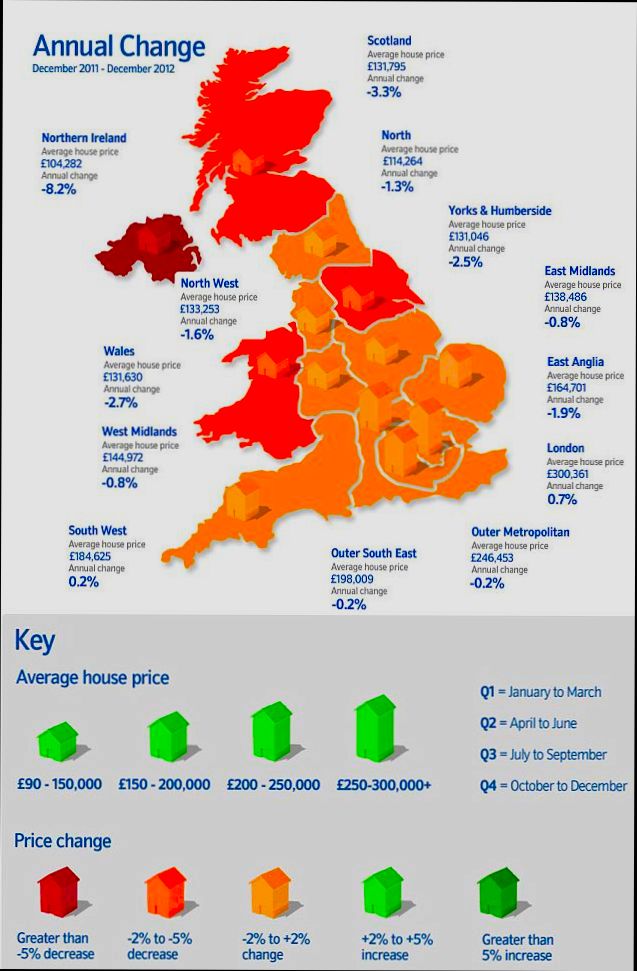
Regional Variations in Timing Property Purchases
When it comes to purchasing property in the UK, timing can significantly vary depending on the region. Different areas experience unique local trends and cycles that can impact the best times to buy. By understanding these regional nuances, you can better strategize your property investment decisions.
Regional Trends and Timing Insights
1. Northern Regions: Areas such as Newcastle and Sunderland typically see an influx of buyers in late spring and early summer, as families prefer to move during school holidays. In contrast, these regions often witness a downturn in activity during winter, with an estimated 20% fewer transactions taking place compared to the warmer months.
2. London: The capital operates on a different trajectory. Reports suggest that property transactions in London peak in March and September, aligning with the end of the financial year and the return from summer vacations. Interestingly, during these periods, buyers can face prices up to 10% higher than in quieter months.
3. South West: Regions like Cornwall and Devon often attract buyers during the holiday season, particularly from later summer into early autumn when the tourism season ends. The demand is driven by individuals seeking second homes or holiday rentals, with prices peaking in September.
4. Midlands: Cities like Birmingham and Leicester see consistent demand throughout the year, but certain local events, such as university start dates in September, can boost buyer interest. Transactions can be up to 15% higher during these periods compared to quieter months like January.
Comparative Overview of Regional Purchase Timing
| Region | Peak Buying Periods | Price Fluctuation (%) | Notable Trends |
|---|---|---|---|
| Northern | Late Spring to Early Summer | +10% | Spring family relocations |
| London | March, September | +10% | Financial year-end and post-summer rush |
| South West | Late Summer to Autumn | +5% | Increase in holiday home purchases |
| Midlands | Consistently Year-Round | +15% (local events) | University cycles drive demand |
Real-World Examples
- In London, many buyers tend to rush to the market in March as they prepare for the financial year-end, making it a competitive and lucrative time for sellers. You might find that properties can sell for a notable premium during this peak period.
- In contrast, if you explore investment opportunities in the North, buying in November can yield significant savings, with the potential for discovering properties listed at 10%-15% less as sellers become more eager before the holiday season.
Practical Implications for Investors
Understanding the specific timing of property purchases in different regions allows you to plan more effectively. If you’re looking to buy in the South West, consider timing your purchase just after the summer season to avoid peak prices. For investments in London, knowing that March is a peak month can help you prepare for higher competition and pricing.
- Actionable Strategy: Always keep an eye on local events and school calendars. These can provide insights into when demand spikes or drops, allowing for more informed decisions on when to buy.
- Regional Research: Utilize local real estate reports and statistics to gauge when to enter the market. Regions continually evolve, and staying informed will help you adapt your timing strategy accordingly.
Being savvy about regional variations and their impact on timing can position you advantageously in the UK property market.