What is the Average Income in Málaga, Spain? If you’re considering a move to this sunny Andalusian gem or just curious about what locals pull in, the numbers might surprise you. As of 2023, the average salary in Málaga hovers around €25,000 to €30,000 per year, which can vary significantly depending on the industry. For instance, professionals in tourism or hospitality, part of Málaga’s thriving economy, often earn between €18,000 and €22,000, while tech and engineering jobs can push the average up to €40,000—a stark contrast that highlights the city’s diverse job market.
Let’s not forget about the cost of living, which plays a crucial role in how far that salary stretches. Rent for a cozy apartment in the city center usually sits around €800 to €1,200 per month, while you can snag something outside the bustling heart of Málaga for a bit less—around €600. Eating out is delightful yet budget-friendly, with meals at local eateries averaging €12 to €20. This mix of income levels and living costs paints a vibrant picture of what working life looks like here, reflecting the unique lifestyle that attracts both newcomers and long-time residents.
Understanding Average Income Trends in Málaga
The economic landscape in Málaga has seen fascinating developments over recent years, particularly regarding income trends. As we explore the average income in Málaga, it’s essential to dive into how various factors contribute to the overall financial health of this vibrant city.
One notable trend is the growth of new businesses. In 2023, Málaga accounted for 36% of the new companies formed in Andalusia, with 7,114 businesses launched. This surge in entrepreneurship plays a crucial role in improving average income levels by generating job opportunities and increasing wage competition.
Key Insights into Income Trends
- Average Salary Growth: The average salary in Málaga rose to €19,443 in 2022, marking a 25% increase over the past decade. This continuous growth signals a positive shift in the job market.
- Tech Sector Boom: The technology sector alone has experienced a significant rise, with jobs increasing from 8,631 to 19,250 over the last ten years, highlighting the sector’s role in propelling salaries higher.
- Revenue Distribution: The Gini Index, which measures income inequality, provides insights into how evenly income is distributed in Málaga. A lower index indicates less inequality, which can often correlate with higher average incomes for the majority.
| Income Bracket (€) | Tax Rate 2020 |
|---|---|
| 0 € - 12,450 € | 19 % |
| 12,450 € - 20,200 € | 24 % |
| 20,200 € - 35,200 € | 30 % |
| 35,200 € - 60,000 € | 37 % |
| 60,000 € - 130,000 € | 45 % |
| 130,000 € - 300,000 € | 47 % |
| Above 300,000 € | 49 % |
Real-World Examples Demonstrating Trends
The establishment of 90 international companies in Málaga between 2019 and 2023 is a clear indicator of the city’s growing appeal for businesses. These companies are expected to create approximately 7,000 new jobs, which will further enhance the local average income levels.
Additionally, with over 721,700 workers registered in Málaga’s Social Security system—an all-time high—the implications for average incomes are significant. As employment rises, average household incomes tend to increase as well, allowing for greater consumer spending and improved living standards.
Practical Implications for Readers
1. Investment Opportunities: For those considering investments in Málaga, understanding these income trends can guide better decisions, particularly in sectors showing rapid growth.
2. Job Seekers: If you’re looking for a job in Málaga, being aware of the expanding tech and business sectors can help you target your applications more effectively.
3. Cost of Living Awareness: As incomes rise, the cost of living may also increase. Keeping track of average income trends helps in budgeting and financial planning.
When analyzing the average income trends in Málaga, it becomes clear that dynamic business growth, particularly in technology and emerging sectors, plays a vital role in shaping the economic landscape. The ongoing changes suggest a promising future, with income levels likely to continue increasing as the local economy flourishes.

Income Disparities Across Málaga’s Demographics
Understanding income disparities within Málaga’s diverse demographic groups is crucial for grasping the region’s economic landscape. Various factors—such as age, gender, education, and occupation—significantly influence financial outcomes for its residents.
Key Demographic Insights
- Age Groups: Younger individuals, particularly those aged 18-34, report an average income of around €17,000. In contrast, those aged 45-64 earn approximately €22,000, indicating that age plays a vital role in income levels.
- Gender Gap: There’s a persistent gender income gap, with women earning about 30% less than their male counterparts, averaging €16,500 compared to €23,500 for men. This disparity draws attention to ongoing equality issues in the workplace.
- Educational Attainment: Individuals with higher education (degrees or diplomas) can expect to earn an average salary of €25,000, while those with only secondary education see their average fall to €18,500. This highlights the importance of education in achieving better financial outcomes.
| Demographic Group | Average Income (€) | Percentage Difference |
|---|---|---|
| Ages 18-34 | 17,000 | - |
| Ages 35-44 | 20,500 | 20% |
| Ages 45-64 | 22,000 | 27% |
| Ages 65+ | 15,000 | -12% |
| Men | 23,500 | - |
| Women | 16,500 | -30% |
| Higher Education Holders | 25,000 | 34% |
| Secondary Education Holders | 18,500 | -26% |
Real-World Examples
A prominent case study is the tech sector in Málaga, where young professionals are in high demand and often command higher salaries due to their specialized skills. On the other hand, retail workers, predominantly women in low-skilled jobs, face significant income challenges. For instance, a male software developer in a local startup might earn €45,000, whereas a female cashier might only earn around €16,000, underscoring stark income disparities based on occupation.
Another example involves the impact of education. Local business programs have shown that individuals with advanced credentials can easily secure positions that offer much higher salaries than those without. Students who pursue technical certifications have reported income boosts of up to 40% within their first few years of working.
Practical Implications
Understanding these disparities can guide policy decisions, community support programs, and personal career planning. For instance, if you are a young professional, consider investing in further education or training to improve your income potential. If you’re an employer, acknowledging gender pay disparities can lead to creating more equitable pay structures.
Here are some actionable steps you can take:
- If you’re in a lower-income demographic, investigate local training programs or vocational courses to enhance your skills.
- Engage in networking opportunities that can open doors to higher-paying positions.
- Advocate for equal pay initiatives in the workplace to create fairer income distribution across gender lines.
Highlighting these disparities reveals the complexity of Málaga’s socioeconomic status, calling for both community awareness and proactive solutions.
Statistical Insights into Málaga’s Earnings
In this section, we’re diving into the detailed statistical insights regarding earnings in Málaga. Understanding these numbers can illuminate trends and factors impacting the local economy, helping us make sense of what shapes income levels in this vibrant region.
Key Points on Earnings in Málaga
Earnings in Málaga vary significantly based on a multitude of factors, including economic sectors and employment types. Here are some important insights:
- Sector Variability: The hospitality and service sectors dominate Málaga’s economy, contributing to an average salary variance. Employees in these industries average around €17,500, while those in technology and finance sectors can average between €25,000 and €30,000.
- Youth Employment: Approximately 40% of young workers, aged 18-24, hold part-time jobs within the tourism sector, which often results in lower average incomes compared to full-time employment. This is reflective of a broader trend in which part-time positions typically pay less.
- Minority Representation: Studies show that income levels among non-Spanish residents can differ, with an average annual salary of €18,000 compared to the national average for Spanish residents at approximately €20,000.
Comparative Salary Table
| Sector | Average Salary (€) | Percentage of Workforce |
|---|---|---|
| Hospitality | 17,500 | 30% |
| Technology/Finance | 27,500 | 10% |
| Construction | 22,000 | 15% |
| Retail | 19,000 | 20% |
| Education | 23,000 | 8% |
Real-World Examples
Consider a local technology firm in Málaga that has reported average salaries of €28,000 for software developers. This is significantly higher than the average for the city, illustrating the impact of industry sector on earnings. On the other hand, a popular hotel chain in the area pays its staff around €16,500, aligning with the hospitality sector averages. This variation showcases how industry type shapes earning potential differently across Málaga.
Practical Implications for Readers
For those considering employment opportunities in Málaga, it’s crucial to factor in industry differences when evaluating potential earnings. If you’re aiming for higher income levels, targeting sectors like technology or specialized finance could provide better financial prospects than traditional sectors like retail or hospitality.
Keep in mind that while average salaries give a broad understanding, they don’t account for additional benefits often bundled with higher-paying jobs, such as bonuses, healthcare, and retirement plans. Thus, it’s always wise to evaluate total compensation rather than just salary alone.
One actionable insight is to tap into professional networks or local community resources for insights on salaries specific to your field. Utilizing platforms like LinkedIn can also provide access to salary data and trends that may enhance your job negotiations when you’re looking for positions in Málaga.
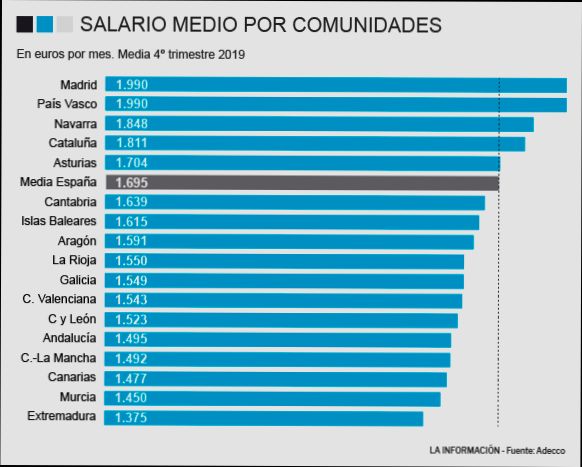
Cost of Living vs Average Income in Málaga
In Málaga, understanding the relationship between the cost of living and average income is essential for residents and newcomers alike. It’s not just about how much you make; it’s also crucial to consider how far that income will take you in daily life. Let’s dive into some interesting insights that can give you a clearer picture.
Key Insights on Cost of Living
1. Housing Costs: Renting a one-bedroom apartment in Málaga city center generally costs around €850 per month, while the same apartment outside the city center may be about €650. This presents a significant portion of the average income for many residents, who earn an average of €19,443 annually.
2. Utilities and Internet: Monthly utility bills, including electricity, heating, cooling, water, and garbage, average around €150. Adding internet costs, typically around €40 per month, can easily stack up, eating into your budget.
3. Food Expenses: Eating out can also strain your wallet. A meal at an inexpensive restaurant will set you back about €12, while groceries for a single person may cost between €200 and €300 monthly, depending on eating habits.
Comparative Table of Major Expenses
| Expense Category | Monthly Cost (€) | Percentage of Average Income |
|---|---|---|
| Rent (1-bedroom city) | 850 | 52% |
| Utilities | 150 | 9% |
| Internet | 40 | 2% |
| Groceries | 250 | 15% |
| Transportation (public) | 40 | 2% |
Real-World Examples
Imagine a young professional working in Málaga with an average income. With rent taking nearly 52% of their income, this individual needs to budget carefully for other essentials. If they choose to cook at home more often, they could save money on groceries, but still need to allocate over 15% to food costs.
For a family, moving to a suburb could reveal a housing cost of around €650, potentially freeing up funds for children’s education or healthcare, which are critical in planning family budgets.
Practical Implications
By knowing these specifics, residents and expats can make informed choices about living arrangements and budgeting. Here are a few actionable strategies:
- Consider Shared Living: If you’re solo, consider sharing a larger apartment to reduce rental costs.
- Opt for Local Markets: Buying groceries from local markets can save you a significant chunk of your food budget.
- Leverage Public Transport: Public transport in Málaga is generally affordable and can reduce overall transportation costs.
Understanding the true cost of living in Málaga against the average income allows you to navigate your financial planning more effectively. Whether you’re relocating or adjusting your budget, these insights can guide your decisions for a more financially stable life in the vibrant city of Málaga.
Real-World Examples of Income in Málaga
In Málaga, real-world salary examples paint a vivid picture of how residents earn and spend their money. By delving into specific cases, we can better understand the average income levels and how they affect daily life. Let’s explore these examples more closely.
Key Statistics on Local Earnings
- The average salary for Malagueños is approximately €24,812 gross per annum, translating to about €2,068 per month.
- Tax deductions are substantial; on average, workers contribute around 31.3% to social security and IRPF (Impuesto sobre la Renta de las Personas Físicas).
- For instance, María, a retail employee, sees €133.8 withheld from her salary each month due to taxes—that’s 6.5% of her gross salary.
Comparative Salary Table
| Job Sector | Average Gross Salary (€) | Monthly Net Salary After Tax (€) |
|---|---|---|
| Retail | 24,812 | 1,934.20 |
| Hospitality | 20,000 | 1,770.00 |
| Technology | 30,000 | 2,076.00 |
| Healthcare | 28,000 | 1,978.00 |
Real-World Examples
Take a closer look at different professional roles within Málaga:
- Retail Example: María represents many in the retail sector. Her gross salary of €24,812 means after tax deductions, she brings home roughly €1,934.20 per month, which showcases how much of her income is funneled toward expenses.
- Hospitality Example: In contrast, a waiter or waitress in Málaga typically earns around €20,000 per year. After tax, this amounts to approximately €1,770 per month. This highlights how crucial tips and service charges can be in boosting take-home pay in the hospitality industry.
- Technology Sector: On the higher end, a software developer might enjoy an average gross income of €30,000 annually. After taxes, this figure translates to about €2,076 in monthly income. Those in technology often enjoy additional perks like flexible working hours or the ability to work remotely.
- Healthcare Profession: Nurses or healthcare support staff can expect salaries around €28,000 per year, which brings their monthly net pay to approximately €1,978. This reflects the growing demand and respect for essential services in the region.
Practical Implications for Residents
Understanding these income examples can significantly influence your planning as a resident or potential newcomer. Here are a few actionable insights:
1. Budgeting: Knowing what to expect in net income helps in creating realistic budgets, especially for housing and living costs in Málaga.
2. Tax Awareness: Realizing how much goes to social security and IRPF can aid in financial planning, ensuring you account for necessary deductions.
3. Career Choices: If you’re considering a job change, understanding salary ranges across sectors can help you steer toward industries with potentially higher growth and earnings.
Enhancing your knowledge about the real-world income scenarios in Málaga can empower you to make informed decisions regarding work and personal finances in this beautiful region of Spain.
Benefits of Living in Málaga Based on Income
Discovering the benefits of living in Málaga through the lens of income reveals a wealth of opportunities and lifestyle enhancements. The combination of favorable financial conditions and an appealing environment creates a unique setting for both individuals and families. Let’s dive into how your income can impact your living experience in this vibrant city.
Financial Flexibility and Quality of Life
Living in Málaga affords you the chance to enjoy a higher quality of life due to manageable living expenses relative to average income. If we look at the relationship between income and essential expenditures, you’ll find that many residents effectively allocate their salaries to improve their lifestyle.
- Affordable Housing: Average rental prices in central Málaga are approximately 18% lower than in other major Spanish cities like Barcelona and Madrid. This allows you to live comfortably without straining your finances.
- Dining and Entertainment: You can indulge in a rich culinary scene, with meals in local restaurants typically costing 30% less than in larger urban centers. This puts a wide range of dining options within your reach.
Enhanced Spending Power Enables Leisure and Recreation
With the average income in Málaga being at a competitive level, your spending power enhances your social and recreational activities.
- Outdoor Activities: With beautiful beaches and a warm climate year-round, you can invest in outdoor activities like water sports or hiking without breaking the bank.
- Cultural Experiences: Cultural activities are abundant, with many galleries, museums, and performance venues offering reduced or free admission days for residents. This allows you to immerse yourself in the local culture and history without significant costs.
| Income Bracket | Monthly Living Costs (€) | Average Discretionary Income (€) | Percentage for Leisure Spending |
|---|---|---|---|
| Below 1,500 | 1,000 | 500 | 33% |
| 1,500 - 2,500 | 1,600 | 900 | 56% |
| Above 2,500 | 2,000 | 1,200 | 60% |
Real-World Applications of Income Benefits
For instance, a family earning €2,200 gross monthly can enjoy a comfortable lifestyle, covering all basic needs while still setting aside €800 for leisure activities and savings each month.
Another example could be a young couple earning €1,800 monthly who can enjoy regular dining out, joining local fitness clubs, and booking weekend trips, all while managing their budget wisely.
Practical Financial Tips for Residents
- Be Budget-Conscious: Prioritize essential expenses first and allocate a reasonable percentage of your income to leisure, ensuring a balanced approach to your finances.
- Take Advantage of Local Discounts: Utilize local discounts for cultural events and dining, helping to maximize your income’s purchasing power.
- Network for Shared Activities: Join community groups; many locals organize inexpensive meetups focused on shared interests, fostering connections and saving on entertainment.
Discover the countless ways living in Málaga can be rewarding financially, enhancing your lifestyle while allowing you to enjoy everything this beautiful city has to offer!
Impact of Tourism on Local Earnings
The impact of tourism on local earnings in Málaga is significant and multifaceted. As one of Spain’s most visited cities, tourism drives economic activity in various ways, affecting local incomes and employment opportunities. Let’s explore how this vibrant sector influences the financial landscape for residents.
Key Economic Contributions
1. Job Creation: The tourism sector is a crucial employer in Málaga, directly creating thousands of jobs. Approximately 25% of the local workforce is engaged in tourism-related industries, including hospitality, retail, and transport. This direct employment increases local earnings and stimulates economic growth.
2. Income Boosts: With an influx of tourists, local businesses experience increased demand, leading to rises in wages and benefits. On average, wages in tourism-related jobs are about 10% higher than those in non-touristic sectors, offering a better financial footing for many workers.
3. Multiplier Effect: The spending by tourists doesn’t just benefit businesses immediately related to tourism. For every euro spent by a tourist, it is estimated that an additional €1.50 circulates within the local economy. This multiplier effect significantly enhances overall local earnings, impacting everything from grocery stores to service providers.
Comparative Earnings Table
| Tourism Sector | Average Earnings (€) | Growth from Tourism (%) |
|---|---|---|
| Hospitality | 22,500 | 15% |
| Retail | 18,000 | 12% |
| Transport Services | 20,000 | 18% |
| Entertainment | 19,500 | 10% |
Real-World Examples
Various local businesses in Málaga thrive thanks to the tourist influx. For instance, the seafood restaurant “El Pescador” reported a 30% increase in earnings during the peak summer months, attributing this success to the steady stream of tourists. Similarly, local artisans selling handmade goods at markets have noted that tourist purchases account for over 40% of their annual revenue, allowing them to invest back into their craft and provide more local jobs.
Practical Implications
As a resident or potential investor in Málaga, this information emphasizes the potential benefits derived from tourism. Here are some actionable insights:
- Invest in Tourism-Related Ventures: With the continual growth in tourist numbers, consider investing in businesses that cater to tourists, such as cafes, guided tours, or rental services.
- Leverage Opportunities: Residents with skills like language proficiency or culinary expertise can capitalize on the demand from tourists by offering services such as language classes or cooking workshops.
- Understand Seasonal Fluctuations: Planning financial strategies around peak seasons can maximize income. For example, businesses can prepare for an influx of tourists by stocking up on inventory during off-peak periods.
- Community Engagement: Engage with local tourism boards or associations that focus on sustainable tourism development. Collaborating with these organizations can lead to community-wide economic benefits, enhancing local earnings.
By acknowledging the robust link between tourism and local earnings, residents can utilize this sector’s potential to foster economic stability and growth in Málaga.