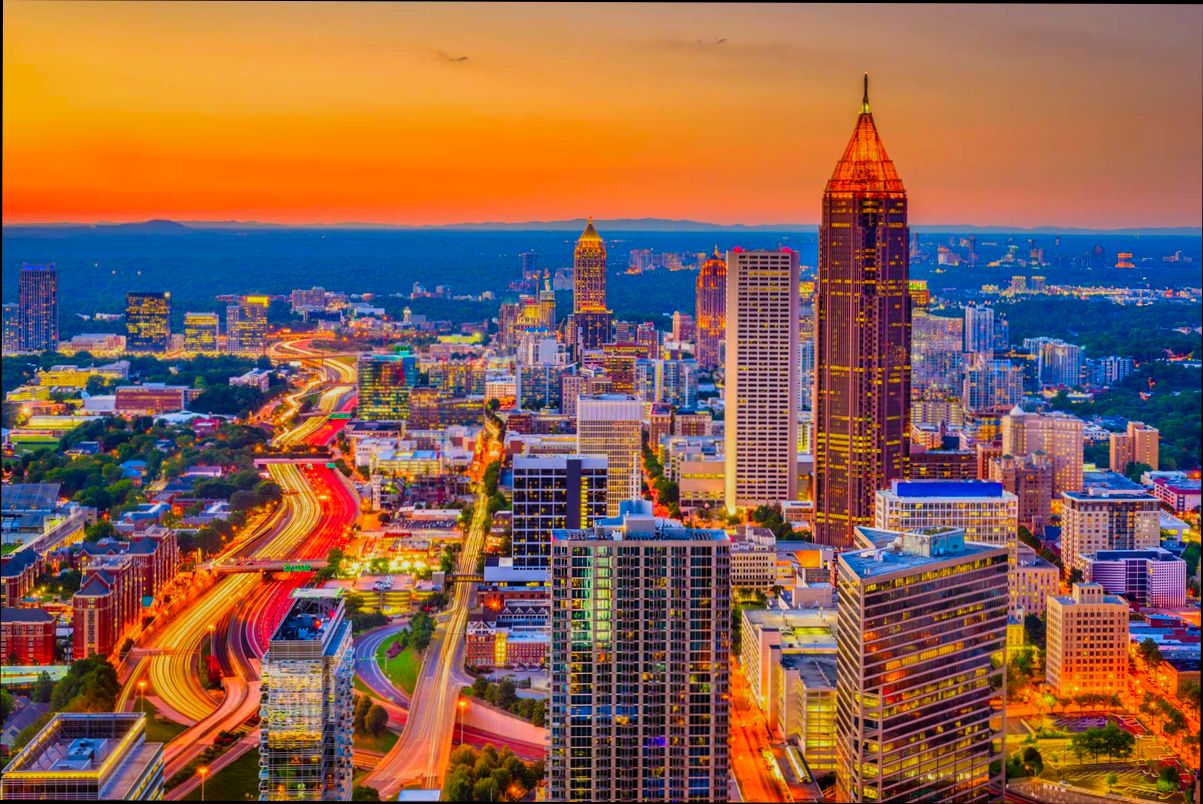
Pros and Cons of Living in Atlanta GA can be a mixed bag, and let me tell you, there’s a lot to unpack. On the upside, Atlanta boasts a booming job market. With major companies like Coca-Cola, Delta Airlines, and Home Depot all calling it home, it’s no wonder the city ranks in the top 10 metro areas for job growth according to U.S. News & World Report. You’ll find that the cost of living is surprisingly affordable, too—especially when you stack it against other major cities like New York or San Francisco. A two-bedroom apartment in the heart of downtown can go for around $2,000, which feels like a steal!
However, not everything about Atlanta is sunshine and rainbows. While traffic is notorious everywhere, nothing prepares you for the gridlock that comes with Atlanta’s I-285. The average commute can stretch up to 32 minutes, and if you’re driving during rush hour? Forget about it. Then there’s the weather; those humid summers can make you feel like you’re melting. And let’s not overlook the fact that neighborhoods can be drastically different—some are vibrant with nightlife, while others might leave you wanting. Understanding the rhythms and quirks of Atlanta means knowing that living here can be an adventure, but there are definitely some bumps along the way.

Cost of Living Analysis in Atlanta
When considering a move to Atlanta, it’s essential to examine the cost of living, which reveals the real financial landscape of life in the city. From housing to transportation, these expenditures significantly shape the budget of an average Atlanta household.
Key Expenditure Insights
- Housing: In Atlanta, housing expenses account for 33.5% of family budgets. This is slightly above the national average of 33.1%. On average, this translates to an annual expenditure of about $27,298 for housing.
- Transportation: Transportation costs are also noteworthy. Households in the Atlanta area spend approximately 16.5% of their budget on transportation, which is marginally less than the national average of 16.9%. Annually, this amounts to about $13,466, with 93.6% allocated for purchasing and maintaining vehicles.
- Food Expenditures: Food expenses consume 12.7% of Atlanta’s household budgets. Interestingly, households in this area spend roughly $6,497 on food, with 62.5% of that amount spent on groceries rather than dining out.
Comparative Cost of Living Table
| Category | United States Average | Atlanta |
|---|---|---|
| Housing | 33.1% | 33.5% |
| Transportation | 16.9% | 16.5% |
| Food | 12.9% | 12.7% |
| Healthcare | 8.0% | 7.2% |
| Personal Insurance & Pensions | 12.2% | 13.1% |
Real-World Examples
An average family of four in Atlanta has estimated monthly expenses reaching about $4,333.5 without considering rent. This is a solid benchmark for families planning their budget. For singles, the estimated monthly costs drop to around $1,200.4, providing a useful comparison for individuals considering the financial implications of moving.
Moreover, Atlanta exhibits a distinctive transportation dynamic. Even though many residents might need their vehicles due to limited public transport options, maintaining a vehicle can be a significant expense, emphasizing the need for budgeting in this area.
Practical Implications
For anyone living in Atlanta, keeping a close eye on transportation and housing expenditures is crucial. With housing slightly above the national average, it’s vital to explore various neighborhoods as prices can greatly vary. Additionally, given the emphasis on car ownership, budgeting for vehicle maintenance and fuel is equally important.
- When preparing a budget, consider allocating about 33.5% to housing and 16.5% to transportation based on your lifestyle needs and preferences.
- For food budgets, aim for roughly $6,497 annually, focusing on home-cooked meals to reduce dining expenses.
Atlanta presents an intriguing cost of living landscape, where understanding these nuances can empower you to navigate your personal finances effectively in this vibrant city.

Exploring Atlanta’s Job Market Dynamics
When diving into Atlanta’s job market, you’ll discover a landscape rich with opportunity and characterized by notable growth across various sectors. This bustling city’s economy is not just limited to traditional industries; it’s a vibrant mix of technology, healthcare, and logistics that attracts a diverse workforce.
Job Growth and Opportunities
Atlanta has become a magnetic hub for job seekers, with a current job growth rate of approximately 3.5% annually. This rate surpasses the national average, reflecting a robust demand for talent across multiple sectors.
- Technology: Atlanta’s tech scene is booming, with companies like Salesforce and Microsoft establishing a strong presence. The tech sector alone has seen over 20,000 new jobs created in the last year.
- Healthcare: It comprises nearly 15% of the local employment market, driven by institutions like Emory Healthcare and Grady Health System.
- Logistics and Transportation: Home to the world’s busiest airport, Atlanta thrives in logistics, generating an estimated 56,000 jobs in this sector.
Comparison of Job Sectors
| Sector | Job Growth Rate (%) | Estimated Job Openings |
|---|---|---|
| Technology | 5.1 | 20,000 |
| Healthcare | 3.8 | 15,000 |
| Logistics | 4.0 | 56,000 |
| Finance | 2.5 | 10,000 |
| Manufacturing | 3.0 | 8,000 |
Real-World Examples
Consider the story of a recent Georgia State University graduate who found a role in cybersecurity within two months of graduation. Thanks to Atlanta’s thriving tech environment, she secured a position at a mid-sized firm, earning $80,000 annually, significantly above the starting salary average for many new grads in other regions.
Furthermore, established professionals like Michael, a logistics manager, transitioned jobs within the city to take advantage of the expanding logistics sector, moving from an average salary of $85,000 to $95,000 by leveraging connections at industry events and utilities offered through local chambers of commerce.
Practical Implications for Job Seekers
If you’re exploring opportunities in Atlanta’s job market, consider the following actionable insights:
- Network Smartly: Engage with local associations and attend job fairs, especially in technology and healthcare fields. Many companies prioritize referrals and connections.
- Stay Informed: Regularly check local job boards and platforms like LinkedIn to catch early postings, as listings can fill rapidly due to high demand.
- Upskill and Reskill: Delve into online courses or workshops relevant to your field. Atlanta’s tech jobs often require specific credentials, so consider pursuing certifications that can enhance your employment prospects.
Additional Facts and Advice
- Seek out industries with high demand, such as healthcare and technology, which are set to grow extensively over the next five years.
- Engage with local universities; they often have job placement opportunities and networking events tailored for both students and professionals.
Whether you’re an entry-level candidate or a seasoned professional, Atlanta’s dynamic job market presents a wealth of potential to build a fulfilling career.

Cultural Diversity and Community Life
Living in Atlanta, you’ll experience a rich tapestry of cultures and lifestyles that contribute significantly to the city’s community life. The city is home to a vibrant mix of ethnicities, languages, and traditions, making it a melting pot where diverse communities come together to celebrate their heritage. This section dives into the components that make Atlanta’s cultural diversity a compelling aspect of life in the city.
Thriving Multicultural Neighborhoods
Atlanta’s neighborhoods reflect its cultural diversity, with areas like Little Five Points and Buford Highway showcasing a mix of cultures and cuisines. You might find:
- Little Five Points: A hub for alternative culture featuring independent shops, vibrant street art, and diverse music venues.
- Buford Highway: Famous for its international restaurants, this thoroughfare offers a culinary journey through Mexico, Vietnam, Korea, and beyond.
Diverse Population Demographics
Atlanta is known for its demographic diversity. As of the latest census data:
- The city is approximately 51% Black or African American, showcasing its deep-rooted history in the civil rights movement and African American culture.
- Approximately 38% of the population identifies as White (non-Hispanic), and nearly 9% Asian, reflecting significant immigrant communities from countries such as India, China, and Korea.
This demographic mix fosters a sense of community where various cultures coexist and intertwine, influencing festivals, arts, and everyday life.
Cultural Festivals and Events
Throughout the year, Atlanta hosts numerous festivals celebrating its rich diversity. Here are a few that highlight community involvement:
- Atlanta Dogwood Festival: Celebrating Southern culture with art, music, and food in Piedmont Park.
- Atlanta Caribbean Carnival: A vibrant celebration of Caribbean culture featuring parades, music, and traditional foods attracting thousands.
Community Programs and Initiatives
Many organizations in Atlanta work tirelessly to promote cultural understanding and inclusivity. Some initiatives include:
- Community Arts Groups: These organizations often offer workshops and classes in various art forms, providing platforms for cultural expression and collaboration.
- Multicultural Food Banks: Providing assistance to families from various backgrounds, emphasizing culturally appropriate food choices.
Comparative Table: Cultural Festivals in Atlanta
| Festival Name | Focus | Typical Attendance | Cultural Representation |
|-------------------------------|------------------------------------------|-------------------|------------------------------
| Atlanta Dogwood Festival | Southern arts and culture | 250,000 | Southern, Local Artists | | Atlanta Caribbean Carnival | Caribbean culture and community | 50,000 | Caribbean | | Atlanta Pride Festival | LGBTQ+ culture and rights | 300,000 | LGBTQ+, Diverse Communities |Real-World Examples
One unique example of Atlanta’s cultural diversity is the collaboration between the Latino community and local culinary schools to create a festival celebrating Latin American cuisine. Students learn from community chefs, fostering traditional cooking skills and promoting cultural appreciation.
Another example is the annual Atlanta Black History Month Parade, commemorating the achievements and contributions of African Americans in the region. This event draws participants from all walks of life, unifying the community in celebration of shared history.
Actionable Insights
To immerse yourself in Atlanta’s vibrant community life, consider participating in local cultural festivals or events. Joining neighborhood associations can also be a great way to get involved. Volunteering at multicultural organizations can further enhance your understanding of the diverse narratives shaping the city.
Experience Atlanta’s food scene by exploring Buford Highway’s eateries; it’s not only a culinary adventure but also a lesson in the cultural histories behind the dishes. Engaging with local arts and performances will deepen your appreciation for the myriad of expressions represented in the community.
Key Facts
- One-third of Atlanta’s residents speak a language other than English at home, highlighting linguistic diversity.
- The city has over 30 cultural festivals each year, celebrating various ethnicities and communities.
- Atlanta’s civil rights history attracts numerous cultural tours, making it a focal point for education and community pride.

Traffic Challenges and Transportation Options
When it comes to living in Atlanta, traffic challenges can significantly impact your daily routine and overall quality of life. As one of the fastest-growing cities in the U.S., understanding the transportation landscape is crucial for potential residents. Let’s dive into the various traffic issues and the transportation options available to navigate this vibrant city.
Key Traffic Challenges
1. Severe Traffic Congestion: Atlanta is notorious for its traffic jams. In fact, studies show that traffic congestion has increased dramatically, with many residents spending an average of 70 hours per year stuck in traffic. This is a factor worth considering if you value your time for commuting.
2. Insufficient Public Transit Access: Only about 50% of Atlanta’s urban population has convenient access to public transportation, which is a significant limitation. Many neighborhoods lack direct access to key transit routes, making it challenging for those without a car to navigate the city.
3. Limited Transportation Modes: Public transportation options such as buses and MARTA trains serve only portions of the city, with 63% of riders often needing to combine their trips with rideshare services or e-scooters. This fragmented approach creates additional hurdles for seamless travel.
4. Inadequate Infrastructure: The city grapples with road infrastructure that struggles to keep pace with vehicle ownership. As e-commerce continues to rise, so does the number of delivery trucks and vans on the road during peak hours, exacerbating congestion.
5. Reliability Issues: Public transportation schedules often lack consistency, leading to uncertainty for commuters. Many people prioritize time-saving solutions, with 35% of U.S. travelers willing to adjust their transportation methods for improved efficiency.
Comparative Transportation Options
| Transportation Mode | Pros | Cons |
|---|---|---|
| MARTA (Bus & Rail) | Connects key areas, cost-effective | Limited coverage, often overcrowded |
| Rideshare Services | Convenient, on-demand access | Can be costly, dependent on traffic |
| E-scooters | Flexible and innovative | Not available citywide, require rental fees |
| Biking | Eco-friendly option | Limited bike lanes, weather-dependent |
| Walking | Healthy, zero cost | Not feasible for long distances |
Real-World Examples
Cities like Los Angeles and New York have faced similar traffic challenges and prompted innovations in transport solutions. For instance, Los Angeles implemented smart traffic signals that utilize AI to adjust light patterns based on real-time traffic flow, successfully reducing congestion during peak hours. Meanwhile, Atlanta has begun integrating e-scooter programs to help alleviate short-distance travel issues, although these services are not universally available.
Practical Implications for Readers
If you plan on moving to Atlanta, consider these options based on your daily needs and lifestyle:
- Evaluate your commuting distance and potential traffic routes to determine whether living farther from the city center may provide better quality of life despite longer commutes.
- Explore public transport alternatives like MARTA for areas you frequent. Apps offering real-time tracking can mitigate some concerns regarding reliability.
- Take advantage of rideshares or e-scooters for quick trips, particularly in areas where public transport is limited.
In Atlanta, traffic challenges are a reality, but knowing your options can help you navigate the city more efficiently. Consider leveraging public transit or rideshare apps to save time and make the most out of your Atlanta experience. Stay informed, and you may find that commuting doesn’t have to be a daily hassle.

Neighborhood Safety and Crime Rates
When considering a move to Atlanta, understanding neighborhood safety and crime rates is crucial for making an informed decision. This aspect directly impacts your daily life, from your sense of security to the value of your property. Let’s dive into the specifics.
Crime Rate Overview
Atlanta’s overall crime rate is higher than the national average, with several neighborhoods exhibiting significant variation in safety. Here are some key statistics regarding crime in this vibrant city:
- The crime index in Atlanta is rated on a scale from 1 to 100, with 1 representing high risk and 100 indicating safety. Atlanta generally sees scores below 50, suggesting many neighborhoods are considered riskier than average.
- In comparison to national averages, Atlanta has a higher incidence of violent crimes, including homicides and aggravated assaults.
- For example, neighborhoods like West End and Old Fourth Ward report higher crime rates, while areas such as Buckhead and Virginia Highland tend to be safer.
Comparative Crime Rates Table
To provide a clearer picture, here’s a table comparing crime rates across a few notable neighborhoods in Atlanta:
| Neighborhood | Crime Index | Violent Crime Rate per 1,000 residents | Property Crime Rate per 1,000 residents |
|---|---|---|---|
| West End | 35 | 12.5 | 45.5 |
| Old Fourth Ward | 32 | 15.0 | 50.3 |
| Buckhead | 70 | 2.5 | 15.0 |
| Virginia Highland | 65 | 3.0 | 12.0 |
Notable Instances
Real-world examples reveal that certain areas in Atlanta offer distinct safety dynamics. In Buckhead, local community initiatives and increased police presence have contributed to a much lower crime rate compared to the Old Fourth Ward, which struggles with higher incidents of violent crime. Residents in Buckhead often cite the neighborhood watch programs and community engagement as beneficial factors for their safety.
In contrast, the West End neighborhood has seen a rise in property crimes, primarily burglaries and larceny-thefts. City officials emphasize ongoing efforts to address these issues through community policing and crime prevention programs.
Practical Implications for Readers
Understanding neighborhood safety can significantly influence your living experience in Atlanta. When choosing where to reside, consider the following aspects:
- Research Neighborhood Crime Statistics: Utilize resources like NeighborhoodScout or local police department reports to find updated crime data for specific areas you are interested in.
- Engage with Local Communities: Attend neighborhood meetings or join local online forums to gain insights on safety concerns from current residents.
- Review Property Insurance: Depending on neighborhood crime rates, you may want to adjust your property insurance as higher crime areas can lead to increased premiums.
Actionable Safety Tips
- Always stay informed about local crime trends by subscribing to community alerts or following neighborhood social media pages.
- Participate in or initiate neighborhood watch programs to enhance community safety.
- If you’re considering a home purchase, visit the area at different times of the day to assess safety personally.
Being aware of neighborhood safety and crime rates is essential to ensuring a fulfilling living experience in Atlanta. With diligent research and community involvement, you can choose a location that aligns with your safety expectations.
Recreational Opportunities and Outdoor Activities
If you love spending time outdoors, Atlanta offers an impressive array of recreational opportunities and activities that cater to residents of all ages. The city’s unique blend of nature, parks, sports, and cultural initiatives ensures that there’s always something to do outside.
Key Recreational Highlights
- Parks and Green Spaces: Atlanta boasts over 300 parks, featuring trails, playgrounds, and green spaces perfect for leisurely strolls, picnics, or exercising. Notable parks include Piedmont Park, which covers 189 acres, and Centennial Olympic Park, famous for its fountains and public events.
- Biking and Hiking Trails: The Atlanta Beltline, a former railway corridor transformed into a multi-use trail, spans 22 miles and connects various neighborhoods. The Eastside Trail is particularly popular for cyclists and walkers, providing scenic views and easy access to restaurants and shops along the way.
- Recreational Sports: The city offers a variety of organized sports leagues catering to all ages. The Atlanta Sport and Social Club has over 14,000 members and organizes recreational leagues for everything from soccer to kickball, promoting active lifestyles and social connections.
- Water Activities: The Chattahoochee River National Recreation Area invites outdoor enthusiasts to engage in activities such as kayaking, fishing, and tubing. The river is a popular spot, with several access points and 48 miles of river trails available for exploration.
Outdoor Activities Overview
| Activity | Popularity Rating | Top Locations |
|---|---|---|
| Biking on the Beltline | 85% | Beltline Eastside Trail |
| Water sports on the Chattahoochee | 75% | Chattahoochee River National Park |
| Organized recreational sports | 70% | Various parks in Atlanta |
| Hiking in nature reserves | 60% | Kennesaw Mountain National Battlefield |
Real-World Examples of Outdoor Engagement
The annual “Atlanta Beltline Lantern Parade” invites residents to join an artistic gathering where participants carry handmade lanterns along the Beltline Trail, combining community spirit with appreciation for the outdoors. Additionally, the “Chattahoochee River Clean-Up Day” brings volunteers together to protect the local waterways while engaging in recreational activities like canoeing and kayaking.
Practical Implications for Residents
Living in Atlanta allows you to maximize outdoor experiences. Numerous sports leagues and parks mean you can easily find ways to stay active while socializing. On weekends, you can explore the Beltline for its food trucks and art installations, or enjoy a lazy afternoon at one of the city’s many green spaces.
- Tip: Utilize apps like “AllTrails” to discover new biking and hiking trails nearby, catering to your fitness level or exploring scenic routes.
- Engagement: Many parks offer free fitness classes, community yoga, or guided nature walks, making it simple to incorporate healthy habits into your routine.
- Socializing: Join a local sports league or outdoor group to meet new people while enjoying fun and engaging activities.
Atlanta’s commitment to outdoor recreation is evident in its extensive parks, organized leagues, and vibrant community events, making it a great city for anyone passionate about an active lifestyle.
Quality of Education in Atlanta Schools
When it comes to the quality of education in Atlanta schools, you’ll find a vibrant mix of opportunities and challenges that present important considerations for families. With various school districts offering different academic experiences, it’s essential to delve into the specifics to make an informed choice.
School Performance and Ratings
Atlanta’s school districts vary significantly in performance metrics. The Georgia Department of Education rates schools based on their College and Career Ready Performance Index (CCRPI), with scores ranging from 0 to 100. Notably, here are some insights from Atlanta’s top-performing districts:
- Atlanta Public Schools: The overall CCRPI score stands at 74.3, reflecting strides in improving student performance over recent years.
- DeKalb County Schools: This district boasts a CCRPI score of 80.1, showcasing its commitment to college readiness and post-graduation outcomes.
- Fulton County Schools: Settling at 79.5, Fulton County consistently demonstrates strong academic results and a wide range of extracurricular activities, enhancing the educational landscape.
Comparative Table: CCRPI Scores of Atlanta School Districts
| District | CCRPI Score |
|---|---|
| Atlanta Public Schools | 74.3 |
| DeKalb County Schools | 80.1 |
| Fulton County Schools | 79.5 |
Funding and Resources
Funding for schools directly impacts the quality of education, and Atlanta schools receive varying levels:
- Atlanta Public Schools: Through a mixture of local, state, and federal funding, the average spending per student is approximately $12,000, which facilitates diverse programs.
- DeKalb County Schools: The investment per student is slightly higher at $13,500, allowing for more resources in terms of technology and specialized programs.
- Fulton County Schools: With an average of $14,000 per student, Fulton County provides robust academic offerings, including Advanced Placement courses and international baccalaureate programs.
Real-World Examples
Examining real-world educational institutions sheds light on specific success stories in Atlanta:
- North Atlanta High School: Known for its rigorous International Baccalaureate program, it consistently ranks among the top high schools in the state, preparing students for advanced academic pursuits.
- Dunwoody High School: Achieving recognition for its STEM programs, Dunwoody incorporates hands-on learning experiences, which significantly enhance student engagement and academic success.
Practical Implications for Residents
If you’re considering settling in Atlanta, here are actionable insights:
- Assess School District Ratings: Before choosing a neighborhood, evaluate school district performance using CCRPI scores. This’ll help you gauge the quality of education your children might receive.
- Explore Programs Offered: Investigate specific programs at schools of interest; look for specialized subjects or extracurricular activities that align with your child’s interests and passions.
- Participate in Community Engagement: Engage with school boards and local educational initiatives to stay informed about changes, developments, and enhancements in the schooling system.
Key Facts and Advice
- Consider visiting schools during open houses to better understand their atmosphere and community involvement.
- Check for local libraries and tutoring programs that can supplement schooling, as they often provide additional resources for students.
- Stay informed about potential changes in district funding or policies affecting educational quality, as these can impact your family’s experience in the educational system.
Focusing on these aspects of education in Atlanta will help you make a well-rounded decision if you plan to call this city home.