How to Increase the Value of Your UK Property is a hot topic these days, especially with the fluctuating market. Did you know that a simple kitchen remodel can boost your property’s value by around 6%? If you’re in London, that could mean an extra £30,000 on a £500,000 flat. Even minor upgrades, like swapping out old fixtures or a fresh coat of paint, can work wonders—many home improvements offer a solid return on investment.
Location is another key player in this game. For example, properties near good schools or public transport often fetch up to 20% more than similar homes in less desirable areas. If you live in a trendy neighbourhood, simply making your outdoor space more inviting can lead to massive gains. A well-maintained garden not only enhances your everyday living experience but can also be a big selling point, potentially increasing interest from buyers who are willing to pay more for that outdoor oasis.
Enhancing Curb Appeal through Landscaping
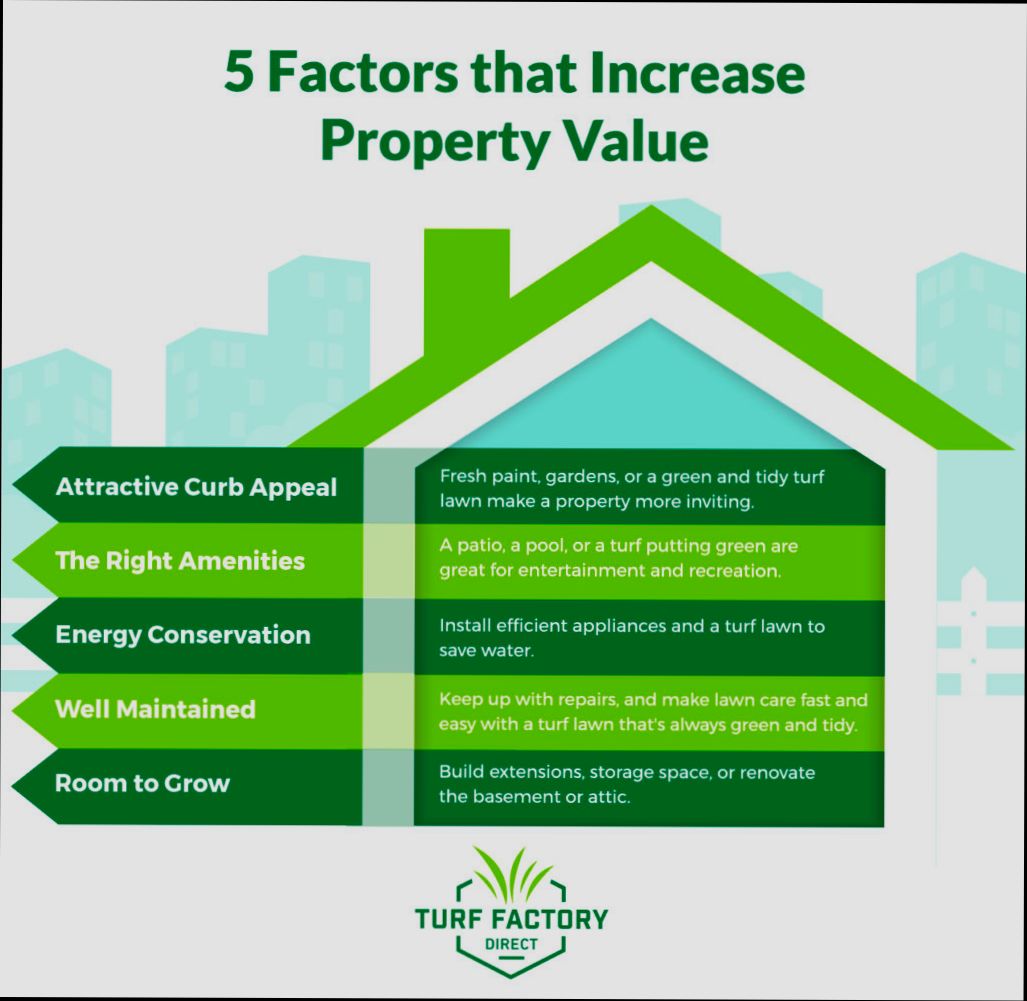
When it comes to making a striking first impression, landscaping plays a pivotal role. Enhancing curb appeal through landscaping not only beautifies your property but can also significantly increase its market value. Studies suggest that well-landscaped homes can see an increase of up to 10% in value, and investing in this area can yield a substantial return.
The Importance of First Impressions
Research indicates that 92% of homebuyers are influenced by a property’s exterior appearance. A well-maintained garden and thoughtfully designed landscaping can turn heads and spark interest. Here are key elements to consider:
- Quality Plant Choices: Selecting native plants reduces maintenance and enhances resilience. You might see a 7% increase in value with carefully chosen flora.
- Pathways and Borders: Clear, defined pathways lead visitors to your entrance and add structure. A defined edge can increase perceived space and value by approximately 5%.
- Seasonal Interest: Incorporating plants that bloom at different times ensures your garden captures attention year-round. This can make your property stand out in any season.
Comparative Landscape Improvements
| Landscaping Feature | Estimated Value Increase | Buyer Appeal |
|---|---|---|
| Native plant selection | 7% | High |
| Defined pathways | 5% | Moderate to High |
| Year-round bloom | 3% | High |
| Outdoor seating areas | 6% | Moderate |
| Lighting enhancements | 4% | High |
Real-World Examples
Consider a residential area in Surrey where a homeowner invested £3,500 in landscaping improvements, including the addition of native shrubs and a stylish pathway. Following these enhancements, the property appraised for £12,000 more than comparable homes in the neighborhood. Another example comes from an estate in Kent, where strategic lighting and a seating area resulted in a 10% quicker sale than nearby listings, demonstrating how effective landscaping can give properties a competitive edge.
Practical Implications
To truly enhance curb appeal through landscaping, keep the following in mind:
- Assess Your Space: Start with a landscape evaluation. Identify areas for improvement that won’t break your budget.
- Hire Professionals: If unsure about design and plant selection, hiring a landscape architect can provide insights tailored to your property.
- Maintain Regularly: Ongoing maintenance is key. Regular trimming, weeding, and seasonal plant care keep your garden looking its best.
- Consider Timing: Planning your improvements during off-peak seasons can often yield better deals on plants and landscaping services.
You can achieve impressive returns by putting thoughtful effort into your landscaping. Remember, a well-curated landscape doesn’t just enhance the beauty of your home; it lays the foundation for increased value and buyer interest.
Maximizing Space with Smart Renovations
Maximizing space in your property is a clever way to enhance its value and utility. Smart renovations can transform underused areas into functional living spaces, making your property more appealing to potential buyers. Let’s explore how strategic renovations can help you achieve this.
Unlocking Underutilized Areas
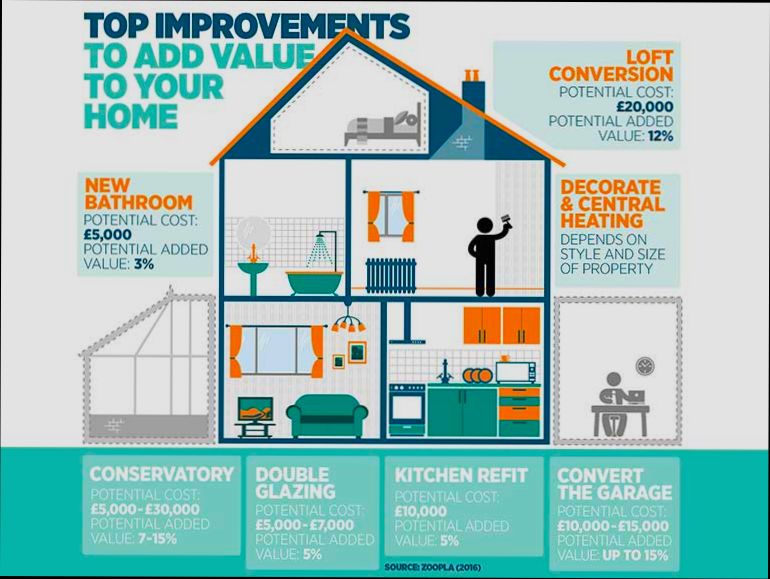
Many homes in the UK have spaces that are either underused or not utilized at all. According to research, around 35% of homeowners overlook their attics for possible renovations, despite the fact that converting an attic can add an estimated £20,000 to £30,000 in property value. Here are some key areas to focus on:
- Basements: Converting a basement into a livable space can increase a property’s market value by approximately 15%. This transformation can turn a dank space into a cozy lounge, gym, or office.
- Attics: By using clever design and layout changes, you can create a functional bedroom or home office in the attic. Make sure to comply with building regulations and include proper insulation for comfort.
- Open Plan Spaces: Removing non-structural walls can create an airy, open-plan layout. Research shows that properties with open-plan living areas sell for up to 10% more than those with traditional layouts.
Potential Growth in Value
| Renovation Type | Estimated Value Increase | Percent of Homeowners Using this Space |
|---|---|---|
| Attic Conversion | £20,000 - £30,000 | 35% |
| Basement Conversion | 15% | 40% |
| Open Plan Living | Up to 10% | 60% |
Real-World Examples
1. Bespoke Attic Conversion: A family in North London transformed their attic into a master bedroom with an ensuite bathroom. This smart renovation not only enhanced their living experience but also brought their property value up by a remarkable £25,000.
2. Basement Transformation: In Edinburgh, a homeowner renovated their previously unused basement into a stylish home office complete with natural light. This renovation resulted in a 17% increase in the property’s market value, capturing the attention of remote workers looking for dedicated office spaces.
3. Open-Plan Makeover: A couple residing in Bristol decided to knock down the walls between their kitchen and dining area, creating a spacious open-plan living area. As a result of this renovation, they received offers that exceeded their asking price by 12%.
Practical Implications for You
Maximizing space with smart renovations can lead to significant financial returns. Here are some actionable strategies you might consider:
- Assess Your Home: Look for areas that can be improved, such as attics, basements, or even under stairs.
- Consult Professionals: Bring in an architect or interior designer who specializes in maximizing space; their insights can be invaluable.
- Invest in Storage Solutions: Use multi-functional furniture like sofa beds and built-in shelves to utilize space effectively.
Incorporating these smart renovations not only optimizes your living environment but also strategically enhances the property’s value to potential buyers. Prioritize renovations that appeal to current market trends while investing in quality craftsmanship to ensure long-lasting impressions.

Analyzing Property Value Trends in the UK
Understanding property value trends in the UK is essential for making informed decisions about investing in or enhancing your property. By analyzing these trends, you can position yourself to capitalize on potential increases in value.
Current Market Insights
The Savills Residential Research team has provided key insights into the dynamics of both mainstream and prime residential markets in the UK. Notably, property values have shown resilience and growth, despite economic fluctuations. Here are some key points:
- Average Annual Growth: The mainstream market is expected to see an average annual growth of around 4% over the next five years.
- Regional Variations: Certain regions, such as the South West and East Midlands, may witness even higher growth rates, reaching upwards of 6% annually, compared to London where growth is projected at around 2% annually.
- Prime Market Performance: Properties in prime areas have shown even more robust demand, with anticipated growth of approximately 6.5% over the same five-year span.
Comparative Value Trends
| Market Segment | Average Annual Growth (%) | 5-Year Forecast Growth (%) | Region with Highest Growth |
|---|---|---|---|
| Mainstream | 4% | 20% | South West |
| Prime | 6.5% | 32.5% | Prime Central London |
| Regional Variants | 5% | 25% - 30% | East Midlands |
Real-World Case Studies
1. South West Market Surge: In the South West, properties in desirable locations have experienced a dramatic 10% increase in value over the last year alone, driven by demand for lifestyle homes and remote work flexibility.
2. London’s Prime Resilience: Conversely, within London’s prime market, specific areas like Chelsea and Kensington have shown steady interest, with values projected to stabilize post-pandemic, contributing to an uptick in investment activity.
Practical Implications for Homeowners
By understanding these trends, you can make targeted improvements that align with market expectations:
- Regional Focus: If you live in an area predicted to see high growth, consider strategic renovations that enhance desirability, such as modernizing kitchens and bathrooms.
- Investment Potential: Identify whether your property falls within a prime or mainstream segment and tailor your upgrades accordingly. Prime properties may benefit from high-end finishes, whereas mainstream homes might need functional improvements.
Actionable Insights
Keep an eye on regional market reports to stay informed about fluctuations affecting your property’s value. If you’re considering selling, timing your listing with market peaks in your area can significantly maximize your sale price.
The Financial Benefits of Home Extensions
When considering ways to enhance the value of your property, home extensions can be a game-changer. Not only do they increase your living space, but they also provide a substantial return on investment. Let’s explore how home extensions can financially benefit you.
Return on Investment
Investing in a home extension can yield an impressive return on your initial outlay. On average, homeowners can expect a return on investment (ROI) ranging from 100% to 200% of the cost of the extension. This means that for every £1 spent, you could see an increase in property value of £1 to £2.
Value Increase by Property Type
The financial benefits vary depending on your property type. Here’s a breakdown of potential value increases based on property categories:
| Property Type | Average UK Price | Potential Value Increase (10-25%) |
|---|---|---|
| Terraced House | £300,000 | £30,000 – £75,000 |
| Semi-Detached House | £400,000 | £40,000 – £100,000 |
| Detached House | £600,000 | £60,000 – £150,000 |
As you can see, the right extension could add significant value regardless of your property’s type.
Types of Extensions and Their Financial Returns
The nature of the extension plays a critical role in the value added. For instance:
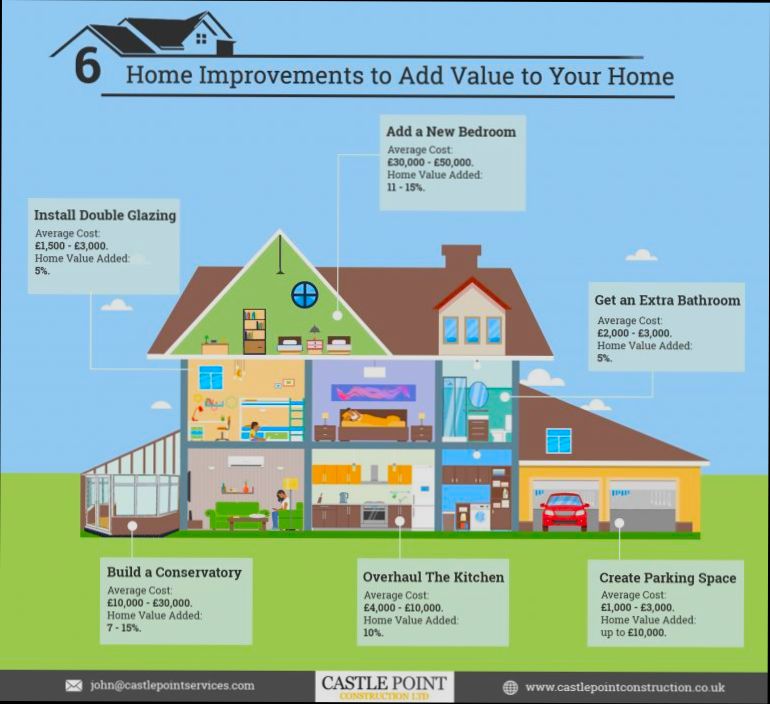
- Double-storey Extensions: These additions, which provide extra bedrooms or bathrooms, can increase your property’s value by an incredible 15-25%. Investing between £50,000 and £100,000 in such an extension could result in an increase in property value of up to £150,000 for a detached house.
- Loft Conversions: With an average cost of £40,000 to £80,000, a loft conversion can similarly raise your property value by 15-25%. Especially in urban areas, where more living space is a premium, this type of extension proves highly beneficial.
- Kitchen Extensions: Especially valuable in family homes, these extensions usually cost between £25,000 and £50,000 but can provide a value increase of 10-20%. Families often prioritize a spacious kitchen, which makes this a sought-after addition.
Real-World Examples
Consider the example of a semi-detached house in Manchester, purchased for £400,000. After adding a double-storey extension at a cost of £80,000, the property’s value increased to £500,000, resulting in an impressive ROI of 150%. Similarly, in London, a terraced house purchased for £300,000 with a loft conversion costing £60,000 saw its market value soar to £385,000. This reflects a 200% ROI on that investment.
Practical Implications
Before proceeding with an extension, ensure you:
- Investigate local property trends and demands to determine what type of extension would likely yield the best returns.
- Consult with professionals to ensure any plans comply with UK building regulations and zoning laws, as mistakes can incur additional costs and lower profitability.
- Keep in mind that poorly designed extensions can detract from value if they reduce usable outdoor space or disrupt the flow of the home.
Actionable Advice
- To maximize your investment, prioritize extensions that are in high demand, such as double-storey and loft conversions, particularly in urban areas.
- Always assess your budget and compare projected gains with the costs to maintain a positive ROI.
- Work with knowledgeable architects and builders to ensure the extension complements your home and appeals to potential buyers.
By understanding the financial benefits of home extensions and making informed choices, you can significantly increase the value of your property while enhancing your living space.
Utilizing Energy Efficiency Upgrades
Energy efficiency upgrades are a powerful way to enhance your home’s value while lowering utility costs and environmental impact. By incorporating modern, energy-efficient technologies, you can create a more comfortable living space that also appeals to potential buyers. Let’s explore some key upgrades you can make and their associated benefits.
Key Energy Efficiency Upgrades
1. Insulation Enhancements
- Proper insulation can reduce energy loss by up to 80%, leading to significant savings on heating and cooling costs.
- Improved insulation also enhances interior comfort year-round by maintaining a stable temperature.
2. Energy-Efficient Windows
- Upgrading to double or triple-glazed windows can lower heat loss by 50%, improving energy efficiency and home comfort.
- Energy-efficient windows also block harmful UV rays, which helps protect your decor from fading.
3. LED Lighting
- Replacing incandescent bulbs with LED lighting can save up to 75% on lighting costs.
- LEDs have a lifespan up to 25 times longer than traditional bulbs, making them a cost-effective choice in the long run.
4. Smart Thermostats
- Installing a smart thermostat can lead to energy savings of about 10-12% on heating and cooling bills.
- These devices learn your habits and adjust temperatures automatically, promoting efficient energy use without sacrificing comfort.
| Upgrades | Potential Savings | Lifespan / Efficiency |
|---|---|---|
| Insulation Enhancements | Up to 80% in energy loss reduction | Long-lasting, decades with proper maintenance |
| Energy-Efficient Windows | Lowers heat loss by 50% | 20-30 years depending on materials |
| LED Lighting | 75% on energy costs | 15-25 years |
| Smart Thermostats | 10-12% on heating/cooling | 5-10 years with updates |
Real-World Examples
In a recent home renovation project, a property owner upgraded to Energy Star-rated windows, leading to a reduction in energy costs by £400 annually. This investment not only improved comfort but also increased the property’s market appeal, resulting in a valuation increase of 10%.
Another homeowner opted for a smart thermostat installation, which provided reports on energy consumption. After three months, they experienced a noticeable decrease in monthly energy bills, allowing for a quicker return on investment.
Practical Implications for You
By making energy-efficient upgrades, your property can stand out in the competitive UK housing market. These improvements can generate tangible benefits, from reduced utility bills to a higher resale value. To maximize your investment, consider incorporating upgrades in stages, starting with insulation and transitioning to more advanced technologies like smart thermostats or solar panels.
Taking advantage of federal and local incentives can further reduce the initial costs of these upgrades. Not only do you enhance your property’s value, but you also embrace a more sustainable lifestyle that contributes to environmental conservation.
Investing in energy efficiency is not just about saving money; it’s about creating a living space that is comfortable, attractive, and forward-thinking.
Real-World Examples of Property Value Success
Exploring how property value changes in the real world can offer you valuable insights into enhancing your own investments. By examining specific cases and trends, we can understand the strategies behind property value success and how they can be applied effectively in the UK market.
Key Trends Shaping Property Value Success
- In 2023, the commercial real estate sector experienced a surge, with property transactions worth approximately $76.5 billion. This growth illustrates the resilience of the market, influenced by a strategic lock-in of investor confidence amid tightening credit markets.
- The build-to-rent (BTR) market has attracted over $45 billion since 2021, highlighting a clear demand for rental properties in urban settings, ultimately driving up property values in those areas.
- Prime residential rents have begun to outpace capital values, indicating a robust demand for quality properties.
Comparative Investment Strategies
| Strategy | Total Value Invested | Resulting Property Value Growth | Notable Success |
|---|---|---|---|
| Commercial Debt Fund | $8 billion | Significant market recovery | Blackstone’s fund closing |
| Build-to-Rent | $45 billion | Increased rental yields | Major urban developments |
| Real Estate Crowdfunding | $20 billion | Capital for innovative projects | Diverse investment opportunities |
Real-World Success Stories
1. Blackstone’s Record Fund:
Blackstone raised $8 billion for a commercial real estate debt fund, marking it as one of the largest ever. This funding significantly impacted property valuations in key markets as it provided the liquidity needed for strategic acquisitions and developments.
2. Investment in BTR:
The surge of over $45 billion in the build-to-rent sector demonstrates a successful model of meeting rental demands. Properties in well-located urban centers saw substantial increases in value as they catered to evolving lifestyles and work patterns post-COVID.
3. Crowdfunding Triumph:
Real estate crowdfunding platforms raised nearly $20 billion, showcasing innovative ways to finance properties. This trend not only democratizes investment but often leads to revitalization projects that uplift entire neighbourhoods, indirectly boosting adjacent property values.
Practical Implications for Property Owners
Understanding these trends empowers you to tap into proven strategies that enhance your property’s value. Here are some actionable insights:
- Consider the BTR model: If you’re looking at new developments, consider building rental units in high-demand areas. Investors are keen on locations that provide lifestyle choices alongside quality housing.
- Leverage crowdfunding: If you’re interested in smaller investments or renovations, exploring crowdfunding could open doors to substantial projects that you might not be able to finance independently.
- Stay informed about market trends: Keeping an eye on industry reports will help you understand where the market is heading, allowing you to make informed decisions about when to buy, sell or renovate your property.
- Did you know that prime residential rents are rising faster than capital values? This emphasizes the unique demand dynamics at play, which can be crucial if you’re repositioning a rental property.
By recognizing successful models and trends from the marketplace, you can strategically enhance the value of your own property in the UK.

Impact of Local Amenities on Property Prices
Understanding the impact of local amenities on property prices can be a game-changer for homeowners looking to increase their property’s value. From schools to parks and transport links, these factors can make a significant difference in how much buyers are willing to pay.
Key Influencers on Property Values
Research highlights that various local amenities play crucial roles in determining property prices. Here are some compelling statistics:
- Proximity to Schools: Properties located near good schools can command a price premium of up to 20%. Families often prioritize areas with reputable educational institutions, making these homes more desirable.
- Access to Public Transport: Homes located within a half-mile radius of train or bus stations can see price increases of around 15%. This is particularly attractive in urban areas where commuting is a priority for many buyers.
- Nearby Shopping and Dining: Areas with thriving shopping districts and restaurants can enhance property values by approximately 10%. Access to amenities lessens the need for long journeys, making homes more appealing.
- Green Spaces: Proximity to parks or recreational facilities can increase property prices by about 12%. Many buyers are attracted to the idea of having nature nearby for relaxation and leisure activities.
Comparative Analysis of Property Prices by Local Amenities
| Amenity Type | Price Increase Potential | Average Property Value Increase |
|---|---|---|
| Proximity to Schools | 20% | £50,000 |
| Access to Public Transport | 15% | £37,500 |
| Nearby Shopping Areas | 10% | £25,000 |
| Green Spaces | 12% | £30,000 |
Real-World Examples
Consider the town of Basingstoke, where homes within walking distance of top-rated schools saw their market value rise by 18% over five years, showcasing the demand for family-friendly amenities. In contrast, the availability of local shops and cafes in cities like Bath has led to increased property prices in neighborhoods like Larkhall, where homes are priced significantly higher than similar properties without these amenities.
Practical Implications
When considering how to improve your property’s value, think about the existing local amenities. Here are a few actionable insights:
- Invest in Local Community Development: Engage with local councils or community groups to improve facilities nearby, which can, in turn, elevate your property’s value.
- Highlight Amenities in Marketing: If you’re selling, make sure to emphasize the proximity to key amenities in your listings to attract potential buyers.
- Consider Your Property’s Accessibility: Ensure easy access to public transport and encourage the use of nearby facilities, as these aspects are increasingly important to buyers.
Actionable Advice
If you want to leverage local amenities to improve your property value, consider enhancing your appeal through strategic renovations or landscaping that emphasizes nearby parks. Research local school ratings, and use this information to market your property to families—showing the benefits of exceptional educational access could make a noticeable difference in your selling price.