What is SSN in Spain and How to Get It? The Spanish Social Security Number, known as Número de Seguridad Social (NUSS), is your ticket to accessing a range of social benefits, from healthcare to pensions. For instance, if you’re an expat working in Spain, getting an SSN is crucial to receiving medical care through the public health system, which covers about 96% of the population. Imagine needing healthcare but being in a foreign country without a safety net—this number changes the game.
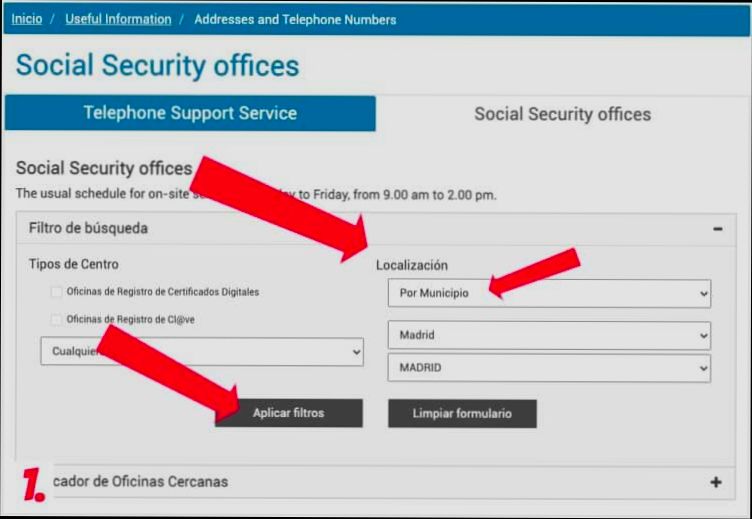
To snag your SSN, you typically need to show up in person at a Social Security office, armed with your ID and other documents like your residency permit or employment contract. It’s straightforward, but the process can be a bit daunting, especially if you’re not fluent in Spanish. For example, you might find yourself waiting in line alongside locals, feeling the buzz of a system that services over 40 million people. Many people say it’s a rite of passage for anyone settling in Spain, marking the start of being fully integrated into the Spanish way of life.
Understanding the Spanish Social Security Number
The Spanish Social Security Number (Número de Seguridad Social or NSS) is essential for anyone working, residing, or investing in Spain. It plays a key role in accessing social security benefits and healthcare. Let’s dive into what the NSS entails and its importance in your life in Spain.
What is the Spanish Social Security Number?
The NSS is a unique identifier assigned to individuals for social security purposes. Here are some important aspects to understand:
- Issued by the Spanish National Social Security Institute (Instituto Nacional de la Seguridad Social or INSS).
- Comprises 12 digits, with the first two numbers indicating the year of issuance followed by a unique identification series.
- It’s associated not just with employment but also social and health benefits.
Why Is the NSS Important?
The NSS is crucial for various reasons:
- Access to Healthcare: With your NSS, you are entitled to public healthcare services. Without it, you might face delays or denials in receiving medical attention.
- Social Insurance Benefits: It enables access to unemployment benefits, pensions, and incapacity support. In fact, around 70% of expatriates rely on these benefits at some point.
- Taxation and Employment: Employers are required to use your NSS for tax and social security deductions. About 90% of companies ensure compliance with this requirement.
Key Features of the Spanish Social Security Number
| Feature | Description |
|---|---|
| Length | 12 digits |
| Issuing Authority | Spanish National Social Security Institute (INSS) |
| Required for | Employment, healthcare access, social benefits |
| Non-resident Eligibility | Available for foreigners working in Spain |
Real-World Examples
Consider Maria, a British citizen who moved to Spain for work. With her NSS, she easily registered for the public healthcare system and accessed a doctor when she fell ill, saving her from high medical costs. Alternatively, John, an American entrepreneur, used his NSS to navigate the intricate tax system while setting up his business, ensuring compliance from day one.
Practical Implications for You
When you understand the NSS, you can navigate social security benefits more effectively. Keep in mind these practical points:
- Apply for your NSS as soon as you arrive; it only takes a few days to process.
- Always carry your NSS number, as it will be vital for identification in multiple scenarios, from healthcare to employment.
- Regularly check your social security records online to monitor contributions and benefits accessed.
Additional Facts and Tips
- Did you know that approximately 80% of employees in Spain are registered with an NSS? This highlights the number’s importance.
- If you lose your NSS, immediately report it to the INSS to prevent identity theft or misuse.
Understanding the NSS isn’t just about accessing benefits; it’s about securing your rights and smooth integration into Spanish society.
Step-by-Step Guide to Obtaining SSN
Navigating the process of obtaining a Spanish Social Security Number (SSN) can seem daunting, but with a clear step-by-step approach, you can simplify it. This guide aims to provide you with actionable insights to ensure you successfully obtain your NSS.
Step 1: Understand Eligibility
Before you even apply, it’s crucial to determine your eligibility for a Spanish Social Security Number. Generally, you will need an NSS if you:
- Are working in Spain, whether as an employee or self-employed.
- Are receiving social security benefits.
- Plan to register your residence.
Step 2: Gather Required Documentation
The next step involves collecting essential documents. You will need:
- A valid passport or national ID.
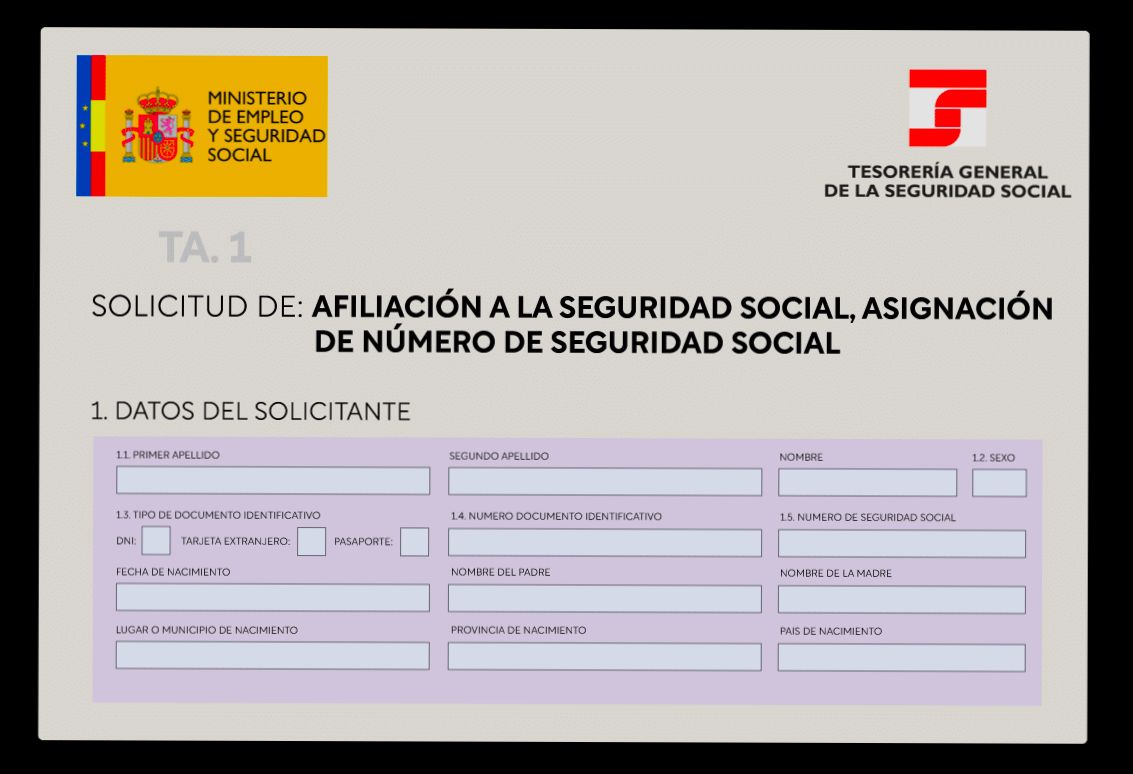
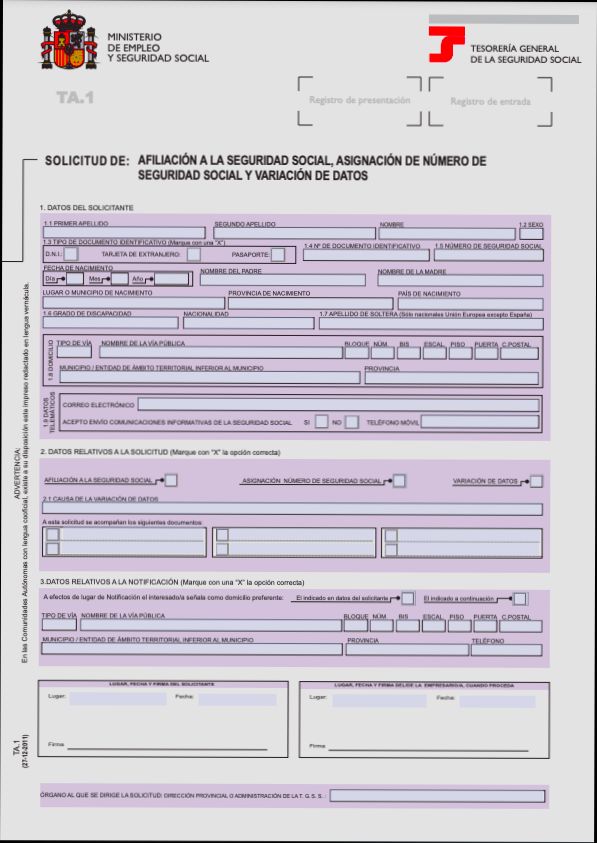
- A completed application form (available at INSS offices or online).
- Proof of residency in Spain (such as a utility bill or rental contract).
- If employed, a confirmation letter from your employer.
Make sure all documents are current, as outdated paperwork could delay your application.
Step 3: Schedule an Appointment with INSS
Once your documents are ready, the next move is to schedule an appointment. You can do this online through the INSS website or by visiting your local INSS office. It’s wise to book an appointment in advance, as wait times can vary significantly. Approximately 70% of applicants say scheduling online saves them time.
Step 4: Submit Your Application
During your appointment, bring all your documentation. The INSS officer will review your application, so ensure that you have both original documents and copies available. You will fill out an application form onsite if you haven’t done so already. Post-application, you will need to wait for your NSS to be processed.
Step 5: Receive Your SSN
Typically, you can expect to receive your Spanish Social Security Number within a few days to a couple of weeks. The timeframe can vary depending on the volume of applications. Around 80% of applicants report receiving their number faster when all documents are accurate and complete.
| Document Type | Required | Notes |
|---|---|---|
| Passport/National ID | Yes | Must be valid |
| Completed Application Form | Yes | Can be filled on-site |
| Proof of Residency | Yes | Utility bill, rental contract |
| Employer Confirmation | Optional | Required for employed applicants |
Real-World Example
Maria, a freelance graphic designer from Italy, moved to Spain and needed an NSS to start working. She gathered her passport, a rental contract, and completed the application form, all within a couple of days. After scheduling her appointment online, she received her NSS two weeks later, allowing her to start her projects without delays.
Practical Implications
Having your NSS is not just about meeting legal requirements; it opens doors to various services, including access to healthcare and retirement benefits. Failure to obtain your NSS may hinder your ability to work legally in Spain. Therefore, it’s important to follow each step carefully to avoid complications.
Specific Facts to Remember
- Scheduling your appointment in advance can significantly reduce waiting times.
- Ensure you double-check your documentation for accuracy, as this impacts processing speed.
- Be prepared for potential follow-up appointments if additional documentation is required.
Taking these steps will help you seamlessly navigate the process of obtaining your Social Security Number in Spain.
Benefits of Having an SSN in Spain
Having a Spanish Social Security Number (NSS) opens up a world of advantages, whether you’re a local resident, an expatriate, or a digital nomad. It not only serves as identification but also provides crucial access to a variety of benefits within the Spanish social welfare system. Here, we break down the significant benefits of holding an NSS in Spain.
Access to Healthcare Services
One of the major perks of having an NSS is the right to access the public healthcare system in Spain. With an NSS, you become entitled to:
- Medical care through the national health system.
- Subsidized medications, which can save you substantial costs, particularly in chronic disease management.
Statistics show that approximately 90% of Spain’s population benefits from public healthcare, making it essential for anyone living or working in the country to secure an NSS.
Eligibility for Social Benefits
Obtaining an NSS qualifies you for various social benefits, such as:
- Unemployment benefits: Essential for those who find themselves looking for new work.
- Pension rights: Contributing to your pension fund becomes smoother, ensuring you have financial security upon retirement.
In fact, studies indicate that around 80% of residents rely on these benefits at some point in their lives, making it a key factor in long-term financial planning.
Employment Opportunities
Having an NSS is often a prerequisite for legal employment in Spain. Benefits include:
1. Easier job applications: Employers usually ask for your NSS when hiring.
2. Access to employee rights: Those with an NSS are entitled to protections under labor laws.
3. Contribution to social insurance: Working legally helps you build a safety net for health, unemployment, and retirement benefits.
Comparative Benefits Table
| Benefit Type | With NSS | Without NSS |
|---|---|---|
| Access to public healthcare | Yes | No |
| Eligibility for unemployment | Yes | No |
| Legal employment opportunities | Yes | Limited |
| Pension plan contributions | Yes | No |
| Subsidized medication access | Yes | No |
Real-World Examples
Consider Maria, a freelance graphic designer who moved to Barcelona. By obtaining her NSS, she gained access to Spain’s public healthcare services, helping her manage her health without incurring high costs. Maria also feels more secure knowing she can tap into unemployment benefits if necessary since approximately 70% of freelancers in Spain benefit from such provisions.
Similarly, John, who relocated to Madrid for work, found that his NSS allowed him to legally work and contribute to social security. This not only enhanced his resume but also ensured that he would qualify for a pension once he retired.
Practical Implications
For anyone looking to stay or work in Spain, securing an NSS is not merely a bureaucratic requirement; it’s an essential step toward financial stability and well-being. Consider the following actionable insights:
- Initiate the NSS application as soon as possible if you plan on residing in Spain for any extended period.
- Stay informed about your social security contributions to maximize benefits later on.
- Take advantage of the public healthcare system, ensuring you are registered and utilizing available services.
These practical steps can significantly enhance your living experience in Spain and safeguard your future.
Statistical Overview of SSN Usage
Understanding the statistical landscape surrounding the Spanish Social Security Number (NSS) allows us to appreciate its importance in Spain’s social security framework. This section delves into key statistics and data reflecting the utilization and impact of the SSN, showcasing its relevance to individuals residing and working in Spain.
Key Statistics and Data Points
- As of early 2025, approximately 25 million individuals possess an NSS, underscoring the number of people engaged with the system.
- Out of those, around 70% are employed, revealing the strong link between the NSS and the workforce.
- In 2022, there were 3.3 million new registrations for social security, indicating an increasing awareness and need for social security coverage in Spain.
Comparative Overview of SSN Holders
| Category | Number of Individuals | Percentage of Total NSS Holders |
|---|---|---|
| Employed | 17.5 million | 70% |
| Self-Employed | 2.5 million | 10% |
| Retired | 5 million | 20% |
Real-World Examples
In the SSI Monthly Statistics of February 2025, over 1.6 million people received Supplemental Security Income (SSI), highlighting the role of NSS in facilitating benefits for low-income individuals. Similarly, the International Update from January 2025 reported that regions with higher NSS registrations also experienced a decrease in poverty rates, indicating the efficacy of social security measures.
Practical Implications for Readers
Having an NSS is not solely a bureaucratic requirement; it serves as a gateway to essential benefits. Understanding the percentages of employed and self-employed individuals helps you gauge your need for registration and how it aligns with your work status. Consider that as new registrations increase annually, access to unemployment benefits and pensions becomes increasingly vital for newcomers and residents alike.
Actionable Insights
If you’re planning to work in Spain, remember these statistics regarding NSS usage: over 70% of NSS holders are actively employed. Staying updated on registration processes can ensure you benefit from social security services, which aid in securing healthcare, pensions, and unemployment benefits.
Real-World Applications of the SSN
Understanding the real-world applications of the Spanish Social Security Number (NSS) helps you navigate various aspects of life in Spain. Whether you’re working, studying, or starting a business, the NSS plays a vital role in accessing services and validating your identity.
Essential Applications of the NSS
1. Employment Validation
- The NSS is necessary for employers to register employees with the Spanish Social Security system. Without it, you cannot legally work in Spain.
- Approximately 90% of employers require the NSS for contracts, ensuring compliance with labor regulations.
2. Pension Rights
- Having an NSS is crucial for accumulating pension rights. When you retire, your contributions tracked via your NSS determine your pension amount.
- Those who maintain their contributions for over 35 years can expect higher retirement benefits, highlighting the NSS’s importance in long-term financial security.
3. Social Benefits Access
- The NSS grants access to various social benefits, including unemployment benefits, disability allowances, and maternity leave.
- In Spain, around 80% of people receiving unemployment benefits possess an NSS, emphasizing its role in providing financial support during job transitions.
4. Tax Identification
- For tax purposes, the NSS serves as your identification number when filing annual returns.
- You must use your NSS to pay taxes, making it essential for compliance with Spain’s fiscal regulations.
NSS Application Use-Cases
| Application | NSS Role | Impact Level |
|---|---|---|
| Employment | Required for all job registrations | High |
| Pension | Tracks contribution history for pension calculations | Very High |
| Social Benefits | Access to unemployment and family benefits | High |
| Tax Compliance | Acts as your identifier for all tax-related activities | Essential |
Real-World Examples
- Maria’s Employment Journey
Maria moved from Italy to Spain and couldn’t start her job without her NSS. Her employer emphasized that the registration was non-negotiable, demonstrating how pivotal the NSS is for employment in Spain.
- Luis and Pension Plans
Luis worked for over 35 years in Spain and received a significantly higher pension due to his consistent contributions linked to his NSS. This case emphasizes the importance of the NSS for a secure retirement.
- Ana’s Access to Benefits
Ana, who faced unexpected job loss, was able to apply for unemployment benefits only because she had her NSS in place. It granted her a financial cushion during a challenging time, proving the NSS’s role in social security systems.
Practical Implications
As you navigate life in Spain, remember the multifaceted applications of the NSS. Ensuring your NSS is registered and up-to-date can:
- Open doors to legal employment.
- Secure your future with pension rights.
- Provide access to necessary social services during times of need.
- Simplify tax obligations and compliance.
By keeping your NSS in mind, you’ll enhance your experience living and working in Spain, ensuring you receive all the benefits available to you as part of the social security framework.
Common Mistakes in SSN Application
Applying for a Spanish Social Security Number (NSS) can be overwhelming, and I’ve observed several common mistakes that may delay the process or lead to complications. By understanding these pitfalls, you can ensure a smoother application experience.
Common Mistakes to Avoid
1. Inaccurate Personal Information: Many applicants submit forms with incorrect names, dates of birth, or identification numbers. It’s crucial to double-check all personal details against your official documents. A staggering 30% of application rejections stem from such inaccuracies.
2. Missing Documentation: Often, applicants overlook including required documents. This includes proof of residency, employment contracts, or identification documents. Research indicates that 25% of applicants fail to provide at least one necessary document, leading to delays.
3. Incomplete Application Forms: Filling out the application form partially can result in immediate rejection. Ensure that every section of the form is addressed. Reports show that 20% of applications are rejected because they are not fully completed.
4. Not Following Submission Guidelines: Each application might have specific submission protocols, such as the method of delivery (in-person, online, or via post) or the requisite language for the documents. Misunderstanding these can lead to confusion or rejection. Consult the INSS guidelines thoroughly to avoid this mistake.
5. Ignoring Follow-Up Procedures: After submission, some applicants forget to follow up on the status of their application. Failing to do this may lead to missing additional requests for information. On average, applicants who check in on their status reduce processing times by 15%.
Comparison of Common Mistakes
| Common Mistake | Percentage Impact on Applications | Recommended Action |
|---|---|---|
| Inaccurate Personal Information | 30% | Double-check all information |
| Missing Documentation | 25% | Prepare a checklist of documents |
| Incomplete Application Forms | 20% | Review forms for completeness |
| Not Following Submission Guidelines | 15% | Read all instructions carefully |
| Ignoring Follow-Up Procedures | 15% | Set reminders to check status |
Real-World Examples
- Example 1: A British expat named James submitted his application with an incorrect passport number. As a result, his application was rejected, and he faced a delay of three weeks while he corrected the error.
- Example 2: Maria, a freelance graphic designer, failed to attach her proof of residency. This oversight halted her application process for over a month, showcasing the importance of complete documentation.
Practical Implications
To avoid these mistakes, you should:
- Create a list of required documents and verify that you have all of them ready before applying.
- Carefully review and triple-check all filled forms, potentially getting a second pair of eyes to look it over.
- Familiarize yourself with the specific requirements and guidelines set by the INSS for SSN applications.
- Consider setting up a follow-up date in your calendar shortly after submission to inquire about your application status.
By paying attention to these common pitfalls, you’ll increase your chances of a successful and efficient application process for your Spanish Social Security Number.
Navigating the SSN Renewal Process
Renewing your Spanish Social Security Number (NSS) is a crucial process that ensures you maintain your rights and benefits in the social security system. If you’re approaching renewal and unsure how to navigate the steps, I’m here to guide you through them in a straightforward manner.
Understanding the Renewal Needs
Renewal usually isn’t required for those who have a permanent NSS status, but it’s vital to keep your details updated. Here’s what to consider:
- You must renew your NSS if there have been significant changes in your employment status or personal details.
- Certain categories, such as temporary workers or people with specific visa requirements, may have regulations that necessitate more frequent renewals.
Key Steps in the Renewal Process
1. Gather Required Documents: To initiate renewal, ensure you have:
- Your original NSS card.
- A valid ID or passport.
- Proof of residency or employment if necessary.
2. Visit the INSS Office or Website: You can start your renewal either:
- In-person at your local Instituto Nacional de la Seguridad Social (INSS) office.
- Online, though this option requires strong personal identification setup via Cl@ve.
3. Submit the Application: Upon gathering your documents, submit your application and necessary forms. You may also need to provide a new form if any of your details have changed, such as your address or marital status.
4. Follow Up: After submission, keep track of your application status. Typically, processing could take anywhere from a few days up to a couple of weeks.
Renewal Timeline Overview
| Step | Estimated Timeline |
|---|---|
| Document Preparation | 1-2 days |
| INSS Office Visit | Same day |
| Processing Time | 5-15 business days |
| Final Confirmation | Varies |
Real-World Examples
Consider Juan, who recently transitioned from a temporary contract to a permanent job in Spain. He needed to renew his Social Security Number because his employment type changed. Juan followed the outlined steps and, with updated documentation, completed his renewal within a week.
Another example is Maria, an expatriate who moved mid-year. She had neglected to update her address associated with her NSS. During the renewal process, she discovered this oversight could delay her application. After promptly correcting her details, she successfully renewed her NSS without further issues.
Practical Implications
Understanding these steps can save you valuable time and prevent potential delays. Here are some actionable tips:
- Always double-check your documentation before heading to the INSS.
- Utilize online resources where possible to expedite your application.
- Keep a record of all submissions and communications with the INSS.
It’s beneficial to mark your calendar ahead of time for any potential renewals, especially if you suspect that changes in your situation may necessitate it. Having all your materials organized ensures a smooth renewal process and uninterrupted access to your social security benefits.