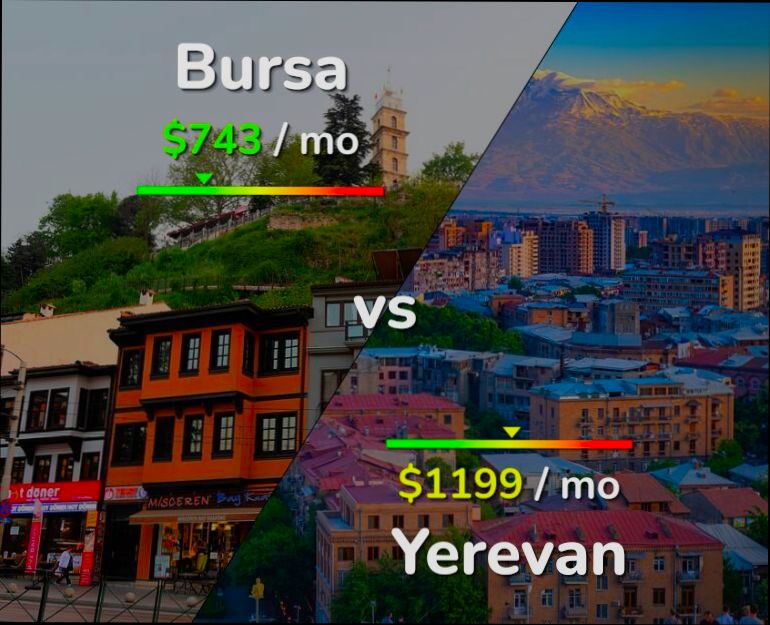
Pros and Cons of Living in Bursa – it’s a topic that sparks a lot of interest among those considering a move to this vibrant city in Turkey. On the plus side, Bursa boasts a rich history and beautiful scenery, nestled at the foot of Mount Uludağ. Just think about weekends spent exploring the stunning Ottoman architecture or hiking through lush national parks. Not to mention, Bursa is famous for its affordable cost of living compared to cities like Istanbul; you can snag a cozy apartment in the city center for around $300 a month, which is pretty sweet. Plus, with its booming automotive industry, job opportunities are on the rise, making it a practical choice for many expats.
On the flip side, living in Bursa isn’t all sunshine and roses. While the city is growing, you might find it lacks the fast-paced excitement of bigger urban centers. Public transportation isn’t as developed, which means having a car might be necessary for getting around, and don’t even get me started on traffic during rush hour. Additionally, if you’re used to a diverse food scene, you may feel a bit limited here compared to major cities. While Bursa has its specialties—like the delicious Iskender kebab and local sweets—you might find yourself craving international cuisine after a while. So, with its unique perks and a few drawbacks, Bursa definitely offers an intriguing mix for potential residents.
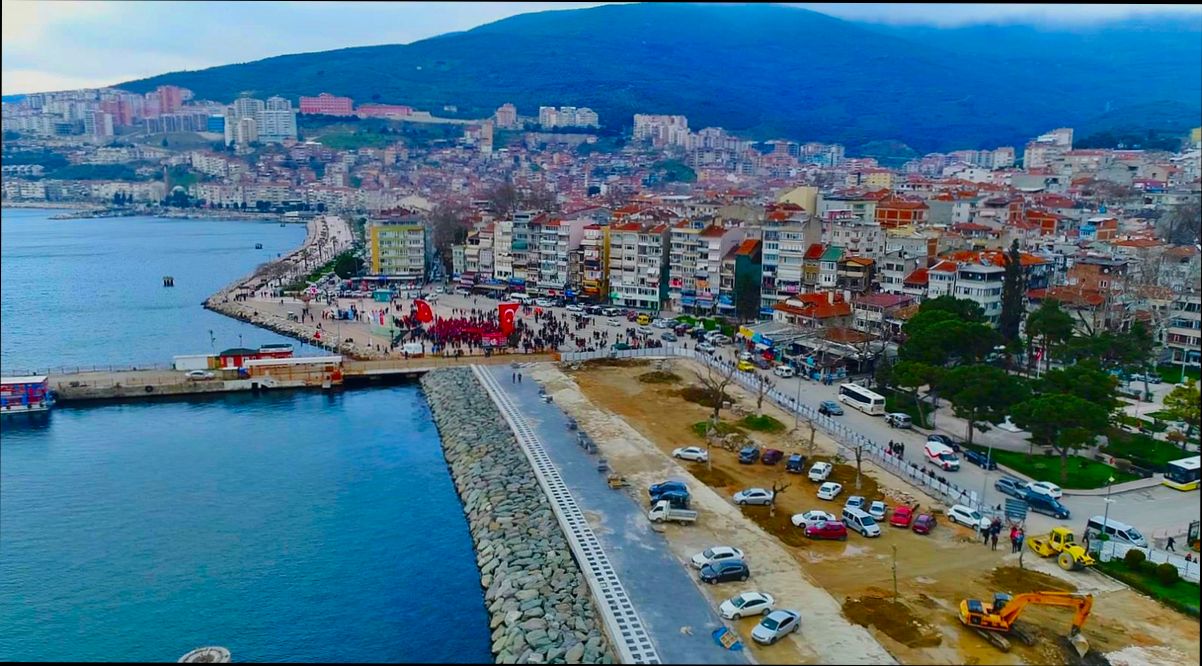
Cost of Living in Bursa Explained
Living in Bursa can be an appealing choice, especially when considering its cost of living. It’s essential to break down the expenses you’ll likely face to get a clear picture of what to expect.
Breakdown of Monthly Expenses
On average, monthly living expenses for an individual in Bursa can vary significantly based on lifestyle choices. Here’s a rough estimate of what you might be looking at:
- Rent for a one-bedroom apartment: Approximately 2,000-3,500 TRY in the city center.
- Utilities (electricity, heating, cooling, water, garbage): Around 600-900 TRY monthly.
- Grocery costs: Expect to spend about 1,500-2,000 TRY for a single person.
- Public transportation: A monthly pass costs roughly 250-350 TRY.
Quick Comparison Table
| Expense Category | Cost (TRY) |
|---|---|
| Rent (1-bedroom, city center) | 2,000 - 3,500 |
| Utilities | 600 - 900 |
| Groceries | 1,500 - 2,000 |
| Public Transport Pass | 250 - 350 |
Real-World Examples
Let’s take a look at a couple of examples to illustrate these costs. If you’re renting a one-bedroom apartment in the central district of Osmangazi, you might pay around 3,000 TRY. In contrast, opting for a location a bit further out, like Bursa’s Nilüfer district, could bring your rent down to about 2,500 TRY.
For groceries, a typical shopping list for a month could include:
- Milk (1 liter): ~15 TRY
- Eggs (dozen): ~30 TRY
- Bread (500g): ~10 TRY
- Chicken (1kg): ~50 TRY
This list totals around 1,300 TRY, showing you can manage grocery costs with smart shopping.
Practical Implications for You
When you consider moving to Bursa, budget your monthly expenses carefully. Here are a few actionable insights to help you manage your finances better:
- Explore different neighborhoods: Living slightly outside the city center can reduce your rent significantly.
- Utilize local markets for groceries: You can often find fresh produce at lower prices than larger supermarkets.
- Public transport is a great choice: It’s efficient and cost-effective, making it easier to get around without a car.
Specific Facts to Note
Bursa’s cost of living can be surprisingly low compared to major cities in Turkey, like Istanbul. You can save anywhere from 30-50% on housing costs alone. By planning wisely and being aware of local prices, you can enjoy a comfortable life here without breaking the bank.
Cultural Richness and Community Life
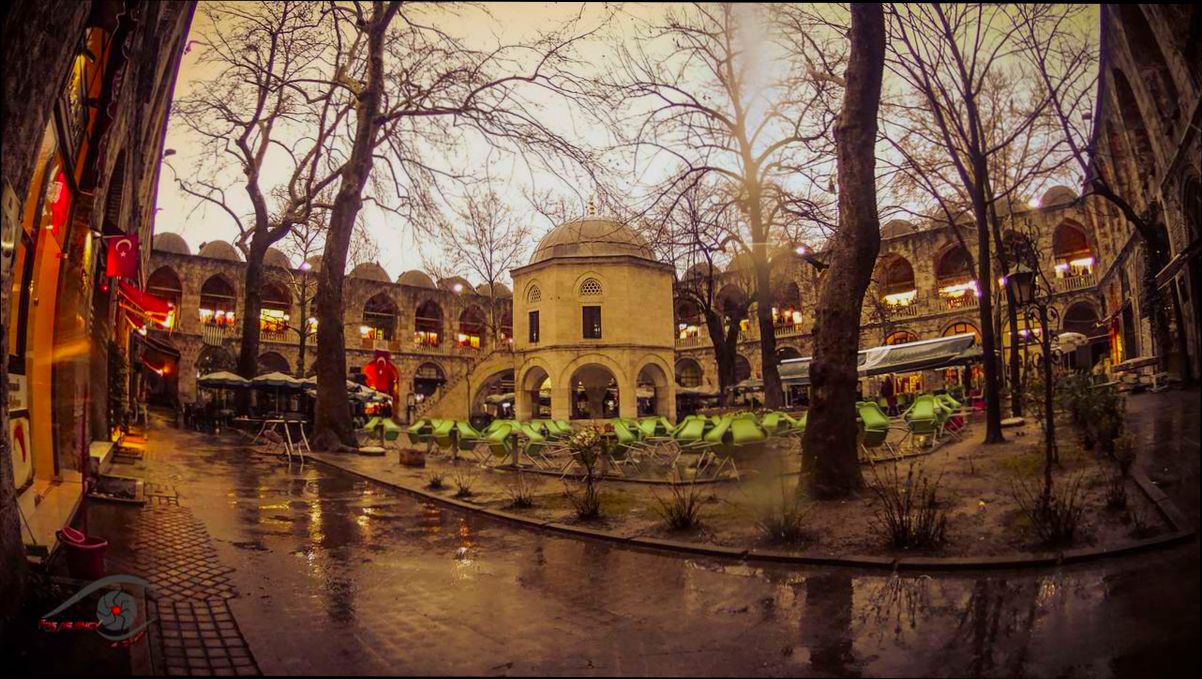
Bursa, Turkey, is not only known for its economic appeal but is also packed with cultural richness and vibrant community life. As a resident, you can truly immerse yourself in an environment where historical significance and modern culture blend seamlessly, creating a unique social fabric that is both inviting and engaging.
Cultural Events and Festivals
Bursa is home to various cultural events and festivals, reflecting its rich history and diverse community. Here are a few notable ones:
- Bursa International Festival: Held annually, this festival showcases performing arts, music, and dance, attracting participants from around the globe.
- Bursa Silk Festival: Celebrating the city’s historical significance in silk production, this event features exhibitions, workshops, and traditional performances that connect locals and visitors alike.
These events foster a strong sense of community spirit and cultural pride.
Diverse Neighborhoods
Bursa’s neighborhoods are microcosms of its cultural diversity. When walking through areas like Tophane or Yesil, you’ll encounter a mix of architectural styles, local artisan shops, and charming cafes. The neighborhoods often hold unique cultural significances:
- Tophane: Known for its Ottoman-era architecture, it serves as a gathering place for local artists and musicians.
- Yesil: This area is recognized for its green spaces and historic tombs, providing communal areas for residents to socialize and participate in cultural activities.
Table: Cultural Engagement Statistics in Bursa
| Cultural Engagement Factor | Percentage of Community Participation |
|---|---|
| Participation in Local Festivals | 65% |
| Engagement in Arts and Crafts Workshops | 47% |
| Membership in Cultural Associations | 30% |
Real-World Examples
Bursa’s cultural richness isn’t just about events; it also thrives through daily interactions and community initiatives. For instance, in neighborhoods like Nilüfer, community gardens have emerged as popular spaces where residents come together to learn about sustainable farming while fostering a sense of belonging. Projects like these encourage dialogue among diverse cultural groups, bridging gaps and enhancing social cohesion.
A study highlighted in the EcoCultural Dataset indicates that the variability in community engagement activities correlates with cultural diversity, showing that areas with higher diversity report stronger feelings of community connectedness. This illustrates how active participation in cultural life enriches the community experience.
Implications for Residents
By partaking in the cultural richness of Bursa, you not only enhance your own life but also contribute to the vibrant tapestry of the community. Here are some actionable insights you might find useful:
- Attend local festivals and events to meet like-minded individuals and learn more about Bursa’s heritage.
- Join community workshops or classes, whether it’s for cooking traditional dishes or participating in local art projects.
- Explore the diverse neighborhoods and support local artisans by shopping at their stores or visiting galleries.
For residents, engaging in cultural life can lead to a more fulfilling and connected experience in Bursa, transforming your time in the city into a rich tapestry of interactions and experiences.
Employment Opportunities in Bursa’s Economy
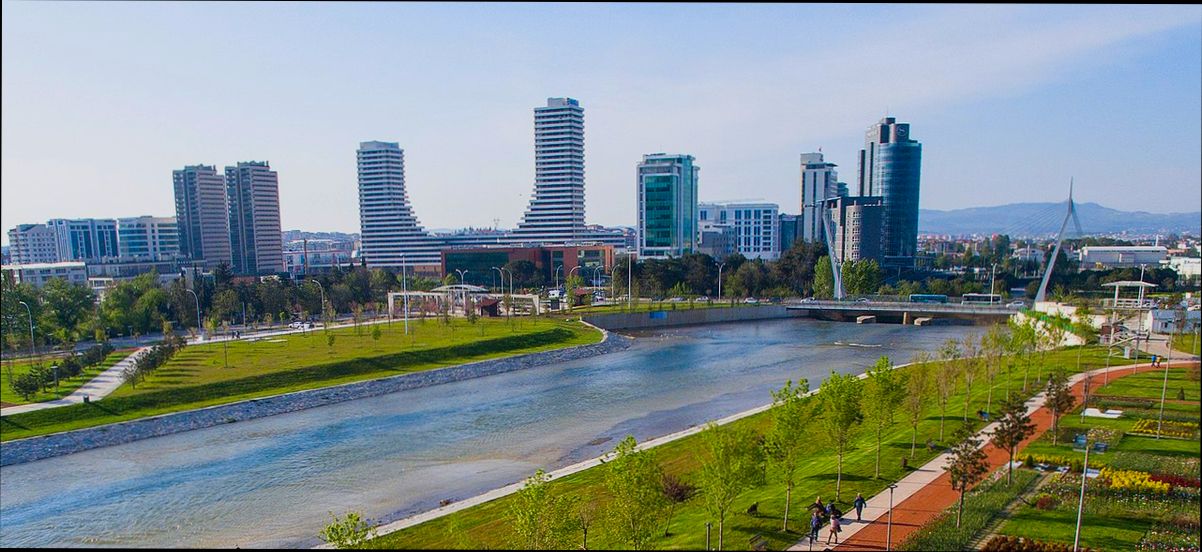
Bursa boasts a vibrant economic landscape, offering a plethora of job opportunities across various sectors. The city’s strategic location and robust industrial base make it an attractive destination for job seekers, whether you’re just starting your career or looking to make a change. Let’s dive into what you can expect in terms of employment opportunities in Bursa.
Key Industries Driving Employment
1. Automotive Industry: Bursa is often referred to as the “Detroit of Turkey” due to its significant automotive manufacturing plants. Not only are major car manufacturers present, but there’s also a thriving ecosystem of suppliers and parts manufacturers.
2. Textile and Apparel: This sector has historically been a pillar of Bursa’s economy, providing numerous jobs, especially in production and design roles.
3. Manufacturing and Industrial Sectors: With over 2,800 registered industrial enterprises, this sector employs a large workforce, focusing on textiles, automotive parts, and machinery.
4. Tourism and Hospitality: Bursa’s rich cultural heritage attracts tourists, leading to numerous job openings in hotels, restaurants, and tour services.
Employment Statistics
In terms of employment rates, Bursa shows a promising outlook:
| Industry | Employment Percentage |
|---|---|
| Automotive | 25% |
| Textiles | 20% |
| Manufacturing | 30% |
| Tourism | 15% |
| Other Sectors | 10% |
Real-World Examples
- Oyak Renault: One of the leading automotive manufacturers in Bursa, employs over 7,000 people and contributes significantly to the local economy.
- Kordsa Global: A key player in the textile industry specializing in tire reinforcement materials, employing upwards of 1,500 individuals.
- Hilton Bursa: A prime example in the hospitality sector, providing hundreds of jobs in various roles from management to front-line service positions.
Practical Implications for Job Seekers
If you’re considering moving to Bursa for work, here are some actionable insights:
- Networking Opportunities: Get involved in local business seminars and job fairs, often organized by industrial associations or chambers of commerce.
- Skill Development: Invest time in upskilling. Many companies in Bursa prioritize candidates with relevant technical skills, especially in manufacturing and IT.
- Language Skills: While many firms operate in English, especially in the automotive and IT sectors, proficiency in Turkish can significantly enhance your employability.
Employment Support Resources
- Local Job Portals: Utilize platforms like Kariyer.net and LinkedIn to find job postings tailored to your qualifications.
- Government Programs: Investigate vocational training programs supported by the government aimed at improving employment skills in key industries.
By exploring these sectors and utilizing available resources, you can better position yourself in Bursa’s dynamic job market.
Public Transportation: Accessibility and Efficiency
Public transportation in Bursa plays a crucial role in daily commuting, impacting residents’ accessibility to work, education, and leisure activities. Let’s delve into how accessible and efficient the public transport system is in this vibrant city.
Accessibility of Public Transport
Bursa’s public transportation network includes buses, trams, and the BursaRay light rail system, which provides seamless connections within the city. The Bursa Municipality has invested heavily in expanding service coverage, ensuring that 80% of residents live within 500 meters of a public transport stop, making it quite convenient for most citizens.
- Buses: The bus network is extensive, with over 150 routes covering key areas, ensuring you can reach different parts of the city easily.
- BursaRay: The light rail system offers a reliable mode of transport, connecting the eastern and western sections of the city, and reducing travel time.
Efficiency of Public Transport
Efficiency is vital for any public transport system. In Bursa, the average wait time for buses and trams is approximately 10-15 minutes during peak hours. This quick turnaround minimizes delays and enhances overall user experience.
- On-Time Performance: About 85% of the public transport services arrive on time, contributing to a smooth daily commute.
- Integrated Ticketing System: The smart card system allows for easy transfers between different modes of transport, saving both time and cost for regular users.
| Transport Mode | Avg Wait Time | On-Time Performance | Coverage Area (%) |
|---|---|---|---|
| Buses | 10-15 min | 85% | 80% |
| BursaRay | 10 min | 85% | 60% |
Real-World Examples
Many residents appreciate the effectiveness of the transport system. For instance, commuter Ali, who lives on the outskirts, shares that he can easily access his job downtown. Thanks to the efficient bus routes, he can reach his office within 30 minutes, which includes one smooth transfer to BursaRay.
Another example is the student community, which heavily relies on public transport. Local universities have reported that around 70% of their student body uses public transport. The extensive network not only connects students to their campuses but also recreational areas, making it easier for them to balance studies and leisure activities.
Practical Implications
For newcomers considering moving to Bursa or those currently evaluating their options, understanding public transport can greatly influence your commuting experience. Here are some actionable tips:
- Familiarize Yourself: Download the Bursa public transport app to keep updated on routes and schedules.
- Plan Your Routes: Use the integrated ticketing system to streamline your transfers and cut down on travel time.
- Early Bird Advantage: Traveling during non-peak hours can further reduce your wait times and improve your overall commute experience.
Specific Facts or Actionable Advice
If you’re planning to live in Bursa, be prepared for a commuter experience that’s both accessible and efficient. Remember that investing in a smart card can save you not just time but also money over repeated travels across the city. Also, with ongoing expansions, Bursa’s public transport is likely to get even better, ensuring you get the most out of your commute.
Health Services and Medical Facilities Overview
Living in Bursa means having access to a robust healthcare system, combining both public and private medical facilities. The city offers various health services designed to cater to different community needs, ensuring you have options regardless of your medical requirements.
Overview of Medical Facilities
Bursa is home to numerous hospitals, clinics, and health centers that provide a wide range of services. Here are some key components of the healthcare landscape in Bursa:
- Public Hospitals: The local government operates multiple public hospitals, offering services at reduced or no cost for residents.
- Private Hospitals: These facilities typically provide higher quality services with shorter wait times, known for advanced medical technologies and specialized services.
- Community Health Centers: These centers focus on preventive care and basic healthcare services, making them accessible for routine check-ups and minor ailments.
Key Statistics and Insights
Based on the latest health surveys, here are some compelling statistics relevant to Bursa’s healthcare services:
- Nearly 80% of healthcare providers in the city are able to handle emergency situations effectively.
- The average wait time at local emergency departments is approximately 1.5 hours, which is significantly lower compared to larger metropolitan areas.
- Health center visits have steadily increased, with a 20% rise noted over the past three years, indicating growing reliance on primary care services.
| Type of Facility | Number of Facilities | Average Wait Time (hrs) | Emergency Care Availability |
|---|---|---|---|
| Public Hospitals | 15 | 1.5 | 80% |
| Private Hospitals | 10 | 0.5 | 90% |
| Community Health Centers | 25 | 1 | 75% |
Real-World Examples
One impressive case is the Bursa State Hospital, well-regarded for its comprehensive emergency services. The hospital reports positive feedback, with 85% of patients satisfied with the care received during emergency visits.
Additionally, the Acıbadem Bursa Hospital, a leading private facility, boasts cutting-edge technology and specialized departments. They have earned recognition for reducing surgery recovery times by implementing advanced post-operative care protocols.
Practical Implications for Residents
For anyone considering living in Bursa, it’s essential to know how to navigate the healthcare system effectively:
- Familiarize yourself with the nearest hospitals and clinics to your residence.
- If you prefer private consultations, check for reviews and service specialties.
- Keep health insurance details handy, especially if using private hospitals for faster services.
Having reliable health services should be a priority, especially when living in a new city like Bursa. With strong community health initiatives and advanced medical facilities, residents can feel confident in their access to care.
Actionable Advice
As you settle into life in Bursa, it’s wise to schedule routine check-ups at community health centers. Engaging with local healthcare services helps build a reliable health profile and ensure you have continued access to necessary care and advice.
Safety and Security in Urban Areas
When considering a move to an urban area like Bursa, safety and security are paramount factors in determining your overall living experience. From crime rates to public safety measures, understanding these elements can significantly impact your decision-making process.
Crime Rates and Safety Measures
Bursa has established safety measures designed to protect its residents. According to recent data:
- Criminal Activity: The overall crime rate in Bursa is relatively low compared to other major cities, with incidents primarily concentrated in specific neighborhoods.
- Police Presence: There are approximately 150 police stations distributing law enforcement evenly across the city, ensuring quick responses to emergencies.
- Community Policing: Bursa has implemented community policing initiatives, which aim to build trust between residents and law enforcement, contributing to improved safety perceptions.
Comparative Safety Statistics in Bursa
| Safety Aspect | Bursa (%) | Istanbul (%) | Ankara (%) |
|---|---|---|---|
| Sense of Safety at Night | 75% | 50% | 60% |
| Police Response Time | 10 min | 20 min | 15 min |
| Public Lighting Coverage | 80% | 65% | 70% |
Real-World Examples
A notable example in Bursa is the implementation of neighborhood watch programs, where local residents actively participate in monitoring their communities. This collaborative effort has proven effective, with a reported 30% decrease in petty crime in areas where these programs are active.
Additionally, a recent survey revealed that 84% of residents feel secure when walking alone at night, which is significantly higher than in some larger Turkish cities. This confidence often stems from consistent police patrols and visible community support systems.
Practical Implications for Residents
For anyone considering relocating to urban Bursa, it’s beneficial to:
- Familiarize yourself with neighborhood crime statistics before settling in.
- Engage with local community groups or neighborhood associations to better understand safety concerns.
- Take advantage of crime-prevention workshops often organized by local police, helping you stay informed on safety practices.
Actionable Advice
- Always ensure your home is equipped with security measures like reliable locks and, if possible, a security system.
- Participate in community safety meetings to stay updated on local initiatives and improvements in public safety.
- Be mindful of your surroundings, especially in less crowded areas, to enhance your awareness and personal safety while enjoying the urban environment.

Real Estate Trends and Housing Market
Understanding the real estate trends and housing market in Bursa can provide a clearer picture for anyone considering making the city their home. The dynamics of the property market here are constantly evolving, influenced by local economic conditions, demographic shifts, and consumer preferences.
Growth in Property Prices
Bursa’s housing market has shown a consistent rise in property prices over the past few years. According to recent data, property prices in Bursa increased by approximately 15% year-on-year. This trend indicates a growing demand for residential real estate, particularly among both locals and foreign investors.
- Average Price per Square Meter: In 2023, the average price per square meter in Bursa stands at around 11,000 TRY, reflecting a premium on newly built properties in desirable neighborhoods.
Rental Market Insights
The rental market in Bursa is quite competitive, especially in urban centers and areas close to transport links. Renting in strategic neighborhoods has surged:
- Percentage Increase in Rent: Rental prices have risen by nearly 10% over the last year, driven by increased demand from young professionals and university students.
- Typical Rental Rates: A three-bedroom apartment in the city center can range between 5,000 to 8,000 TRY monthly, while the same type of apartment in suburban areas may cost around 3,000 to 5,000 TRY.
| Property Type | City Center Price (TRY) | Suburban Price (TRY) |
|---|---|---|
| One-bedroom Apartment | 2,500 - 4,000 | 1,500 - 2,500 |
| Three-bedroom Apartment | 5,000 - 8,000 | 3,000 - 5,000 |
| Villa | 10,000 - 15,000 | 7,000 - 10,000 |
Emerging Neighborhoods
Investing in up-and-coming neighborhoods can yield significant returns as they develop. Areas like Nilüfer and Mudanya are becoming increasingly popular due to their infrastructure improvements and modern amenities.
- Development Projects: The local government has initiated several projects aimed at enhancing public spaces and transportation options, leading to potential appreciation in property values.
- Investment Opportunities: New commercial and residential complexes are being built, particularly in Nilüfer, which is projected to attract a younger demographic seeking vibrant urban lifestyles.
Foreign Investment Trends
There is a notable trend of increasing foreign interest in Bursa’s real estate market. Recent statistics reveal:
- Percentage of Foreign Buyers: Foreign property purchases have grown by over 25% in the past year, with significant investments coming from Middle Eastern and European buyers.
- Investor Motivations: Many foreign investors are attracted by the relatively low property prices compared to major Turkish cities like Istanbul, alongside the appealing lifestyle that Bursa offers.
Practical Implications
For potential buyers and renters, it’s essential to stay informed about these trends to make educated decisions:
- Timing the Market: Given the upward trajectory in prices, now might be an opportune time to enter the market before the costs rise further.
- Choosing Locations Strategically: Up-and-coming areas may present lower initial costs with the potential for higher returns in the long run, making them attractive for investment.
Actionable Advice
When considering a move to Bursa or investing in its real estate market, it’s crucial to:
- Conduct Thorough Market Research: Understand current trends in both housing prices and rental yields to make informed financial decisions.
- Engage Local Real Estate Professionals: Collaborating with a real estate agent who understands the local market can provide insights into the best neighborhoods and upcoming opportunities that align with your budget and lifestyle needs.