- Cost of Living Analysis: Comparing Durham to National Averages
- Educational Opportunities: Schools and Universities in Durham
- Job Market Overview: Employment Opportunities in Durham
- Healthcare Facilities: Access and Quality of Services in Durham
- Transportation Infrastructure: Navigating Durham and Beyond
- Climate and Weather Patterns: What to Expect in Durham
- Cultural Attractions and Recreational Activities in Durham
- Safety and Crime Rates: Understanding Durham's Environment
- Community and Lifestyle: What Residents Love About Durham
- Housing Market Trends: Buying or Renting in Durham
- Economic Growth: Key Industries Driving Durham's Development
- Environmental Factors: Parks and Green Spaces in Durham
Pros and cons of living in Durham, NC can be quite a mixed bag. For starters, Durham is famously known for its vibrant culture and rich history, primarily due to its roots in the tobacco industry. You’ll find a new coffee shop popping up on every corner, thanks to a thriving, artsy community that values local businesses. The food scene is another major plus—think BBQ joints, farm-to-table eateries, and mouthwatering international cuisine. Plus, with a significant number of universities in the area, including Duke and North Carolina Central University, the city boasts an intellectually stimulating atmosphere and a youthful vibe.
On the flip side, the weather can throw you for a loop. Summers can be sweltering, with the humidity creeping up to make those outdoor activities a tad uncomfortable. And while the city has been experiencing a tech boom, leading to increased job opportunities, this has also pushed up housing prices, making it tougher for some locals to find affordable options. Traffic, especially during peak hours, can really test your patience too, as more folks are discovering what this gem of a city has to offer. So, it’s a bit of a balancing act between the perks and the downfalls when considering life in Durham.
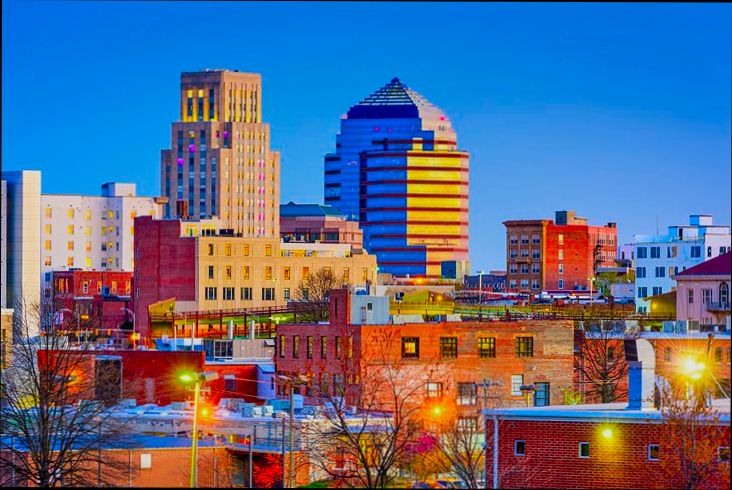
Demographics and Population Trends in Durham
Let’s dive into what makes Durham tick when it comes to its demographics and population trends. Spoiler alert: it’s a melting pot of cultures and backgrounds!
As of the latest census, Durham boasts a population of around 283,000. This number has been steadily climbing, with growth rates hovering around 10% over the last decade. What does that mean for you? More neighbors, diverse communities, and a lively atmosphere!
Population Breakdown
| Demographic | Percentage |
|---|---|
| White | 38% |
| Black or African American | 37% |
| Hispanic or Latino | 13% |
| Asian | 7% |
| Other | 5% |
Durham’s diversity is one of its strongest features. The city is home to a vibrant mix of cultural events and festivals—just check out the annual Durham Indigenous Festival or the North Carolina Science Festival for a taste of the local flavor!
Education and Age Groups
Durham has a youthful vibe, too. The median age here is about 34 years, which is pretty young compared to many other cities. Thanks to institutions like Duke University and North Carolina Central University, you’ll find a lot of students and young professionals. This influx keeps the city buzzing with energy and innovation.
What’s the Trend?
Looking ahead, the population trend is certainly upward, with new residents drawn in by the local economy, job opportunities, and, honestly, the amazing quality of life. However, with growth comes challenges—housing affordability is a hot topic, and prices are rising as more people want to call Durham home.
In summary, if you’re considering moving to Durham, you’ll be joining a diverse and growing community that values education, cultural richness, and a bit of Southern charm. Just keep an eye on the housing market!
Cost of Living Analysis: Comparing Durham to National Averages
If you’re thinking about moving to Durham, NC, you might be wondering how the cost of living stacks up against the national averages. Let’s break it down so you can decide if this is the right spot for you!
Housing Costs
First off, let’s talk rent and home prices. In Durham, the median home price is around $325,000. In comparison, the national average for home prices sits at about $400,000. That’s a solid saving!
| Location | Median Home Price |
|---|---|
| Durham, NC | $325,000 |
| National Average | $400,000 |
Rent Prices
Looking for a place to rent? In downtown Durham, you can expect to pay around $1,500 for a one-bedroom apartment. Across the nation, that’s closer to $1,800. So, you’re scoring a deal by living in Durham!
| Location | Average Rent (1-Bedroom) |
|---|---|
| Durham, NC | $1,500 |
| National Average | $1,800 |
Utilities and Groceries
Now, let’s touch on some of the everyday expenses. Utilities in Durham run about $160 per month, which is pretty in line with the national average of $180.
Grocery prices? They’re quite reasonable too! A simple shopping list might look like this:
Milk (1 gallon): $3.50 in Durham vs. $3.80 nationally
Bread (1 loaf): $2.50 in Durham vs. $2.80 nationally
Eggs (dozen): $2.00 in Durham vs. $2.30 nationally
Transportation
Finally, transportation costs! If you’re driving, gas prices in Durham hover around $3.30 per gallon, a bit lower than the national average of $3.50. Plus, with good public transport options, you might save on those gas costs if you go that route!
Final Thoughts
In a nutshell, Durham offers a lower cost of living compared to many places in the U.S. Whether it’s housing, groceries, or utilities, you can save a pretty penny here. That leaves more money in your pocket to enjoy all the awesome things Durham has to offer!
Educational Opportunities: Schools and Universities in Durham
Living in Durham means you’re surrounded by some top-notch educational opportunities. Whether you have kids or you’re looking to further your own education, you’re in for a treat.
K-12 Schools
Durham Public Schools (DPS) serves about 33,000 students and has some outstanding options. Here’s a quick glance at a few standout schools:
| School Name | Grade Levels | Notable Features |
|---|---|---|
| Durham School of the Arts | 6-12 | Focus on the arts, high test scores |
| Harpers Ferry Elementary | K-5 | Strong community engagement |
| Riverside High School | 9-12 | International Baccalaureate program |
Parents rave about these schools, especially for their diverse programs and supportive environments. Plus, the student-teacher ratio is often lower than the national average!
Higher Education
If you’re considering college, you’re in the right place! Durham is home to some prestigious universities:
Duke University - Known for its rigorous academics and beautiful campus. Did you know it has a national ranking of #10 among U.S. universities?
North Carolina Central University (NCCU) - A great public HBCU that emphasizes social justice and community service.
Durham Tech - Offers a variety of programs and keeps tuition low, making it accessible for many students.
Local Programs & Community Colleges
Don’t overlook the community colleges and local programs! Durham Tech offers everything from career training to transfer options to four-year universities, and it’s known for its affordability.
Fun Fact:
About 58% of residents aged 25 and older hold at least a bachelor’s degree, which is above the national average. This can lead to a more educated community overall!
In a nutshell, whether you’re looking for quality K-12 education or considering a degree, Durham provides plenty of options. It’s truly a place where learning is encouraged at every level!
Job Market Overview: Employment Opportunities in Durham
If you’re thinking about making Durham your home, you’ll want to know about its job market. Lucky for you, Durham has become quite the hotspot for employment opportunities, thanks to its booming tech scene, strong healthcare sector, and world-class education institutions.
Key Industries
Here’s a quick rundown of sectors that are thriving in Durham:
| Industry | Examples of Companies | Job Types |
|---|---|---|
| Technology | IBM, Citrix, Dell | Software Development, IT Support |
| Healthcare | Duke University Health System, LabCorp | Nursing, Medical Research |
| Education | Duke University, North Carolina Central University | Teaching, Administration |
| Biotechnology | BioCryst Pharmaceuticals | Research Scientist, Laboratory Technician |
Employment Stats
As of recent reports, Durham’s unemployment rate sits at about 3.8%, which is lower than the national average. This is a great sign that jobs are available!
Growth Projections
Looking ahead, Durham’s job market is projected to grow by around 8% over the next decade. That means more opportunities in various fields—perfect if you’re looking to switch careers or just starting out.
Networking and Community
Plus, with a community filled with entrepreneurs and professionals, you’ll find plenty of networking opportunities. Events like the Durham Chamber of Commerce meetups or tech talks can help you make valuable connections.
In short, whether you’re in tech, healthcare, or academia, Durham has solid options. You just might be surprised at how many doors open when you make this city your home!
Healthcare Facilities: Access and Quality of Services in Durham
Living in Durham means you have access to some pretty top-notch healthcare facilities. If you’re like me, knowing you can get quality medical attention is a big deal. With several renowned hospitals and clinics around, you typically don’t have to worry about getting the care you need.
| Facility | Type | Notable Features |
|---|---|---|
| Duke University Hospital | Acute Care | Ranked among the best in the U.S., specializes in cancer, cardiology, and neurology. |
| VA Medical Center | Veteran Care | Comprehensive services for veterans including mental health and rehabilitation. |
| Durham Regional Hospital | Community Care | Offers a wide range of services and has a strong emergency department. |
In terms of access, Durham boasts a high number of healthcare providers—around 90 primary care physicians per 100,000 people, which is better than the national average. This means less time waiting to see a doctor when you’re not feeling well.
Now, let’s talk about quality. According to U.S. News & World Report, Duke University Hospital isn’t just a local favorite; it ranks in the top 10 nationwide for numerous specialties. This is a huge plus if you’re dealing with something serious or just need a trusted place for routine check-ups.
Medicare and Medicaid Services
For those wondering about coverage, Durham is pretty accommodating when it comes to Medicare and Medicaid. Several facilities accept these programs, making essential healthcare services available to a larger population.
What You Should Know
Things are generally good, but wait times in Emergency Rooms can stack up, especially on weekends. So if you feel a bit under the weather, you might want to call ahead or hit up urgent care instead.
Overall, Durham’s healthcare scene is impressive. Access is reasonable, and the quality of care is high. Whether you’re a local or just passing through, you’re covered!
Transportation Infrastructure: Navigating Durham and Beyond
Getting around Durham is pretty straightforward, but it’s not without its quirks. Let’s break it down!
Roads and Highways
Durham has a variety of road options. Major highways like I-40 and I-85 make it easy to hop on and off, whether you’re heading to Raleigh, Greensboro, or the coast. But here’s a little tip: traffic can get pretty congested, especially during rush hour. So, plan accordingly!
Public Transit
If you prefer not to drive, we’ve got GoDurham, the local bus service. It’s affordable and covers many areas, but let’s be real—it’s not the most extensive system out there. With about 20 routes, you might find yourself waiting a bit longer than you’d like.
Bike-Friendly City
Good news for bike lovers: Durham is working hard to become more bike-friendly! With about 44 miles of bike lanes and numerous bike-sharing programs, you can easily cruise around town. Just be cautious of the occasional pothole!
Table: Transportation Options in Durham
| Mode of Transport | Pros | Cons |
|---|---|---|
| Car | Fast & Flexible | Traffic & Parking Issues |
| Public Transit | Affordable | Limited Routes & Schedules |
| Biking | Healthy & Eco-Friendly | Weather Dependent |
| Walking | Good Exercise! | Not Always Convenient |
Durham’s Future Plans
The city is not just sitting back; there’s a lot in the pipeline, including expanded bus routes and more bike paths being constructed. It’s all about making Durham easier to navigate and improving the overall quality of life.
So, whether you’re zipping around in your car, catching a bus, or riding your bike, Durham has got options for you. Just remember, plan your trips wisely, especially during peak hours!
Climate and Weather Patterns: What to Expect in Durham
If you’re considering moving to Durham, NC, let’s chat about the climate and what you can expect throughout the year. Spoiler alert: it’s a mixed bag, but many residents find it pretty enjoyable!
Temperature Overview
First off, Durham experiences four distinct seasons. Here’s a quick look at the average temperatures:
| Season | Average Temperature (°F) |
|---|---|
| Winter | 40 - 50 |
| Spring | 55 - 75 |
| Summer | 70 - 90 |
| Fall | 50 - 70 |
Humidity and Rain
Summer can get pretty humid, with average humidity levels around 80%. And yeah, it can be a bit sticky at times. On the bright side, rain doesn’t usually hang around for long, and the average annual rainfall is about 45 inches, which is pretty typical for the region.
Severe Weather
Durham isn’t exactly hurricane central, but it’s not completely off the radar either. The area might experience some heavy storms during hurricane season (June to November). Just keep an eye on the weather reports during that time.
Best Time to Visit
If you’re planning a trip to check out the city, I’d recommend visiting in the spring (March to May) or fall (September to November). The temperatures are mild, and you can enjoy the beautiful blooms or autumn leaves without sweating it out in the heat!
Final Thoughts
In short, Durham’s weather has its ups and downs, but it really boils down to personal preference. If you’re not afraid of some heat and humidity, you’ll probably find the climate here fairly cozy. Just grab a cold drink in the summer, and you’ll be good to go!
Cultural Attractions and Recreational Activities in Durham
Living in Durham, NC, means you’re surrounded by a vibrant mix of culture and recreation that keeps life interesting! Whether you’re an art lover, a foodie, or just someone who loves to get outdoors, Durham has something for you.
Art and History
First off, let’s talk about art and history. You can’t miss the Nasher Museum of Art located on Duke University’s campus. Did you know they host over 5,000 works? It’s a fantastic spot for both contemporary and ancient art lovers. Plus, it offers free admission to all visitors on Sundays!
Oh, and if you’re into history, check out the Durham History Hub. It dives into the rich heritage of the Bull City, showcasing everything from tobacco’s history to the civil rights movement. Trust me, it’s a great way to spend a few hours!
Parks and Nature
Now, for all you outdoorsy folks, Durham’s got you covered too. With more than 14,000 acres of parkland, you’ll have plenty of space to hike, bike, or just chill. Duke Gardens is a must-visit. It’s a gorgeous 55-acre complex full of stunning landscapes. Feel free to grab a picnic and soak in the beauty!
Food Scene
And let’s not forget the food! Durham is a culinary hotspot. Voted as one of the top food cities in America, you can find everything from BBQ to gourmet vegan options. You definitely have to try Monuts for their famous doughnuts or hit up Curate for some delightful tapas!
Events and Festivals
Don’t miss out on local festivals, either! Events like the Durham Art Walk and Bull City Food & Beer Experience draw thousands of visitors each year. In fact, around 30,000 people show up for the annual Durham BBQ, Blues, and Brews Festival! It’s an awesome way to meet new people and enjoy the local vibe.
Quick Stats on Culture & Recreation
| Attraction | Type | Visitors per Year |
|---|---|---|
| Nasher Museum of Art | Art | 50,000 |
| Duke Gardens | Parks | 300,000 |
| Durham Historic District | History | 200,000 |
So if you’re looking to get out and explore, you’ll never be bored. From art and food to parks and festivals, Durham has an incredible scene waiting for you to dive in!

Safety and Crime Rates: Understanding Durham’s Environment
When it comes to living in Durham, NC, safety is definitely a top concern for many folks. You might have heard mixed opinions about the crime rates here, so let’s break it down.
Current Crime Stats
As of 2023, Durham’s overall crime rate has seen some fluctuations. Here’s a quick snapshot:
| Type of Crime | Crime Rate per 100,000 Residents | National Average Rate |
|---|---|---|
| Violent Crime | 565 | 388 |
| Property Crime | 4,005 | 2,110 |
Comparatively, Durham’s violent crime rate is higher than the national average, but don’t let that be the only thing you focus on! Understanding what type of crimes occur can be more telling.
What’s Going On?
Most of the crime tends to happen in specific areas, often tied to socioeconomic issues. For instance, property crimes such as theft and burglary are more common in certain neighborhoods. However, families and students often find more secure areas to live, particularly around the Duke University campus and the downtown area.
Tips for Staying Safe
Here are some practical tips to help you feel secure:
Know Your Neighborhood: Research different areas. Some neighborhoods, like Burch Avenue and Watts-Hillandale, are known for being safer with a tight-knit community vibe.
Community Engagement: Engage with local community boards or neighborhood watches to stay updated.
Lock Doors & Windows: Basic safety measures can deter property crime.
Stay Alert: Be aware of your surroundings, especially at night.
Conclusion
In summary, while Durham does experience higher crime rates compared to the national averages, it’s essential to look at the bigger picture. With the right knowledge and precautions, you can enjoy everything this vibrant city has to offer without compromising your safety!
Community and Lifestyle: What Residents Love About Durham
If you’re thinking about making Durham your new home, you’ll quickly discover that community and lifestyle are what truly set this city apart. There’s a vibe here that’s warm and welcoming, and folks are proud of their city. Let’s dive into what makes living in Durham so special!
Vibrant Neighborhoods
Durham is known for its unique neighborhoods, each with its own flavor. From the historic charm of Trinity Park to the trendy streets of Downtown, there’s a spot for everyone. You’ve got stunning old homes, art galleries, and those delicious local eateries! The neighborhoods are well-connected, so it’s easy to stroll around or hop on a bike.
Community Events
Residents rave about the lively community events. Whether it’s the Durham Farmers’ Market or the annual CenterFest Arts Festival, there’s always something happening. In fact, about 70% of residents say they regularly attend local events. They create bonds between neighbors and give you a great sense of belonging!
Food Scene
Let’s talk food! Durham’s food scene is a melting pot of flavors, featuring everything from classic Southern cooking to inventive international cuisine. You’ll find over 600 restaurants in the area. Notable spots like Goodfellas and Bull City Burger and Brewery are local favorites. Plus, there’s an awesome craft beer scene with around 40 breweries to choose from!
Outdoor Activities
If you love the outdoors, Durham won’t disappoint. The Duke Forest and Eno River State Park are perfect for hiking, biking, or just chilling out. In fact, around 49% of residents engage in outdoor activities regularly. Plus, the weather is pretty nice, allowing you to enjoy these spots nearly year-round!
Strong Education and Healthcare
With institutions like Duke University and great hospitals, education and healthcare are top-notch. The city boasts a high literacy rate of 87%, and many residents benefit from the local education offerings and healthcare facilities.
Population Diversity
Durham’s population is diverse, which makes it a melting pot of ideas and cultures. With a population that includes more than 60% people of color, you’ll find rich cultural celebrations and experiences all around town.
Summary Table
| Aspect | Details |
|---|---|
| Neighborhoods | Unique vibes, historic homes, trendy areas |
| Community Engagement | Regular events (70% attendance) |
| Food Scene | 600+ restaurants, rich local flavors |
| Outdoor Activities | 49% engage regularly, parks and trails |
| Education & Healthcare | 87% literacy, top institutions |
| Population Diversity | 60%+ people of color, rich culture |
All in all, Durham is a place where community shines, and the lifestyle is vibrant. If you’re looking for a city where you can connect, eat great food, and enjoy nature, Durham checks all those boxes!
Housing Market Trends: Buying or Renting in Durham
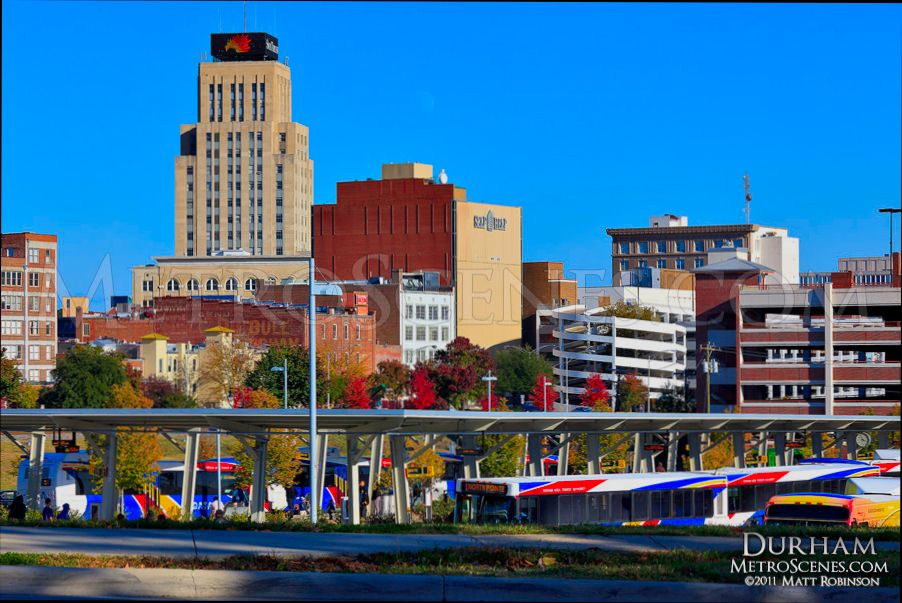
So, let’s dive right into housing in Durham, NC. Whether you’re thinking about buying or renting, you’re in for a bit of a wild ride. The market here is always buzzing with activity, and understanding the trends can really help you make a smart choice.
Buying a Home
If you’re leaning towards buying, Durham’s housing market has seen some noticeable changes recently. In 2023, the median home price in Durham was around $410,000, up about 8% from last year. Ouch, right? But don’t let the numbers scare you off. Homeownership can be a great investment, especially if you plan on sticking around for a while.
- Pros:
Equity building: Every payment puts you one step closer to owning your home outright.
Stability: You won’t have to worry about rent hikes.
Customization: You can repaint the walls pink if that’s your vibe!
- Cons:
High upfront costs: You’ll need a down payment and closing costs.
Maintenance: Leaky roofs and broken HVAC systems are now your responsibility.
Market fluctuations: Home values can drop, which might leave you underwater.
Renting a Place
Renting might sound more appealing, especially if you’re not ready to commit. As of late 2023, the average rent for a one-bedroom apartment in Durham is about $1,700. That’s a bit steeper than some might expect, but it does come with its own perks.
| Pros of Renting | Cons of Renting |
|---|---|
| No long-term commitment | No equity: You’re paying someone else’s mortgage. |
| Less upkeep: Maintenance is usually on the landlord. | Rent hikes: If the market spikes, so does your rent. |
| Flexibility: Move whenever you want without stress. | Limited space for customization: You can’t just knock down a wall! |
Current Trends
Currently, there’s a lot of competition in Durham’s housing market. More people are moving here—thanks to the job opportunities and vibrant culture—which is driving prices up. If you’re considering buying, it might be wise to act fast. Conversely, if renting seems to be more your speed, make sure to look into different neighborhoods, as some are more affordable than others.
Ultimately, the decision to buy or rent comes down to your personal situation and long-term goals. Just take a deep breath and consider what feels right for you!
Economic Growth: Key Industries Driving Durham’s Development
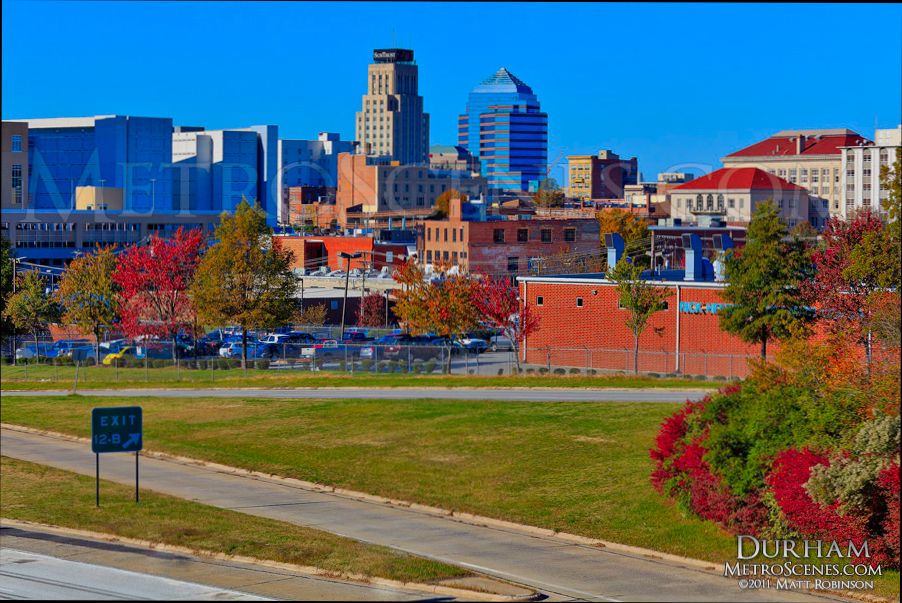
Durham, NC, isn’t just known for its college vibe and culinary scene; it’s also a powerhouse of economic growth thanks to a few key industries. Let’s break it down!
| Industry | Description | Impact on Durham |
|---|---|---|
| Technology | Home to startups and big players, including IBM and Cisco. | Contributes to job creation and innovation. |
| Healthcare | Major medical facilities like Duke Health and UNC Health. | Drives high-paying jobs and attracts talent. |
| Education | Home to Duke University and North Carolina Central University. | Boosts research and development funding. |
| Biotechnology | A vibrant biotech scene with companies engaged in research and products. | Pivotal for economic diversification. |
Just to throw some numbers at you: Durham’s tech sector saw a 15% growth from 2021 to 2022, while healthcare jobs have increased by nearly 10% annually. That’s not just a few new gigs; we’re talking thousands of new jobs that make living here more appealing!
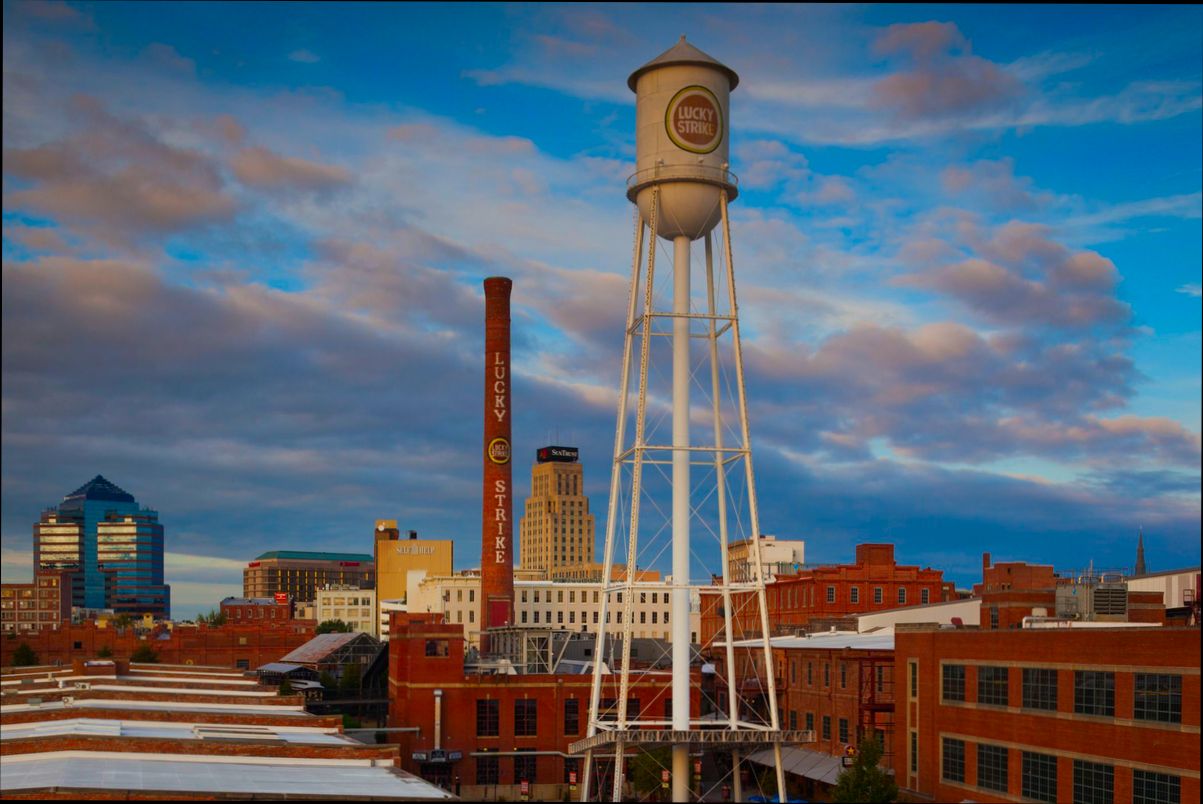
Plus, the city has been building tons of new spaces for these industries, like the American Tobacco Campus, which combines old-school charm with modern innovation. With all these dynamic industries, it’s clear why Durham is booming! People aren’t just moving here for the BBQ; they’re setting up shop for good reason.
In short, if you’re eyeing a place that’s not just pretty but also economically rich, Durham’s got the goods!
Environmental Factors: Parks and Green Spaces in Durham
When it comes to living in Durham, one of the biggest perks is definitely the abundance of parks and green spaces. If you love being outdoors, you’ll be thrilled to know that Durham has over 22 miles of trails and more than 20 parks!
Top Parks You Should Check Out
Duke Forest: This massive area stretches over 7,000 acres! Perfect for hiking, bird-watching, or just enjoying a peaceful day surrounded by nature.
West Point on the Eno: With gorgeous views of the river and tons of picnic spots, this park is ideal for families and solo adventurers alike.
Durham Central Park: Located right in the heart of downtown, this park has a little something for everyone—playgrounds, art installations, and a dog park!
Why Green Spaces Matter
Green spaces do wonders for our mental and physical health. Did you know that being around nature can reduce stress levels by up to 20%? It’s crazy, right? Plus, they promote community interaction and provide safe spots for exercise.
Fun Fact!
Durham has made it a mission to increase its access to green spaces. According to a recent study, about 85% of residents live within a 10-minute walk from a park. That’s great news if you want to step outside and soak in some fresh air.
A Quick Comparison: Parks vs. Urban Areas
| Feature | Parks | Urban Areas |
|---|---|---|
| Access to Nature | ✔️ | ❌ |
| Recreational Activities | ✔️ | ❌ |
| Health Benefits | ✔️ | ❌ |
With plenty of options to get your dose of green, living in Durham feels less like a hustle and more like a retreat. Just head out to your local park, and you’ll see what I mean!