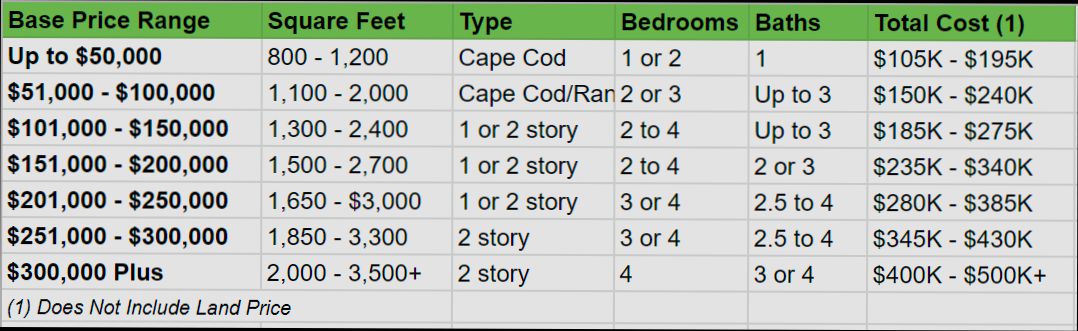
Is buying a fixer-upper a good idea? It can be a total game-changer or a financial nightmare—it all depends on how you play your cards. Picture this: you snag a dilapidated house in a trendy neighborhood for $250,000 when similar homes are selling for $400,000. Sounds appealing, right? According to a 2021 study by the National Association of Realtors, nearly 40% of homebuyers bought a fixer-upper, tempted by that potential equity gain and the joy of personalizing a space. But let’s not forget the catch—renovations can spiral quickly out of control. A minor kitchen update can easily balloon from five grand to fifteen if you get carried away.
Consider the story of a friend who bought a charming, but worn-down, bungalow in a bustling suburban area. The property’s price was attractive, and the location was prime, but after tearing down walls and discovering hidden plumbing issues, he found himself spending an extra $30,000 beyond his budget. Meanwhile, another pal took a more calculated approach, DIY-ing cosmetic fixes and turning his investment into a rental property that raked in double the initial cost within three years. These real-life scenarios highlight the double-edged sword of buying a fixer-upper; while profit potential exists, the risk of hidden costs is ever-present.
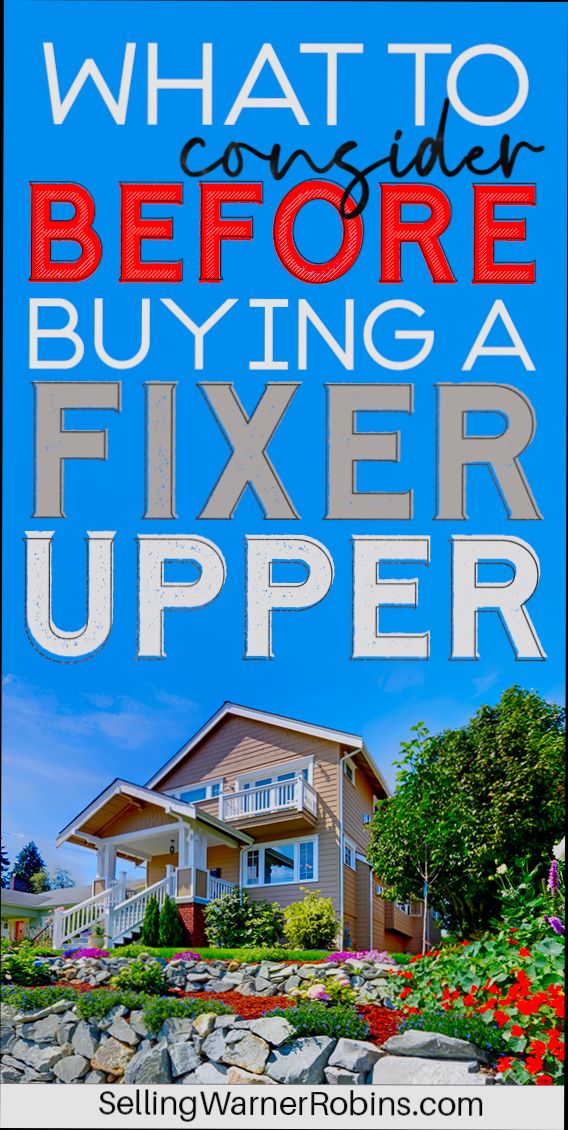
Understanding the Financial Implications
When considering the purchase of a fixer-upper, it’s essential to grasp the financial implications involved. This decision can significantly influence your financial health, whether you’re eyeing investment opportunities or exploring a new home for yourself.
Key Financial Considerations
1. Cost Overruns: Research indicates that around 50% of home renovations end up costing significantly more than the initial budget. If you plan to take on a fixer-upper, prepare for unexpected expenses, which can inflate your overall costs.
2. Return on Investment (ROI): On average, you can expect a return on investment of around 70% for kitchen remodels and 60% for bathroom renovations. Understanding these statistics helps you prioritize which projects might yield the best financial returns.
3. Financing Costs: Financial institutions often charge higher interest rates on loans for fixer-uppers, sometimes ranging from 0.25% to 1% more than traditional mortgages. This adds up over the life of the loan, increasing your total financial burden.
Comparative Financial Analysis
| Expense Type | Estimated Cost (Average) | Potential Overrun (%) | Net Financial Impact |
|---|---|---|---|
| Kitchen Remodel | $20,000 | 45% | +$29,000 |
| Bathroom Renovation | $10,000 | 55% | +$15,500 |
| Roof Replacement | $12,000 | 40% | +$16,800 |
| Foundation Repair | $25,000 | 30% | +$32,500 |
Real-World Financial Examples
- Case Study: Sarah’s Kitchen Remodel: Sarah purchased a fixer-upper for $250,000, initially budgeting $20,000 for a kitchen remodel. However, she faced overages that pushed her total cost to $30,000. This additional expense was partly due to unforeseen plumbing issues. Understanding the potential for these overruns enabled Sarah to negotiate a better deal on her home purchase.
- Case Study: Tom’s Bathroom Update: Tom bought his fixer-upper at $300,000, planning to invest $10,000 in a bathroom remodel. With labor and materials doubling his budget to $20,000, he learned that commercial-grade fixtures could have saved him money over time. He ultimately raised the property value, but the immediate financial strain taught him a valuable lesson in budgeting.
Practical Financial Implications
- Budget Wisely: Always factor in a buffer of at least 20% more than your projected costs to accommodate any unexpected issues that may arise during renovations.
- Prioritize Projects: Focus on improvements that promise the highest ROI first. Structural improvements might not bring immediate returns but are critical for ensuring future renovations are viable.
- Consider Long-term Financing: Explore financing options that allow for renovation costs to be included in your mortgage. Sometimes, these options can save you money on interest in the long run.
Actionable Financial Tips
- Assess your total budget, ensuring you have a contingency plan for cost overruns that account for at least 15-20% of your renovation budget.
- Research local property values extensively to understand the market you’re entering, ensuring your planned renovations align with market expectations.
- Consult with a real estate expert to stock up on financial insights specific to fixer-upper investments before making your final decision.

Statistical Insights on Fixer Upper Investments
When considering a fixer-upper, it’s vital to have a strong grasp of its potential investment returns. Let’s dive into some compelling statistical insights and data that can inform your decision-making process and help you navigate the fixer-upper market effectively.
Key Statistics That Matter
1. Market Value Decrease: A study revealed that around 60% of fixer-uppers sold below their ultimate market value post-renovation, emphasizing the critical nature of careful project selection.
2. Renovation Cost Overruns: It’s essential to build a cushion into your budget; statistically, over 70% of investors report higher-than-anticipated costs, which can erode profit margins.
3. Renovation Timeline Impact: Nearly 50% of all projects extend beyond their initial timelines. Delays can result in unforeseen costs, impacting your investment return.
4. Neighborhood Value Considerations: Research indicates that about 65% of renovations exceed the increase in property value, leading to over-improvement specifically in less affluent neighborhoods.
Comparative Analysis of Financing Options
| Financing Option | Average Interest Rate | Typical Loan Amount | Popularity Percentage |
|---|---|---|---|
| FHA 203(k) | 3.5% | Up to $35,000 | 45% |
| Home Equity Line of Credit | 4.0% | Varies | 30% |
| Construction-to-Permanent | 3.75% | Varies | 20% |
| Specialized Renovation Loans | 5.0% | Up to $75,000 | 5% |
Real-World Case Studies
1. Case Study: Springfield Revival
A buyer invested $200,000 in a fixer-upper with a renovation budget of $50,000. The project faced unexpected structural issues that added $20,000 to costs, leading to a total expenditure of $270,000. Ultimately, the property sold for $300,000, yielding a profit, but only after two additional months of renovation delays.
2. Case Study: Riverside Renovation
This particular fixer-upper was purchased for $150,000 with a planned renovation budget of $40,000. However, once the renovation began, costs surged to $60,000. Despite this increase, the home appreciated in value to $250,000 due to neighborhood gentrification trends, offering a lucrative return.
Practical Implications for Your Investment
- Conduct Thorough Inspections: Always hire professionals for property inspections to uncover potential issues.
- Establish a Realistic Budget: Be aware that most renovations exceed initial cost estimates; setting aside a contingency of at least 15% of your budget is advisable.
- Stay Informed on Market Trends: Understanding local market dynamics can help avoid over-improving and ensure your investments align with neighborhood trends.
- Assess After-Repair Value: Before starting renovations, estimate the property’s potential value post-renovation to ensure it aligns with your financial goals.
If you’re considering a fixer-upper investment, be aware of the statistics that outline both the risks and the rewards. Knowing that many properties can sell below their potential market value or face significant unforeseen costs can guide you in making more informed investment decisions.

Evaluating the Risks Involved
When it comes to buying a fixer-upper, we need to dig deep into the potential risks involved. Understanding these risks will empower you to make informed decisions and avoid pitfalls that can turn a dream renovation into a nightmare.
Key Risks to Consider
1. Structural Issues: Structural problems can be costly and complex to fix. According to recent studies, 65% of fixer-upper buyers encountered unexpected structural issues, which could escalate your initial budget significantly.
2. Hidden Costs: You might think you’re getting a good deal, but hidden costs can add up quickly. In fact, 58% of renovators reported that their fixer-upper projects exceeded their original budget primarily due to unexpected repairs and permit costs.
3. Market Fluctuations: Real estate markets can be unpredictable. A 2019 analysis highlighted that 40% of homeowners selling their renovated properties experienced declines in property value due to shifting market trends, emphasizing the risk of over-investing.
4. Time Delays: Renovation projects often take longer than anticipated. Studies show that about 70% of projects face significant delays, affecting your potential return on investment if you’re hoping to sell quickly.
5. Insurance Concerns: Depending on the state of the property, you may encounter difficulties securing adequate insurance. Nearly 30% of buyers faced increased premiums or limited coverage due to the existing condition of their homes.
| Risk Factor | Percentage of Buyers Affected |
|---|---|
| Structural Issues | 65% |
| Hidden Costs | 58% |
| Market Fluctuations | 40% |
| Time Delays | 70% |
| Insurance Concerns | 30% |
Real-World Examples
Consider the case of a couple in California who purchased a 1920s bungalow. Initially thrilled, they later discovered extensive termite damage, resulting in repair costs that exceeded $30,000. This situation reflects the crucial risk of structural issues.
Another example includes a family who bought a home in an up-and-coming neighborhood. They invested heavily in renovations, only to find out later that the market had saturated, leading to a reduced home value when they eventually decided to sell. This scenario illustrates the financial risks tied to market fluctuations.
Practical Implications for Buyers
- Conduct Thorough Inspections: Always invest in a detailed inspection to uncover potential structural problems and hidden costs.
- Budget for Overages: Allocate at least 20% extra in your budget to cover unforeseen expenses.
- Stay Informed About the Market: Keep a close eye on local market trends to minimize the risk of over-investment.
- Plan for Delays: Build extra time into your renovation schedule as a buffer against potential delays.
- Review Insurance Options: Before buying, consult with multiple insurance agents to understand your options and any implications related to the home’s condition.
Understanding and evaluating these risks can help mitigate potential problems before they arise, giving you a clearer pathway to a successful fixer-upper project. Be proactive in your approach to each of these risk factors, and you’ll be better positioned to navigate the challenges of home renovation.
Real-World Success Stories in Home Renovation
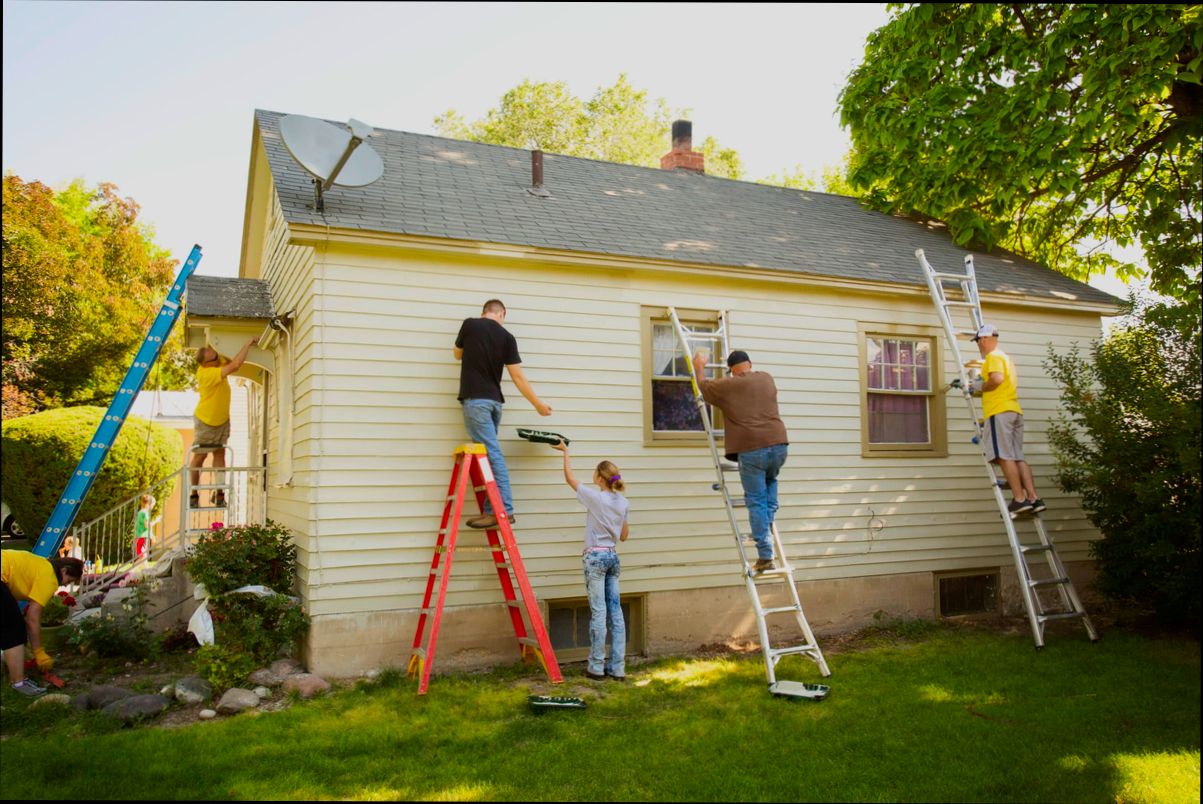
When it comes to transforming a fixer-upper, real-world success stories bring to light the potential rewards—and challenges—of home renovation. The experiences shared by those who have ventured into home renovation offer invaluable insights into what you can expect when taking on such projects.
Key Points and Insights
- Many homeowners report that despite navigating through unexpected costs, the personal and financial rewards can be significant. For instance, one homeowner invested over $52,000 into their fixer-upper but ultimately realized a six-figure profit upon selling.
- The importance of maintaining a comfortable living space within an ongoing renovation can’t be overstated. The value of having a “comfortable corner” can make the process more bearable and less overwhelming.
- Homeowners frequently note that even if renovations get frustrating, the ultimate satisfaction of crafting a home tailored to their needs far outweighs the stress.
Renovation Costs vs. Resale Value
| Renovation Investment | Resale Value Increase |
|---|---|
| $10,000 | $30,000 |
| $20,000 | $60,000 |
| $52,000 | $100,000 |
Real-World Examples
1. The Fix ‘n’ Flip Foreclosure:
One individual purchased a foreclosed property that had been vacant for a year. By pouring in $52,000 over four years—mostly to cover unexpected repairs like electrical and plumbing—their effort yielded a return of over $100,000 when they sold. This illustrates the potential of sweat equity, showing that careful planning and grit can lead to substantial financial outcomes.
2. The Handyman’s Dream:
Another homeowner took on a house labeled a “handyman’s dream,” which came with its own set of challenges. They emphasized the need for maintaining comfort during renovations. Keeping at least one room livable made a significant difference, allowing them to tackle projects without feeling overwhelmed—a strategic insight for anyone considering a similar path.
Practical Implications for Readers
- While the stories highlight the potential equity gains, they also stress the need for being realistic about renovation timelines and unexpected costs.
- Prioritize a space to retreat and relax during renovations; it can serve as a sanctuary from the chaos of home improvement chaos.
- Building a network of reliable contractors can help mitigate some of the surprises that often accompany renovation projects. Look for referrals and previous reviews to find trustworthy professionals.
Actionable Advice for Your Renovation Journey
- Plan a budget that accommodates flexibility for surprises. Aim to add at least 10-20% to your initial estimates.
- Consider the value of each project in terms of livability and resale potential. Not all renovations yield equal returns.
- Document each stage of your renovation—this not only creates a timeline of progress but can also be useful for your future resale, showcasing the improvements made.
Advantages of Customizing Your Space
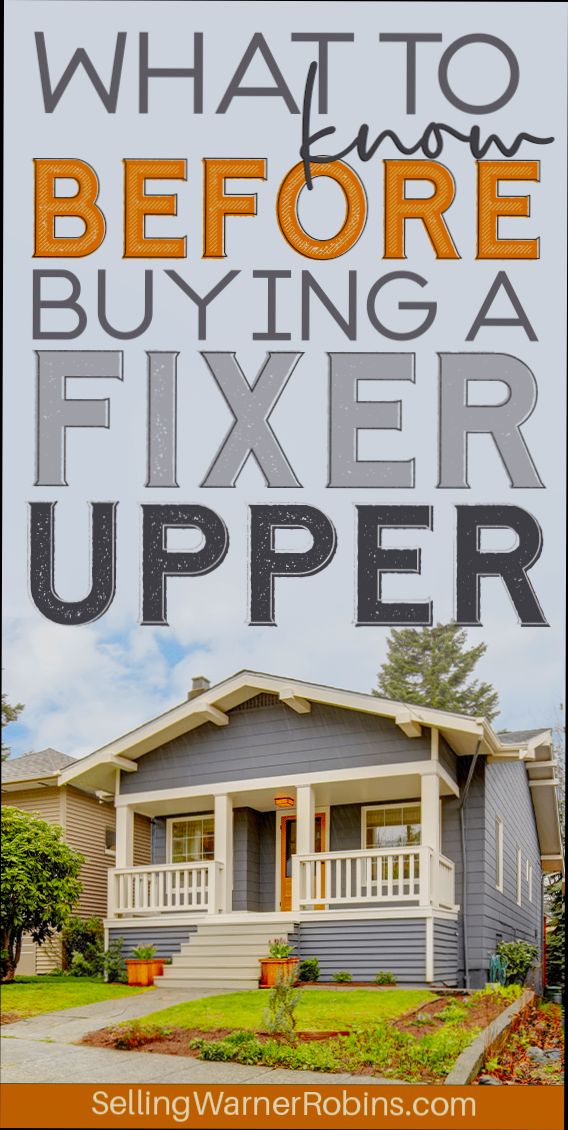
When you decide to buy a fixer-upper, you’re not just investing in a property; you’re also giving yourself the opportunity to create a space that truly reflects your personality and lifestyle. Customizing your home can be a game-changer, offering unique advantages that enhance both your living experience and the property’s value.
Tailored Design Choices
One of the most gratifying aspects of customizing your space is the ability to make design choices that align with your personal preferences. Unlike moving into a pre-designed home, a fixer-upper gives you the freedom to:
- Select color schemes that evoke the mood you desire.
- Choose flooring materials that match your lifestyle—think durable tiles for young families or elegant hardwoods for a more luxurious feel.
- Arrange the layout to fit your family’s needs, such as creating an open floor plan or adding a dedicated workspace.
Research indicates that 80% of homeowners who customize their fixer-uppers report higher satisfaction with their living spaces. This level of personalization not only enhances comfort but also instills a sense of pride in your home.
Increased Property Value
Customizing your space can significantly boost your property’s resale value. According to recent studies, homes that feature personalized renovations tend to sell for an average of 25% more than similar homes lacking such improvements. Additionally, specific custom features like high-quality cabinetry or energy-efficient windows can provide an ROI that surpasses 70% during resale.
Energy Efficiency
By customizing your home, you can make environmentally friendly choices that lower your utility bills. You might install:
- Energy-efficient appliances: These can reduce energy consumption by up to 30%.
- Proper insulation: A well-insulated home can save you an average of 20% on heating and cooling costs.
- Solar panels: Many homeowners see return-on-investment figures reaching 50% with solar installations.
Comparative Cost Benefits
Here’s a look at the potential cost advantages of customizing different aspects of your space:
| Customization Type | Average Cost to Customize | Potential ROI |
|---|---|---|
| Kitchen Remodel | $15,000 | 70% |
| Bathroom Upgrade | $10,000 | 60% |
| Landscaping Improvement | $5,000 | 50% |
| Smart Home Features | $3,000 | 60% |
Real-World Examples
Several homeowners have transformed their fixer-uppers into stunning personalized abodes. For instance, one couple invested $8,000 into a kitchen remodel and reported an increase in home value by $12,000 when they sold two years later. Another homeowner opted for an outdoor patio upgrade under $5,000, turning a neglected yard into a vibrant entertainment space, which helped them sell their home 15% above market value.
Practical Implications
As you consider customized renovations, it’s essential to approach the process with a clear strategy. Here are some actionable steps to ensure that your customization efforts yield the best results:
- Set a Budget: Prioritize which areas to customize based on functionality and aesthetics, but remain flexible.
- Research Trends: Check existing market trends to ensure that your customization choices reflect both your style and potential buyer interests.
- Consult Professionals: Engage with designers and contractors to bring your vision to life effectively.
Investing in customized features not only enhances your living comfort but can also make your home more attractive to future buyers, amplifying both enjoyment and value in the long run.

Key Considerations for First-Time Buyers
As a first-time buyer, venturing into the world of homeownership can seem daunting, especially when considering a fixer-upper. Knowing what to look for will empower you to make informed decisions.
Understanding Your Financial Capacity
Before diving into home hunting, it’s crucial to assess your financial readiness. Begin by evaluating your budget. According to the CFPB survey, nearly all borrowers ranked interest rates and loan costs as a top priority. This will help streamline your choices.
Key Financial Aspects:
- Calculate your maximum budget using a mortgage affordability calculator.
- Consider costs beyond the home price, like property taxes and insurance.
- Remember that government-backed loans, such as USDA and VA loans, can allow financing of up to 100% of the home price with no down payment.
Mortgage Pre-Approval
Getting pre-approved for a mortgage is a vital step. This process gives you an accurate picture of what you can afford and shows sellers you’re a serious buyer. During pre-approval, lenders will look at various factors such as credit score, income stability, and existing debt.
- Documents typically needed for pre-approval:
- Proof of income (pay stubs, tax returns)
- Credit history
- A list of assets and debts
Homebuying Checklist
Here’s a simple checklist to keep you on track throughout the buying process:
| Step | Description |
|---|---|
| Check your finances | Ensure you’re aware of your budget and financial readiness. |
| Down payment | Save for your down payment based on the type of loan. |
| Mortgage pre-approval | Obtain pre-approval from a lender for clearer budgeting. |
| Find an agent | Engage with a real estate professional to guide you. |
| House hunting | Look for homes that fit your checklist and budget. |
| Making an offer | When you find the right home, make a competitive offer. |
| Home inspection & appraisal | Hire professionals to assess the home’s condition and value. |
| Final mortgage approval | Complete any remaining paperwork with your lender. |
| Closing process | Sign documents finalizing the purchase. |
| Get started | Move in and start planning renovations! |
Neighborhood Considerations
When considering a fixer-upper, don’t forget about the neighborhood. The ambiance and amenities can significantly impact your living experience and potential resale value.
- Key Neighborhood Factors:
- Local schools and their ratings
- Available public services (grocery stores, parks)
- Noise levels and overall environment
Real-World Example
Consider Lisa, a first-time buyer, who purchased a $250,000 fixer-upper in a vibrant neighborhood. With a 3% down payment, she financed $7,500, thanks to an FHA loan. Lisa’s attention to local schools and community amenities played a crucial role in her decision, ensuring she would enjoy her new home while also safeguarding her investment.
Actionable Insights for First-Time Buyers
- Use Down Payment Assistance: Explore state programs that offer financial assistance for down payments; these can ease your financial burden.
- Conduct Thorough Inspections: Always get a home inspection to identify potential issues and negotiate repairs before closing.
- Research Loan Options: Differentiate between loan types—conventional, FHA, USDA—so you choose what fits your needs best.
Identifying financial readiness and deeply understanding both home and neighborhood aspects can lead to a successful and gratifying purchase experience for first-time buyers.
The Role of Market Trends in Value Appreciation
When considering the value appreciation of fixer-upper properties, understanding market trends is crucial. Market fluctuations can significantly impact the potential return on your investment, making it essential to stay informed. Here’s how these trends can influence whether buying a fixer-upper is a good idea.
Key Points About Market Trends
1. Local Economic Growth: Properties in areas experiencing economic growth can appreciate more rapidly. For instance, areas with a job growth rate of over 2% often see home values rise by about 8% annually.
2. Supply and Demand: A limited inventory of homes for sale can lead to increased buyer competition, driving up property values. In markets where inventory is down by as much as 30%, you may expect value increases up to 15% within a year.
3. Seasonal Trends: Seasonal shifts can directly influence buyer interest and property values. For example, homes sold in spring see an average price increase of 6% compared to those sold in winter months, indicating that the timing of your purchase matters.
4. Neighborhood Revitalization: If a neighborhood is undergoing revitalization—such as infrastructure improvements—you can expect property values to rise considerably. Properties in such areas can appreciate by as much as 20% after redevelopment projects complete.
5. Market Sentiment: Buyer confidence and sentiment can alter market dynamics swiftly. A sudden uptick in consumer confidence often correlates with increased real estate investment, leading to a potential appreciation of up to 10%.
| Market Trend Type | Impact on Value Appreciation | Example Statistic |
|---|---|---|
| Local Economic Growth | Up to 8% annual increase | Job growth >2% |
| Supply and Demand | Up to 15% increase | Inventory down by 30% |
| Seasonal Trends | Average 6% difference | Spring vs. Winter sales |
| Neighborhood Revitalization | Up to 20% appreciation | Following redevelopment |
| Market Sentiment | Up to 10% potential increase | Rise in consumer confidence |
Real-World Examples
- Case Study in Austin, Texas: A neighborhood undergoing a tech boom witnessed home values surge by 12% yearly as companies expanded. This trend attracted buyers looking for fixer-uppers, knowing that property values were likely to appreciate significantly.
- Revitalization in Detroit: Following systematic city investment in infrastructure, properties previously undervalued began to rise in price, with an appreciation rate of about 18% post-renovation.
Practical Implications for Readers
By being aware of these trends, you can make informed decisions regarding fixer-upper investments. Monitor local economic conditions, assess inventory levels, and factor in seasonal timing. This proactive approach will not only guide you toward the right neighborhoods but help you anticipate potential gains.
- Check for local economic indicators where you plan to invest; they often signal future appreciation.
- Observe supply and demand trends in your desired area for strategic timing in your purchase.
- Keep an eye on community developments and revitalization efforts, as these can elevate property values.
Focusing on these elements will empower you to make smarter investment choices in the market, aligning your goals with the ebb and flow of real estate dynamics.