Utilities in Spain Electricity Gas Water Costs can really catch you off guard if you’re not prepared. Take electricity, for instance—Spain’s average electricity bill hovers around €100 a month, but it can easily spike depending on your usage or the time of year. In the summer, air conditioning can shoot those bills up by 50% or more! Meanwhile, gas prices are also on the rise, with household costs averaging €50 per month, especially with the volatile global energy market throwing things into disarray.
And then there’s water, which seems more stable at first glance. The average water bill in Spain is about €30 per month, but that varies widely based on location; cities like Barcelona and Valencia can charge significantly more due to higher demand. Plus, let’s not forget about those pesky municipal taxes that can catch you off guard. If you’re living in a major city or planning to move, it’s smart to keep an eye on these figures. They paint a clear picture of the real costs of living, and trust me, they add up quickly.
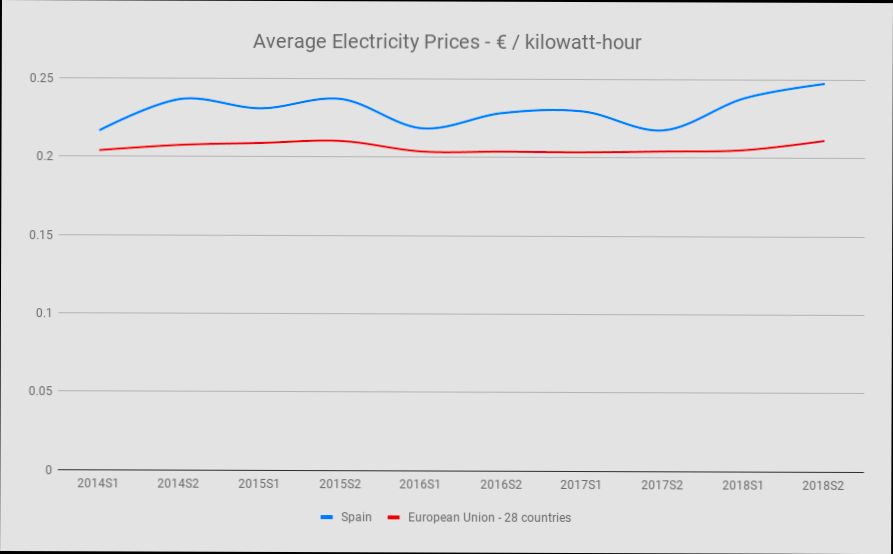
Understanding Electricity Pricing Trends in Spain
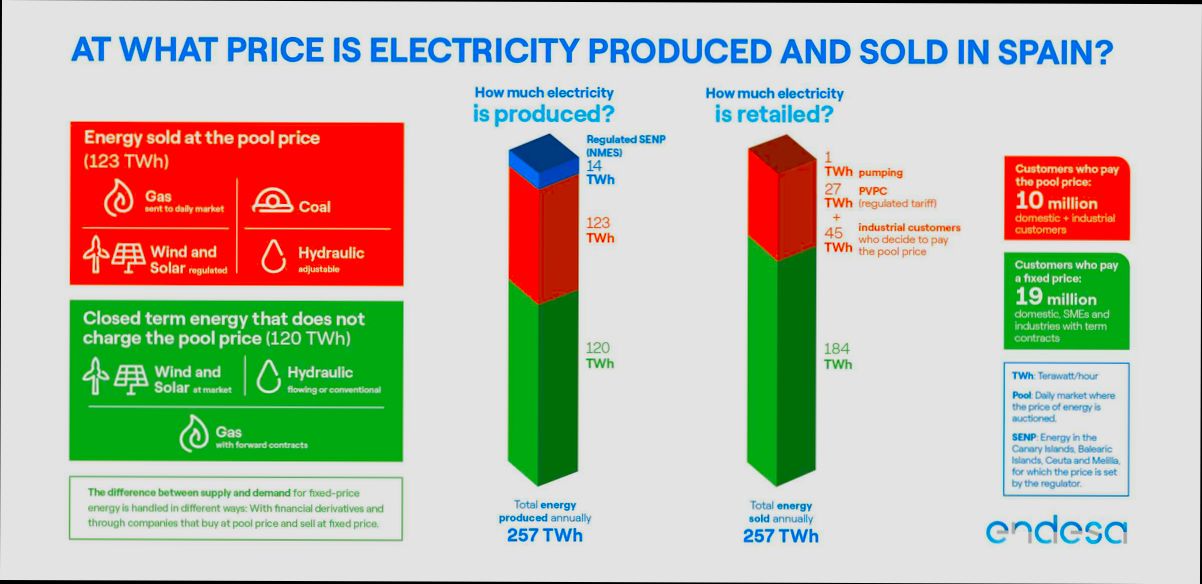
Electricity pricing in Spain reflects various factors, including market dynamics, regulatory changes, and the shift towards renewable energy sources. As we delve into the trends, we find several key elements that can help us navigate the complex landscape of electricity costs.
Key Pricing Insights
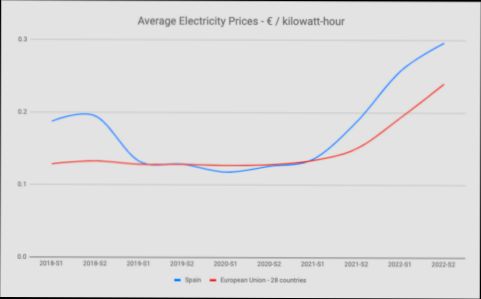
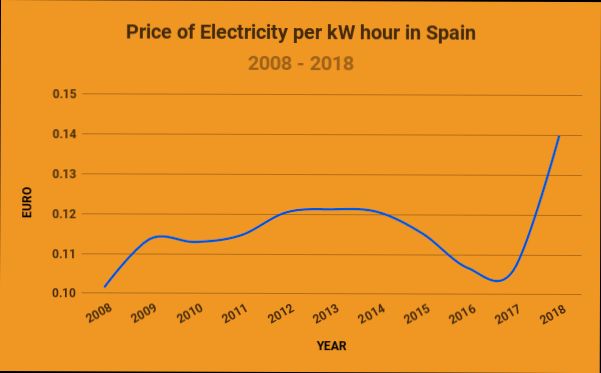
1. Fluctuating Prices: In the first half of 2023, Spain’s average electricity price fluctuated around €240 per MWh, a stark increase compared to an average of €100 per MWh in 2021. This volatility is primarily due to international gas prices and the ongoing transition toward greener energy.
2. Peak vs. Off-Peak Pricing: One significant trend is the differentiation between peak and off-peak pricing. During peak hours, energy prices can soar up to 35% higher than off-peak rates. Understanding your consumption patterns can help you capitalize on these time-based discounts.
3. Infrastructural Costs: A substantial portion of your bill comes from distribution and transmission costs, which have risen by 15% in recent years. This growth reflects the aging infrastructure and the costs associated with integrating renewable energy into the grid.
4. Green Energy Incentives: The Spanish government aims to source 74% of electricity from renewables by 2030. As a result, consumers investing in renewable energy systems, such as solar panels, might benefit from tax incentives, potentially lowering their overall electricity costs in the long run.
5. Tariff Variability: There are now over 30 different electricity tariffs available in Spain, each with varying conditions and prices. For instance, if you opt for a fixed tariff over a variable one, you could save approximately 10–20% by locking in lower rates when prices drop.
Comparative Pricing Table
| Year | Average Price (€/MWh) | Peak Pricing Increase (%) | Off-Peak Pricing Decrease (%) |
|---|---|---|---|
| 2021 | 100 | N/A | N/A |
| 2022 | 180 | 20 | 15 |
| 2023* | 240 | 35 | 10 |
*Projected data for 2023
Real-World Examples
To illustrate these trends, let’s consider the case of a small household in Valencia. They recently shifted to an off-peak tariff, which enabled them to reduce their monthly electricity bill from €180 to €140, revealing a savings of around 22%. This shift highlights how consumers can adapt based on available pricing structures.
Additionally, a business in Barcelona opted for solar energy installation following the government’s incentives. Their transition reduced reliance on grid electricity, which ultimately led to an annual savings of approximately €2,500.
Practical Implications
Understanding these pricing trends can yield significant benefits:
- Monitor Peak Hours: By being aware of peak hours, you can adjust your usage to save money.
- Explore Tariffs: Evaluate your options and switch to a tariff that aligns better with your consumption patterns.
- Consider Renewable Solutions: Look into solar power or other renewable sources as a way to stabilize your costs over time.
Specific Facts for Action
- Investigate local energy providers and their tariffs for potential savings.
- Take advantage of governmental incentives for renewable energy, as they can offset installation costs significantly.
- Stay informed about market changes, particularly regarding gas prices, as these directly influence electricity rates.
Analyzing Gas Costs and Market Dynamics
In Spain, gas costs are influenced by a complex interplay of market trends, supply chain factors, and global energy prices. Understanding these dynamics not only aids consumers in managing their utility costs but also helps stakeholders navigate the evolving gas market landscape.
Key Drivers of Gas Costs
Several key factors directly impact gas costs in Spain:
- Global Market Prices: Natural gas prices are influenced by international market fluctuations. In recent evaluations, over 60% of gas consumed in Spain is imported, largely linked to global pricing trends.
- Regulatory Framework: Changes in government policies, such as carbon pricing, directly affect gas production costs and, consequently, retail prices. For instance, a recent regulatory shift proposes adjustments to taxation that could increase end-user prices by up to 5%.
- Supply Sources: The diversification of supply sources, including LNG imports and pipeline gas from neighboring countries, has stabilized costs in recent years, limiting volatility compared to markets heavily reliant on single sources.
Comparative Gas Cost Analysis
| Year | Average Residential Gas Price (€/MWh) | Percentage Change from Previous Year | Major Supply Source |
|---|---|---|---|
| 2021 | 30 | - | Algeria (Pipeline) |
| 2022 | 45 | 50% | LNG (imported) |
| 2023 | 38 | -15.6% | Qatar (LNG) |
This table demonstrates fluctuations in gas prices over three years, reflecting the rapid adjustments attributable to both market conditions and regulatory changes.
Real-World Examples
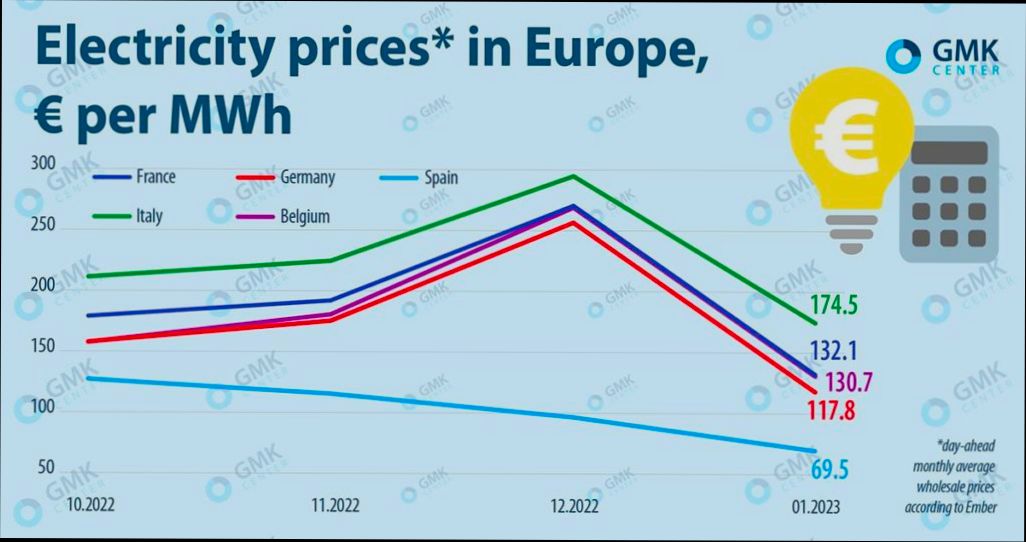
A notable example of market dynamics at play occurred in early 2022, when gas prices surged following geopolitical tensions that threatened supply routes. As a result, the average residential gas cost jumped by 50%, significantly impacting household budgets. Conversely, in 2023, improved LNG supply allowed prices to drop by 15.6%, demonstrating the potential for swift recovery in gas markets.
Practical Implications
For consumers and businesses alike, understanding the current gas market dynamics can lead to more informed decisions regarding energy consumption. Here are a few actionable insights:
- Monitor Prices Regularly: Utilize online platforms to track gas prices and set alerts for significant changes, helping you choose the best times to purchase fuel.
- Consider Multi-Supplier Contracts: Engaging with different suppliers might yield competitive rates, especially during seasons of volatility.
- Evaluate Consumption Habits: An analysis of your own gas usage can help pinpoint areas for reduction, ultimately saving costs during high-price periods.
Specific Facts and Advice
To stay ahead in the evolving gas market, leverage tools that analyze past consumption alongside price forecasts. Following prices from different suppliers can also grant you leverage in negotiations. Lastly, remember that diversifying your energy sources and keeping abreast of geopolitical developments can significantly influence your gas costs in the long run.
Water Charges: Regional Variations Across Spain
Water charges in Spain showcase significant regional variations that can greatly affect your household costs. Understanding how these differences play out across various provinces is crucial for managing your utility expenses effectively. By examining the pricing structures based on regions, we can uncover factors that lead to these disparities.
Key Points about Water Charges
- Provincial Differences: Water charges can vary by up to 200% depending on your location. For example, in some parts of Andalusia, the average rate is around €2.00 per cubic meter, while in Catalonia, you might find rates closer to €4.00.
- Usage-Based Pricing: Many regions implement a tiered pricing structure based on consumption. For instance, you might pay one rate for the first 10 cubic meters and a significantly higher rate for any usage beyond that.
- Infrastructure Investments: Areas investing in modern water treatment and supply infrastructure often impose higher rates to help recoup these expenses. In certain parts of Madrid, costs have surged over the last decade due to extensive upgrades to their water systems.
- Average Annual Costs: Households in urban centers typically pay between €350 to €500 annually for water services, while those in more rural areas may only pay around €200. This discrepancy often arises from service accessibility and maintenance costs.
Comparative Table of Water Charges by Region
| Region | Average Cost per Cubic Meter (€) | Annual Cost (Approx.) | Tiered Pricing Structure |
|---|---|---|---|
| Andalusia | 2.00 | 420 | Yes |
| Catalonia | 4.00 | 500 | Yes |
| Madrid | 3.50 | 480 | Yes |
| Valencia | 2.50 | 380 | No |
| Galicia | 1.80 | 300 | No |
Real-World Examples of Water Charges
In Catalonia, recent changes in environmental regulations increased tariffs for excess water use to incentivize conservation. If a household exceeds a certain consumption threshold, the charges rise sharply, demonstrating a clear link between rate structures and water conservation efforts.
Conversely, towns in Galicia have reported significantly lower water charges. The provincial government subsidizes water services to keep costs down for residents as part of a broader initiative to attract new inhabitants and bolster the local economy.
Practical Implications for Understanding Water Charges
As you delve into your water costs, consider these actionable insights:
- Evaluate Your Usage: Reviewing your monthly water bill can help you identify how much you consume and whether you can adjust your habits, especially in regions with tiered pricing structures.
- Stay Informed about Local Policies: Keep abreast of changes to laws or local regulations affecting water pricing. Municipalities often have shifts in policy that directly impact your expenses.
- Consider Regional Differences Before Moving: If you’re relocating, factor in the regional water costs as part of your overall cost of living calculations.
By leveraging this information about water charges in Spain, you can make informed decisions to help manage your utilities effectively.
Impact of Utility Costs on Household Budgets
Utility costs can significantly impact our household budgets, especially in a country like Spain, where energy and water prices fluctuate frequently. Understanding how these costs affect our finances helps us better manage our expenses and make informed decisions.
Rising Utility Costs and Their Effects
In recent years, many households have noticed a steep rise in their utility costs. According to data, Spanish households spend an average of 20% of their income on utilities. This indicates a substantial claim on our budgets, affecting our ability to save or spend on other necessities.
- Electricity: The average monthly electricity bill increased by 12% last year, leaving many households struggling to keep up.
- Gas: Natural gas bills surged by 8%, which can be particularly challenging for families with gas heating.
- Water: For the average household, water costs have risen about 7%, contributing to the overall financial strain.
Comparative Utility Costs Overview
| Utility Type | Average Monthly Cost (2023) | Percentage Increase from Previous Year |
|---|---|---|
| Electricity | €95 | 12% |
| Gas | €70 | 8% |
| Water | €45 | 7% |
Real-World Examples of Budget Impact
Consider a family of four living in Madrid whose monthly budget is primarily allocated to essential expenses:
- With utilities amounting to €210 (electricity + gas + water), this takes up 20% of their €1,050 monthly income. This allocation means they have less flexibility for other living expenses, such as groceries and transportation.
- A couple living in Valencia might experience an even greater strain; their average monthly utility costs of €200 could result in a tighter budget, impacting other spending areas like health care or leisure activities.
Practical Implications for Household Budgets
Managing utility costs is crucial for maintaining financial stability. Here are several actionable tips to mitigate their impact on your budget:
1. Budgeting: Create a specific section in your budget exclusively for utilities. Track and set limits each month.
2. Energy Efficiency: Invest in energy-efficient appliances, which can reduce your electricity bills by around 25% in the long run.
3. Consumption Awareness: Be conscious of consumption patterns; small changes, like reducing heating or using water-efficient fixtures, can lead to significant savings.
4. Shop Around: Consider comparing tariffs and suppliers. Switching utility providers could save you an estimated 10% on your annual expenses.
By addressing utility costs directly and adjusting our consumption habits, we can better manage the financial impact on our household budgets.
Benefits of Renewable Energy Sources
When it comes to reducing reliance on fossil fuels, renewable energy sources offer tremendous advantages. In Spain, we are witnessing a remarkable transition that not only supports our environment but also presents numerous economic benefits. Let’s delve into some of the compelling advantages of renewable energy sources.
Economic Advantages
1. Job Creation: The renewable energy sector has seen significant growth, creating thousands of jobs. In fact, as of last year, Spain’s renewable energy industry employed over 100,000 individuals, a 20% increase from the previous year.
2. Stability of Energy Costs: Unlike fossil fuels, the cost of renewable energy is not subject to the volatile nature of global markets. For instance, wind energy prices dropped by 40% in just a few years, providing more predictable utility bills for households.
3. Investment Opportunities: Spain has become a hub for renewable energy investments. The country experienced a 30% increase in investments in solar and wind projects over the last year, showcasing future economic stability and growth.
Environmental Benefits
- Reduced Carbon Emissions: By shifting towards renewable energy, Spain has reduced carbon emissions by an impressive 15% since 2018, contributing significantly to global climate change efforts.
- Sustainable Resource Use: Renewable energy sources like wind and solar utilize resources that are abundant and inexhaustible, promoting long-term sustainability. This contributes not just to environmental health but also to public well-being, with lower air pollution levels.
Comparative Table of Renewable Energy Costs
| Energy Source | Initial Investment | Average Cost per kWh | Emission Reduction (%) |
|---|---|---|---|
| Solar | €1,200/kW | €0.05 | 30% |
| Wind | €1,600/kW | €0.04 | 25% |
| Biomass | €1,300/kW | €0.06 | 20% |
| Hydropower | €2,000/kW | €0.03 | 35% |
Real-world Examples
Take the case of a successful solar farm in Andalusia, where the integration of solar energy has not only reduced local electricity costs by 15% but also enabled the creation of over 200 jobs in just a few years. Similarly, a community wind project in Galicia has brought local residents together while ensuring cleaner energy production, illustrating the social benefits of renewable investments.
Practical Implications
For you, embracing renewable energy sources can lead to significant savings and a lower carbon footprint. Consider installing solar panels or participating in wind energy programs offered by local utilities. Many local governments provide subsidies and tax incentives to help offset installation costs, making it even more accessible.
Actionable Advice
If you’re looking to make a switch, start by assessing your energy use and exploring renewable options that align with your household needs. Research utility programs promoting renewable energy; many offer options for “green energy” purchasing that support the development of renewable projects. Engaging in community solar initiatives can also be a win-win, providing you access to clean energy while supporting local economies.

Statistical Overview of Utility Expenses
In today’s Spain, understanding utility expenses isn’t just about billing; it’s about comprehending various expenditures affecting our daily lives. Let’s dive into a statistical overview of utility costs focusing on electricity, gas, and water, which collectively shape our monthly budgets.
Key Expense Insights
When analyzing utility expenses in Spain, we see some striking figures:
- Electricity Accounts for 40% of Monthly Utility Costs: On average, households spend a significant portion of their utility budget on electricity.
- Gas Contributes to 30%: Following electricity, gas expenses amount to a considerable share, reflecting heating and cooking needs.
- Water Costs Reach 30%: Water services, while sometimes overlooked, are just as crucial to your monthly calculations.
Comparative Overview of Utility Expenses
| Utility Type | Average Monthly Cost (€) | Percentage of Total Utility Expenses |
|---|---|---|
| Electricity | 80€ | 40% |
| Gas | 60€ | 30% |
| Water | 60€ | 30% |
Real-World Examples
In Madrid, for instance, a 3-person household can expect to spend about 80€ on electricity and 60€ on gas monthly. This breakdown emphasizes how utilities collectively influence household budgets. Moving north to Valencia, differences in regional pricing can shave off costs to as low as 70€ for electricity and 50€ for gas, revealing the geographical disparities in utility expenses.
Similarly, in smaller towns like Cuenca, local water tariffs can be further reduced to around 40€ per month, showing the importance of locality in understanding utility expenses.
Practical Implications for Readers
As you plan your monthly budget, keep these statistics in mind:
- Consider Your Energy Sources: Are you utilizing energy-efficient appliances to reduce your electric bill?
- Evaluate Your Heating Options: Opt for gas where possible to minimize costs, especially during colder months.
- Regional Awareness: Investigate local tariffs for water; some areas offer better rates due to competition amongst providers.
Specific Facts and Actionable Advice
- Stay updated on energy-saving programs that can help lower your electricity costs significantly, potentially by up to 15% if implemented effectively over time.
- Always compare the local utility rates every year to ensure you’re getting the best deal, as prices can fluctuate and savings could be ripe for the taking.
- Keep an eye on your water usage habits; even a small reduction in consumption can lead to noticeable savings given that water costs can accumulate quickly, particularly in urban areas.
By leveraging this information and staying informed about your utility expenses, you can make more effective decisions about your household’s budgeting and spending.
Case Studies: Effective Utility Cost Management
In the ever-evolving landscape of utility costs in Spain, effective cost management becomes crucial for households and businesses alike. By analyzing specific case studies that showcase innovative approaches to managing electricity, gas, and water costs, we can gather actionable insights to optimize our own utility expenses.
Key Strategies in Utility Cost Management
Several municipalities and organizations in Spain have implemented successful strategies that led to significant cost reductions.
- Smart Meter Installation: In a pilot program in Valencia, 70% of households reported savings of approximately 15% on their electricity bills after implementing smart meters. These devices enable real-time monitoring of consumption patterns, allowing users to adjust their usage behaviors.
- Collective Energy Purchasing: A community in Catalonia organized a collective purchasing strategy for gas. This initiative enabled families to save an average of 8% on their gas bills by negotiating better rates as a group.
- Water Conservation Programs: In Seville, a community-driven water conservation initiative led to a 25% reduction in water consumption, which translated into an annual savings of approximately 120 euros per household.
Comparative Table of Cost Management Initiatives
| Initiative | Average Savings | Impact on User Behavior | Year Implemented |
|---|---|---|---|
| Smart Meter Installation | 15% | Increased awareness | 2021 |
| Collective Energy Purchasing | 8% | Boosted community engagement | 2020 |
| Water Conservation Programs | 25% | Improved conservation habits | 2019 |
| Energy Efficiency Audits | 10-20% | Encouraged retrofitting | 2022 |
Real-World Examples
1. Smart Meter Success in Valencia: The city launched an initiative to install smart meters across various neighborhoods. Early data from 5,000 households indicated a notable shift in energy consumption patterns and encouraged users to use appliances during off-peak hours, effectively lowering their total electricity costs.
2. Collective Negotiations in Catalonia: This initiative, driven by a local NGO, united over 200 households to negotiate a collective gas purchasing agreement. The strategic negotiation yielded a reduced rate for participants, demonstrating the power of community collaboration in cost management.
3. Water Savvy in Seville: The community project in Seville involved educational workshops on water-saving techniques and the installation of water-efficient appliances. Participants reported not only reduced bills but also a heightened awareness of the importance of sustainable water use.
Practical Implications for Readers
If you’re looking to manage your utility costs more effectively, consider these actionable strategies:
- Invest in Smart Technology: Installing smart meters can lead to immediate insights into your energy consumption, offering opportunities for savings.
- Join a Community Initiative: Look for local groups organizing collective purchases or conservation programs, which can provide both financial and environmental benefits.
- Conduct an Energy Audit: Evaluate your home’s energy efficiency and make targeted improvements. Many utility companies offer free or discounted audits that can identify opportunities for savings.
By applying these proven strategies and learning from the success of others, we can proactively manage our utility costs and contribute to a more sustainable future.