
Pros and Cons of Living in Tampa FL are definitely worth diving into, especially if you’re considering a move to this sunny spot on the Gulf Coast. On the bright side, Tampa boasts a vibrant job market, particularly in sectors like healthcare and finance. With major companies like Citibank and WellCare Health Plans calling this city home, job seekers are often met with ample opportunities. Plus, the cost of living is pretty attractive; the median home price is around $315,000, which is lower than the national average, making it easier to settle down without breaking the bank. And let’s not forget the warm weather nearly year-round—who doesn’t love a little sunshine while they kick back at one of Tampa’s stunning beaches?
But like any city, Tampa has its share of challenges. The summer heat and humidity can be stifling, pushing the thermostat past 90 degrees regularly. If you’re not a fan of sweltering temperatures, you’d better get used to it or enjoy your time in the air conditioning. Traffic can also be a headache, especially during rush hour when I-275 and the Selmon Expressway seem to turn into parking lots. The public transportation system isn’t exactly the best either, so if you’re not a fan of driving, you’ll need to plan your daily commutes carefully. These factors can definitely make life in Tampa a mixed bag, one that’s worth considering before making the big leap.
Economic Growth and Job Opportunities
Living in Tampa, FL, offers exciting prospects in terms of economic growth and job opportunities. The city is experiencing a robust expansion across various sectors, making it an attractive destination for career-minded individuals. Let’s dive into the key points that highlight the economic landscape of Tampa and the job market it hosts.
Thriving Industries
Tampa has a diverse economic base with significant contributions from several booming industries:
- Healthcare: The healthcare sector in the Tampa Bay area employs nearly 20% of the local labor force, driven by major institutions like Moffitt Cancer Center and Tampa General Hospital.
- Finance: Tampa boasts a growing financial services sector, housing companies like Citigroup and JPMorgan Chase. Employment in finance is projected to grow by 11% over the next decade, highlighting its importance in local economic development.
- Technology: The tech sector in Tampa has also made strides, with job postings in tech fields like software development increasing by 30% year-over-year.
Job Market Overview
Here’s a snapshot of the current job market dynamics in Tampa:
| Industry | Current Job Growth (%) | Projected Job Growth (Next 5 Years) | Average Salary |
|---|---|---|---|
| Healthcare | 4.5 | 15 | $75,000 |
| Finance | 8 | 11 | $85,000 |
| Technology | 6 | 30 | $90,000 |
| Hospitality | 5 | 10 | $45,000 |
| Education | 3 | 6 | $50,000 |
Real-World Examples
Let’s look at some real-world success stories that illustrate the job growth in Tampa:
1. Moffitt Cancer Center: Recently announced plans to expand its facilities, which will create over 1,000 new jobs in the healthcare sector, including a range of specialized positions that require advanced training.
2. USF Research Foundation: Has attracted numerous tech startups to the area, resulting in the creation of a tech incubator program. This initiative has led to over 250 jobs being filled in various tech fields, contributing to the local economy.
3. Tampa Bay Economic Development Council: Reported that between 2018 and 2022, the council helped facilitate the relocation of 20 businesses to Tampa, generating approximately 3,500 new jobs.
Practical Implications
If you’re considering a move to Tampa or looking to advance your career in this vibrant city, here are some actionable insights:
- Network in Key Sectors: Join local professional organizations in major industries to expand your network. For example, the Tampa Bay Technology Forum hosts events that can put you in touch with key players in the tech industry.
- Explore Non-Traditional Jobs: With the rise of remote work, many financial and tech positions are now available remotely. Tap into online job boards that cater specifically to these sectors.
- Upskill and Reskill: Take advantage of local institutions offering certifications and workshops in high-demand fields. The University of Tampa, for instance, provides short courses in data analytics and IT.
- Leverage Unemployment Resources: If you’re transitioning careers, local employment services provide assistance for job seekers, including resume workshops and interview preparation tailored to the Tampa job market.
Tampa’s environment nurtures economic growth and job opportunities, offering a promising outlook for those looking to establish or grow their careers in a dynamic urban setting.
Climate Considerations and Natural Disasters
Living in Tampa, FL, comes with its unique set of climate challenges, especially considering the region’s susceptibility to natural disasters. Understanding these factors can help you prepare and make informed decisions about your living situation.
Weather Patterns and Tropical Climate
Tampa enjoys a humid subtropical climate, resulting in hot summers and mild winters. However, the warm temperatures and moisture levels create an ideal environment for severe weather events, particularly:
- Hurricanes: The Atlantic hurricane season runs from June 1 to November 30, placing Tampa under potential risk. The area has experienced significant storms, including Hurricane Irma in 2017, which caused extensive damage across Florida, with recovery efforts still ongoing in some communities.
- Thunderstorms: Tampa witnesses approximately 70 days of thunderstorms annually, often leading to flash flooding. Increased rainfall during the summer months can overwhelm drainage systems, causing localized flooding.
Impact of Climate Change
Climate change has exacerbated risks for Tampa’s residents. Data shows a 2°F increase in average temperatures over the past few decades, which can influence storm intensity and flooding patterns. Increased sea levels, projected to rise by about 1-2 feet by 2040, heighten the risk of coastal flooding and erosion.
Natural Disaster Statistics
| Year | Type | Damage Estimate ($) | Aftermath |
|---|---|---|---|
| 2017 | Hurricane Irma | $50 billion | Widespread power outages; long recovery time |
| 2020 | Tropical Storm | $9 billion | Infrastructure damage; emergency declarations |
| 2021 | Hurricane Elsa | $1.1 billion | Evacuations; flooding in various neighborhoods |
Real-World Examples
In recent years, Tampa has faced challenges from various natural disasters. For instance, Hurricane Irma’s aftermath revealed that over 1 million people in Florida lost power at some point, showcasing the storm’s scale. This event sparked community discussions regarding emergency preparedness and infrastructure resilience.
Practical Implications
Residents should consider certain actions based on these climate considerations:
- Emergency Preparedness: Create or update an emergency kit with essentials like water, non-perishable food, flashlights, and medical supplies. Regularly check the kit to ensure items are not expired.
- Insurance Review: Review your homeowner’s insurance policy, focusing on flood and hurricane coverage tailored to natural disaster risks in your area. Ensure you understand what your policy covers.
- Community Engagement: Participate in local meetings regarding climate resilience and disaster preparedness. Join neighborhood groups focused on emergency response efforts to stay informed and proactive.
Actionable Insights
- Stay updated with local weather forecasts, especially during hurricane season, and sign up for community alerts.
- Consider investing in home improvements that mitigate flood damage, such as elevating property or installing sump pumps.
- Engage with organizations focused on climate change advocacy in Tampa; this involvement can amplify community efforts towards addressing these challenges.
Cost of Living and Housing Trends
When considering a move to Tampa, FL, understanding the cost of living and housing trends is crucial. This city, like many in the United States, is experiencing shifts in housing costs that impact your wallet and living conditions.
Rising Housing Costs
Over the past two decades, housing costs in Tampa have climbed significantly. According to research, housing demand in the U.S. has consistently outpaced supply, with many areas, including Tampa, feeling the pinch. Here are some eye-opening statistics:
- 90% of Americans live in counties where median rents and house prices have increased faster than median incomes from 2000 to 2020.
- House prices in the U.S. have risen about 65% in inflation-adjusted terms over the same period.
- Almost 90% of families with incomes below $20,000 are spending more than 30% of their income on housing, a figure that raises concerns for low-income residents.
Comparative Housing Data
Here’s a quick comparison of housing costs in Tampa with national averages:
| Metric | Tampa, FL | National Average |
|---|---|---|
| Median Rent (2023) | $1,900 | $2,100 |
| Median Home Price (2023) | $360,000 | $400,000 |
| Percentage of Renters Spending >30% of Income | 40% | 33% |
| Inflation-Adjusted Price Increase (2000-2023) | 20% | 28% |
Real-World Example: The Struggle for Affordability
Consider a family living in Tampa with an annual income of $40,000. Based on the average rent, they would need to dedicate approximately 57% of their income to housing costs, which leaves little room for other necessities like food and healthcare. The situation is particularly dire for communities of color, who often face a higher housing cost burden.
Practical Implications for Moving to Tampa
If you’re thinking about moving to Tampa, take note of the following:
- Budget Wisely: Ensure you account for the rising housing costs in your monthly budget. Consider looking for housing options that might be a bit farther from central areas to save on rent.
- Explore Housing Assistance Programs: Research local programs aimed at helping low-income families. The Biden Administration has initiated several measures to increase housing supply through tax credits and financial support for community developments.
- Evaluate Cost vs. Benefits: While Tampa may present higher housing costs than some regions, consider the potential job opportunities and lifestyle benefits when weighing your options.
Actionable Advice
- Research Neighborhoods: Dive into specific neighborhoods in Tampa that offer potential cost savings while maintaining quality living.
- Consider Roommates: If affordable housing is a concern, think about sharing a space with others to split costs.
- Stay Updated on Assistance Programs: Keep an eye on local and federal housing initiatives that could affect your options as they evolve.

Cultural Diversity and Community Engagement
Tampa, FL, stands out as a vibrant hub of cultural diversity, offering residents a rich tapestry of backgrounds and traditions. This diversity not only enriches the local community but also fosters engagement through various cultural programs and events. Living here provides countless opportunities to engage with diverse groups and experiences.
Vibrant Cultural Landscape
- Tampa boasts a population that comprises over 26% Hispanic or Latino origin, making it a lively center for cultural exchange.
- The city is home to over 50 different languages spoken, creating an environment ripe for learning and interaction among diverse groups.
- Organizations and initiatives aimed at promoting multicultural understanding flourish, drawing in participation from a wide range of cultural backgrounds.
Community Engagement Initiatives
- Neighborhood Festivals: Local celebrations such as the Gasparilla Festival not only celebrate the area’s history but also spotlight diverse cultural contributions from various communities.
- Cultural Centers: The Tampa Bay History Center and the Ybor City Museum State Park serve as venues where people can engage with the cultural narratives of Tampa’s diverse population.
| Community Engagement Programs | Description | Impact on Diversity |
|---|---|---|
| Gasparilla Festival | A large annual celebration reflecting local history | Unites various cultural groups |
| Tampa Bay History Center | Displays artifacts from different ethnic backgrounds | Increases understanding of history and culture |
| Ybor City Museum | Focuses on the rich immigrant history of Ybor City | Celebrates Hispanic heritage and the immigrant experience |
Real-World Examples
- The Hillsborough County Public Library Cooperative frequently offers programs that celebrate different cultures, such as language classes and cultural storytelling sessions. This initiative draws participants from varied backgrounds, fostering interaction and appreciation among residents.
- The Tampa Hispanic Heritage Festival is a prominent example where thousands gather to celebrate Hispanic culture through music, dance, food, and art. Participation in such events encourages greater community involvement and creates networks among residents.
Practical Implications
Engaging with Tampa’s diverse cultural landscape can benefit you in several ways:
- Learning Opportunities: Attend local workshops or language classes to immerse yourself in different cultures, enhancing both personal and professional growth.
- Networking: Get involved in community organizations or volunteer at cultural events to build connections across diverse groups.
- Culinary Exploration: Explore the diverse food scene, from Cuban sandwiches in Ybor City to fresh seafood at local markets, fostering a deeper appreciation for cultural traditions.
Actionable Advice
- Check local listings for upcoming multicultural events to experience the city’s diversity firsthand. Engaging in these activities can make you feel more connected to the community.
- Consider joining community groups that focus on cultural exchange; they often organize events that lead to deeper understanding and collaboration among different cultural backgrounds.
- Participate actively in neighborhood organizations; your engagement can help strengthen the social fabric of the community while amplifying the voices of underrepresented groups.
Quality of Life Metrics in Tampa
When it comes to understanding the quality of life in Tampa, several key metrics reveal what it’s really like to reside in this vibrant city. We can explore health, education, safety, and recreational opportunities that play crucial roles in determining how residents experience daily life.
Health and Well-Being
Tampa scores well in health and well-being metrics. According to recent studies:
- Access to Healthcare Facilities: Tampa has a high concentration of healthcare facilities, with several world-renowned hospitals. For instance, Tampa General Hospital is recognized as one of the top hospitals in Florida, contributing to a robust healthcare system.
- Physical Activity: Approximately 75% of residents engage in regular physical activities, supported by an abundance of parks and outdoor spaces such as the Tampa Riverwalk and numerous waterfront parks.
Education Quality
Educational quality impacts long-term quality of life, and Tampa shows promising statistics:
- Graduation Rates: The graduation rate for public schools in Tampa stands at around 85%, above the national average, reflecting a commitment to education.
- Higher Education Institutions: With institutions like the University of South Florida, nearly 30% of residents over the age of 25 hold a bachelor’s degree or higher, indicating a well-educated populace.
Safety and Crime Rates
Safety is a significant factor in any quality of life assessment. In Tampa:
- Crime Trends: While property crime rates have been a concern, the overall crime rate is on a downward trend, with a 10% decrease in crime reported over the last year.
- Community Engagement: Initiatives like neighborhood watch programs contribute to enhanced safety, making residents feel more secure in their communities.
Recreation and Community Amenities
Access to recreational opportunities also boosts the quality of life. Here are some highlights:
- Parks and Recreation: Tampa features over 100 parks, offering everything from sports facilities to picnic areas, promoting outdoor activities.
- Community Events: The city hosts multiple annual events like Gasparilla, drawing participation from about 100,000 locals, fostering community spirit and engagement.
| Metric | Tampa | National Average |
|---|---|---|
| Healthcare Access | High | Moderate |
| Public School Graduation Rate | 85% | 80% |
| Residents with Bachelor’s Degree | 30% | 32% |
| Crime Rate Change | -10% | Varies |
| Parks and Recreational Areas | 100+ | 55-70 |
Real-World Examples
Consider the example of the Cybersecurity innovation ecosystem that has blossomed in Tampa, enhancing job security and local economic health. Just last year, Tampa initiated a community health initiative that resulted in a 50% increase in engagement for fitness programs, showcasing the city’s commitment to improving residents’ health.
Practical Implications
For potential movers or current residents, it’s essential to consider these quality of life metrics. If healthcare access or educational opportunities are top priorities, Tampa regularly showcases its strength. Additionally, staying informed about community safety initiatives can greatly enhance your living experience.
Specific Facts About Quality of Life Metrics
Did you know that Tampa has a cost-effective public transportation system, with over 30% of residents regularly using public transit options? This contributes not only to convenience but also to lowering stress related to commuting. By tapping into community resources and local events, you can maximize your experience in Tampa, adding richness to your everyday life.
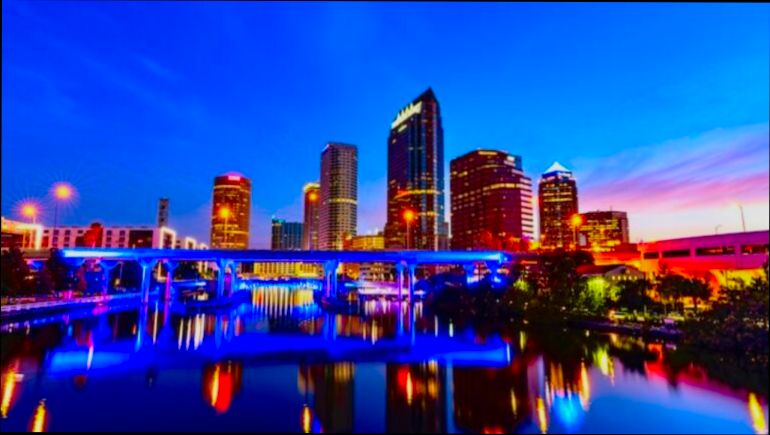
Recreational Activities and Lifestyle Advantages
Living in Tampa, FL, presents a fantastic array of recreational activities and lifestyle benefits that cater to diverse interests. From the vibrant outdoor scene to cultural events and community amenities, residents can enjoy a high-quality lifestyle filled with fun and leisure.
Diverse Outdoor Recreation
Tampa’s climate allows for year-round outdoor activities, perfect for nature lovers and active individuals. Here are some highlights:
- Parks and Nature Reserves: The Tampa Bay area is home to over 160 parks, providing residents with stunning landscapes for picnics, running, and family outings.
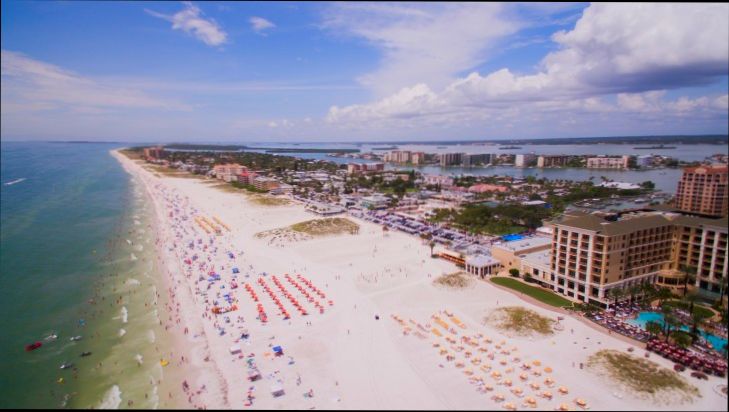
- Beaches: Just a short drive from Tampa, you can reach beautiful beaches such as Clearwater Beach, known for its soft white sands and clear waters, making it a go-to spot for beachgoers.
- Water Activities: With proximity to the Gulf of Mexico, opportunities for boating, fishing, and water sports abound. Residents can utilize numerous boat ramps and access points scattered throughout the area.
Thriving Sports Scene
Sports enthusiasts will feel right at home in Tampa, which hosts major league teams and a variety of sporting events:
- Professional Teams: Tampa is proud to be home to the NFL’s Tampa Bay Buccaneers and the NHL’s Tampa Bay Lightning, offering thrilling game days and community gatherings.
- Local Events: The annual Gasparilla Festival celebrates pirate culture with parades and festivities, boasting attendance from tens of thousands of locals and visitors alike.
- Athletic Opportunities: From marathons to triathlons, Tampa hosts various races throughout the year, promoting an active lifestyle among its residents.
Vibrant Cultural Events
Cultural activities enrich Tampa’s recreational landscape, enabling residents to immerse themselves in the arts:
- Museums and Theaters: Museums like the Tampa Museum of Art and performances at the Straz Center for the Performing Arts provide access to enriching art experiences right in the heart of the city.
- Festivals: Tampa showcases numerous cultural festivals, reflecting its diverse population. Events such as the Latin American Festival draw crowds and celebrate the city’s cultural tapestry.
Comparative Table of Recreational Activities
| Activity Type | Number of Locations/Events | Popularity Rating (%) | Unique Feature |
|---|---|---|---|
| Parks and Nature | 160+ | 85 | Extensive landscapes for family-friendly activities |
| Water Activities | 50+ public access points | 75 | Diverse options including sailing and kayaking |
| Sporting Events | 3 major league teams | 90 | Exciting community engagement on game days |
| Cultural Festivals | 20+ major festivals annually | 80 | Reflects rich cultural diversity |
Real-World Examples
One notable example of community involvement is the Tampa Bay Walk, a series of organized walking and biking trails that not only promote fitness but also connect various neighborhoods, encouraging local interactions. Additionally, the Tampa Riverwalk has transformed the downtown waterfront into an inviting space for runners, families, and tourists alike, further enhancing lifestyle appeal.
Practical Implications for Residents
For residents looking to make the most of their free time, taking advantage of Tampa’s recreational offerings can lead to improved well-being and social connections. Engaging in local sports leagues or attending community events can foster friendships and physical activity, which are key aspects of a fulfilling lifestyle.
Actionable Advice
Embrace the outdoor lifestyle by participating in community events or utilizing the abundant parks for exercise and leisure. Check out seasonal festivals and local sports games to immerse yourself in Tampa’s vibrant culture and make lasting memories with family and friends.
Public Transportation and Accessibility Challenges
Navigating public transportation in Tampa can be a mixed bag for residents. While the city does offer some transit options, accessibility and convenience can pose significant challenges. Understanding these facets is crucial, especially if you rely on public transportation for work or daily errands.
Limited Coverage and Service Frequency
The public transit system in Tampa, operated primarily by Hillsborough Area Regional Transit (HART), struggles with limited coverage and infrequent service. Many neighborhoods lack direct access to public transit, making it difficult for residents to reach essential services. Consider these facts:
- Only 12% of Tampa residents use public transport regularly.
- On average, buses run every 30 to 60 minutes on weekdays, and service is often sporadic on weekends.
This limited frequency can create delays, making public transport less appealing compared to driving.
Accessibility Issues for Differently-Abled Individuals
Accessibility for differently-abled individuals is another challenge that Tampa faces. While HART has made efforts to adhere to the Americans with Disabilities Act (ADA), gaps still exist:
- Only 30% of bus stops have accessible platforms with proper signage.
- Paratransit services are available, but scheduling can often be difficult, with reported wait times averaging over 45 minutes for pickups.
These issues can significantly hinder mobility for those who rely on public transportation to get around.
Comparative Table of HART Services
| Service Type | Frequency (Weekdays) | Accessibility Features | Coverage Area |
|---|---|---|---|
| Local Bus Service | Every 30-60 minutes | Limited | Major urban areas but not rural |
| Paratransit Service | Varies | ADA compliant needed | Restricted to designated areas |
| Express Bus Routes | Every 30-60 minutes | Some accessible stops | Selective major routes only |
Real-World Examples
There are numerous stories from residents who have faced transportation challenges. For instance, one Tampa resident shared their experience of commuting from a suburban neighborhood without direct bus service. They had to walk over a mile to catch a bus, significantly affecting their daily schedule.
Another example involves a family member with mobility issues who found it difficult to board public buses due to the lack of accessible stops, resulting in an increased dependency on ride-sharing services.
Practical Implications for Residents
If you’re considering moving to Tampa and plan to use public transportation:
- Investigate specific neighborhoods to find out their bus service and distance to stops.
- Plan your trips ahead of time, especially if you rely on paratransit or need accommodations.
- Compromise might be necessary, as car ownership gives you more flexible travel options compared to public transport.
Specific Facts and Actionable Advice
- Familiarize yourself with HART’s routes and schedules through their website to lessen wait times.
- Consider carpooling or utilizing ride-sharing apps as alternatives when public transport service is unavailable.
- Engage with local advocacy groups pushing for improved public transportation options to address these ongoing accessibility challenges.