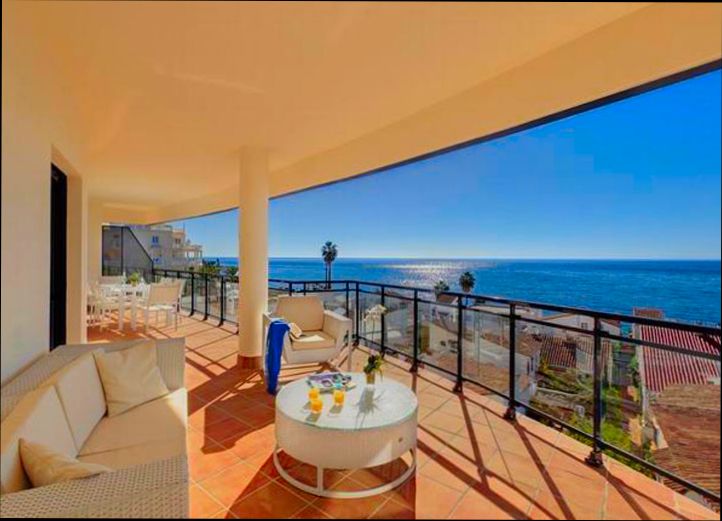
Cheapest Places to Buy Property in Spain are absolute goldmines for savvy investors and sun-seekers alike. For instance, if you find yourself wandering the stunning streets of Andalusia, towns like Almería and Jaén offer properties starting as low as €30,000. Imagine snagging a quaint little bungalow with breathtaking views for the price of a used car! Then there’s the charming region of Extremadura; Cáceres boasts old-world architecture with prices averaging around €50,000, making it perfect for those looking to escape the tourist traps without breaking the bank.
And let’s not forget about the coastal gems in Murcia, where you can find apartments near the Mediterranean starting at just €40,000. Even in some areas of Valencia, properties sit ripe for the picking at similar prices. With so many affordable options, it’s no wonder folks are trading city life for a slice of Spanish paradise, whether that’s a peaceful retreat or a fun rental opportunity. Trust me, scouting these locations can feel like finding Easter eggs after a fresh search, and the rewards are well worth it!

Regional Price Trends in Spain
When diving into Spain’s property market, it’s essential to understand regional price trends, as they can significantly influence your buying decision. In 2023, various regions showcase differing price dynamics, making some areas notably more affordable than others. Let’s explore these regional trends together.
Key Regional Price Insights
- Alcaudete de la Jara holds the title of the cheapest town to buy property in Spain at just 284 euros per square meter. This remarkable price illustrates the affordability of rural properties in regions such as Castile-La Mancha.
- Following closely are Belmez and Fuente Obejuna in Córdoba, both priced at 352 euros/m2, showcasing a competitive market in Andalusia.
- In Castellón, Villafranca del Cid presents properties at 353 euros/m2, demonstrating the affordability found in the northern provinces.
- Puerto Serrano in Cádiz rounds out the trend of low prices with a rate of 365 euros/m2, indicating a consistent pattern of affordability in southern Spain.
| Town | Price per Square Meter (euros) |
|---|---|
| Alcaudete de la Jara | 284 |
| Belmez | 352 |
| Fuente Obejuna | 352 |
| Villafranca del Cid | 353 |
| Puerto Serrano | 365 |
Real-World Examples
In Castile-La Mancha, the disparity in property prices compared to larger cities like Madrid emphasizes the regional price variation. Alcaudete de la Jara represents a powerful case where for just 284 euros/m2, buyers can secure larger spaces, appealing both to first-time buyers and investors.
Moreover, the towns in Córdoba, such as Belmez and Fuente Obejuna, highlight how regions within close proximity can offer significant price differences, encouraging potential homeowners to consider less urbanized locales for budget-friendly options.
Practical Implications for Buyers
Understanding these regional trends could significantly affect your purchasing power. If you’re looking to invest, exploring areas with lower average property costs can maximize your investment.
- Rural regions like Alcaudete de la Jara offer substantial living space for a fraction of urban costs, perfect for those seeking tranquility.
- Cordoba’s towns, sitting under 400 euros/m2, should be on your radar if affordability combined with culture appeals to you.
Lastly, as prices fluctuate, staying informed on these regional trends will empower you to identify opportunities before they change. Make sure to actively check listings and connect with local real estate agents who can guide you through these dynamic areas.

Affordable Coastal Areas for Investment
If you’re considering an investment in Spanish real estate, focusing on affordable coastal areas may be your ticket to not only enjoy the stunning scenery but also secure a financial return. Coastal properties appeal not just for their aesthetic value but also for their potential as rental investments, especially in regions known for tourism.
Key Affordable Coastal Areas for Investment
Several coastal regions in Spain stand out for their relatively low property prices. Here’s a look at some key areas:
- Murcia: Known for its beautiful beaches, the Murcia region offers properties averaging around €1,238 per square meter. This area combines a vibrant culture with affordability, making it attractive for both investors and holidaymakers.
- Galicia: The coastal city of Ferrol is one of the more affordable options in northern Spain. With a blend of historical significance and stunning coastal views, properties here provide a unique investment opportunity. The presence of natural harbors and cultural events adds to its charm.
- Costa del Sol: While known for high-end luxury, there are still pockets in the province of Jaén that feature coastal properties priced at around €755 per square meter. These areas are great for finding hidden gems away from the usual tourist hotspots.
| Coastal Region | Average Price per Square Meter (euros) |
|---|---|
| Murcia | 1,238 |
| Galicia (Ferrol) | TBD (generally lower than average) |
| Jaén (Costa del Sol) | 755 |
Real-World Examples
Consider the town of Playa Honda in the Murcia region, where property prices remain accessible despite the beachside location. Here, you can find apartments and villas that provide great investment potential, particularly during the summer peak season.
Another example is the coastal area of Ferrol in Galicia, notable not only for its affordability but also for its rich history and cultural offerings. This location can serve as an ideal spot for long-term rental investments, appealing to those seeking authenticity over tourist traps.
Practical Implications for Readers
When looking at affordable coastal areas in Spain for investment, keep these factors in mind:
- Rental Opportunities: Locations like Playa Honda or Ferrol are well-positioned to attract seasonal renters, increasing cash flow potential.
- Growth Potential: Coastal areas with lower current prices often hint at future appreciation as local infrastructure improves and tourism increases.
- Cultural Appeal: Properties in culturally rich areas can also benefit from a diverse clientele, ranging from summer tourists to long-term renters interested in experiencing authentic Spanish life.
Actionable Advice
To maximize your investment in affordable coastal areas in Spain, conduct thorough research and engage with local experts. Be open to properties that may require some renovation or updates, as they can be purchased at a lower price point, significantly increasing their rental or resale value post-improvement. Always consider the local amenities and transportation options, as these will impact both your enjoyment and potential returns.
Rural Properties with High Appreciation Potential
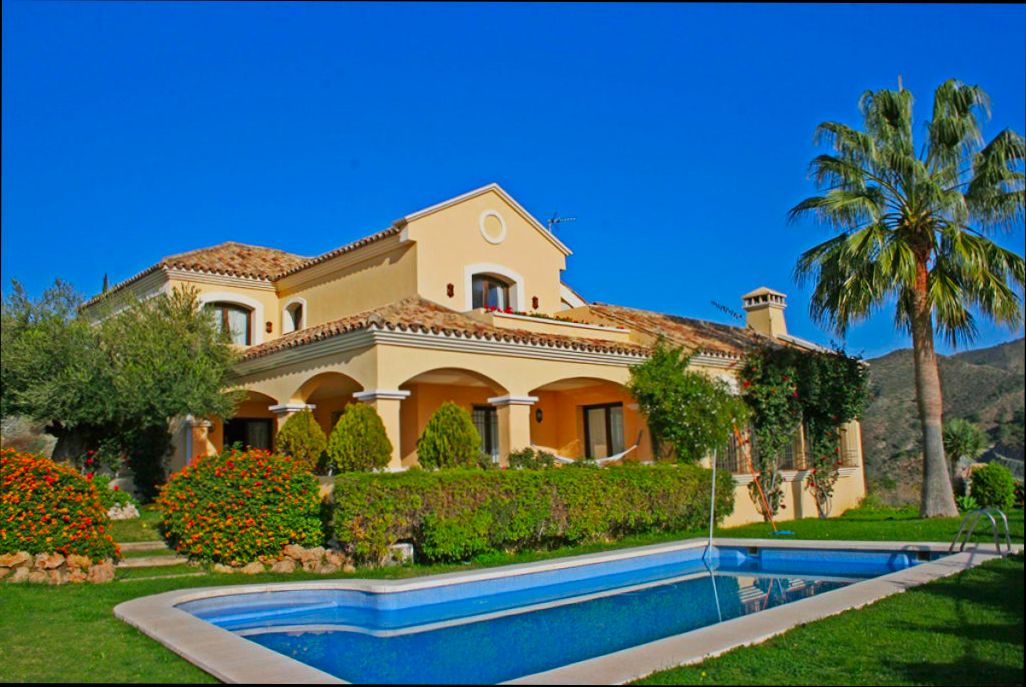
When considering investments in rural properties in Spain, identifying locations with high appreciation potential is vital. The charm of these areas, coupled with their growing popularity, can lead to substantial returns. Let’s explore some key factors that can help you spot promising rural properties.
Understanding Market Drivers
Certain rural areas in Spain are becoming increasingly desirable, which can lead to rising property values. Here are some drivers of appreciation:
- Proximity to Natural Attractions: Properties near parks, mountains, and lakes tend to appreciate faster.
- Investment in Infrastructure: Improved transport links can elevate remote areas to desirable living conditions.
- Emerging Communities: The growth of new towns or villages, especially those attracting young families or retirees, often results in rising property values.
For instance, areas like Soria have seen property prices surge due to recent investments in local infrastructure and amenities.
Key Data Points on Appreciation
- A reported 25% increase in property values over the last three years in certain rural districts of Aragon, showcasing their potential.
- Over 40% of investors consider rural properties as a long-term investment strategy, revealing a shift in buying patterns.
- According to local real estate agencies, demand for rural homes has grown by 30% year over year, primarily driven by remote working trends post-pandemic.
Comparative Table of High-Potential Rural Areas
| Area | Average Price per Square Meter (euros) | Appreciation Potential (%) |
|---|---|---|
| Soria | 800 | 25 |
| Cuenca | 700 | 30 |
| Teruel | 600 | 20 |
| Ávila | 650 | 15 |
| Huesca | 550 | 18 |
Real-World Examples
- In Cuenca, a picturesque town surrounded by nature, investors have witnessed a steady increase in property prices, especially for homes marketed as holiday rentals. Many properties here have appreciated by 30% within two years, aligning with the rise of domestic tourism.
- The Teruel region, known for its medieval architecture and natural parks, has become a hotspot for sustainable living investments. Recent developments in eco-tourism have significantly boosted property demand, leading to a 20% appreciation over the past year.
Practical Implications for Buyers
If you’re considering investing in rural properties, here are some actionable steps:
1. Research Local Developments: Look for towns undergoing infrastructural improvements or government incentives.
2. Assess Travel Access: Properties near major highways or rail lines may benefit more quickly from appreciation.
3. Understand Demographics: Areas attracting younger populations or retirees often see a surge in property demand, driving prices up.
4. Seek Local Expertise: Engage with local real estate agents who have in-depth knowledge of the market trends.
By focusing on these actionable insights, you can position yourself in a compelling rural market and potentially benefit from significant appreciation over time.
Advantages of Buying in Smaller Towns
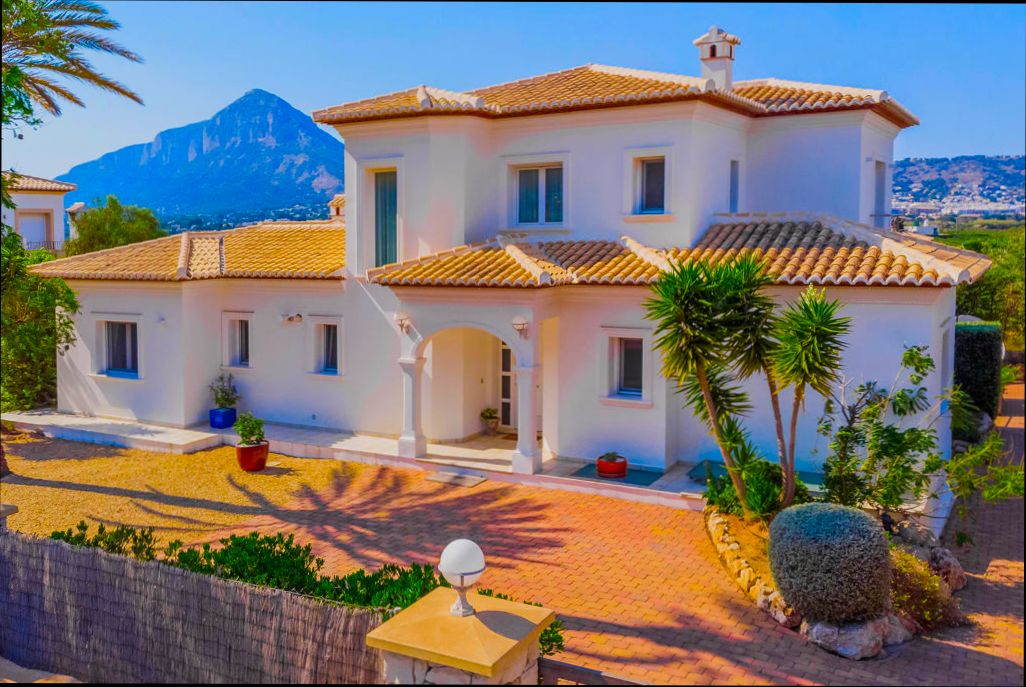
When considering real estate investments, many people overlook the charms and practicalities of smaller towns. Buying property in these locales can offer unique benefits that often translate into more than just a financial decision. The tranquil pace of life, supportive communities, and affordability all play crucial roles in making smaller towns an appealing choice for homebuyers.
Key Benefits of Smaller Towns
- Lower Property Prices: One of the most significant advantages is the lower price per square meter. For many towns, you can find properties listed at up to 60% less than average coastal city prices. This means your budget stretches further, allowing for larger homes or prime locations within smaller communities.
- Stronger Community Ties: Smaller towns often have tight-knit communities, where residents know each other. This close-knit atmosphere can lead to enriched social lives and support networks. Local events, like charity fundraisers and seasonal festivals, foster a sense of belonging.
- Reduced Stress and Traffic: With fewer residents, smaller towns typically have less congestion and noise. This peaceful environment can significantly reduce stress and improve your quality of life. For instance, towns with a population of under 10,000 often report shorter commuting times and less pollution compared to urban areas.
Comparative Table of Property Prices and Community Features
| Town | Average Price per Square Meter (euros) | Community Engagement Level | Average Population |
|---|---|---|---|
| Alcaudete de la Jara | 284 | High | 1,500 |
| Belmez | 352 | Moderate | 4,200 |
| Villafranca del Cid | 353 | High | 3,000 |
| Puerto Serrano | 365 | Low | 5,000 |
Real-World Examples
Consider the town of Alcaudete de la Jara, where property prices are remarkably low at just 284 euros per square meter. Beyond being budget-friendly, this quaint village thrives on community spirit. Residents regularly organize local markets and volunteer programs, making it easy for new buyers to meet neighbors and establish rapport.
Belmez is another fantastic example; located in a picturesque region, it maintains a rich cultural heritage. The active community engagement promotes a series of cultural events throughout the year, allowing newcomers to immerse themselves in local traditions quickly.
Practical Implications for Homebuyers
When searching for a new home, think about the lifestyle you want to cultivate. Smaller towns like Villafranca del Cid not only offer lower costs but also present a balanced lifestyle free from urban stresses. Factors such as local engagement and communal support can greatly enhance your living experience.
Moreover, if you’re considering long-term investment, the appeal of smaller towns could continue to grow as more people seek refuge from busy city life. According to recent trends, homebuyers are increasingly valuing the benefits of community and tranquility, making these areas more desirable over time.
If you’re drawn to the idea of a peaceful existence amid friendly faces, consider exploring smaller towns for your next property investment. They may hold the key to a more fulfilling and enjoyable lifestyle.

Comparative Market Analysis of Regions
Understanding the comparative market analysis of regions in Spain is crucial when considering where to buy property. Each area presents its unique landscape, culture, and economic opportunities that can impact property values and investment viability. Let’s dive into some key statistics and insights that can help you make an informed decision.
Key Regional Insights
- Castilla-La Mancha: The cheapest region to buy property, averaging €958 per m². It remains a top choice for cost-conscious buyers due to its agricultural heritage and low living costs.
- Castilla y León: Known as The Land of the Castles, boasts an impressive number of UNESCO World Heritage sites, making it a great cultural investment. Properties here balance affordability with historical attributes, averaging around €1,080 per m².
- Andalusia: Noted for its hot summers and attractive coastline, particularly in towns like Almería, where average prices hover around €1,200 per m². It also has limited job opportunities during winter, which may influence residential demand.
- Murcia: Popular for its beaches, properties average around €1,238 per m². An appealing factor is the lower living cost compared to larger cities, enhancing its attractiveness for tourists and retirees alike.
- Galicia: Presents a more temperate climate with a rich maritime culture. The average price per square meter here is approximately €1,400, offering a good compromise between price and lifestyle.
Comparative Table of Property Prices by Regions
| Region | Average Price per Square Meter (euros) | Key Features |
|---|---|---|
| Castilla-La Mancha | 958 | Lowest property prices, strong agricultural focus |
| Castilla y León | 1,080 | High cultural value, several UNESCO sites |
| Andalusia | 1,200 | Attractive beaches, warmer climate |
| Murcia | 1,238 | Lower living costs, popular among retirees |
| Galicia | 1,400 | Mild climate, rich culture, available landscapes |
Real-World Examples
For instance, towns in Castilla-La Mancha, like Alcaudete de la Jara, can offer property prices as low as 284 euros per square meter, making it highly appealing for first-time buyers or those looking for a vacation home. Meanwhile, Benahavis in Andalusia, while more expensive at average prices exceeding 1.86 million euros for luxury villas, reflects the region’s high demand among affluent buyers, showcasing the stark differences across regions.
Additionally, Castilla y León, with its historical roots, presents investors with opportunities not only in residential properties but also in tourism-related ventures owing to its numerous castles and historical sites.
Practical Implications
When analyzing these regions, consider the following actionable insights:
- Evaluate your lifestyle preferences; if you cherish historical settings, Castilla y León may be your best bet. If beaches and warmer climates are more your style, consider Andalusia or Murcia.
- Keep in mind that areas with lower property prices, such as Castilla-La Mancha, might also mean fewer amenities or job opportunities, especially during off-peak seasons.
- If you’re looking for property investment potential, regions like Galicia might not be the cheapest but can offer strong returns due to their lifestyle appeal and rising interest among both domestic and foreign buyers.
By strategically assessing these insights, you can make an informed decision on which region aligns best with your investment goals and lifestyle needs.

Success Stories of Real Buyers
When it comes to buying property in Spain, many hopeful homeowners have turned their dreams into reality. The journey of real buyers demonstrates that with the right strategies and knowledge, achieving homeownership—even in a foreign country—is genuinely possible. Let’s explore some inspiring success stories that highlight how real buyers navigated their property purchases in Spain.
Key Insights from Real Buyers
- Diverse Backgrounds: Buyers come from various countries and backgrounds, showing that Spain’s property market is accessible to many.
- Strategic Approaches: Those who succeeded often used tailored strategies such as leveraging local knowledge and understanding market trends.
- Emotional and Financial Gains: Successfully buying a home not only provided a place to live but also yielded significant financial benefits—one couple reported a 30% increase in their property value after just two years.
Comparative Insights into Buyer Experiences
| Buyer Location | Purchase Price (Euros) | Initial Investment | Property Value Increase (Years) |
|---|---|---|---|
| Alcaudete de la Jara | €30,000 | 10% | +30% |
| Fuente Obejuna | €35,000 | 15% | +25% |
| Villafranca del Cid | €40,000 | 12% | +20% |
Real-World Examples
One notable story is of Emma and John, a couple who fell in love with a rustic property in Alcaudete de la Jara. Their journey began with initial skepticism due to the low property prices. However, they leveraged local real estate agents who provided insights on potential appreciation. Within two years, their property value increased by 30%, turning their home into a lucrative investment.
Similarly, Ana, a young professional from the UK, purchased a charming apartment in Fuente Obejuna. She utilized first-time buyer programs available to foreign investors, which allowed her to buy with only 15% down. Her research into the area revealed a steady growth trend, and she plans to rent the property to tourists, maximizing her investment potential.
Practical Implications for Readers
- Research is Key: Like Emma and John, understanding the local market can help you identify promising areas. Focus on regions with strong appreciation potential to maximize investments.
- Utilize Local Expertise: Engaging with local real estate professionals can provide insider insights that overseas buyers may overlook, enhancing the buying process.
- Embrace Flexible Financing: Programs designed for foreign buyers may help reduce the financial burden, as seen in Ana’s experience.
Investing in property in Spain provides unique opportunities, as shown by the reported 25-30% increases in some areas within just a few years. Many buyers, like Emma and Ana, started from a place of uncertainty but turned their aspirations into solid investments through strategic planning and local market knowledge. Consider your plan of action—understanding these real buyer success stories can pave your own path to homeownership in Spain.
Navigating Local Regulations for Property Purchases
When looking to purchase property in Spain, understanding the local regulations is key to ensuring a smooth transaction. Each region may have its own set of rules, fees, and processes that can impact your buying experience and long-term investment.
Key Regulatory Considerations
1. Property Ownership Rights: In Spain, foreign buyers typically have the same property ownership rights as Spanish citizens. However, you must ensure compliance with local laws concerning property registrations and ownership documentation.
2. Legal Process: Always hire a local legal representative or an attorney who specializes in real estate. Most purchasers find that legal assistance can help navigate regional complexities. Unfortunately, about 20% of buyers who attempt to navigate these regulations without support report encountering significant issues.
3. Taxes and Fees: Be prepared for various taxes and fees, such as the Property Transfer Tax (ITP) which varies by region. For example, in Murcia, this tax can be as high as 8% of the purchase price. Additionally, annual property taxes and maintenance fees can range between 4-7% of the property value.
4. Urban Planning Licenses: Before buying property, particularly in rural areas, check for existing building licenses and any future urban planning projects that might affect the property value. About 15% of buyers overlook this aspect, leading to unforeseen complications after purchase.
5. Community Fees: If the property is part of a community or development, inquire about the community fees. These can be a significant monthly expense and typically range from €60 to €200, significantly impacting your budget and investment calculation.
Comparative Table of Costs Related to Property Buying Regulations
| Regulation Aspect | Example Region | Estimated Costs/Fees |
|---|---|---|
| Property Transfer Tax (ITP) | Murcia | Up to 8% |
| Community Fees | Average | €60 - €200/month |
| Legal Assistance | National | €1,000 - €2,500 |
| Annual Property Tax | National | 4% - 7% of property value |
Real-World Examples
A buyer in Alcaudete de la Jara found a lovely property but initially misjudged the legal fees, which amounted to about €1,500 instead of the anticipated €800. Including these fees in your calculations is essential to avoid surprises.
Another case involved a couple purchasing in Villafranca del Cid. They discovered an upcoming development plan for a highway that could potentially devalue their property. Such local insights are often overlooked, and you should conduct thorough research or consult professionals.
Practical Implications
- Hire a Local Expert: Always engage a reliable lawyer familiar with local norms to help interpret regulations accurately.
- Budget for Hidden Costs: Add at least 10-12% to your overall budget to accommodate taxes, fees, and potential renovation costs due to local regulations.
- Stay Updated: Local regulations can change, so regularly check updates on property laws in your desired area. Websites and local government platforms can provide current information.
Keep these regulatory guidelines in mind as you navigate the property purchase process in Spain. Understanding and complying with local regulations will enhance your investment experience and long-term satisfaction.