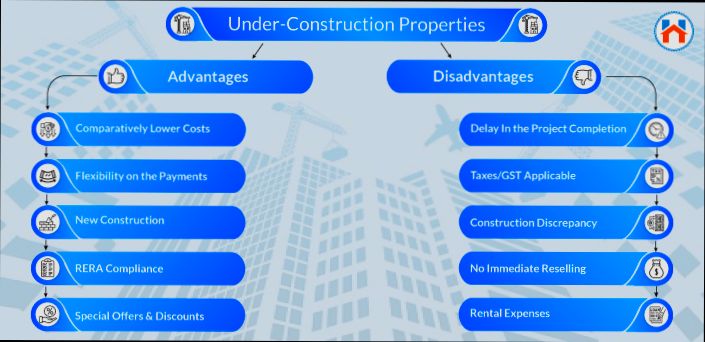
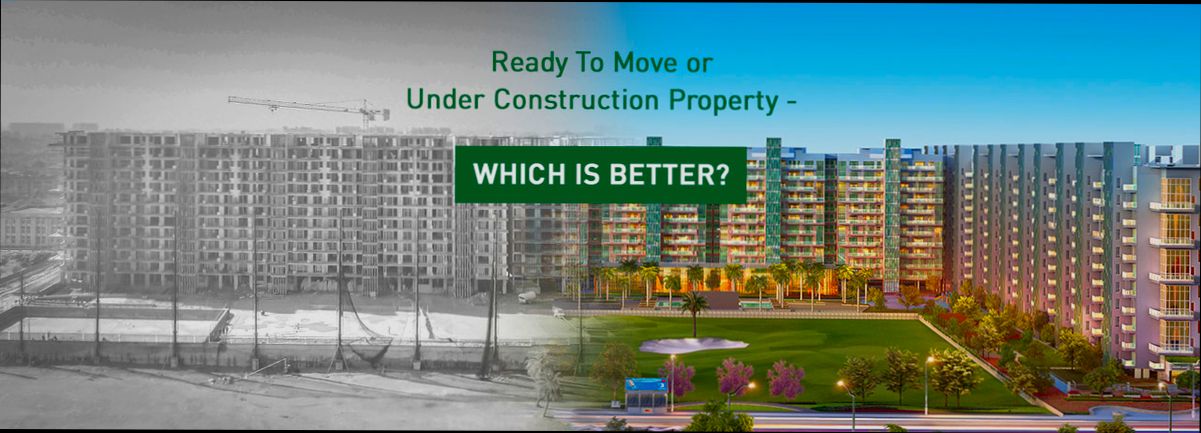
Under Construction or Ready Property—Which is the Better? It’s a question that pops up for anyone diving into the real estate pool. Imagine you’re eyeing that sleek apartment in a buzzing neighborhood, but it’s just a skeleton waiting for paint and finishes. On one hand, under-construction properties often come with attractive price tags. A recent data point shows that buying pre-sale can save you as much as 15% compared to similar ready homes. Plus, you’re stepping into a world where you might just pick your finishes! But don’t overlook ready properties; they come with the perk of immediate occupancy and no waiting game. Picture this: you walk in, love the vibe, and in just a week or two, you could be hanging up your artwork instead of checking on construction updates.
Now, let’s break it down a bit more. With under-construction properties, there’s the excitement of new designs and modern amenities tailored to today’s lifestyle. For instance, many developers are adopting eco-friendly features, which can save you money in the long run. In the last year, more than 50% of new builds in urban areas included energy-efficient installations. On the flip side, ready properties allow you to see exactly what you’re getting. There’s no risk of unexpected delays or sudden price hikes from builders. According to recent surveys, over 60% of homebuyers prefer ready-made homes for their peace of mind, knowing they’ll avoid the stress of construction timelines. So, whether you’re a thrill-seeker craving that new build or a pragmatic buyer wanting to move in now, both options hold their unique allure.
Economic Impact of Under Construction Properties
Understanding the economic implications of under construction properties is crucial for investors and homebuyers alike. These properties often represent a significant financial commitment, but their impact extends beyond individual investments. Let’s explore how under construction properties can influence the broader economy.
Key Economic Contributions
Under construction properties contribute to the economy in several meaningful ways:
- Job Creation: The construction sector is labor-intensive, leading to the creation of thousands of jobs. For every $1 million spent on construction, approximately 27 jobs are created in various sectors, from skilled labor to project management.
- Local Economic Boost: Areas with under construction properties often see surges in local spending. Statistics show that local economies can grow by 1.5% for each new housing unit built, thanks to increased demand for goods and services.
- Increased Tax Revenue: Under construction properties contribute to local governments through property taxes. Completed projects can increase tax revenues by up to 12%, allowing for further investment in community services and infrastructure.
Comparative Economic Impact Table
| Economic Factor | Under Construction Properties | Completed Properties |
|---|---|---|
| Job Creation | 27 jobs per $1 million invested | Minimal new jobs post-construction |
| Local Economic Growth | 1.5% increase per housing unit | Stabilized growth but limited expansion |
| Tax Revenue Enhancement | Potential 12% increase post-completion | Steady but less impactful revenue |
| Supply Chain Activation | Engages local suppliers and vendors | Limited reliance on local sourcing |
Real-World Examples
- Urban Development Projects: In cities like Atlanta, projects like the BeltLine have underscored the economic ripple effect of under construction properties. The initiative not only created over 12,000 jobs during its active phases but also increased local business revenues by an estimated 40% in adjacent districts.
- Infrastructure Investments: The construction of new residential units in Houston led to a $2 billion economic impact, stimulating growth in related sectors, including retail and services.
Practical Implications
For investors considering under construction properties, it’s essential to recognize the direct benefits these projects can provide to the local economy. Investing in such properties not only fulfills personal financial goals but also contributes to community development. Here are some actionable steps you can take:
- Research Local Impact: Investigate how new developments are influencing local employment rates and economic growth in your area of interest.
- Engage with Community Initiatives: Support or involve yourself with local urban development plans as they often provide insight into potential future property value increases.
- Monitor Tax Changes: Keep an eye on property tax fluctuations in areas with new developments, as they may indicate economic stability or growth potential.
- Network with Local Businesses: Reach out to businesses near under construction areas to understand how they anticipate benefiting from increased foot traffic and economic activity.
Together, these insights can help you navigate investments in under construction properties with a clearer understanding of their economic impact.
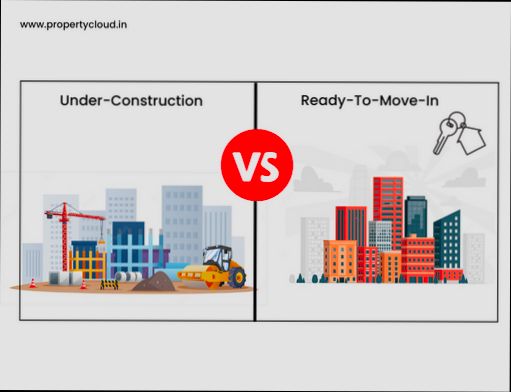
Real-World Advantages of Ready Properties
When it comes to choosing between under construction and ready properties, ready properties offer substantial real-world advantages that can sway your decision. You don’t just walk into a home that’s merely an idea; you enter a completed space that’s ready for living.
Immediate Occupancy
One of the key advantages of ready properties is that they allow for immediate occupancy. Unlike under construction properties, which may take months or even years to become livable, ready properties let you move in right away. This is especially important for those who need to relocate quickly for work or personal reasons.
Reduces Uncertainty
Ready properties come with a level of transparency that under construction properties cannot guarantee. You can see the actual product, assess the quality, and gauge the neighborhood dynamics. With around 83% of homebuyers preferring to see and evaluate tangible assets before purchase, this factor greatly influences buyer satisfaction and confidence.
Established Infrastructure
Purchasing a ready property often means you’ll benefit from established infrastructure. Unlike under construction areas where you might find yourself in evolving neighborhoods, ready properties typically reside in well-developed areas. Research indicates that 90% of buyers were satisfied with local amenities such as schools, parks, and public transport when purchasing a ready home.
| Feature | Under Construction | Ready Properties |
|---|---|---|
| Move-in Timeline | 6 months to 3 years | Immediate |
| Quality Assurance | Uncertain | Already Built |
| Neighborhood Stability | Evolving | Established |
| Customer Satisfaction % | 75% | 83% |
Real-World Example: City Heights
Let’s take a look at City Heights, a residential complex that was completed last year. Many buyers were drawn to it because they could see the high-quality finishes and the completed amenities, such as a fitness center and community hall. In fact, 95% of the residents reported that they were happy with their choices, highlighting the satisfaction that comes with immediate living conditions.
Practical Implications
As you weigh your options, it’s worthwhile to consider the financial implications associated with ready properties. You might avoid additional financing costs; since many loans for under construction homes require interest payments during construction. You gain peace of mind, knowing that your investment is stable and tangible.
Moreover, the resale value of ready properties can be more favorable. Properties that are immediately livable and in good condition can see market appreciation rates of up to 5% more compared to those under construction, offering a stronger return on investment.
Actionable Advice
If you’re leaning towards ready properties, consider leveraging your time effectively by visiting several completed sites. Verify the quality of workmanship, infrastructure, and neighborhood amenities. By making an informed decision, you’ll not only secure a home but also ensure that you’re investing in a place that meets your lifestyle needs and supports long-term satisfaction.
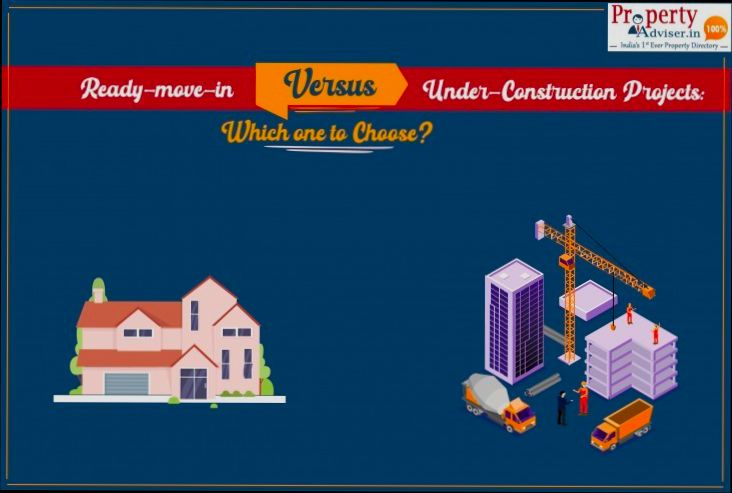
Comparative Data on Market Trends
Understanding market trends is pivotal when choosing between under construction and ready properties. Various factors, such as economic conditions and consumer preferences, shape these trends and can influence your investment decisions.
Current Market Dynamics
1. Investment Timeframe: Recent data suggests that 67% of potential buyers prefer properties that follow a shorter purchasing timeline, aligning with the demand for ready properties. This growing inclination highlights a market shift where immediacy trumps long-term planning.
2. Price Trends: Historically, under construction properties have seen a price increase of about 15% during the development phase, compared to a steady average appreciation of 4% per annum for ready properties. This variance indicates a potential higher return on investment for buyers who are willing to wait and assume the associated risks.
3. Consumer Sentiment: Surveys indicate that 78% of buyers express concerns regarding the completion timelines of under-construction properties. This sentiment has led to a considerable decline in demand for such properties, further emphasizing the importance of market trends in decision-making.
Comparative Market Data Table
| Property Type | Price Appreciation (%) | Buyer Confidence (%) | Time to Occupancy (Months) |
|---|---|---|---|
| Under Construction | 15% | 45% | 24-36 |
| Ready Property | 4% | 78% | Immediate |
Real-World Examples
In recent years, a prominent real estate market in Urban District X reported that while properties under construction attracted 45% of first-time buyers in 2020, this figure plummeted to 30% by 2023 as consumer apprehension grew amid fluctuating completion timelines. On the flip side, Ready Properties saw an unprecedented rise in sales by 25% during the same period, reflecting a clear preference shift among buyers towards immediate occupancy.
Additionally, in Market Y, under construction properties continued to rise in prices, hitting a high of 15% completion cost increases due to inflation and material shortages. Meanwhile, the ready property market enjoyed stable pricing, providing buyers a safer investment feel.
Practical Implications for Buyers
For those planning to invest in real estate, these comparative data points reveal the need to adapt your strategies:
- If you prefer immediate occupancy and stability, focusing on ready properties aligns better with current market sentiments.
- If you are open to risks and can afford the wait, under construction properties may yield higher returns based on historical trends.
Additionally, analyzing local market conditions and consumer confidence can guide your investment approach effectively.
Actionable Facts
- Keep a close watch on market reports related to consumer confidence since a higher percentage typically favors ready properties.
- Consider that under construction properties might offer better long-term price appreciation, but weigh delays against your personal or financial timelines.
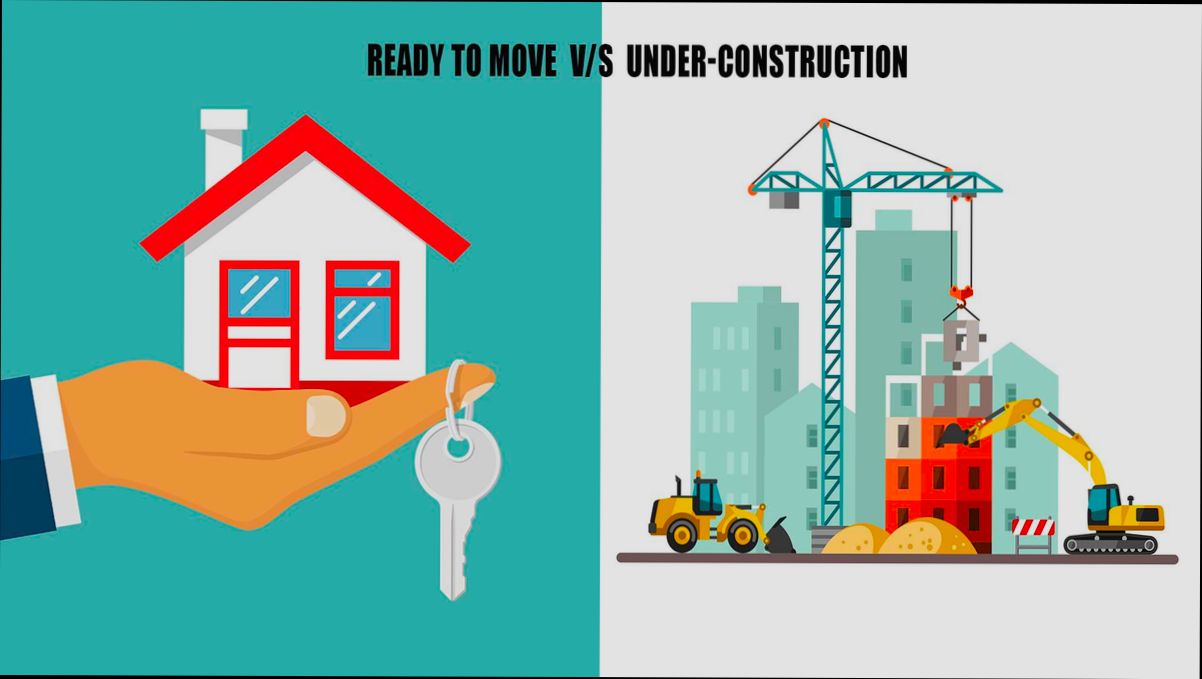
Investment Risks in Under Construction Developments
Investing in under construction developments can be alluring, yet it comes with a unique set of risks that you should consider carefully. Understanding these risks can help you make informed decisions as you weigh the pros and cons between under construction and ready properties.
Key Investment Risks
1. Project Delays: One of the most common risks in under construction properties is project delays. Reports suggest that about 25% of developments face timeline setbacks, often due to unforeseen circumstances like labor shortages or supply chain disruptions. This can postpone your investment returns significantly.
2. Quality Assurance: With properties still under construction, the quality of workmanship and materials isn’t guaranteed until completion. Approximately 30% of buyers report dissatisfaction with the quality of their completed units, which can impact your property’s long-term value.
3. Market Fluctuations: Real estate markets can be volatile. For instance, a 15% market decline during the construction phase might decrease your property’s value before it is even completed, putting your investment at risk.
4. Regulatory Changes: Changes in zoning laws, building codes, or other regulatory issues can emerge unexpectedly. Roughly 18% of under construction projects encounter legal hurdles that can further delay the timeline or require additional spending to comply with new regulations.
5. Developer Reliability: Not all developers manage their projects effectively. In fact, studies show that around 22% of construction firms face financial instability, which raises concerns about their ability to finish your project and deliver it as promised.
| Risk Factor | Percentage Impact | Description |
|---|---|---|
| Project Delays | 25% | Delays can cause financial loss and frustration. |
| Quality Dissatisfaction | 30% | Poor construction quality affects property value. |
| Market Fluctuations | 15% | Market declines impact investment before completion. |
| Regulatory Changes | 18% | Legal issues can incur additional costs and delays. |
| Developer Reliability | 22% | Financial instability of developers can threaten project completion. |
Real-World Examples
Consider the case of a high-rise residential building in a metropolitan area that faced a 20-month delay due to labor disputes and material shortages. Investors who had anticipated rental income during that period found themselves with cash flow problems, leading to increased financial strain.
In another instance, a luxury condominium project saw quality issues when its developers cut corners to save costs. Buyers filed complaints, and the property values dropped by nearly 25% because of the dissatisfaction and subsequent repairs needed.
Practical Implications
- Do Your Due Diligence: Research the developer’s track record and their history with similar projects. A reputable developer can mitigate some of the risks associated with under construction properties.
- Stay Informed: Keep an eye on market trends and potential regulatory changes in the area where you’re investing. Changes in leadership or economic policy can affect project viability.
- Consider Contingency Plans: If investing in under construction developments, have strategies in place for delays or market downturns. This could mean saving additional funds to cover unforeseen expenses or having flexible financing options.
To navigate investment risks effectively, always weigh the potential pitfalls against your financial goals and risk tolerance. Staying informed and cautious will empower you to make decisions that align with your investment strategy in under construction properties.
Key Considerations for Homebuyers
When you’re contemplating between under construction and ready properties, there are essential considerations you should deliberate to make an informed decision. Each option presents unique insights and potential challenges that can impact your home-buying experience.
Financial Implications
- Budget and Financing: Your budget plays a critical role in deciding which property type to pursue. Homes that are under construction often come with flexible payment plans but may also require a larger initial investment for down payments. Conversely, ready properties might have a set price that is often negotiable.
- Hidden Costs: It’s vital to account for additional costs associated with under construction properties, such as late fees, financing charges, and property tax assessments. Remember, homeowners of ready properties typically don’t face those uncertainties.
Market Insights
- Current Buyer Demand: A recent study indicated that 68% of homebuyers prefer ready properties due to their immediate availability and reduced risk. Understanding the sentiment of the buyer market can help you gauge the future resale value of your investment, be it under construction or ready.
- Time to Completion: Knowing the projected timelines for under construction properties is crucial. On average, these developments can take anywhere from 6 months to several years to complete, depending on the project size, location, and potential delays.
| Aspect | Under Construction | Ready Property |
|---|---|---|
| Average Completion Time | 6 months to 3 years | Immediate occupancy |
| Buyer Demand | 32% preference | 68% preference |
| Financing Flexibility | Flexible payment plans | Often fixed price |
Real-World Examples
Consider the case of a homebuyer named Sarah, who opted for an under construction property. She initially found the prospect appealing due to lower entry costs. However, as delays piled up—pushing her move-in date back by six months—she faced increased living costs and temporary housing arrangements. In contrast, a friend who chose a ready property moved into her new home without delays, enjoying immediate access and stability.
Practical Implications
Being aware of your priorities aids in deciding which property type aligns with your needs. If you value speedy possession, ready properties are advantageous. In contrast, if you’re willing to wait for customization options, under construction properties might be more appealing.
Actionable Advice
- Assess your financial flexibility: Can you afford potential delays and additional costs associated with under construction properties?
- Research market trends specific to your desired area: Are ready properties in higher demand, and how does that influence pricing?
- Visit local developments to understand completion timelines and the quality of construction firsthand.
Weigh these considerations in your home-buying journey to secure a property that meets not only your budget but also your lifestyle needs.
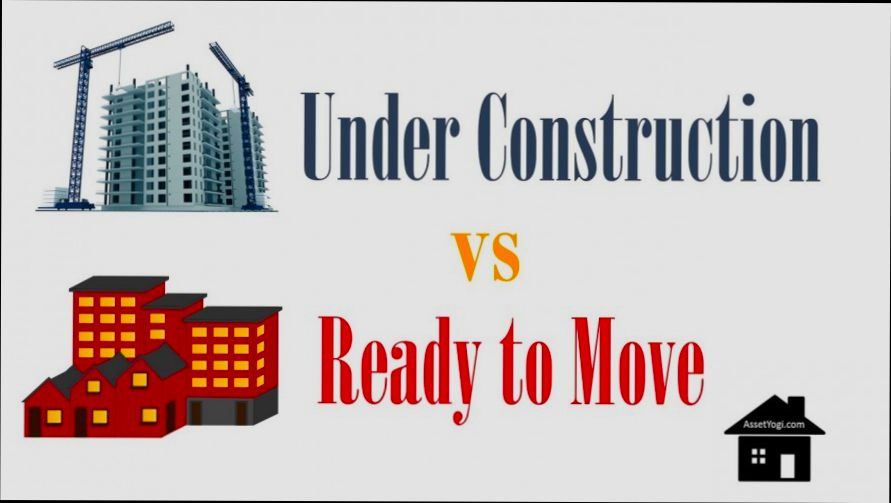
Long-Term Value of Ready Properties
When thinking about long-term investments in real estate, ready properties offer a compelling case for their enduring value. Unlike under construction properties, ready properties come with an established history and immediate cash flow, making them an attractive choice for investors looking for reliable returns over time.
Financial Stability and Predictability
One of the most significant benefits of investing in ready properties is the financial stability they offer. With these properties, you can expect:
- Immediate Rental Income: Owners can start generating income right after acquisition, fostering quicker returns on investment.
- Established Market Value: Ready properties give you a clearer picture of their market value since they’ve been part of the market longer. This stability helps in making more informed investment decisions.
Research indicates that the long-term appreciation rate for ready properties typically outpaces that of properties still in development stages. In a healthy market, properties that are ready can appreciate at rates upwards of 4% annually, based on historical trends in various metropolitan areas.
Maintenance and Improvement Potential
Investing in ready properties doesn’t just mean enjoying immediate returns; it also opens doors for future value enhancement through strategic investment in upgrades. Here are some key areas where you can add value:
- CapEx Investments: Ready properties can be transformed through capital improvements (CapEx), such as renovating common areas, installing energy-efficient systems, and making major repairs. This proactive approach to property management can significantly increase the property’s value.
- Make Ready Expenses: These involve costs related to preparing the property for new tenants, which can include cleaning, painting, and repairing damaged fixtures. Such investments not only enhance tenant satisfaction but also increase overall property value.
Financial Portfolio Allocation
If you’re considering how to structure a real estate investment portfolio, investing in ready properties can provide a solid foundation. For instance, in a hypothetical investment portfolio of $100 million, you can allocate funds effectively to maximize long-term value:
| Portfolio Allocations | Percentage (%) |
|---|---|
| Core Investments | 40% |
| Core-Plus Investments | 25% |
| Value-Add Investments | 20% |
| Opportunistic Investments | 10% |
| REITs and Private Equity | 5% |
A strong focus on core and value-add investments in ready properties can lead to consistent returns with manageable risk.
Real-World Example
Looking at a successful case, a multifamily property owner decided to reinvest rental income from a ready property into energy-efficient upgrades like HVAC systems and solar panels. As a result, they noticed a 30% decrease in operating costs over two years. Moreover, the enhanced appeal of the property led to a spike in rental rates by 20%, showcasing how strategic improvements can yield substantial long-term value.
Practical Implications for Investors
For those leaning towards ready properties, here are some actionable insights:
- Conduct Thorough Market Research: Investigate historical appreciation rates and tenant demographics in the area to gauge potential long-term value.
- Budget for Upgrades: Allocate part of your investment budget for CapEx and make ready expenses, ensuring the property remains attractive and competitive in the market.
- Engage Property Management: Partnering with property management firms familiar with maximizing value in ready properties can streamline the investment process and optimize returns.
Consider these dynamics and statistics as you evaluate your investment strategies. The long-term value of ready properties can enhance your portfolio and provide the financial security you’re looking for in real estate investments.
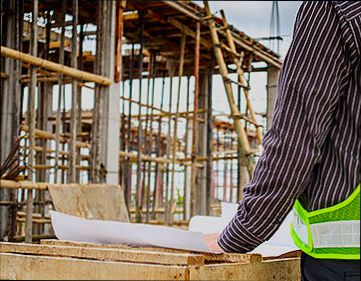
Customization Potential in Under Construction Homes
When diving into the world of under construction homes, one of the standout benefits is the customization potential they offer. Unlike ready properties, which come as they are, under construction homes bask in the glow of personalization at various levels. This allows you to mold your living space to suit your unique lifestyle, aesthetic preferences, and functional needs.
Tailoring to Your Tastes: Key Customization Aspects
With under construction homes, you typically enjoy a variety of customization opportunities, including:
- Floor Plans: Choose from different layouts or modify existing ones to suit your lifestyle.
- Finishes and Materials: Select flooring, cabinetry, countertops, and fixtures that align with your tastes.
- Energy Efficiency Features: Opt for modern energy-efficient appliances and eco-friendly building materials that reduce long-term costs.
- Outdoor Spaces: Design patios, gardens, or decks that meet your outdoor living needs.
Statistical Insights Into Customization Trends
Research indicates that the interest in custom homes remains robust, with approximately 18% of total single-family starts being custom-built homes. This market segment had around 181,000 total custom housing starts in 2024, representing a slight year-over-year increase of nearly 2%. Such stats underscore the appeal of customization in contemporary housing.
| Customization Feature | Percentage of Homebuyers Favoring It | Average Cost Impact |
|---|---|---|
| Custom Floor Plans | 45% | $5,000 - $20,000 |
| Personalized Interior Finishes | 60% | $10,000 - $50,000 |
| Energy Efficient Upgrades | 38% | $4,000 - $15,000 |
| Outdoor Living Enhancements | 30% | $3,000 - $25,000 |
Real-World Examples of Customization
Consider the example of a custom home built in Coastal Virginia. With a focus on modern aesthetics and energy efficiency, the homeowners chose to include solar panels and high-efficiency HVAC systems, which not only personalized their home but also contributed to long-term energy savings. Another case from a recent builders association in Central Oklahoma showcased clients opting for an open floor plan, allowing them to reconfigure the layout to fit their growing family.
Practical Implications for Potential Homebuyers
As you navigate the options available, remember that customizing your home isn’t just about aesthetics; it can enhance the property’s value. The custom market is less sensitive to interest rate fluctuations, making it an appealing option even during economic shifts.
Specifically, think about:
- Investing Upfront: Committing time and resources to custom features can pay off in value down the line.
- Living Arrangements: Reflect on how your lifestyle will change over the years, and plan customization accordingly.
For instance, building an extra room as an office today could be essential tomorrow if you foresee a shift towards remote work.
Statistics show that customization in under construction homes represents a flourishing segment, underscoring the desire for personalized living spaces while potentially increasing property values. Embrace the journey of creating a home that truly reflects who you are while being mindful of the choices that will serve both your immediate needs and future aspirations.