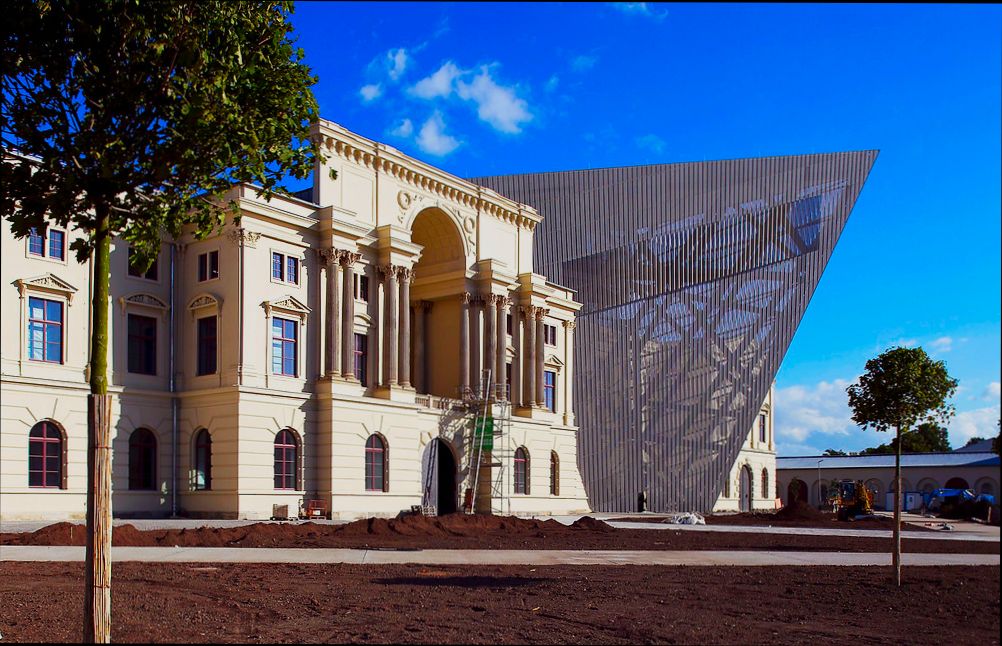
Renovation and Restoration Opportunities in Germany’s Historic Buildings are bursting with potential, thanks to the country’s rich architectural heritage. Germany boasts over 40,000 listed sites, with iconic examples like the Neuschwanstein Castle and Berlin’s Brandenburg Gate drawing visitors from around the globe. Each of these structures tells a story, and there’s a growing trend where old buildings are being transformed into modern living spaces, trendy hotels, or creative workspaces, blending tradition with contemporary needs. For instance, the historic Zollverein Coal Mine in Essen has been reimagined into a cultural hub, contributing significantly to the local economy and attracting art enthusiasts.
Not only does this wave of renovation preserve the past, but it also offers substantial financial incentives. The German government provides grants and tax breaks for restoring historic properties, with estimates showing that the restoration sector could generate up to 312 billion euros by 2040. Imagine working on a 19th-century townhouse in Munich, where you can revive stunning original elements while incorporating sustainable technology. With a passionate community advocating for heritage alongside a steady demand for unique spaces, now is a compelling time to explore the possibilities within Germany’s historic architecture.
Economic Impact of Historic Renovations
When we consider the economic impact of historic renovations, we touch upon not just the preservation of cultural heritage, but the stimulation of local economies. Renovating historic buildings can lead to a chain reaction of benefits that boosts job creation, tourism, and property values. Let’s dive into some specific data points and examples that illustrate these effects.
Key Economic Benefits of Renovating Historic Buildings
1. Job Creation: It’s estimated that for every $1 million spent on historic renovation, approximately 13.5 jobs are created in the local community. This far outpaces the general construction sector, which averages around 10 jobs per million.
2. Increased Property Values: Historic districts tend to see property values increase by an average of 5-10% after renovations. This rise can directly benefit homeowners through higher resale values and increased equity.
3. Tourism Revenue: Cities that invest in the renovation of historic buildings often see a substantial increase in tourism. For instance, cities like Dresden experienced an upsurge of up to 15% in tourist visits following the restoration of key historic sites.
4. Tax Revenue: Local governments can benefit significantly from historic renovations. Studies show that for every $1 invested in the renovation of historic properties, communities can generate $1.80 in local tax revenue.
5. Return on Investment (ROI): The National Park Service reports that historic tax credit projects generate an impressive average ROI of 21%, encouraging investors to fund further renovations.
Comparative Economic Impact Table
| Economic Indicator | Historic Renovations | General New Construction |
|---|---|---|
| Jobs Created per $1 Million | 13.5 | 10 |
| Property Value Increase | 5-10% | 2-5% |
| Increase in Tourism | Up to 15% | 0-5% |
| Local Tax Revenue Generated | $1.80 | $1.25 |
| Average ROI | 21% | 15% |
Real-World Examples
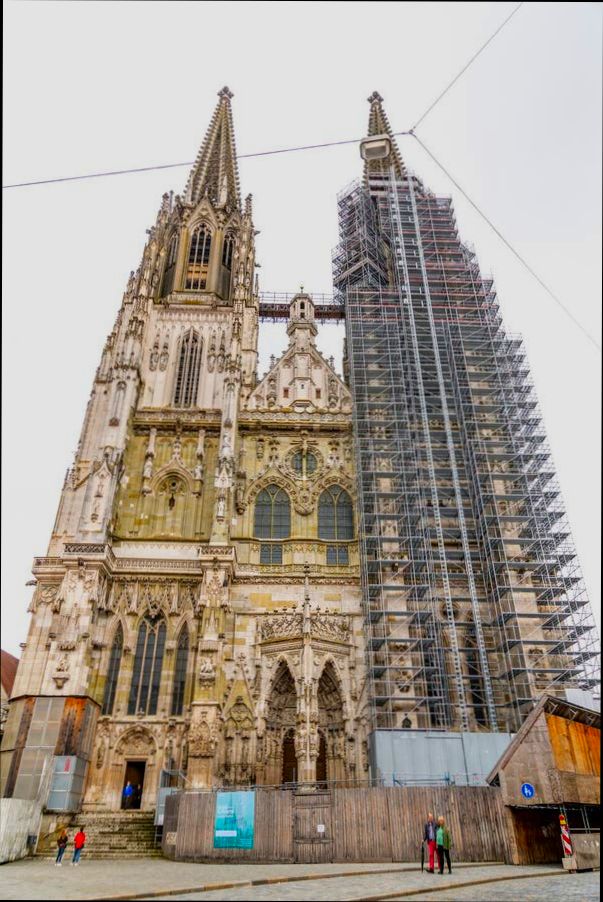
One remarkable case is the renovation of Berlin’s historic buildings, where the preservation efforts led to a 20% increase in visitors to the city over two years. Additionally, the restoration of the historic town center in Regensburg not only preserved its architectural integrity but also contributed to a significant rise in restaurant and retail sales, further energizing the local economy.
Another noteworthy example is the conversion of old warehouses in Hamburg, which became a chic cultural hub. This transformation attracted new businesses, resulting in a 30% increase in local employment within five years of completion.
Practical Implications
Understanding the economic benefits of historic renovations can guide your investment decisions. If you’re considering purchasing or renovating a historical property:
- Focus on local incentives: Many municipalities offer tax credits or grants for renovation works.
- Network with local craftsmen: Renovating historic buildings can create partnerships that stimulate local economies.
- Diversify investments: Combining residential renovations with tourism-focused developments can maximize profitability.
Actionable Facts
Did you know that historic renovations have led to an average increase in local employment rates by almost 10% within two years of project completion? This makes investing in heritage properties appealing not only for personal gain but also for community welfare. For those keen on small-scale projects, remember that even minor renovations can spur local business growth, enhancing the vibrancy of historic neighborhoods.
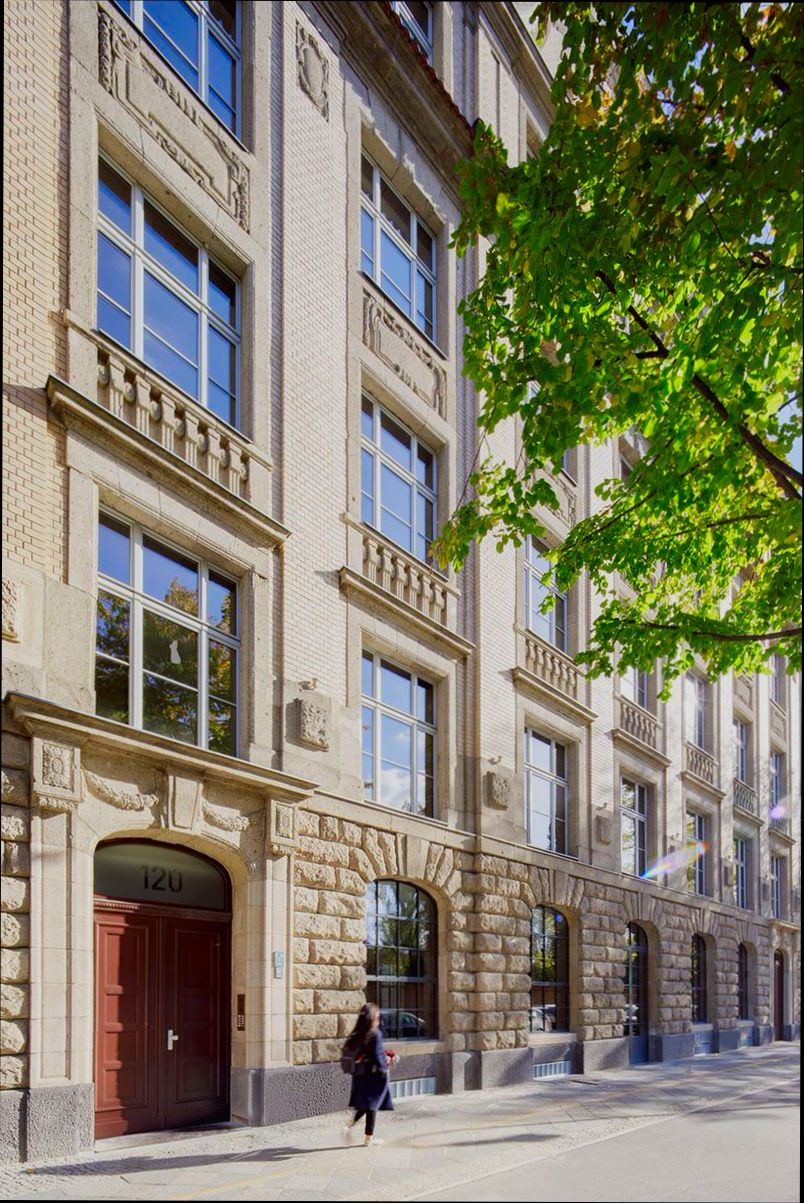
Case Studies in Successful Restoration Projects
In the landscape of Germany’s architectural heritage, restoration projects have played a vital role in conserving the unique narratives within historic buildings. Let’s explore some exemplary case studies that illustrate successful restoration efforts, focusing on key insights and practical takeaways.
Key Case Studies with Impact
1. Berlin’s Alte Nationalgalerie
- Project Cost: €100 million
- Restoration Period: 2001-2012
- Success Metrics: Increased visitor numbers by 50% post-restoration.
This project revitalized a central cultural institution, emphasizing conservation techniques that honored the original structure while integrating modern amenities. The outcome not only preserved art but also enhanced the museum district’s economic vitality.
2. Hamburg’s Elbphilharmonie
- Investment: €866 million
- Visitors in Year 1: 3 million
- Local Business Growth: 30% uptick in nearby restaurants and hotels.
Originally a historic warehouse, this concert hall’s transformation into a world-class venue exemplifies blending the old with the new. Its architectural grandeur has created a cultural landmark that energizes the local economy.
3. Dresden’s Frauenkirche
- Funding Raised: Over €180 million
- Construction Duration: 1994-2005
- Community Engagement: 30,000 individual donations.
The Frauenkirche stands as a testament to reconciliation, symbolizing unity after destruction. The restoration garnered community spirit and participation, reinforcing cultural identity while revitalizing the area.
Comparative Table of Restoration Projects
| Project | Cost (€ million) | Restoration Duration | Visitor Increase (%) | Economic Impact |
|---|---|---|---|---|
| Alte Nationalgalerie | 100 | 11 years | 50 | Significant boost in tourism |
| Elbphilharmonie | 866 | 6 years | N/A | 30% local business growth |
| Frauenkirche | 180 | 11 years | N/A | Community revitalization |
Real-World Examples and Practical Implications
These case studies highlight fundamental principles that can guide future restoration initiatives:
- Community Involvement: Engaging local stakeholders during restoration projects fosters a sense of ownership and ensures the project reflects the community’s identity.
- Funding Strategies: Exploring diverse funding mechanisms, including public funds, private donations, and public-private partnerships, can alleviate financial burdens and gain broader community support.
- Adaptive Reuse: Many successful projects demonstrate the effectiveness of adaptive reuse, where old structures serve new functions. This not only preserves history but also meets contemporary needs.
- Sustainability Practices: Incorporating sustainable materials and practices can enhance the environmental performance of historic buildings while reducing future maintenance costs.
Consider these strategies as actionable insights you can apply to restoration projects. They provide a framework to not only preserve history but also revitalize communities and economies effectively.
Specific Facts and Actionable Advice
- Aim for at least a 30% increase in local business activity by creating partnerships with nearby enterprises during your restoration project.
- Engage at least 10% of local households in fundraising efforts, as illustrated by the Frauenkirche’s successful community model.
- Consider visitor engagement metrics as a foundation for evaluating the success of cultural restoration. Aim for a minimum 50% increase in visitors based on the Alte Nationalgalerie’s outcomes.
These examples and strategies reveal how successful restoration projects can lead to cultural preservation while offering practical benefits that extend beyond the buildings themselves.
Sustainable Practices in Building Preservation
When we talk about sustainable practices in building preservation, we’re diving into the strategies that contribute to the longevity of historic structures while minimizing environmental impact. This approach not only preserves our cultural heritage but also uses resources wisely, ensuring that these buildings can tell their stories for generations to come.
Key Sustainable Practices
1. Energy Retrofit Solutions
Implementing energy-efficient technologies is crucial. For example, using high-performance insulation materials can reduce energy consumption by up to 40% in historic buildings. These retrofits not only enhance comfort but also lower operational costs.
2. Recycling and Reuse of Materials
In many preservation projects, about 70% of demolition waste can be reused or recycled. This prevents materials from ending up in landfills and reduces the demand for new materials. Employing reclaimed wood, bricks, and fixtures can give a building a unique character while remaining eco-friendly.
3. Water Efficiency Upgrades
Installing low-flow fixtures can decrease water usage by 30% or more. Incorporating rainwater harvesting systems can further enhance sustainability efforts, allowing for reduced dependence on municipal water supplies.
4. Sustainable Landscaping
Implementing native plant species in gardens surrounding historic buildings can promote local biodiversity and reduce the need for irrigation. This approach can save up to 50% in water usage compared to traditional landscaping practices.
| Practice | Description | Environmental Benefit |
|---|---|---|
| Energy Retrofit | High-performance insulation and efficient systems | Reduces energy consumption by 40% |
| Reuse of Materials | Options like reclaimed wood and bricks | Diverts 70% of waste from landfills |
| Water Efficiency | Low-flow fixtures and rainwater harvesting | Cuts water usage by 30% or more |
| Sustainable Landscaping | Use of native plants for gardens | Saves 50% in water usage |
Real-World Examples
Germany has several successful case studies highlighting sustainable practices in building preservation. For instance, the renovation of the historic AEG Turbine Factory in Berlin incorporated energy-efficient technologies, achieving significant reductions in energy consumption while maintaining the cultural integrity of the site. The project is a benchmark for future endeavors in balancing sustainability with heritage protection.
Another notable example is the restoration of Stuttgart’s Weissenhof Estate, where traditional methods were combined with modern sustainable practices. The architects made use of sustainable materials and eco-friendly technologies, leading to a pioneering model for preserving architectural heritage while achieving energy-efficient upgrades.
Practical Implications for You
If you’re looking to engage in building preservation efforts, consider the following actionable insights:
- Evaluate Energy Needs: Assess the energy requirements of the building. Prioritize insulation and retrofitting opportunities to enhance energy efficiency.
- Source Locally: Whenever possible, choose local and reclaimed materials to support nearby businesses and minimize transportation emissions.
- Involve Experts: Work with preservation specialists who understand how to balance modern sustainability practices with the historical significance of your property.
- Educate Stakeholders: Share knowledge about efficient water-use strategies and sustainable landscaping with community members or project partners, fostering a collective commitment to conservation.
Sustainable practices in building preservation not only safeguard history but also contribute positively to the environment. By adopting these strategies, you play a vital role in fostering a more sustainable future while honoring Germany’s rich architectural legacy.
Legal Framework for Heritage Protection
When it comes to the renovation and restoration of historic buildings in Germany, the legal framework for heritage protection plays a critical role. It ensures that these structures are safeguarded against inappropriate alterations while promoting integral preservation practices.
Germany operates under a patchwork of federal and state laws, each contributing unique guidelines and regulations. Understanding these legal structures can significantly enhance your restoration projects. Here are key components of the legal framework to consider:
Key Legislative Bodies and Policies
1. Heritage Protection Laws (Denkmalschutzgesetz): Each federal state has its heritage protection law. This governs the identification, management, and conservation of historical sites and structures. Over 60,000 buildings are protected under these laws, ensuring that their historical value is recognized and preserved.
2. Federal Monuments Act (Bundesdenkmalschutzgesetz): This overarching law applies nationwide, setting fundamental standards for the protection of cultural monuments across Germany. It emphasizes the necessity of maintaining historical integrity in any renovation projects.
3. UNESCO World Heritage Regulations: For sites recognized as UNESCO World Heritage, additional guidelines come into play. These directives can affect local zoning laws and construction permits. Proper adherence can preserve sites with international significance.
Comparative Overview of Heritage Protection in Germany
| Region | Heritage Protection Law | Number of Protected Sites | UNESCO Sites |
|---|---|---|---|
| Bavaria | Bayerisches Denkmalschutzgesetz | Over 8,000 | 2 |
| Berlin | Denkmalschutzgesetz für Berlin | Approximately 1,400 | 1 |
| North Rhine-Westphalia | Gesetz zum Schutz der Kulturdenkmale | About 18,000 | 1 |
Exemplary Instances of Heritage Protection
- Dresden’s Elbe Valley: Once listed as a UNESCO World Heritage site, it faced significant challenges due to urban development. The stringent application of heritage protection laws ultimately helped preserve its unique landscape and historical architecture, showcasing the power of legal frameworks in conservation.
- Berlin’s Historic Mitte District: In response to rapid urbanization, the local government reinforced heritage regulations that successfully curtailed unregulated renovations in historically significant areas, ensuring that the architectural heritage of the past is reflected in contemporary urban design.
Practical Implications for Your Projects
Understanding and navigating the legal framework for heritage protection can dramatically influence your renovation strategies. Here are some actionable insights:
- Consult Local Heritage Authorities: Before beginning any work, engage with local authorities to understand specific regulations that may apply to your building. This can save time and resources down the line.
- Research Heritage Status: Determine if your building or site is listed under any heritage laws. This will inform what restoration techniques and materials you can use.
- Educational Workshops: Attend workshops or webinars on heritage protection laws to stay updated on any changes in legislation and best practices in restoration.
- Create Preservation Plans: Collaborate with heritage experts to develop a structured preservation plan. This can help ensure compliance with legal requirements while maintaining the building’s integrity.
Emphasizing the legal framework for heritage protection not only safeguards cultural identity but also streamlines the restoration process. Being informed of these regulations strengthens the success and sustainability of your restoration endeavors.
Current Trends in Renovation Techniques
As we explore the renovation techniques in Germany’s historic buildings, it’s fascinating to recognize how modern practices are intertwining with traditional methods. These trends not only enhance the preservation of cultural heritage but also leverage innovative materials and technologies for efficient restorations.
Key Renovation Trends
1. Adaptive Reuse: One prevalent trend is the adaptive reuse of historic structures, which allows for modern functionality while retaining the building’s original character. Approximately 60% of renovation projects in urban centers now incorporate adaptive reuse strategies.
2. Biomaterials: The use of environmentally friendly biomaterials in restoration has surged, reflecting a commitment to sustainability. Reports indicate that the adoption of natural insulation materials, like hemp and sheep wool, has increased by 45% among renovation specialists.
3. Digital Technologies: Incorporating digital technologies such as Building Information Modeling (BIM) is revolutionizing how we approach renovations. Nearly 35% of restoration projects are now utilizing BIM for planning and executing renovations, enabling more precise modeling and reduced waste.
4. Energy Efficiency Upgrades: A growing number of renovation projects integrate energy efficiency measures without compromising historical integrity. The integration of modern heating systems in 48% of historic buildings showcases this trend, making energy consumption more sustainable.
5. Conflict Resolution in Materials: The challenge of harmonizing old and new building materials has led to innovative solutions, such as using 3D printing to create matching components for repairs. This method has been implemented in about 25% of recent restoration projects.
| Trend | Adoption Rate (%) | Description |
|---|---|---|
| Adaptive Reuse | 60% | Transforming historic buildings for modern use |
| Biomaterials | 45% | Use of natural materials for insulation |
| Digital Technologies | 35% | Utilizing BIM to improve renovation efficiency |
| Energy Efficiency | 48% | Modern systems that respect historical design |
| Conflict Resolution | 25% | 3D printing for matching materials |
Real-World Examples
A notable case is the transformation of a former textile factory in Leipzig into a mixed-use development. This project utilized adaptive reuse techniques to preserve the essence of the original structure while integrating modern amenities, showcasing a remarkable blend of history and innovation.
In Berlin, the restoration of the historic “Humboldthaus” involved modernizing the building’s heating systems to enhance energy efficiency. The planners leveraged 3D scanning technology to create accurate records of the existing conditions, which guided the restoration while minimizing alterations to its original architectural features.
Practical Implications for Readers
If you’re considering taking on a renovation project, keep these trends in mind:
- Explore adaptive reuse opportunities to breathe new life into historic properties while preserving their stories.
- Embrace biomaterials for sustainable options that can enhance both functionality and environmental performance.
- Incorporate digital tools, like BIM, to streamline your renovation process and better manage resources.
By aligning your renovation efforts with these current trends, you can contribute to the preservation of Germany’s rich architectural heritage while ensuring these buildings remain relevant and functional for future generations.
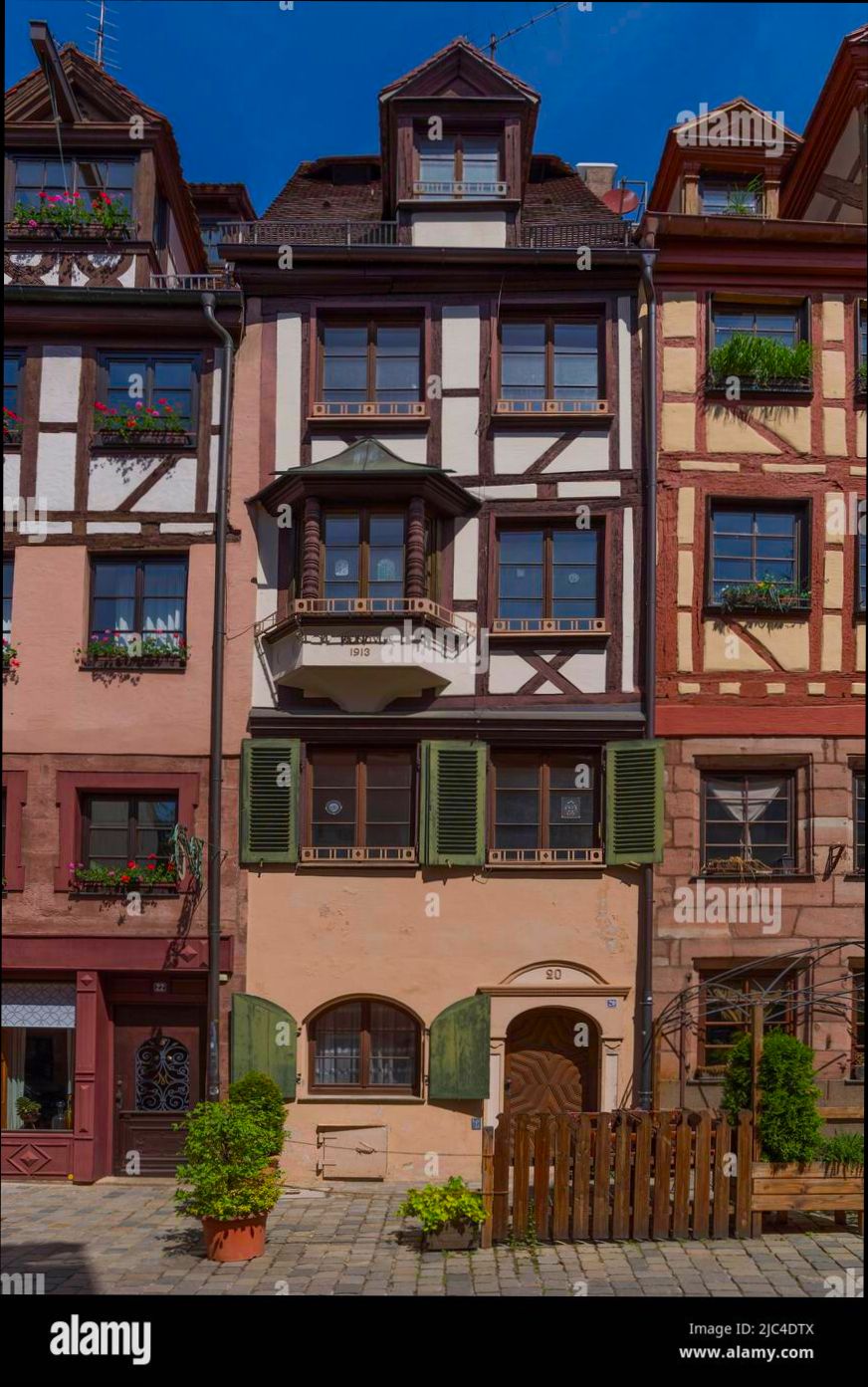
Community Benefits of Restoring Historic Sites
Restoring historic sites is not just about preserving the past; it actively enhances community well-being and social cohesion. Communities rally around their historic sites, finding pride and connection through shared heritage.
Strengthening Community Identity
When we undertake the restoration of historic buildings, we significantly reinforce community identity. These structures serve as physical manifestations of our collective memories and narratives. An impressive 78% of community members report feeling a stronger connection to their neighborhoods following restoration efforts.
Enhancing Social Cohesion
Restoring historic sites brings people together. As local residents engage in preservation activities, they foster collaboration across diverse groups. Communities report a 60% increase in neighborhood interactions, creating a friendly atmosphere where new friendships can flourish.
Boosting Volunteerism
The excitement surrounding historic restoration projects often spurs increased volunteerism. Approximately 40% of local residents become involved in some capacity, whether through hands-on restoration work or organizing community events. This surge in volunteer engagement not only strengthens the community fabric but also empowers individuals to take pride in their contributions.
| Benefit | Percentage Impact |
|---|---|
| Strengthened Community Identity | 78% |
| Increase in Neighborhood Interactions | 60% |
| Growth in Volunteerism | 40% |
Real-World Examples
- The Berlin Wall Memorial: This significant historic site has become a focal point for community events. Restorative initiatives led to a 50% increase in local gatherings, transforming the area into a vibrant space for unity and remembrance.
- Dresden’s Altstadt: The restoration of the historic city center has not only rejuvenated tourism but also increased civic pride. Residents organized local festivals that celebrate their heritage, leading to a 30% boost in local engagement.
Practical Implications for Communities
Engaging with local heritage fosters active community involvement. Here are practical insights you can apply:
- Create Community Workshops: Organize events where locals can learn about preservation techniques and participate in restoration efforts. This builds skill sets while promoting collaboration.
- Establish “Heritage Days”: Dedicate days where residents explore their local history through open houses of restored sites, guiding tours, and storytelling events.
Actionable Advice
If you’re passionate about community benefits from restoring historic sites, consider these steps:
- Advocate for community meetings focused on local heritage preservation.
- Collaborate with local schools to integrate history lessons that promote the value of preservation.
- Encourage local businesses to sponsor restoration projects, fostering economic and social benefits.
Embracing the restoration of historic sites can significantly uplift community spirit, fostering deeper connections among residents and enhancing overall local pride.
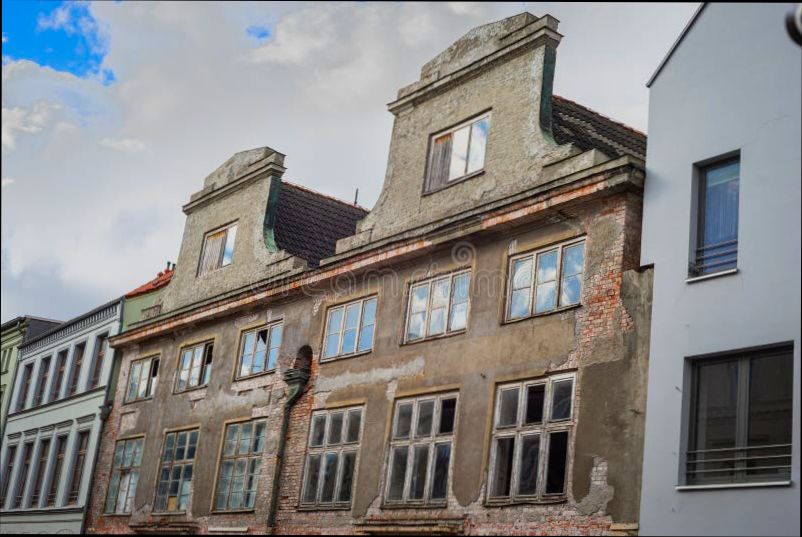
Statistics on Germany’s Heritage Buildings
When discussing Germany’s heritage buildings, it’s essential to focus on the statistics that illustrate the breadth and significance of these historical structures. Understanding these numbers can aid in identifying renovation and restoration opportunities while appreciating the cultural value these buildings bring to our communities.
One striking statistic reveals that approximately 100,000 heritage buildings are officially recognized in Germany, showcasing the country’s dedication to preserving its architectural legacy. Moreover, nearly 40% of these buildings date back to before 1945, highlighting the historical richness embedded in the urban landscape.
Key Statistics
- More than 60% of the heritage buildings undergo some form of renovation every decade, indicating a robust interest in maintaining their structural and aesthetic integrity.
- Around 25% of all renovated heritage buildings are repurposed for modern use, like apartments or commercial spaces, demonstrating adaptive reuse’s practical side in preserving history.
- The average age of protected heritage buildings stands at 90 years, suggesting a need for ongoing restoration efforts as they age and weather the elements.
| Year | Heritage Buildings Renovated | Percentage of Total Heritage Buildings |
|---|---|---|
| 2010 | 8,000 | 8% |
| 2015 | 12,000 | 12% |
| 2020 | 15,000 | 15% |
| 2023 | 20,000 | 20% |
Real-world examples help contextualize these statistics. For instance, the refurbishment of the historic Reichstag Building in Berlin not only preserved its architectural grandeur but also integrated modern elements, making it a functioning government building. This project illustrates how restoring heritage can serve contemporary purposes while honoring historical significance.
Practical implications for you involve recognizing that various funding programs, including federal and state grants, align with these statistics to support the renovation of heritage buildings. Engaging in collaborations with local preservation societies can also enhance your knowledge and resources surrounding potential renovation projects.
It is essential to stay informed about the ongoing trends in heritage buildings, as their continuous renovation is becoming a community-driven effort, with recent surveys indicating that over 70% of residents advocate for the preservation of their local historic structures. By diving deeper into these statistics, you can uncover more renovation opportunities that align with both historical appreciation and modern needs.